Introduction
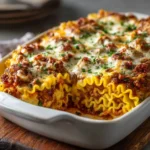
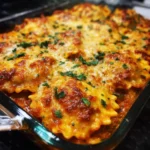
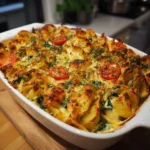
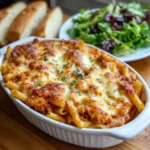
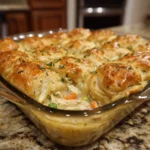
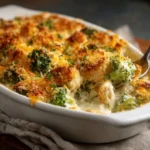
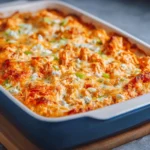
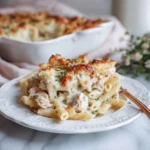
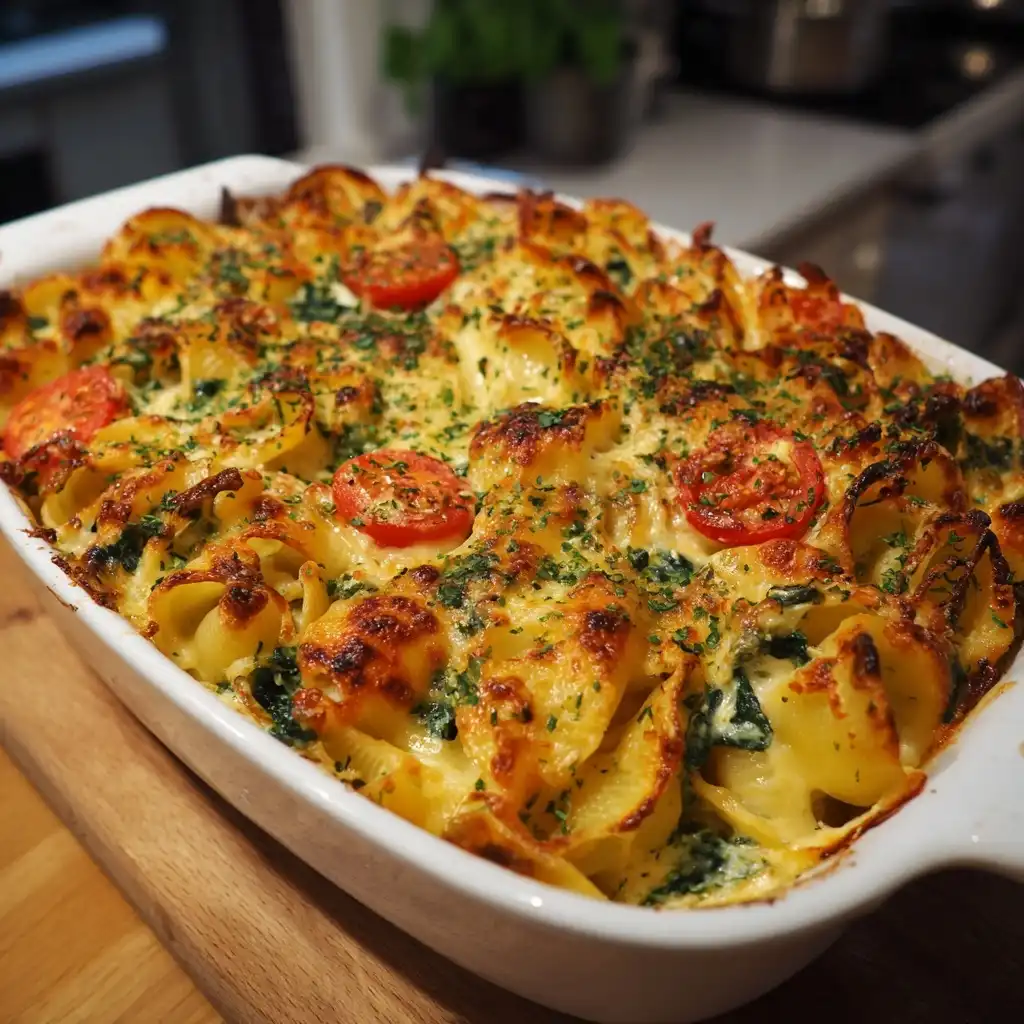
Spinach and Ricotta Pasta Bake is a beloved, comforting, and nutritionally balanced casserole that bridges the elegance of Italian home cooking with the hearty satisfaction of American-style baked pasta dishes. Creamy, savory, and subtly verdant, this dish brings together tender pasta, velvety ricotta cheese, earthy fresh spinach, and rich Parmesan in a golden, bubbling ensemble—perfect for weeknight family dinners, potlucks, holiday side tables, or meal-prepped lunches. Its versatility lies not only in its forgiving preparation but also in its ability to adapt seamlessly to dietary preferences—from vegetarian and gluten-free to high-protein or dairy-light versions—without compromising on depth of flavor or textural harmony. Whether you’re a seasoned cook seeking a reliable crowd-pleaser or a beginner eager to master foundational baking techniques, this recipe delivers restaurant-quality results with approachable steps and pantry-friendly ingredients.
The History
While no single documented origin story defines the Spinach and Ricotta Pasta Bake, its roots stretch across centuries and continents—woven from the culinary traditions of Southern and Central Italy, where ricotta (a byproduct of sheep’s or cow’s milk cheese-making) has been cherished since ancient Roman times. The pairing of ricotta and leafy greens appears as early as medieval Apulian and Sicilian recipes, often folded into stuffed pastas like ravioli or manicotti. As Italian immigrants brought their foodways to North America in the late 19th and early 20th centuries, ricotta became widely accessible in U.S. grocery stores—and home cooks began reimagining traditional fillings as layered, oven-baked casseroles influenced by American “hotdish” culture and mid-century convenience cooking. The postwar rise of baked ziti and lasagna paved the way for simplified, one-dish iterations—like this spinach-ricotta bake—that emphasized ease, economy, and shareability. Over time, health-conscious adaptations emerged, spotlighting spinach’s nutritional prowess and ricotta’s relatively lower fat content compared to other cheeses—solidifying its status not just as comfort food, but as nourishing, mindful cuisine.
Ingredients Breakdown
Every component in this pasta bake plays a deliberate role—not just in flavor, but in texture, moisture balance, structure, and nutritional synergy:
- Pasta: Short, sturdy shapes like penne, rigatoni, fusilli, or ziti are ideal—they hold sauce well, resist mushiness during baking, and provide surface area for cheese adhesion. Whole wheat or legume-based pastas add fiber and protein without sacrificing mouthfeel.
- Fresh Spinach: Preferred over frozen for its vibrant color, clean vegetal sweetness, and superior texture control. When sautéed briefly, it wilts dramatically (reducing to ~⅓ volume), concentrates flavor, and expels excess water—critical to preventing a soggy bake. Baby spinach is tender and requires minimal prep; mature leaves offer deeper earthiness but benefit from stem removal.
- Ricotta Cheese: Whole-milk ricotta is non-negotiable for richness and creaminess. Its mild tang and grainy-yet-smooth texture bind the filling while lending airy lightness. Low-moisture ricotta (often labeled “drained” or “baking ricotta”) prevents pooling; if using standard ricotta, straining through cheesecloth for 30 minutes improves consistency significantly.
- Mozzarella: Fresh mozzarella (torn or cubed) adds delicate milky notes and luxurious melt, while low-moisture shredded mozzarella ensures consistent browning and stretch. A blend of both delivers optimal texture—creamy interior and crisp, blistered top.
- Parmigiano-Reggiano: Aged at least 24 months, it contributes umami depth, nutty complexity, and salt balance. Grated fresh (not pre-shredded) guarantees maximum flavor release and proper browning.
- Egg: Acts as a gentle binder—helping the ricotta-spinach mixture cohere without making it dense or rubbery. One large egg is sufficient; adding more risks toughness.
- Aromatics & Herbs: Minced garlic and shallots build aromatic foundations when gently sautéed in olive oil. Fresh basil and parsley add brightness and herbal lift; dried oregano or nutmeg (used sparingly) lend warmth and nuance.
- Olive Oil & Seasoning: Extra-virgin olive oil enriches the sauté and enhances mouth-coating richness. Kosher salt and freshly ground black pepper are essential—not just for seasoning, but for amplifying every other flavor. A pinch of red pepper flakes adds subtle heat, while lemon zest (optional) brightens the entire profile.
Step-by-Step Recipe
- Preheat & Prep: Position oven rack in the center and preheat to 375°F (190°C). Lightly grease a 9×13-inch (or similar 3-quart) baking dish with olive oil or butter. Bring a large pot of heavily salted water (2 tbsp kosher salt per gallon) to a rolling boil.
- Cook the Pasta: Add pasta and cook until *just* shy of al dente—about 1–2 minutes less than package instructions. It will finish cooking in the oven, so undercooking prevents mushiness. Reserve 1 cup of starchy pasta water before draining.
- Sauté the Aromatics & Spinach: In a large skillet or Dutch oven over medium heat, warm 2 tbsp olive oil. Add finely minced shallot and garlic; sauté 2–3 minutes until fragrant and translucent—do not brown. Stir in 10 oz fresh spinach in batches, tossing constantly until fully wilted and deep green (~3–4 minutes total). Transfer to a fine-mesh strainer, press firmly with a spatula or spoon to extract *all* excess liquid (this step is critical—skip it at your bake’s peril). Let cool slightly.
- Prepare the Ricotta Mixture: In a large mixing bowl, combine 2 cups whole-milk ricotta, 1 large egg, ½ cup grated Parmigiano-Reggiano, ¼ cup chopped fresh basil, 2 tbsp chopped flat-leaf parsley, ¼ tsp freshly grated nutmeg, 1 tsp kosher salt, and ½ tsp black pepper. Whisk gently until smooth and homogenous. Fold in the cooled, squeezed spinach and 1 cup shredded low-moisture mozzarella. Taste and adjust seasoning—remember: pasta water and cheese will add salt later.
- Combine Pasta & Filling: Add drained pasta to the ricotta-spinach mixture. Gently fold with a silicone spatula or wooden spoon until evenly coated. If mixture seems dry or stiff, add reserved pasta water 1–2 tbsp at a time until cohesive but not soupy.
- Layer & Top: Transfer mixture to the prepared baking dish, spreading evenly. Sprinkle remaining 1 cup shredded mozzarella and ¼ cup additional Parmigiano-Reggiano over the top. For extra luxury, dot with small pieces of fresh mozzarella or drizzle lightly with olive oil.
- Bake: Place dish on a parchment- or foil-lined baking sheet (to catch potential bubbles or spills). Bake uncovered for 25–30 minutes, until top is deeply golden, edges are bubbling vigorously, and internal temperature reaches 165°F (74°C) when checked with an instant-read thermometer inserted into the center.
- Rest & Serve: Remove from oven and let rest undisturbed for 15–20 minutes. This allows starches to set, flavors to meld, and residual heat to finish cooking the center—ensuring clean, sliceable portions and preventing a runny, separated bake. Garnish with extra fresh herbs, lemon zest, or a drizzle of high-quality olive oil before serving.
Tips
- Spinach Squeeze is Sacred: Never skip pressing out spinach water—even a tablespoon too much can turn your bake into a custard-like puddle. Use a clean kitchen towel for maximum extraction.
- Pasta Timing is Everything: Undercook deliberately. Overcooked pasta + oven time = disintegration. Test 2 minutes before package time.
- Ricotta Drainage Matters: If your ricotta pools liquid in the container, strain it in a fine-mesh sieve over a bowl for 30 minutes in the fridge beforehand.
- Layer Smart, Not Thick: Avoid overfilling the dish—it should be filled no more than ¾ full to allow for expansion and even browning.
- Golden Top Hack: For extra browning without drying, switch oven to broil for the final 2–3 minutes—watch closely!
- Cheese Temperature: Use cheeses at room temperature—cold ricotta or mozzarella won’t blend smoothly and may create lumps.
- Acid Balance: Stirring in 1 tsp lemon juice or zest into the ricotta mixture right before baking brightens richness and cuts through heaviness.
- Make-Ahead Magic: Assemble up to 24 hours ahead—cover tightly and refrigerate unbaked. Add 5–8 minutes to bake time if going straight from fridge to oven.
- Reheating Right: Revive leftovers in a 350°F oven (covered with foil) for 15–20 minutes, then uncover for 5 minutes to crisp. Microwaving makes it gummy—avoid unless absolutely necessary.
- Freeze with Confidence: Fully baked and cooled, wrap tightly in parchment + foil. Freeze up to 3 months. Thaw overnight in fridge, then reheat covered at 325°F for 30 minutes, uncovered for 10.
Variations and Customizations
This recipe is a canvas—easily adapted for taste, seasonality, dietary needs, or pantry constraints:
- Protein-Packed: Fold in 1 cup cooked, crumbled Italian sausage (mild or hot), grilled chicken breast strips, or pan-seared shrimp. For plant-based protein, add 1 cup rinsed, drained white beans (cannellini or Great Northern) or ½ cup toasted pine nuts.
- Vegetable-Forward: Roast 1 cup diced zucchini, cherry tomatoes, or roasted red peppers and stir in with spinach. Add ¼ cup chopped sun-dried tomatoes (oil-packed, patted dry) for sweet-tart intensity.
- Herb & Citrus Infusions: Swap basil for 2 tbsp fresh dill or mint; add 1 tsp orange zest or ½ tsp fennel seeds for Mediterranean flair.
- Gluten-Free: Use certified GF pasta (brown rice, quinoa, or corn-based). Ensure all cheeses and seasonings are GF-certified (some shredded cheeses contain anti-caking agents with gluten).
- Dairy-Free/Vegan: Replace ricotta with blended silken tofu + lemon juice + nutritional yeast; use vegan mozzarella shreds and Parmesan alternatives; swap egg for 1 tbsp flaxseed meal + 2.5 tbsp water (let sit 5 min). Note: texture will be softer, but flavor remains robust.
- Low-Carb/Keto: Substitute pasta with spiralized zucchini (“zoodles”), blanched and thoroughly squeezed, or shirataki noodles (rinsed and dry-sautéed). Increase ricotta and cheese slightly to compensate for reduced bulk.
- Spice It Up: Stir ½ tsp smoked paprika or harissa paste into ricotta; top with pickled jalapeños or Calabrian chiles before baking.
- Gourmet Upgrade: Layer with thin slices of prosciutto or pancetta between pasta layers; finish with truffle oil and microgreens.
- Mini Individual Bakes: Portion into greased ramekins or muffin tins—bake at 375°F for 18–22 minutes for charming, portion-controlled servings.
- Breakfast Twist: Reduce cheese slightly, add 2 eggs to ricotta mixture, and bake in a buttered cast-iron skillet—top with fried eggs and hot sauce for brunch.
Health Considerations and Nutritional Value
A single 1-cup serving (approx. 320g) of this Spinach and Ricotta Pasta Bake offers a well-rounded nutritional profile—especially when prepared mindfully:
- Protein Powerhouse: Ricotta (14g/cup), mozzarella, and Parmesan deliver ~22–26g complete protein per serving—supporting muscle maintenance, satiety, and metabolic health.
- Calcium & Vitamin D Synergy: Dairy cheeses provide highly bioavailable calcium (≈30% DV per serving), vital for bone density and nerve function. Pairing with vitamin D-rich foods (e.g., mushrooms or fortified milk in ricotta) enhances absorption.
- Iron-Rich Greens: Spinach supplies non-heme iron (≈15% DV), folate (≈40% DV), and antioxidants like lutein and beta-carotene—linked to eye health and reduced oxidative stress. Consuming with vitamin C (lemon, tomatoes, bell peppers) boosts iron absorption.
- Fiber & Gut Health: Whole wheat pasta adds 4–6g fiber/serving—feeding beneficial gut bacteria and supporting digestive regularity and blood sugar stability.
- Healthy Fats: Olive oil contributes monounsaturated fats (heart-protective), while ricotta offers conjugated linoleic acid (CLA)—studied for anti-inflammatory properties.
- Lower Sodium Options: Use low-sodium ricotta and omit added salt in the spinach sauté; rely on herbs, lemon, and aged cheese for flavor. Total sodium can drop from ~580mg to ~320mg per serving.
- Considerations: Those with lactose intolerance may tolerate aged cheeses better (Parmigiano has <0.1g lactose/serving); ricotta contains ~2–3g per ½ cup—many find small amounts manageable. For dairy sensitivity, calcium-fortified plant alternatives and leafy greens remain excellent sources.
- Calorie Context: At ~380–420 calories per serving (depending on cheese and pasta choices), it fits comfortably within balanced meal plans—especially when paired with a simple arugula salad dressed in lemon vinaigrette.
Ingredients
- 12 oz (340g) short-cut pasta (penne, rigatoni, or ziti)
- 2 tbsp extra-virgin olive oil, plus more for greasing
- 1 medium shallot, finely minced (about ¼ cup)
- 3 garlic cloves, minced
- 10 oz (280g) fresh baby spinach (or mature spinach, stems removed)
- 2 cups (480g) whole-milk ricotta cheese, well-drained if watery
- 1 large egg, room temperature
- 1 ½ cups (150g) shredded low-moisture mozzarella cheese, divided
- ¾ cup (75g) finely grated Parmigiano-Reggiano cheese, divided
- ¼ cup fresh basil leaves, finely chopped
- 2 tbsp fresh flat-leaf parsley, finely chopped
- ¼ tsp freshly grated nutmeg
- 1 ½ tsp kosher salt, plus more for pasta water
- ½ tsp freshly ground black pepper
- Optional: zest of ½ lemon, ¼ tsp red pepper flakes, 1 tsp lemon juice
Directions
- Preheat oven to 375°F (190°C). Grease a 9×13-inch (3-quart) baking dish with olive oil.
- Bring 4–5 quarts water to a boil in a large pot. Add 2 tbsp kosher salt. Cook pasta according to package directions, reducing time by 1–2 minutes. Reserve 1 cup pasta water, then drain pasta thoroughly.
- In a large skillet over medium heat, warm 2 tbsp olive oil. Add shallot and garlic; cook 2–3 minutes until soft and fragrant. Stir in spinach in batches, cooking until completely wilted and dark green (~4 minutes). Transfer to a fine-mesh strainer and press *firmly* with a spatula to remove all liquid. Let cool 5 minutes.
- In a large bowl, whisk ricotta, egg, 1 cup mozzarella, ½ cup Parmigiano-Reggiano, basil, parsley, nutmeg, salt, and pepper until smooth. Fold in cooled, squeezed spinach. Taste and adjust seasoning.
- Add drained pasta to ricotta mixture. Gently fold until fully coated. Add reserved pasta water 1 tbsp at a time if needed for cohesion (usually 2–3 tbsp).
- Transfer mixture to prepared baking dish. Smooth top. Sprinkle with remaining ½ cup mozzarella and ¼ cup Parmigiano-Reggiano. Optional: drizzle with olive oil or lemon zest.
- Bake uncovered for 25–30 minutes, until top is golden-brown and edges bubble vigorously. Internal temp should read 165°F (74°C).
- Let rest 15–20 minutes before slicing. Serve garnished with extra herbs or a lemon wedge.
FAQ
- Can I use frozen spinach?
- Yes—but thaw completely, then squeeze *aggressively* in a clean towel until no water remains. Use 10 oz frozen (thawed and squeezed) to replace 10 oz fresh. Flavor is milder, texture slightly denser.
- Why does my bake come out watery?
- Nearly always due to insufficient spinach draining or under-drained ricotta. Also common: overcooking pasta before baking, or using pre-shredded cheese (contains anti-caking starches that leach moisture).
- Can I make this ahead and refrigerate before baking?
- Absolutely. Assemble fully, cover tightly with plastic wrap or lid, and refrigerate up to 24 hours. Bake straight from fridge—add 5–8 minutes to total time and tent foil loosely if top browns too quickly.
- What’s the best cheese substitute for someone avoiding dairy?
- For ricotta: blend 12 oz silken tofu + 2 tbsp nutritional yeast + 1 tbsp lemon juice + ½ tsp salt until ultra-smooth. For mozzarella: use high-quality vegan shreds designed for melting (e.g., Miyoko’s or Daiya Cutting Board). Parmesan alternative: hemp seed “parm” (ground hemp seeds + nutritional yeast + garlic powder).
- Can I freeze the baked dish?
- Yes! Cool completely, wrap tightly in parchment + heavy-duty foil, label, and freeze up to 3 months. Thaw overnight in fridge. Reheat covered at 325°F for 30 minutes, then uncover for 10 minutes to crisp.
- Is there a way to reduce the carbs?
- Substitute 12 oz pasta with 2 medium zucchinis, spiralized and blanched 1 minute, then squeezed dry. Or use 12 oz shirataki noodles (rinsed, dry-sautéed 3 minutes). Adjust ricotta slightly upward for binding.
- Can I add meat without changing the texture?
- Yes—if finely crumbled and fully cooked (no pink, no liquid). Pat dry with paper towels. Italian sausage works best; avoid overly fatty meats that render excess oil.
- My ricotta is grainy—how do I fix it?
- Whisk vigorously with a fork or immersion blender for 30 seconds. Add 1 tsp lemon juice or cream to emulsify. Graininess is natural in fresh ricotta—it smooths beautifully when mixed with egg and cheese.
- What wine pairs well with this dish?
- A medium-bodied, high-acid white like Vermentino, Soave Classico, or Pinot Grigio cuts richness. For red lovers, try a chilled Barbera d’Asti or light Chianti Classico.
- How do I store leftovers?
- Cool completely, then store in an airtight container in the refrigerator for up to 4 days. Reheat in oven (preferred) or toaster oven—not microwave—for best texture.
Summary
Spinach and Ricotta Pasta Bake is a timeless, nutrient-dense, and endlessly adaptable Italian-American classic—uniting creamy ricotta, vibrant spinach, tender pasta, and golden melted cheeses into a harmonious, oven-bubbling masterpiece.
With meticulous attention to moisture control, thoughtful ingredient selection, and customizable variations for every diet and occasion, it transforms humble pantry staples into a celebration of comfort, flavor, and wholesome nourishment—equally at home on a Sunday supper table or a busy weeknight dinner plate.