Introduction
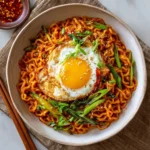
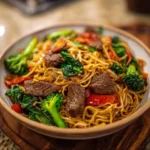
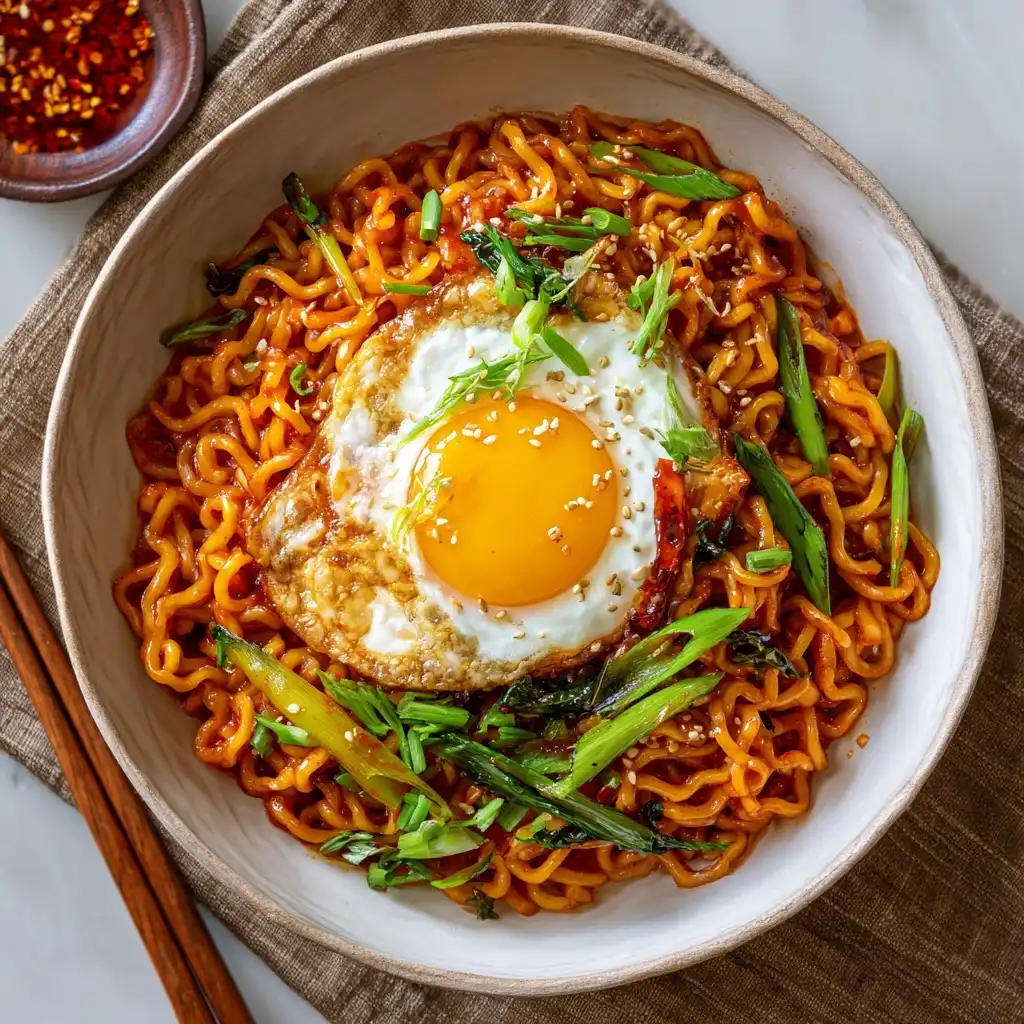
Spicy Korean Gochujang Noodles—often affectionately dubbed “Gochujang Ramen,” “Korean Fire Noodles,” or “Gochujang Dan Dan Noodles”—are a bold, umami-rich, and deeply comforting fusion dish that bridges traditional Korean flavors with the universal appeal of hearty, saucy noodles. More than just heat, this dish is a masterclass in layered flavor: sweet, salty, tangy, fermented, and spicy all coexist in perfect, addictive harmony. Whether served as a quick weeknight dinner, a vibrant meal-prep staple, or an impressive yet approachable centerpiece for Korean-inspired gatherings, these noodles deliver restaurant-quality depth with pantry-friendly ingredients and minimal hands-on time. Their growing global popularity reflects a broader culinary shift toward bold, fermented, and culturally rooted comfort foods—and once you taste that glossy, crimson gochujang glaze clinging to springy noodles and tender protein, you’ll understand why.
The History
Gochujang Noodles are a modern evolution—not an ancient Korean tradition, but a dynamic, grassroots creation born from culinary ingenuity and cross-cultural exchange. Gochujang itself dates back over 1,500 years to the Three Kingdoms period of Korea, originally developed as a way to preserve chili peppers, glutinous rice, fermented soybeans, and salt through natural koji-driven fermentation. Its complex, savory-sweet-spicy profile made it indispensable in stews (like ttukbaegi soondubu), marinades (for bulgogi and dwaeji galbi), and dipping sauces.
However, the specific concept of stir-fried or saucy noodles coated in gochujang emerged much later—likely in the 1980s–1990s—as Korean home cooks began adapting Western-style instant ramen and Japanese yakisoba techniques to local ingredients. The rise of Korean pop culture (Hallyu), food blogs in the early 2000s, and YouTube cooking channels (notably pioneers like Maangchi and Korean Bapsang) further catalyzed its global spread. By the mid-2010s, versions appeared on menus across Seoul’s Hongdae district, Los Angeles’ Koreatown, and London’s Brick Lane—each chef adding regional twists: sesame oil in New York, fish sauce in Bangkok, coconut milk in Sydney. Today, “Gochujang Noodles” represent Korean culinary resilience—a fermented condiment once reserved for ancestral rituals now reimagined as a globally beloved, customizable, soul-warming bowl.
Ingredients Breakdown
Every ingredient plays a precise role in building balance and texture:
- Gochujang (Korean chili paste): The irreplaceable heart—fermented, slightly sweet, deeply savory, and moderately spicy (Scoville 1,000–1,500). Look for brands like Chung Jung One, Sunchang, or Pulmuone with minimal additives (ideally just chilies, rice, soybeans, salt, and barley malt). Avoid “gochujang-style” sauces with corn syrup or artificial colors.
- Noodles: Traditional choices include Korean wheat-based guksu or chewy naengmyeon (buckwheat), but Japanese udon (thick & resilient), soba (nutty & earthy), or even high-protein chickpea or brown rice noodles work beautifully. Instant ramen blocks (with seasoning packets discarded) are a popular shortcut—but rinse thoroughly to remove excess alkaline water and prevent gumminess.
- Aromatics: Minced garlic and fresh ginger provide pungent warmth; scallions add brightness and crunch—both raw (as garnish) and cooked (for base fragrance).
- Umami Enhancers: Soy sauce (preferably Korean ganjang or Japanese tamari for gluten-free needs), toasted sesame oil (added at the end for aroma), and optional additions like fish sauce (aekjeot) or Korean soup soy sauce (guk-ganjang) deepen savoriness without overpowering.
- Sweetness: Brown sugar, Korean rice syrup (mullyeot), or honey balances gochujang’s heat and acidity. Rice syrup is ideal—it’s less cloying and lends authentic sheen.
- Acidity: Rice vinegar or apple cider vinegar cuts richness and lifts flavors; lime or yuzu juice adds aromatic brightness at the finish.
- Protein: Thinly sliced beef (soegogi), marinated pork belly (dweaji), pan-seared tofu, or shiitake mushrooms offer satisfying heft. Pre-marinating in soy, garlic, and sesame oil ensures tenderness and flavor penetration.
- Veggies: Cabbage, carrots, zucchini, spinach, bean sprouts, and shiitakes contribute sweetness, crunch, color, and nutrients—each retaining distinct texture when stir-fried quickly over high heat.
- Toppings: Toasted sesame seeds, nori strips, pickled radish (danmuji), soft-boiled eggs, or kimchi add textural contrast and cultural authenticity.
Step-by-Step Recipe
- Prep All Ingredients (Mise en Place): Julienne vegetables uniformly (2–3 mm thick); slice protein thinly against the grain; mince garlic and ginger; whisk together the sauce (see Ingredients section below). This step is non-negotiable—high-heat stir-frying moves fast.
- Par-Cook Noodles: Boil noodles according to package directions—but reduce time by 1–2 minutes to avoid mushiness. Drain, rinse under cold water to halt cooking and remove surface starch, then toss lightly with ½ tsp neutral oil to prevent sticking.
- Stir-Fry Aromatics & Protein: Heat 1 tbsp neutral oil (like grapeseed or canola) in a wok or large skillet over medium-high heat. Add garlic and ginger; stir 15 seconds until fragrant (do not brown). Add protein; sear 2–3 minutes until just cooked through. Remove and set aside.
- Sauté Vegetables: In same pan, add another ½ tbsp oil. Toss in harder veggies first (carrots, cabbage, shiitakes); stir-fry 2 minutes until slightly softened but still crisp. Add softer veggies (zucchini, spinach, bean sprouts); cook 60–90 seconds until vibrant and tender-crisp.
- Combine & Sauce: Return protein to pan. Reduce heat to medium. Pour in prepared gochujang sauce. Stir constantly for 1 minute as sauce thickens and coats everything evenly. Let bubble gently—do not boil vigorously, which can make gochujang bitter.
- Incorporate Noodles: Add drained noodles. Use tongs or chopsticks to lift and fold—never press down—to evenly distribute sauce without breaking strands. Cook 2–3 minutes, tossing continuously, until noodles are heated through and glistening.
- Finish & Garnish: Remove from heat. Drizzle with 1 tsp toasted sesame oil and a squeeze of lime or rice vinegar. Top generously with sliced scallions, toasted sesame seeds, nori, and optional extras like soft-boiled egg halves or kimchi.
Tips
- Control the Heat: Gochujang varies widely in spiciness. Start with 1 tbsp per serving, taste the sauce before adding to noodles, and adjust gradually. To tame excessive heat, add ½ tsp honey or rice syrup—or a splash of coconut milk for creamy richness.
- Texture Is Everything: Undercook noodles intentionally—they’ll absorb sauce and continue cooking off-heat. Overcooked noodles turn gluey and dilute flavor.
- Wok Hei Matters: Use the highest heat your stove allows and keep ingredients moving. That subtle smoky char (“breath of the wok”) elevates depth significantly.
- Fermentation Depth: For richer complexity, let your gochujang sauce sit covered at room temperature for 30 minutes before cooking—this allows flavors to meld and enzymes to gently activate.
- Resist Overcrowding: Cook in batches if doubling the recipe. Crowded pans steam instead of sear, resulting in soggy, muted flavors.
- Make-Ahead Friendly: Sauce keeps refrigerated for up to 10 days; pre-chopped veggies last 4 days; cooked noodles (rinsed & oiled) store well for 2 days. Assemble fresh for best results.
- Non-Stick Wisdom: While traditionalists use carbon steel woks, a high-quality non-stick skillet works perfectly—especially for beginners. Just avoid metal utensils and never preheat empty on high.
Variations and Customizations
This recipe thrives on personalization—here are 12 thoughtfully curated adaptations:
- Vegan Gochujang Noodles: Swap fish sauce for liquid aminos or coconut aminos; use extra-firm tofu or tempeh; add roasted seaweed flakes and black vinegar for oceanic depth.
- Korean-Mexican Fusion: Add pickled jalapeños, crumbled cotija cheese, avocado slices, and a dusting of gochugaru-lime salt.
- Low-Carb/Keto Version: Replace noodles with spiralized zucchini (zoodles), shirataki noodles, or blanched bok choy ribbons; boost fat with extra sesame oil and crushed macadamia nuts.
- Breakfast Gochujang Noodles: Top with a jammy soft-boiled egg, crispy shallots, and a drizzle of gochujang-mayo (mix 1 part gochujang + 2 parts Kewpie mayo + lime zest).
- Seafood Lover’s Edition: Use squid rings, mussels, and shrimp—add seafood at the very end (30 seconds) to prevent rubberiness.
- Smoky BBQ Twist: Add ½ tsp smoked paprika and 1 tsp Korean pear puree (or grated Asian pear) for natural fruit enzymes that tenderize and add subtle smoke-sweetness.
- Creamy Gochujang Udon: Stir in 2 tbsp unsweetened coconut milk or cashew cream at the finish for velvety richness without dairy.
- Kimchi-Infused Noodles: Fold in ¼ cup well-drained, chopped ripe kimchi during the final minute—its lactic tang brightens the entire dish.
- Deconstructed Gochujang Bowl: Serve components separately—noodles, sauce, protein, veggies, toppings—for interactive, customizable dining.
- Meal-Prep Mason Jar Style: Layer sauce at bottom, then grains (brown rice or quinoa), roasted veggies, protein, and greens. Shake to combine before eating.
- Dessert-Inspired: Add a pinch of cinnamon and star anise to the sauce, top with roasted sweet potato cubes and candied walnuts—unexpected but harmonious.
- Ultra-Authentic Home-Style: Finish with a spoonful of freshly made ssamjang (gochujang + doenjang blend) and serve wrapped in lettuce cups with raw garlic slivers.
Health Considerations and Nutritional Value
A single serving (approx. 2 cups, made with whole-wheat udon, lean beef, and abundant vegetables) delivers approximately:
- Calories: 480–560 kcal
- Protein: 28–34 g (supporting muscle repair and satiety)
- Fiber: 7–10 g (from vegetables, whole-grain noodles, and fermented gochujang’s prebiotic benefits)
- Healthy Fats: 12–16 g (primarily monounsaturated from sesame oil and nuts)
- Vitamins & Minerals: Rich in vitamin A (carrots, spinach), vitamin C (scallions, lime), iron (beef/tofu), calcium (tofu, sesame), and B vitamins (fermented soybeans in gochujang).
Key Health Notes:
- Fermentation Benefits: Gochujang contains beneficial microbes (lactobacilli) and bioactive compounds like capsaicin (anti-inflammatory) and genistein (phytoestrogen with antioxidant properties).
- Sodium Awareness: Naturally high due to soy sauce and gochujang—reduce added salt, opt for low-sodium tamari, and balance with potassium-rich veggies (spinach, zucchini, mushrooms).
- Sugar Transparency: Traditional gochujang contains no added sugar—its sweetness comes from fermented rice starch. Always check labels; many commercial “spicy noodle kits” load in high-fructose corn syrup.
- Gluten Considerations: Most gochujang is gluten-free (fermented soybeans, not wheat), but verify labels—some brands add wheat flour as a thickener. Use tamari or coconut aminos for full GF compliance.
- Anti-Inflammatory Profile: Garlic, ginger, sesame oil, and gochujang collectively support healthy circulation, digestion, and immune modulation—making this more than “just spicy food.”
Ingredients
Makes 4 generous servings
- 12 oz (340 g) Korean wheat noodles, udon, or soba (or 4 packs instant ramen—discard seasoning)
- ⅓ cup (80 g) authentic Korean gochujang (Chung Jung One recommended)
- 3 tbsp (45 mL) Korean soup soy sauce (guk-ganjang) or low-sodium tamari
- 2 tbsp (30 mL) Korean rice syrup (mullyeot) or light brown sugar
- 1 tbsp (15 mL) unseasoned rice vinegar
- 1 tsp (5 mL) toasted sesame oil (plus extra for finishing)
- 2 tbsp (30 mL) neutral high-heat oil (grapeseed or canola), divided
- 4 cloves garlic, finely minced
- 1-inch (2.5 cm) piece fresh ginger, peeled and minced
- 1 lb (450 g) flank steak or pork shoulder, thinly sliced against the grain
- 1 small napa cabbage, cored and julienned (4 cups)
- 2 medium carrots, julienned (1 cup)
- 1 cup shiitake mushrooms, stems removed, sliced
- 1 small zucchini, julienned
- 2 cups baby spinach or bok choy greens
- 4 green onions, thinly sliced (white parts for cooking, green for garnish)
- 2 tbsp toasted white sesame seeds
- Optional: 4 soft-boiled eggs, ¼ cup kimchi, 2 tbsp nori strips, pickled radish
Directions
- Prepare Sauce: In a small bowl, whisk together gochujang, soup soy sauce, rice syrup, rice vinegar, and 1 tsp toasted sesame oil until completely smooth and glossy. Set aside.
- Cook Noodles: Bring a large pot of salted water to rolling boil. Add noodles and cook 1–2 minutes less than package instructions. Drain, rinse thoroughly under cold running water, shake dry, and toss with ½ tsp neutral oil. Set aside.
- Marinate Protein (Optional but Recommended): In a bowl, combine sliced meat with 1 tbsp soup soy sauce, 1 tsp minced garlic, ½ tsp grated ginger, and 1 tsp sesame oil. Marinate 15–30 minutes at room temperature.
- Stir-Fry: Heat 1½ tbsp neutral oil in a 14-inch wok or heavy-bottomed skillet over medium-high heat until shimmering. Add white parts of scallions, garlic, and ginger; stir 30 seconds. Add marinated meat; stir-fry 2–3 minutes until edges begin to brown but center remains slightly pink. Transfer to a clean plate.
- Sauté Veggies: Add remaining ½ tbsp oil. Add cabbage, carrots, and shiitakes; stir-fry 2 minutes. Add zucchini; stir-fry 1 minute. Finally, add spinach; toss 30 seconds until just wilted.
- Combine & Simmer: Return meat to pan. Reduce heat to medium. Pour sauce over mixture. Stir constantly for 60–90 seconds until sauce bubbles gently and thickens into a rich, clingy glaze.
- Add Noodles: Add noodles. Using tongs, gently lift, fold, and toss for 2–3 minutes—coating every strand without breaking. If too dry, add 1–2 tbsp warm water or broth. If too wet, cook 30 seconds longer.
- Finish: Remove from heat. Stir in remaining 1 tsp toasted sesame oil and lime juice (if using). Taste and adjust—more vinegar for brightness, more syrup for sweetness, more gochujang for depth.
- Serve Immediately: Divide among warmed bowls. Garnish lavishly with green scallions, sesame seeds, nori, soft-boiled eggs, and kimchi. Serve with chopsticks and a side of pickled radish or cucumber kimchi.
FAQ
- Can I make this vegetarian or vegan?
- Absolutely. Omit meat and use extra-firm tofu (pressed & pan-fried), tempeh, or king oyster mushrooms. Substitute fish sauce with coconut aminos or soy sauce, and ensure gochujang is certified vegan (most traditional brands are—check for added sugar sources).
- What if I can’t find gochujang?
- It’s truly irreplaceable for authenticity—but in a pinch, mix 2 parts tomato paste + 1 part sriracha + 1 tsp miso + ½ tsp brown sugar + 1 tsp rice vinegar. Not identical—but delivers savory heat and body. Never substitute with plain chili flakes or hot sauce alone.
- Why does my sauce look grainy or separate?
- Gochujang is naturally thick and oil-resistant. Whisk vigorously while warm, or blend sauce briefly with an immersion blender. Adding a teaspoon of warm water or broth while whisking helps emulsify.
- Can I freeze leftovers?
- Not recommended—noodles become mushy and sauce loses vibrancy. However, the sauce alone freezes beautifully for up to 3 months. Portion into ice cube trays, freeze solid, then transfer to a bag for easy single-serving thawing.
- How spicy is this dish really?
- Moderate—similar to a mild Thai curry or medium salsa. Gochujang’s heat is rounded by sweetness and fermentation. For heat-seekers: add gochugaru (Korean chili flakes) or a dash of Sichuan peppercorn oil. For kids or spice-sensitive eaters: halve gochujang and double rice syrup.
- Is there a gluten-free version?
- Yes—use 100% rice-based gochujang (Sempio GF-certified), tamari or coconut aminos, and gluten-free noodles (100% buckwheat soba, brown rice, or mung bean). Double-check all labels—even “gluten-free” soy sauce may contain trace wheat derivatives.
- Can I use dried noodles instead of fresh?
- Yes—and often preferred! Dried udon, soba, and Korean guksu hold up better than fresh when coated in thick sauce. Just adjust boiling time carefully and rinse well.
- What’s the best way to reheat leftovers?
- Stovetop only: add 1 tsp water or broth to a skillet, warm over medium-low, and toss gently for 2–3 minutes until steaming. Microwaving dries out noodles and dulls sauce sheen.
- Can I meal prep this for the week?
- Yes—with smart separation: cook noodles, sauce, proteins, and veggies separately. Store each in airtight containers for up to 4 days. Reheat components individually, then combine and finish with sesame oil and garnishes.
- What wine or beverage pairs well?
- Off-dry Riesling or sparkling rosé cuts the heat and complements umami. For non-alcoholic options: Korean barley tea (boricha), chilled plum juice (maesil-cha), or toasted sesame milk.
Summary
Spicy Korean Gochujang Noodles are a vibrant, deeply flavorful, and nutritionally balanced celebration of fermented tradition and modern culinary creativity—where centuries-old gochujang meets quick-cook convenience and endless customization.
With its perfect balance of sweet, spicy, savory, and tangy notes—and adaptable to dietary needs, seasonal produce, and pantry constraints—it’s not just a recipe, but a versatile, soul-satisfying framework for mindful, joyful, and culturally resonant cooking.