Introduction
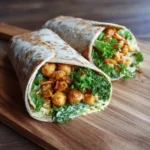
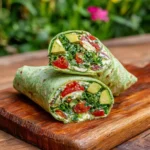
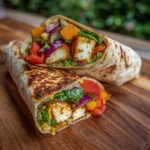
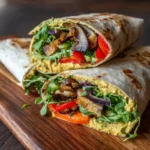
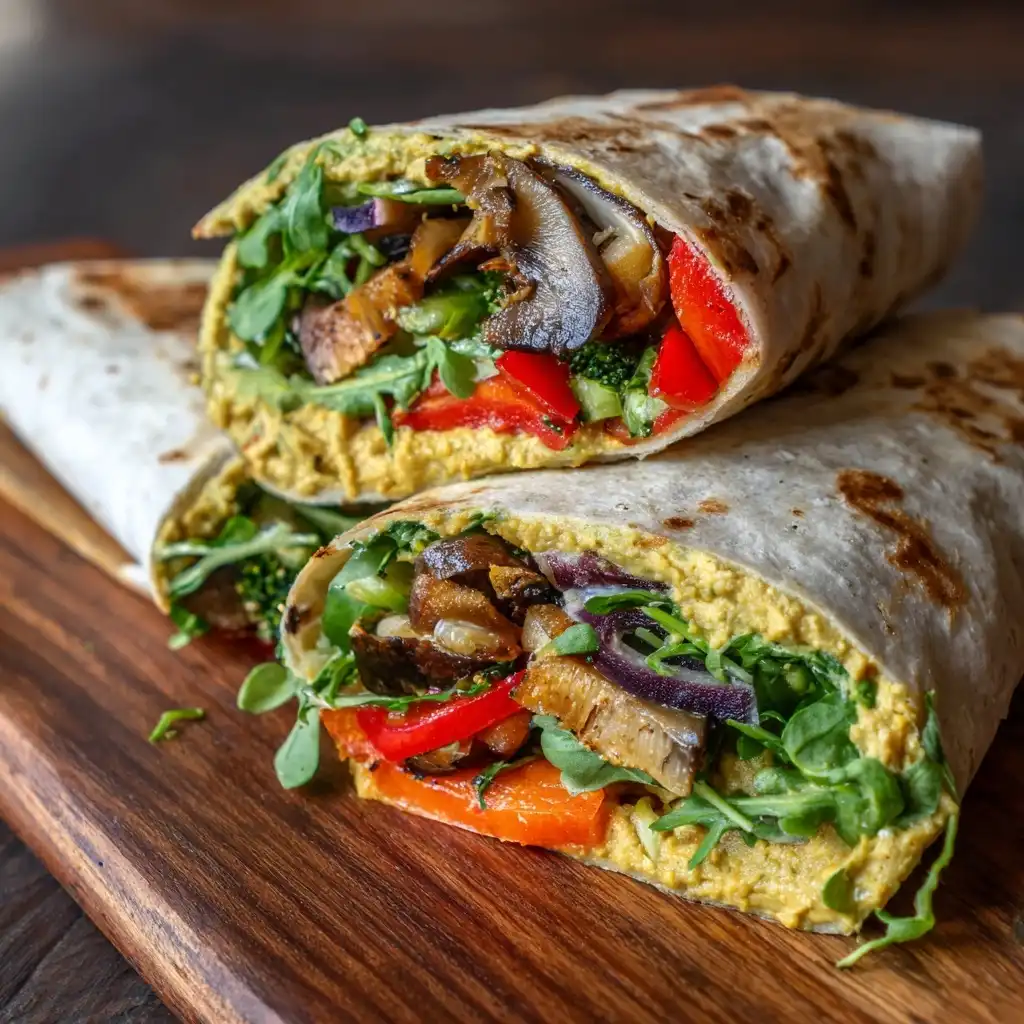
The Roasted Veggie Hummus Wrap is a vibrant, nutrient-dense, plant-powered meal that marries the earthy sweetness of oven-roasted vegetables with the creamy richness of homemade hummus—all wrapped snugly in a soft, whole-grain or gluten-free tortilla. More than just a convenient lunch or on-the-go snack, this wrap embodies modern healthy eating: flavorful, fiber-rich, protein-boosted, and endlessly adaptable. Whether you’re a seasoned vegetarian, a flexitarian seeking more plant-forward meals, or simply someone craving a satisfying yet light lunch that doesn’t compromise on taste or texture, this wrap delivers—with color, crunch, creaminess, and depth in every bite.
The History
While the exact origin of the “roasted veggie hummus wrap” isn’t documented in culinary archives—unlike ancient staples like hummus itself (traced back over 1,000 years to Middle Eastern and Levantine cuisines)—its emergence reflects a broader evolution in global food culture. Hummus, traditionally made from mashed chickpeas, tahini, lemon, and garlic, gained widespread popularity in North America and Europe in the late 20th century, accelerated by health trends and Mediterranean diet advocacy. Simultaneously, the rise of artisanal wraps—popularized by fast-casual chains and wellness-focused cafés in the 1990s and early 2000s—created the perfect vehicle for bold, textured fillings. Roasting vegetables (a technique revived through chefs like Alice Waters and later championed by food media giants such as Bon Appétit and Minimalist Baker) added caramelized depth and umami that elevated simple spreads like hummus from dip to centerpiece. The Roasted Veggie Hummus Wrap thus represents a delicious convergence: ancient legume tradition, modern vegetable-forward cooking philosophy, and contemporary demand for portable, balanced, and visually stunning meals.
Ingredients Breakdown
Understanding each component not only ensures optimal flavor and texture but also empowers customization based on dietary needs, seasonal availability, and pantry constraints:
- Chickpeas: The foundation of hummus—canned (low-sodium, rinsed well) or home-cooked. Rich in plant-based protein (7.3g per ½ cup), fiber (6g), folate, iron, and resistant starch that supports gut health.
- Tahini: Ground sesame seed paste—provides creaminess, nutty depth, calcium, healthy fats (monounsaturated & polyunsaturated), and vitamin E. Opt for 100% stone-ground, no added oils or sugars.
- Fresh Lemon Juice: Bright acidity balances richness, enhances iron absorption from chickpeas and greens, and acts as a natural preservative.
- Roasted Vegetables: A dynamic blend—commonly bell peppers (vitamin C powerhouse), zucchini (low-calorie, high-water content), red onion (quercetin & prebiotic fiber), cherry tomatoes (lycopene), eggplant (nasunin antioxidants), and sweet potato (beta-carotene). Roasting concentrates natural sugars, deepens flavor, and improves digestibility.
- Olive Oil: Used both for roasting (extra virgin, cold-pressed) and drizzling—supplies heart-healthy oleic acid, polyphenols, and anti-inflammatory compounds.
- Spices & Aromatics: Smoked paprika adds subtle smokiness; cumin lends warmth and digestive support; garlic and fresh herbs (parsley, cilantro, dill) contribute enzymatic activity and phytonutrient diversity.
- Wrap Base: Whole-wheat, sprouted grain, spinach-infused, or certified gluten-free brown rice tortillas—each offers unique nutritional profiles (e.g., sprouted grains increase B-vitamin bioavailability; spinach wraps add lutein and iron).
- Enhancers: Optional but transformative additions include crumbled feta or vegan feta (for salty tang), toasted pine nuts or pumpkin seeds (crunch + magnesium/zinc), microgreens (enzyme-rich garnish), or a drizzle of harissa or roasted red pepper sauce (spice + capsaicin metabolism boost).
Step-by-Step Recipe
- Prep & Preheat: Position oven rack in the center. Preheat to 425°F (220°C). Line two large baking sheets with parchment paper or silicone mats.
- Vegetable Prep: Wash and dry all vegetables thoroughly. Dice bell peppers into ¾-inch pieces; halve cherry tomatoes; slice zucchini into ¼-inch half-moons; peel and cube sweet potato into ½-inch cubes; quarter red onion; trim stem end of eggplant and cut into ½-inch dice. Keep vegetables separated by roasting time if needed (e.g., sweet potatoes and carrots may need 5–8 minutes longer than zucchini and tomatoes).
- Roast in Stages: Toss sweet potato and red onion with 1 tbsp olive oil, ½ tsp smoked paprika, ¼ tsp cumin, salt, and black pepper. Spread evenly on one sheet. Roast for 15 minutes. Meanwhile, toss bell peppers, zucchini, and eggplant with 1 tbsp olive oil, ½ tsp cumin, salt, and pepper. After 15 min, remove first sheet, add tomato halves (cut-side up) to second sheet, and return both to oven. Roast 12–15 more minutes until vegetables are tender-crisp, slightly caramelized at edges, and tomatoes are blistered but not dried out.
- Cool & Combine: Let roasted veggies cool 10 minutes on trays—this prevents sogginess and allows flavors to settle. Gently toss in a large bowl with 1 tbsp chopped fresh parsley, 1 tsp lemon zest, and optional ½ tsp sumac for brightness.
- Make Fresh Hummus: In a food processor, combine 1½ cups cooked chickpeas (reserve liquid), ⅓ cup tahini, ¼ cup fresh lemon juice, 2 small garlic cloves (minced), 1 tsp ground cumin, ½ tsp sea salt, and 3–4 tbsp reserved chickpea liquid (aquafaba). Process 2–3 minutes, scraping down sides, until ultra-smooth and glossy. For extra silkiness, add 1 tsp ice water and process 30 seconds more. Taste and adjust: more lemon for brightness, salt for balance, tahini for richness.
- Assemble Wraps: Warm tortillas briefly (10–15 sec per side in a dry skillet or wrapped in damp paper towel in microwave for 20 sec) to enhance pliability. Spread ⅓–½ cup hummus evenly across center third of each tortilla, leaving 1-inch border. Top with ¾ cup roasted veggie mixture. Add extras: 1 tbsp crumbled feta, 1 tsp toasted pumpkin seeds, a small handful of arugula or baby spinach, and a final drizzle of olive oil or lemon-tahini dressing.
- Roll with Precision: Fold bottom edge up over filling, then fold left and right sides inward. Roll tightly away from you, applying gentle pressure to seal. If packing ahead, wrap snugly in parchment paper, then foil or reusable beeswax wrap to hold shape and prevent drying.
Tips
- Roast Smart: Don’t overcrowd pans—use two sheets if needed. Crowding causes steaming instead of caramelization. Rotate trays halfway through for even browning.
- Hummus Texture Hack: Removing chickpea skins (tedious but game-changing) yields an impossibly smooth, restaurant-quality hummus. Or use warm (not hot) chickpeas—they emulsify better with tahini and oil.
- Season in Layers: Salt vegetables before roasting *and* after—first for flavor penetration and moisture draw, second to brighten post-roast complexity.
- Tortilla Tip: If using store-bought wraps prone to cracking, brush lightly with olive oil and warm in a skillet over medium-low heat for 20 seconds per side—it restores elasticity and adds subtle flavor.
- Make-Ahead Mastery: Roast veggies up to 5 days ahead and store chilled in airtight containers. Hummus lasts 1 week refrigerated (top with thin layer of olive oil to prevent darkening). Assemble wraps within 2–3 hours of serving for best texture.
- Rolling Confidence: Use a clean kitchen towel or silicone mat underneath while rolling—it provides grip and prevents sliding. Start with less filling if new to wrapping—overfilling is the #1 cause of breakage.
- Flavor Boosters: Stir 1 tsp harissa paste or ½ tsp za’atar into hummus before spreading. Or finish wraps with a sprinkle of flaky Maldon salt and lemon-thyme infused olive oil.
Variations and Customizations
This wrap thrives on personalization—here’s how to tailor it across dietary frameworks, seasons, and cravings:
- Vegan & Oil-Free: Replace olive oil with 2 tbsp vegetable broth or aquafaba for roasting; use tahini made without oil; top with avocado slices instead of feta.
- High-Protein Boost: Add ¼ cup crumbled tempeh bacon (baked with tamari & maple), 2 tbsp hemp hearts, or 3 oz grilled marinated tofu strips.
- Low-Carb/Keto: Swap tortilla for a large butter lettuce leaf (Boston or romaine), collard green “wrap,” or almond-flour flatbread (under 5g net carbs). Increase olive oil and seeds for satiety.
- Winter Version: Roast delicata squash, parsnips, Brussels sprouts (halved), and red cabbage wedges with rosemary and orange zest. Pair with white bean & roasted garlic hummus.
- Summer Version: Use raw or quick-pickled vegetables (shaved cucumber, radish ribbons, heirloom tomato ribbons) with lemon-dill hummus and fresh basil.
- Mediterranean Twist: Add kalamata olives, artichoke hearts, sun-dried tomatoes (oil-packed, patted dry), and a dollop of tzatziki alongside hummus.
- Spicy Southwest: Roast poblano peppers, corn kernels, red onion, and black beans; blend hummus with chipotle in adobo and lime juice; top with pickled red onions and cilantro.
- Kid-Friendly: Skip strong spices; use mild roasted carrots, peas, and butternut squash; swirl hummus with a little unsweetened applesauce for natural sweetness; cut wraps into pinwheels.
- Gluten-Free Verified: Use certified GF oats in sprouted tortillas or 100% brown rice wraps. Always check tahini and spice labels for cross-contamination warnings.
- Meal-Prep Friendly: Portion roasted veggies and hummus into 4-oz mason jars. Layer hummus on bottom, veggies in middle, greens on top. Pack tortillas separately—assemble at lunchtime.
Health Considerations and Nutritional Value
A single standard Roasted Veggie Hummus Wrap (made with one 10-inch whole-wheat tortilla, ½ cup hummus, and 1 cup mixed roasted vegetables) delivers approximately:
- Calories: 380–420 kcal (adjustable: +80 kcal with feta/seeds, −60 kcal with oil-free roasting)
- Protein: 12–15g (chickpeas + tahini + whole grains = complete amino acid profile when combined)
- Fiber: 11–14g (nearly 50% of daily recommended intake—supports satiety, blood sugar stability, and microbiome diversity)
- Healthy Fats: 16–19g (primarily monounsaturated from olive oil and tahini—linked to reduced LDL cholesterol and improved endothelial function)
- Vitamins & Minerals: Exceptionally high in Vitamin A (from sweet potato & peppers), Vitamin C (bell peppers, tomatoes, lemon), Folate (chickpeas, spinach), Potassium (zucchini, sweet potato), Magnesium (pumpkin seeds, spinach), and Iron (chickpeas + vitamin C = enhanced non-heme iron absorption)
- Phytonutrients: Lycopene (tomatoes), anthocyanins (red onion, purple cabbage), lutein/zeaxanthin (zucchini, spinach), and polyphenols (olive oil, lemon, herbs)—all contributing antioxidant, anti-inflammatory, and neuroprotective effects.
Dietary Notes: Naturally dairy-free, egg-free, and nut-free (unless seeds/nuts added). Easily adapted for low-FODMAP (swap garlic/onion for chives & garlic-infused oil; limit chickpeas to ¼ cup per serving; choose low-FODMAP veggies like zucchini, carrot, bell pepper). For those managing blood sugar, pairing fiber + fat + protein slows glucose absorption—making this an excellent choice for prediabetes or type 2 diabetes management. Always consult a registered dietitian for personalized medical nutrition therapy.
Ingredients
For the Roasted Vegetables:
- 1 medium sweet potato (about 1 cup, peeled & ½-inch dice)
- 1 red bell pepper (¾ cup, seeded & diced)
- 1 yellow or green bell pepper (¾ cup, seeded & diced)
- 1 medium zucchini (1 cup, ¼-inch half-moons)
- 1 small eggplant (1 cup, ½-inch dice)
- 1 cup cherry tomatoes (halved)
- ½ medium red onion (¾ cup, ½-inch chunks)
- 3 tbsp extra virgin olive oil (divided)
- 1½ tsp smoked paprika
- 1½ tsp ground cumin
- 1 tsp fine sea salt (plus more to taste)
- ½ tsp freshly ground black pepper
- 2 tbsp fresh flat-leaf parsley (chopped)
- 1 tsp lemon zest
- Optional: ½ tsp sumac or 1 tbsp lemon juice
For the Homemade Hummus:
- 1½ cups cooked chickpeas (canned, low-sodium, rinsed & drained—or home-cooked)
- ⅓ cup well-stirred tahini (100% sesame, no added oils)
- ¼ cup fresh lemon juice (about 1½ lemons)
- 2 small garlic cloves (peeled & minced)
- 1 tsp ground cumin
- ½ tsp fine sea salt (plus more to taste)
- 3–4 tbsp reserved chickpea liquid (aquafaba)
- 1 tsp ice water (optional, for ultra-smooth texture)
For Assembly:
- 4 large whole-grain, sprouted, or gluten-free tortillas (8–10 inches)
- 2 cups baby spinach or arugula
- ¼ cup crumbled feta cheese (or vegan feta)
- 2 tbsp toasted pumpkin seeds or pine nuts
- Extra virgin olive oil & lemon wedges (for serving)
- Optional: Microgreens, pickled red onions, harissa, or lemon-tahini drizzle
Directions
- Preheat & Prep: Preheat oven to 425°F (220°C). Line two large rimmed baking sheets with parchment paper.
- Season & Roast Hearty Veggies: In a large bowl, combine sweet potato and red onion with 1 tbsp olive oil, ½ tsp smoked paprika, ¼ tsp cumin, ½ tsp salt, and ¼ tsp pepper. Toss well. Spread evenly on first baking sheet. Roast for 15 minutes.
- Add Tender Veggies: While first batch roasts, in same bowl, combine bell peppers, zucchini, and eggplant with 1 tbsp olive oil, ½ tsp cumin, ½ tsp salt, and ¼ tsp pepper. After 15 minutes, remove first sheet. Add cherry tomatoes (cut-side up) to second sheet, then spread pepper-zucchini-eggplant mixture around them. Return both sheets to oven.
- Finish Roasting: Roast 12–15 minutes more, until sweet potatoes are fork-tender, peppers and zucchini are softened with golden edges, eggplant is creamy, and tomatoes are blistered and slightly shrunken.
- Cool & Flavor: Transfer roasted vegetables to a large bowl. Discard any excess oil pooling on trays. Let cool 10 minutes. Gently stir in parsley, lemon zest, and optional sumac or lemon juice. Set aside.
- Make Hummus: In a food processor, combine chickpeas, tahini, lemon juice, garlic, cumin, salt, and 3 tbsp aquafaba. Blend 2 minutes, stopping to scrape sides. Add remaining aquafaba 1 tbsp at a time until ultra-smooth and creamy (total processing time: ~3 minutes). For silkiest texture, add ice water and blend 30 seconds more. Taste and adjust seasoning.
- Warm Tortillas: Heat a dry cast-iron or nonstick skillet over medium-low heat. Warm each tortilla 10–15 seconds per side until pliable and fragrant. Stack wrapped in a clean kitchen towel to keep soft.
- Assemble: Lay a warm tortilla flat. Spread ⅓–½ cup hummus in a thick band across center (about 3 inches wide, 1 inch from bottom edge). Top with ¾ cup roasted veggie mixture. Layer with ½ cup spinach/arugula, 1 tbsp feta, and ½ tbsp seeds.
- Roll Tightly: Fold bottom edge up over filling. Fold left and right sides inward. Roll firmly away from you, tucking filling in as you go. Press seam side down to seal.
- Serve or Store: Slice in half diagonally. Serve immediately with lemon wedges and extra olive oil. For meal prep: wrap each tightly in parchment, then foil; refrigerate up to 2 days (best enjoyed within 24 hours for optimal texture).
FAQ
- Can I roast vegetables ahead of time?
- Yes! Roasted vegetables stay fresh and flavorful for up to 5 days refrigerated in an airtight container. Let cool completely before storing to prevent condensation.
- Why does my hummus taste gritty or bitter?
- Grittiness usually means under-processing—blend longer (up to 4 minutes) and use room-temp or slightly warm chickpeas. Bitterness often comes from over-blending garlic (releases harsh sulfur compounds) or low-quality, rancid tahini. Use fresh garlic and high-quality, refrigerated tahini with a short ingredient list.
- My tortilla cracked while rolling—what went wrong?
- Most commonly: tortilla was too cold or dry. Always warm tortillas gently before assembling. Also ensure your hummus layer isn’t too thin (it acts as “glue”) and avoid overstuffing. If using GF wraps, look for brands with xanthan gum or psyllium for flexibility.
- Can I freeze this wrap?
- Not recommended—the texture of roasted vegetables and hummus degrades significantly upon thawing (separation, sogginess, graininess). However, you *can* freeze roasted veggies (up to 3 months) and hummus (up to 4 months) separately—thaw overnight in fridge before assembling fresh wraps.
- Is canned chickpea liquid (aquafaba) necessary?
- It’s highly recommended—it’s rich in soluble fiber and starch, creating a velvety, stable emulsion. If omitting, replace with cold water or unsweetened plant milk—but expect slightly denser, less airy hummus.
- How do I make this nut-free and sesame-free?
- Omit tahini and replace with ¼ cup raw sunflower seed butter or roasted pumpkin seed butter (ensure no cross-contact). Note: flavor will shift toward earthier, less nutty—but still creamy and nutritious.
- What’s the best way to reheat leftovers?
- Avoid microwaving assembled wraps—they become rubbery. Instead, reheat roasted vegetables only (30–45 sec in microwave or 3 min in skillet), then assemble fresh with cool hummus and greens.
- Can I use dried chickpeas instead of canned?
- Absolutely—and highly encouraged for superior flavor and texture. Soak ½ cup dried chickpeas overnight, then simmer in fresh water with ½ tsp baking soda (helps soften skins) for 45–60 minutes until very tender. Drain, rinse, and proceed. Yield: ~1½ cups cooked.
- Why add lemon zest to the veggies?
- Zest contains aromatic citrus oils that survive roasting better than juice alone—adding bright, floral top notes that cut through richness without acidity. It’s a pro-level flavor amplifier.
- Are there low-histamine options?
- Yes. Omit fermented ingredients (feta, vinegar-based pickles), garlic, and tomatoes (high histamine). Substitute roasted carrots, parsnips, green beans, and cauliflower. Use garlic-infused olive oil instead of raw garlic, and opt for fresh lemon juice sparingly.
Summary
The Roasted Veggie Hummus Wrap is a masterclass in plant-powered balance—melding fiber-rich roasted seasonal vegetables, protein- and mineral-dense homemade hummus, and a wholesome, flexible wrap base into a satisfying, nutrient-dense, and deeply flavorful handheld meal.
Infinitely customizable for dietary needs—from vegan and gluten-free to low-FODMAP and keto—and grounded in centuries-old culinary wisdom, it’s a nourishing, joyful, and sustainable choice for breakfast, lunch, dinner, or meal-prepped perfection.