Introduction
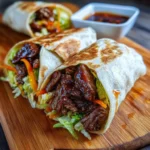
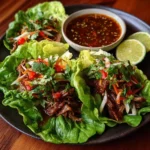
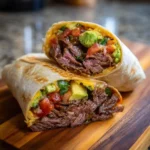
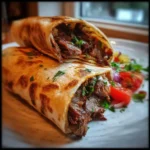
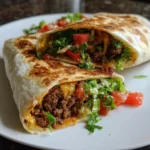
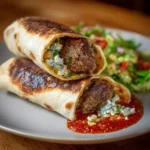
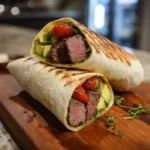
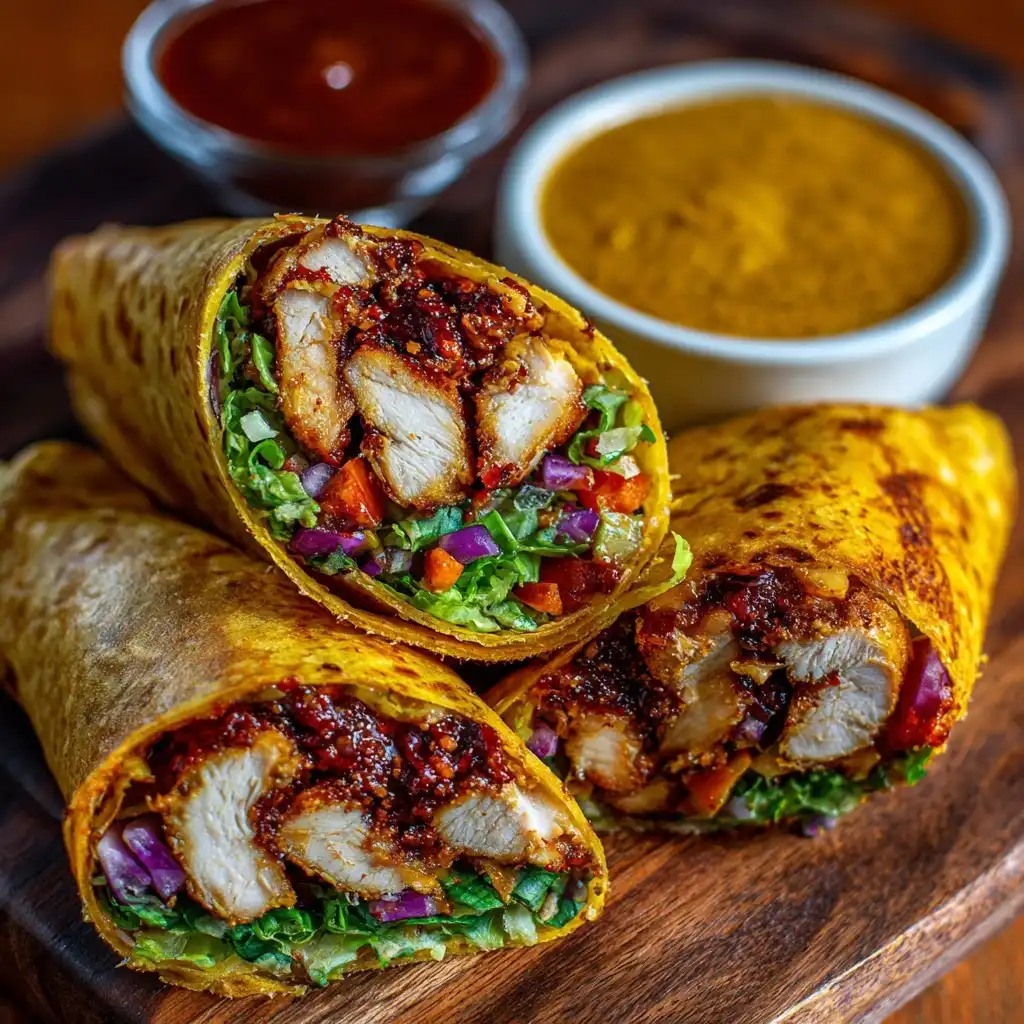
The Peri Peri Chicken Wrap is a bold, fiery, and flavor-packed handheld meal that brings the vibrant spirit of Southern African and Portuguese culinary traditions straight to your lunchbox. Combining succulent grilled or roasted chicken marinated in the iconic peri peri sauce—made from crushed African bird’s eye chilies, garlic, lemon, herbs, and spices—with fresh, crisp vegetables and creamy dressings, all wrapped snugly in a soft, warm tortilla or flatbread, this dish delivers an unforgettable balance of heat, tang, umami, and texture. Whether enjoyed as a quick weeknight dinner, a satisfying workday lunch, a game-day snack, or a crowd-pleasing addition to summer cookouts, the Peri Peri Chicken Wrap stands out for its versatility, depth of flavor, and ease of customization—making it far more than just another wrap—it’s a global fusion experience in every bite.
The History
The origins of peri peri (also spelled piri piri) trace back over 500 years to the coastal regions of Mozambique and other parts of Southern Africa, where wild African bird’s eye chilies (Capsicum frutescens) grew abundantly. When Portuguese explorers and colonists arrived in the 15th and 16th centuries, they encountered these intensely spicy chilies and began incorporating them into their own cooking—marrying indigenous ingredients with Mediterranean staples like olive oil, garlic, lemon, bay leaf, paprika, and oregano. The resulting sauce—peri peri—quickly became a cornerstone of Portuguese-African cuisine, especially in Mozambique, Angola, and later, Portugal itself. In the 20th century, the sauce gained international fame through the South African-born restaurant chain Nando’s, founded in 1987, which elevated peri peri chicken to global stardom with its flame-grilled, marinated, and basted preparation. While the traditional presentation was a full chicken quarter or breast served with fries and salad, home cooks and innovative chefs soon adapted the concept into portable, customizable formats—including the now-beloved Peri Peri Chicken Wrap. Its evolution reflects broader food trends: globalization of flavors, demand for convenient yet gourmet-ready meals, and the rising popularity of “build-your-own” assembly-style dishes that celebrate freshness, heat, and personal expression.
Ingredients Breakdown
Understanding each component of the Peri Peri Chicken Wrap is essential—not only for authentic flavor but also for achieving harmony across heat, acidity, richness, crunch, and freshness. Below is a comprehensive breakdown of the core elements and their functional roles:
- Peri Peri Sauce: The soul of the wrap. Authentic versions use dried or fresh African bird’s eye chilies (or suitable substitutes like Thai chilies or cayenne + serrano), blended with garlic, red wine vinegar or lemon juice, smoked paprika, crushed bay leaf, oregano, thyme, salt, black pepper, and extra virgin olive oil. Some regional variations include tomato paste for body or a splash of sherry vinegar for brightness. Store-bought sauces vary widely in quality—look for minimal additives, real chili content, and no artificial colors or high-fructose corn syrup.
- Chicken Breast or Thighs: Boneless, skinless chicken breasts offer lean protein and mild flavor that readily absorbs marinade; thighs provide superior juiciness, tenderness, and richer taste due to higher fat content—ideal for grilling or pan-searing without drying out. For maximum flavor penetration, slice chicken into thin strips or butterfly thicker cuts before marinating.
- Marinade Enhancers: Beyond the peri peri sauce, adding Greek yogurt or buttermilk tenderizes the chicken while mellowing heat slightly; a touch of honey or brown sugar balances acidity and promotes caramelization during cooking; soy sauce or fish sauce (in tiny amounts) adds savory depth (umami) without overt saltiness.
- Tortilla or Flatbread: A large (10–12 inch) flour tortilla is most common—soft, pliable, and sturdy enough to hold fillings without tearing. Alternatives include whole wheat, spinach, tomato basil, or gluten-free wraps for dietary needs. For authenticity, lightly toast or grill the wrap before filling to add smoky aroma and structural integrity.
- Base Greens & Crunch Elements: Butter lettuce, romaine hearts, or baby spinach form a cool, hydrating base. For texture contrast, include shredded purple cabbage, julienned cucumber, pickled red onions, or even quick-pickled carrots. These add vibrancy, acidity, and mouthfeel that cut through the spice and richness.
- Creamy Components: A cooling counterpoint to the heat—think garlic aioli, lime-cilantro crema, tzatziki, avocado mash, or a simple blend of Greek yogurt, lime zest, chopped dill, and a pinch of cumin. These not only soothe the palate but also act as natural “glue” to bind ingredients inside the wrap.
- Finishing Touches: Fresh herbs (cilantro, parsley, or mint), crumbled feta or cotija cheese, toasted sesame or pumpkin seeds, microgreens, or a final drizzle of extra virgin olive oil or reserved peri peri sauce elevate aroma, visual appeal, and layered complexity.
Step-by-Step Recipe
- Prepare the Peri Peri Marinade (30 minutes–24 hours ahead): In a blender or food processor, combine 6–8 deseeded fresh red chilies (or 1½ tbsp crushed dried African bird’s eye chilies), 4 garlic cloves, ¼ cup fresh lemon juice, ¼ cup red wine vinegar, ⅓ cup extra virgin olive oil, 1 tbsp smoked paprika, 1 tsp dried oregano, ½ tsp dried thyme, ½ tsp crushed bay leaf, 1 tsp sea salt, and ½ tsp freshly ground black pepper. Blend until smooth. Taste and adjust—add more lemon for brightness, honey for balance, or chili for intensity. Transfer to an airtight container and refrigerate for at least 30 minutes (ideally 2–4 hours or overnight) to allow flavors to meld.
- Marinate the Chicken (30 minutes–12 hours): Place 1.5 lbs boneless, skinless chicken breasts or thighs (cut into 1-inch thick strips or butterflied) in a non-reactive bowl or resealable bag. Pour over ¾ cup of the prepared peri peri sauce, ensuring all pieces are fully coated. Seal and refrigerate—30 minutes for subtle infusion, 2–4 hours for pronounced flavor, or up to 12 hours for deep, complex heat and tenderness. Avoid marinating longer than 12 hours if using citrus-heavy marinades, as acid can begin to “cook” the surface and affect texture.
- Cook the Chicken (12–18 minutes): Heat a cast-iron skillet, grill pan, or outdoor grill to medium-high. Remove chicken from marinade (reserve remaining sauce separately) and pat dry with paper towels—this ensures proper searing and prevents steaming. Lightly oil the cooking surface. Cook chicken in batches without overcrowding: 5–7 minutes per side for breasts (until internal temperature reaches 165°F), or 6–8 minutes per side for thighs (juicy and tender at 170–175°F). Baste occasionally with reserved marinade during the last 2 minutes of cooking—but only if the sauce has been boiled for 3+ minutes first to kill any raw poultry bacteria. Let rest for 5 minutes before slicing against the grain into thin, bite-sized strips.
- Prep the Supporting Ingredients (10–15 minutes): While chicken rests, shred lettuce, thinly slice red onion and pickle it in 2 tbsp apple cider vinegar + 1 tsp sugar + ½ tsp salt for 10 minutes, julienne cucumber and bell peppers, chop fresh cilantro and parsley, prepare your chosen creamy element (e.g., whisk together ½ cup Greek yogurt, 1 tbsp lime juice, 1 tsp lime zest, 1 tbsp chopped cilantro, ¼ tsp cumin, salt to taste), and warm tortillas—either wrapped in damp paper towels and microwaved for 20 seconds or dry-heated in a skillet for 15 seconds per side until pliable and fragrant.
- Assemble the Wrap (3–5 minutes per wrap): Lay a warm tortilla flat on a clean surface. Spread 1–2 tbsp of creamy element evenly across the center, leaving a 2-inch border. Layer in a generous bed of greens (about ½ cup), followed by ¾ cup of sliced peri peri chicken. Top with pickled onions, cucumber ribbons, shredded purple cabbage, and a light sprinkle of crumbled feta or cotija. Drizzle with ½–1 tsp additional peri peri sauce (optional, for extra kick) and garnish with fresh herbs. Fold in both sides, then roll tightly from the bottom upward, tucking ingredients in as you go. For best results, wrap snugly in parchment paper or foil, then slice diagonally in half just before serving.
Tips
- Heat Control Mastery: Peri peri’s heat is adjustable—but never guess. Always taste your sauce before marinating. To tame excessive spice, stir in a spoonful of honey, coconut milk, or full-fat Greek yogurt directly into the sauce. To boost it, infuse the oil with extra chili flakes beforehand or add a few drops of chili-infused vinegar.
- Chicken Texture Secrets: For ultra-tender, juicy chicken: brine breasts in 4 cups water + ¼ cup kosher salt + 2 tbsp sugar for 30 minutes before marinating; or use a sous-vide method (145°F for 1.5 hours) before finishing with a quick sear. Thighs naturally resist drying—just don’t overcook past 175°F.
- Tortilla Integrity: Cold or stiff tortillas crack. Warm them properly—never skip this step. For gluten-free wraps, choose certified GF brands with xanthan gum or psyllium husk for elasticity. If making homemade wraps, add a tablespoon of mashed potato or cooked quinoa to the dough for improved pliability.
- Leak-Proof Assembly: Overfilling is the #1 cause of messy wraps. Keep portions measured and layered intentionally: cream first (acts as moisture barrier), then greens (creates cushion), then protein (center-weighted), then crunchy/acidic toppings (distributed evenly), and finish with drizzle (applied last, just before rolling). Roll tightly and let rest seam-side down for 2 minutes before cutting.
- Meal Prep Friendly: Marinate chicken and prep all components separately up to 3 days ahead. Store sauce in glass, chicken in marinade (in fridge), veggies in airtight containers with damp paper towels, and creamy dressings separately. Assemble wraps fresh—no more than 30 minutes before eating—to prevent sogginess.
- Grill Like a Pro: If grilling outdoors, soak wooden skewers (for kebab-style chicken) for 30 minutes, preheat grill to 450°F, and oil grates well. Use a two-zone fire: sear over direct heat, then move to indirect side to finish gently—this prevents charring and ensures even doneness.
- Serving Temperature Nuance: Serve wraps at room temperature—not cold, not scalding. Chicken should be warm (not hot), tortillas supple, and veggies crisp. This maximizes flavor release and textural contrast.
Variations and Customizations
The beauty of the Peri Peri Chicken Wrap lies in its chameleon-like adaptability—whether catering to dietary restrictions, seasonal produce, cultural preferences, or adventurous palates. Here’s an expansive guide to creative reinterpretations:
- Dietary Adaptations:
– Gluten-Free: Use certified GF tortillas (corn, cassava, or almond-flour based), ensure peri peri sauce contains no malt vinegar or wheat-based thickeners.
– Keto/Low-Carb: Replace tortilla with large butter lettuce cups, collard green leaves, or grilled portobello caps; increase healthy fats with avocado slices and olive oil drizzle.
– Vegan/Vegetarian: Substitute chicken with marinated and grilled king oyster mushrooms, pressed and baked tofu, or spiced chickpea crumbles—marinate in peri peri sauce + nutritional yeast + liquid smoke for umami depth.
– Dairy-Free: Swap yogurt-based creams for cashew-lime crema (soaked cashews + lime juice + garlic + salt, blended smooth) or avocado-coconut milk blend. - Global Fusion Twists:
– Mediterranean Peri Peri: Add crumbled feta, kalamata olives, roasted red peppers, and a dusting of za’atar.
– Mexican-Inspired: Incorporate charred corn, black beans, pickled jalapeños, cotija, and chipotle-lime crema alongside peri peri chicken.
– Asian-Peri Peri: Marinate chicken in peri peri + ginger + tamari + sesame oil; top with quick-pickled daikon, scallions, cilantro, and toasted sesame seeds.
– South African Township Style: Include boerewors-spiced sausage strips, chakalaka relish (spicy vegetable chutney), and amasi (fermented milk) drizzle. - Seasonal & Produce-Driven Versions:
– Summer Garden Wrap: Add heirloom tomato ribbons, fresh basil, grilled zucchini, and balsamic glaze drizzle.
– Fall Harvest Wrap: Include roasted sweet potato cubes, caramelized red onions, baby arugula, and maple-peri peri drizzle.
– Winter Citrus Wrap: Feature segmented blood oranges, frisée, toasted pistachios, and orange-zest aioli.
– Spring Herb Wrap: Highlight pea shoots, asparagus ribbons, mint, dill, and lemon-herb yogurt. - Protein Swaps: Try peri peri-marinated shrimp (cook 2–3 min per side), salmon fillets (skin-on, grilled), turkey cutlets, or even halloumi cheese (grilled until golden and squeaky).
- Sauce & Marinade Innovations: Infuse peri peri with roasted garlic, charred lemon halves, coffee grounds (for smokiness), or star anise (for warmth). Make a “white peri peri” using habanero + coconut milk + lime + ginger for a tropical twist. Ferment your own version for 3–5 days for deeper, funkier complexity.
- Breakfast Peri Peri Wrap: Scramble eggs with peri peri sauce, add crispy chorizo or turkey bacon, smashed avocado, and pickled red onion—served in a warm spinach tortilla.
Health Considerations and Nutritional Value
A well-constructed Peri Peri Chicken Wrap can be a nutritionally robust, balanced, and metabolism-supportive meal—provided mindful ingredient choices are made. Below is a detailed analysis based on a standard 12-inch whole wheat tortilla wrap with 5 oz grilled chicken breast, 1 tbsp peri peri sauce (homemade, low-sugar), ½ cup mixed greens, ¼ cup shredded purple cabbage, 2 tbsp pickled red onions, 2 tbsp lime-cilantro crema (Greek yogurt base), and fresh herbs:
- Caloric Profile: Approximately 420–480 kcal—ideal for a satiating lunch or dinner. Calories can be reduced to ~320 by omitting cheese/crema and using lettuce wrap; increased to ~620+ with added avocado, feta, or oil-rich sauces.
- Macronutrient Balance: ~38g protein (from chicken + yogurt), ~32g complex carbohydrates (whole grain tortilla + veggies), ~18g healthy fats (olive oil, avocado, nuts/seeds). This ratio supports muscle maintenance, steady energy release, and satiety.
- Vitamins & Minerals: Exceptionally rich in Vitamin C (chilies, lemon, bell peppers, cabbage), Vitamin A (spinach, carrots in pickles), B-complex vitamins (chicken, whole grains), potassium (chicken, avocado, greens), iron (chicken, spinach), and antioxidants (capsaicin, lycopene, anthocyanins from purple cabbage).
- Functional Benefits of Key Ingredients:
– Capsaicin (in chilies): Shown in clinical studies to temporarily increase thermogenesis and metabolic rate; possesses anti-inflammatory and pain-relieving properties; may support cardiovascular health by reducing LDL oxidation.
– Garlic & Onions: Contain allicin and quercetin—linked to immune modulation, blood pressure regulation, and antimicrobial activity.
– Lemon & Vinegar: Enhance non-heme iron absorption from plant sources; support digestive enzyme activation and gut pH balance.
– Fermented Pickles: Provide probiotic strains (if unpasteurized) that contribute to microbiome diversity and gut-brain axis communication.
– Extra Virgin Olive Oil: Rich in oleocanthal—a natural compound with ibuprofen-like anti-inflammatory effects—and polyphenols tied to reduced oxidative stress. - Considerations for Sensitive Populations:
– GERD/Acid Reflux: Reduce or omit citrus in marinade; substitute lemon juice with少量 apple cider vinegar; avoid eating within 3 hours of bedtime.
– Irritable Bowel Syndrome (IBS): Opt for low-FODMAP versions: swap garlic/onion for infused oil, use lactose-free yogurt, limit cabbage to ¼ cup, and avoid high-FODMAP additions like mango or chickpeas.
– Hypertension: Choose low-sodium peri peri sauce (<140mg per serving); rinse pickled onions briefly; skip added salt in marinade—rely on herbs and spices for flavor.
– Diabetes: Prioritize high-fiber tortillas (≥5g fiber/serving), pair with vinegar-based dressings (shown to blunt postprandial glucose spikes), and monitor added sugars in store-bought sauces (aim for <2g per 2 tbsp). - Food Safety Notes: Always marinate chicken in the refrigerator—not on the counter. Discard used marinade unless boiled for ≥3 minutes. Cook chicken to safe internal temperatures (165°F for breasts, 175°F for thighs). Refrigerate assembled wraps within 2 hours; consume within 24 hours for optimal safety and texture.
Ingredients
For the Homemade Peri Peri Sauce:
• 6–8 fresh red African bird’s eye chilies (piri piri), stemmed and deseeded (substitute: 4 Thai chilies + ½ tsp cayenne)
• 4 large garlic cloves, peeled
• ¼ cup freshly squeezed lemon juice (about 1½ lemons)
• ¼ cup good-quality red wine vinegar
• ⅓ cup extra virgin olive oil
• 1 tbsp smoked sweet paprika (not hot paprika)
• 1 tsp dried oregano (preferably Mediterranean)
• ½ tsp dried thyme
• ½ tsp crushed dried bay leaf
• 1 tsp fine sea salt
• ½ tsp freshly ground black pepper
• Optional: 1 tsp honey or maple syrup (for balance), 1 tbsp tomato paste (for body)
For the Chicken & Marinade:
• 1.5 lbs boneless, skinless chicken breasts or thighs, cut into 1-inch strips or butterflied
• ¾ cup prepared peri peri sauce (from above), divided
• 2 tbsp plain full-fat Greek yogurt or buttermilk (tenderizer)
• 1 tsp honey or brown sugar (for caramelization)
• 1 tbsp soy sauce or coconut aminos (umami booster, optional)
For Assembly:
• 4 large (10–12 inch) soft flour tortillas (whole wheat, spinach, or gluten-free as needed)
• 2 cups mixed greens (butter lettuce, romaine, or baby spinach)
• 1 cup shredded purple cabbage
• 1 medium English cucumber, julienned
• ½ medium red onion, very thinly sliced
• ¼ cup fresh cilantro leaves, roughly chopped
• ¼ cup fresh flat-leaf parsley, roughly chopped
• ¼ cup crumbled feta or cotija cheese (optional)
• ¼ cup toasted pumpkin or sunflower seeds (optional)
For the Lime-Cilantro Crema (makes ~¾ cup):
• ½ cup full-fat plain Greek yogurt (or dairy-free cashew yogurt)
• 1 tbsp fresh lime juice
• 1 tsp lime zest
• 2 tbsp finely chopped fresh cilantro
• ¼ tsp ground cumin
• ¼ tsp sea salt
• Pinch of cayenne (optional, for subtle heat)
For Quick-Pickled Red Onions (makes ~1 cup):
• ½ medium red onion, very thinly sliced
• 2 tbsp apple cider vinegar or white wine vinegar
• 1 tsp granulated sugar or coconut sugar
• ½ tsp fine sea salt
• 1 tbsp cold water
Directions
- Make the Peri Peri Sauce: Combine chilies, garlic, lemon juice, vinegar, olive oil, paprika, oregano, thyme, bay leaf, salt, and pepper in a high-speed blender or food processor. Blend on high for 60–90 seconds until completely smooth, scraping down sides as needed. Taste and adjust: add honey if too sharp, more chilies if too mild, or extra lemon for brightness. Transfer to a clean glass jar, cover, and refrigerate for at least 30 minutes (up to 3 weeks).
- Prepare Quick-Pickled Onions: In a small bowl, combine sliced red onion, vinegar, sugar, salt, and water. Stir well and let sit at room temperature for 10 minutes, stirring once halfway. Drain before using—or keep in liquid for up to 5 days refrigerated.
- Marinate the Chicken: In a non-reactive bowl, whisk together ¾ cup peri peri sauce, Greek yogurt (or buttermilk), honey, and soy sauce (if using). Add chicken pieces and toss thoroughly to coat. Cover and refrigerate for 2–4 hours (or up to 12 hours for deepest flavor).
- Prepare the Lime-Cilantro Crema: In a small bowl, whisk together Greek yogurt, lime juice, lime zest, cilantro, cumin, salt, and cayenne (if using) until smooth and creamy. Refrigerate until ready to assemble.
- Cook the Chicken: Heat a large cast-iron skillet or grill pan over medium-high heat. Lightly oil surface. Remove chicken from marinade (reserve marinade separately) and pat *very* dry with paper towels. Cook in a single layer without crowding: 5–7 minutes per side for breasts (to 165°F), or 6–8 minutes per side for thighs (to 175°F). During last 2 minutes, baste with 2 tbsp of the reserved marinade *only if it has been brought to a full boil for 3 minutes*. Transfer to a cutting board, tent loosely with foil, and rest 5 minutes. Slice thinly against the grain.
- Warm the Tortillas: Stack tortillas and wrap in a slightly damp paper towel. Microwave on high for 20–25 seconds until warm and pliable. Alternatively, heat each tortilla in a dry skillet over medium heat for 15 seconds per side until soft and aromatic.
- Assemble Each Wrap: Lay one warm tortilla flat. Spread 1½ tbsp lime-cilantro crema in a horizontal stripe across the center. Layer ½ cup mixed greens, ¼ cup purple cabbage, 2 tbsp cucumber ribbons, 1½ tbsp pickled red onions, ¾ cup sliced peri peri chicken, a small handful of cilantro and parsley, and a light sprinkle of feta and/or seeds. Drizzle with ½ tsp additional peri peri sauce (optional). Fold in both sides, then roll tightly from bottom upward, tucking ingredients in firmly as you go.
- Serve Immediately: Wrap each finished wrap in parchment paper or foil for easy handling. Slice diagonally in half just before serving. Pair with extra lime wedges, additional peri peri sauce for dipping, and a simple side salad or roasted sweet potato wedges.
FAQ
- Can I make this recipe ahead of time?
- Absolutely—but smart timing is key. Marinate chicken up to 12 hours in advance. Prepare peri peri sauce up to 3 weeks ahead (refrigerated). Chop veggies and make crema up to 3 days ahead. However, assemble wraps no more than 30 minutes before serving to prevent sogginess. For true make-ahead convenience, pre-portion fillings in labeled containers and do a “wrap bar” assembly line at mealtime.
- What’s the best substitute for African bird’s eye chilies?
- True piri piri chilies are hard to source fresh outside Southern Africa and Portugal—but excellent alternatives exist. For closest heat and fruitiness: Thai chilies (slightly milder) or Scotch bonnets (sweeter, hotter). For accessibility: combine 1 tbsp cayenne powder + 1 minced serrano chili + ½ tsp chipotle powder. Avoid generic “chili powder”—it’s usually a blend with cumin and oregano that dilutes authenticity.
- Why does my chicken turn out dry?