Introduction
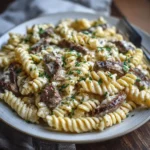
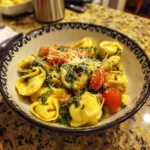
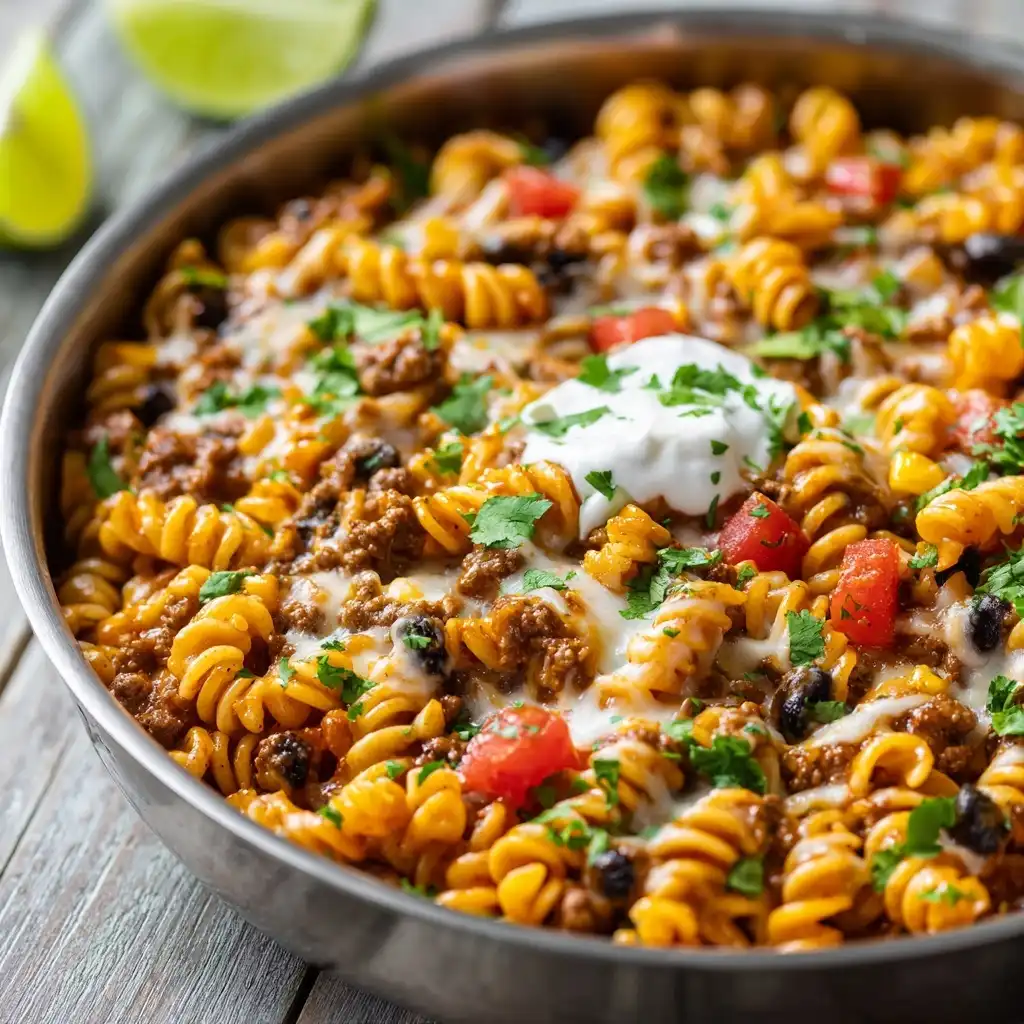
One Pot Taco Pasta with Ground Beef is the ultimate weeknight dinner hero—delicious, deeply satisfying, and brilliantly simple. This beloved fusion dish merges the bold, zesty flavors of classic Tex-Mex tacos with the comforting heartiness of creamy pasta, all cooked in a single pot to minimize cleanup and maximize flavor infusion. Whether you’re juggling work deadlines, school pickups, or simply craving something savory and soul-warming without spending hours in the kitchen, this recipe delivers restaurant-quality taste with pantry-friendly ease. It’s not just convenient—it’s crave-worthy: tender pasta nestled in a rich, smoky-tomato sauce infused with cumin, chili powder, garlic, and a hint of lime, all built around perfectly browned, seasoned ground beef. Topped with melty cheese, fresh cilantro, and a cool dollop of sour cream, it’s a harmonious balance of spice, tang, richness, and freshness that appeals to kids and adults alike.
The History
While no single chef or cookbook can claim definitive authorship, One Pot Taco Pasta emerged organically from the broader “one-pot pasta” movement of the early 2010s—a culinary response to modern life’s demand for speed, simplicity, and minimal dishwashing. Influenced by both American home cooking traditions and the rising popularity of Mexican-inspired flavors in mainstream U.S. cuisine, this dish reflects a delicious cultural cross-pollination. Early iterations appeared on food blogs and Pinterest boards around 2013–2014, often tagged as “taco mac,” “Mexican spaghetti,” or “beefy taco pasta.” Its roots trace back further: the concept of combining ground beef, tomatoes, and spices echoes classic American taco salads and taco casseroles of the 1970s and ’80s, while the one-pot technique draws inspiration from Italian pastasciutta methods (where pasta absorbs flavorful liquid) and Asian rice noodle soups. Over time, home cooks refined the formula—reducing reliance on canned soup (a common shortcut in earlier versions) in favor of whole-food seasonings, better broth integration, and intentional texture control—transforming it into the robust, balanced, and widely adaptable dish we celebrate today.
Ingredients Breakdown
Every ingredient in this One Pot Taco Pasta plays a purposeful role—not just for flavor, but for texture, balance, and structural integrity:
- Ground Beef (1 lb, 80/20 recommended): Provides rich umami, protein density, and fat content essential for browning depth and sauce emulsification. Leaner beef (90/10) works but may yield drier results unless extra liquid or oil is added.
- Yellow or White Onion (1 medium, finely diced): Adds aromatic sweetness and foundational savory complexity. Sautéing until translucent builds the flavor base.
- Garlic (3–4 cloves, minced): Delivers pungent, earthy heat that blooms beautifully in warm oil—key for layering depth before adding spices.
- Chili Powder (2 tbsp): The cornerstone of taco flavor—look for a high-quality blend with ancho, guajillo, and cumin notes (not “hot chili powder”). Avoid pre-sweetened or overly salty commercial blends.
- Ground Cumin (1½ tsp): Earthy, warm, and slightly nutty—essential for authenticity. Toasting briefly with garlic enhances its volatile oils.
- Smoked Paprika (1 tsp): Adds subtle barbecue-like depth and complexity without heat—differentiates this from generic “spaghetti with meat sauce.”
- Dried Oregano (1 tsp, Mexican preferred): Bright, slightly floral, and less sweet than Mediterranean oregano—complements the chile profile.
- Cayenne Pepper (¼–½ tsp, optional): Adjustable heat booster; start low and build if desired. Not traditional in all taco seasoning, but adds dimension for heat lovers.
- Tomato Paste (2 tbsp): Concentrated umami and natural sugars that caramelize when sautéed—deepens color, body, and richness far beyond canned tomatoes alone.
- Canned Diced Tomatoes (14.5 oz, fire-roasted preferred): Adds acidity, moisture, and chunky texture. Fire-roasted varieties contribute subtle char notes that echo grilled taco fillings.
- Beef Broth (2 cups, low-sodium): Provides savory depth and collagen-rich mouthfeel. Low-sodium allows precise salt control. Homemade or high-quality store-bought makes a noticeable difference.
- Uncooked Pasta (12 oz, short shapes like penne, rotini, or elbow): Must be standard dried semolina pasta—not fresh or gluten-free unless adjusted (see Variations). Shape affects sauce cling and bite; smaller tubes hold the taco-spiced liquid beautifully.
- Lime Juice (1–2 tbsp, freshly squeezed): Bright, citrusy acidity added at the end cuts through richness and lifts all other flavors—non-negotiable for balance.
- Sharp Cheddar or Mexican Blend Cheese (1–1½ cups, shredded, reserving some for garnish): Melts into creamy richness; sharp cheddar adds tang, while blends offer complexity. Pre-shredded contains anti-caking agents that can make sauce grainy—grating fresh is strongly recommended.
- Salt and Black Pepper (to taste): Salt enhances every other flavor; black pepper adds gentle warmth. Season in layers—not just at the end.
- Olive Oil or Avocado Oil (2 tbsp): High-heat neutral oil for sautéing. Avoid butter for initial browning (it burns easily); save butter for finishing if desired.
Optional Garnishes (served tableside for customization): Sour cream or Mexican crema, chopped fresh cilantro, diced red onion, sliced jalapeños, crushed tortilla chips, avocado slices or guacamole, pickled red onions, crumbled cotija cheese.
Step-by-Step Recipe
- Prep & Gather: Dice onion, mince garlic, measure all spices, shred cheese, juice limes, and open canned goods. Having everything ready (“mise en place”) ensures seamless progression—this dish moves quickly once heat is applied.
- Heat & Sauté Aromatics: In a large, heavy-bottomed Dutch oven or deep 5–6 quart skillet with high sides, heat 1 tbsp oil over medium heat. Add diced onion and cook 4–5 minutes until softened and translucent. Stir occasionally to prevent sticking.
- Brown the Beef: Increase heat to medium-high. Add ground beef, breaking it apart with a wooden spoon. Cook undisturbed for 1.5–2 minutes to develop fond (browned bits), then stir and continue cooking until fully browned and no pink remains (6–8 minutes total). Drain excess grease *only if excessive* (a little fat carries flavor and helps emulsify sauce).
- Bloom the Spices: Reduce heat to medium-low. Push beef mixture to edges. Add remaining 1 tbsp oil, minced garlic, chili powder, cumin, smoked paprika, oregano, and cayenne (if using). Stir constantly for 45–60 seconds until fragrant—do not let garlic burn. Immediately stir spices into beef mixture.
- Build Flavor Base: Stir in tomato paste. Cook 2 minutes, stirring continuously, until paste darkens slightly and coats the meat—this step unlocks deep, roasted-sweet umami.
- Incorporate Liquids: Pour in diced tomatoes (with juices) and low-sodium beef broth. Stir well, scraping up any browned bits from the bottom of the pot. Bring to a gentle simmer.
- Add Pasta & Simmer: Stir in uncooked pasta until fully submerged. Reduce heat to low-medium (maintain a steady, gentle simmer—not a rolling boil). Cover tightly with lid and cook for 15 minutes, stirring vigorously every 5 minutes to prevent sticking and ensure even absorption.
- Check Doneness & Adjust: At 15 minutes, test pasta: it should be al dente (slightly firm with bite). If too firm, add ¼ cup hot broth or water, cover, and cook 2–3 more minutes. If too soupy, uncover and simmer 2–4 minutes longer, stirring frequently. Sauce should be thick, glossy, and cling to pasta—not watery or gluey.
- Finish & Enrich: Remove from heat. Stir in lime juice, most of the shredded cheese, and black pepper. Let rest, covered, for 3 minutes—the residual heat finishes melting cheese and allows flavors to marry.
- Season & Serve: Taste and adjust: add salt only if needed (broth and cheese contribute sodium), more lime for brightness, or a pinch of sugar if tomatoes taste overly acidic. Stir gently to distribute cheese evenly. Serve immediately, garnished generously with reserved cheese, cilantro, lime wedges, and your choice of toppings.
Tips
- Don’t Skip the Tomato Paste Step: Sautéing it with spices transforms it from tangy paste to a complex, caramelized foundation—this 2-minute step is what separates “good” from “restaurant-level great.”
- Stir Strategically: Stirring every 5 minutes isn’t optional—it prevents pasta from clumping or scorching on the bottom. Use a heatproof silicone spatula to scrape corners and lift pasta from the base.
- Control Your Liquid: Altitude, stove output, and pasta brand affect absorption. Always start with the lower end of broth volume (1¾ cups) and add more only if needed mid-cook. Too much liquid = mushy pasta; too little = stuck pot.
- Use Freshly Grated Cheese: Pre-shredded cheese contains cellulose and anti-caking starches that inhibit smooth melting and can create a grainy or stringy texture. Freshly grated sharp cheddar or Monterey Jack melts luxuriously into the sauce.
- Add Lime Juice Off-Heat: Heat degrades citrus volatile oils. Adding lime at the end preserves its vibrant, clean acidity—essential for cutting richness and brightening the entire dish.
- Rest Before Serving: The 3-minute covered rest allows starches to relax, cheese to fully integrate, and sauce to thicken slightly—resulting in cohesive, restaurant-style texture.
- Reserve Garnishes: Keep toppings like sour cream, avocado, and fresh herbs separate until serving. Their cool, creamy, and herbaceous notes shine brightest when contrasted against the warm, spiced pasta.
- Double Batch Friendly: This recipe scales beautifully—just use a larger pot (7–8 qt) and increase cook time by 2–3 minutes. Stir more frequently to ensure even heating.
- Low-Sodium Savvy: Use low-sodium broth and skip added salt until the final taste test. Much of the sodium comes from cheese and canned tomatoes—control is key for health-conscious cooks.
- Clean As You Go: While pasta simmers, wash the measuring spoons, chop garnishes, and set the table. With only one pot used, cleanup is truly minimal—but staying organized keeps stress low.
Variations and Customizations
This recipe is gloriously adaptable—whether accommodating dietary needs, seasonal produce, pantry limitations, or personal taste preferences. Here’s how to make it uniquely yours:
Protein Swaps
- Ground Turkey or Chicken: Use 93% lean for best moisture. Add 1 tsp soy sauce or Worcestershire during browning for umami boost.
- Plant-Based Crumbles: Swap 1:1 with textured vegetable protein (TVP), lentils, or certified vegan crumbles. Sauté with extra oil and add 1 tbsp nutritional yeast for “cheesy” depth.
- Chorizo (Mexican, raw): Replace half the beef with spicy, paprika-forward chorizo for intense flavor. Reduce added chili powder by 1 tsp.
- Shredded Rotisserie Chicken: Skip browning step. Stir in cooked, shredded chicken during last 5 minutes of simmer—great for using leftovers.
Pasta & Grain Alternatives
- Gluten-Free Pasta: Use brown rice or corn-based short pasta. Add 1–2 extra minutes to cook time and stir more frequently—GF pasta absorbs liquid differently and can turn gummy.
- Whole Wheat or Lentil Pasta: Adds fiber and earthy notes. May require +1–2 minutes cook time and slightly more liquid.
- Cauliflower Rice (Low-Carb/Keto): Replace pasta entirely. Sauté 4 cups riced cauliflower with aromatics after browning beef, then proceed with spices, liquids, and simmer 8–10 minutes until tender. Reduce broth to 1 cup.
- Quinoa or Farro: Substitute 1 cup uncooked rinsed quinoa or pearled farro for pasta. Adjust liquid to 2½ cups and simmer 20–25 minutes (quinoa) or 30–35 minutes (farro).
Flavor & Texture Twists
- Roasted Veggie Boost: Toss 1 cup diced bell peppers and zucchini in oil, salt, and cumin; roast at 425°F for 20 minutes, then fold in during last 5 minutes of simmer.
- Green Version: Swap red tomatoes for 1 cup green enchilada sauce + ½ cup broth, add ½ cup frozen corn and ¼ cup chopped poblano. Finish with pepitas and cotija.
- Smoky Chipotle: Add 1–2 minced chipotle peppers in adobo + 1 tsp adobo sauce with spices for deep, slow heat and smokiness.
- Creamy Ranch Twist: Stir in ¼ cup ranch dressing and 2 tbsp cream cheese during final cheese step for tangy, velvety richness.
- Breakfast Taco Pasta: Top finished dish with fried eggs, crumbled bacon, and hot sauce—perfect for brunch or late-night comfort.
Dietary Modifications
- Dairy-Free: Use dairy-free cheese shreds (cashew or coconut-based) and omit sour cream—or swap with coconut yogurt. Ensure broth is dairy-free.
- Vegetarian/Vegan: Omit meat; use veggie broth, add 1 cup black beans (rinsed) and ½ cup corn. Boost umami with 1 tsp miso paste stirred in at the end.
- Lower-Carb: See cauliflower rice option above—or serve taco pasta over zucchini noodles (add raw at serving, not cooked in pot).
- Kid-Friendly Mild: Omit cayenne and reduce chili powder to 1 tbsp. Stir in 2 tbsp mild salsa instead of diced tomatoes for familiar sweetness.
Health Considerations and Nutritional Value
A single 1¾-cup serving (approx. 1/6 of full recipe) provides approximately:
- Calories: 480–520 kcal
- Protein: 28–32g (excellent source—supports muscle maintenance and satiety)
- Total Fat: 20–24g (mostly unsaturated from olive oil and cheese; ~8g saturated)
- Carbohydrates: 42–46g (primarily complex carbs from pasta; ~3g fiber, ~4g naturally occurring sugar from tomatoes)
- Sodium: 580–720mg (moderate—significantly reduced vs. boxed taco kits or fast-food equivalents; controllable via low-sodium broth and no-added-salt seasoning)
- Vitamins & Minerals: Rich in iron (from beef), vitamin A (tomatoes, paprika), vitamin C (lime, tomatoes), calcium (cheese), and B-vitamins (beef, whole grains if using).
Health Highlights:
- Balanced Macronutrients: The combination of lean protein, complex carbs, and healthy fats promotes stable blood sugar and prolonged fullness—ideal for sustained energy.
- No Artificial Additives: Unlike many convenience meals, this version contains zero preservatives, MSG, artificial colors, or hydrogenated oils.
- Antioxidant-Rich: Tomatoes (lycopene), garlic (allicin), onions (quercetin), and spices (cumin’s flavonoids, paprika’s carotenoids) collectively support cellular health and inflammation modulation.
- Digestive Support: Lime juice aids gastric acid production; fiber from vegetables and optional beans supports gut motility.
Considerations for Specific Needs:
- Heart Health: Opt for leaner beef (93/7), increase veggies (spinach stirred in last 2 minutes), use part-skim cheese, and emphasize lime/cilantro for sodium-free flavor.
- Diabetes-Friendly: Prioritize whole-grain or legume pasta, pair with non-starchy veggie side (e.g., jicama slaw), and monitor portion size (1 cup cooked). The high protein/fat content helps blunt glycemic response.
- Weight Management: This dish is inherently satiating. To reduce calories, decrease cheese by ¼ cup, use Greek yogurt instead of sour cream, and bulk up with 1 cup spinach or zucchini.
- Food Sensitivities: Naturally nut-free, soy-free (check broth label), and egg-free. For nightshade sensitivity, substitute roasted beets for tomatoes and use white bean puree + lemon for acidity.
Note: Nutritional values are estimates and vary based on specific brands, cheese fat content, and ingredient substitutions. For precise tracking, input your exact ingredients into a tool like Cronometer or MyFitnessPal.
Ingredients
- 2 tablespoons olive oil or avocado oil, divided
- 1 medium yellow or white onion, finely diced (about 1 cup)
- 3–4 garlic cloves, minced
- 1 pound ground beef (80/20 recommended)
- 2 tablespoons chili powder (authentic blend preferred)
- 1½ teaspoons ground cumin
- 1 teaspoon smoked paprika
- 1 teaspoon dried Mexican oregano
- ¼–½ teaspoon cayenne pepper (optional, adjust to heat preference)
- 2 tablespoons tomato paste
- 1 (14.5 oz) can fire-roasted diced tomatoes, with juices
- 2 cups low-sodium beef broth (or vegetable broth for vegetarian version)
- 12 ounces uncooked short pasta (penne, rotini, or elbow recommended)
- 1–2 tablespoons fresh lime juice (about 1–2 limes)
- 1–1½ cups sharp cheddar or Mexican blend cheese, freshly shredded (plus extra for garnish)
- Kosher salt and freshly ground black pepper, to taste
Garnishes (optional but highly recommended): Sour cream or Mexican crema, fresh cilantro leaves, diced red onion, sliced jalapeños, crushed tortilla chips, avocado slices or guacamole, pickled red onions, crumbled cotija cheese, lime wedges.
Directions
- In a large, heavy-bottomed Dutch oven or deep 5–6 quart skillet, heat 1 tablespoon oil over medium heat. Add diced onion and sauté for 4–5 minutes, stirring occasionally, until soft and translucent.
- Increase heat to medium-high. Add ground beef, breaking it apart with a wooden spoon. Cook undisturbed for 1.5–2 minutes to develop fond, then stir and continue cooking until fully browned and no pink remains, about 6–8 minutes. If excess grease accumulates, carefully drain off all but 1 tablespoon.
- Reduce heat to medium-low. Push beef mixture to the edges of the pot. Add remaining 1 tablespoon oil, minced garlic, chili powder, cumin, smoked paprika, oregano, and cayenne (if using). Stir constantly for 45–60 seconds until fragrant and aromatic—do not burn the garlic.
- Stir spices into the beef mixture, then add tomato paste. Cook, stirring continuously, for 2 minutes until the paste darkens and coats the meat evenly.
- Pour in diced tomatoes (with juices) and low-sodium beef broth. Stir well, scraping up any browned bits from the bottom of the pot. Bring mixture to a gentle simmer.
- Stir in uncooked pasta until fully submerged and evenly distributed. Reduce heat to low-medium to maintain a steady, gentle simmer (not a vigorous boil).
- Cover the pot tightly with a lid and cook for 15 minutes, stirring vigorously every 5 minutes with a heatproof spatula to prevent sticking and ensure even cooking and liquid absorption.
- At 15 minutes, test pasta for doneness—it should be al dente (tender but still with a slight bite). If too firm, add ¼ cup hot broth or water, cover, and cook 2–3 minutes longer. If too soupy, uncover and simmer 2–4 minutes longer, stirring frequently, until sauce is thick and glossy.
- Remove pot from heat. Stir in lime juice, most of the shredded cheese, and several grinds of black pepper. Cover and let rest for 3 minutes to allow cheese to melt fully and flavors to meld.
- Taste and adjust seasoning: add salt only if needed, more lime for brightness, or a pinch of sugar if tomatoes taste overly acidic. Stir gently to distribute cheese evenly.
- Serve immediately in warm bowls, garnished generously with reserved cheese, fresh cilantro, lime wedges, and your favorite toppings.
FAQ
- Can I make this ahead of time or freeze it?
- Yes! Fully cooked pasta stores well refrigerated for up to 4 days in an airtight container. Reheat gently on the stovetop with a splash of broth or water to restore creaminess. For freezing, cool completely and freeze for up to 3 months. Thaw overnight in the fridge, then reheat slowly with added liquid—note: dairy-based cheese sauce may separate slightly upon freezing/thawing, but stirring vigorously while reheating restores cohesion. Best texture is achieved when eaten fresh, but leftovers are still delicious.
- Why does my pasta turn out mushy or gummy?
- Mushiness usually results from overcooking, insufficient stirring (causing starch buildup on the bottom), or using too much liquid. Ensure you’re stirring every 5 minutes, checking doneness at 15 minutes (not waiting longer unless needed), and using the correct pasta-to-liquid ratio. Also verify your stove’s heat level—too high causes rapid evaporation and uneven cooking. Older or low-quality pasta may also absorb inconsistently.
- Can I use jarred taco seasoning instead of individual spices?
- You can—but with caveats. Most commercial packets contain 3–4x the sodium, anti-caking agents, and fillers (like maltodextrin) that dull flavor and alter texture. If using, reduce added salt significantly and omit added cayenne. For best results, make your own blend: 2 tbsp chili powder + 1½ tsp cumin + 1 tsp smoked paprika + 1 tsp oregano + ½ tsp garlic powder + ½ tsp onion powder + ¼ tsp cayenne + ½ tsp black pepper = ~3 tbsp homemade taco seasoning.
- What if I don’t have beef broth? Can I use water?
- Water will work in a pinch, but broth contributes critical depth, savoriness (umami), and body. If using water, boost flavor by adding 1 teaspoon Better Than Bouillon Beef Base (low-sodium), 1 tablespoon soy sauce, or ½ teaspoon fish sauce (yes—undetectable, just adds complexity). Alternatively, sub with mushroom or tomato broth for vegetarian depth.
- My sauce is too thick or too thin—how do I fix it?
- Too thick? Stir in 2–4 tablespoons warm broth or water, 1 tbsp at a time, until desired consistency. Let simmer 1–2 minutes uncovered to integrate.
Too thin? Uncover and simmer 3–5 minutes longer, stirring constantly, until reduced and glossy. Avoid adding more cheese at this stage—it won’t thicken effectively and may become greasy. - Can I cook this in an Instant Pot or slow cooker?
- Instant Pot: Yes! Use Sauté function for browning and spice blooming. Then add tomatoes, broth, and pasta. Pressure cook on High for 6 minutes, followed by a 5-minute natural release, then quick release. Stir in lime and cheese. Note: Some pasta types may overcook—start with 5 minutes and test.
Slow Cooker: Not ideal for true “one-pot” pasta, as long cooking breaks down pasta structure. Instead, brown beef and sauté aromatics on stove, then transfer to slow cooker with spices, tomatoes, broth, and pasta. Cook on LOW 2–3 hours—but stir every 30 minutes and monitor closely. Best for “set-and-forget” prep of components, not full one-pot execution. - Is this recipe gluten-free?
- Not by default—the pasta contains wheat. However, it’s easily made gluten-free by substit