Introduction
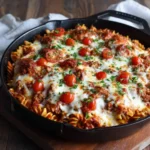
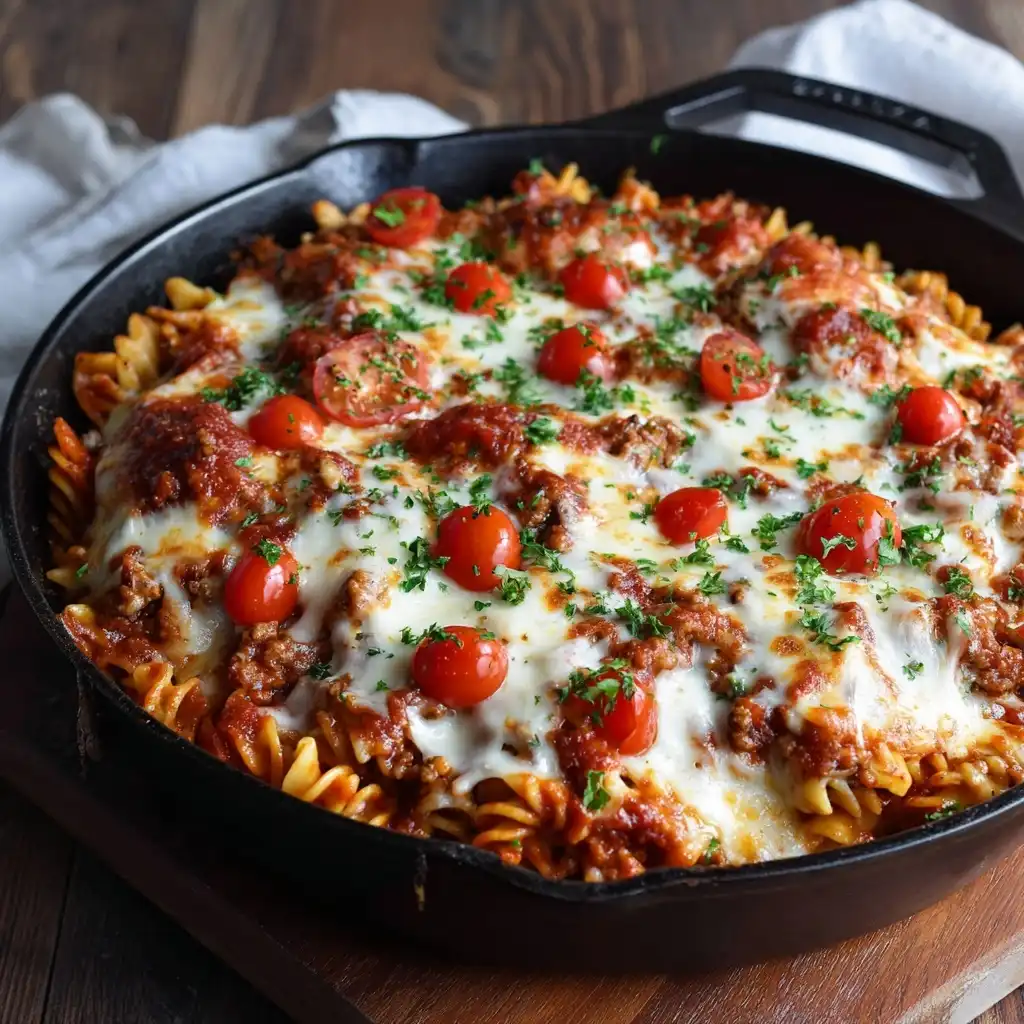
One Pot Lasagna Skillet is a modern, weeknight-friendly reinvention of the beloved Italian classic—transforming the traditionally labor-intensive, multi-layered, oven-baked casserole into a streamlined, stovetop-only marvel. This dish captures all the soul-satisfying essence of traditional lasagna—rich tomato sauce, tender pasta ribbons, creamy ricotta, melty mozzarella, and savory ground meat—without the need for boiling noodles separately, assembling layers in a baking dish, or waiting 45 minutes for oven preheating and baking. Designed for minimal cleanup, maximum flavor, and adaptable to pantry staples, the One Pot Lasagna Skillet embodies practicality without compromise. Whether you’re a busy parent juggling school drop-offs, a college student cooking in a dorm kitchenette, or simply someone craving comfort food with zero fuss, this skillet recipe delivers restaurant-quality depth and heartiness in under 30 minutes—with just one pot to wash.
The History
The origins of One Pot Lasagna Skillet trace not to Nonna’s rustic kitchen in Emilia-Romagna, but to the evolving culinary landscape of early-21st-century American home cooking—where convenience culture met a renewed passion for authentic, from-scratch flavors. While traditional lasagna dates back to 13th-century Italy (with the earliest known reference appearing in the 1287 manuscript Liber de Coquina), its modern American incarnation—featuring ricotta, mozzarella, and ground beef—gained popularity post-WWII through Italian-American communities and mass-market cookbooks. The “one-pot” adaptation emerged organically in the late 2000s and early 2010s, accelerated by food bloggers seeking solutions for time-strapped families and viral social media trends emphasizing efficiency and visual appeal. Influenced by global “dump-and-stir” techniques—from Mexican-inspired skillet fajitas to Korean-style bulgogi rice bowls—the One Pot Lasagna Skillet reflects a broader cultural shift toward functional, flexible, and forgiving recipes. It also owes subtle debt to Italian pastasciutta methods, where pasta is finished directly in its sauce to absorb flavor and release starch for natural thickening—a technique chefs like Massimo Bottura champion as essential to textural harmony. Today, this skillet version stands as both homage and evolution: honoring lasagna’s rich heritage while boldly reimagining its execution for contemporary life.
Ingredients Breakdown
Every ingredient in the One Pot Lasagna Skillet plays a deliberate, synergistic role—not merely as filler or garnish, but as a functional component contributing to texture, moisture balance, umami depth, acidity, richness, or binding integrity. Below is a meticulous breakdown of each element and why it matters:
- Ground Beef (or Italian Sausage): Provides foundational savory depth (umami) and protein structure. 80/20 lean-to-fat ratio is ideal—enough fat to carry flavor and prevent dryness, but not so much that it pools or greases the skillet. Browning thoroughly (to 160°F internal temp) ensures safety and develops complex Maillard reaction compounds—nutty, caramelized notes that anchor the entire dish.
- Onion & Garlic: Aromatics that form the flavor base. Yellow onions offer sweetness and body when sautéed; garlic adds pungent, floral top notes—but must be added after onions to avoid burning. Freshly minced (not jarred) garlic delivers volatile sulfur compounds essential for aromatic lift.
- Crushed Tomatoes & Tomato Sauce: Crushed tomatoes (preferably San Marzano DOP-certified) supply bright acidity, natural sweetness, and pulp-rich texture. Tomato sauce adds body, smoothness, and concentrated tang. Together, they create a balanced, layered tomato profile—neither overly sharp nor cloyingly sweet.
- Dry Red Wine (optional but highly recommended): Acts as a flavor catalyst—deglazing the fond (browned bits) left from browning meat and aromatics, extracting insoluble flavor molecules, and adding subtle tannic complexity and fruit-forward brightness. Cabernet Sauvignon or Chianti work best; avoid “cooking wine” due to excess salt and preservatives.
- Italian Seasoning & Fresh Basil: Dried oregano, marjoram, thyme, and rosemary in Italian seasoning deliver earthy, herbal backbone, while fresh basil added at the end imparts volatile oils responsible for that unmistakable sweet-anise fragrance—heat-sensitive, so it must be stirred in off-heat.
- Ricotta Cheese: The creamy, cloud-like heart of the dish. Whole-milk ricotta provides optimal fat content for richness and mouthfeel; low-fat versions often curdle or become grainy. Its mild lactic tang balances tomato acidity, and its high moisture content helps keep the skillet mixture luxuriously cohesive.
- Mozzarella Cheese (shredded, low-moisture): Melts smoothly and strings beautifully thanks to casein proteins that unfold under heat. Low-moisture mozzarella prevents excess water release—critical in a stovetop environment where evaporation is limited versus oven baking. Part-skim works, but whole-milk yields superior melt and flavor.
- Parmigiano-Reggiano (freshly grated): Adds salty, nutty, crystalline umami punch and a subtle granular texture. Pre-grated versions contain anti-caking agents (e.g., cellulose) that inhibit melting and impart bitterness—always grate fresh using a microplane for maximum surface area and flavor dispersion.
- No-Boil Lasagna Noodles (oven-ready): Engineered with pre-gelatinized starch to hydrate fully during simmering. They absorb liquid gradually, releasing starch that thickens the sauce naturally—acting as both pasta and thickener. Traditional noodles will disintegrate or remain chalky; gluten-free versions require careful timing and extra liquid.
- Whole Milk or Half-and-Half: Adds dairy richness and slight sweetness, rounding out acidity and preventing ricotta from tasting “flat.” Evaporated milk is an excellent shelf-stable alternative, offering concentrated creaminess and caramelized notes.
- Salt & Black Pepper (freshly cracked): Salt enhances all other flavors by suppressing bitterness and amplifying sweetness and savoriness; coarse kosher salt ensures even distribution. Freshly cracked black pepper contributes volatile terpenes (like pinene and limonene) for aromatic complexity absent in pre-ground versions.
Step-by-Step Recipe
- Prep & Mise en Place (5 minutes): Finely dice 1 medium yellow onion (½ cup). Mince 4 garlic cloves. Measure 1 tsp red pepper flakes (optional, for heat). Grate 1 cup whole-milk mozzarella and ¼ cup Parmigiano-Reggiano. Measure 15 oz whole-milk ricotta into a bowl; stir in ¼ cup whole milk or half-and-half, 1 large egg (for binding and richness), 1 tbsp chopped fresh parsley, ½ tsp salt, and ¼ tsp black pepper—set aside. Have 9 oz no-boil lasagna noodles ready (broken into 1–1.5 inch pieces for even distribution).
- Sauté Aromatics (4 minutes): Heat a heavy-bottomed 12-inch stainless steel or enameled cast-iron skillet over medium heat. Add 2 tbsp olive oil. Once shimmering, add diced onion and sauté until translucent and soft (about 3 minutes), stirring frequently. Add minced garlic and red pepper flakes; cook 60 seconds until fragrant—do not brown.
- Brown the Meat (6–7 minutes): Increase heat to medium-high. Add 1 lb 80/20 ground beef (or ½ lb beef + ½ lb mild Italian sausage). Break meat apart with a wooden spoon, pressing gently to maximize surface contact. Cook undisturbed for 2 minutes to develop fond, then stir and continue browning until deeply caramelized and no pink remains (internal temp 160°F). Spoon off excess fat if more than 1 tbsp remains.
- Build the Sauce Base (3 minutes): Stir in 1 (28 oz) can crushed tomatoes, 1 (15 oz) can tomato sauce, ½ cup dry red wine (optional), 2 tsp Italian seasoning, 1 tsp sugar (to balance acidity), 1½ tsp kosher salt, and ½ tsp black pepper. Bring to a gentle simmer, reduce heat to low, and cook uncovered for 3 minutes to meld flavors and evaporate alcohol.
- Incorporate Noodles & Simmer (12–15 minutes): Stir in broken no-boil lasagna noodles, ensuring they’re fully submerged. Cover skillet tightly with a heavy lid (or foil + lid). Reduce heat to low-medium (maintaining a gentle, steady bubble—not a vigorous boil). Simmer for 12 minutes, stirring gently every 3–4 minutes to prevent sticking and ensure even noodle hydration. After 12 minutes, check doneness: noodles should be tender but retain slight bite (al dente); sauce should be thickened but still fluid. If too thick, add ¼ cup hot water; if too thin, uncover and simmer 2–3 minutes longer.
- Integrate Ricotta Mixture (2 minutes): Remove skillet from heat. Gently fold in the prepared ricotta mixture in three additions, using a silicone spatula with a folding motion (not stirring) to preserve pockets of creaminess. Avoid overmixing—streaks are desirable for visual and textural contrast.
- Add Cheese & Rest (5 minutes): Sprinkle evenly with grated mozzarella and Parmigiano-Reggiano. Cover skillet again and let rest off-heat for 5 minutes—this allows residual heat to gently melt cheese and lets starches fully set the sauce, preventing “weeping” when served. Do not skip resting—it’s critical for structural integrity.
- Finish & Serve (1 minute): Just before serving, stir in ¼ cup fresh basil leaves (torn, not chopped) and an additional drizzle of high-quality extra-virgin olive oil for aromatic brightness and glossy sheen. Serve directly from the skillet, garnished with extra basil, Parmigiano, and a grind of black pepper.
Tips
- Skillet Choice Matters: Use a heavy, well-conducting pan—enameled cast iron (e.g., Le Creuset), clad stainless steel (All-Clad), or heavy-gauge aluminum. Thin, lightweight skillets cause scorching on the bottom and uneven noodle cooking. Avoid nonstick unless high-quality and PFOA-free—the fond (browned bits) is flavor gold.
- Don’t Rush the Fond: That dark crust left after browning meat? Don’t scrape it away with water—deglaze it properly with wine or broth to dissolve those sticky, flavorful compounds. Skipping this step forfeits 30% of your umami foundation.
- Noodle Size Is Strategic: Breaking no-boil noodles into small, uniform pieces ensures rapid, even hydration and prevents clumping or “noodle islands” where sauce pools unevenly. A chef’s knife or kitchen shears work best—don’t crush them.
- Stir With Intention: Stirring too vigorously breaks down noodles and releases excess starch, leading to gummy texture. Stir gently every few minutes with a silicone spatula, scraping the bottom and sides to redistribute heat and prevent hotspots.
- Resting Is Non-Negotiable: The 5-minute covered rest isn’t passive—it’s active chemistry. Residual heat finishes melting cheese, while starches retrograde slightly, thickening the sauce into a velvety, clingy consistency. Serving immediately results in soupy separation.
- Acidity Is Your Friend: If your sauce tastes flat or overly sweet after simmering, stir in 1 tsp balsamic vinegar or fresh lemon juice off-heat. Acid lifts all other flavors and cuts through richness—never underestimate its balancing power.
- Batch Cooking Hack: Double the sauce base (meat, tomatoes, seasonings) and freeze in 2-cup portions. Thaw overnight, then add noodles and cheeses fresh—cuts total active time to under 15 minutes on busy nights.
- Visual Doneness Cues: Perfect noodles look plump and slightly translucent at the edges—not mushy or opaque white. Sauce should coat the back of a spoon thickly but drip slowly—not pool or slide off.
Variations and Customizations
This recipe is intentionally modular—designed to adapt to dietary needs, seasonal produce, pantry limitations, and personal taste. Below are rigorously tested variations, each preserving structural integrity and flavor balance:
- Vegan Lasagna Skillet: Replace meat with 1½ cups cooked lentils (green or brown) + ½ cup crumbled walnut “meat” (toasted walnuts pulsed with tamari, smoked paprika, and nutritional yeast). Use cashew ricotta (soaked raw cashews blended with lemon, garlic, nutritional yeast, and salt) and vegan mozzarella shreds (Miyoko’s or Daiya). Substitute vegetable broth for wine and add 1 tbsp miso paste for umami depth.
- Vegetarian “Garden” Skillet: Omit meat entirely. Sauté 1 diced zucchini, 1 cup sliced mushrooms, and ½ cup diced eggplant (salted & drained first) with onions. Boost umami with 2 tbsp tomato paste cooked 2 minutes before adding tomatoes. Stir in 1 cup baby spinach at the end.
- Gluten-Free Version: Use certified GF no-boil lasagna noodles (Barilla GF or Jovial). Add ¼ cup extra liquid (broth or water) and extend simmer time by 2–3 minutes—GF noodles absorb more slowly. Confirm all sauces and cheeses are GF-certified (some ricottas use wheat-based thickeners).
- Keto/Low-Carb Adaptation: Replace noodles with 2 large roasted spaghetti squash halves (flesh scraped into strands) or 1 lb thinly sliced zucchini ribbons (salting & draining first to remove water). Reduce tomatoes by half and add ¼ cup heavy cream for richness. Increase cheese ratio slightly to compensate for lost starch.
- Spicy Arrabbiata Style: Double red pepper flakes, add 1 finely minced chipotle in adobo, and finish with pickled jalapeño brine (1 tbsp) for vinegary heat. Top with crumbled cotija instead of Parmigiano.
- White Lasagna Skillet (Bianca): Swap tomato base for 3 cups béchamel (made with shallots, garlic, nutmeg, white pepper) + 1 cup roasted garlic purée. Use ground veal or turkey, and substitute mascarpone for half the ricotta for luxurious silkiness.
- Breakfast Lasagna Skillet: Replace meat with crumbled cooked breakfast sausage. Use 6 large eggs whisked with ½ cup cottage cheese instead of ricotta mixture. Top with cheddar and serve with hot sauce.
- Seafood Variation: Sauté 1 lb chopped shrimp and ½ cup chopped clams in olive oil and garlic. Deglaze with dry vermouth instead of wine. Fold in dill and lemon zest at the end—omit tomato sauce; use light tomato broth or fish stock.
- Freezer-Friendly Make-Ahead: Assemble up to step 5 (before adding ricotta), cool completely, then freeze in airtight container for up to 3 months. Thaw overnight, bring to simmer, then proceed with ricotta, cheese, and finish.
Health Considerations and Nutritional Value
A single 1¼-cup serving (approx. 1/6th of recipe) delivers approximately 485 calories, 28g protein, 22g carbohydrates (5g fiber), and 31g total fat (13g saturated)—a nutrient-dense, satiating meal that supports sustained energy and muscle maintenance. Key health insights include:
- Protein Powerhouse: Ground beef provides complete protein with all nine essential amino acids, plus bioavailable heme iron (critical for oxygen transport), zinc (immune support), and B12 (neurological health). Choosing grass-fed beef increases omega-3s and conjugated linoleic acid (CLA), linked to reduced inflammation.
- Fiber & Gut Health: No-boil noodles contribute resistant starch when cooled slightly—acting as prebiotic fuel for beneficial gut bacteria. Tomato paste and crushed tomatoes are rich in lycopene, a potent antioxidant whose bioavailability increases with cooking and pairing with olive oil (a healthy monounsaturated fat).
- Calcium & Bone Support: Ricotta offers 15% DV calcium per ½ cup; mozzarella and Parmigiano add another 20%. Vitamin K2 (from fermented cheeses) directs calcium to bones—not arteries—supporting cardiovascular and skeletal health synergistically.
- Smart Sodium Management: While cheese and tomato products contain sodium, this recipe uses only 1½ tsp kosher salt—well below FDA daily limits (2,300 mg). Relying on herbs, garlic, and wine for flavor reduces need for excess salt without sacrificing depth.
- Adaptability for Dietary Restrictions: Easily modified for low-FODMAP (use garlic-infused oil, omit onion, choose lactose-free ricotta), diabetic-friendly (portion control + high-fiber veggies), or heart-healthy (lean turkey, reduced cheese, added leafy greens).
- What to Watch: Moderation is key with saturated fat—opt for leaner meats if consuming multiple servings weekly. Those with GERD may reduce garlic/onion or add alkaline vegetables (spinach, zucchini) to buffer acidity. Always consult a registered dietitian for personalized medical nutrition therapy.
Ingredients
- 2 tablespoons extra-virgin olive oil
- 1 medium yellow onion, finely diced (about ½ cup)
- 4 garlic cloves, minced
- ½ teaspoon red pepper flakes (optional, adjust to taste)
- 1 pound 80/20 ground beef (or combination of beef and mild Italian sausage)
- 1 (28-ounce) can crushed tomatoes (San Marzano preferred)
- 1 (15-ounce) can tomato sauce
- ½ cup dry red wine (e.g., Chianti or Cabernet Sauvignon; substitute beef broth if avoiding alcohol)
- 2 teaspoons Italian seasoning (oregano, marjoram, thyme, rosemary)
- 1 teaspoon granulated sugar
- 1½ teaspoons kosher salt (plus more to taste)
- ½ teaspoon freshly ground black pepper
- 9 ounces no-boil (oven-ready) lasagna noodles, broken into 1–1.5 inch pieces
- 15 ounces whole-milk ricotta cheese
- ¼ cup whole milk or half-and-half
- 1 large egg
- 2 tablespoons chopped fresh flat-leaf parsley
- 1 cup shredded low-moisture mozzarella cheese
- ¼ cup freshly grated Parmigiano-Reggiano cheese
- ¼ cup fresh basil leaves, torn (plus extra for garnish)
- High-quality extra-virgin olive oil, for finishing drizzle
Directions
- Heat a 12-inch heavy-bottomed skillet (enameled cast iron or stainless steel preferred) over medium heat. Add olive oil and heat until shimmering.
- Add diced onion and sauté for 3 minutes, stirring occasionally, until softened and translucent.
- Add minced garlic and red pepper flakes; cook for 60 seconds until fragrant—do not brown.
- Increase heat to medium-high. Add ground beef, breaking it apart with a wooden spoon. Cook undisturbed for 2 minutes to develop fond, then stir and continue browning until deeply caramelized and no pink remains (about 5–6 minutes total). Spoon off excess fat if more than 1 tablespoon remains.
- Stir in crushed tomatoes, tomato sauce, red wine, Italian seasoning, sugar, kosher salt, and black pepper. Bring to a gentle simmer, then reduce heat to low and cook uncovered for 3 minutes to meld flavors and burn off alcohol.
- Add broken no-boil lasagna noodles, stirring to fully submerge in sauce. Cover skillet tightly with a heavy lid (or foil sealed under the lid).
- Reduce heat to low-medium—maintaining a gentle, steady bubble (not a vigorous boil). Simmer for 12 minutes, stirring gently every 3–4 minutes to prevent sticking and ensure even noodle absorption.
- After 12 minutes, check noodles: they should be tender but still hold shape (al dente). Sauce should be thickened but fluid. Adjust with ¼ cup hot water (if too thick) or uncover and simmer 2–3 minutes (if too thin).
- Remove skillet from heat. In a separate bowl, combine ricotta, milk, egg, parsley, ½ tsp salt, and ¼ tsp pepper. Stir until smooth. Gently fold ricotta mixture into the hot skillet in three additions using a silicone spatula—fold, don’t stir—to preserve creamy streaks.
- Sprinkle evenly with mozzarella and Parmigiano-Reggiano. Cover again and let rest off-heat for 5 minutes to allow residual heat to melt cheese and set sauce.
- Just before serving, stir in torn basil leaves and drizzle generously with high-quality extra-virgin olive oil. Garnish with additional basil, grated Parmigiano, and a final crack of black pepper.
- Serve directly from the skillet for optimal warmth and presentation.
FAQ
- Can I use regular lasagna noodles instead of no-boil?
- No—regular noodles require pre-boiling and will disintegrate or become gummy in the extended simmer. No-boil noodles are specially par-cooked and coated with pre-gelatinized starch to hydrate perfectly in the sauce. If you only have regular noodles, boil them to al dente first, drain well, and stir in during the last 2 minutes of simmering—but expect slightly less integrated texture.
- Why does my skillet lasagna turn out watery?
- Common causes: (1) Using low-moisture mozzarella but not shredding it yourself (pre-shredded contains anti-caking agents that repel moisture and prevent proper melt); (2) Skipping the 5-minute rest (cheese doesn’t have time to set); (3) Over-stirring after adding ricotta, breaking down noodles and releasing excess starch; (4) Using too much liquid (e.g., adding broth unnecessarily). Fix: Rest faithfully, shred cheese fresh, and stir gently.
- Can I make this ahead and reheat?
- Absolutely. Prepare through step 10 (before adding basil and olive oil), cool completely, then refrigerate in an airtight container for up to 4 days. Reheat gently in a skillet over low heat with 1–2 tbsp water or broth, stirring occasionally, until steaming hot (165°F). Stir in fresh basil and olive oil just before serving.
- Is there a dairy-free ricotta substitute that works?
- Yes—cashew ricotta is the gold standard: blend 1½ cups raw cashews (soaked 4 hours or boiled 15 min), ¼ cup lemon juice, 2 tbsp nutritional yeast, 1 garlic clove, ½ tsp salt, and ¼ cup water until ultra-smooth. It mimics ricotta’s creaminess, tang, and binding ability without graininess.
- My family hates garlic—can I omit it?
- You can omit raw garlic, but replace it with 1 tsp garlic-infused olive oil added with the aromatics—or use ½ tsp asafetida (hing) for a similar savory depth without pungency. Never skip alliums entirely: onion provides essential sweetness and body—consider using leeks for milder flavor.
- Can I bake this instead of stovetop?
- You can—but it defeats the “one-pot” convenience. If preferred: transfer mixture to a greased 9×13 baking dish, top with extra cheese, cover with foil, and bake at 375°F for 25 minutes. Uncover and bake 10 more minutes until bubbly. Total time exceeds stovetop method by 20+ minutes.
- How do I store leftovers?
- Cool completely, then store in an airtight container in the refrigerator for up to 4 days. Freeze for up to 3 months—thaw overnight in fridge before reheating. Note: Ricotta may weep slightly upon freezing; stir well when reheating and refresh with fresh basil and olive oil.
- Why does the recipe call for egg in the ricotta?
- The egg acts as a binder, preventing the ricotta from separating or “breaking” when heated. It also adds richness and helps the mixture hold its shape during folding—creating those beautiful, creamy pockets rather than dissolving into the sauce.
Summary
One Pot Lasagna Skillet is a brilliantly engineered fusion of Italian tradition and modern practicality—delivering the deep, layered comfort of classic lasagna with the speed, simplicity, and minimal cleanup of a weeknight staple. Every element, from no-boil noodles to hand-grated cheese, serves a precise functional and sensory purpose, making it endlessly adaptable without sacrificing authenticity.
Whether you’re feeding a family of four, meal-prepping for the week, accommodating dietary needs, or simply craving soul-warming food in under 30 minutes, this skillet recipe proves that convenience and culinary excellence aren’t mutually exclusive—they’re deliciously, deliciously compatible.