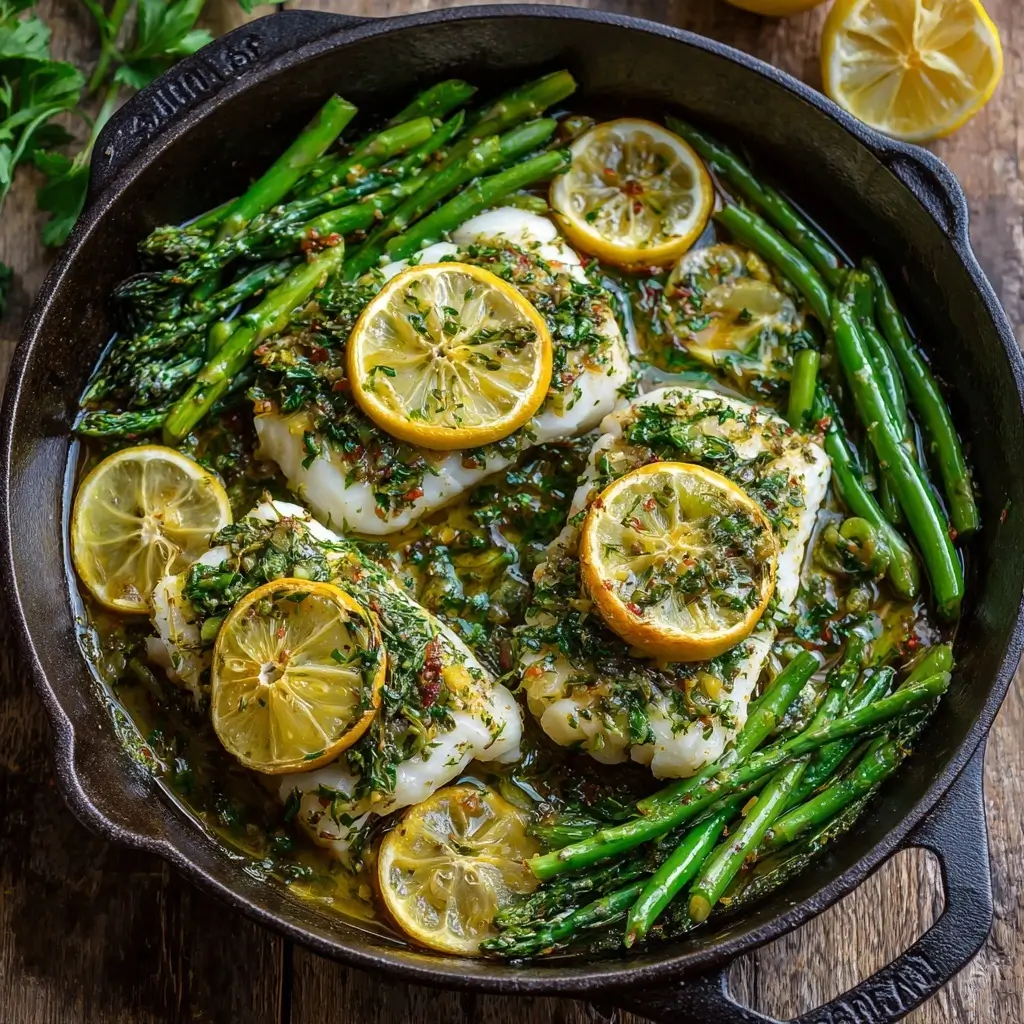
One-Pan Haddock with Lemon Herbs: A Simple, Elegant, and Healthy Seafood Delight
The History of One-Pan Cooking and Haddock in Cuisine
The tradition of one-pan cooking dates back centuries, rooted in the practicality and efficiency required in both home kitchens and professional culinary environments. Before modern appliances and multitasking cooktops, preparing meals using a single vessel was not only economical but also reduced cleanup and conserved fuel. This method has evolved into a celebrated technique in contemporary cooking, especially within the realms of healthy eating and quick weeknight dinners.
Haddock (Melanogrammus aeglefinus), a North Atlantic whitefish closely related to cod, has long been a staple in coastal regions of Northern Europe, particularly in Scotland, Ireland, and Scandinavia. Known for its firm yet tender texture and mild flavor, haddock is often featured in traditional dishes such as fish and chips, kedgeree, and various baked or poached preparations. Its versatility makes it ideal for absorbing the bright, aromatic qualities of lemon and herbs without overpowering the palate.
The combination of haddock with citrus and fresh herbs draws inspiration from Mediterranean culinary traditions, where simplicity, freshness, and seasonal ingredients reign supreme. The use of lemon not only enhances the natural sweetness of the fish but also acts as a natural tenderizer and preservative. Herbs like thyme, parsley, and dill have been used since ancient times for both their flavor and medicinal properties, making this dish not only delicious but historically grounded in wellness.
Today, the one-pan haddock with lemon herbs recipe exemplifies modern gastronomy’s emphasis on minimalism, sustainability, and nutritional balance. It reflects a global movement toward mindful eating—using fewer resources, reducing waste, and highlighting high-quality, sustainable seafood.
Ingredients Breakdown: What Makes This Dish Shine
The magic of this dish lies in its carefully selected components, each playing a crucial role in building layers of flavor while maintaining a light, clean profile. Here’s an in-depth look at every ingredient:
- Haddock Fillets (4, about 6 oz each): Fresh, sustainably sourced haddock is essential. Look for fillets that are firm, translucent, and smell faintly of the sea—not fishy. Haddock’s lean flesh cooks quickly and absorbs surrounding flavors beautifully.
- Olive Oil (3 tbsp): Extra virgin olive oil adds richness and helps conduct heat evenly across the pan. It also carries fat-soluble flavor compounds from garlic and herbs, enhancing overall taste.
- Lemon (1 large, zested and juiced): Lemon provides acidity that brightens the dish, cuts through richness, and complements the delicate fish. The zest contains aromatic oils that infuse the sauce, while the juice adds tanginess and aids in gentle protein denaturation.
- Garlic (4 cloves, thinly sliced or minced): Garlic brings warmth and depth. When sautéed gently in oil, it becomes sweet and nutty rather than pungent, melding seamlessly into the sauce.
- Fresh Thyme (2 sprigs, plus 1 tsp chopped leaves): Thyme contributes earthy, slightly floral notes. Whole sprigs release flavor slowly during cooking and can be removed before serving; chopped leaves add a burst of freshness at the end.
- Fresh Parsley (¼ cup chopped, flat-leaf preferred): Parsley adds color and a clean, grassy note. It’s rich in antioxidants and vitamin K, and its mild bitterness balances the lemon’s acidity.
- Dill (2 tbsp chopped, optional): Dill introduces a subtle anise-like flavor that pairs exceptionally well with fish. Its inclusion nods to Scandinavian and Eastern European preparations.
- Cherry Tomatoes (1 pint, halved): These burst when roasted, releasing natural sugars and juices that form part of the pan sauce. Their vibrant color also enhances visual appeal.
- Shallot (1 medium, thinly sliced): Shallots offer a milder, more nuanced onion flavor compared to regular onions. They caramelize gently, adding sweetness without overwhelming the dish.
- White Wine (½ cup dry, such as Sauvignon Blanc or Pinot Grigio): Wine deglazes the pan, lifting browned bits and creating a flavorful base for the sauce. The alcohol evaporates, leaving behind complexity and acidity.
- Vegetable or Fish Stock (¼ cup): Adds umami and body to the sauce. Fish stock intensifies the oceanic essence, while vegetable stock keeps it vegetarian-friendly.
- Crushed Red Pepper Flakes (¼ tsp, optional): For a hint of heat. Use sparingly to avoid masking the subtlety of the fish.
- Kosher Salt and Freshly Ground Black Pepper (to taste): Essential seasonings that enhance all other flavors. Seasoning in layers—during cooking and at the end—ensures balanced taste.
- Lemon Slices (for garnish and aroma): Placed over the fish before baking, they steam gently, infusing moisture and visual elegance.
Step-by-Step Recipe: How to Make One-Pan Haddock with Lemon Herbs
Follow these detailed steps to create a restaurant-quality dish with minimal effort and maximum impact.
- Preheat the Oven: Set your oven to 400°F (200°C). This temperature ensures gentle roasting without drying out the fish.
- Prepare the Pan: Choose a large, oven-safe skillet—preferably stainless steel or cast iron. Avoid non-stick if possible, as it doesn’t promote browning. Lightly coat the bottom with 1 tablespoon of olive oil.
- Sauté Aromatics: Place the skillet over medium heat. Add the remaining 2 tablespoons of olive oil. Once shimmering, add the shallot slices and a pinch of salt. Cook for 3–4 minutes, stirring occasionally, until softened and just beginning to caramelize.
- Add Garlic and Tomatoes: Stir in the garlic and crushed red pepper flakes (if using). Cook for 30 seconds until fragrant—do not let garlic brown. Add the halved cherry tomatoes and cook for another 3–4 minutes, allowing them to soften and release some of their juices.
- Build the Sauce Base: Pour in the white wine and stock. Increase heat slightly to bring the mixture to a simmer. Let it reduce by about one-third, approximately 3–4 minutes. This concentrates flavor and removes raw alcohol taste.
- Incorporate Herbs: Stir in the chopped thyme leaves, reserving the sprigs. Remove from heat momentarily to prevent overcooking delicate herbs.
- Season the Fish: Pat the haddock fillets dry with paper towels—this ensures proper searing. Season both sides generously with salt and freshly ground black pepper. Sprinkle lightly with lemon zest.
- Arrange in the Pan: Carefully place the haddock fillets on top of the tomato mixture, skin-side down if skin-on. Nestle them gently into the sauce so they’re partially submerged.
- Add Lemon and Whole Herbs: Lay the thyme sprigs over the fillets. Arrange thin lemon slices on top of each piece of fish. Drizzle with fresh lemon juice.
- Roast in the Oven: Transfer the skillet to the preheated oven. Bake for 12–15 minutes, depending on thickness. The fish is done when it flakes easily with a fork and reaches an internal temperature of 145°F (63°C).
- Finish with Fresh Herbs: Remove from the oven. Discard thyme sprigs and lemon slices if desired. Scatter chopped parsley and dill (if using) over the top. Drizzle with a final touch of olive oil for shine.
- Rest and Serve: Let the fish rest in the pan for 2–3 minutes before serving. This allows juices to redistribute and flavors to settle.
Tips for Perfect One-Pan Haddock Every Time
- Choose Sustainable Seafood: Opt for MSC-certified or locally sourced haddock to support responsible fishing practices. Ask your fishmonger about origin and catch method.
- Don’t Overcook the Fish: Haddock turns rubbery when overcooked. Keep a close eye after the 12-minute mark. If unsure, test with a fork at the thickest part—it should separate into clean flakes.
- Use an Oven-Safe Skillet: Ensure your pan can go from stovetop to oven safely. Avoid plastic handles unless oven-rated.
- Dry the Fillets: Moisture prevents browning and can cause steaming. Always pat fish dry before seasoning.
- Baste Midway (Optional): For extra flavor, spoon some of the hot liquid over the fish halfway through baking.
- Balance Acidity: Taste the sauce before adding fish. If too tart, balance with a tiny pinch of sugar or a bit more oil.
- Prep Ahead: You can chop vegetables and herbs ahead of time. Combine aromatics in a container and refrigerate for up to 24 hours.
- Serve Immediately: This dish is best enjoyed fresh. Reheating may result in overcooked fish.
Variations and Customizations
This recipe is highly adaptable based on dietary preferences, seasonal availability, and cultural influences. Consider these creative twists:
- Creamy Version: Stir in 2–3 tablespoons of heavy cream, crème fraîche, or Greek yogurt at the end for a richer sauce.
- With Greens: Add a handful of baby spinach, arugula, or kale during the last few minutes of baking. They’ll wilt perfectly into the warm sauce.
- Spicy Kick: Add sliced jalapeño or increase red pepper flakes for more heat.
- Mediterranean Twist: Include capers, olives, and sun-dried tomatoes for a bold, briny contrast.
- Herb Variations: Substitute tarragon for dill, or rosemary (sparingly) for thyme. Basil can be added at the end for a summery flair.
- Gluten-Free and Allergen-Friendly: Naturally gluten-free, dairy-free, nut-free, and soy-free—just verify stock ingredients.
- Low-Alcohol or Alcohol-Free: Replace wine with additional stock mixed with 1 tbsp apple cider vinegar or white wine vinegar for acidity.
- With Potatoes: Parboil small potatoes and arrange around the edges of the pan before baking. They’ll absorb flavor and make the dish heartier.
- Grilled Option: Instead of roasting, grill the fish on a foil-lined tray or in a grill basket after searing. Finish with the herb-lemon sauce off the heat.
- Asian Fusion: Swap lemon for yuzu or lime, use ginger instead of garlic, and finish with cilantro and sesame oil.
Health Considerations and Nutritional Value
One-Pan Haddock with Lemon Herbs is not only delicious but also nutritionally robust, making it suitable for various health-conscious diets including Mediterranean, pescatarian, low-carb, and heart-healthy lifestyles.
Nutritional Highlights per Serving (approximate, based on 4 servings):
- Calories: ~280 kcal
- Protein: 32g – Excellent source of high-quality, complete protein essential for muscle repair and satiety.
- Fat: 11g – Mostly unsaturated fats from olive oil, beneficial for cardiovascular health.
- Saturated Fat: 2g – Low, contributing to cholesterol management.
- Carbohydrates: 9g – Primarily from tomatoes and wine, with minimal added sugar.
- Fiber: 2g – From vegetables, supporting digestive health.
- Sodium: ~450mg – Moderate; adjust by reducing added salt or using low-sodium stock.
- Omega-3 Fatty Acids: Haddock contains moderate amounts of EPA and DHA, which support brain function and reduce inflammation.
- Vitamins & Minerals: Rich in B vitamins (especially B12 and niacin), selenium, phosphorus, and vitamin D. Lemon adds vitamin C, boosting immunity and aiding iron absorption.
Health Benefits:
- Heart Health: Omega-3s and monounsaturated fats help maintain healthy cholesterol levels and reduce risk of heart disease.
- Weight Management: High protein and low calorie density promote fullness and reduce snacking.
- Anti-Inflammatory Properties: Olive oil, garlic, and herbs contain polyphenols and antioxidants that combat oxidative stress.
- Supports Metabolism: B vitamins play key roles in energy production and nervous system function.
Dietary Notes:
- Suitable for gluten-free, dairy-free, and low-FODMAP (if shallots are omitted or replaced with green onion tips).
- Not recommended for those with seafood allergies.
- Pregnant women should ensure fish is fully cooked and sourced from trusted suppliers to minimize mercury exposure (haddock is generally low in mercury).
Ingredients
- 4 haddock fillets (about 6 oz each), skin-on or skinless
- 3 tbsp extra virgin olive oil, divided
- Zest and juice of 1 large lemon
- 4 cloves garlic, thinly sliced or minced
- 2 sprigs fresh thyme, plus 1 tsp chopped leaves
- ¼ cup fresh flat-leaf parsley, finely chopped
- 2 tbsp fresh dill, chopped (optional)
- 1 pint cherry tomatoes, halved
- 1 medium shallot, thinly sliced
- ½ cup dry white wine (e.g., Sauvignon Blanc)
- ¼ cup vegetable or fish stock
- ¼ tsp crushed red pepper flakes (optional)
- Kosher salt and freshly ground black pepper, to taste
- Thin lemon slices, for topping
Directions
- Preheat oven to 400°F (200°C). Lightly oil a large oven-safe skillet with 1 tbsp olive oil.
- Heat remaining 2 tbsp olive oil in the skillet over medium heat. Add shallot and a pinch of salt; cook 3–4 minutes until soft.
- Add garlic and red pepper flakes; cook 30 seconds until fragrant.
- Stir in cherry tomatoes; cook 3–4 minutes until slightly softened.
- Pour in white wine and stock. Simmer 3–4 minutes until reduced by one-third.
- Remove from heat and stir in chopped thyme leaves.
- Pat haddock fillets dry and season both sides with salt, pepper, and lemon zest.
- Arrange fillets on top of tomato mixture. Top with thyme sprigs and lemon slices. Drizzle with lemon juice.
- Transfer skillet to oven and bake 12–15 minutes, until fish flakes easily.
- Remove from oven. Discard thyme sprigs and lemon slices if desired.
- Scatter parsley and dill over the top. Drizzle with a little more olive oil.
- Rest 2–3 minutes, then serve directly from the pan.
FAQ
- Can I use frozen haddock?
- Yes, but thaw it completely in the refrigerator overnight. Pat very dry before cooking to avoid excess moisture.
- What can I substitute for haddock?
- Any firm white fish works well: cod, halibut, sea bass, or pollock. Adjust cooking time based on thickness.
- Can I make this ahead of time?
- You can prep ingredients ahead, but assemble and cook just before serving. Cooked fish does not reheat well.
- Is this dish safe for pregnant women?
- Yes, as long as the fish is fully cooked (145°F internally) and sourced responsibly. Haddock is low in mercury.
- Can I cook this on the stovetop only?
- Yes. Cover the pan and cook over low heat for 8–10 minutes, checking frequently to avoid overcooking.
- How do I store leftovers?
- Store in an airtight container in the fridge for up to 1 day. Reheat gently in a skillet with a splash of water or broth.
- Why did my sauce turn bitter?
- Bitterness may come from burnt garlic, overcooked thyme stems, or pith from lemon zest. Be careful not to burn aromatics.
- Can I use dried herbs instead of fresh?
- Fresh herbs are strongly recommended for brightness. If using dried, reduce quantity by two-thirds (e.g., 1 tsp dried thyme).
Summary
One-Pan Haddock with Lemon Herbs is a harmonious blend of simplicity, flavor, and nutrition—featuring flaky haddock baked over a vibrant medley of tomatoes, garlic, and aromatic herbs in a citrus-infused white wine sauce.
Ready in under 30 minutes and requiring only one skillet, this dish delivers gourmet elegance with minimal cleanup, making it perfect for weeknights, entertaining, or healthy meal prep.