Introduction
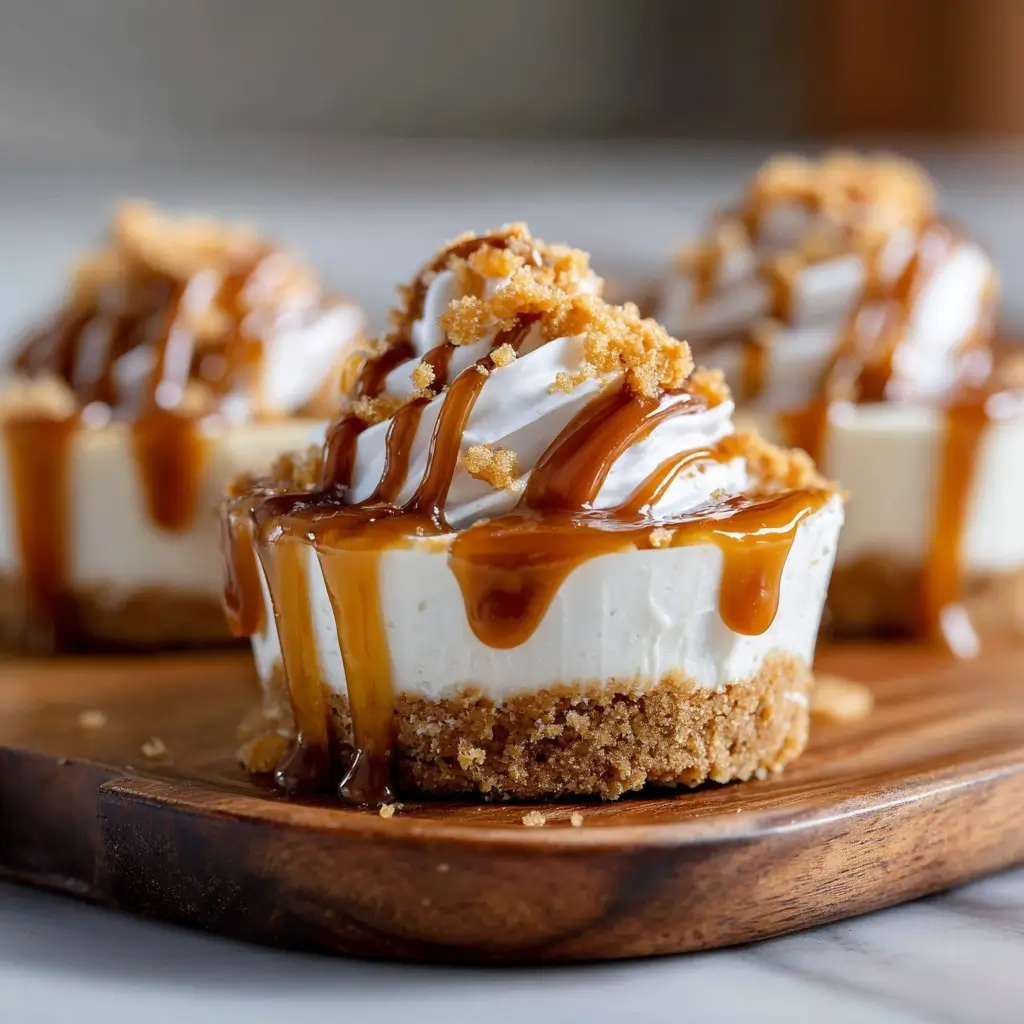
Indulge in the creamy, dreamy delight of No-Bake Biscoff Cheesecake Cups — a modern dessert sensation that combines the rich, caramelized flavor of Biscoff spread with the velvety texture of classic cheesecake. These individual-sized treats are perfect for parties, picnics, or simply satisfying your sweet tooth without turning on the oven. With their no-fuss preparation and irresistible taste, these cheesecake cups have become a staple in dessert menus across homes, bakeries, and food blogs alike. Whether you’re a seasoned baker or a kitchen novice, this recipe is designed to be accessible, quick, and absolutely delicious.
The History
The roots of the No-Bake Biscoff Cheesecake Cup trace back to the growing popularity of two beloved ingredients: cream cheese-based desserts and Biscoff (also known as speculoos) spread. Originating in Belgium, Biscoff cookies — made by Lotus Bakeries — gained international fame for their warm, spiced, caramel-like flavor. In the early 2000s, the introduction of Biscoff spread turned these cookies into a versatile ingredient, embraced by home cooks and professional bakers alike. Around the same time, no-bake cheesecakes surged in popularity due to their simplicity and adaptability, especially in warmer climates where ovens were best avoided. The fusion of these trends led to the creation of the No-Bake Biscoff Cheesecake Cup, a dessert that perfectly marries convenience with gourmet flair. It quickly became a viral hit on social media platforms like Pinterest and Instagram, praised for its photogenic layers and crowd-pleasing taste. Today, it stands as a testament to how global flavors and modern cooking techniques can come together to create something truly magical.
Ingredients Breakdown
Understanding each ingredient in this recipe helps elevate your baking experience and ensures optimal results. Let’s dive deep into what goes into these luscious No-Bake Biscoff Cheesecake Cups:
- Cream Cheese (Full-Fat): The foundation of any great cheesecake, full-fat cream cheese provides richness, structure, and a smooth mouthfeel. It’s essential to use room-temperature cream cheese to avoid lumps and ensure a silky texture.
- Biscoff Spread (Original): This spiced cookie butter brings warmth, sweetness, and depth to the dessert. Its unique blend of cinnamon, ginger, nutmeg, and caramelized sugar is what gives the cheesecake its signature flavor.
- Heavy Whipping Cream: When whipped, this adds lightness and airiness to the filling, transforming dense cream cheese into a cloud-like mixture. High fat content (at least 36%) ensures stable peaks and a luxurious texture.
- Granulated Sugar: Used sparingly to enhance sweetness without overpowering the nuanced spice notes of Biscoff. You can adjust based on preference or substitute with powdered sugar for smoother integration.
- Vanilla Extract: A splash of pure vanilla extract enhances overall flavor complexity, rounding out the spices and adding a subtle floral note.
- Unsalted Butter: Melted and incorporated into the crust layer, butter binds the crushed cookies together and creates a firm base when chilled. Using unsalted allows better control over salt levels.
- Biscoff Cookies: Crushed finely, these form the crust. They’re not only flavorful but also provide a delightful crunch contrast to the creamy filling. Gluten-free versions are available if needed.
- Lemon Juice (Optional): A small amount brightens the richness and cuts through sweetness, balancing the overall profile.
- Salt (Pinch): Enhances all other flavors and prevents the dessert from tasting flat.
- Whipped Cream or Cool Whip (Optional Topping): Adds an extra layer of indulgence and visual appeal.
- Crushed Biscoff Cookies or Drizzled Biscoff Spread (Garnish): For finishing touches that boost both presentation and taste.
Step-by-Step Recipe
Follow these detailed steps to create flawless No-Bake Biscoff Cheesecake Cups every time:
- Prepare Your Tools: Gather eight 4-ounce disposable or reusable dessert cups, mason jars, or ramekins. Have ready a food processor or zip-top bag and rolling pin for crushing cookies, mixing bowls, electric hand mixer or stand mixer, spatula, and measuring spoons/cups.
- Make the Crust: Crush about 12–15 Biscoff cookies into fine crumbs using a food processor or place them in a sturdy plastic bag and roll with a rolling pin. Melt 3 tablespoons of unsalted butter and mix thoroughly with the crumbs until evenly coated and resembling wet sand. Divide the mixture equally among the cups (about 2 tablespoons per cup), pressing firmly with the back of a spoon or small glass to create a compact, even layer. Place in the refrigerator while preparing the filling.
- Softening the Cream Cheese: Remove 16 oz (2 standard blocks) of cream cheese from the fridge at least 30 minutes ahead. Let it sit at room temperature until soft enough to press easily with a finger. This step is crucial for a lump-free filling.
- Beat the Cream Cheese: In a large bowl, beat the softened cream cheese with an electric mixer on medium speed for 2–3 minutes until smooth and creamy. Scrape down the sides frequently to ensure uniform consistency.
- Add Sweetener and Flavorings: Add 1/3 cup granulated sugar (or powdered sugar), 1 teaspoon vanilla extract, 1 tablespoon Biscoff spread, and a pinch of salt. Beat again until fully combined, about 1 minute. Taste and adjust sweetness or spice level if desired.
- Whip the Cream: In a separate clean bowl, pour 1 cup of cold heavy whipping cream. Using chilled beaters, whip on high speed until stiff peaks form — this usually takes 3–5 minutes. Be careful not to over-whip, which can lead to butter formation.
- Fold in the Whipped Cream: Gently fold one-third of the whipped cream into the cream cheese mixture using a spatula to lighten it. Then add the remaining whipped cream and continue folding gently until no white streaks remain. Avoid stirring or beating — folding preserves the air and keeps the texture light.
- Incorporate More Biscoff: Mix in an additional 1/4 cup of Biscoff spread until swirled throughout. For a marbled effect, don’t fully combine; leave some streaks visible.
- Layer the Filling: Spoon or pipe the cheesecake mixture over the chilled crust layers, filling each cup almost to the top. Use an offset spatula or the back of a spoon to smooth the surface neatly.
- Chill Thoroughly: Cover the cups loosely with plastic wrap or place in a container with a lid. Refrigerate for at least 6 hours, preferably overnight, to allow the filling to set properly and develop flavor.
- Garnish Before Serving: Just before serving, top each cup with a dollop of whipped cream, a drizzle of warmed Biscoff spread, and a sprinkle of crushed Biscoff cookies. Optionally, add a whole mini Biscoff cookie on top for elegance.
Tips
To master your No-Bake Biscoff Cheesecake Cups, consider these expert tips:
- Room Temperature Matters: Always bring cream cheese to room temperature. Cold cream cheese will never blend smoothly and may result in a gritty texture.
- Avoid Overmixing After Adding Cream: Once you start folding in the whipped cream, stop using the mixer entirely. Overmixing deflates the air and leads to a dense final product.
- Use Cold Equipment for Whipping Cream: Chill your bowl and beaters in the freezer for 10–15 minutes before whipping cream. This helps achieve faster, stiffer peaks.
- Don’t Skip the Chill Time: Rushing the setting process by freezing instead of refrigerating can cause separation or ice crystals. Patience yields the creamiest results.
- Crush Cookies Consistently: Aim for uniform crumb size — too coarse and the crust won’t hold together; too fine and it becomes overly dense.
- Press Crust Firmly: Apply even pressure when forming the crust layer to prevent crumbling when eaten.
- Drizzle Like a Pro: Warm Biscoff spread slightly (10–15 seconds in microwave) to make it pourable for elegant drizzling.
- Make Ahead Friendly: These cups can be assembled up to 3 days in advance and stored covered in the refrigerator.
- Serve Chilled: Always serve straight from the fridge for the best texture and flavor contrast between cool filling and crisp base.
- Prevent Weeping: If condensation appears after removing from the fridge, gently dab with a paper towel. This happens when there’s a sudden temperature change.
Variations and Customizations
One of the greatest strengths of this recipe is its versatility. Here are creative ways to customize your No-Bake Biscoff Cheesecake Cups:
- Gluten-Free Version: Use gluten-free Biscoff-style cookies or certified gluten-free speculoos cookies to make the dessert safe for those with sensitivities.
- Dairy-Free / Vegan Option: Substitute cream cheese with vegan cream cheese (e.g., Kite Hill or Miyoko’s), use coconut cream instead of heavy cream (chill overnight and whip the solid part), and replace butter with plant-based margarine.
- Low-Sugar or Keto-Friendly: Replace granulated sugar with erythritol or monk fruit sweetener. Use low-carb Biscoff alternatives or almond flour mixed with Biscoff spread and butter for the crust.
- Chocolate Twist: Add a thin layer of melted dark chocolate beneath the crust or swirl cocoa powder into the filling. Top with chocolate shavings for decadence.
- Coffee-Infused: Dissolve 1 tsp instant espresso powder into the cream cheese mixture for a mocha-Biscoff fusion.
- Fruit Layer: Add a bottom layer of raspberry coulis, sliced bananas, or diced apples sautéed with cinnamon for a fruity twist.
- Peanut Butter Swirl: Alternate Biscoff with peanut butter or almond butter for a nutty combo. Create a ripple effect with a toothpick.
- Spice Boost: Add a dash of ground cinnamon, nutmeg, or pumpkin pie spice directly into the filling for intensified warmth.
- Mini Dessert Shots: Serve in shot glasses for cocktail parties or weddings — elegant and portion-controlled.
- Seasonal Themes: Decorate for holidays — red sprinkles for Christmas, pastel colors for Easter, or edible gold dust for New Year’s.
- Boozy Version: Fold in 1–2 tablespoons of Baileys, rum, or Kahlua for an adult-only treat (keep refrigerated and consume within 2 days).
Health Considerations and Nutritional Value
While undeniably delicious, it’s important to enjoy No-Bake Biscoff Cheesecake Cups mindfully. Here’s a nutritional breakdown per serving (one 4-oz cup, assuming 8 servings total):
- Calories: Approximately 320–360 kcal
- Total Fat: 24–28g (mainly from cream cheese, butter, and heavy cream)
- Saturated Fat: 14–16g
- Cholesterol: ~60mg
- Sodium: 200–250mg
- Total Carbohydrates: 25–30g
- Sugars: 18–22g (mostly from Biscoff spread and added sugar)
- Protein: 4–5g
- Fiber: 1–2g (depending on cookie type used)
Key health considerations include:
- High in Saturated Fats: Due to dairy ingredients, moderation is advised, especially for individuals managing cholesterol or heart health.
- Sugar Content: The natural sweetness of Biscoff spread contributes significantly to sugar intake. Those monitoring blood sugar should consider reduced-sugar alternatives.
- Lactose Intolerance: Traditional versions contain lactose. Lactose-free cream cheese and milk substitutes can help accommodate dietary needs.
- Allergens: Contains dairy, gluten (unless substituted), and potential tree nuts (check Biscoff labels, as some varieties may be processed in facilities with nuts).
- Balanced Indulgence: Pair with fresh berries or mint leaves to add nutrients and freshness. Enjoy as an occasional treat rather than a daily snack.
- Portion Control: Serving in small cups naturally limits portion size, making it easier to savor without overindulging.
Ingredients
Makes 8 servings
- 16 oz (2 packages) full-fat cream cheese, softened
- 1/3 cup granulated sugar (or powdered sugar)
- 1/4 cup + 1 tablespoon Biscoff spread (divided)
- 1 tsp pure vanilla extract
- 1 tbsp heavy whipping cream (optional, for smoother filling)
- 1/8 tsp salt
- 1 cup heavy whipping cream (cold)
- 12–15 Biscoff cookies (plus extra for garnish)
- 3 tbsp unsalted butter, melted
- Optional: lemon juice (1/2 tsp), whipped cream for topping, additional Biscoff for drizzling
Directions
- In a food processor or sealed bag, crush Biscoff cookies into fine crumbs.
- Mix crumbs with melted butter until well combined.
- Divide mixture evenly among 8 dessert cups (about 2 tbsp each). Press down firmly to create a solid crust. Chill in fridge.
- In a large bowl, beat softened cream cheese with electric mixer until smooth (~2–3 mins).
- Add sugar, 1 tbsp Biscoff spread, vanilla extract, and salt. Beat until creamy and lump-free.
- In a separate bowl, whip cold heavy cream until stiff peaks form.
- Fold 1/3 of whipped cream into cream cheese mixture to lighten. Then gently fold in the rest until just combined.
- Stir in remaining 1/4 cup Biscoff spread with a few folds to create swirls.
- Spoon or pipe filling over crusts, smoothing tops with a spatula.
- Cover and refrigerate for at least 6 hours, preferably overnight.
- Before serving, top with whipped cream, drizzle with warmed Biscoff, and sprinkle crushed cookies.
- Serve chilled and store leftovers in the refrigerator for up to 4 days.
FAQ
Can I freeze No-Bake Biscoff Cheesecake Cups?
Yes, they can be frozen for up to 1 month. Wrap each cup individually in plastic wrap and place in an airtight container. Thaw in the refrigerator for 4–6 hours before serving. Note: texture may be slightly softer after thawing.
Why is my cheesecake runny?
This typically happens if the cream wasn’t whipped to stiff peaks, the cream cheese was too cold, or insufficient chilling time. Ensure proper whipping technique and allow adequate refrigeration.
Can I use Cool Whip instead of heavy cream?
Yes! Replace the whipped heavy cream with 1 1/2 cups of thawed Cool Whip. Fold in gently after mixing the cream cheese base. This simplifies preparation and extends shelf life slightly.
How long do these last in the fridge?
They stay fresh and delicious for up to 4–5 days when stored covered in the refrigerator.
Is Biscoff spread the same as cookie butter?
Yes, Biscoff spread is a brand-name version of speculoos or “cookie butter.” Generic versions work well too, though flavor intensity may vary.
Can I make these nut-free?
Most Biscoff products are nut-free, but always check packaging for allergen statements. Manufacturing processes may involve shared equipment.
What can I use instead of Biscoff cookies for the crust?
You can substitute graham crackers, digestive biscuits, or shortbread cookies, though the distinctive spiced flavor will be lost.
Can I make this in a large pan instead?
Absolutely! Press the crust into a 9-inch springform pan and pour in the filling. Chill and slice into wedges. Garnish with Biscoff drizzle and crumbs.
Why did liquid form on top of my cheesecake?
This is likely whey separation, common in dairy-based desserts. It occurs due to temperature changes or overmixing. Simply blot with a paper towel before serving.
Can I prepare these in advance for a party?
Definitely! Make them 1–2 days ahead. Add toppings just before serving to maintain texture and appearance.
Summary
No-Bake Biscoff Cheesecake Cups are the ultimate easy, elegant dessert combining creamy cheesecake with spicy-sweet Biscoff in a convenient single-serving format. Perfect for any occasion, they require no oven, minimal cleanup, and deliver maximum flavor with every bite.