Neapolitan Pizza Dough: The Art of Authentic Italian Craftsmanship
The History of Neapolitan Pizza Dough
The origins of Neapolitan pizza dough trace back to Naples, Italy—a city steeped in culinary tradition and innovation. In the 18th and 19th centuries, Naples was a bustling port city teeming with working-class residents who needed affordable, filling meals. Street vendors began selling flatbreads topped with simple ingredients like tomatoes, garlic, oil, and cheese—early precursors to what we now know as pizza.
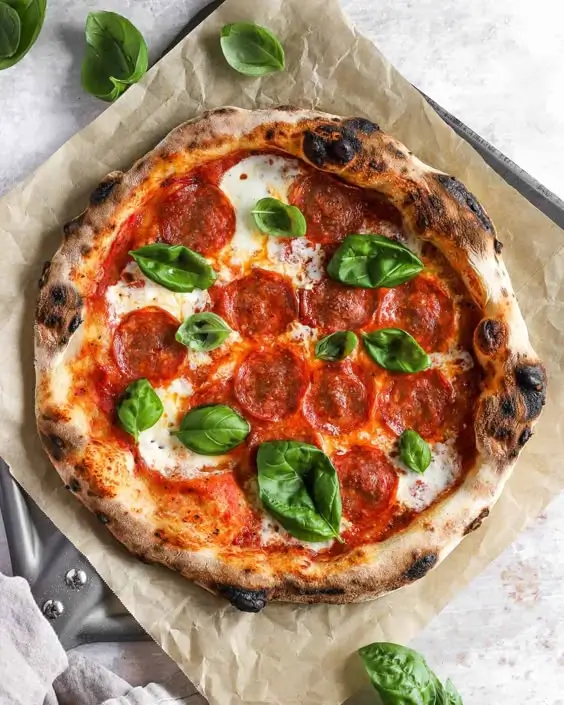
It was in 1889 that Neapolitan pizza gained royal recognition. To honor the visit of Queen Margherita of Savoy, pizzaiolo Raffaele Esposito created a pie resembling the colors of the Italian flag: red (tomatoes), white (mozzarella), and green (basil). This creation, known as the Pizza Margherita, became iconic and solidified Naples’ place as the birthplace of modern pizza.
Over time, the recipe evolved into a standardized craft. In 2004, the Associazione Verace Pizza Napoletana (AVPN) was founded to preserve and promote authentic Neapolitan pizza. According to AVPN guidelines, true Neapolitan pizza must be made with specific ingredients and techniques, including type “00” wheat flour, natural yeast or brewer’s yeast, sea salt, water, and cooked in a wood-fired oven at approximately 900°F (485°C) for no more than 90 seconds. The dough is central to this tradition—soft, elastic, slightly chewy, with a puffy cornicione (the raised edge) and delicate base.
Today, Neapolitan pizza dough is celebrated worldwide not just for its taste but for its cultural significance. UNESCO even recognized the art of Neapolitan ‘pizzaiuolo’ as an Intangible Cultural Heritage of Humanity in 2017. From humble street food to gourmet staple, this dough represents centuries of passion, precision, and pride.
Ingredients Breakdown: Why Each One Matters
The magic of Neapolitan pizza lies in its simplicity. Only four ingredients form the foundation of the dough, each playing a vital role in texture, flavor, and structure:
- Type “00” Flour (Farina 00): This finely milled Italian wheat flour has a low protein content (around 11–12%), which results in a tender yet elastic crumb. Its fine texture allows for excellent gluten development while maintaining a soft bite. Unlike all-purpose flour, “00” absorbs water more efficiently and creates a smoother dough ideal for high-heat baking.
- Water: Preferably filtered or bottled, water should be lukewarm (about 68–72°F or 20–22°C). The quality of water affects fermentation; chlorine can inhibit yeast activity. Water hydrates the flour, activates gluten, and facilitates yeast action during proofing.
- Sea Salt: Adds depth of flavor and strengthens gluten structure by controlling enzyme activity. It also slows down yeast fermentation, leading to better flavor development over time. Coarse sea salt is preferred because it dissolves slowly and evenly throughout the dough.
- Fresh Yeast (or Active Dry Yeast): Traditionally, fresh compressed yeast is used in Naples for its clean, mild fermentation profile. However, active dry or instant yeast works well too, especially outside Italy. Yeast drives fermentation, producing carbon dioxide that causes the dough to rise and develop complex flavors through lactic and acetic acid production.
Optional additions like olive oil or sugar are avoided in authentic recipes—they belong to other styles (e.g., Sicilian or American). Purity is key. The interaction between these four components, combined with proper technique and time, creates a dough that puffs beautifully in extreme heat, yielding a charred yet airy crust with a moist interior.
Step-by-Step Recipe: Crafting Perfect Neapolitan Pizza Dough at Home
Making authentic Neapolitan pizza dough requires patience, attention to detail, and respect for timing. Follow this meticulous guide to achieve restaurant-quality results—even without a wood-fired oven.
Ingredients (Makes 4 x 10-inch pizzas)
- 1000g (about 8 cups) Italian Type “00” flour (Caputo Pizzeria or similar)
- 600ml (about 2½ cups) filtered lukewarm water (68–72°F / 20–22°C)
- 2g (¾ tsp) fresh yeast OR 1g (¼ tsp) active dry yeast
- 20g (1 tbsp + 1 tsp) coarse sea salt
Equipment Needed
- Digital kitchen scale (highly recommended for accuracy)
- Large mixing bowl
- Dough scraper
- Plastic wrap or damp cloth
- Proofing containers or small bowls (if doing bulk ferment)
- Pizza peel (for transferring)
- Pizza stone or steel (for home ovens)
- Oven preheated to maximum temperature (ideally 500–550°F / 260–290°C)
Directions
- Bloom the Yeast (if using dry yeast): If using active dry yeast, dissolve it in 50ml of the lukewarm water with a pinch of sugar. Let sit for 10 minutes until foamy. Skip this step if using fresh yeast—just crumble it directly into the water later.
- Autolyse the Flour and Water: In a large bowl, mix 950g of the flour with all the water (including yeast mixture, if applicable). Mix gently until no dry flour remains. Cover and let rest for 30 minutes. This resting period allows the flour to fully hydrate and initiates gluten formation without kneading.
- Add Salt and Remaining Flour: After autolyse, sprinkle the salt over the dough. Add the remaining 50g of flour. Using wet hands or a dough scraper, incorporate everything together. Begin folding and pressing the dough against the sides of the bowl for about 5–7 minutes until smooth and slightly elastic.
- First Fermentation (Bulk Rise): Shape the dough into a ball. Transfer to a lightly oiled container. Cover tightly with plastic wrap or a damp towel. Allow to rise at room temperature (70–75°F / 21–24°C) for 2 hours.
- Stretch and Fold (Optional but Recommended): At the 30-minute, 1-hour, and 1.5-hour marks during bulk fermentation, perform a set of stretch-and-folds. Wet your hand, grab one side of the dough, stretch it upward, then fold it over the center. Rotate the bowl and repeat on all four sides. This builds strength and improves gas retention.
- Divide the Dough: After 2 hours, turn the dough out onto a lightly floured surface. Divide into four equal portions (approximately 400g each). Use a bench scraper to portion cleanly.
- Pre-Shape and Bench Rest: Gently shape each piece into a tight round (boule) by tucking edges underneath. Place seam-side down on a non-floured surface. Cover loosely and let rest for 20 minutes. This relaxes the gluten for easier final shaping.
- Final Shaping: One at a time, flatten each rested ball slightly. Lift from the edges and use your knuckles to stretch outward, rotating continuously to maintain even thickness. Aim for a 10-inch circle with a slightly thicker rim (cornicione). Avoid using a rolling pin—it compresses air bubbles.
- Second Proof (Cold Ferment – Optional but Ideal): Place shaped dough balls into individual floured containers. Seal and refrigerate for 8–24 hours (up to 48 hours for enhanced flavor). Cold fermentation develops acidity, aroma, and superior texture.
- Bring to Room Temperature: Remove dough from fridge 2–3 hours before baking. Cold dough is fragile and will tear easily if stretched too soon.
- Preheat Oven and Baking Surface: At least 1 hour before baking, place a pizza stone or steel on the middle rack. Preheat oven to its highest setting (500–550°F / 260–290°C). Some bakers use broiler mode for extra top heat.
- Top and Bake: Lightly flour your pizza peel. Stretch the dough carefully on the peel. Add sauce (San Marzano tomatoes, crushed by hand), torn mozzarella di bufala, fresh basil, and a drizzle of olive oil—sparingly. Slide onto hot stone. Bake for 6–9 minutes until blistered and charred in spots.
- Serve Immediately: Remove with peel, slice, and enjoy while steaming. Neapolitan pizza is best eaten fresh out of the oven.
Tips for Success: Mastering the Technique
- Use a Scale: Volume measurements vary drastically. For consistency, always weigh ingredients—especially flour and water.
- Control Fermentation Temperature: Keep dough away from drafts and direct sunlight. Ideal room temperature ensures steady rise without off-flavors.
- Don’t Rush Cold Fermentation: While same-day dough works, overnight cold proofing enhances complexity and digestibility.
- Handle Dough Gently: Over-handling degasses the dough. Use fingertips instead of palms when stretching.
- Avoid Excess Flour on Peel: Too much cornmeal or flour creates friction, preventing smooth transfer. A light dusting of semolina helps it slide better.
- Watch Your Oven Hotspots: Rotate pizza halfway through baking if your oven heats unevenly.
- Invest in a Steel or Stone: These retain heat far better than regular pans, mimicking a professional oven’s radiant heat.
- Practice Stretching: It takes time to master hand-stretching. Start with smaller discs and work your way up.
- Hydrate Properly: 60% hydration (600g water per 1000g flour) is standard. Higher hydration (62–65%) increases openness but demands skill.
- Respect the Cornicione: The edge should puff dramatically. If it doesn’t, your oven may not be hot enough or your dough under-proofed.
Variations and Customizations
While traditionalists stick strictly to AVPN standards, home cooks often experiment within reason. Here are some thoughtful adaptations:
- Whole Wheat Blend: Substitute up to 20% of the “00” flour with whole wheat for nuttiness and fiber. Note: it yields denser texture and reduced rise.
- Sourdough Version: Replace commercial yeast with 100g active sourdough starter. Increase water by 30g and extend bulk fermentation to 4–6 hours at room temp, followed by 12–36 hours cold ferment. Imparts tangy depth.
- Herb-Infused Dough: Add 1 tsp dried oregano or rosemary during mixing for aromatic flair—best paired with Mediterranean toppings.
- Gluten-Free Attempt: True Neapolitan cannot be gluten-free due to reliance on gluten development. However, blends with xanthan gum and psyllium husk can mimic elasticity, though texture differs significantly.
- Mini Personal Pies: Make six 6-inch pizzas instead of four 10-inch ones—great for parties or kids.
- Different Flours: Some artisan bakers blend “00” with Manitoba flour (high-protein Canadian wheat) for stronger structure in humid climates.
- Flavored Oils in Dough: Though not traditional, a few drops of garlic-infused olive oil can add subtle richness—use sparingly.
Note: Any deviation alters authenticity. Customize only after mastering the classic version.
Health Considerations and Nutritional Value
Neapolitan pizza dough, in its purest form, is relatively simple nutritionally—but context matters.
Nutrition Per Single Dough Ball (Approx. 400g before baking)
- Calories: ~1,050 kcal
- Carbohydrates: ~210g (mostly complex carbs from wheat)
- Protein: ~32g (from gluten and amino acids in flour)
- Fat: ~2g (naturally occurring in flour)
- Fiber: ~6g (more if using whole grain variants)
- Sodium: ~700mg (varies based on salt amount)
When topped minimally (e.g., Margherita), total calories range from 1,200–1,400 per pizza. Health-conscious eaters can reduce portions or share one pie among two people.
Considerations
- Gluten Content: Not suitable for those with celiac disease or gluten sensitivity. Sourdough fermentation may improve digestibility for some non-celiacs due to pre-digestion of starches and proteins.
- Glycemic Index: White flour raises blood sugar quickly. Pairing pizza with a side salad rich in fiber and healthy fats can moderate glucose response.
- Portion Control: One full Neapolitan pizza is hearty. Many Italians treat it as a complete meal rather than snacking.
- Low-Fat Option: Compared to deep-dish or pan pizzas, Neapolitan is lean—no added oil in dough, minimal cheese.
- Organic and Non-GMO Choices: Opt for organic “00” flour if concerned about pesticides or processing.
Moderation is key. Enjoyed occasionally as part of a balanced diet, Neapolitan pizza offers satisfaction, cultural connection, and culinary joy.
Frequently Asked Questions (FAQ)
Can I make Neapolitan pizza dough without a stand mixer?
Absolutely. This dough is traditionally made by hand. The autolyse method and stretch-and-fold technique eliminate the need for mechanical kneading. Just use a bowl, your hands, and patience.
Why isn’t my dough rising?
Possible causes include expired yeast, water too hot (killing yeast) or too cold (slowing activation), insufficient time, or low ambient temperature. Ensure yeast is fresh and environment is warm (~72°F).
Can I freeze Neapolitan pizza dough?
Yes. After dividing and shaping, place dough balls in sealed freezer bags with a little oil. Freeze for up to 3 months. Thaw overnight in the refrigerator, then bring to room temperature before use.
My dough keeps tearing when I stretch it. What am I doing wrong?
This usually means the gluten hasn’t developed properly or the dough is too cold. Allow longer rest time (bench rest), ensure adequate fermentation, and never skip bringing chilled dough back to room temp.
Do I need a wood-fired oven?
Ideal? Yes. Necessary? No. A home oven with a preheated pizza steel or stone at maximum heat (500°F+) can produce excellent results. Broiler mode helps simulate overhead heat.
How thin should Neapolitan pizza be?
The center should be paper-thin (about 1/8 inch), while the edge puffs into a 1-inch tall cornicione. It should feel light and airy, not dense or bread-like.
Can I use all-purpose flour instead of “00”?
You can, but results differ. All-purpose flour has higher protein and coarser grind, leading to chewier texture and less delicate crumb. For authenticity, stick with “00.”
Is Neapolitan pizza vegan?
The dough itself is vegan (flour, water, salt, yeast). However, traditional toppings like mozzarella and Parmesan are dairy-based. Vegan versions use plant-based cheese alternatives.
Why does my pizza stick to the peel?
Too many toppings, excessive sauce, or too much flour/cornmeal on the peel can cause sticking. Use a flick test: gently shake the peel—if the pizza moves freely, you’re good to go.
How long can I cold-ferment the dough?
Between 24 and 72 hours is optimal. Beyond 72 hours, risk of over-fermentation increases, causing sourness and structural weakness. Always seal tightly to prevent drying.
Summary
Authentic Neapolitan pizza dough embodies centuries of Italian culinary heritage, relying on just four simple ingredients—type “00” flour, water, salt, and yeast—crafted with care and time to create a light, airy, and flavorful base. When baked at high heat, it transforms into a masterpiece of blistered crust, tender crumb, and irresistible aroma, defining the gold standard of pizza worldwide.