Introduction
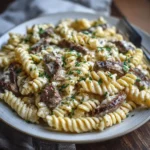
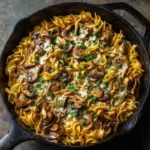
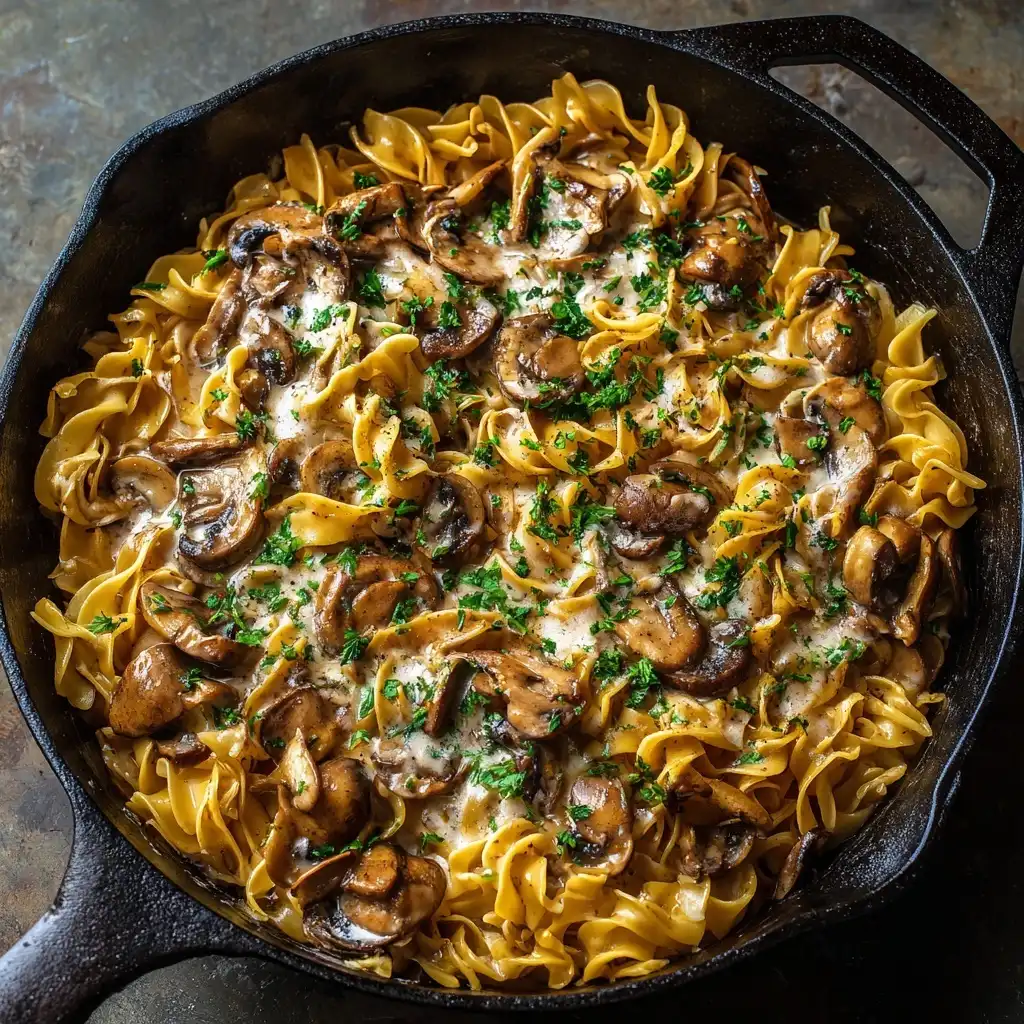
Mushroom Stroganoff Noodles is a rich, velvety, and deeply comforting plant-based reinterpretation of the classic Russian beef stroganoff—elevated with umami-packed mushrooms, aromatic herbs, and creamy, tangy notes that dance on the palate. Unlike traditional versions reliant on red meat and heavy dairy, this modern adaptation celebrates the earthy complexity of fungi while delivering luxurious mouthfeel and layered depth—all without sacrificing authenticity or soul-warming satisfaction. Whether you’re a committed vegetarian, exploring flexitarian eating, or simply craving a hearty, nutrient-dense weeknight dinner that feels indulgent yet nourishing, Mushroom Stroganoff Noodles delivers extraordinary flavor, elegant simplicity, and remarkable versatility across dietary preferences.
The History
Stroganoff traces its origins to mid-19th century Russia, where it was reputedly created by a French chef employed by the wealthy Stroganov family—likely Count Pavel Alexandrovich Stroganov—as a refined dish for aristocratic banquets. The original version featured thinly sliced beef sautéed in butter, then simmered in a sour cream–mustard–onion sauce, often finished with paprika and served over buttered egg noodles. Over time, variations spread across Eastern Europe and into global kitchens, evolving with regional ingredients and cultural adaptations. During the Soviet era, beef shortages led to widespread mushroom substitutions—particularly using wild forest varieties like porcini and oyster mushrooms—giving rise to what is now widely recognized as “Gribnoy Stroganoff” (Mushroom Stroganoff). This resourceful, flavorful pivot not only preserved the dish’s identity but enhanced its umami resonance. In contemporary Western cooking, especially within plant-forward, whole-food, and wellness-oriented movements, mushroom stroganoff has undergone a renaissance—refined with artisanal techniques, global spices, and conscious ingredient sourcing—culminating in today’s beloved Mushroom Stroganoff Noodles: a harmonious fusion of heritage, ingenuity, and culinary empathy.
Ingredients Breakdown
Every element in this recipe serves a distinct functional and sensory purpose—no ingredient is arbitrary. Let’s explore the role each plays:
- Cremini and Shiitake Mushrooms (8–10 oz total): Cremini offer dense, meaty texture and mild earthiness; shiitakes contribute bold umami, chewy resilience, and complex sulfurous notes when seared. Together, they create structural integrity and deep savory backbone—far surpassing button mushrooms in depth and mouthfeel.
- Yellow Onion & Garlic: Slow-sautéed onions build sweetness and aromatic foundation; minced garlic—added later—provides pungent, floral heat without bitterness. Both are essential for building the Maillard-rich base layer.
- Tomato Paste (1 tbsp): Often overlooked, this ingredient adds subtle acidity, concentrated sweetness, and critical caramelized depth—acting as a flavor “glue” that binds umami, fat, and acid.
- Dry Sherry or Madeira (¼ cup): Not optional. Alcohol volatilizes off while leaving behind nutty, oxidative richness and bright fruit notes that cut through richness and elevate the entire sauce profile. Substitute with dry white wine or unsweetened apple cider vinegar + ½ tsp maple syrup if avoiding alcohol.
- Vegetable Broth (1½ cups, low-sodium, preferably mushroom-based): Provides clean, savory liquid medium. Mushroom broth intensifies fungal notes; homemade or high-quality store-bought versions make a dramatic difference in clarity and savoriness.
- Fresh Thyme & Dijon Mustard: Thyme contributes herbal elegance and subtle camphor lift; Dijon adds gentle heat, emulsifying power, and tangy brightness—balancing the creaminess and preventing cloying heaviness.
- Full-Fat Coconut Milk (½ cup) + Unsweetened Plain Cashew Cream (½ cup): A dual-cream system: coconut milk lends tropical richness, body, and stable fat structure; cashew cream contributes neutral creaminess, natural sweetness, and exceptional silkiness. Together, they mimic the unctuousness of sour cream without curdling or acidity-driven separation.
- Lemon Zest & Juice (zest of 1 lemon + 1 tsp juice): Brightens and lifts the sauce at the end—zest adds aromatic citrus oil complexity; juice offers clean acidity that refreshes the palate and enhances all other flavors.
- Egg Noodles (12 oz, wide or extra-wide): Traditional choice for optimal sauce adhesion. Look for bronze-die extruded, slow-dried noodles—they hold shape better, absorb less water, and have superior surface texture for clinging to creamy stroganoff. Gluten-free brown rice or buckwheat soba are excellent alternatives with complementary nuttiness.
- Unsalted Butter or High-Quality Vegan Butter (3 tbsp): Used in stages—first for sautéing, then finishing—to add gloss, mouth-coating richness, and subtle dairy-like aroma (even in vegan versions).
- Fresh Dill & Parsley (2 tbsp each, finely chopped): Added just before serving for herbaceous freshness, visual contrast, and aromatic top note—dill echoes Eastern European tradition; parsley adds clean green lift.
- Smoked Paprika (½ tsp, sweet or smoked): Imparts warm, slightly woody depth and subtle smokiness—not overpowering, but perceptible in the background, echoing traditional preparation methods involving wood-fired pans.
- Nutritional Yeast (2 tbsp): A stealth umami booster and B-vitamin powerhouse—adds subtle cheesy, toasty nuance and rounds out the savory spectrum without overpowering.
Step-by-Step Recipe
- Prep & Par-Cook Noodles: Bring a large pot of well-salted water (2 tbsp kosher salt per gallon) to a rolling boil. Add noodles and cook 1–2 minutes *less* than package directions for al dente—typically 6–7 minutes. Drain thoroughly, rinse under cold water to halt cooking, then toss with 1 tsp neutral oil to prevent sticking. Set aside.
- Rehydrate Dried Mushrooms (Optional but Recommended): If using dried porcini or shiitake, soak ¼ cup in ½ cup hot vegetable broth for 20 minutes. Strain through cheesecloth, reserving liquid. Chop rehydrated mushrooms finely and add to fresh mushroom mix.
- Sear Mushrooms in Batches: Heat 1 tbsp butter in a wide, heavy-bottomed Dutch oven or stainless steel skillet over medium-high heat until foaming subsides. Add half the mushrooms in a single layer—do not crowd. Cook undisturbed 3–4 minutes until deeply golden brown and moisture evaporates. Flip and sear opposite side 2–3 minutes. Transfer to a bowl. Repeat with remaining mushrooms and 1 more tbsp butter. This step is non-negotiable for maximum umami development.
- Build Aromatic Base: Reduce heat to medium. Add final tbsp butter, then onions. Sauté 6–8 minutes until translucent and beginning to caramelize. Stir in garlic and tomato paste; cook 2 minutes until paste darkens slightly and smells fragrant.
- Deglaze & Simmer: Pour in sherry, scraping up all browned bits. Simmer 2 minutes until alcohol evaporates and liquid reduces by half. Stir in reserved mushroom soaking liquid (if used), vegetable broth, thyme sprigs, Dijon, smoked paprika, and nutritional yeast. Bring to gentle simmer. Reduce heat to low, cover partially, and simmer 12–15 minutes to meld flavors and reduce slightly.
- Emulsify Cream System: Whisk together coconut milk and cashew cream until perfectly smooth—no lumps. Remove thyme stems. Temper the cream mixture by slowly whisking in ½ cup hot sauce. Then gently stir tempered cream back into pot. Do not boil after adding cream—maintain gentle simmer (180–190°F) for 4–5 minutes to thicken without separating.
- Finish & Integrate: Return seared mushrooms to pot. Stir in lemon zest and juice. Taste and adjust: more salt for depth, lemon for brightness, Dijon for tang, or a pinch of white pepper for warmth. Simmer 2 more minutes.
- Combine with Noodles: Gently fold in par-cooked noodles, coating evenly. Let rest off heat 3 minutes—noodles will absorb excess liquid and swell slightly, achieving ideal cling and tenderness.
- Garnish & Serve: Spoon into warmed shallow bowls. Top generously with fresh dill and parsley. Optional: a drizzle of truffle oil, toasted pine nuts, or microgreens for textural contrast and luxury finish.
Tips
- Don’t Skip the Sear: Crowding the pan steams mushrooms instead of browning them—this sacrifices 70% of the umami potential. Use two skillets if needed.
- Beware of “Cream” Curdling: Never add cold dairy or plant creams directly to boiling liquid. Always temper, never boil post-cream addition, and avoid acidic additions (like lemon) until the very end.
- Broth Quality Is Non-Negotiable: Canned “vegetable broth” varies wildly—many contain excessive sugar, MSG, or artificial flavors. Opt for low-sodium, organic, or homemade. For extra depth, simmer broth with dried mushrooms, onion skins, celery leaves, and peppercorns for 30 minutes before straining.
- Acid Timing Matters: Adding lemon too early dulls its vibrancy and can cause subtle breakdown in starches. Reserve zest and juice for the final 60 seconds.
- Noodle Texture Control: Undercook noodles intentionally—they’ll continue to hydrate in the hot sauce. Overcooked noodles turn mushy and dilute the sauce.
- Rest Before Serving: Allowing the finished dish to sit off heat for 3–5 minutes lets starches relax, fats redistribute, and flavors harmonize—transforming good into transcendent.
- Make-Ahead Magic: Sauce (without noodles or fresh herbs) keeps refrigerated for 4 days or frozen for 3 months. Reheat gently, stir in fresh cream, then combine with freshly cooked noodles.
- Resist Over-Stirring Post-Cream: Vigorous stirring can break the emulsion. Fold gently with a silicone spatula from bottom up.
- Season in Layers: Salt the mushrooms lightly while searing; season onions midway; adjust final balance at the end. This builds dimensional seasoning rather than one-note saltiness.
- Texture Contrast Elevates Everything: Top with crispy fried shallots, toasted walnuts, or roasted cherry tomatoes for crunch and visual appeal.
Variations and Customizations
Protein-Powered Upgrades
- Lentil-Studded: Fold in ¾ cup cooked black beluga or French green lentils (cooked al dente) for added fiber, iron, and meaty bite.
- Tempeh Crumble: Pan-fry crumbled, marinated tempeh until golden and nutty; stir in during final integration for fermented depth and chew.
- Seitan Strips: Marinate thin seitan strips in soy-tamari-ginger glaze, then sear and add at the end for substantial, savory protein.
Global Flavor Twists
- Miso-Ginger: Replace 1 tbsp Dijon with 1 tbsp white miso + 1 tsp grated fresh ginger. Finish with scallion greens and sesame oil.
- Mediterranean Herb: Swap thyme for oregano and rosemary; add sun-dried tomatoes and kalamata olives; garnish with crumbled feta (or almond feta).
- Smoky Chipotle: Add ½ tsp chipotle powder + 1 tsp adobo sauce with broth; garnish with pickled red onions and avocado crema.
- Thai-Inspired: Use lemongrass-infused broth, swap coconut milk for full-fat canned version, add 1 tsp fish sauce (or soy for vegan), lime leaf, and finish with Thai basil and crushed peanuts.
Dietary Adaptations
- Gluten-Free: Use certified GF wide rice noodles or buckwheat soba. Ensure tamari or coconut aminos replace soy sauce if used in marinades.
- Oil-Free Whole Food Plant-Based: Sauté in ¼ cup vegetable broth or water; use silken tofu blended with lemon and nutritional yeast instead of cream; finish with tahini-thinned sauce.
- Keto/Low-Carb: Replace noodles with spiralized zucchini (salted, drained, and roasted), shirataki noodles (well-rinsed and dry-sautéed), or cauliflower “rice” gently warmed in sauce.
- Nut-Free: Substitute sunflower seed cream or oat cream for cashew cream; ensure coconut milk is unsweetened and additive-free.
- Low-FODMAP: Use garlic-infused oil (discard solids), omit onion (substitute green onion tops only), choose low-FODMAP mushrooms (oyster, enoki), and use lactose-free cream alternatives.
Seasonal & Foraged Enhancements
- Spring: Add blanched asparagus tips, fava beans, and fresh chervil; garnish with edible pea tendrils.
- Summer: Fold in grilled portobello slices, heirloom cherry tomatoes, and basil ribbons; finish with balsamic glaze drizzle.
- Fall: Incorporate roasted delicata squash cubes, caramelized shallots, and toasted hazelnuts; use sage instead of thyme.
- Winter: Add rehydrated dried chanterelles, black trumpet, or lobster mushrooms; finish with truffle salt and roasted cipollini onions.
Health Considerations and Nutritional Value
Mushroom Stroganoff Noodles is not only delicious—it’s a thoughtfully constructed, nutrient-dense meal aligned with modern wellness principles. Here’s how it supports holistic health:
- Umami-Rich Immune Support: Mushrooms—especially shiitake and cremini—are potent sources of beta-glucans, ergothioneine, and selenium: compounds clinically associated with modulated immune response, antioxidant protection, and reduced systemic inflammation.
- Heart-Healthy Fats: Coconut milk provides medium-chain triglycerides (MCTs) shown to support metabolic flexibility and satiety; cashew cream contributes monounsaturated fats linked to improved LDL/HDL ratios when consumed as part of a balanced diet.
- Fiber & Gut Microbiome Benefits: Whole-grain or legume-based noodles (e.g., lentil or chickpea pasta) boost prebiotic fiber. Combined with diverse fungi, this creates an ideal substrate for beneficial gut bacteria diversity—a cornerstone of metabolic, neurological, and immunological health.
- Low Glycemic Impact (When Prepared Mindfully): Using al dente noodles, ample mushrooms, and healthy fats slows gastric emptying and blunts postprandial glucose spikes—ideal for insulin sensitivity and sustained energy.
- Vitamin D Synergy: Exposing mushrooms to UV light (sun or lamp) before cooking significantly increases naturally occurring vitamin D₂—making this dish a rare plant-based source of this crucial fat-soluble nutrient.
- No Refined Sugars or Artificial Additives: Unlike many commercial sauces or packaged “stroganoff mixes,” this recipe relies entirely on whole-food ingredients—free from hidden sodium, preservatives, or high-fructose corn syrup.
- Adaptable for Chronic Conditions: Easily modified for hypertension (low-sodium broth, no added salt), PCOS (high-fiber, low-glycemic), or IBD (low-FODMAP, well-cooked, low-residue options).
- Nutrient Density per Calorie: A standard serving (1¾ cups) delivers ~22g plant protein, 8g fiber, 30% DV B12 (via nutritional yeast), 25% DV iron (non-heme, enhanced by vitamin C from lemon), and abundant potassium, copper, and B vitamins—all in approximately 520–580 calories depending on noodle choice and cream ratio.
While inherently nourishing, mindful portioning remains key—pair with a simple arugula salad dressed in lemon-tahini or roasted seasonal vegetables for a complete, balanced plate.
Ingredients
- 12 oz wide or extra-wide egg noodles (or gluten-free alternative)
- 1 tbsp neutral oil (avocado or grapeseed), for tossing noodles
- 8 oz cremini mushrooms, stems trimmed, sliced ¼” thick
- 4 oz shiitake mushrooms, stems removed, caps sliced ¼” thick
- 3 tbsp unsalted butter or high-quality vegan butter, divided
- 1 large yellow onion, finely diced (about 1½ cups)
- 4 garlic cloves, minced
- 1 tbsp tomato paste
- ¼ cup dry sherry or Madeira (or dry white wine)
- 1½ cups low-sodium vegetable broth (preferably mushroom-based)
- 1 tsp fresh thyme leaves (or ½ tsp dried)
- 1 tbsp Dijon mustard
- ½ tsp smoked paprika (sweet or hot, to taste)
- 2 tbsp nutritional yeast
- ½ cup full-fat canned coconut milk (well-stirred)
- ½ cup raw cashew cream (soaked cashews + water, blended ultra-smooth)
- Zest and juice of 1 organic lemon (about 1 tsp juice)
- Kosher salt and freshly ground white pepper, to taste
- ¼ cup fresh dill, finely chopped
- ¼ cup fresh flat-leaf parsley, finely chopped
Directions
- Bring 5 quarts water to a rapid boil in a large Dutch oven or stockpot. Add 2 tbsp kosher salt. Add noodles and cook 1–2 minutes less than package directions for al dente texture. Drain thoroughly in a colander, rinse under cool water, and toss with 1 tbsp neutral oil. Set aside.
- In a 5- to 6-quart heavy-bottomed Dutch oven or wide stainless skillet, heat 1 tbsp butter over medium-high heat until shimmering. Add half the mushrooms in a single layer. Cook undisturbed 3–4 minutes until deeply browned. Flip and cook 2–3 minutes more. Transfer to a bowl. Repeat with remaining mushrooms and 1 more tbsp butter. Set aside.
- Reduce heat to medium. Add final tbsp butter. Add onions and a pinch of salt. Sauté 6–8 minutes until soft and pale gold. Stir in garlic and tomato paste; cook 2 minutes until fragrant and paste deepens in color.
- Pour in sherry, scraping up all browned bits. Simmer 2 minutes until mostly evaporated. Stir in broth, thyme, Dijon, smoked paprika, and nutritional yeast. Bring to gentle simmer, then reduce heat to low. Partially cover and simmer 12–15 minutes, stirring occasionally, until slightly reduced and aromatic.
- In a small bowl, whisk together coconut milk and cashew cream until completely smooth. Remove thyme stems. Ladle ½ cup hot sauce into cream mixture and whisk vigorously to temper. Slowly pour tempered cream back into pot while stirring gently. Maintain low heat—do not boil. Simmer gently 4–5 minutes until sauce thickens to coat the back of a spoon.
- Return seared mushrooms to pot. Stir in lemon zest and juice. Season with salt and white pepper to taste—start with ¾ tsp salt and adjust. Simmer 2 more minutes.
- Gently fold in prepared noodles until fully coated. Remove from heat, cover, and let rest 3 minutes to allow noodles to absorb residual sauce and reach perfect tenderness.
- Divide among warmed shallow bowls. Garnish generously with dill and parsley. Serve immediately.
FAQ
- Can I use only one type of mushroom?
- Yes—but for optimal depth, combine at least two varieties. If limited, use 12 oz cremini and add 1 tsp umami-rich ingredients like soy sauce, miso, or mushroom powder to compensate for missing complexity.
- Why not use sour cream or Greek yogurt?
- Traditional sour cream curdles easily due to its lactic acid content when heated with alkaline or acidic components. Our dual-cream system (coconut + cashew) offers superior heat stability, neutral pH, and richer mouthfeel—without risk of graininess or separation.
- My sauce is too thin—how do I fix it?
- Simmer uncovered 2–3 minutes longer to reduce. Alternatively, make a slurry of 1 tsp cornstarch + 1 tbsp cold water, whisk into sauce, and simmer 1 minute until thickened. Avoid flour—it can leave a raw taste.
- Can I make this ahead for meal prep?
- Absolutely. Prepare sauce (without noodles or herbs) up to 4 days ahead. Store chilled in an airtight container. Reheat gently, stir in fresh lemon and herbs, then combine with freshly cooked noodles. Freezes beautifully for up to 3 months—thaw overnight in fridge before reheating.
- What’s the best noodle substitute for keto?
- Spiralized zucchini (salted, pressed, and roasted at 425°F for 10 minutes) or konjac shirataki noodles (well-rinsed, dry-sautéed 3 minutes) provide satisfying texture with <2g net carbs per serving.
- Is this dish suitable for Passover or Rosh Hashanah?
- Yes—with simple swaps: use matzo ball-style egg noodles (Kosher for Passover), omit mustard (which is kitniyot-restricted for some Ashkenazi traditions), and verify broth certification. Serve with roasted carrots and honey-glazed apples for holiday alignment.
- How do I get restaurant-level sheen and gloss?
- Finish with 1 tsp cold butter stirred in off-heat (“monter au beurre”), or a drizzle of high-quality truffle oil or infused olive oil just before garnishing. This adds luminous richness and aromatic polish.
- Can kids enjoy this?
- Yes! Omit smoked paprika or white pepper, increase lemon zest for brightness (kids love citrus), and serve with fun shapes—like bowtie or fusilli—or pair with mild sautéed spinach. The creamy, savory profile appeals broadly—and mushrooms are stealthily nutritious.
- Why use white pepper instead of black?
- White pepper offers milder, earthier heat without the sharp, floral bite of black pepper—blending seamlessly into creamy sauces without distracting specks or aggressive spice. It’s traditional in classic stroganoff for aesthetic and flavor harmony.
- Can I add wine to the sauce beyond the deglaze?
- Not recommended—the additional alcohol and tannins may destabilize the emulsion and mute delicate mushroom notes. Stick to sherry for deglazing; rely on broth and umami enhancers for depth.
Summary
Mushroom Stroganoff Noodles is a masterclass in plant-based comfort food—melding centuries-old Russian tradition with modern nutritional science, global technique, and deep respect for ingredient integrity.
With its luxuriously creamy, umami-bursting sauce, tender-yet-chewy noodles, and layered aromatic finish, it satisfies cravings, nourishes the body, and invites endless creativity—making it a timeless centerpiece for any table, any season, any reason.