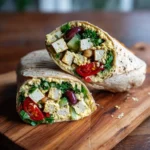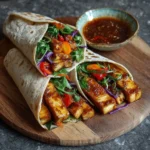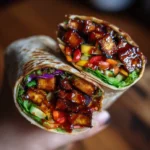
Introduction
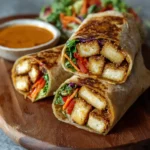
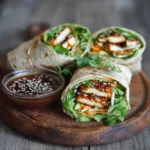
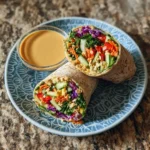
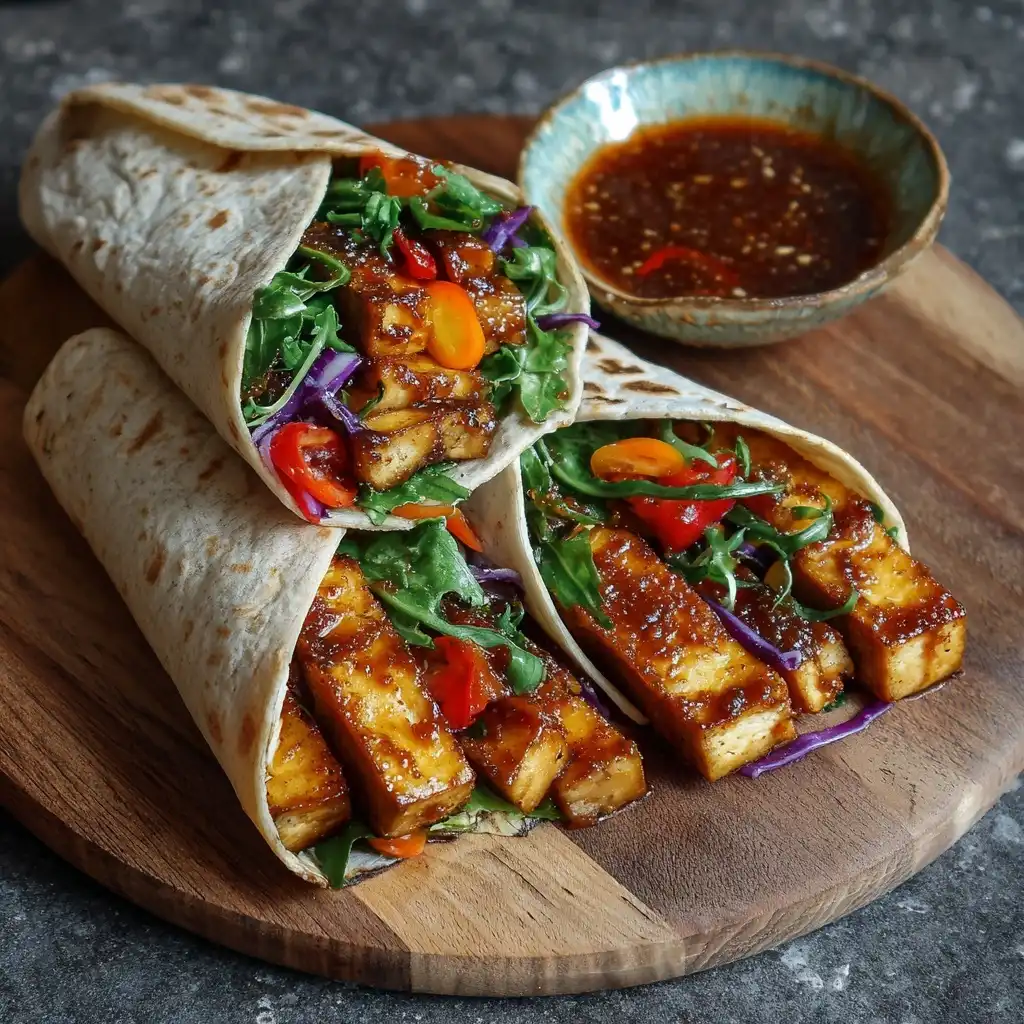
The Miso Glazed Tofu Wrap is a vibrant, nutrient-dense, plant-powered meal that seamlessly bridges global culinary traditions—drawing from Japanese umami depth, American wrap convenience, and modern wellness sensibilities. More than just a lunchtime solution, it’s a harmonious fusion of bold flavor, satisfying texture, and mindful nourishment. Whether you’re a seasoned vegan, a flexitarian seeking more plant-forward options, or simply someone craving a restaurant-quality handheld meal you can prepare at home in under 30 minutes, this wrap delivers on every front: creamy yet crisp, savory yet subtly sweet, hearty yet refreshingly light. Its versatility makes it ideal for weekday lunches, picnic fare, post-workout recovery, meal prep containers, or even an elegant appetizer when served as bite-sized wraps.
The History
While the Miso Glazed Tofu Wrap as a named dish is a contemporary creation—emerging prominently in the early 2010s within health-conscious food blogs, plant-based cookbooks, and upscale café menus—it rests firmly on centuries-old culinary foundations. Miso, a fermented soybean paste, has been a cornerstone of Japanese cuisine since at least the Nara period (710–794 CE), originally introduced from China and refined through Buddhist temple kitchens into a revered source of probiotics, protein, and deep, complex savoriness. Tofu, similarly ancient—first documented in China around the Han dynasty (206 BCE–220 CE)—traveled to Japan by the 8th century and became integral to shōjin ryōri (Buddhist vegetarian cooking). The concept of the “wrap,” however, is far more recent and globally hybrid: inspired by Middle Eastern lavash and Lebanese wraps, Mexican burritos and quesadillas, and Vietnamese bánh tráng rolls, the modern soft-tortilla or rice-paper wrap gained mainstream traction in North America during the 1990s as a healthier, portable alternative to sandwiches. The intentional marriage of miso-glazed tofu with fresh vegetables and whole-grain wraps reflects the broader rise of “global fusion” cooking—a movement accelerated by digital food media, increased ingredient accessibility, and growing consumer demand for meals that are both ethically sourced and sensorially exciting. Chefs like Tal Ronnen (founder of Crossroads Kitchen) and cookbook authors such as Isa Chandra Moskowitz helped popularize elevated vegan preparations of tofu, paving the way for inventive applications like this one.
Ingredients Breakdown
Every component in this wrap plays a distinct functional and sensory role—balancing taste, texture, nutrition, and structural integrity:
- Miso Paste (White or Yellow): The soul of the dish—providing rich umami, natural sweetness, and beneficial live cultures (if unpasteurized). White (shiro) miso offers mild, buttery notes; yellow (shinshu) adds slightly more depth and complexity. Avoid red (aka) miso unless you prefer a pronounced saltiness and assertive funk—it can overwhelm delicate wrap textures.
- Firm or Extra-Firm Tofu: Chosen for its ability to hold shape during pressing, marinating, and pan-searing. Its neutral base absorbs the miso glaze beautifully while delivering ~10g of complete plant protein per ½ cup serving. Silken tofu lacks structure; soft tofu falls apart—both are unsuitable here.
- Maple Syrup or Brown Rice Syrup: Not just for sweetness—this balances miso’s saltiness and aids caramelization during cooking. Maple adds subtle woody-vanilla nuance; brown rice syrup contributes a mellow, malty richness and superior binding properties for the glaze.
- Rice Vinegar or Apple Cider Vinegar: Adds essential brightness and acidity to cut through the glaze’s richness and prevent cloying. It also helps tenderize tofu proteins slightly and enhances overall flavor layering.
- Neutral High-Heat Oil (Avocado, Grapeseed, or Light Olive Oil): Critical for achieving a golden, crisp-edged sear without burning. Avoid unrefined oils with low smoke points (e.g., extra virgin olive oil, walnut oil) which degrade and impart bitterness at high temperatures.
- Whole-Grain or Sprouted Tortillas: Provide fiber, B vitamins, and sustained energy. Look for certified non-GMO, low-sodium options with minimal added sugars. Spinach or tomato-infused tortillas add visual appeal and phytonutrients without compromising pliability.
- Shredded Purple Cabbage: Adds brilliant color, juicy crunch, and glucosinolates—compounds linked to antioxidant and anti-inflammatory activity. Its mild peppery note complements the umami-sweet tofu.
- Quick-Pickled Carrots & Daikon: Made with rice vinegar, sugar, and salt, these deliver zesty acidity, vibrant orange-white contrast, and digestive enzymes. They cut richness and refresh the palate with each bite.
- Asian Pear or Fuji Apple Slices: A signature, often-overlooked element—adding natural sweetness, ultra-crisp texture, and subtle floral aroma. Their high water content keeps the wrap moist without sogginess.
- Microgreens or Shiso Leaves: Elevate freshness and aroma. Microgreens (radish, broccoli, or pea shoots) pack concentrated nutrients and peppery or grassy notes; shiso (perilla) offers a distinctive minty-basil-anise complexity deeply resonant with Japanese flavors.
- Sesame Seeds (Toasted) & Furikake: Final textural and flavor accents—sesame seeds lend nuttiness and crunch; furikake (a Japanese seasoning blend of seaweed, sesame, bonito—or vegan versions with mushroom powder) adds oceanic depth, salt balance, and visual flair.
Step-by-Step Recipe
- Press the Tofu (15–30 minutes, ideally ahead): Remove tofu from packaging and drain. Wrap in several layers of clean kitchen towels or paper towels. Place on a plate and top with another plate weighted down by a heavy can or skillet. Press for at least 15 minutes (up to 30 for maximum water removal). This step is non-negotiable—it ensures the tofu absorbs marinade deeply and achieves optimal crispness when cooked.
- Prepare the Miso Glaze (5 minutes): In a small bowl, whisk together 3 tbsp white miso paste, 2 tbsp maple syrup, 1 tbsp rice vinegar, 1 tsp grated fresh ginger, 1 clove finely minced garlic, and 1 tsp toasted sesame oil until completely smooth and glossy. Adjust with a splash of warm water if too thick—it should coat the back of a spoon but still be pourable.
- Cube and Marinate (10 minutes): Cut pressed tofu into ¾-inch cubes. Gently toss in a shallow dish with half the miso glaze (reserve the rest for basting). Let marinate at room temperature for 10 minutes—no longer, as prolonged exposure to salty miso can begin to break down tofu’s texture.
- Quick-Pickle the Vegetables (10–15 minutes, can be done ahead): Thinly julienne 1 carrot and ¼ cup daikon radish. In a heatproof jar or bowl, combine ¼ cup rice vinegar, 1 tbsp sugar, and ½ tsp fine sea salt. Microwave for 30 seconds or heat gently until sugar/salt dissolve. Pour over vegetables, cover, and let sit for at least 10 minutes (or refrigerate up to 3 days).
- Preheat & Pan-Sear the Tofu (8–10 minutes): Heat 1½ tbsp avocado oil in a heavy-bottomed non-stick or cast-iron skillet over medium-high heat until shimmering. Add tofu cubes in a single layer—do not overcrowd. Cook undisturbed for 3–4 minutes until deeply golden and crusty on the bottom. Flip carefully with tongs and cook another 3 minutes. Reduce heat to medium, pour reserved miso glaze over tofu, and gently toss to coat. Cook 1–2 more minutes until glaze thickens, bubbles, and clings to tofu. Remove from heat and let cool slightly—this prevents tortilla steam-sogginess.
- Warm the Tortillas (1 minute per tortilla): Heat a dry skillet over medium. Warm each tortilla for 20–30 seconds per side until pliable and fragrant. Stack wrapped in a clean kitchen towel to retain warmth and moisture.
- Assemble with Precision (3 minutes): Lay a warm tortilla flat. Center ⅓ cup miso tofu. Top with ¼ cup shredded purple cabbage, 2 tbsp quick-pickled carrots/daikon, 3–4 thin slices of Asian pear, a small handful of microgreens or 2 shiso leaves, and a generous sprinkle of toasted sesame seeds and furikake. Drizzle with optional yuzu kosho aioli (see Variations) or extra glaze.
- Wrap Like a Pro (1 minute): Fold bottom edge up over filling, then fold left and right sides inward snugly. Roll tightly away from you, applying gentle pressure to seal. Optional: lightly toast seam-side down in the skillet for 30 seconds to lock in fillings.
- Rest & Serve (2 minutes): Let wrapped wraps rest seam-side down for 2 minutes—this allows residual heat to slightly soften the tortilla and meld flavors without compromising structure. Slice diagonally for presentation, or serve whole.
Tips
- Pressing Hack: For foolproof pressing, use a dedicated tofu press—or improvise with a wire cooling rack placed over a rimmed baking sheet, topped with tofu and weights. This allows water to drip freely instead of pooling.
- Glaze Consistency is Key: If your glaze separates or appears oily, whisk vigorously off-heat or add ½ tsp warm water and emulsify. Never boil miso—it kills beneficial microbes and dulls its nuanced flavor.
- Non-Stick Secret: To prevent tofu from sticking, ensure your skillet is fully preheated *before* adding oil—and let oil heat until it shimmers (not smokes). Add tofu and resist moving it until a crust forms.
- Tortilla Flexibility: If using gluten-free or corn tortillas, warm them longer (up to 45 sec/side) and consider brushing lightly with oil first—they’re more prone to cracking.
- Make-Ahead Mastery: Press and marinate tofu up to 24 hours ahead; store covered in fridge. Pickles keep for 1 week. Assemble wraps no more than 30 minutes before serving to maintain optimal texture.
- Roll Tight, But Not Too Tight: Over-stuffing causes bursting; under-filling leads to loose, floppy wraps. Aim for ¾ full—enough to hold shape, yet allow gentle compression during rolling.
- Cooling Counterintuition: Letting seared tofu cool slightly before assembling isn’t laziness—it preserves the tortilla’s integrity and prevents condensation buildup that leads to mush.
- Knife Sharpness Matters: Use a serrated knife for clean diagonal cuts—dull blades crush rather than slice, squeezing out juices and disrupting layers.
- Serving Temperature Nuance: Serve warm (not hot) for best mouthfeel—too-hot fillings wilt greens and make tortillas gummy; room-temp components lack vibrancy.
- Leftover Reinvention: Extra miso tofu shines crumbled into grain bowls, blended into salad dressings, or folded into omelets (for vegetarians) or scrambles.
Variations and Customizations
This recipe is inherently adaptable—designed to honor dietary needs, seasonal availability, pantry constraints, and personal cravings:
- Vegan & Soy-Free Option: Replace tofu with sliced, marinated king oyster mushrooms or baked tempeh (steamed first to mellow bitterness). Use chickpea miso (made from garbanzo beans) instead of soy-based miso.
- Gluten-Free Friendly: Ensure miso is certified GF (many barley-based misos contain gluten); use 100% corn or cassava tortillas; verify furikake is GF (some contain wheat-based soy sauce).
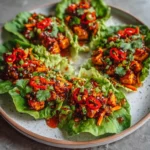
- Low-Carb/Keto Adaptation: Swap tortilla for large butter lettuce cups (Boston or Bibb), nori sheets, or grilled eggplant ribbons. Increase healthy fats with avocado slices or hemp seeds.
- Protein Boost: Add 2 tbsp crumbled roasted edamame, 1 tbsp sunflower seed butter stirred into glaze, or a layer of mashed white beans seasoned with miso and lemon.
- Umami Amplification: Stir ½ tsp nutritional yeast or ¼ tsp dried shiitake powder into the glaze. Top with rehydrated wakame seaweed or crispy fried shallots.
- Spice Lover’s Twist: Whisk ½ tsp gochujang or yuzu kosho into the glaze. Add pickled jalapeños or fresh Thai bird chilies to the fillings.
- Herb Forward: Swap microgreens for chopped cilantro, mint, and scallions. Add lime zest to the glaze and finish with a lime wedge.
- Breakfast Wrap Version: Add crumbled baked tofu scramble, sautéed spinach, and a drizzle of miso-tahini sauce. Omit fruit and pickles; include turmeric for color and anti-inflammatory benefits.
- Meal Prep Jars: Layer ingredients in mason jars in reverse order (dressing/glaze on bottom, then tofu, then sturdy veggies, greens on top). Shake to combine just before eating.
- Deconstructed Bowl: Serve miso tofu over quinoa or soba noodles with all toppings arranged artfully—ideal for those who prefer fork-and-knife dining or want more control over portion sizes.
Health Considerations and Nutritional Value
A single standard Miso Glazed Tofu Wrap (using one 8-inch whole-grain tortilla, ½ block tofu, and recommended produce) delivers approximately 420–480 calories, with a remarkably balanced macronutrient profile: ~22–26g protein (complete, containing all 9 essential amino acids), 18–22g healthy fats (primarily monounsaturated from sesame and avocado oil, plus omega-3 ALA from flax in some tortillas), and 45–52g complex carbohydrates (rich in fiber—8–10g—thanks to whole grains, cabbage, carrots, and pear). Micronutrient highlights include:
- Calcium & Iron: Tofu (especially calcium-set) provides highly bioavailable calcium; pairing with vitamin C–rich pear and cabbage significantly boosts non-heme iron absorption.
- Probiotics & Prebiotics: Unpasteurized miso contributes live beneficial bacteria; fiber from vegetables and whole grains serves as fuel (prebiotics) for gut microbiota—supporting digestion, immunity, and even mood regulation via the gut-brain axis.
- Antioxidant Powerhouse: Purple cabbage contains anthocyanins (linked to reduced oxidative stress); shiso and microgreens offer rosmarinic acid and sulforaphane; miso’s fermentation yields unique antioxidants like dipicolinic acid.
- Sodium Awareness: While miso is naturally high in sodium (~600mg per tbsp), this recipe uses moderate amounts and balances it with potassium-rich vegetables (pear, cabbage, carrots)—helping maintain healthy blood pressure. For sodium-sensitive individuals, opt for low-sodium miso and reduce added salt elsewhere.
- Phytoestrogen Context: Tofu contains isoflavones (genistein, daidzein), which have been extensively studied. Current consensus (per EFSA, American Heart Association) affirms that moderate soy consumption (1–2 servings/day) is safe and potentially cardioprotective—even for breast cancer survivors—contrary to outdated myths.
- Allergen Notes: Naturally free from dairy, eggs, nuts, and shellfish. Contains soy (tofu, miso) and sesame (oil, seeds). Always check labels on tortillas and furikake for potential cross-contamination if severe allergies exist.
- Glycemic Considerations: Low glycemic load (<10) due to high fiber, healthy fats, and protein—all slowing carbohydrate absorption. Suitable for prediabetes and type 2 diabetes management when portion-controlled.
For optimal health synergy, pair this wrap with a side of miso soup (enhancing probiotic diversity) or green tea (rich in EGCG catechins that complement tofu’s isoflavones).
Ingredients
- 1 (14-oz) block extra-firm tofu, pressed*
- 3 tbsp white (shiro) miso paste, unpasteurized if possible
- 2 tbsp pure maple syrup or brown rice syrup
- 1 tbsp unseasoned rice vinegar
- 1 tsp toasted sesame oil
- 1 tsp freshly grated ginger
- 1 small garlic clove, finely minced
- 1½ tbsp avocado oil or grapeseed oil
- 4 (8-inch) whole-grain or sprouted tortillas
- 1½ cups thinly shredded purple cabbage
- ½ cup quick-pickled carrots & daikon (see Directions)
- ½ Asian pear or Fuji apple, very thinly sliced
- ½ cup mixed microgreens (radish, broccoli, pea) OR 4 fresh shiso leaves
- 1 tbsp toasted white sesame seeds
- 1 tsp vegan furikake (optional but recommended)
- Extra glaze or yuzu kosho aioli for drizzling (optional)
*Pressing instructions detailed in Step-by-Step Recipe.
Directions
- Press the tofu: Drain, wrap in clean towels, and weight for 15–30 minutes.
- Make the glaze: Whisk miso, maple syrup, rice vinegar, sesame oil, ginger, and garlic until smooth.
- Marinate tofu: Cube pressed tofu; toss gently with half the glaze. Rest 10 minutes.
- Quick-pickle vegetables: Combine vinegar, sugar, and salt; heat until dissolved. Pour over julienned carrots and daikon. Set aside minimum 10 minutes.
- Seal and glaze tofu: Heat oil in skillet over medium-high. Sear tofu 3–4 min per side until golden. Reduce heat, add reserved glaze, toss, and cook 1–2 min until glossy and thickened. Cool slightly.
- Warm tortillas: Heat dry skillet; warm each tortilla 20–30 sec per side until soft and pliable.
- Assemble: Center tofu on tortilla. Top with cabbage, pickles, pear/apple, greens, sesame seeds, and furikake. Drizzle with extra glaze if desired.
- Wrap tightly: Fold bottom up, fold sides in, roll away from you firmly. Rest seam-side down 2 minutes.
- Serve: Slice diagonally or serve whole. Best enjoyed within 30 minutes of assembly.
FAQ
- Can I bake the tofu instead of pan-frying?
- Yes—but texture differs. Toss marinated tofu in 1 tsp oil, spread on parchment-lined sheet, and bake at 400°F (200°C) for 25–30 minutes, flipping halfway. Glaze in last 5 minutes. Expect less crispness, more chewy tenderness.
- Is there a substitute for miso if I can’t find it?
- Not perfectly—but for umami depth, try 1 tbsp tamari + 1 tsp nutritional yeast + ½ tsp coconut sugar + ¼ tsp rice vinegar. It won’t replicate fermentation benefits, but adds savory-sweet balance.
- Why does my wrap get soggy?
- Most commonly: tofu too hot when assembled, excess glaze not drained, or wet greens (spinach instead of sturdy microgreens). Also, skipping the 2-minute rest causes steam buildup. Pat pickles dry and cool tofu thoroughly.
- Can I freeze miso-glazed tofu?
- Technically yes—but not recommended. Freezing alters tofu’s cellular structure, making it spongy and less receptive to glazes upon reheating. Better to freeze plain pressed tofu cubes and glaze fresh.
- How long do leftovers keep?
- Unassembled components last: tofu (glazed) 4 days refrigerated; pickles 1 week; tortillas 5–7 days (store airtight). Assembled wraps? Consume same day—texture degrades rapidly.
- Is this wrap suitable for kids?
- Absolutely—with minor tweaks: omit garlic/ginger from glaze, use milder yellow miso, skip spicy additions, and swap pear for banana or mango slices. Many children love the sweet-savory combo and crunchy elements.
- What’s the best miso brand for beginners?
- Look for organic, non-GMO, unpasteurized options like South River Miso (U.S.), Cold Mountain (Canada), or Hikari (Japan). Avoid “miso seasoning” blends—they contain MSG, fillers, and little real miso.
- Can I use silken tofu for a softer version?
- No—silken tofu lacks structural integrity and will disintegrate during searing and wrapping. Stick to firm or extra-firm for reliability.
- Why toast sesame seeds?
- Toasting unlocks volatile aromatic compounds (like sesamol), transforming raw, grassy notes into rich, nutty, caramelized depth—essential for balancing miso’s funk.
- Can I make this nut-free and soy-free?
- Yes: use chickpea miso, soy-free tempeh or king oyster mushrooms, and verify all labels (furikake, tortillas) for soy/nut derivatives. Sunflower seed butter can replace sesame oil in glaze.
Summary
The Miso Glazed Tofu Wrap is a masterclass in plant-based culinary alchemy—uniting centuries-old fermentation wisdom with modern nutritional science and global flavor intuition to create a meal that’s deeply satisfying, nutritionally exceptional, and endlessly customizable.
With its golden-crisp, umami-kissed tofu center, vibrant rainbow of fermented and fresh vegetables, and thoughtfully layered textures, it proves that wholesome eating need never compromise on excitement, elegance, or ease.