Introduction
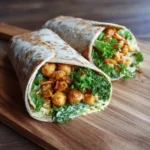
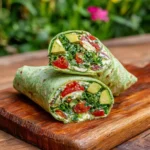
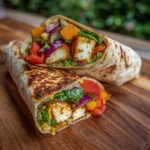
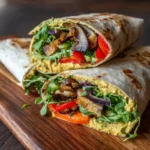
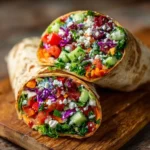
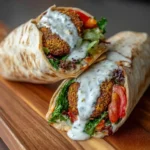
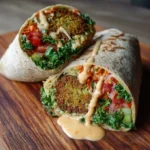
The Mediterranean Veggie Wrap is a vibrant, nutrient-dense, and flavor-forward handheld meal that captures the essence of sun-drenched coastal regions—from Greece and Lebanon to Morocco and Southern Italy. More than just a sandwich alternative, it’s a celebration of seasonal produce, heart-healthy fats, aromatic herbs, and time-honored preparation techniques. Light yet satisfying, plant-forward yet deeply flavorful, this wrap bridges culinary tradition with modern wellness—making it ideal for lunchboxes, picnics, meal prep, or a nourishing post-workout bite. Whether you’re following a vegetarian, vegan, gluten-free, or flexitarian lifestyle, the Mediterranean Veggie Wrap adapts beautifully without sacrificing authenticity or satisfaction.
The History
While the “wrap” as a portable food format gained global popularity in the late 20th century—particularly through Middle Eastern shawarma, Mexican burritos, and Indian parathas—its philosophical roots run deep across Mediterranean cultures. Ancient Greeks wrapped grilled vegetables and feta in barley flatbreads; Ottomans layered roasted eggplant, yogurt, and mint in thin lavash; North African cooks tucked spiced chickpeas and preserved lemons into warm msemen. The modern Mediterranean Veggie Wrap emerged organically in the 1990s and early 2000s as health-conscious chefs and home cooks began reimagining traditional meze platters—think tabbouleh, baba ganoush, dolmades, and stuffed grape leaves—as cohesive, on-the-go compositions. It was further popularized by farm-to-table movements and dietary shifts toward plant-centric eating, becoming a staple in cafés from Tel Aviv to Barcelona to Portland. Unlike rigid recipes passed down over generations, this wrap honors *terroir* and improvisation—celebrating what’s fresh, local, and culturally resonant in each kitchen.
Ingredients Breakdown
Every ingredient in this wrap serves a functional and sensory purpose—contributing texture, acidity, creaminess, umami, crunch, or herbal brightness. Understanding their roles helps elevate your assembly and opens doors for intelligent substitutions:
- Whole-Grain or Whole-Wheat Tortilla (or Gluten-Free Alternative): Provides structural integrity and complex carbohydrates. Look for options with ≥3g fiber per serving and minimal added sugars or preservatives. Traditional alternatives include soft Lebanese saj bread, Greek pita thinned and warmed, or even large butter lettuce leaves for a low-carb option.
- Hummus (Classic or Roasted Red Pepper): Acts as both binder and flavor anchor—offering creamy richness, plant-based protein (7–8g per ¼ cup), and gut-friendly fiber. Homemade hummus (blended with tahini, lemon, garlic, and aquafaba) delivers superior depth and zero emulsifiers.
- Cucumber (English or Persian, thinly sliced or julienned): Adds cool, crisp hydration and subtle bitterness—rich in vitamin K, silica, and antioxidants like cucurbitacins.
- Cherry Tomatoes (halved or quartered): Deliver bright acidity, lycopene (a heat-stable carotenoid with cardiovascular benefits), and natural sweetness. Opt for vine-ripened or heirloom varieties for peak flavor and phytonutrient density.
- Red Onion (thinly sliced, soaked in cold lemon water for 5 minutes): Softens sharpness while preserving pungent allicin compounds—linked to anti-inflammatory and antimicrobial activity.
- Kalamata Olives (pitted and halved): Contribute briny umami, monounsaturated fats (oleic acid), polyphenols like oleuropein, and a signature Mediterranean salinity.
- Crumbled Feta Cheese (or Vegan Feta Alternative): Offers tangy creaminess and calcium. Authentic Greek feta (PDO-certified, made from sheep/goat milk) contains conjugated linoleic acid (CLA) and beneficial microbes. For vegan versions, almond- or tofu-based fetas marinated in lemon, capers, and nutritional yeast replicate complexity.
- Spinach or Baby Arugula: Base greens provide iron, folate, nitrates (supporting vascular health), and peppery contrast. Arugula adds enzymatic zing (glucosinolates), while spinach offers milder earthiness and higher iron bioavailability when paired with lemon.
- Roasted Red Peppers (jarred or homemade): Sweet, smoky, and rich in vitamin C (3x more than oranges per weight) and lycopene—especially potent when roasted (heat enhances bioavailability).
- Fresh Herbs (flat-leaf parsley, mint, dill, or a blend): Not mere garnish—these deliver volatile oils (e.g., menthol, apiol, eugenol) with digestive, anti-spasmodic, and antioxidant properties. Mint aids digestion; parsley detoxifies; dill soothes bloating.
- Lemon-Tahini Drizzle (tahini + fresh lemon juice + maple syrup or date paste + garlic + water): A silky, nutty-acidic finish that ties all elements together while boosting healthy fat absorption of fat-soluble vitamins (A, D, E, K) from vegetables.
- Optional Enhancements: Pickled red cabbage (probiotic crunch), marinated artichoke hearts (bitter digestive support), toasted pine nuts or slivered almonds (crunch + vitamin E), crumbled za’atar (thyme-sumac-sesame for antioxidant synergy), or harissa-infused hummus for gentle heat.
Step-by-Step Recipe
- Prepare the Base Spread: In a small bowl, stir together ⅓ cup freshly made or high-quality store-bought hummus with 1 tsp extra-virgin olive oil and a pinch of smoked paprika (optional). Set aside at room temperature.
- Prep the Vegetables: Thinly slice ½ English cucumber (unpeeled for nutrients), halve ¾ cup cherry tomatoes, thinly slice ¼ small red onion, and pit & halve 10–12 Kalamata olives. Soak red onion slices in cold water with 1 tsp lemon juice for 5 minutes, then drain and pat dry. Rinse and spin dry 2 cups baby spinach or arugula.
- Roast or Prep Peppers: If using jarred roasted red peppers, drain well and pat dry with paper towels to prevent sogginess. For maximum flavor, char whole red bell peppers over gas flame or under broiler until blackened, steam in covered bowl for 10 minutes, peel, deseed, and slice into ribbons.
- Warm the Wrap Base: Heat a 10–12 inch whole-grain tortilla in a dry skillet over medium heat for 20 seconds per side until pliable and fragrant—or wrap in damp paper towel and microwave for 10–15 seconds. Avoid overheating, which causes cracking.
- Layer Strategically (Key Step!): Spread 3 tbsp hummus evenly over the center two-thirds of the tortilla, leaving a 1-inch border. Next, layer spinach/arugula in a tight band across the middle. Top with roasted red peppers, cucumber ribbons, tomato halves, drained red onion, olives, and crumbled feta. Finish with a generous handful of fresh herbs.
- Add Final Flourishes: Drizzle with 1 tbsp lemon-tahini sauce. For extra dimension, add 1 tsp pickled red cabbage or 1 tsp toasted pine nuts.
- Roll with Precision: Fold the bottom edge up over the filling, then fold in both sides snugly. Roll forward firmly but gently, applying even pressure to compact layers without squeezing out ingredients. If desired, wrap tightly in parchment paper and chill for 15 minutes to set shape—ideal for meal prep.
- Serve Thoughtfully: Slice diagonally for presentation, or serve whole. Accompany with extra lemon wedges, a small bowl of tzatziki or harissa, or a simple side salad dressed with lemon-oregano vinaigrette.
Tips
- Prevent Sogginess: Always pat dry all vegetables—especially tomatoes, roasted peppers, and cucumbers—before assembling. Excess moisture breaks down the tortilla’s integrity within minutes.
- Temperature Matters: Use room-temperature hummus and fillings. Cold ingredients cause condensation inside the wrap; hot fillings wilt greens and soften the tortilla too quickly.
- Layer Order Is Non-Negotiable: Hummus first creates a moisture barrier. Greens next act as a protective leafy liner. Wet ingredients (tomatoes, peppers) go above greens—not below—to avoid direct contact with tortilla.
- Tortilla Flexibility Hack: If your tortilla cracks when rolling, it’s too dry. Lightly brush both sides with olive oil and warm again for 10 seconds—or substitute with a more pliable brand (e.g., Mission Carb Balance or Siete Almond Flour Tortillas).
- Meal Prep Friendly: Assemble wraps up to 1 day ahead—wrap individually in parchment + beeswax wrap or reusable silicone bag, then refrigerate upright in a container to prevent flattening. Add delicate herbs and lemon drizzle just before serving.
- Flavor Blooming: Let assembled wraps rest, seam-side down, for 5–10 minutes before cutting—this allows flavors to meld and hummus to gently hydrate the inner tortilla layer for optimal chew.
- Knife Sharpness Counts: Use a serrated knife for clean cuts—dull blades crush rather than slice, releasing juices and compromising presentation.
- Taste & Adjust Before Rolling: Place a small spoonful of each component on a plate, drizzle with lemon-tahini, and taste. Adjust salt, acid, or herb balance now—fixing mid-roll is nearly impossible.
Variations and Customizations
This wrap thrives on creativity—here are thoughtfully curated adaptations rooted in regional authenticity and dietary inclusivity:
- Greek-Inspired: Swap hummus for whipped feta dip (feta + Greek yogurt + lemon zest + oregano); add grilled zucchini ribbons, dried oregano, and a dusting of crushed walnuts. Serve with a side of avgolemono soup for full-circle tradition.
- Levantine Za’atar Twist: Use za’atar-spiked hummus, add labneh swirls, roasted beets, and sumac-dusted red onion. Garnish with pomegranate arils for tart-sweet pop and anthocyanin power.
- North African Fusion: Blend harissa into hummus, layer preserved lemon strips, spiced roasted carrots & chickpeas, and mint-cilantro chutney. Finish with a sprinkle of cumin-toasted pumpkin seeds.
- Vegan Powerhouse: Use almond-feta or tofu-feta, double the hummus, add sprouted lentils or marinated tempeh “feta,” and top with avocado slices for creaminess + potassium.
- Low-Carb/Keto Adaptation: Replace tortilla with large butter lettuce cups or collard green leaves (blanched 10 seconds for flexibility). Increase olive oil, olives, avocado, and nuts; omit tomatoes and onions if restricting carbs strictly.
- Kid-Friendly Version: Skip raw onion and olives; use mild white cheddar instead of feta; add shredded carrots and apple matchsticks; swap lemon-tahini for sunflower seed butter + lime drizzle.
- Breakfast Wrap: Spread hummus with a swirl of mashed avocado and everything bagel seasoning; add sautéed spinach, roasted sweet potato cubes, and a soft-scrambled egg or tofu scramble.
- Protein-Boosted Lunch: Layer in grilled halloumi, marinated baked tofu, or flaked wild-caught sardines (rich in omega-3s and calcium).
- Winter Variation: Substitute roasted delicata squash, caramelized red cabbage, sautéed kale, and pomegranate molasses drizzle for seasonal depth and immune-supportive polyphenols.
- Herb-Forward “Green Goddess” Wrap: Blend ½ cup parsley, ¼ cup mint, 1 tbsp capers, 1 clove garlic, 2 tbsp lemon juice, and 3 tbsp olive oil into a vibrant pesto. Use as primary spread instead of hummus.
Health Considerations and Nutritional Value
A single standard Mediterranean Veggie Wrap (made with one 10-inch whole-wheat tortilla, ⅓ cup hummus, 1 cup mixed vegetables, 2 tbsp feta, 1 tbsp olives, and 1 tsp olive oil) delivers approximately:
- Calories: 380–420 kcal (varies by tortilla and cheese quantity)
- Protein: 14–18 g (from hummus, feta, and whole grains—complete with all essential amino acids when combined)
- Fiber: 10–14 g (60–80% of daily minimum recommendation)—supports satiety, microbiome diversity, and glycemic control
- Healthy Fats: 18–22 g predominantly monounsaturated (olive oil, olives, tahini) and polyunsaturated (hummus, seeds)—linked to reduced LDL cholesterol and improved endothelial function
- Vitamins & Minerals: Exceptionally high in vitamin K (from greens and herbs), vitamin C (tomatoes, peppers, lemon), folate (spinach, lentils), calcium (feta, fortified tortillas), iron (spinach + lemon-enhanced absorption), and magnesium (whole grains, nuts, greens)
- Phytonutrients: Rich in lycopene (cooked tomatoes/peppers), anthocyanins (purple onions, olives), apigenin (parsley), luteolin (artichokes), and oleocanthal (EVOO)—all with documented anti-inflammatory, neuroprotective, and anticancer mechanisms
Dietary Notes: Naturally vegetarian and easily veganizable; inherently low in added sugar and sodium (when prepared without processed cheeses or canned items); gluten-free adaptable; appropriate for hypertension management (high potassium/magnesium, low sodium); supportive of type 2 diabetes management (low glycemic load, high fiber/fat/protein synergy). Those with IBS may reduce FODMAPs by omitting onion/garlic (use infused oil), limiting chickpeas (opt for white bean hummus), and choosing lactose-free feta. Individuals managing kidney disease should moderate potassium-rich ingredients like spinach and tomatoes per renal diet guidelines.
Ingredients
- 1 (10-inch) whole-grain or whole-wheat tortilla (or gluten-free alternative)
- ⅓ cup plain or roasted red pepper hummus (preferably homemade or minimally processed)
- ½ English cucumber, thinly sliced or julienned
- ¾ cup cherry tomatoes, halved or quartered
- ¼ small red onion, very thinly sliced
- 10–12 pitted Kalamata olives, halved
- ⅓ cup crumbled feta cheese (or certified vegan feta)
- 2 cups fresh baby spinach or arugula
- ½ cup roasted red peppers (jarred or homemade), patted very dry
- ¼ cup fresh flat-leaf parsley, roughly chopped
- 2 tbsp fresh mint leaves, roughly chopped
- 1 tbsp lemon-tahini drizzle (see note below)
- Extra-virgin olive oil, for optional brushing
Makes 1 generously sized wrap (easily doubled or tripled)
Lemon-Tahini Drizzle: Whisk together 1 tbsp well-stirred tahini, 1½ tsp fresh lemon juice, ½ tsp pure maple syrup or date paste, 1 small garlic clove (minced or grated), and 1–2 tsp warm water until silky and pourable. Adjust lemon for brightness or water for consistency.
Directions
- Prepare the lemon-tahini drizzle and set aside.
- In a small bowl, stir hummus with 1 tsp extra-virgin olive oil and a pinch of smoked paprika (optional). Set aside.
- Thinly slice cucumber, halve tomatoes, and slice red onion. Soak onion in cold lemon water for 5 minutes, then drain and pat dry.
- Drain and thoroughly pat dry roasted red peppers using paper towels.
- Warm tortilla in a dry skillet over medium heat for ~20 seconds per side until soft and pliable—or microwave wrapped in damp paper towel for 10–15 seconds.
- Spread hummus mixture evenly over the center two-thirds of the tortilla, leaving a 1-inch border.
- Layer spinach or arugula in a tight horizontal band across the middle third of the hummus.
- Top greens with roasted red peppers, cucumber, tomatoes, drained red onion, olives, and feta.
- Sprinkle generously with parsley and mint.
- Drizzle with 1 tablespoon lemon-tahini sauce.
- Fold bottom edge up over filling, then fold left and right edges inward snugly.
- Roll forward firmly and steadily, applying gentle, even pressure to seal.
- For best texture and portability, wrap rolled wrap in parchment paper and refrigerate upright for 10–15 minutes before serving.
- Just before serving, slice diagonally with a serrated knife—or enjoy whole with lemon wedges on the side.
FAQ
- Can I make this wrap ahead of time?
- Yes—but with nuance. Fully assembled wraps keep well refrigerated for up to 24 hours if wrapped tightly in parchment + beeswax wrap or placed upright in an airtight container. For longer storage (up to 3 days), prep components separately: store washed/spun greens in airtight container with dry paper towel; keep hummus and sauces chilled; store chopped veggies (except tomatoes/onions) in separate jars. Assemble within 1 hour of eating for optimal texture.
- What’s the best tortilla to use?
- Look for 100% whole-grain or sprouted grain tortillas with ≤5g added sugar and ≥3g fiber per serving. Recommended brands: Ezekiel 4:9 Sprouted Grain, Siete Almond Flour, Food for Life Ezekiel Low Sodium, or La Tortilla Factory Whole Wheat. For gluten-free, try Cassava Flour Tortillas (Siete) or Coconut Flour Wraps (Nuco). Avoid “multigrain” labels—they often mean refined wheat with seed sprinkles.
- Why soak red onion in lemon water?
- Raw red onion contains sharp sulfur compounds that can overwhelm delicate herbs and greens. Soaking in acidic liquid (lemon or vinegar water) tames pungency while preserving beneficial flavonoids like quercetin—and adds a subtle citrus note that complements the Mediterranean profile.
- Can I freeze Mediterranean Veggie Wraps?
- Not recommended. Freezing degrades vegetable cell structure (causing mushiness), separates hummus emulsion, and makes tortillas brittle and chewy upon thawing. Instead, freeze individual components: cooked grains, roasted vegetables, or pre-portioned hummus for future assembly.
- Is this wrap suitable for weight loss?
- Absolutely—when portioned mindfully. Its high fiber and protein content promote prolonged satiety, stabilizes blood sugar, and reduces cravings. To optimize, prioritize vegetable volume, choose lower-fat feta or skip cheese, limit olives to 5–6 pieces, and use hummus as a condiment—not a base layer. Pair with a light lemon-water infusion or unsweetened hibiscus tea.
- How do I prevent the wrap from falling apart?
- Three keys: (1) Use a pliable, warmed tortilla—not stiff or cold; (2) Layer hummus first to create adhesion and moisture barrier; (3) Roll tightly with confident, forward motion—not twisting. If still unravelling, secure with a food-safe parchment paper band or reusable silicone wrap band.
- Can I grill this wrap?
- Yes—with caution. Lightly brush exterior with olive oil and grill over medium-low heat for 30–45 seconds per side until golden and slightly crisp—do not overfill or overheat, or filling will leak. Best for sturdy fillings (grilled vegetables only, no fresh tomatoes or delicate herbs).
- What are authentic Mediterranean herb pairings?
- Traditional triads include: parsley + mint + dill (Greek/Turkish); parsley + mint + oregano (Levantine); cilantro + mint + cumin (North African); and basil + oregano + thyme (Southern Italian). Each combination activates different digestive enzymes and volatile oil synergies.
- Are Kalamata olives necessary?
- They’re highly recommended for authentic flavor and nutrition—but not mandatory. Substitute with Castelvetrano (buttery, mild) or Nicoise (earthy, firm) olives. Avoid generic “black olives”—often bland, sodium-heavy, and processed with ferrous gluconate (which dulls flavor).
- How can I make this kid-approved?
- Involve children in assembly—let them “paint” hummus, sprinkle herbs, or choose toppings from colorful bowls. Offer mild feta or mozzarella, omit raw onion, add shredded carrot/apple, and serve with a side of tzatziki for dipping. Present as “Mediterranean Rainbow Rolls” with fun names for each ingredient (“Sunshine Peppers,” “Cloud Cheese,” “Green Power Leaves”).
Summary
The Mediterranean Veggie Wrap is a masterclass in balanced, joyful, and culturally grounded nourishment—uniting fiber-rich whole grains, plant-powered protein, vibrant phytonutrient-dense vegetables, heart-healthy fats, and aromatic herbs into one portable, endlessly adaptable meal.
Whether enjoyed as a quick weekday lunch, a picnic centerpiece, or a mindful act of self-care, it embodies the Mediterranean philosophy: food as connection, seasonality as rhythm, and simplicity as sophistication.