Introduction
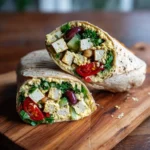
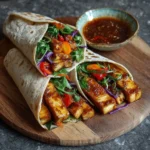
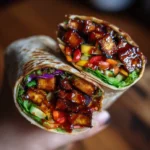
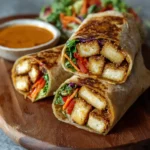
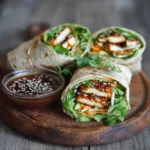
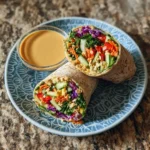
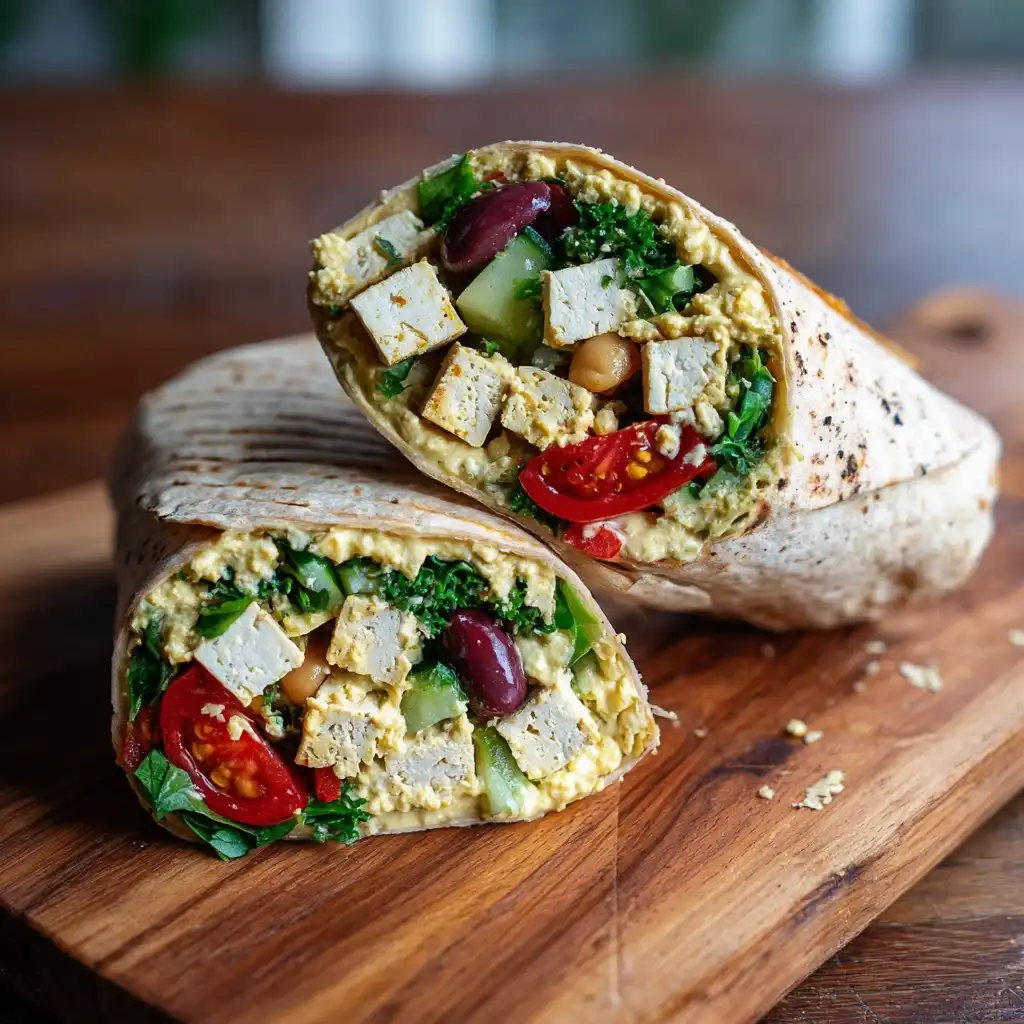
Welcome to a vibrant, plant-powered twist on a beloved Mediterranean classic—the Mediterranean Tofu Hummus Wrap. This innovative, nutrient-dense wrap reimagines traditional hummus by replacing chickpeas with silken tofu as the creamy base—retaining all the richness and depth while boosting protein, reducing carbs, and enhancing digestibility. Designed for health-conscious food lovers, meal-prep enthusiasts, vegans, vegetarians, and anyone seeking bold flavor without compromise, this wrap layers velvety tofu hummus with sun-dried tomatoes, kalamata olives, roasted red peppers, crisp cucumber ribbons, peppery arugula, and a drizzle of herb-infused olive oil—all nestled inside a warm, pliable whole-grain or spinach tortilla. It’s more than lunch—it’s a celebration of Mediterranean terroir, modern plant-based ingenuity, and mindful eating.
The History
The roots of this recipe lie in a beautiful culinary convergence: the ancient tradition of Middle Eastern and Levantine hummus—dating back over 1,000 years to medieval Egypt and the Ottoman Empire—and the contemporary global rise of tofu as a versatile, sustainable protein source championed by Japanese, Chinese, and Korean cuisines for over two millennia. While traditional hummus evolved from ground chickpeas, tahini, lemon, and garlic, today’s food innovators began experimenting in the late 20th century—particularly within macrobiotic, raw, and vegan communities—to create lighter, soy-based alternatives. The breakthrough came when chefs discovered that silken tofu, with its ultra-smooth texture and neutral pH, could mimic the lush mouthfeel of blended chickpeas while absorbing spices and acids with remarkable fidelity. The “Mediterranean Tofu Hummus” iteration gained traction in the early 2010s across wellness cafés in Tel Aviv, Athens, and Barcelona—cities where olive groves meet artisanal tofu makers—and later flourished in North American farmers’ markets and plant-based cookbooks. This wrap format emerged organically as a portable, balanced expression of the Mediterranean Diet’s core principles: abundant vegetables, heart-healthy fats, legume-inspired protein, and minimal processing—now elevated with clean-label, soy-based innovation.
Ingredients Breakdown
Every element in this wrap is intentionally selected for synergy—flavor layering, textural contrast, nutritional density, and authentic regional resonance:
- Silken tofu (14 oz / 400g): The foundation—unsalted, organic, non-GMO, and refrigerated (not shelf-stable). Its high water content and fine curd structure yield unparalleled creaminess without needing excess oil or tahini.
- Tahini (3 tbsp): Preferably hulled, stone-ground, and cold-pressed—adds nutty depth, essential fats, calcium, and emulsifying power. Authentic Lebanese or Greek tahini delivers subtle bitterness that balances sweetness.
- Fresh lemon juice (¼ cup, ~2 large lemons): Bright acidity lifts the entire profile; freshly squeezed is non-negotiable—bottled versions lack volatile citrus oils critical for aroma and balance.
- Roasted garlic (4–5 cloves, peeled): Slow-roasted until caramelized and buttery—provides mellow umami and eliminates raw garlic’s harshness, honoring the gentle garlic traditions of southern Greece and Crete.
- Extra-virgin olive oil (3 tbsp + extra for finishing): A robust, peppery, early-harvest Greek or Spanish EVOO contributes polyphenols, antioxidants, and that signature Mediterranean finish.
- Ground cumin (1 tsp) & smoked paprika (½ tsp): Warmth and earthiness—cumin nods to Levantine spice blends, while smoked paprika evokes Spanish influence and adds subtle complexity without heat.
- Sea salt (¾ tsp) & freshly cracked black pepper: Enhances natural sweetness and rounds out flavors—use flaky Maldon or Cypriot sea salt for mineral nuance.
- Sun-dried tomatoes (¼ cup, oil-packed, drained and chopped): Intense sweet-tart umami bombs—rich in lycopene and natural sugars that complement tofu’s mildness.
- Kalamata olives (⅓ cup, pitted and halved): Briny, fruity, and fleshy—sourced from Messenia, Greece; packed in olive oil and red wine vinegar for authenticity.
- Roasted red peppers (⅓ cup, jarred or homemade, finely diced): Sweet, smoky, and tender—look for peppers preserved in olive oil, not water, to preserve fat-soluble nutrients like vitamin A and lycopene.
- Cucumber ribbons (½ medium English cucumber, julienned): Cool crunch and hydration—peeled or unpeeled depending on preference; English cucumbers offer fewer seeds and firmer flesh.
- Arugula (1½ cups, baby leaves): Peppery, nutrient-dense green rich in nitrates, vitamin K, and glucosinolates—adds freshness and structural lift.
- Whole-grain or spinach tortillas (4 large, 10–12 inches): Look for certified whole-wheat, sprouted grain, or gluten-free options made with almond flour and flaxseed for added fiber and omega-3s. Avoid hydrogenated oils or artificial preservatives.
- Optional garnishes: Crumbled vegan feta (made from almond or coconut), toasted pine nuts, fresh oregano or dill, lemon zest, and a final drizzle of za’atar-infused olive oil.
Step-by-Step Recipe
- Prepare the roasted garlic: Preheat oven to 400°F (200°C). Slice ½ inch off the top of a whole garlic bulb to expose cloves. Drizzle generously with olive oil, wrap tightly in foil, and roast for 40–45 minutes until cloves are deeply golden, soft, and fragrant. Let cool completely, then squeeze pulp into a small bowl. Mash lightly with a fork and set aside.
- Blend the tofu hummus base: In a high-speed blender or food processor, combine silken tofu, tahini, lemon juice, roasted garlic paste, olive oil, cumin, smoked paprika, salt, and pepper. Blend on high for 90–120 seconds—scraping down sides once—until luxuriously smooth, pale ivory, and completely homogeneous. For optimal texture, blend an additional 30 seconds after scraping. Transfer to a medium mixing bowl and refrigerate for at least 20 minutes to allow flavors to meld and consistency to firm slightly.
- Prep the Mediterranean medley: In a separate bowl, gently combine sun-dried tomatoes, kalamata olives, roasted red peppers, and a pinch of flaky sea salt. Toss just once to avoid breaking the olives. Set aside.
- Warm the tortillas: Heat a dry cast-iron skillet or griddle over medium heat. Lightly brush one side of each tortilla with olive oil (optional but recommended for pliability and flavor). Warm each tortilla for 20–30 seconds per side until soft, pliable, and faintly speckled—but not crisp. Stack under a clean kitchen towel to retain steam and flexibility.
- Assemble with precision: Lay one warm tortilla flat on a clean surface. Spread ⅓ cup of chilled tofu hummus in a 4-inch-wide horizontal band across the center—leaving 2 inches bare at top and bottom edges. Evenly distribute ¼ of the Mediterranean medley over the hummus. Top with ⅓ cup arugula and 2–3 thin cucumber ribbons. Add optional garnishes now—vegan feta crumbles, pine nuts, or lemon zest.
- Wrap like a pro: Fold the bottom edge up over the filling, then fold in both sides snugly (like an envelope), and roll forward firmly but gently—applying even pressure to compact layers without squeezing out ingredients. Seal seam-side down.
- Rest and serve: Place wrapped wraps seam-side down on a tray and refrigerate for 10 minutes—this sets the shape, enhances cohesion, and chills the arugula for maximum crispness. Slice diagonally before serving, if desired, and finish with a generous drizzle of extra-virgin olive oil, a sprinkle of flaky salt, and fresh oregano.
Tips
- Texture is everything: Never use firm or extra-firm tofu—only silken or soft varieties labeled “for blending” ensure proper hummus-like consistency. Drain excess liquid from the tofu package, but do not press it—its moisture is essential for creaminess.
- Acid balance matters: If your lemon juice tastes sharp or metallic, add ½ tsp of pure maple syrup or date syrup—not for sweetness, but to round acidity and enhance fruit notes naturally present in sun-dried tomatoes and olives.
- Make ahead wisely: The tofu hummus keeps beautifully for up to 5 days refrigerated in an airtight container. However, do not assemble full wraps more than 2 hours ahead—the arugula will wilt and cucumbers will weep, compromising texture. Prep components separately and assemble just before serving.
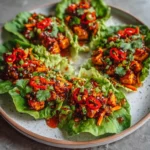
- Tortilla hack: For gluten-free or low-carb versions, use large butter lettuce leaves (romaine hearts or Bibb), collard greens (blanched for 10 seconds in boiling water), or grilled portobello caps as stunning, nutrient-rich “wraps.”
- Flavor layering tip: Toast whole cumin seeds in a dry pan for 60 seconds before grinding—this unlocks aromatic oils and deepens warmth far beyond pre-ground spice.
- Freezing note: While assembled wraps don’t freeze well, the tofu hummus freezes exceptionally—portion into ice cube trays, freeze solid, then transfer cubes to a freezer bag. Thaw overnight in the fridge and stir well before using.
- Consistency rescue: If hummus thickens too much after chilling, stir in 1 tsp cold water or lemon juice at a time until desired spreadability returns—never add oil at this stage, as it may cause separation.
Variations and Customizations
This recipe is a canvas—adaptable across seasons, dietary needs, and cultural interpretations:
- Protein-Powered: Stir 2 tbsp crumbled marinated tempeh or ¼ cup cooked lentils into the hummus for added fiber and chew.
- Herb-Forward (Lebanese Style): Replace smoked paprika with 1 tbsp fresh chopped parsley, mint, and cilantro; add 1 tsp sumac for tangy brightness.
- Spicy Harissa Twist: Swirl in 1 tbsp North African harissa paste (or make your own with roasted chiles, garlic, coriander, and caraway) for smoky heat and complex aroma.
- Beetroot Blush: Blend ½ medium roasted beet (cooled) into the hummus for vibrant magenta color, earthy sweetness, and extra nitrates—pair with goat cheese crumbles and toasted walnuts.
- Breakfast Wrap: Swap arugula for baby spinach, add sliced avocado and a sprinkle of everything bagel seasoning—serve with a side of turmeric-spiced roasted sweet potatoes.
- Kid-Friendly Mild: Omit olives and roasted garlic; double the roasted red peppers and add 1 tsp nutritional yeast for cheesy umami. Serve with carrot sticks and hummus-dipped bell pepper strips.
- Vegan “Feta” Upgrade: Make your own by marinating crumbled extra-firm tofu in lemon juice, apple cider vinegar, capers, garlic powder, and dried oregano for 2+ hours.
- Low-FODMAP Option: Replace garlic with garlic-infused oil (discard solids), omit onions and sun-dried tomatoes, and use green tops of scallions only; choose low-FODMAP olives (check brine for garlic/onion).
- Raw Version: Skip roasted garlic—substitute 1 small raw clove + ½ tsp asafoetida (hing) for gut-friendly, savory depth. Use raw cashew tahini and skip heating tortillas—opt for nori sheets or jicama wraps instead.
Health Considerations and Nutritional Value
A single Mediterranean Tofu Hummus Wrap (based on 4 servings) delivers approximately 425–470 calories, with exceptional macronutrient harmony and phytonutrient diversity:
- Plant-Based Protein Powerhouse: ~18–22g protein—primarily from tofu (complete protein with all 9 essential amino acids), tahini (methionine + tryptophan), and whole-grain tortilla (lysine + fiber synergy). Ideal for muscle maintenance, satiety, and blood sugar regulation.
- Heart-Healthy Fats: ~24g total fat—nearly 85% monounsaturated (oleic acid from EVOO and tahini) and polyunsaturated (alpha-linolenic acid from flax-enriched tortillas). Clinically shown to reduce LDL cholesterol, improve endothelial function, and lower inflammation markers like CRP.
- Fiber-Rich & Gut-Supportive: ~12–15g total fiber—soluble (from tofu, tahini, olives) and insoluble (from whole grains, cucumber, arugula). Supports microbiome diversity, regularity, and postprandial glucose control. Prebiotic compounds in garlic and onions (if used) feed beneficial Bifidobacteria.
- Antioxidant & Phytochemical Density: Lycopene (tomatoes, peppers), oleuropein (olives), hydroxytyrosol (EVOO), glucosinolates (arugula), and isoflavones (tofu) work synergistically to combat oxidative stress, support detoxification enzymes (e.g., glutathione S-transferase), and modulate Nrf2 pathway activity.
- Vitamin & Mineral Profile: Exceptionally high in vitamin K1 (arugula, olive oil), vitamin E (tahini, EVOO), folate (legume-free but present in greens and fortified tortillas), magnesium (tofu, olives), and iron (enhanced by vitamin C from lemon and peppers). Naturally low in sodium when prepared without added salt—ideal for hypertension management.
- Dietary Accommodations: Naturally vegan, vegetarian, dairy-free, egg-free, and nut-free (if tahini is sesame-only). Easily adapted for gluten-free, soy-free (substitute white bean or avocado base), low-FODMAP, or keto (use low-carb tortilla and increase healthy fats).
- Glycemic Impact: Low glycemic load (~8–10)—thanks to high fiber, healthy fats, and absence of refined grains or sugars. Stabilizes insulin response better than traditional chickpea hummus wraps due to lower net carb content and improved protein-to-carb ratio.
Note: Individuals with thyroid conditions should consume tofu in moderation and ensure adequate iodine intake (e.g., via iodized salt or seaweed); those on blood-thinning medications should monitor vitamin K intake consistently—not restrict, but maintain steady daily levels.
Ingredients
- 14 oz (400g) organic silken tofu, drained (do not press)
- 3 tbsp high-quality hulled tahini
- ¼ cup freshly squeezed lemon juice (2–3 large lemons)
- 4–5 cloves roasted garlic (see Step-by-Step)
- 3 tbsp extra-virgin olive oil, plus more for drizzling
- 1 tsp ground cumin, preferably toasted and freshly ground
- ½ tsp smoked paprika (sweet or hot, to taste)
- ¾ tsp flaky sea salt, plus more for finishing
- Freshly cracked black pepper, to taste
- ¼ cup oil-packed sun-dried tomatoes, drained and finely chopped
- ⅓ cup pitted kalamata olives, halved
- ⅓ cup roasted red peppers (jarred or homemade), finely diced
- ½ medium English cucumber, julienned into thin ribbons
- 1½ cups fresh baby arugula
- 4 large (10–12 inch) whole-grain or spinach tortillas
- Optional: ¼ cup crumbled vegan feta, 2 tbsp toasted pine nuts, 1 tsp lemon zest, fresh oregano or dill, za’atar-infused olive oil
Directions
- Preheat oven to 400°F (200°C). Roast garlic as directed in Step-by-Step instructions. Cool completely.
- In a high-speed blender or food processor, combine silken tofu, tahini, lemon juice, roasted garlic, 3 tbsp olive oil, cumin, smoked paprika, salt, and pepper. Blend on high for 2–3 minutes until perfectly smooth and creamy, scraping down sides once midway.
- Transfer hummus to a bowl, cover, and chill for 20 minutes minimum.
- While hummus chills, prepare Mediterranean medley: In a small bowl, gently combine sun-dried tomatoes, kalamata olives, and roasted red peppers. Set aside.
- Heat a dry skillet over medium heat. Warm each tortilla for 20–30 seconds per side until soft and pliable. Stack under a towel to keep warm and moist.
- Spread ⅓ cup chilled tofu hummus horizontally across center of each tortilla. Top evenly with ¼ of the medley, ⅓ cup arugula, and cucumber ribbons. Add optional garnishes.
- Fold bottom edge up, fold in sides, and roll tightly forward. Place seam-side down and refrigerate for 10 minutes.
- Just before serving, slice diagonally (optional), drizzle generously with olive oil, sprinkle with flaky salt and fresh herbs.
FAQ
- Can I use regular tofu instead of silken?
- No—firm or extra-firm tofu contains too much coagulated protein and water-binding structure, resulting in grainy, chalky hummus. Silken tofu’s delicate curd and high moisture content are irreplaceable for authentic creaminess. If unavailable, blend 1 cup cooked white beans (cannellini or navy) with 2 tbsp extra olive oil and 1 tsp apple cider vinegar for a close alternative.
- Why no chickpeas? Isn’t that “real” hummus?
- This is a purposeful evolution—not a substitution. Chickpeas contain oligosaccharides (raffinose family) that cause gas/bloating in many people. Tofu offers superior digestibility, higher bioavailable protein per gram, lower net carbs, and a cleaner allergen profile (no legume allergens). It honors hummus’s spirit—creamy, savory, lemony, garlicky—while expanding accessibility.
- My hummus separated or looks oily. What went wrong?
- Over-blending after adding oil can break the emulsion. Always add oil gradually while blending, or blend all other ingredients first, then stream in oil with machine running. Also ensure tahini is well-stirred before measuring—if it’s dry or separated, whisk it vigorously before using.
- How do I prevent soggy wraps?
- Three keys: (1) Pat sun-dried tomatoes and roasted peppers *very* dry with paper towels before chopping; (2) Assemble no more than 30 minutes before eating; (3) Keep arugula and cucumber separate until final assembly—never prep them in advance and store together.
- Is this suitable for weight loss?
- Yes—high-volume, high-fiber, moderate-calorie, and extremely satiating. The combination of plant protein, MUFA-rich fats, and low-glycemic carbs promotes prolonged fullness and reduces cravings. At ~450 calories per wrap, it fits seamlessly into most balanced weight-management plans.
- Can I make this nut-free?
- Absolutely—the base recipe contains no nuts. Just verify your tahini is 100% sesame (some brands add almond butter) and choose a nut-free tortilla (many whole-grain wraps are naturally nut-free).
- What’s the best way to reheat leftovers?
- Do not microwave assembled wraps—they’ll become rubbery and release water. Instead, reheat hummus separately in a saucepan over low heat with 1 tsp water, stirring constantly. Re-warm tortillas separately in a dry skillet. Reassemble fresh.
- Can I use dried herbs instead of fresh?
- For the hummus base, dried herbs work well (use ⅓ the amount of fresh). But for garnishes—arugula, dill, oregano, lemon zest—fresh is non-negotiable for brightness, texture, and volatile oil integrity.
- How long does the tofu hummus last?
- Up to 5 days refrigerated in an airtight container. Stir well before using. Freezes well for up to 3 months—thaw overnight in fridge and remix thoroughly.
- Why include smoked paprika if it’s not traditionally Mediterranean?
- While not native to the Eastern Mediterranean, smoked paprika (pimentón) has been embraced across Southern Europe for centuries—especially in Spain, which shares strong culinary ties with North Africa and the Levant. Its gentle smoke adds dimension without overpowering, mimicking the effect of wood-fired roasting common in Greek and Turkish kitchens.
Summary
The Mediterranean Tofu Hummus Wrap is a masterclass in plant-forward innovation—replacing chickpeas with silky, nutrient-dense silken tofu to deliver a luxuriously creamy, high-protein, low-glycemic hummus bursting with sun-dried tomatoes, briny kalamata olives, smoky roasted peppers, crisp cucumber, and peppery arugula, all wrapped in a hearty whole-grain tortilla and finished with vibrant olive oil and herbs.
It honors centuries-old Mediterranean dietary wisdom while embracing modern nutritional science—offering exceptional digestibility, antioxidant richness, heart-healthy fats, and boundless customization for every lifestyle, palate, and wellness goal.