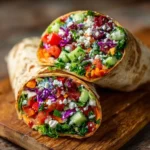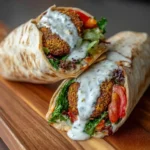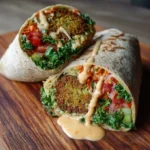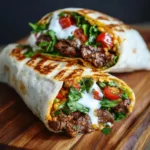
Introduction
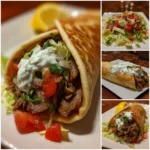
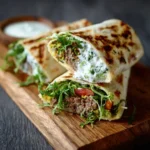
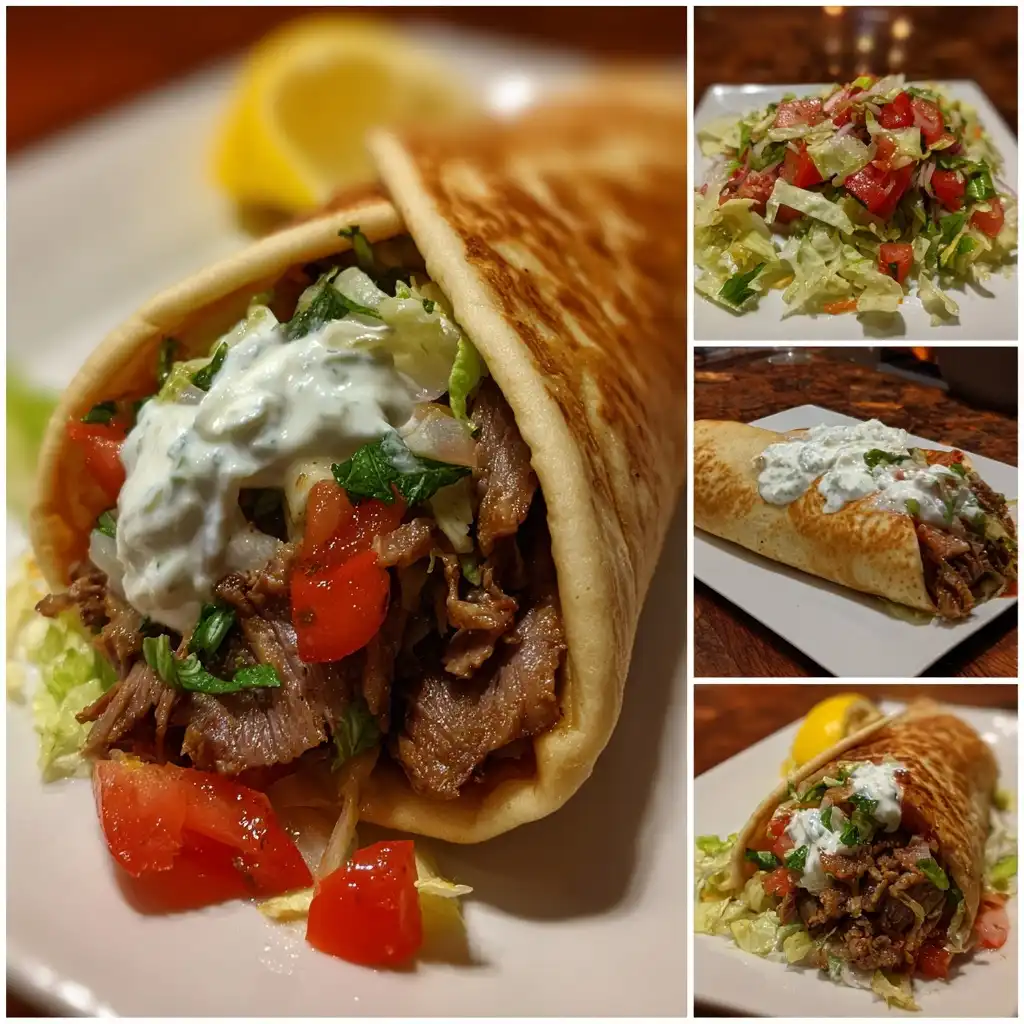
The Mediterranean Lamb Gyro Wrap is a vibrant, aromatic, and deeply satisfying culinary emblem of the Eastern Mediterranean—where bold spices, tender slow-cooked meats, fresh herbs, and tangy sauces converge in a warm pita pocket. More than just street food, it’s a centuries-old tradition reimagined with modern sensibility: rich in heritage, balanced in flavor, and endlessly adaptable to dietary preferences and seasonal ingredients. Whether enjoyed from a bustling Athens taverna, a sun-drenched Santorini seaside kiosk, or your own kitchen on a weeknight, this gyro wrap delivers an authentic taste of Mediterranean hospitality—warm, generous, and soul-nourishing.
The History
The origins of the gyro (pronounced YEE-roh) trace back to early 20th-century Greece, evolving from the broader Ottoman tradition of vertical rotisserie cooking—known as döner kebab in Turkey and shawarma in the Levant. Greek immigrants refined the technique after settling in Athens and Thessaloniki post-1923 population exchanges, substituting lamb (and later pork or chicken) for spiced ground meat mixtures, and pairing it with quintessentially Hellenic accompaniments: tzatziki, tomato, red onion, and oregano-dusted pita. By the 1960s, the gyro had become Greece’s most iconic fast food—so much so that it was officially recognized by the Hellenic Parliament in 2019 as part of the nation’s intangible cultural heritage. Its global popularity surged with Greek diaspora communities in the U.S., Canada, and Australia, where food trucks and delis adapted it for local palates—yet the soul of the authentic Mediterranean version remains rooted in simplicity, quality ingredients, and time-honored preparation: marinated, slow-roasted, thinly sliced, and assembled with reverence for balance.
Ingredients Breakdown
Every exceptional Mediterranean Lamb Gyro Wrap begins with intentionality—not just in selection, but in understanding how each component contributes to the whole:
- Lamb: Boneless leg or shoulder (70–80% lean, 20–30% fat) provides ideal tenderness and richness. Grass-fed, pasture-raised lamb adds nuanced minerality and depth.
- Olive Oil: Extra-virgin, cold-pressed Greek or Cretan olive oil serves dual roles—as a marinade carrier and finishing gloss—imparting peppery fruitiness and polyphenol-rich antioxidants.
- Aromatics: Fresh garlic (crushed, not minced), shallots, and lemon zest activate enzymatic tenderness while layering brightness beneath the spice profile.
- Dry Spices: A synergistic blend of smoked paprika (for earthy warmth), ground cumin (nutty depth), dried oregano (earthy-herbal backbone), cinnamon (subtle sweetness), and a whisper of ground clove (complex aromatic lift) defines the authentic Greek spice rub—distinct from Middle Eastern or Turkish profiles.
- Fresh Herbs: Flat-leaf parsley and mint are non-negotiable—added at the end to preserve volatile oils, offering cooling contrast and vegetal freshness.
- Tzatziki: Not merely a condiment but a structural and sensory anchor: thick, strained Greek yogurt (10% fat minimum), finely grated cucumber (salted and squeezed dry), raw garlic, lemon juice, dill, and a drizzle of olive oil create a cool, creamy, garlicky counterpoint to the savory lamb.
- Pita Bread: Authentic Greek pita is soft, slightly chewy, and pocketless—a pliable, oven-warmed flatbread that cradles fillings without tearing. Look for pita made with durum wheat flour and fermented naturally for subtle tang and superior pliability.
- Vegetables: Vine-ripened tomatoes (sliced thin, seeds gently scooped), crisp purple red onions (thinly sliced and quick-pickled in red wine vinegar, honey, and oregano), and buttery romaine or butter lettuce add textural contrast, acidity, and hydration.
- Finishing Touches: Crumbled feta cheese (preferably PDO-protected sheep’s milk feta from Lesbos or Dodoni), a final sprinkle of sumac (for tart, lemony brightness), and a light shower of toasted pine nuts or slivered almonds lend umami, salt, crunch, and regional authenticity.
Step-by-Step Recipe
- Marinate the Lamb (Minimum 12 Hours, Ideally 24–48): In a large stainless-steel or glass bowl, combine 2 tbsp extra-virgin olive oil, 6 crushed garlic cloves, 1 tbsp lemon zest, 3 tbsp fresh lemon juice, 1½ tsp smoked paprika, 1 tsp ground cumin, 1½ tsp dried oregano, ¼ tsp ground cinnamon, ⅛ tsp ground clove, 1½ tsp kosher salt, and ½ tsp freshly ground black pepper. Whisk until fully emulsified. Add 1.5 lbs (680 g) trimmed and cubed boneless lamb shoulder (½-inch pieces). Massage marinade into every surface. Cover tightly and refrigerate—rotating and turning meat every 6–8 hours for even absorption.
- Rest & Prep Components (Day of Cooking): Remove lamb from fridge 1 hour before cooking. Meanwhile, prepare tzatziki (strain 2 cups full-fat Greek yogurt in cheesecloth over a bowl for 1 hour; combine with ½ cup finely grated, salted-and-squeezed cucumber, 2 minced garlic cloves, 1 tbsp lemon juice, 1 tbsp chopped fresh dill, 1 tsp olive oil, and ½ tsp salt). Slice tomatoes and red onions; quick-pickle onions in ¼ cup red wine vinegar, 1 tsp honey, ½ tsp dried oregano, and pinch of salt for 20 minutes. Toast ¼ cup pine nuts in a dry skillet over medium-low heat until golden (3–4 mins); set aside. Crumble ½ cup feta.
- Cook the Lamb (Two-Stage Method for Optimal Texture): Heat 1 tbsp olive oil in a heavy-bottomed Dutch oven or cast-iron skillet over medium-high heat. Working in batches to avoid crowding, sear marinated lamb cubes until deeply browned on all sides (2–3 mins per batch). Transfer to a plate. Reduce heat to low, add ½ cup dry white wine (e.g., Assyrtiko) to deglaze, scraping up browned bits. Return lamb to pot. Add ¼ cup water and 1 bay leaf. Cover tightly and braise at 325°F (163°C) in oven for 2 hours, stirring gently every 45 minutes, until fork-tender but not mushy. Uncover, increase oven temp to 400°F (204°C), and roast uncovered for 15–20 minutes to render excess fat and concentrate flavor. Let rest 10 minutes, then slice thinly against the grain.
- Warm & Soften Pita: Heat a cast-iron griddle or skillet over medium heat. Warm each pita for 20–30 seconds per side until pliable and lightly speckled—but not crisp or brittle. Stack under a clean kitchen towel to retain steam and flexibility.
- Assemble with Precision & Care: Lay warmed pita flat. Spread 3–4 tbsp tzatziki in a horizontal band across center, leaving 1-inch margins. Layer ¾ cup braised lamb slices evenly over tzatziki. Top with ¼ cup pickled red onions, 3–4 thin tomato slices, a small handful of romaine, 2 tbsp crumbled feta, 1 tsp toasted pine nuts, and a light dusting of sumac and fresh oregano. Drizzle with ½ tsp olive oil and a final squeeze of lemon.
- Wrap & Seal for Portability: Fold bottom third of pita up over filling. Fold left and right edges inward snugly. Roll forward firmly but gently—tucking as you go—to enclose completely. Wrap tightly in parchment paper, then foil, seam-side down, and let rest 3 minutes before serving. This allows flavors to marry and prevents spillage.
Tips
- Marinade Matters: Never skip the overnight marination—even 12 hours makes a dramatic difference in tenderness and flavor penetration. Acid (lemon juice) and enzymes (garlic, shallot) begin gentle tenderization long before heat is applied.
- Slicing Technique is Key: Always slice cooked lamb against the grain—this shortens muscle fibers and ensures melt-in-your-mouth texture. Use a sharp chef’s knife and steady, downward pressure—not a sawing motion.
- Tzatziki Temperature Control: Serve tzatziki chilled—but never ice-cold straight from the fridge. Let it sit at room temperature for 10 minutes before assembling to prevent chilling the warm lamb and causing condensation inside the wrap.
- Pita Integrity: If using store-bought pita that tends to crack, lightly brush both sides with olive oil and warm in a 350°F (177°C) oven for 3–4 minutes before wrapping. Alternatively, steam briefly in a bamboo steamer for 30 seconds.
- Layer Order Prevents Sogginess: Tzatziki first creates a moisture barrier between bread and meat. Vegetables go on top of meat—not underneath—to preserve crunch and prevent premature wilting.
- Rest Before Cutting: After wrapping, allow the gyro to rest seam-side down for 2–3 minutes. This lets residual heat gently soften the pita further and encourages the tzatziki to lightly coat the lamb without dripping.
- Herb Timing: Stir fresh parsley and mint into the lamb only after cooking and resting, just before assembly. Adding them earlier during braising causes bitterness and loss of vibrancy.
- Acid Balance: Taste tzatziki and adjust with lemon juice *after* chilling—it mellows significantly when cold. Likewise, finish the assembled wrap with a final bright note: a tiny squeeze of lemon or a few drops of high-quality red wine vinegar.
- Batch Efficiency: Braise lamb in large batches and freeze portions (up to 3 months) in vacuum-sealed or heavy-duty freezer bags with marinade liquid. Thaw overnight in fridge and reheat gently in saucepan with 1 tbsp broth.
- Leftover Magic: Repurpose leftover lamb into Greek-style lamb meatballs (keftedes), spanakopita filling, or a hearty avgolemono soup base—never waste those precious spices and collagen-rich braising juices.
Variations and Customizations
The Mediterranean Lamb Gyro Wrap is inherently flexible—designed to honor tradition while embracing individuality, seasonality, and dietary needs. Here are thoughtfully curated variations grounded in regional authenticity and nutritional wisdom:
- Classic Athens Style: Uses equal parts lamb and beef (80/20 blend), grilled on skewers over charcoal, served with classic tzatziki, raw red onion, tomato, and a splash of lemon juice—no lettuce or feta. Emphasizes smoky char and rustic simplicity.
- Island-Inspired Cycladic Version: Features lamb marinated with capers, wild caper berries, dried caper leaves, and a touch of Mastiha liqueur. Topped with roasted cherry tomatoes, grilled zucchini ribbons, crumbled mizithra cheese, and a drizzle of oregano-infused olive oil.
- Vegan “Lamb” Gyro (Plant-Based Authenticity):strong> Marinated king oyster mushrooms or young green jackfruit simmered in a rich blend of tamari, smoked paprika, tomato paste, date molasses, and dried mint. Paired with cashew-based tzatziki, fermented red cabbage slaw, and toasted almond feta.
- Low-Carb / Keto-Friendly Wrap: Substitutes traditional pita with a large, pliable collard green leaf or a grilled portobello cap “shell.” Lamb is cooked with additional rendered lamb fat (tallow) for richness. Tzatziki is full-fat, and vegetables are emphasized—avocado slices, cucumber ribbons, and pickled daikon replace higher-carb elements.
- Gluten-Free Traditional: Uses certified GF pita made from teff, sorghum, and psyllium husk—or a soft, hand-stretched gluten-free lavash. All spices and condiments verified GF (many commercial tzatzikis contain modified food starch; make your own to ensure safety).
- Kid-Friendly Mild Gyro: Omits raw garlic in tzatziki (uses roasted garlic instead), reduces oregano and black pepper, adds a touch of honey to tzatziki for balance, and swaps pickled onions for sweet caramelized shallots. Includes mild feta and extra cucumber for cooling effect.
- Spring Herb Gyro: Incorporates foraged or garden-fresh herbs: wild purslane, dandelion greens, blanched fava tops, and lemon balm. Lamb marinade includes chopped chives and tarragon. Tzatziki features lemon verbena and fresh chervil.
- Winter Root Vegetable Gyro: Adds roasted golden beets, parsnip ribbons, and caramelized leeks to the wrap. Lamb marinade includes star anise and orange zest. Tzatziki is infused with roasted garlic and a hint of ginger.
- Restaurant-Grade Plated Gyro Bowl: Serves components deconstructed over a bed of lemon-herb orzo or farro pilaf. Lamb is arranged elegantly, tzatziki swirled artistically, vegetables fanned, and garnishes placed with precision—ideal for meal prep or elegant entertaining.
- Breakfast Gyro: Features gently scrambled eggs folded with crumbled lamb, feta, and dill. Tzatziki is replaced with a lemon-oregano labneh, and pita is lightly toasted with za’atar. Served with a side of grilled halloumi and oven-dried tomatoes.
Health Considerations and Nutritional Value
A well-prepared Mediterranean Lamb Gyro Wrap is not only delicious but nutritionally intelligent—aligned with the science-backed principles of the Mediterranean Diet, consistently ranked #1 by U.S. News & World Report for overall health, heart wellness, diabetes prevention, and longevity. Below is a detailed analysis of a standard 1-wrap serving (based on 1.5 lbs lamb, 2 pitas, full accompaniments):
- Macronutrient Profile (Approx. per wrap): 620–680 kcal | 38–42g protein (high-biological-value complete protein from lamb + yogurt) | 32–38g total fat (70% monounsaturated from EVOO and lamb fat; rich in oleic acid) | 42–48g complex carbohydrates (primarily from whole-grain pita and vegetables) | 8–10g dietary fiber (from pita, cucumber, tomatoes, onions, herbs)
- Vitamins & Minerals: Exceptionally high in Vitamin B12 (120% DV), Zinc (95% DV), Selenium (85% DV), Vitamin D (from pasture-raised lamb fat), Vitamin K (from parsley, lettuce, olive oil), and Potassium (from tomatoes, cucumber, yogurt). Contains bioactive compounds like quercetin (onions), lycopene (tomatoes), and allicin (raw garlic)—all linked to anti-inflammatory and cardiovascular benefits.
- Probiotic & Fermented Benefits: Homemade tzatziki contains live Lactobacillus strains (if unpasteurized yogurt is used), supporting gut microbiome diversity. Quick-pickled onions provide prebiotic fiber (inulin) and beneficial acetic acid.
- Anti-Inflammatory Support: The synergy of extra-virgin olive oil (oleocanthal), rosemary and oregano (rosmarinic acid), garlic (allicin), and lamb’s natural conjugated linoleic acid (CLA) creates a potent anti-inflammatory matrix—clinically associated with reduced CRP and IL-6 markers.
- Dietary Considerations: Naturally low in added sugars (<2g per wrap), free of artificial preservatives or colorants when made from scratch, and easily adaptable for halal/kosher preparations (using certified lamb and appropriate slaughter methods). Contains moderate sodium (680–750mg), primarily from feta and sea salt—well within AHA guidelines (<2,300mg/day) and lower than most restaurant or frozen versions (often >1,200mg).
- Heart Health Notes: Despite its richness, this gyro supports cardiovascular health: monounsaturated fats improve HDL/LDL ratios; potassium counters sodium effects; and the absence of trans fats or refined grains eliminates major dietary risk factors.
- Weight Management Insight: High protein and fiber content promote satiety and reduce subsequent calorie intake. The slow-digesting nature of braised lamb and whole-grain pita leads to stable blood glucose response—unlike high-glycemic, processed alternatives.
- Cautions & Mindful Modifications: Those with histamine intolerance may wish to limit aged feta and fermented tzatziki—opt for fresh goat cheese and labneh instead. Individuals monitoring iron should pair with vitamin C-rich tomatoes and lemon to enhance non-heme iron absorption from plant components. For kidney concerns, reduce added salt and choose lower-phosphorus yogurt options.
Ingredients
Makes 4 generous wraps
- For the Lamb: 1.5 lbs (680 g) boneless lamb shoulder, trimmed and cut into ½-inch cubes
- ¼ cup extra-virgin olive oil (preferably Greek or Cretan)
- 6 garlic cloves, crushed (not minced)
- 1 tbsp lemon zest (from 2 organic lemons)
- 3 tbsp fresh lemon juice (about 1½ lemons)
- 1½ tsp smoked paprika (sweet or hot, depending on preference)
- 1 tsp ground cumin
- 1½ tsp dried oregano (preferably Greek)
- ¼ tsp ground cinnamon
- ⅛ tsp ground clove
- 1½ tsp kosher salt (Diamond Crystal) or 1 tsp fine sea salt
- ½ tsp freshly ground black pepper
- ½ cup dry white wine (Assyrtiko, Sauvignon Blanc, or Pinot Grigio)
- ¼ cup water
- 1 bay leaf
- For the Tzatziki: 2 cups full-fat plain Greek yogurt (10% fat minimum, strained 1 hour)
- ½ cup English cucumber, finely grated and squeezed dry in cheesecloth
- 2 garlic cloves, finely minced
- 1 tbsp fresh lemon juice
- 1 tbsp fresh dill, finely chopped
- 1 tsp extra-virgin olive oil
- ½ tsp kosher salt
- For Assembly: 4 pieces Greek-style pocketless pita (6–7 inches diameter, preferably whole-wheat or sprouted)
- 1 large vine-ripened tomato, sliced ⅛-inch thick
- 1 medium red onion, very thinly sliced
- ¼ cup red wine vinegar
- 1 tsp raw honey or maple syrup
- ½ tsp dried oregano
- Pinch of flaky sea salt
- 2 cups romaine or butter lettuce, torn into bite-sized pieces
- ½ cup high-quality sheep’s milk feta cheese, crumbled
- ¼ cup pine nuts or slivered almonds, toasted
- 1 tsp sumac
- Fresh flat-leaf parsley and mint leaves, for garnish
- Extra-virgin olive oil and lemon wedges, for finishing
Directions
- Marinate the Lamb: In a large non-reactive bowl, whisk together olive oil, crushed garlic, lemon zest, lemon juice, smoked paprika, cumin, oregano, cinnamon, clove, salt, and black pepper until smooth and fragrant. Add lamb cubes and massage thoroughly to coat every piece. Cover and refrigerate for at least 12 hours—and ideally 24–48 hours—for maximum tenderness and flavor infusion. Turn and stir every 8 hours.
- Prepare Tzatziki: Place Greek yogurt in a fine-mesh strainer lined with cheesecloth over a bowl. Refrigerate for 1 hour to remove excess whey. In a separate bowl, combine strained yogurt, grated and squeezed cucumber, minced garlic, lemon juice, dill, olive oil, and salt. Stir gently until fully combined. Cover and chill for at least 1 hour (up to 3 days).
- Pickle the Onions: In a small jar, combine red wine vinegar, honey, dried oregano, and pinch of salt. Add thinly sliced red onions. Stir and refrigerate for at least 20 minutes (up to 5 days).
- Braise the Lamb: Remove lamb from refrigerator 1 hour before cooking. Heat 1 tbsp olive oil in a heavy Dutch oven over medium-high heat. Working in batches, sear lamb on all sides until deeply browned (do not overcrowd pan). Transfer to a plate. Reduce heat to low, add white wine, and scrape up browned bits. Return lamb to pot along with water and bay leaf. Cover tightly and transfer to a preheated 325°F (163°C) oven. Braise for 2 hours, stirring gently every 45 minutes. Remove lid, raise oven temperature to 400°F (204°C), and roast uncovered for 15–20 minutes to render fat and deepen flavor. Discard bay leaf. Let rest 10 minutes, then slice thinly against the grain.
- Toast Nuts & Prep Greens: In a dry skillet over medium-low heat, toast pine nuts or almonds until golden and fragrant (3–4 minutes), shaking pan frequently. Cool completely. Wash and dry romaine or butter lettuce. Slice tomato and pat dry with paper towels.
- Warm the Pita: Heat a cast-iron skillet or griddle over medium heat. Warm each pita for 20–30 seconds per side until soft, pliable, and lightly speckled. Stack under a clean kitchen towel to retain steam.
- Assemble Each Wrap: Lay one pita flat. Spread 3–4 tbsp chilled tzatziki horizontally across center. Top with ¾ cup sliced lamb. Arrange ¼ cup pickled onions, 3–4 tomato slices, a small handful of lettuce, 2 tbsp feta, 1 tsp toasted nuts, and a light dusting of sumac and fresh oregano. Finish with a drizzle of olive oil and a squeeze of lemon.
- Wrap Securely: Fold bottom edge up over filling. Fold left and right edges inward. Roll forward firmly, tucking filling as you go, until fully enclosed. Wrap tightly first in parchment paper, then in aluminum foil, seam-side down. Rest for 3 minutes before serving.
- Serve Immediately: Present wrapped gyros seam-side down on a wooden board or ceramic platter. Garnish with extra herbs, lemon wedges, and a small ramekin of extra tzatziki. Encourage guests to unwrap at the table for optimal aroma and texture experience.
FAQ
- Can I cook the lamb on the stovetop only—no oven?
- Yes—with adjustments. After searing, reduce heat to low, add liquid, cover, and simmer gently for 2.5–3 hours, checking every 30 minutes and adding 1–2 tbsp warm water if drying out. Oven braising yields more consistent tenderness due to even ambient heat.
- What’s the best substitute for lamb if I don’t eat red meat?
- Goat meat (chevon) offers the closest flavor and texture profile and is widely used across Greece and the Aegean islands. For poultry, boneless chicken thighs (marinated same way, cooked 30–40 mins at 350°F) work beautifully—just reduce braising time to avoid dryness.
- Why does my tzatziki taste bitter or overly garlicky?
- Raw garlic intensifies when exposed to acid and cold. To mellow it: crush garlic and let it sit in lemon juice for 10 minutes before mixing into yogurt—or use 1 clove roasted garlic for subtlety. Also, avoid overworking yogurt; fold gently to preserve texture and freshness.
- Can I make this ahead for meal prep?
- Absolutely. Braise lamb up to 4 days ahead and store in its braising liquid. Tzatziki keeps 5 days refrigerated. Assemble wraps fresh—though you can pre-portion components in labeled containers for rapid assembly (takes <90 seconds per wrap).
- Is traditional Greek pita gluten-free?
- No—authentic Greek pita is made from wheat flour and contains gluten. However, many artisanal bakeries now produce certified gluten-free versions using ancient grains like einkorn or blends of teff, millet, and psyllium. Always verify certification if serving those with celiac disease.
- How do I prevent the pita from tearing when wrapping?
- Three keys: (1) Use fresh, pliable pita—not day-old or refrigerated; (2) Warm thoroughly but do not crisp or dry out; (3) Wrap with