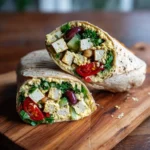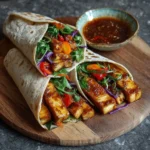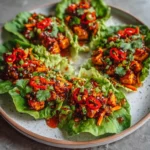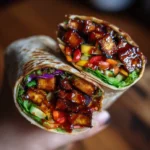
Mediterranean Chickpea Bowls: A Flavorful, Nutritious, and Wholesome Delight
The Mediterranean Chickpea Bowl is more than just a meal—it’s a celebration of vibrant colors, bold flavors, and nourishing ingredients rooted in the culinary traditions of the Mediterranean region. This plant-powered dish has surged in popularity due to its simplicity, health benefits, and adaptability, making it a favorite among vegans, vegetarians, and health-conscious eaters alike. Whether you’re seeking a quick lunch, a post-workout recovery meal, or a light yet satisfying dinner, this bowl delivers on every level.
The History of Mediterranean Chickpea Bowls
While the modern “bowl” format may feel like a contemporary food trend, the roots of the Mediterranean Chickpea Bowl stretch back thousands of years across cultures surrounding the Mediterranean Sea—encompassing regions like Greece, Turkey, Lebanon, Israel, Italy, and North Africa. Chickpeas, also known as garbanzo beans, have been a dietary staple since ancient times, with archaeological evidence suggesting their cultivation began over 7,500 years ago in the Fertile Crescent.
In traditional Mediterranean and Middle Eastern cuisines, chickpeas are used in numerous beloved dishes such as hummus, falafel, ful medames, and various stews and salads. The concept of combining legumes with fresh vegetables, grains, herbs, and olive oil aligns perfectly with the principles of the Mediterranean diet—a way of eating that emphasizes whole foods, healthy fats, and plant-based nutrition.
The modern iteration of the “Mediterranean bowl” emerged as a fusion of these age-old recipes with today’s emphasis on balanced meals, meal prepping, and portable, nutrient-dense food options. As global interest in plant-forward diets grew, so did the appeal of assembling wholesome ingredients into single-serving bowls that are both visually appealing and deeply satisfying.
Ingredients Breakdown: What Makes These Bowls So Special?
The magic of Mediterranean Chickpea Bowls lies in their balance of textures, flavors, and nutrients. Each component brings something unique to the table:
- Chickpeas: The star ingredient, packed with plant-based protein and fiber. They provide sustained energy and help maintain digestive health.
- Whole Grains (e.g., quinoa, farro, or brown rice): Offer complex carbohydrates for long-lasting fuel and contribute to the hearty texture of the bowl.
- Fresh Vegetables: Cucumbers, tomatoes, red onions, bell peppers, and leafy greens add crunch, hydration, and essential vitamins like vitamin C and K.
- Kalamata Olives: Briny and rich in heart-healthy monounsaturated fats, they bring an authentic Mediterranean flair.
- Feta Cheese (optional): Adds creaminess and a tangy bite; can be omitted for a vegan version or substituted with dairy-free alternatives.
- Fresh Herbs (parsley, mint, dill): Elevate the aroma and freshness of the dish while contributing antioxidants and phytonutrients.
- Lemon Juice & Extra Virgin Olive Oil: The base of most dressings in this cuisine, enhancing flavor while delivering anti-inflammatory compounds and healthy fats.
- Spices (cumin, paprika, garlic powder): Warm, earthy notes that deepen the overall taste profile without overpowering the natural ingredients.
Together, these elements create a symphony of taste and nutrition that supports overall well-being.
Step-by-Step Recipe: How to Make the Perfect Mediterranean Chickpea Bowl
Ingredients
- 1 can (15 oz) chickpeas, drained and rinsed (or 1.5 cups cooked)
- 1 cup uncooked quinoa (or farro/brown rice), cooked according to package instructions (~3 cups cooked)
- 1 medium cucumber, diced
- 2 large tomatoes, diced
- 1/2 red onion, thinly sliced
- 1 red bell pepper, diced
- 1 cup cherry tomatoes, halved
- 1/2 cup Kalamata olives, pitted and halved
- 1/4 cup fresh parsley, chopped
- 2 tbsp fresh mint, chopped (optional but recommended)
- 1/2 cup crumbled feta cheese (omit for vegan option)
- 1 avocado, sliced (optional)
- 2 tbsp extra virgin olive oil
- Juice of 1 large lemon (~3 tbsp)
- 1 tsp ground cumin
- 1/2 tsp smoked paprika
- 1 clove garlic, minced (or 1/2 tsp garlic powder)
- Salt and freshly ground black pepper, to taste
- Pita bread or warm flatbread, for serving (optional)
Directions
- Cook the grain base: Rinse quinoa under cold water. In a saucepan, combine 1 cup quinoa with 2 cups water or vegetable broth. Bring to a boil, then reduce heat to low, cover, and simmer for 15 minutes or until liquid is absorbed and quinoa is fluffy. Remove from heat, fluff with a fork, and let it sit covered for 5 minutes. Set aside to cool slightly.
- Prepare the chickpeas: Drain and rinse canned chickpeas thoroughly. Pat dry with a clean towel. For enhanced texture, toss them with 1 tbsp olive oil, 1/2 tsp cumin, 1/4 tsp paprika, salt, and pepper. Roast at 400°F (200°C) for 20–25 minutes until golden and slightly crispy, shaking the pan halfway through. Alternatively, use them raw for a softer texture.
- Chop the vegetables: While the quinoa and chickpeas are cooking, dice the cucumber, tomatoes, red bell pepper, and slice the red onion. Halve the cherry tomatoes. Place all in separate bowls or arrange together in a large mixing bowl.
- Make the dressing: In a small jar or bowl, whisk together 2 tbsp olive oil, lemon juice, minced garlic, remaining cumin, paprika, salt, and pepper. Taste and adjust seasoning as needed. The dressing should be bright, zesty, and aromatic.
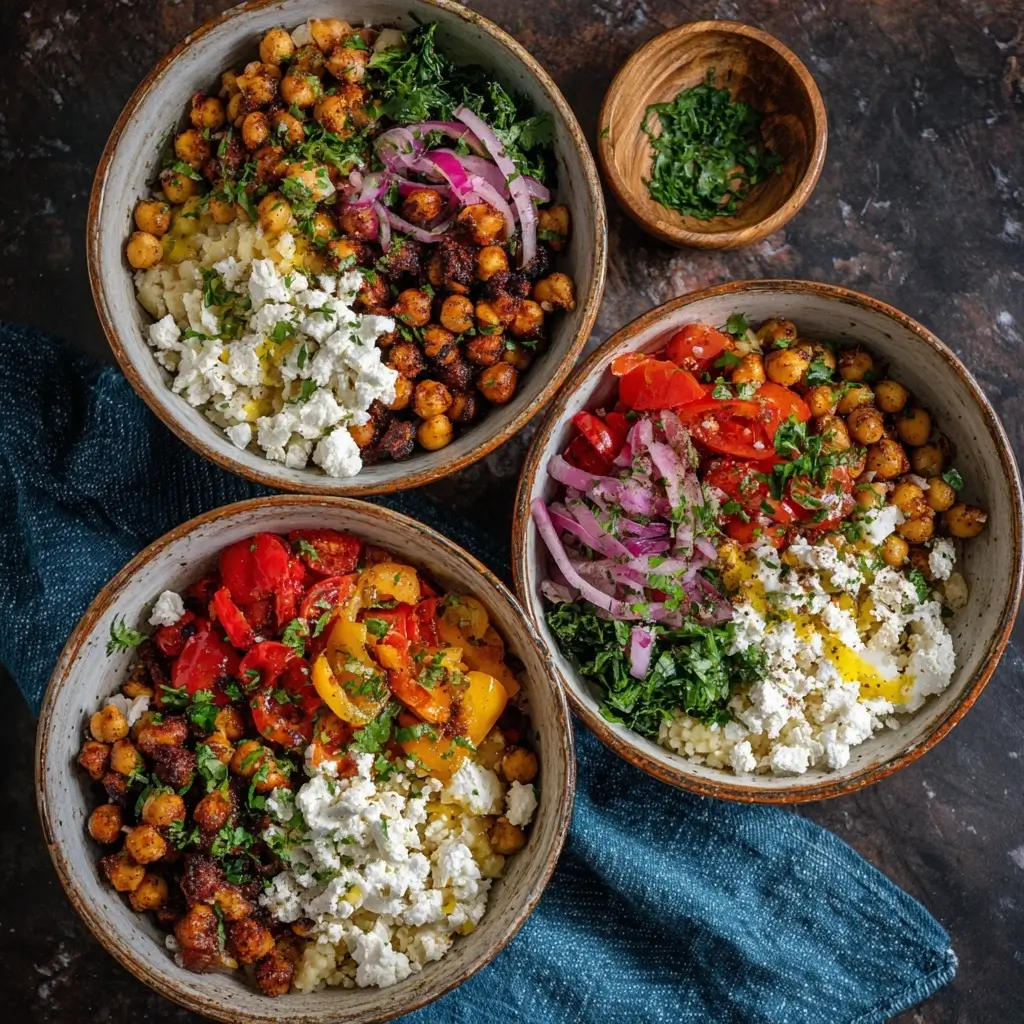
- Assemble the bowls: Divide the cooked quinoa among 4–6 serving bowls. Top evenly with roasted chickpeas, chopped vegetables, olives, fresh herbs, and feta cheese. Add avocado slices if using.
- Dress and serve: Drizzle each bowl generously with the lemon-herb dressing. Serve immediately, optionally with warm pita bread or flatbread on the side for dipping.
Tips for the Best Results
- Rinse chickpeas well: Especially if using canned, rinsing removes excess sodium and the starchy liquid that can cause bloating.
- Roasting boosts flavor: Roasted chickpeas offer a nutty, crunchy contrast. Try tossing them with a pinch of chili flakes or za’atar for extra depth.
- Cool grains before assembling: Warm grains can wilt fresh vegetables. Let quinoa cool slightly or prepare ahead and refrigerate.
- Bulk up the greens: Add baby spinach, arugula, or romaine lettuce for extra fiber and micronutrients.
- Dressing absorption: Toss ingredients lightly with half the dressing first, then drizzle more on top when serving for optimal flavor distribution.
- Prep ahead: Chop veggies, cook grains, and make dressing up to 3 days in advance. Store separately in airtight containers for easy weekday assembly.
- Season every layer: Don’t forget to season chickpeas, grains, and veggies lightly during prep for consistent flavor throughout.
Variations and Customizations
One of the greatest strengths of Mediterranean Chickpea Bowls is their versatility. Here are some creative ways to switch things up based on your preferences or what’s in season:
Grain Alternatives
- Farro: Chewy and nutty, adds rustic texture.
- Bulgur: Light and fluffy, commonly used in tabbouleh.
- Couscous: Quick-cooking and mild; opt for whole wheat for added fiber.
- Cauliflower Rice: Low-carb alternative that still absorbs flavors beautifully.
Protein Boosters
- Grilled tofu or tempeh
- Hard-boiled eggs
- Marinated lentils
- Shredded rotisserie chicken (for non-vegetarian versions)
Vegetable Swaps & Additions
- Roasted eggplant or zucchini
- Grilled artichoke hearts
- Shaved Brussels sprouts
- Radishes for peppery crunch
- Peas or edamame for sweetness and protein
Dressing Variations
- Tahini-Lemon Dressing: Blend 2 tbsp tahini, 3 tbsp lemon juice, 1 tbsp maple syrup, 1 clove garlic, and water to thin.
- Yogurt-Herb Dressing: Mix Greek yogurt with lemon zest, chopped dill, garlic, salt, and a splash of milk.
- Red Wine Vinaigrette: Combine red wine vinegar, olive oil, Dijon mustard, oregano, and garlic.
Global Twists
- Greek Style: Add cucumbers, tomatoes, red onion, olives, feta, oregano, and tzatziki drizzle.
- Levantine Influence: Include pickled turnips, sumac-seasoned onions, and hummus dollop.
- North African Flair: Use harissa-spiced chickpeas, preserved lemons, and couscous base.
- Italian-Inspired: Swap in mozzarella pearls, basil, sun-dried tomatoes, and balsamic glaze.
Health Considerations and Nutritional Value
Mediterranean Chickpea Bowls are a nutritional powerhouse, embodying many of the principles praised by dietitians and health experts worldwide. Here’s why they’re considered one of the healthiest meals you can eat regularly:
Nutrient Profile (Per Serving – Approximate)
| Nutrient | Amount |
|---|---|
| Calories | ~450–550 kcal |
| Protein | 15–20g |
| Fiber | 12–16g |
| Total Fat | 18–22g (mostly unsaturated) |
| Carbohydrates | 55–65g |
| Sugars | 8–10g (naturally occurring) |
| Sodium | 500–700mg (lower if low-sodium chickpeas used) |
| Vitamin C | Over 100% DV (from tomatoes, peppers, lemon) |
| Folate | ~70% DV (from chickpeas and leafy greens) |
| Iron | ~25% DV (enhanced absorption with vitamin C-rich foods) |
| Magnesium & Potassium | Significant amounts from legumes, grains, and vegetables |
Key Health Benefits
- Heart Health: Rich in monounsaturated fats (olive oil, olives, avocado), fiber, and antioxidants that support cardiovascular function.
- Digestive Wellness: High fiber content promotes regular bowel movements and feeds beneficial gut bacteria.
- Blood Sugar Control: Low glycemic index ingredients help stabilize blood glucose levels—ideal for people managing diabetes or insulin resistance.
- Weight Management: Protein and fiber increase satiety, reducing hunger and snacking between meals.
- Anti-Inflammatory Effects: Compounds in olive oil (oleocanthal), garlic, turmeric (if added), and colorful produce combat chronic inflammation.
- Plant-Based Nutrition: Supports environmental sustainability and ethical eating practices.
Who Should Be Cautious?
- People with IBS: Chickpeas and certain raw vegetables may trigger symptoms in sensitive individuals. Soaking, cooking thoroughly, or limiting portions can help.
- Sodium-sensitive individuals: Opt for no-salt-added chickpeas and control added salt in dressings.
- FODMAP restrictors: Limit chickpeas to 1/4 cup per serving and avoid high-FODMAP ingredients like garlic and onions; substitute with garlic-infused oil and green onion tops.
- Kidney stone risk (oxalate concerns): Spinach and beets are high in oxalates. Rotate greens with lower-oxalate options like kale or romaine.
Frequently Asked Questions (FAQ)
Can I meal prep Mediterranean Chickpea Bowls?
Yes! These bowls are ideal for meal prep. Cook grains and roast chickpeas in advance. Store components separately in airtight containers for up to 4 days. Assemble just before eating to preserve texture and freshness, especially if including delicate greens or avocado.
Are these bowls vegan and gluten-free?
They can be! Omit feta cheese or use a plant-based alternative for a fully vegan bowl. Use certified gluten-free grains like quinoa or rice, and ensure all packaged ingredients (e.g., spices, dressings) are labeled gluten-free if necessary.
How do I keep the chickpeas from getting mushy?
Rinse canned chickpeas very well and pat them dry before roasting. Roasting not only firms them up but enhances flavor. Avoid overdressing the bowl too early, which can soften ingredients over time.
Can I freeze this dish?
It’s best not to freeze assembled bowls. However, you can freeze cooked chickpeas and grains for up to 3 months. Thaw in the refrigerator overnight and reheat gently before assembling with fresh toppings.
What can I use instead of feta?
Try goat cheese, halloumi (grilled), ricotta salata, or vegan feta made from almond, soy, or coconut. You can also skip cheese and add a creamy element like hummus or tahini drizzle.
Is this recipe kid-friendly?
Absolutely! Children often enjoy the colorful ingredients and fun mix of textures. Let kids build their own bowls to encourage engagement and adventurous eating. You can reduce strong flavors like garlic or olives initially and gradually introduce them.
Can I make it spicy?
Definitely! Add diced jalapeños, crushed red pepper flakes, harissa paste in the dressing, or serve with hot sauce on the side.
Summary
The Mediterranean Chickpea Bowl is a vibrant, nutrient-rich meal that combines ancient ingredients with modern wellness ideals. Packed with plant-based protein, fiber, healthy fats, and antioxidant-rich vegetables, it supports heart health, digestion, and sustainable energy.
Highly customizable, easy to prepare ahead, and bursting with fresh Mediterranean flavors, this bowl is perfect for busy weeknights, meal prepping, or impressing guests with a wholesome, beautiful dish that tastes as good as it looks.