Matcha Latte Cupcakes: A Delicate Fusion of Earthy Matcha and Creamy Latte Flavors
The History of the Matcha Latte Cupcake
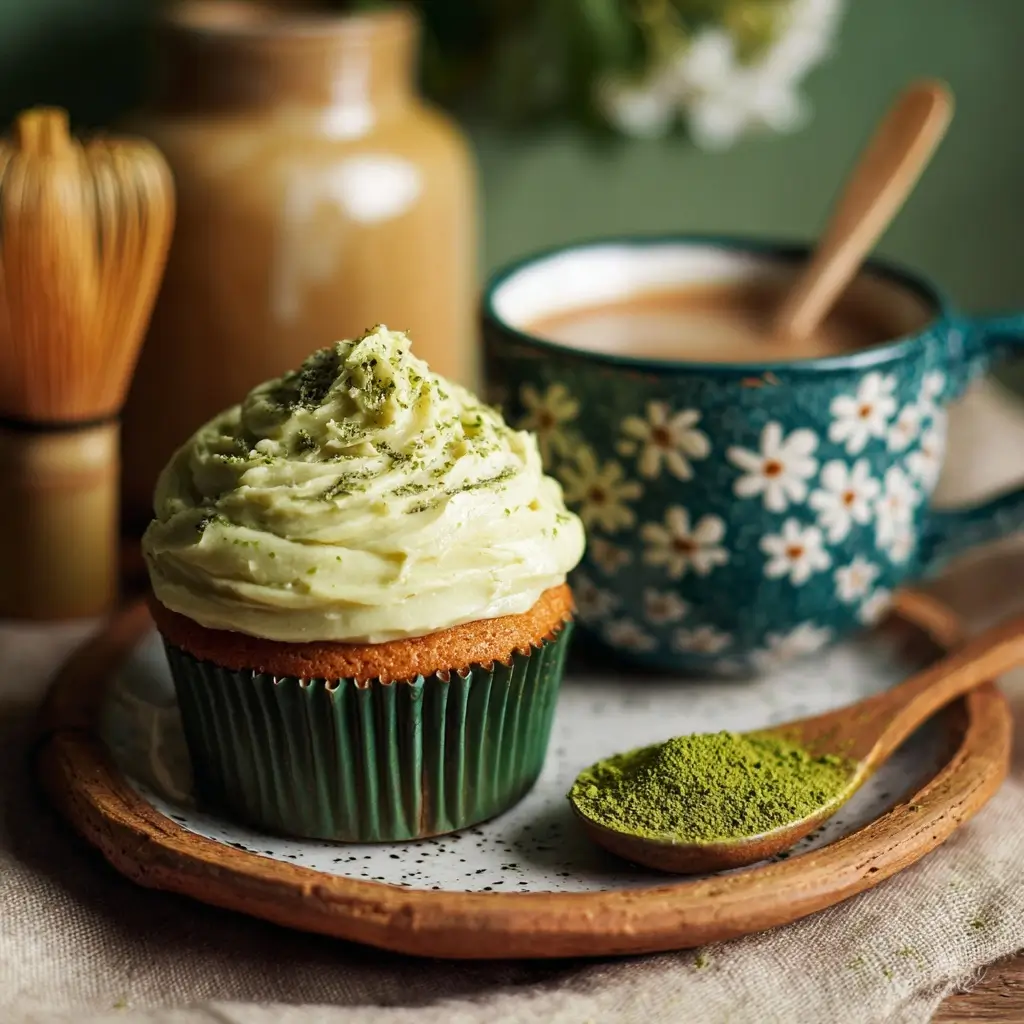
The Matcha Latte Cupcake is a modern dessert creation that beautifully marries Japanese tea culture with Western baking traditions. While cupcakes themselves originated in 19th-century America—named for being baked in small cups—the incorporation of matcha (finely ground green tea powder) into baked goods gained popularity in the early 2000s, especially as global interest in Japanese cuisine surged.
Matcha, which has been central to Japanese tea ceremonies for over 800 years, began to be used beyond traditional tea preparation as chefs and home bakers explored its vibrant color and unique umami-rich flavor. The “latte” element was inspired by the popular café beverage—matcha whisked with hot milk and sweetener—which became a favorite among health-conscious consumers and foodies alike.
The fusion of these two worlds gave rise to the Matcha Latte Cupcake: a soft, fluffy treat that captures the essence of a creamy matcha latte in cake form. Initially seen in specialty bakeries in cities like Tokyo, New York, and Los Angeles, this cupcake quickly gained viral status on social media due to its photogenic green hue and sophisticated flavor profile. Today, it’s a staple in vegan cafes, gluten-free bakeries, and home kitchens around the world.
Ingredients Breakdown: What Makes These Cupcakes Special?
The magic of Matcha Latte Cupcakes lies in the careful balance of premium ingredients that deliver both flavor and texture. Here’s a detailed look at each component:
- Matcha Powder (Ceremonial Grade): This is the star ingredient. Ceremonial-grade matcha ensures a smooth, vibrant green color and a delicate, slightly sweet, grassy flavor without bitterness. Culinary-grade matcha can be used but may yield a more astringent taste.
- All-Purpose Flour (or Cake Flour): Provides structure. Cake flour results in a softer crumb due to its lower protein content. For gluten-free versions, a 1:1 gluten-free flour blend works well.
- Granulated Sugar: Sweetens the batter while helping to aerate it during creaming. Can be substituted with coconut sugar or monk fruit for refined sugar-free options.
- Unsalted Butter (or Vegan Butter): Adds richness and moisture. Room-temperature butter blends smoothly with sugar for a light, fluffy texture.
- Eggs: Act as binders and add structure. Flax eggs (1 tbsp ground flaxseed + 3 tbsp water per egg) are an excellent vegan substitute.
- Vanilla Extract: Enhances overall flavor and complements the earthiness of matcha.
- Baking Powder & Baking Soda: Leavening agents that help the cupcakes rise evenly.
- Salt: Balances sweetness and intensifies other flavors.
- Whole Milk (or Plant-Based Milk): Adds moisture and helps activate leavening agents. Oat milk is particularly good—it mimics the creaminess of a latte and pairs naturally with matcha.
- Espresso Powder (Optional): A tiny amount deepens the “latte” flavor, enhancing the coffee-like complexity without making the cupcakes taste like coffee.
Step-by-Step Recipe: How to Make Perfect Matcha Latte Cupcakes
Ingredients
- 1 ¾ cups (220g) all-purpose flour (or cake flour)
- ¾ cup (150g) granulated sugar
- 2 tsp baking powder
- ¼ tsp baking soda
- ¼ tsp salt
- 2 tbsp high-quality ceremonial-grade matcha powder
- ½ cup (1 stick / 113g) unsalted butter, softened (or vegan butter)
- 2 large eggs, room temperature
- 1 tsp vanilla extract
- ¾ cup (180ml) whole milk or oat milk
- ½ tsp espresso powder (optional)
Directions
- Preheat Oven & Prepare Pan: Preheat your oven to 350°F (175°C). Line a 12-cup muffin tin with cupcake liners.
- Whisk Dry Ingredients: In a medium bowl, sift together the flour, sugar, baking powder, baking soda, salt, and matcha powder. Sifting ensures no clumps of matcha remain and gives the cupcakes a smoother texture. Whisk thoroughly until evenly combined and bright green.
- Cream Butter & Sugar: In a large mixing bowl, beat the softened butter and sugar together using a hand mixer or stand mixer on medium speed for 2–3 minutes until light and fluffy.
- Add Eggs & Vanilla: Add the eggs one at a time, beating well after each addition. Scrape down the sides of the bowl as needed. Mix in the vanilla extract.
- Incorporate Dry & Wet Ingredients: Gradually add the dry ingredients to the butter mixture in three parts, alternating with the milk in two parts, starting and ending with the dry mix. Begin with ⅓ of the flour mixture, then half the milk, another ⅓ flour, remaining milk, and finish with the last ⅓ flour. Mix on low speed just until combined—do not overmix, or the cupcakes will become dense.
- Add Espresso Powder (Optional): If using, dissolve the espresso powder in 1 tablespoon of warm milk before adding it to the batter. Stir gently to combine.
- Fill Cupcake Liners: Divide the batter evenly among the 12 cupcake liners, filling each about ⅔ full to allow room for rising.
- Bake: Bake for 18–22 minutes, or until a toothpick inserted into the center comes out clean. Rotate the pan halfway through for even baking.
- Cool: Allow cupcakes to cool in the pan for 5 minutes, then transfer to a wire rack to cool completely before frosting.
Tips for Success
- Use Fresh Matcha: Stale matcha loses its vibrancy and develops a bitter taste. Store matcha in an airtight container in the fridge and use within 1–2 months of opening.
- Sift Twice: Sift both the dry ingredients and the matcha separately before combining to prevent green streaks and ensure even distribution.
- Don’t Overmix: Overmixing activates gluten, leading to tough cupcakes. Mix only until ingredients are just incorporated.
- Room Temperature Ingredients: Cold eggs or butter won’t emulsify properly, affecting texture. Take them out 30–60 minutes before baking.
- Test Early: Ovens vary—start checking cupcakes at 16 minutes. They’re done when they spring back lightly when touched.
- Cool Completely: Frosting warm cupcakes will melt and slide off. Patience is key!
Variations and Customizations
The beauty of Matcha Latte Cupcakes lies in their adaptability. Here are some creative twists:
- Gluten-Free: Substitute all-purpose flour with a high-quality gluten-free 1:1 blend. Add ¼ tsp xanthan gum if not included.
- Vegan: Use flax eggs, plant-based butter, and oat or almond milk. Ensure sugar is vegan (some brands use bone char).
- Dairy-Free: Opt for coconut oil (softened) or vegan butter and non-dairy milk.
- Low-Sugar: Replace granulated sugar with monk fruit sweetener or erythritol. Reduce to ½ cup for less sweetness.
- Protein Boost: Add 1–2 scoops of unflavored or vanilla plant-based protein powder; increase milk slightly if batter is too thick.
- Flavor Infusions: Add lemon zest for brightness, white chocolate chips for sweetness, or a swirl of sweet red bean paste for authentic Japanese flair.
- Mini or Jumbo Sizes: Adjust baking time—mini cupcakes take 10–12 minutes; jumbo ones need 25–28 minutes.
Health Considerations and Nutritional Value
While still a dessert, Matcha Latte Cupcakes offer subtle health advantages over traditional sweets, primarily due to matcha.
Nutritional Highlights (per cupcake, based on standard recipe):
- Calories: ~180–200
- Fat: 8g (mostly from butter)
- Carbohydrates: 28g
- Sugars: 14g
- Protein: 3g
- Fiber: 1g
Health Benefits of Matcha:
- Rich in Antioxidants: Matcha contains catechins, particularly EGCG, which combat oxidative stress and may support heart health.
- L-Theanine Content: Promotes calm alertness by increasing alpha brain waves—ideal for focus without jitteriness.
- Metabolism Support: Some studies suggest matcha may mildly boost metabolism and fat oxidation.
- Detoxifying Properties: Shade-grown tea plants accumulate chlorophyll, giving matcha natural detox benefits.
Considerations:
- Caffeine Content: One teaspoon of matcha contains about 30–35mg of caffeine—less than coffee but enough to affect sensitive individuals. Best enjoyed in the morning or early afternoon.
- Sugar Levels: Can be reduced or substituted. Excessive sugar intake counteracts many of matcha’s benefits.
- Allergens: Contains dairy, eggs, and gluten unless modified. Always label accordingly for guests.
Frequently Asked Questions (FAQ)
Can I make these cupcakes without matcha?
No—matcha is essential for both flavor and color. However, you could try a green tea-infused version using strong brewed green tea and a few drops of green food coloring, though the taste will differ significantly.
Why are my cupcakes turning brown or dull green?
This usually happens due to old or low-grade matcha, overbaking, or chemical reactions with baking soda. Use fresh ceremonial-grade matcha and avoid overmixing. Adding a splash of lemon juice (½ tsp) can help preserve the green hue.
Can I freeze Matcha Latte Cupcakes?
Yes! Unfrosted cupcakes freeze well for up to 3 months. Wrap individually in plastic and store in a freezer bag. Thaw at room temperature before frosting.
What kind of frosting pairs best with matcha cupcakes?
Popular choices include:
- Matcha Swiss Meringue Buttercream: Silky, not overly sweet, with intense matcha flavor.
- Vanilla Cream Cheese Frosting: Tangy contrast to earthy matcha.
- White Chocolate Ganache: Rich and decadent—pairs beautifully with the tea notes.
- Oat Milk Whipped Cream: Light and dairy-free option.
Can I add matcha to box mix cupcakes?
Yes, but results vary. Add 1–2 tablespoons of matcha to a vanilla or white cake mix and replace water with milk. Taste may be less balanced than from-scratch versions.
Are Matcha Latte Cupcakes safe during pregnancy?
In moderation, yes. With about 30mg of caffeine per cupcake, having one is generally safe. Consult your healthcare provider if limiting caffeine intake.
Summary
Matcha Latte Cupcakes are a harmonious blend of Japanese tradition and modern baking artistry, offering a subtly sweet, earthy flavor with a soft, cloud-like texture. Perfect for brunches, tea parties, or as a mindful dessert, they bring the soothing essence of a café-style matcha latte into delightful handheld treats.