Introduction
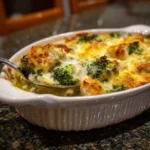
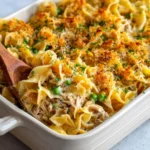
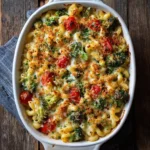
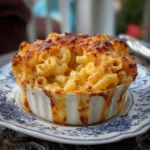
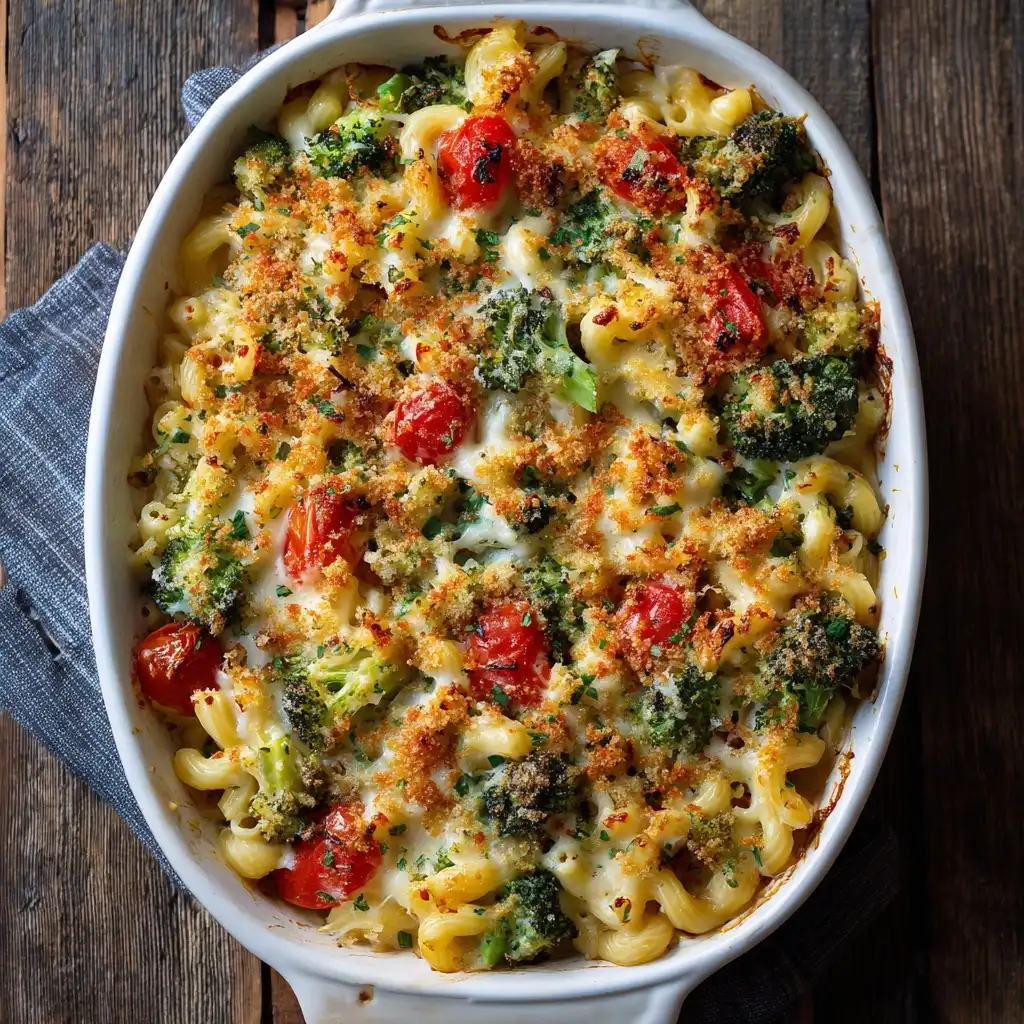
Loaded Veggie Mac and Cheese isn’t just a comfort food upgrade—it’s a culinary revolution in a casserole dish. This vibrant, nutrient-dense twist on the classic American favorite transforms creamy, cheesy pasta into a hearty, colorful, and deeply satisfying meal that appeals to kids, college students, busy professionals, health-conscious eaters, and even skeptical veggie-avoiders. Far from being a mere “side dish,” this recipe stands proudly as a complete, balanced main course—rich in plant-based fiber, high-quality protein, calcium, antioxidants, and complex carbohydrates. What sets it apart is its intentional layering of textures and flavors: tender-crisp roasted vegetables, velvety three-cheese sauce, al dente whole-grain or legume-based pasta, and a golden, herb-flecked breadcrumb crown. Whether served at a weeknight family dinner, a potluck gathering, a holiday buffet, or meal-prepped for five days straight, Loaded Veggie Mac and Cheese delivers decadence without compromise—and proves that nourishment and indulgence don’t have to live on opposite ends of the plate.
The History
Macaroni and cheese traces its aristocratic roots to 13th-century European manuscripts—most notably the 1250 Italian treatise Liber de Coquina, which features a dish called “de lasanis” combining sheets of pasta, grated cheese, and spices. By the 14th century, an English cookbook, The Forme of Cury, included “makerouns”—a baked pasta-and-cheese preparation using parmesan-like cheeses and saffron. The dish crossed the Atlantic with Thomas Jefferson, who—after encountering macaroni in Paris—imported a pasta machine and served “macaroni pie” at a White House state dinner in 1802, helping cement its status in early American cuisine. However, it wasn’t until the 1930s, during the Great Depression, that Kraft Foods launched its boxed version: affordable, shelf-stable, and ingeniously engineered for consistency—making mac and cheese a cultural touchstone of resilience and resourcefulness. Fast-forward to the 2010s, when farm-to-table movements, plant-forward eating trends, and rising demand for functional foods catalyzed a renaissance. Chefs and home cooks alike began reinventing the dish—not by subtracting cheese, but by *expanding* its universe: folding in seasonal produce, boosting protein with lentils or white beans, incorporating ancient grains, and embracing umami-rich additions like miso, nutritional yeast, or sun-dried tomatoes. Loaded Veggie Mac and Cheese emerged as both homage and evolution—a celebration of heritage with a resounding, contemporary yes to vegetables, variety, and vitality.
Ingredients Breakdown
Every ingredient in this recipe has been selected for purpose, synergy, and sensory impact—not just nutrition, but mouthfeel, aroma, color contrast, and structural integrity. Below is a deep-dive analysis of each component:
- Pasta (12 oz / 340g): We recommend a short, ridged shape like cavatappi, fusilli, or campanelle—each designed to cradle sauce and trap roasted veggie bits. For enhanced nutrition, opt for whole wheat, chickpea, lentil, or brown rice pasta. Chickpea pasta adds ~14g plant protein and 5g fiber per serving; lentil pasta contributes iron and B-vitamins; brown rice pasta offers gluten-free integrity without gummy texture.
- Vegetables (4–5 cups total, chopped uniformly): A strategic rainbow blend ensures phytonutrient diversity:
- Broccoli florets (1½ cups): Roasted until caramelized at the edges—releases sulforaphane (a potent detox-supportive compound) and adds crunch-sweetness.
- Red bell pepper (1 large, diced): High in vitamin C (169% DV per cup), which enhances non-heme iron absorption from spinach and lentils.
- Zucchini (1 medium, half-moons): Mild, moisture-balancing, and rich in manganese and lutein for eye health.
- Spinach (3 packed cups, fresh or thawed frozen): Added at the end to preserve folate and vitamin K—critical for blood clotting and bone metabolism.
- Optional add-ins: Roasted cherry tomatoes (for acidity), caramelized red onion (for depth), shiitake mushrooms (umami + vitamin D2), or grated raw carrots (for subtle sweetness and beta-carotene).
- Cheese Blend (2¼ cups total, shredded fine): A triple-layered harmony of melt, tang, and richness:
- Sharp cheddar (1 cup): Provides the foundational boldness and sodium balance—aged 12+ months for optimal flavor concentration and lower lactose.
- Gruyère (¾ cup): Adds nutty complexity, superior meltability, and calcium bioavailability enhanced by natural vitamin K2.
- Fontina or Monterey Jack (½ cup): Ensures silkiness and stretch while tempering sharpness—Fontina contributes probiotic-friendly diacetyl compounds.
- Base Sauce Components:
- Unsalted butter (3 tbsp): Used for roasting veggies and building roux—preferably grass-fed for higher CLA (conjugated linoleic acid) and omega-3s.
- All-purpose or oat milk (1½ cups): Oat milk lends natural creaminess and neutral sweetness; unsweetened soy or cashew milk also work well. For extra richness, replace ¼ cup with evaporated milk or light coconut milk.
- Garlic (3 cloves, minced): Raw garlic offers allicin; roasted garlic (1 head, roasted) adds mellow sweetness and prebiotic fructans.
- Dijon mustard (1½ tsp): Acts as an emulsifier and acidulant—stabilizing the sauce and brightening fat notes.
- Worcestershire sauce (1 tsp, vegan if needed): Contains tamarind, molasses, and anchovies (or soy in vegan versions)—adds savory depth and glutamate-like savoriness.
- Nutmeg (¼ tsp, freshly grated): Enhances dairy perception and complements spinach’s earthiness.
- Smoked paprika (½ tsp): Imparts gentle warmth and visual appeal—choose sweet (not hot) for layered aroma without heat.
- Roux & Thickening Agents:
- All-purpose flour (3 tbsp) OR gluten-free blend (tapioca + brown rice + xanthan): Creates stable viscosity without graininess. For ultra-creamy texture, substitute 1 tbsp cornstarch or arrowroot slurry (mixed cold) added at the end of sauce simmering.
- Optional umami boosters: 1 tsp white miso paste (stirred in off-heat), 2 tbsp nutritional yeast (for B12 and cheesy notes), or 1 tbsp tomato paste (roasted with aromatics).
- Topping Elements:
- Panko breadcrumbs (¾ cup): Lighter, crispier, and airier than regular breadcrumbs—ideal for golden, shatteringly crunchy contrast.
- Grated Parmesan (¼ cup): Salty, umami-rich finish that deepens browning via Maillard reaction.
- Fresh herbs (2 tbsp chopped parsley or chives): Added post-baking for vibrancy, chlorophyll freshness, and volatile oils that elevate aroma.
- Olive oil (1 tbsp): Tossing breadcrumbs in oil ensures even crisping—not greasiness.
- Seasoning Matrix:
- Kosher salt (1½ tsp, divided): Critical for layering—½ tsp in roasting oil, ½ tsp in roux, ½ tsp in final mix.
- Freshly ground black pepper (1 tsp): Piperine increases curcumin and other polyphenol bioavailability.
- Lemon zest (from ½ lemon): Bright citrus oil cuts richness and lifts the entire profile—added just before baking.
Step-by-Step Recipe
This method prioritizes texture control, flavor layering, and foolproof execution—even for first-time mac-and-cheese makers. Total active time: 45 minutes. Total bake time: 25 minutes. Serves 6–8.
- Prep & Preheat: Position oven rack in center position. Preheat oven to 400°F (200°C). Line a large rimmed baking sheet with parchment paper. Bring a large pot of heavily salted water to a rolling boil (use 2 tbsp kosher salt per 4 quarts water—this seasons the pasta from within).
- Roast the Vegetables: In a large bowl, combine broccoli florets, diced red bell pepper, and zucchini half-moons. Drizzle with 2 tbsp melted butter, ½ tsp salt, ½ tsp black pepper, and smoked paprika. Toss thoroughly until evenly coated. Spread in a single layer on prepared baking sheet. Roast 20–22 minutes, flipping halfway, until broccoli is tender-crisp and edges are deeply golden. Remove and let cool slightly (5 min). Reduce oven temp to 375°F (190°C) for final bake.
- Cook the Pasta: Add pasta to boiling salted water. Cook 2 minutes *less* than package instructions for al dente—pasta will absorb more liquid and cook further in the oven. Reserve 1 cup pasta water before draining. Rinse briefly under cool water only if using gluten-free pasta (to prevent stickiness); otherwise, drain well *without rinsing* to retain starch for sauce adhesion.
- Prepare the Cheese Sauce Base: In a heavy-bottomed Dutch oven or large saucepan, melt remaining 1 tbsp butter over medium heat. Add minced garlic; sauté 45 seconds until fragrant—do not brown. Whisk in flour; cook 1 minute, stirring constantly, until roux turns pale golden and smells nutty. Gradually whisk in warm milk (heat milk gently in microwave or small saucepan first—cold milk causes lumps). Whisk continuously until smooth and beginning to thicken (~3–4 minutes). Reduce heat to low. Simmer gently 3 minutes, whisking every 30 seconds, until sauce coats the back of a spoon (nappe stage). Remove from heat.
- Emulsify & Enrich: Stir in Dijon mustard, Worcestershire, nutmeg, remaining ½ tsp salt, and lemon zest. Let cool 2 minutes. Gradually whisk in shredded cheeses—¼ cup at a time—allowing each addition to fully melt before adding the next. Avoid high heat after cheese is added to prevent separation. Stir in roasted vegetables and fresh spinach—fold gently until spinach wilts (1–2 min residual heat). If mixture feels thick, add reserved pasta water 1 tbsp at a time until desired creaminess is reached (typically 3–5 tbsp).
- Assemble & Top: Transfer mixture to a greased 9×13-inch (or 3-qt) baking dish. Smooth top. In a small bowl, combine panko, Parmesan, olive oil, and remaining ½ tsp black pepper. Sprinkle evenly over mac. Optional: dot with 2 tsp cold butter pieces for extra richness and browning.
- Bake to Perfection: Bake uncovered at 375°F (190°C) for 22–25 minutes, until top is deeply golden and edges bubble vigorously. For maximum crispness, broil on high for 1–2 minutes at the end—watch closely! Let rest 10 minutes before serving (crucial for sauce setting and clean scooping).
Tips
- Don’t skip the roast: Roasting—not steaming or sautéing—develops concentrated sweetness, eliminates excess moisture (which dilutes sauce), and creates textural contrast. Under-roasted veggies release water in the oven and turn mushy.
- Reserve that pasta water: Its starchy, saline broth is liquid gold—adjusts thickness without thinning flavor. Always save it before draining.
- Shred your own cheese: Pre-shredded cheeses contain anti-caking agents (like cellulose) that inhibit melting and create graininess. Freshly shredded melts smoother and tastes brighter.
- Temperature matters: Add cheese to sauce that’s warm—not boiling. Excessive heat denatures casein proteins, causing oil separation. If sauce cools too much, gently rewarm over lowest heat *before* adding cheese.
- Rest before cutting: Allowing the casserole to rest 10 minutes lets the sauce reabsorb and set, preventing a soupy pool at the bottom and ensuring each scoop holds together beautifully.
- Make ahead smart: Assemble through step 5 (sauce + pasta + veggies mixed), cover tightly, and refrigerate up to 24 hours. Add topping just before baking. For freezer prep: bake fully, cool completely, wrap in double foil, freeze up to 3 months. Reheat covered at 325°F (160°C) for 45 min, then uncover and broil 2 min.
- Sauce troubleshooting: If too thin: Simmer 2–3 min longer or stir in ½ tsp cornstarch slurry. If too thick: Add warm milk or pasta water 1 tsp at a time. If grainy: Strain through fine mesh sieve while hot, then re-emulsify with immersion blender.
- Golden topping guarantee: Panko must be tossed in oil *before* sprinkling—dry crumbs won’t brown evenly. For deeper color, toast panko in skillet 3–4 min before mixing with cheese.
Variations and Customizations
This recipe is a canvas—not a cage. Adapt it to dietary needs, seasonal abundance, pantry inventory, or craving whims—with zero sacrifice in satisfaction.
Gluten-Free Version
Use certified GF pasta (brown rice, quinoa, or chickpea), GF all-purpose flour (like Bob’s Red Mill 1-to-1), and tamari instead of Worcestershire (check label for gluten). Ensure cheese is labeled GF—most natural cheddars are, but avoid processed cheese sauces.
Vegan Loaded Veggie Mac
Replace butter with refined coconut oil or vegan butter. Use unsweetened, unflavored plant milk (soy preferred for protein). Make cheese sauce with 1 cup raw cashews (soaked 4 hrs, drained), ½ cup nutritional yeast, ¼ cup lemon juice, 2 tbsp white miso, 1 tsp garlic powder, 1 tsp onion powder, ½ tsp turmeric (for color), and 1 cup hot water—blended until ultra-smooth. Roast veggies same way; fold in ½ cup cooked lentils or crumbled tempeh bacon for protein heft.
Protein-Powered Edition
Mix in 1 cup cooked black beans, white beans, or chickpeas (rinsed and patted dry) with roasted veggies. Or stir in ½ lb finely diced, sautéed Italian turkey sausage (remove casing, brown well to render fat) for a meaty, herbed variation.
Low-Carb/Keto Adaptation
Substitute cauliflower rice (pulse florets, steam 5 min, squeeze dry) or shirataki noodles (rinse well, pan-toast to remove moisture) for pasta. Boost cheese ratio slightly and use heavy cream instead of milk. Top with crushed pork rinds instead of panko.
Global Flavor Twists
- Mexican-Inspired: Add 1 tsp cumin + 1 tsp chili powder to roux; swap cheddar for Pepper Jack; fold in roasted corn, black beans, pickled jalapeños, and fresh cilantro. Top with crushed tortilla chips.
- Mediterranean: Use feta + goat cheese + fontina; add kalamata olives, sun-dried tomatoes, artichoke hearts, and oregano. Finish with lemon juice and dill.
- Asian-Fusion: Replace Dijon with 1 tbsp ginger-garlic paste + 1 tsp toasted sesame oil + 1 tsp tamari; use smoked Gouda + mozzarella; fold in bok choy, shiitakes, and scallions. Top with sesame seeds and nori strips.
Seasonal Swaps
- Fall: Roast delicata squash, caramelized onions, and Brussels sprouts; add sage and thyme; top with candied pecans.
- Winter: Use roasted rutabaga, purple cabbage ribbons, and kale; add caraway and apple cider vinegar to sauce.
- Spring: Fold in asparagus tips, fresh peas, fava beans, and mint; use lemon verbena in sauce; top with pea shoots.
- Summer: Highlight heirloom tomatoes, zucchini blossoms, corn kernels, and basil; finish with balsamic glaze drizzle.
Health Considerations and Nutritional Value
A single 1-cup (approx. 280g) serving delivers remarkable macro- and micronutrient density—especially when built with whole-food, minimally processed ingredients:
- Calories & Macros: ~420–480 kcal | Protein: 22–28g (complete profile with cheese + legume pasta/veggies) | Fat: 18–22g (mostly unsaturated from olive oil, nuts, avocado oil butter) | Carbs: 42–48g (fiber-rich, low-glycemic-load) | Fiber: 7–10g (35–40% DV)
- Vitamins & Minerals:
- Vitamin A (from spinach, peppers, cheese): 120% DV — supports vision, immunity, skin integrity.
- Vitamin C (peppers, broccoli, lemon): 180% DV — antioxidant, collagen synthesis, iron absorption.
- Vitamin K (spinach, broccoli, cheese): 320% DV — essential for blood coagulation and bone mineralization.
- Calcium (cheese, fortified milk): 45% DV — critical for neuromuscular function and bone density.
- Folate (spinach, lentils, asparagus): 65% DV — vital for DNA synthesis and prenatal health.
- Iron (spinach, lentils, fortified pasta): 25% DV — enhanced by vitamin C in recipe for optimal absorption.
- Phytonutrients & Bioactives:
- Sulforaphane (broccoli): Potent Nrf2 pathway activator—supports cellular detoxification.
- Lycopene (tomatoes, red peppers): Antioxidant linked to cardiovascular and prostate health.
- Lutein & Zeaxanthin (spinach, corn, peppers): Protect retinal tissue from blue light damage.
- Resveratrol (grapes, berries—if added): Anti-inflammatory and endothelial support.
- Dietary Flexibility Notes:
- Lactose Sensitivity: Aged cheddar and Gruyère contain minimal lactose (<0.1g/serving); adding lactase enzyme drops to milk pre-cooking further reduces traces.
- High Blood Pressure: Reduce added salt by ⅓ and amplify herbs/spices (dill, rosemary, smoked paprika) for flavor without sodium.
- Diabetes-Friendly: Prioritize high-fiber pasta and non-starchy veggies; monitor portion size (1 cup); add vinegar (Worcestershire, lemon) to lower glycemic response.
- IBS Considerations: Swap broccoli for zucchini/cucumber (low FODMAP); omit garlic/onion (use infused oil); choose lactose-free cheese.
- Why It’s Better Than Traditional Mac: Compared to standard versions (often made with refined pasta, processed cheese sauce, and no vegetables), this loaded version improves satiety (fiber + protein), stabilizes blood sugar (complex carbs + fat + acid), reduces inflammation (antioxidant-rich produce), and supports gut microbiota (prebiotic fibers from veggies and resistant starch from cooled pasta).
Ingredients
Makes 6–8 servings
- 12 oz (340g) short-cut pasta (cavatappi, fusilli, or legume-based)
- 2 tbsp unsalted butter, divided
- 1½ cups small broccoli florets
- 1 large red bell pepper, diced (about 1½ cups)
- 1 medium zucchini, sliced into ¼-inch half-moons (about 1¼ cups)
- 3 cups fresh baby spinach (or 1 cup thawed, squeezed frozen spinach)
- 1 cup (4 oz) sharp cheddar cheese, shredded
- ¾ cup (3 oz) Gruyère cheese, shredded
- ½ cup (2 oz) Fontina or Monterey Jack cheese, shredded
- 1½ cups unsweetened plain oat milk (or whole milk, soy milk)
- 3 cloves garlic, minced (or 1 head roasted garlic, squeezed)
- 3 tbsp all-purpose flour (or GF 1:1 blend)
- 1½ tsp Dijon mustard
- 1 tsp Worcestershire sauce (vegan if needed)
- ¼ tsp freshly grated nutmeg
- ½ tsp smoked paprika
- 1½ tsp kosher salt, divided
- 1 tsp freshly ground black pepper, divided
- Zest of ½ lemon
- ¾ cup panko breadcrumbs
- ¼ cup grated Parmesan cheese
- 1 tbsp extra-virgin olive oil
- 2 tbsp fresh parsley or chives, chopped (for garnish)
Directions
- Preheat oven to 400°F (200°C). Line a large rimmed baking sheet with parchment paper.
- In a large bowl, toss broccoli, bell pepper, and zucchini with 2 tbsp melted butter, ½ tsp salt, ½ tsp black pepper, and smoked paprika. Spread evenly on baking sheet. Roast 20–22 minutes, flipping halfway, until tender-crisp and golden-edged. Cool 5 minutes.
- Bring 4 quarts water to boil with 2 tbsp salt. Cook pasta 2 minutes less than package directions. Reserve 1 cup pasta water, then drain well (do not rinse unless using GF pasta).
- In a Dutch oven, melt 1 tbsp butter over medium heat. Add garlic; sauté 45 sec. Whisk in flour; cook 1 min. Gradually whisk in warm milk until smooth. Simmer 3–4 min, whisking often, until thickened.
- Remove from heat. Stir in Dijon, Worcestershire, nutmeg, remaining ½ tsp salt, remaining ½ tsp pepper, and lemon zest. Cool 2 min. Whisk in cheeses ¼ cup at a time until fully melted and smooth.
- Fold in roasted vegetables and spinach until wilted. Stir in cooked pasta. Add reserved pasta water as needed for creaminess (3–5 tbsp).
- Transfer to greased 9×13-inch baking dish. In small bowl, combine panko, Parmesan, olive oil, and remaining ½ tsp black pepper. Sprinkle evenly over top.
- Reduce oven to 375°F (190°C). Bake uncovered 22–25 minutes until bubbly and golden. Optional: Broil 1–2 min for extra crispness. Rest 10 minutes. Garnish with fresh herbs before serving.
FAQ
- Can I make this dairy-free?
- Absolutely. Use high-fat coconut milk or cashew cream for base, plus a blend of soaked cashews, nutritional yeast, lemon juice, miso, and spices for cheese sauce. Vegan butter and GF breadcrumbs complete the swap—no loss of decadence.
- Why does my mac and cheese get greasy or oily?
- Overheating the cheese sauce (above 170°F), using pre-shredded cheese (with cellulose), or adding cold cheese to hot sauce causes fat separation. Solution: Temper cheese slowly into warm (not boiling) sauce, shred fresh, and stir gently off-heat.
- Can I add meat? What kinds work best?
- Yes—fully cooked, crumbled Italian sausage, shredded rotisserie chicken, diced ham, or flaked salmon all integrate beautifully. Sauté meats first to render fat and deepen flavor; drain excess grease before folding in.
- How do I reheat leftovers without drying them out?
- Stovetop is best: Place in saucepan with 1–2 tbsp milk or broth, cover, heat on low 5–7 minutes, stirring gently. In microwave: Cover bowl, add splash of milk, heat in 30-sec intervals, stirring between. Never overheat.
- Is there a way to reduce the sodium