Introduction
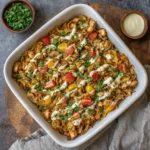
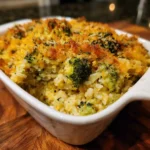
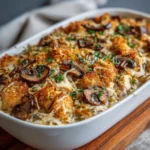
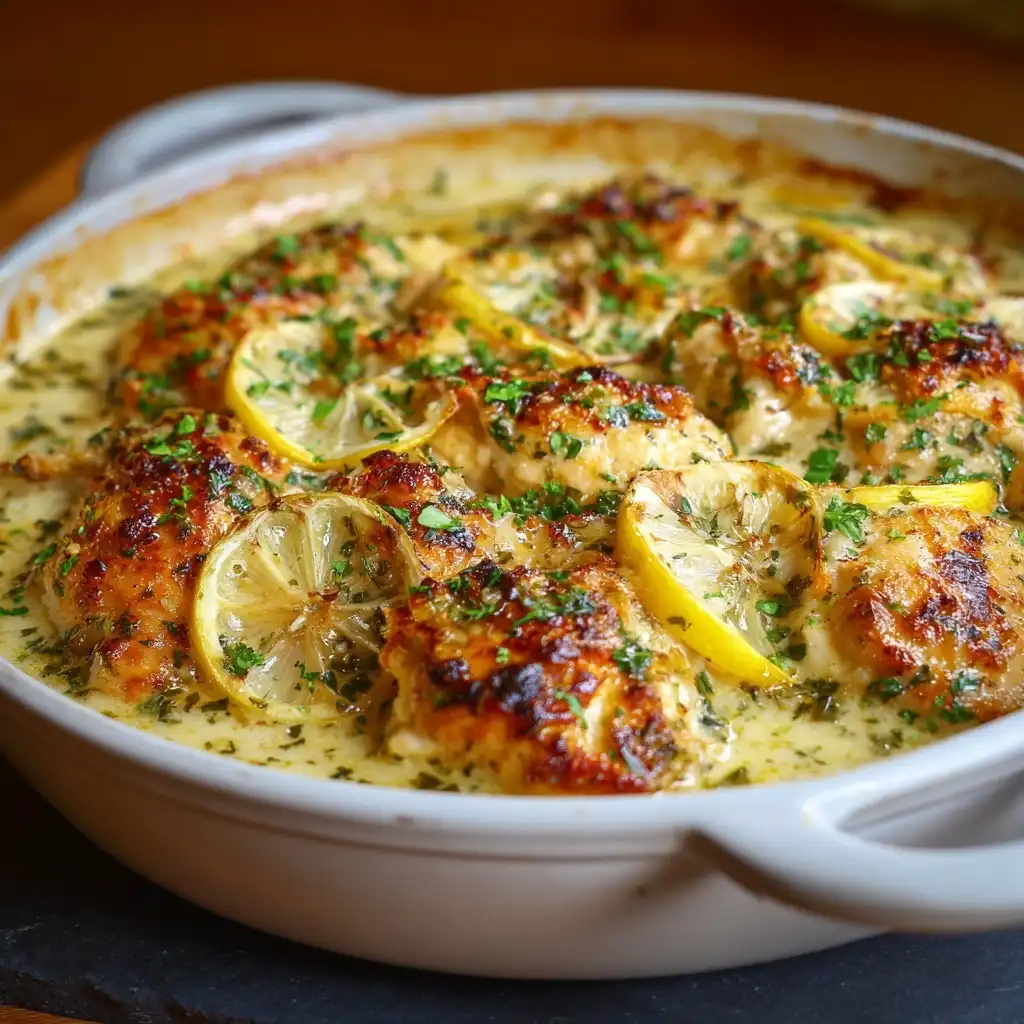
Lemon Herb Chicken Casserole is a vibrant, comforting, and nutritionally balanced one-dish meal that marries the bright acidity of fresh lemons with the earthy warmth of aromatic herbs—creating a dish that’s both elegant enough for dinner guests and effortless enough for weeknight family meals. With tender chicken breast or thigh pieces nestled in a creamy, herb-infused sauce, roasted vegetables, and a golden, lightly crisped topping, this casserole delivers layers of flavor, texture, and aroma in every bite. It’s naturally gluten-free (when prepared with certified GF ingredients), easily adaptable to dietary preferences, and reheats beautifully—making it a true cornerstone recipe for modern home cooks seeking simplicity without sacrificing sophistication.
The History
While no single origin story defines the Lemon Herb Chicken Casserole, its roots trace back to a confluence of culinary traditions spanning the Mediterranean, Southern Europe, and mid-century American home cooking. The use of lemon and herbs—especially rosemary, thyme, and oregano—has long been central to Greek, Italian, and Provençal cuisines, where citrus was employed not only for brightness but also as a natural tenderizer and preservative. In the 1950s and ’60s, American homemakers embraced the casserole format as a symbol of convenience and resourcefulness: baked dishes that could feed a crowd using pantry staples, leftover proteins, and seasonal produce. As global flavors entered mainstream U.S. kitchens in the 1980s and ’90s, chefs and food writers began reimagining traditional casseroles with bolder, fresher profiles—replacing heavy cream-of-soup bases with homemade lemon-herb sauces, swapping canned vegetables for roasted fresh ones, and emphasizing quality, whole-food ingredients. Today’s Lemon Herb Chicken Casserole reflects this evolution: a globally inspired, health-conscious, and deeply flavorful homage to both heritage techniques and contemporary values.
Ingredients Breakdown
Every component in this casserole serves a distinct purpose—building depth, balancing acidity, enhancing texture, or contributing nutritional density. Below is a detailed functional breakdown of the core ingredients:
- Chicken Breast or Thighs: Boneless, skinless chicken provides lean protein. Thighs offer richer flavor and superior moisture retention during baking; breasts yield a lighter, firmer texture. Both benefit from light brining or marinating in lemon juice and herbs prior to cooking.
- Fresh Lemon Juice & Zest: Juice contributes essential acidity that cuts through richness and activates herbal oils; zest delivers concentrated citrus aroma and volatile compounds that elevate the entire dish. Bottled juice is discouraged—it lacks nuance and contains preservatives that dull flavor.
- Fresh Herbs (Rosemary, Thyme, Parsley, Oregano): Rosemary adds piney, resinous depth; thyme contributes subtle floral-earthy notes; oregano lends Mediterranean warmth; parsley brings fresh, grassy brightness—especially when added at the end. Dried herbs may be substituted in a pinch (use ⅓ the amount), but fresh herbs dramatically increase aromatic complexity.
- Garlic & Shallots: These aromatics form the flavor foundation. Roasting them gently before mixing into the casserole mellows their sharpness and adds natural sweetness and umami.
- Low-Sodium Chicken Broth: Acts as both liquid medium and flavor enhancer. Opt for low-sodium versions to control salt levels and avoid overpowering delicate lemon notes. Homemade broth adds unmatched body and gelatinous richness.
- Greek Yogurt or Light Cream: Provides creaminess and tang without heaviness. Full-fat Greek yogurt adds protein and probiotics; light cream yields silkier mouthfeel. Avoid sour cream for extended baking—it may separate.
- Olive Oil (Extra Virgin): Used for roasting vegetables and sautéing aromatics. Its polyphenols and antioxidants contribute health benefits while lending fruity, peppery undertones that harmonize with lemon and herbs.
- Roasted Vegetables (Zucchini, Bell Peppers, Red Onion, Cherry Tomatoes): Add color, fiber, vitamins, and natural sweetness. Roasting concentrates their sugars and deepens flavor—essential for balancing acidity.
- Whole-Grain or Gluten-Free Breadcrumbs (Optional Topping): Adds textural contrast and gentle crunch. Panko, toasted almond flour, or crushed gluten-free cornflakes work well for those avoiding wheat. Infusing breadcrumbs with lemon zest and herbs before sprinkling ensures cohesive flavor integration.
- Finishing Touches (Lemon Wedges, Fresh Herb Sprigs, Microgreens): Serve alongside or on top to refresh the palate, reinforce citrus notes, and enhance visual appeal—critical for sensory engagement.
Step-by-Step Recipe
- Prep & Marinate (30 minutes–2 hours): Cube 1.5 lbs boneless, skinless chicken (breast or thighs). In a non-reactive bowl, combine chicken with ¼ cup fresh lemon juice, 2 tsp lemon zest, 3 minced garlic cloves, 1 tbsp chopped fresh rosemary, 1 tbsp chopped fresh thyme, 1 tsp dried oregano, 2 tbsp olive oil, ½ tsp black pepper, and ¾ tsp sea salt. Gently toss, cover, and refrigerate for at least 30 minutes (up to 2 hours for deeper flavor).
- Roast the Vegetables (25 minutes): Preheat oven to 425°F (220°C). On a parchment-lined sheet pan, toss 2 medium zucchinis (sliced ½-inch thick), 1 red bell pepper (strips), 1 yellow bell pepper (strips), 1 medium red onion (wedges), and 1 cup halved cherry tomatoes with 3 tbsp olive oil, 1 tsp salt, ½ tsp black pepper, and 1 tsp chopped thyme. Roast for 20–25 minutes, flipping halfway, until edges are caramelized and vegetables are tender-crisp. Remove and let cool slightly.
- Sauté Aromatics (5 minutes): In a large oven-safe skillet or Dutch oven over medium heat, warm 1 tbsp olive oil. Add 3 finely minced shallots and 3 more garlic cloves. Sauté 3–4 minutes until fragrant and translucent—do not brown. Stir in 1 tsp lemon zest and cook 30 seconds more to release oils.
- Build the Base Sauce (3 minutes): Whisk in 1 cup low-sodium chicken broth, ¾ cup plain full-fat Greek yogurt, 1 tbsp Dijon mustard (for emulsification and subtle tang), and 2 tbsp chopped fresh parsley. Simmer gently 2 minutes, stirring constantly, until slightly thickened. Remove from heat and stir in roasted vegetables.
- Combine & Layer (2 minutes): Drain excess marinade from chicken (reserve 2 tbsp for deglazing if desired) and add chicken pieces to the skillet. Gently fold to coat evenly in sauce and vegetables. Ensure chicken is submerged where possible for even cooking.
- Bake (35–40 minutes): Transfer skillet to a preheated 375°F (190°C) oven. Bake uncovered for 35 minutes—or until chicken reaches 165°F internally and sauce is bubbling gently at edges. For a golden crust, broil on high for 1–2 minutes at the end (watch closely).
- Rest & Finish (10 minutes): Remove from oven and let rest 10 minutes—this allows juices to redistribute and sauce to settle. Stir gently, then garnish generously with extra lemon zest, fresh parsley, microgreens, and lemon wedges. Serve warm.
Tips
- Brine for Juiciness: For ultra-tender chicken, submerge cubed chicken in a quick 15-minute brine: 2 cups cold water + 2 tbsp kosher salt + 1 tbsp lemon juice + 1 tsp thyme. Pat dry before marinating.
- Acid Timing Matters: Always add lemon juice *before* cooking to tenderize; add additional juice *after* baking to preserve its bright, volatile top notes.
- Prevent Curdling: Temper Greek yogurt by whisking a few tablespoons of warm broth into it first before adding to the pan. Never boil the sauce once yogurt is incorporated.
- Roast Vegetables Separately: This avoids steaming and ensures caramelization—key for sweetness and depth. Adding them raw will result in mushy, watery texture.
- Use an Oven-Safe Skillet: Eliminates transfer steps and builds fond (browned bits) that enrich flavor. Cast iron, enameled cast iron, or stainless steel work best.
- Check Doneness Correctly: Insert an instant-read thermometer into the thickest chicken piece—not touching bone or pan. Wait 2 seconds for accurate reading. Overcooking dries out chicken rapidly.
- Boost Umami: Add 1 tsp white miso paste or ½ tsp mushroom powder to the sauce base—it enhances savoriness without altering lemon-herb profile.
- Make Ahead Smart: Assemble up to 1 day ahead (without baking), cover tightly, and refrigerate. Add 5–7 minutes to bake time if going straight from fridge to oven.
- Freeze with Foresight: Freeze unbaked casserole in airtight, oven-safe container for up to 3 months. Thaw overnight in fridge before baking—do not bake from frozen.
- Revive Leftovers: Reheat gently in a covered skillet over low heat with a splash of broth or lemon water to restore moisture. Avoid microwave-only reheating—it toughens chicken.
Variations and Customizations
This casserole is inherently versatile—designed to accommodate seasonal produce, pantry availability, cultural influences, and dietary frameworks. Here are thoughtfully tested adaptations:
- Mediterranean Twist: Add ½ cup kalamata olives, ¼ cup crumbled feta (added in last 5 minutes of baking), and 2 tbsp capers. Swap oregano for marjoram and finish with fresh mint.
- Herbes de Provence Edition: Replace individual herbs with 2 tbsp Herbes de Provence blend. Add 1 diced fennel bulb to roasted vegetables and a splash of pastis or dry vermouth to the sauce base.
- Creamy Dill & Garlic Version: Substitute dill and chives for rosemary/thyme; replace lemon zest with 1 tbsp grated lemon peel and add 2 tbsp fresh dill to sauce. Stir in ¼ cup crème fraîche at the end.
- Spiced Moroccan-Inspired: Use ras el hanout (1½ tsp) instead of dried oregano; add ¼ cup dried apricots and 2 tbsp slivered almonds. Garnish with cilantro and harissa drizzle.
- Paleo/Keto Adaptation: Skip breadcrumbs; top with crushed macadamia nuts and avocado oil–roasted cauliflower “rice.” Use ghee instead of olive oil and coconut milk (full-fat, unsweetened) in place of yogurt.
- Vegan Option: Replace chicken with 1.5 lbs extra-firm marinated tofu (pressed & cubed) or 3 cups cooked lentils. Use vegetable broth, cashew cream, and lemon-infused nutritional yeast for richness. Add sun-dried tomatoes for umami depth.
- Low-Carb/Low-FODMAP: Omit shallots and garlic; substitute garlic-infused oil and green onion tops (green parts only). Use leek greens (pre-washed) sparingly, and swap zucchini for green beans or asparagus.
- Sheet Pan Variation: Skip skillet assembly—layer marinated chicken and roasted veggies on parchment-lined sheet pan, pour sauce over top, and bake at 400°F for 30 minutes. Broil 2 minutes to finish.
- Breakfast-for-Dinner Spin: Stir in 4 whisked eggs and ¼ cup grated Gruyère 10 minutes before end of bake. Top with chives and serve with arugula salad.
- Global Fusion: Thai-Inspired: Replace lemon with lime; use lemongrass paste (1 tbsp), ginger (1 tbsp grated), fish sauce (1 tsp), and Thai basil. Top with crushed peanuts and lime wedges.
Health Considerations and Nutritional Value
A single 1¼-cup serving (approx. 320g) of Lemon Herb Chicken Casserole—prepared with skinless chicken breast, Greek yogurt, olive oil, and abundant vegetables—offers a nutrient-dense, balanced profile aligned with current dietary guidelines:
- Calories: ~340–380 kcal (varies by cut of chicken and oil quantity)
- Protein: 32–38g — supports muscle maintenance, satiety, and metabolic health. Chicken provides all nine essential amino acids; Greek yogurt adds whey and casein.
- Fat: 14–18g total — predominantly monounsaturated (from olive oil and chicken) and beneficial saturated fats (from yogurt). Contains zero trans fats and minimal omega-6 if using high-oleic oils.
- Carbohydrates: 12–16g — primarily from non-starchy vegetables (zucchini, peppers, tomatoes), offering fiber (4–5g), vitamin C, potassium, and antioxidants like lycopene and beta-carotene.
- Vitamins & Minerals: Exceptionally rich in Vitamin C (120% DV from lemon + peppers), Vitamin A (65% DV), Vitamin K (45% DV from herbs/greens), B6 (40% DV), folate (30% DV), selenium (55% DV), and zinc (35% DV).
- Phytonutrients: Lemon zest contains limonene (studied for antioxidant and anti-inflammatory activity); rosemary has carnosic acid (neuroprotective); thyme supplies thymol (antimicrobial); olive oil polyphenols support endothelial function.
- Dietary Accommodations: Naturally gluten-free (verify broth & mustard labels); dairy-modifiable (substitute coconut yogurt or cashew cream); low-sodium adaptable (reduce salt by 50%, boost herbs/citrus); suitable for Weight Watchers (approx. 7–8 SmartPoints), Mediterranean, DASH, and Flexitarian diets.
- Cautions: Those with GERD or severe acid sensitivity may reduce lemon juice by half and emphasize zest only. Individuals on warfarin should maintain consistent vitamin K intake—consult dietitian before major herb increases. Low-FODMAP versions require careful ingredient selection (e.g., garlic-infused oil vs. raw garlic).
This dish exemplifies “food as medicine”: anti-inflammatory, gut-supportive (prebiotic fibers + probiotic yogurt), blood-sugar stabilizing (low glycemic load + high protein/fiber), and heart-healthy (monounsaturated fats + potassium + nitrate-rich vegetables).
Ingredients
- 1.5 lbs boneless, skinless chicken breast or thighs, cubed into 1-inch pieces
- ¼ cup freshly squeezed lemon juice (about 2 large lemons)
- 3 tsp finely grated lemon zest (from 2 lemons)
- 6 garlic cloves, divided (3 minced for marinade, 3 minced for sauce)
- 1 tbsp extra virgin olive oil (plus 3 tbsp for roasting)
- 1 tbsp fresh rosemary, finely chopped (or 1 tsp dried)
- 1 tbsp fresh thyme leaves (or 1 tsp dried)
- 1 tsp dried oregano
- 1 tsp freshly ground black pepper
- ¾ tsp fine sea salt (plus more to taste)
- 2 medium zucchinis, sliced ½-inch thick
- 1 red bell pepper, julienned
- 1 yellow bell pepper, julienned
- 1 medium red onion, cut into 1-inch wedges
- 1 cup cherry tomatoes, halved
- 3 medium shallots, finely minced
- 1 cup low-sodium chicken broth (vegetable broth for vegetarian version)
- ¾ cup plain full-fat Greek yogurt (unsweetened, unflavored)
- 1 tbsp Dijon mustard (gluten-free if needed)
- 2 tbsp fresh flat-leaf parsley, chopped (plus extra for garnish)
- Lemon wedges, microgreens, and extra lemon zest for serving
Directions
- In a large bowl, combine chicken, ¼ cup lemon juice, 2 tsp lemon zest, 3 minced garlic cloves, 1 tbsp olive oil, rosemary, thyme, oregano, black pepper, and sea salt. Toss gently to coat. Cover and refrigerate 30 minutes to 2 hours.
- Preheat oven to 425°F (220°C). Line a large baking sheet with parchment paper. In a bowl, toss zucchini, bell peppers, red onion, and cherry tomatoes with 3 tbsp olive oil, 1 tsp salt, ½ tsp black pepper, and 1 tsp thyme. Spread evenly on sheet. Roast 20–25 minutes, flipping halfway, until tender and lightly caramelized. Set aside to cool slightly.
- Heat 1 tbsp olive oil in a large oven-safe skillet or Dutch oven over medium heat. Add minced shallots and remaining 3 garlic cloves; sauté 3–4 minutes until soft and fragrant. Stir in remaining 1 tsp lemon zest; cook 30 seconds.
- Whisk in chicken broth, Greek yogurt, and Dijon mustard. Bring to a gentle simmer, stirring constantly, for 2 minutes until slightly thickened. Remove from heat. Stir in roasted vegetables and 2 tbsp parsley.
- Add marinated chicken (discarding excess marinade) to skillet. Fold gently to combine, ensuring chicken is coated and partially submerged.
- Transfer skillet to a preheated 375°F (190°C) oven. Bake uncovered for 35 minutes, or until chicken reaches 165°F internally and sauce bubbles at edges.
- For optional golden top, switch oven to broil (high) and broil 1–2 minutes—watch closely to prevent burning.
- Remove from oven and rest 10 minutes. Stir gently. Garnish with extra lemon zest, fresh parsley, microgreens, and lemon wedges. Serve warm.
FAQ
- Can I use frozen chicken?
- Yes—but thaw completely in the refrigerator first. Never marinate or bake from frozen, as uneven cooking increases food safety risk and results in rubbery texture. Pat dry thoroughly before marinating to ensure proper absorption.
- Why does my sauce look curdled?
- Curdling occurs when yogurt is exposed to high heat too quickly or mixed with acidic ingredients without tempering. Always whisk yogurt with a little warm broth first, add off-heat, and never boil after incorporation. Using full-fat, high-quality Greek yogurt also reduces separation risk.
- Can I make this dairy-free?
- Absolutely. Replace Greek yogurt with ¾ cup unsweetened, full-fat coconut milk (canned, stirred well) or a blend of ½ cup raw cashew cream + ¼ cup lemon juice. Add 1 tsp arrowroot powder to stabilize if needed.
- What’s the best herb substitution if I don’t have rosemary or thyme?
- Marjoram offers the closest flavor bridge—mild, sweet, and slightly citrusy. Savory or tarragon also work well. Avoid strong-flavored herbs like sage or mint unless intentionally pursuing a specific fusion profile.
- How do I store and reheat leftovers?
- Cool completely, then store in airtight container in refrigerator up to 4 days. Reheat gently in a covered skillet over low heat with 1–2 tbsp broth or water to restore moisture. Microwave reheating is acceptable if covered and stirred every 30 seconds—but stovetop yields superior texture.
- Can I add cheese? Which kind works best?
- Yes—but add toward the end to prevent greasiness. Feta, goat cheese, or crumbled blue cheese complement lemon beautifully. For melting, try fontina or provolone—sprinkle over top during final 5 minutes of baking.
- Is this casserole spicy?
- No—it’s naturally mild and bright. To add gentle heat, stir in ¼ tsp red pepper flakes with herbs, or serve with harissa or chili oil on the side.
- Can I double the recipe?
- Yes—use two skillets or a large 9×13-inch ceramic baking dish. Increase bake time by 5–8 minutes and verify internal temperature. Avoid overcrowding, which leads to steaming instead of roasting.
- Why roast vegetables separately instead of layering raw?
- Roasting drives off excess moisture, concentrates flavor, and creates Maillard browning—essential for sweetness and complexity. Raw vegetables release water during baking, diluting the sauce and making the casserole soggy.
- What wine pairs well with this dish?
- A crisp, high-acid white wine balances the lemon beautifully: Sauvignon Blanc (Loire or New Zealand), Vermentino, or dry Riesling. For red lovers, choose a light-bodied, low-tannin option like chilled Pinot Noir or Gamay.
Summary
Lemon Herb Chicken Casserole is a masterclass in balanced, vibrant, and nourishing home cooking—where zesty citrus, garden-fresh herbs, tender chicken, and caramelized vegetables unite in a single, effortlessly elegant dish. It’s endlessly adaptable, nutritionally robust, and designed to delight across seasons, diets, and occasions—with minimal hands-on time and maximum flavor impact.
Whether you’re meal-prepping for the week, hosting friends, or simply craving something wholesome yet exciting, this casserole delivers restaurant-worthy satisfaction with the comfort and simplicity of a beloved family favorite—proving that healthy, flavorful, and joyful eating truly go hand in hand.