Introduction
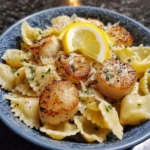
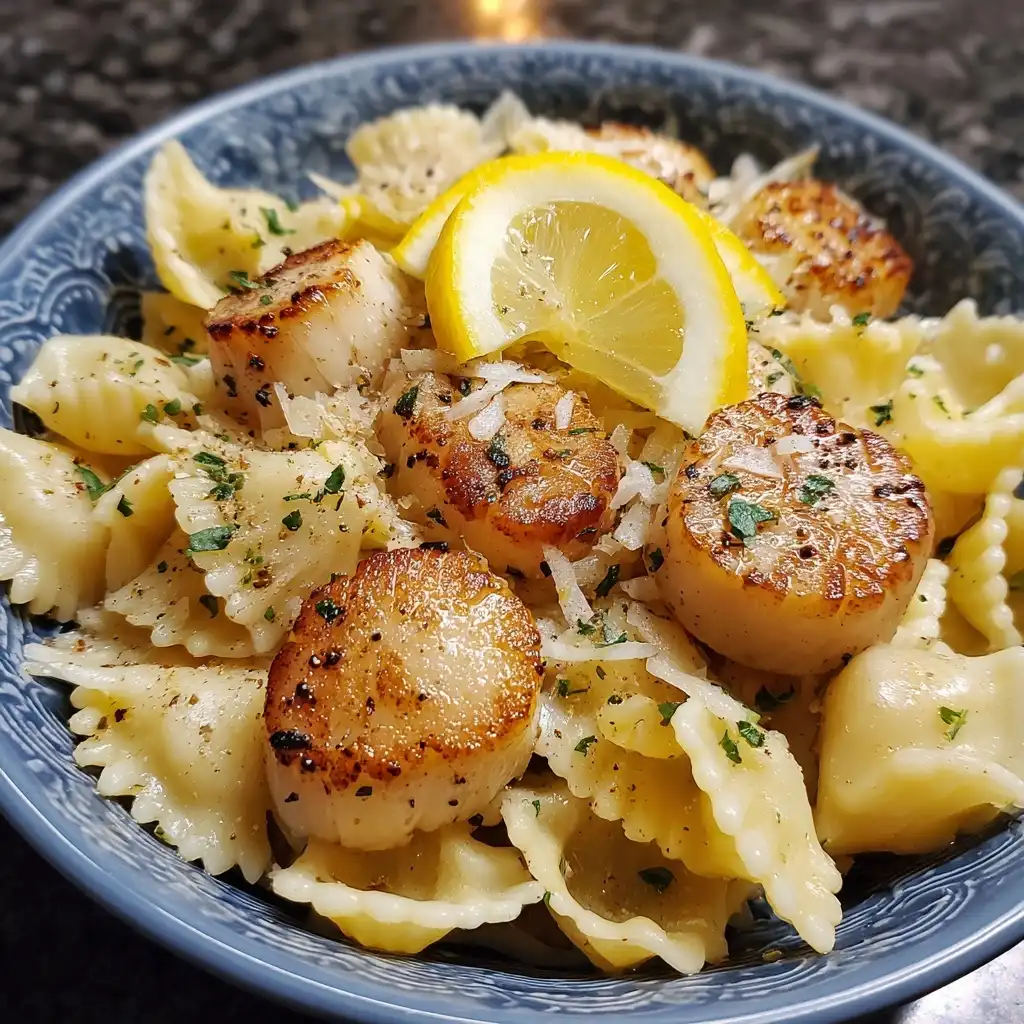
Lemon Garlic Butter Scallop Pasta is an elegant yet approachable dish that marries the delicate sweetness of fresh sea scallops with the bright, zesty tang of lemon, the aromatic depth of sautéed garlic, and the rich, velvety embrace of browned butter—all tossed with perfectly al dente pasta. It’s a restaurant-quality meal that can be prepared in under 30 minutes, making it ideal for weeknight dinners with wow factor or impressing guests without hours of prep. This dish celebrates simplicity done masterfully: minimal ingredients, maximum flavor; careful technique, unforgettable results. Whether you’re a seafood novice or a seasoned home cook, this recipe offers both accessibility and sophistication—proof that luxury on the plate doesn’t require complexity, just intention, quality components, and respect for timing.
The History
While there’s no single documented origin for “Lemon Garlic Butter Scallop Pasta” as a named dish, its roots trace across several culinary traditions. Scallops have been prized in coastal cuisines for millennia—from ancient Mediterranean fishing villages to Indigenous Pacific Northwest communities who dried and smoked them for preservation. The French technique of *à la meunière* (flour-dusted proteins pan-seared in butter, finished with lemon and parsley) laid the foundational method in the 19th century, later adopted and adapted by American chefs seeking lighter, brighter interpretations. Italian-American kitchens in the mid-20th century began fusing this French preparation with pasta—traditionally reserved for tomato- or cream-based sauces—pioneering the now-ubiquitous “seafood pasta” category. The addition of garlic reflects broader Mediterranean influences, while lemon’s prominence signals the rise of California cuisine in the 1970s and ’80s, championed by chefs like Alice Waters who emphasized acidity, freshness, and seasonal balance. Today, Lemon Garlic Butter Scallop Pasta stands as a modern classic: a global hybrid born from centuries of coastal cooking wisdom, refined for contemporary palates that crave vibrancy, texture, and clean, uncluttered flavor profiles.
Ingredients Breakdown
Every element in this recipe serves a precise purpose—no filler, no afterthoughts. Here’s why each ingredient matters:
- Sea Scallops (U-10 or U-15): “U” stands for “under”—meaning fewer than 10 or 15 scallops per pound. These large, dry-packed, diver-caught scallops offer superior sweetness, firm texture, and caramelization potential. Avoid “wet-packed” scallops treated with sodium tripolyphosphate (STPP), which retain water, inhibit browning, and impart a soapy aftertaste.
- Pasta (Spaghetti, Linguine, or Angel Hair): Long, slender pastas capture the glossy sauce beautifully. Spaghetti offers ideal bite and structure; linguine’s slight flatness holds sauce more generously; angel hair delivers ethereal lightness—perfect when you want the scallops to truly shine. Always use bronze-die extruded pasta for superior sauce adhesion.
- Unsalted Butter (European-style, 82–84% fat): High-fat butter browns more evenly, develops deeper nutty notes (*beurre noisette*), and emulsifies smoothly into the sauce. Unsalted gives you full control over seasoning.
- Fresh Garlic (minced, not pre-minced): Enzymes in fresh garlic release allicin when crushed—responsible for its pungent aroma and health benefits. Pre-minced garlic lacks volatility and often contains preservatives that mute flavor.
- Lemons (Meyer or Eureka): Meyer lemons offer floral sweetness and lower acidity—ideal for a balanced finish. Eureka lemons provide bold, clean tartness. Always zest before juicing to capture volatile citrus oils—the soul of the dish’s brightness.
- White Wine (Dry, high-acid varietals like Sauvignon Blanc or Pinot Grigio): Deglazes the pan, lifts fond, adds subtle fruitiness and acidity without sweetness. Avoid “cooking wine”—its salt and preservatives overwhelm delicate scallops.
- Fresh Parsley (flat-leaf/Italian): Adds grassy freshness, visual contrast, and a mild chlorophyll bitterness that cuts through richness. Curly parsley lacks flavor intensity and textural appeal.
- Red Pepper Flakes (optional but recommended): Not for heat—but for aromatic complexity. Toasted flakes release fruity, smoky esters that complement both seafood and citrus without dominating.
- High-Heat Oil (Avocado or grapeseed): Used only for searing scallops. Neutral flavor and high smoke point prevent burning and ensure golden crust formation without off-flavors.
- Finishing Salt (Flaky sea salt like Maldon): Applied at the end, it provides bursts of salinity and delicate crunch—enhancing all other flavors without oversalting the delicate scallops.
Step-by-Step Recipe
- Prep & Pat Dry (10 minutes ahead): Remove scallops from fridge 15 minutes before cooking. Using paper towels, press firmly—not rub—to remove every trace of surface moisture. This is non-negotiable for achieving a deep golden sear. Season lightly with flaky salt and white pepper (black pepper can taste bitter when seared).
- Cook Pasta Al Dente (1 minute less than package time): Bring 5 quarts well-salted water (2 Tbsp kosher salt) to a rolling boil. Add pasta and stir immediately. Cook until just shy of tender—firm to the bite with a faint white core. Reserve 1 cup starchy pasta water before draining. Do NOT rinse—starch is essential for emulsification.
- Sear Scallops (3–4 minutes total): Heat 1½ Tbsp avocado oil in a heavy-bottomed stainless steel or cast-iron skillet over medium-high heat until shimmering (not smoking). Place scallops in a single layer, leaving space between. Press gently with a spatula for 1 second to ensure contact. Cook undisturbed for 1¾–2 minutes until deeply golden brown and easily releases. Flip and cook 1–1½ minutes more until just opaque at the center (carryover cooking will finish them). Transfer to a warm plate; tent loosely with foil.
- Build the Sauce (4 minutes): Reduce heat to medium-low. In the same skillet, add 3 Tbsp butter. Swirl until melted, then continue cooking until foam subsides and butter turns pale amber with nutty aroma (~2 minutes). Add minced garlic and red pepper flakes; stir constantly for 30 seconds until fragrant but not browned. Pour in ¼ cup dry white wine, scraping vigorously with a wooden spoon to lift all caramelized bits (fond). Simmer 1 minute until reduced by half.
- Emulsify & Finish (2 minutes): Reduce heat to low. Add lemon zest and juice (from 1½ lemons), stirring to combine. Gradually whisk in reserved hot pasta water, 2 Tbsp at a time, until sauce thickens to a silky, coat-the-back-of-a-spoon consistency. Taste and adjust: more lemon for brightness, pinch of salt for balance, touch of butter for richness.
- Combine & Serve (1 minute): Add drained pasta and half the parsley to the skillet. Toss gently over low heat for 30 seconds to coat. Gently fold in scallops (do NOT stir vigorously—scallops are fragile). Top with remaining parsley, lemon zest, flaky salt, and a final drizzle of high-quality olive oil if desired. Serve immediately.
Tips
- Temperature is Everything: Scallops must be cool-but-not-cold (45–50°F) for optimal sear. Too cold = steam instead of sear. Too warm = rapid protein breakdown = mush.
- The “No Peek” Rule: Resist flipping or moving scallops during initial sear. Disturbing them prevents Maillard reaction and crust formation. Wait until they release effortlessly.
- Brown Butter Nuance: Butter should be *beurre noisette*—nut-brown, not black. If it smells burnt, discard and start over. Burnt butter tastes acrid and ruins the entire dish.
- Wine Substitution Wisdom: No wine? Use 2 Tbsp apple cider vinegar + 2 Tbsp water + ½ tsp sugar to mimic acidity and fruitiness. Never omit acid—it’s the backbone of balance.
- Pasta Water Science: Starchy water contains amylose—a natural thickener and emulsifier. Adding it cold breaks the emulsion; always use hot, freshly reserved water.
- Gentle Folding: Use tongs, not spoons or forks. Lift and turn pasta to avoid breaking scallops or tearing delicate strands.
- Acid Timing: Always add lemon juice *after* wine reduction and *before* adding pasta. Adding it too early cooks off volatile aromatics; too late prevents integration.
- Resting Myth: Scallops should never rest longer than 2 minutes before serving. They cool quickly and lose textural contrast. Have everything else ready before searing.
- Visual Doneness Cue: Perfect scallops are opaque with a faintly translucent ring at the very center—they’ll finish cooking from residual heat in 60–90 seconds off the pan.
- Equipment Matters: Stainless steel or cast iron > nonstick for searing. Nonstick inhibits fond development and prevents proper browning due to inferior heat retention.
Variations and Customizations
Protein Swaps
- Shrimp: Use large (21/25 count), peeled and deveined, tails on or off. Sear 1–1.5 minutes per side. Reduce garlic time to 15 seconds (shrimp cook faster).
- Halibut or Cod: Cut into 1-inch cubes. Pat dry, season, and sear skin-side down first (if skin-on) for crispness. Adjust cook time to 2–3 minutes per side.
- Clams or Mussels: Steam in white wine, garlic, and herbs until opened (5–7 minutes). Strain liquid for sauce base; discard unopened shells. Fold in at the end.
Pasta Alternatives
- Gluten-Free: Brown rice or lentil pasta—cook 30 seconds less than directed and rinse briefly to remove excess starch that can gummy the sauce.
- Low-Carb: Spiralized zucchini (“zoodles”) or shirataki noodles. Sauté separately 1–2 minutes to evaporate water; add in final 30 seconds of tossing.
- Whole Grain: Farro or freekeh for chewy, nutty contrast. Cook separately, chill, then warm in sauce to prevent mushiness.
Flavor Twists
- Herbaceous: Add 1 tsp fresh thyme leaves with garlic; finish with chives and micro basil.
- Umami-Rich: Stir in 1 tsp white miso paste with lemon juice; garnish with toasted nori strips.
- Spiced: Bloom ½ tsp ground coriander and ¼ tsp turmeric with garlic; finish with crumbled feta and mint.
- Creamy: Whisk in 2 Tbsp crème fraîche or mascarpone at the end—adds luxurious body without heaviness.
- Roasted Vegetable Integration: Toss in blistered cherry tomatoes, roasted asparagus tips, or caramelized fennel ribbons for earthy sweetness.
Dietary Accommodations
- Dairy-Free: Substitute ghee (clarified butter) for butter; add 1 tsp nutritional yeast for depth. Ensure wine is vegan-certified (some use animal-derived fining agents).
- Vegan: Replace scallops with king oyster mushroom “scallops” (thick slices seared until golden and tender); use vegan butter and vegetable broth instead of wine.
- Low-Sodium: Omit added salt; rely on lemon, herbs, and high-quality ingredients for flavor. Use low-sodium vegetable broth in place of wine.
- Keto: Serve over roasted cauliflower “rice” or spaghetti squash; increase butter to 4 Tbsp and add 1 Tbsp olive oil for fat density.
Health Considerations and Nutritional Value
A 1¾-cup serving (approx. 200g cooked pasta + 6 large scallops + full sauce) provides approximately:
- Calories: 520–580 kcal (varies by pasta type and butter amount)
- Protein: 32–36g (Scallops are a complete protein—rich in all 9 essential amino acids, especially taurine for cardiovascular support)
- Healthy Fats: 22–26g (Primarily monounsaturated from olive oil/butter; includes conjugated linoleic acid [CLA] in grass-fed butter—linked to anti-inflammatory effects)
- Carbohydrates: 48–52g (Mostly complex carbs from whole-grain or legume pasta options; glycemic load remains moderate due to high protein/fat content)
- Vitamins & Minerals: Exceptionally high in selenium (120% DV), vitamin B12 (180% DV), magnesium (35% DV), and zinc (40% DV). Lemon contributes 110% DV vitamin C—enhancing iron absorption from pasta.
Key Health Notes:
- Mercury & Toxins: Scallops rank among the lowest-mercury seafood (0.003 ppm avg)—safer than tuna, swordfish, or even shrimp. Opt for U.S.-harvested Atlantic or Pacific scallops, which adhere to strict NOAA sustainability and contaminant testing.
- Omega-3s: While not as rich as fatty fish, scallops contain 220–280mg EPA/DHA per 3oz serving—supporting cognitive function and reducing systemic inflammation.
- Butter Debate: Modern research shows saturated fat from whole foods like butter isn’t inherently harmful when consumed in context of a balanced diet. Its butyrate content supports gut barrier integrity and may improve insulin sensitivity.
- Lemon Benefits: Citric acid enhances mineral bioavailability; limonene (in zest) exhibits antioxidant and potential anticancer properties in preclinical studies.
- Considerations: Those with shellfish allergies must avoid entirely. Individuals managing hypertension should monitor sodium via added salt and opt for low-sodium broth substitutes. Those with lactose intolerance tolerate clarified butter (ghee) well, as milk solids are removed.
Ingredients
- 1 lb (450g) dry spaghetti, linguine, or angel hair pasta
- 1 lb (450g) dry-packed U-10 or U-15 sea scallops, muscle removed, patted extremely dry
- ¼ cup (60ml) high-smoke-point oil (avocado or grapeseed)
- 6 Tbsp (85g) unsalted European-style butter, divided
- 6 cloves garlic, finely minced (about 2 Tbsp)
- ¼ cup (60ml) dry white wine (Sauvignon Blanc or Pinot Grigio)
- Zest and juice of 1½ medium lemons (about 3 Tbsp juice)
- ½ tsp red pepper flakes (optional, for aromatic warmth)
- ⅓ cup (15g) fresh flat-leaf parsley, finely chopped, plus extra for garnish
- 1 tsp flaky sea salt (e.g., Maldon), plus more to taste
- Freshly ground white pepper
- Extra virgin olive oil (for finishing, optional)
Directions
- Bring a large pot (5–6 quarts) of water to a vigorous boil. Add 2 Tbsp kosher salt. Add pasta and cook, stirring occasionally, until 1 minute shy of al dente (check package time). Reserve 1 cup (240ml) of hot pasta water, then drain pasta thoroughly in a colander. Do not rinse.
- While pasta cooks, prepare scallops: Place on triple-layered paper towels. Press firmly to extract all moisture. Season lightly with flaky salt and white pepper.
- Heat oil in a 12-inch heavy-bottomed skillet (stainless steel or cast iron) over medium-high heat until shimmering (350°F). Arrange scallops in a single layer, leaving space between. Press gently with a spatula for 1 second. Cook undisturbed 1¾–2 minutes until deeply golden brown and releasing easily. Flip and cook 1–1½ minutes more until just opaque at center. Transfer to a warm plate; tent loosely with foil.
- Reduce heat to medium-low. Add 3 Tbsp butter to same skillet. Swirl until melted, then cook 1–2 minutes until foaming subsides and butter turns pale amber with nutty aroma. Add garlic and red pepper flakes; stir constantly 30 seconds until fragrant (do not brown).
- Pour in white wine. Scrape bottom vigorously with a wooden spoon to lift all browned bits. Simmer 1 minute until reduced by half.
- Reduce heat to low. Add lemon zest and juice. Whisk in reserved hot pasta water, 2 Tbsp at a time, until sauce reaches a glossy, emulsified consistency that coats the back of a spoon (about 4–5 additions).
- Add drained pasta and half the parsley to skillet. Toss gently over low heat 30 seconds to absorb sauce.
- Gently fold in scallops using tongs—lift and turn, do not stir. Cook 15 seconds to warm through.
- Transfer to warmed bowls. Top with remaining parsley, extra lemon zest, flaky salt, and a drizzle of olive oil if desired. Serve immediately.
FAQ
- Can I use frozen scallops?
- Yes—but only if individually quick-frozen (IQF), thawed overnight in the fridge, and *thoroughly* patted dry. Never thaw under running water (they’ll absorb moisture). Expect slightly less caramelization than fresh, dry-pack scallops.
- Why does my sauce break or look greasy?
- Three main causes: (1) Butter was too hot when adding liquid—cool sauce base slightly before adding pasta water; (2) Pasta water was cold—always use hot, starchy water; (3) Overheating after emulsification—keep heat low and whisk gently. If broken, whisk in 1 tsp cold water or lemon juice to re-emulsify.
- Can I make this ahead of time?
- The sauce base (browned butter, garlic, wine reduction) can be made up to 2 days ahead and refrigerated. Reheat gently before adding lemon and pasta water. Scallops and pasta should be cooked fresh—reheating makes scallops rubbery and pasta mushy.
- What’s the best wine pairing?
- Match the dish’s acidity and delicacy: A crisp, mineral-driven Chablis (unoaked Chardonnay), Vermentino from Sardinia, or Txakoli from Spain. Avoid oaky or high-alcohol wines that overwhelm the scallops.
- My scallops released water in the pan—what went wrong?
- Insufficient drying. Even 30 seconds of towel pressing isn’t enough—press for 60+ seconds, changing towels if wet. Also check for wet-packed scallops (ingredients list: “sodium tripolyphosphate”).
- Can I double the recipe?
- Yes—but sear scallops in two batches to avoid overcrowding (which steams instead of sears). Use two skillets if possible, or hold first batch warm while cooking second. Double sauce ingredients proportionally.
- Is there a substitute for white wine?
- Yes: 2 Tbsp apple cider vinegar + 2 Tbsp water + ½ tsp raw honey or maple syrup. Simmer 1 minute before proceeding. Avoid chicken broth—it adds unwanted savoriness that clashes with lemon.
- How do I store leftovers?
- Refrigerate within 2 hours in an airtight container for up to 2 days. Reheat gently in a skillet over low heat with 1 tsp water or broth to refresh sauce—never microwave (scallops toughen). Best enjoyed fresh.
- Why use white pepper instead of black?
- White pepper has a milder, earthier heat and lacks the volatile oils in black pepper that can turn bitter when exposed to high heat during searing. It also blends visually for a cleaner presentation.
- Can I add cheese?
- Traditionally no—cheese competes with delicate scallop flavor and can curdle in acidic lemon sauce. If desired, serve grated Pecorino Romano on the side for diners to add themselves.
Summary
Lemon Garlic Butter Scallop Pasta is a masterclass in minimalist elegance—where pristine, sweet scallops meet nutty browned butter, pungent garlic, and vibrant lemon in perfect harmony over tender pasta, all bound by the magic of starchy water emulsion.
It’s a dish that rewards attention to detail—dry scallops, precise heat control, fresh citrus, and thoughtful timing—delivering restaurant-worthy sophistication with the comforting familiarity of a beloved weeknight staple.