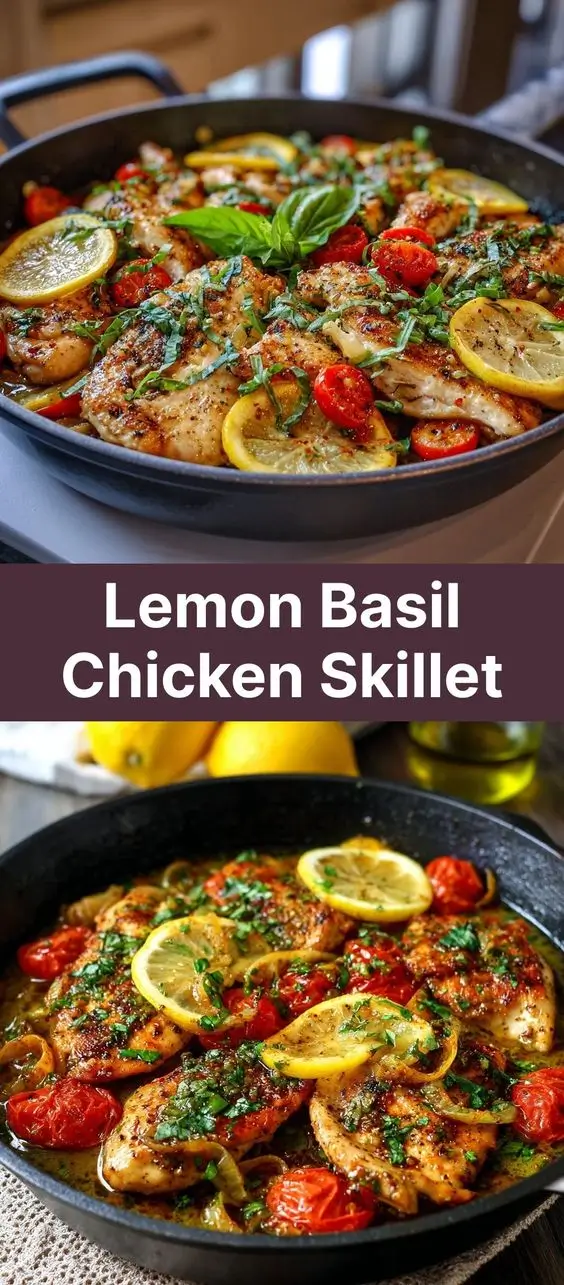
Lemon Basil Chicken Skillet: A Zesty, Aromatic One-Pan Wonder
The History of Lemon Basil Chicken Skillet
The Lemon Basil Chicken Skillet is a modern culinary creation that embodies the fusion of Mediterranean zest and Southeast Asian herbal influence. While not rooted in any single traditional cuisine, this dish draws inspiration from Italian lemon-herb chicken preparations and Thai basil chicken stir-fries, blending bright citrus notes with the sweet, slightly peppery essence of fresh basil. The one-pan skillet method reflects contemporary home cooking trends—emphasizing simplicity, minimal cleanup, and bold flavors. Over the past two decades, as global ingredients became more accessible and home cooks embraced vibrant, health-conscious meals, recipes like this gained popularity in American kitchens and food blogs. Its rise coincided with the farm-to-table movement and the growing appreciation for fresh herbs, lean proteins, and vibrant vegetable sides. Today, Lemon Basil Chicken Skillet stands as a testament to how global flavors can come together seamlessly in a single, satisfying dish.
Ingredients Breakdown
To achieve the perfect balance of tangy, savory, and aromatic flavors, each ingredient in this Lemon Basil Chicken Skillet plays a crucial role:
- Chicken breasts (boneless, skinless): The protein foundation. Lean and tender, they absorb the lemon-basil sauce beautifully when cooked properly.
- Fresh basil leaves: Provide a sweet, anise-like fragrance that elevates the dish. Dried basil won’t deliver the same vibrant aroma.
- Fresh lemon: Both the juice and zest are essential—zest adds intense citrus oil flavor, while juice contributes acidity and brightness.
- Garlic: Minced fresh garlic brings depth and warmth, forming the aromatic base of the sauce.
- Shallot or yellow onion: Adds sweetness and complexity, helping build the flavor profile without overpowering.
- Dry white wine (optional): Enhances the deglazing process, adding subtle fruitiness and acidity. Substitute with low-sodium chicken broth if preferred.
- Chicken broth: Forms the liquid base of the sauce, keeping everything moist and flavorful.
- Olive oil: Used for searing the chicken and sautéing aromatics; extra virgin olive oil adds richness.
- Butter (unsalted): Swirled in at the end to create a silky, restaurant-quality sauce with a velvety mouthfeel.
- Kosher salt and freshly ground black pepper: Essential seasonings that enhance all other flavors.
- Red pepper flakes (optional): For a gentle heat that complements the citrus without dominating.
- Cornstarch (optional): A small amount can be used to thicken the sauce if desired, though the natural reduction often suffices.
- Cherry tomatoes or baby bell peppers (optional add-ins): Add color, texture, and a hint of sweetness to the final dish.
Step-by-Step Recipe
- Prep the Ingredients: Slice the chicken breasts horizontally into thin cutlets for even cooking, or leave whole if preferred (adjust cooking time). Mince the garlic and shallot. Juice one lemon (about ¼ cup) and finely grate the zest of half a lemon. Tear or chop the fresh basil leaves.
- Season the Chicken: Pat the chicken dry with paper towels. Season both sides generously with salt, pepper, and a pinch of red pepper flakes if using.
- Sear the Chicken: Heat 2 tablespoons of olive oil in a large skillet over medium-high heat. Once shimmering, add the chicken and cook for 5–6 minutes per side (or 3–4 minutes if thinly sliced) until golden brown and cooked through (internal temperature of 165°F). Transfer to a plate and cover loosely with foil.
- Sauté Aromatics: In the same skillet, reduce heat to medium. Add another tablespoon of olive oil if needed, then sauté the shallot for 2–3 minutes until translucent. Add the garlic and cook for 30 seconds until fragrant—do not let it burn.
- Build the Sauce: Pour in ½ cup of dry white wine (or chicken broth) to deglaze the pan, scraping up any browned bits from the bottom. Let simmer for 1–2 minutes to reduce slightly.
- Add Liquids and Simmer: Stir in ¾ cup of chicken broth, lemon juice, and lemon zest. Bring to a gentle simmer and let cook for 4–5 minutes to allow flavors to meld.
- Thicken (Optional): If a thicker sauce is desired, mix 1 teaspoon cornstarch with 1 tablespoon cold water and stir into the simmering sauce. Cook for another minute until slightly glossy.
- Finish with Butter and Basil: Reduce heat to low. Stir in 1–2 tablespoons of butter until melted and incorporated. Return the chicken to the skillet, spooning sauce over the top. Add the fresh basil and gently stir to wilt.
- Final Adjustments: Taste and adjust seasoning with additional salt, pepper, or a splash of lemon juice if needed.
- Serve Immediately: Plate the chicken with a generous amount of sauce, garnishing with extra basil and a lemon wedge.
Tips for Perfect Lemon Basil Chicken Skillet
- Don’t skip the sear: A good sear on the chicken adds flavor and texture. Make sure the pan is hot before adding the meat.
- Use fresh lemon juice: Bottled lemon juice lacks the bright, clean taste of freshly squeezed lemons.
- Add basil at the end: Cooking basil too long dulls its flavor. Stirring it in at the end preserves its freshness.
- Resist overcrowding: Cook chicken in batches if necessary to avoid steaming instead of searing.
- Rest the chicken: Letting the chicken rest after searing ensures juicier results when served.
- Control the heat: Keep sauces at a gentle simmer—boiling too hard can curdle or separate the butter-enriched sauce.
- Make it ahead: While best served fresh, you can prep ingredients in advance. Store chopped veggies, measured liquids, and seasoned chicken separately in the fridge for quick assembly.
- Double the sauce: Serve over rice, quinoa, couscous, or mashed potatoes to soak up every drop.
Variations and Customizations
This versatile recipe welcomes creativity. Try these delicious twists:
- Creamy Version: Stir in 2–3 tablespoons of heavy cream or crème fraîche at the end for a richer sauce.
- Coconut Twist: Replace half the chicken broth with coconut milk and add a touch of fish sauce for a Thai-inspired flair.
- Vegetarian Option: Swap chicken for thick slices of portobello mushrooms or cauliflower steaks.
- Seafood Skillet: Use firm fish fillets like cod or halibut, or even shrimp, adjusting cook time accordingly.
- Mediterranean Style: Add kalamata olives, artichoke hearts, and capers for a Greek-inspired variation.
- Herb Swap: Try tarragon or parsley instead of basil for a different herbal note.
- Spicy Kick: Increase red pepper flakes or add a dash of sriracha or harissa paste.
- Gluten-Free: This recipe is naturally gluten-free—just ensure your broth and wine are certified GF if needed.
- Dairy-Free: Skip the butter and use extra olive oil or a plant-based butter alternative.
- Add Veggies: Toss in spinach, zucchini, asparagus, or roasted red peppers during the last few minutes of cooking.
Health Considerations and Nutritional Value
Lemon Basil Chicken Skillet is a nutritious, balanced meal that supports a healthy lifestyle:
- High-Quality Protein: Chicken breast is low in fat and high in lean protein, essential for muscle repair and satiety.
- Low in Carbohydrates: Naturally low-carb, making it ideal for keto or low-carb diets (especially when served without grains).
- Rich in Vitamin C: Fresh lemon juice provides a significant amount of vitamin C, boosting immunity and aiding iron absorption.
- Antioxidant-Rich Herbs: Basil contains antioxidants like eugenol and rosmarinic acid, which may help reduce inflammation.
- Heart-Healthy Fats: Olive oil contributes monounsaturated fats, linked to improved heart health.
- Low Sodium Option: Use low-sodium chicken broth and control added salt to make it heart-friendly.
- Calorie-Conscious: A typical serving (chicken + sauce, no sides) ranges between 280–350 calories, depending on butter and oil amounts.
- Digestive Benefits: Lemon and garlic may support digestion and gut health.
Note: Those on blood-thinning medications should consult their doctor about high vitamin K intake from certain greens if added. Also, individuals sensitive to acidic foods may want to moderate lemon juice.
Ingredients
- 4 boneless, skinless chicken breasts (about 1.5 lbs)
- ½ cup fresh lemon juice (from 2–3 lemons)
- Zest of 1 lemon
- 1 cup fresh basil leaves, chopped or torn
- 3 cloves garlic, minced
- 1 shallot, finely chopped (or ½ small yellow onion)
- ½ cup dry white wine (such as Sauvignon Blanc or Pinot Grigio) — optional
- ¾ cup low-sodium chicken broth
- 3 tablespoons extra virgin olive oil, divided
- 2 tablespoons unsalted butter
- 1 teaspoon kosher salt (or to taste)
- ½ teaspoon freshly ground black pepper
- ¼ teaspoon red pepper flakes (optional)
- 1 teaspoon cornstarch + 1 tbsp water (optional, for thickening)
- Cherry tomatoes or sliced bell peppers (optional, for color and texture)
Directions
- Prepare all ingredients: slice chicken if desired, mince garlic and shallot, juice and zest lemon, chop basil.
- Season chicken with salt, pepper, and red pepper flakes.
- In a large skillet over medium-high heat, warm 2 tablespoons olive oil. Sear chicken for 5–6 minutes per side until golden and cooked through. Transfer to a plate and cover.
- Reduce heat to medium. Add remaining 1 tablespoon olive oil. Sauté shallot for 2–3 minutes until soft. Add garlic and cook 30 seconds.
- Pour in white wine (or broth), scraping the pan. Simmer 1–2 minutes until reduced by half.
- Stir in chicken broth, lemon juice, and lemon zest. Simmer 4–5 minutes.
- If thickening, mix cornstarch with water and stir into sauce. Cook 1 minute until glossy.
- Reduce heat to low. Stir in butter until melted and smooth.
- Return chicken to skillet. Spoon sauce over each piece. Add basil and optional vegetables. Warm through for 1–2 minutes.
- Taste and adjust seasoning. Serve immediately with extra basil and lemon wedges.
FAQ
Can I use chicken thighs instead of breasts?
Yes! Boneless, skinless chicken thighs work well and offer a juicier texture. Adjust cooking time as needed—thighs may take slightly longer but are more forgiving.
Can I make this ahead of time?
You can prepare components in advance, but the dish is best assembled fresh. Cooked chicken can be stored and reheated, but the sauce is most vibrant when made just before serving.
How do I store leftovers?
Store in an airtight container in the refrigerator for up to 3 days. Reheat gently on the stove to preserve texture. Freezing is not recommended due to the fresh herbs and dairy content.
Why did my sauce separate?
This can happen if the heat is too high when adding butter. Always reduce heat and stir continuously to emulsify properly.
Can I use dried basil?
Fresh basil is strongly recommended. Dried basil lacks the same aromatic punch and can taste dusty. If necessary, use 1 teaspoon dried and add earlier in cooking.
What can I serve with this dish?
Excellent pairings include wild rice, quinoa, orzo, mashed potatoes, crusty bread, or a simple arugula salad with shaved Parmesan.
Is this recipe gluten-free?
Yes, as long as you use gluten-free broth and wine, and omit cornstarch or replace it with arrowroot powder.
Can I make it dairy-free?
Absolutely. Omit the butter and use a drizzle of olive oil or vegan butter at the end for richness.
Summary
Lemon Basil Chicken Skillet is a vibrant, one-pan meal that marries the zing of fresh lemon with the sweet perfume of basil, creating a light yet deeply flavorful dish perfect for weeknights or entertaining.
Healthy, aromatic, and endlessly customizable, this skillet dinner delivers restaurant-quality elegance with minimal effort and cleanup.