Introduction
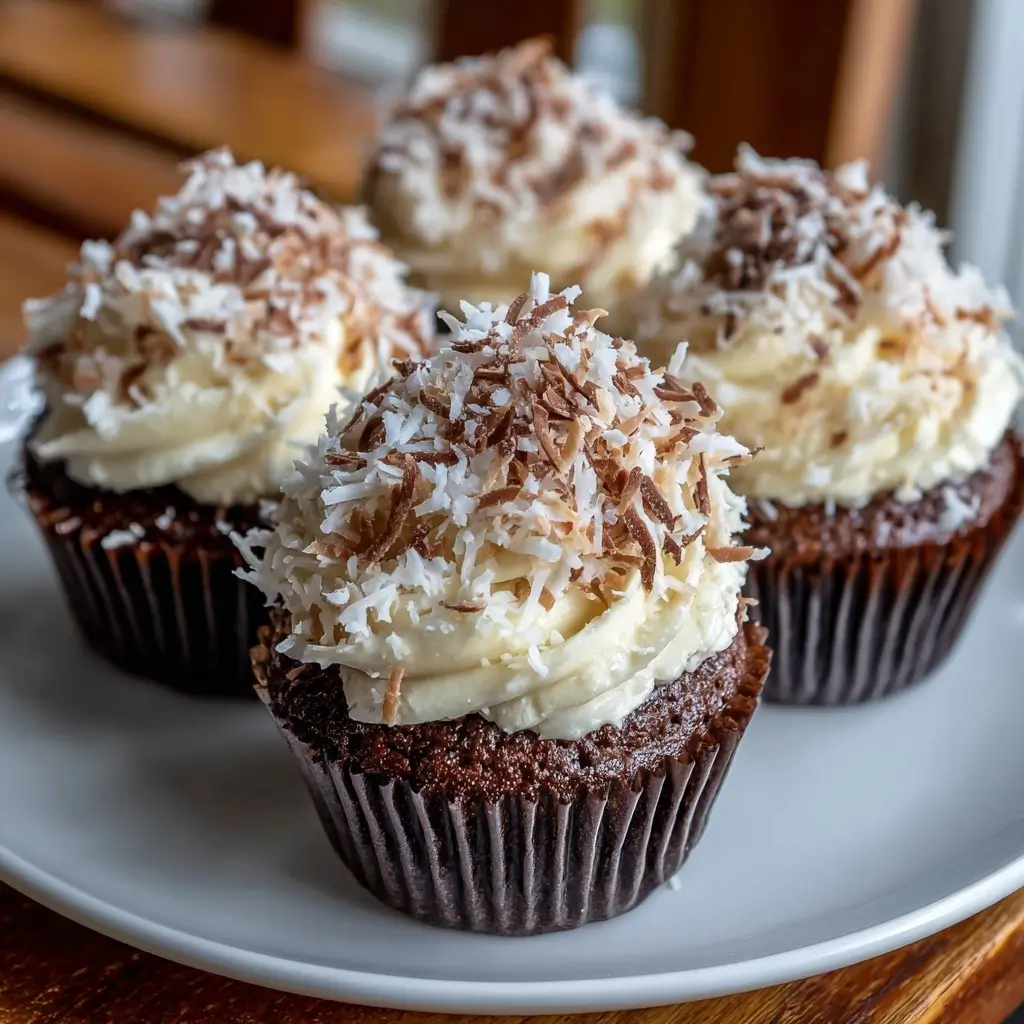
Welcome to the ultimate indulgence for keto dieters—Keto Chocolate Coconut Cupcakes! These decadent, moist, and richly flavored treats are meticulously crafted to satisfy your deepest chocolate cravings without derailing your low-carb lifestyle. Unlike conventional cupcakes loaded with refined sugar and wheat flour, these miniature masterpieces are built on a foundation of nutrient-dense, ketogenic-friendly ingredients: almond flour, unsweetened cocoa powder, coconut flour, erythritol-based sweeteners, and creamy coconut milk. Each cupcake delivers a luscious harmony of deep cocoa notes, tropical sweetness, and subtle nuttiness—all while staying firmly within strict keto macros (typically under 3g net carbs per cupcake). Whether you’re celebrating a milestone, hosting keto friends, or simply treating yourself guilt-free, these cupcakes prove that ketosis and culinary joy are not just compatible—they’re deliciously synergistic.
The History
The Keto Chocolate Coconut Cupcake is a modern evolution born from the confluence of three powerful food movements: the resurgence of traditional coconut-based baking in tropical cuisines, the scientific rigor of ketogenic nutrition research dating back to the 1920s (originally developed for epilepsy management), and the 21st-century explosion of low-carb dessert innovation. While classic coconut cupcakes have long been staples in Caribbean, Southeast Asian, and Pacific Islander bakeries—and chocolate cupcakes trace their roots to 19th-century American kitchens—the deliberate fusion into a keto-compliant format emerged only after 2015, as keto gained mainstream traction and ingredient science advanced. Pioneering keto chefs and nutritionists like Maria Emmerich, Jimmy Moore, and the team at Ruled Me began experimenting with precise flour ratios (almond-to-coconut flour balance) and novel sweetener blends (erythritol + monk fruit + allulose) to overcome early keto baking pitfalls—dryness, grittiness, and poor rise. The addition of full-fat coconut milk and shredded coconut wasn’t merely flavor-driven; it was strategic—leveraging medium-chain triglycerides (MCTs) to support ketone production. Today, this cupcake stands as both a testament to nutritional biohacking and a beloved symbol of how dietary restrictions can inspire extraordinary creativity.
Ingredients Breakdown
Every ingredient in this recipe has been selected not just for taste, but for metabolic impact, functional performance, and keto alignment:
- Almond Flour (Blanched, Fine): The structural backbone—high in healthy monounsaturated fats, low in net carbs (1g per ¼ cup), and rich in vitamin E and magnesium. Its fine texture ensures tenderness without graininess.
- Coconut Flour: A highly absorbent, fiber-rich superfood (6g fiber per tbsp) that adds moisture retention and a delicate coconut aroma. Used sparingly (just 2 tbsp) to avoid dryness or excessive binding.
- Unsweetened Natural Cocoa Powder (Non-Alkalized): Pure, antioxidant-rich chocolate with zero added sugar. Provides deep flavor and iron/manganese—critical for energy metabolism on keto.
- Erythritol (Granulated or Powdered): A zero-calorie, zero-glycemic sugar alcohol absorbed but not metabolized—ideal for blood sugar stability. Combined with monk fruit extract to round out any cooling aftertaste.
- Monk Fruit Sweetener (Pure Extract or Blend): 150–200x sweeter than sugar, zero-carb, zero-impact on insulin—enhances sweetness perception and balances erythritol’s mouthfeel.
- Grass-Fed Butter or Ghee (Melted & Cooled): Adds richness, fat-soluble vitamins (A, D, K2), and promotes browning and structure. Ghee is dairy-free and higher in smoke point—perfect for consistent batter temperature.
- Full-Fat Canned Coconut Milk (Well-Stirred): Not “light” or “beverage” versions—this provides creaminess, lauric acid (immune-supportive MCT), and natural coconut flavor. The thick cream layer contributes to density and moisture.
- Large Eggs (Room Temperature): Act as emulsifiers and leaveners—yolks add fat and richness; whites provide lift when properly incorporated. Vital for binding gluten-free flours.
- Apple Cider Vinegar or White Vinegar: Reacts with baking soda to create carbon dioxide bubbles—essential for rise and airy crumb in low-gluten batters.
- Baking Soda (Not Baking Powder): Activated by acid (vinegar) to lift without introducing cornstarch or added carbs common in commercial baking powders.
- Sea Salt (Fine Grain): Enhances chocolate flavor, balances sweetness, and supports electrolyte balance—a critical consideration on keto to prevent “keto flu.”
- Vanilla Extract (Alcohol-Based, Sugar-Free): Pure Madagascar bourbon vanilla adds aromatic complexity without hidden sugars.
- Unsweetened Shredded Coconut (Toasted Optional): For texture contrast and visual appeal—adds fiber and healthy fats. Toasting deepens nuttiness and reduces moisture content for better cupcake integrity.
- Dark Chocolate (85%+ Cacao, Chopped or Chips): Used in the batter and/or topping—must be certified sugar-free or sweetened exclusively with erythritol/monk fruit. Avoid maltitol (causes GI distress and spikes insulin).
Step-by-Step Recipe
- Preheat & Prep: Preheat oven to 350°F (175°C). Line a standard 12-cup muffin tin with parchment cupcake liners (silicone or wax-free—avoid coated liners with hidden starches). Lightly grease liners with melted coconut oil if needed for extra release.
- Dry Ingredients Whisk: In a large bowl, sift together almond flour, coconut flour, unsweetened cocoa powder, erythritol-monk fruit blend, baking soda, and sea salt. Whisk vigorously for 60 seconds to fully aerate and eliminate lumps—especially critical for coconut flour’s tendency to clump.
- Wet Ingredients Combine: In a separate medium bowl, whisk melted butter (cooled to ~100°F), full-fat coconut milk (stirred well to reincorporate cream), eggs (one at a time, fully incorporated before adding next), apple cider vinegar, and pure vanilla. Ensure no visible streaks of egg white remain.
- Combine Batter: Pour wet mixture into dry mixture in two additions. Use a silicone spatula to fold gently—do not overmix. Fold until *just* combined, with no dry pockets remaining. Overmixing develops almond flour’s natural oils into greasiness and toughens texture. Batter will be thick, glossy, and slightly heavier than traditional batters—this is ideal.
- Add-ins Fold: Gently fold in ⅓ cup chopped sugar-free dark chocolate and ¼ cup unsweetened shredded coconut. Reserve 1 tbsp chocolate and 1 tsp coconut for topping.
- Portion Evenly: Use a 2-tbsp cookie scoop or ice cream scoop for uniform distribution. Fill each liner ¾ full (approx. 3.5 oz batter per cup). Level tops with damp fingertip for even baking.
- Bake with Precision: Place tin in center rack. Bake 18–22 minutes—start checking at 18 min. Cupcakes are done when a toothpick inserted into center comes out with *moist crumbs* (not wet batter) and edges pull slightly from liner. Do not overbake—keto cupcakes dry out rapidly past peak doneness.
- Cool Strategically: Let cupcakes cool in pan for exactly 8 minutes—this allows steam to escape and structure to set. Then transfer to a wire rack to cool completely (minimum 45 minutes) before frosting. Warm cupcakes will melt frostings and cause crumbling.
- Frosting Preparation (Optional but Recommended): While cooling, prepare keto coconut chocolate ganache: Heat ½ cup full-fat coconut milk until steaming (not boiling). Pour over 1 cup finely chopped 85%+ dark chocolate in heatproof bowl. Wait 2 minutes, then stir slowly until smooth and glossy. Chill 25–30 minutes, stirring every 10 minutes, until spreadable but not runny. Whip with hand mixer 1–2 min for airy texture. Pipe or spread generously.
- Garnish & Set: Top each frosted cupcake with reserved chocolate shavings and toasted coconut. Refrigerate frosted cupcakes 20 minutes to set ganache before serving.
Tips
- Flour Freshness Matters: Almond flour oxidizes quickly. Store in airtight container in fridge or freezer. Stale flour yields grayish color and bitter, rancid notes—ruining chocolate’s nuance.
- Coconut Milk Stirring Is Non-Negotiable: Shake the can vigorously *before opening*, then stir contents thoroughly in bowl—even if it looks homogeneous. Separation affects fat distribution and crumb density.
- Room-Temperature Eggs Are Essential: Cold eggs cause melted butter to seize and create lumpy, broken batter. If rushed, place eggs in warm water for 5 minutes.
- Measure by Weight When Possible: Volume measures for almond and coconut flours vary wildly. Ideal weights: 180g almond flour, 14g coconut flour per batch. Invest in a 0.1g precision scale for repeatable success.
- Altitude Adjustments: Above 3,000 ft? Reduce baking soda by ⅛ tsp and increase oven temp by 15°F. Higher elevations accelerate leavening and moisture loss.
- Don’t Skip the Vinegar: It’s not for flavor—it’s the essential acid catalyst for baking soda. Substituting lemon juice adds unwanted liquid and acidity imbalance.
- Use a Convection Oven? Reduce Temp by 25°F: Convection circulates hot air aggressively—great for roasting, risky for delicate cupcakes unless adjusted.
- Freeze for Longevity: Unfrosted cupcakes freeze beautifully for up to 3 months. Wrap individually in parchment + foil, store in zip-top freezer bag. Thaw at room temp 30 minutes—frost after thawing.
- Crumb Issue Fix: If cupcakes crumble when removing from liners, they were either underbaked (check toothpick earlier) or cooled too long in pan—steam reabsorbs and softens structure.
- Make-Ahead Strategy: Mix dry ingredients 3 days ahead in airtight jar. Combine wet day-of. Batter should never sit >1 hour pre-bake—leavening degrades.
Variations and Customizations
These cupcakes serve as a versatile canvas—easily adapted for preferences, allergies, or seasonal flair—while preserving keto integrity:
- Peppermint Swirl: After portioning batter, drop ½ tsp sugar-free peppermint extract-infused coconut oil (melted) into center of each cup. Swirl gently with toothpick before baking.
- Mocha Fusion: Add 1 tbsp instant espresso powder (unsweetened) to dry ingredients. Replace 1 tbsp coconut milk with cold brewed keto coffee (unsweetened, no dairy).
- Orange-Zest Chocolate: Add 2 tsp finely grated organic orange zest + ½ tsp orange extract to wet ingredients. Garnish with candied orange peel (keto-approved: simmer peel in erythritol syrup, dehydrate).
- Espresso Coconut Buttercream: Whip chilled coconut cream (solid part only) with 2 tbsp powdered erythritol-monk fruit, 1 tsp espresso powder, 1 tsp vanilla, pinch salt. Pipe high swirls.
- Nut-Free Version: Replace almond flour with equal weight (180g) sunflower seed flour + 1 tbsp psyllium husk powder (for binding). Omit shredded coconut garnish if severe allergy; use toasted pumpkin seeds instead.
- Dairy-Free All the Way: Use refined coconut oil (neutral taste) instead of butter/ghee. Ensure chocolate and extracts are certified dairy-free.
- Protein-Boosted: Add 1 scoop (25g) unflavored collagen peptides or keto whey isolate to dry ingredients. Increase coconut milk by 1 tbsp to compensate for added absorption.
- Mini Cupcake Twist: Bake in 24-mini muffin tin for 10–12 minutes. Perfect for portion control, parties, or meal prep—yields 24 cupcakes at ~1.8g net carbs each.
- Black Cocoa “Oreo” Style: Substitute half the cocoa powder (2 tbsp) with black cocoa powder for dramatic color and deep, roasted notes—ideal for “keto oreo cupcake” effect with double-stuffed frosting.
- Spiced Chai Variation: Infuse coconut milk with 1 cinnamon stick, 4 green cardamom pods, 3 cloves (simmer 5 min, cool, strain) before using. Add ½ tsp ground ginger and ¼ tsp ground cloves to dry mix.
Health Considerations and Nutritional Value
Each standard-sized Keto Chocolate Coconut Cupcake (unfrosted, with ganache topping) delivers approximately:
- Calories: 195 kcal
- Total Fat: 18.2g (14.1g saturated from coconut, 3.2g monounsaturated from almonds)
- Protein: 4.3g (from eggs, almond flour, coconut)
- Total Carbohydrates: 6.8g
- Dietary Fiber: 3.9g (primarily from almond and coconut flours, supporting gut microbiota and satiety)
- Sugar: 0.2g (naturally occurring only)
- Net Carbs: 2.9g (calculated as Total Carbs – Fiber – Sugar Alcohols [erythritol is fully subtracted])
- Sodium: 142mg (supports electrolyte balance on keto)
- Magnesium: 48mg (12% DV—crucial for muscle function and glucose metabolism)
- Iron: 1.6mg (9% DV from cocoa—enhanced by vitamin C-rich garnishes like fresh raspberries)
Key Health Notes:
- No Blood Sugar Spikes: Erythritol and monk fruit have glycemic index of zero—clinically shown not to raise serum glucose or insulin in human trials (American Journal of Clinical Nutrition, 2021).
- MCT Support: Lauric acid from coconut milk converts to ketones in the liver—providing clean energy for brain and muscles during ketosis.
- Antioxidant Powerhouse: Raw cocoa contains epicatechin and procyanidins—linked to improved endothelial function and reduced oxidative stress.
- Electrolyte-Conscious: Contains naturally occurring potassium (from coconut milk) and magnesium—helping mitigate common keto transition symptoms.
- Not “Healthy” by Default—But Keto-Aligned: While nutrient-dense, these remain calorie-concentrated treats. Portion discipline remains vital for sustained ketosis and weight goals.
- Allergen Transparency: Naturally gluten-free, grain-free, and soy-free. Always verify chocolate and extracts for hidden soy lecithin or maltodextrin—opt for certified keto brands (Lakanto, ChocZero, Hu Kitchen).
Ingredients
- 1¾ cups (180g) blanched fine almond flour
- 2 tablespoons (14g) coconut flour
- ⅓ cup (30g) unsweetened natural cocoa powder
- ⅔ cup (120g) granulated erythritol-monk fruit blend (e.g., Lakanto Golden)
- ½ teaspoon aluminum-free baking soda
- ½ teaspoon fine sea salt
- 6 tablespoons (85g) grass-fed butter or ghee, melted and cooled
- ½ cup (120ml) full-fat canned coconut milk, stirred extremely well
- 3 large eggs, room temperature
- 1 teaspoon apple cider vinegar
- 1½ teaspoons pure vanilla extract
- ⅓ cup (50g) sugar-free dark chocolate (85% cacao or higher), finely chopped
- ¼ cup (20g) unsweetened shredded coconut, lightly toasted (optional)
- For Ganache Topping (Optional but Recommended):
- ½ cup (120ml) full-fat canned coconut milk, heated until steaming
- 1 cup (175g) sugar-free dark chocolate, finely chopped
- Pinch of sea salt
- For Garnish:
- Reserved chopped chocolate and toasted coconut
Directions
- Preheat oven to 350°F (175°C). Line a 12-cup muffin tin with parchment cupcake liners. Lightly grease with coconut oil if desired.
- In a large bowl, sift together almond flour, coconut flour, cocoa powder, erythritol-monk fruit blend, baking soda, and sea salt. Whisk for 60 seconds until fully blended and lump-free.
- In a medium bowl, whisk melted butter, coconut milk, eggs (one at a time), apple cider vinegar, and vanilla until smooth and emulsified—about 1 minute.
- Pour wet mixture into dry mixture in two parts. Using a silicone spatula, fold gently until *just* combined—no dry streaks, but do not overmix (15–20 folds max).
- Fold in chopped sugar-free chocolate and shredded coconut until evenly distributed.
- Using a 2-tablespoon scoop, divide batter evenly among 12 liners, filling each ¾ full (~3.5 oz). Smooth tops with damp finger.
- Bake 18–22 minutes, rotating pan halfway through. Cupcakes are done when a toothpick inserted in center returns with moist crumbs (not wet batter) and edges begin pulling from liner.
- Let cool in pan for exactly 8 minutes. Transfer to wire rack and cool completely (45+ minutes) before frosting.
- Prepare ganache: Heat coconut milk until steaming. Pour over chopped chocolate and salt in heatproof bowl. Wait 2 minutes, then stir slowly in concentric circles until glossy and smooth. Chill 25–30 minutes, stirring every 10 minutes, until thickened but spreadable.
- Once chilled, whip ganache with hand mixer on medium for 60–90 seconds until light and fluffy. Pipe or spread onto cooled cupcakes.
- Garnish with reserved chocolate and toasted coconut. Refrigerate 20 minutes to set. Serve at cool room temperature.
FAQ
- Can I use coconut sugar instead of erythritol?
- No—coconut sugar contains 3–4g net carbs per teaspoon and has a glycemic index of 54, which will disrupt ketosis and spike insulin. Stick to zero-carb sweeteners.
- Why did my cupcakes sink in the middle?
- Most commonly caused by opening the oven too early (before 16 minutes), under-measuring baking soda, or overmixing the batter. Also check expiration date on baking soda—old soda won’t activate.
- Can I make these vegan?
- Yes—with caveats: Replace eggs with “flax eggs” (1 tbsp ground flax + 2.5 tbsp water per egg, rested 10 min) and butter with refined coconut oil. Expect denser crumb and slightly less rise—add ¼ tsp xanthan gum to dry mix for improved binding.
- How do I store leftovers?
- Unfrosted: Room temperature in airtight container 2 days; refrigerated 5 days; frozen 3 months. Frosted: Refrigerate up to 4 days—ganache firms nicely when chilled. Bring to cool room temp 20 minutes before serving.
- Are these suitable for diabetics?
- Clinically, yes—when consumed in controlled portions. Zero glycemic impact sweeteners and high fiber/fat content minimize glucose response. However, always consult your endocrinologist before dietary changes.
- Can I use liquid stevia instead of erythritol blend?
- You may—but conversion is tricky. 1 cup erythritol ≈ 1 tsp pure liquid stevia (not “stevia in the raw”). Too much stevia causes bitterness. Better to use a pre-blended stevia-erythritol product for reliable volume and taste.
- My batter seems too thick—is that normal?
- Yes—keto batters are inherently thicker due to absence of starches and high fiber content. If it resembles stiff brownie batter (not cake batter), it’s perfect. Adding extra liquid will ruin structure.
- Can I add protein powder?
- Yes—but only unflavored, low-carb collagen or whey isolate (max 1 scoop/25g). Add 1 extra tbsp coconut milk and reduce almond flour by 1 tbsp to maintain ratio. Avoid soy or high-carb blends.
- Why use baking soda instead of baking powder?
- Most commercial baking powders contain cornstarch (1–2g net carbs per tsp)—unacceptable for strict keto. Baking soda + vinegar gives cleaner, more predictable rise with zero added carbs.
- Can kids eat these?
- Absolutely—these are safer than conventional cupcakes: no refined sugar, no artificial dyes, no gluten. Many parents use them for birthday parties, school events (with note), and picky-eater wins.
Summary
Keto Chocolate Coconut Cupcakes are a triumph of science-backed baking—melding rich, velvety chocolate, tropical coconut depth, and cloud-like texture, all while delivering under 3g net carbs per serving and robust nutritional benefits from whole-food, keto-optimized ingredients.
With meticulous attention to ingredient quality, precise ratios, and methodical technique, these cupcakes transcend “diet food” to become a cherished, celebratory staple—proof that ketosis need never mean sacrifice, only smarter, more intentional indulgence.