Japanese Cotton Cheesecake: The Cloud-Like Dessert That Melts in Your Mouth
The History of Japanese Cotton Cheesecake
The story of Japanese cotton cheesecake, also known as “soufflé cheesecake” or “jiggly cheesecake,” begins in the late 20th century with a fusion of Western and Eastern baking traditions. While cheesecake itself has ancient origins—dating back to the Greeks who served it to athletes during the first Olympic Games—the modern interpretation took a dramatic turn when it reached Japan. In the 1960s and 70s, Japanese bakers began experimenting with European-style desserts, adapting them to suit local tastes that favored lighter, subtler flavors and delicate textures.
One pivotal moment came when Tomotaro Kuzuno, a Japanese chef trained in France, returned to Japan and introduced a soufflé-style cheesecake at his Tokyo bakery, “Rikuro’s.” His version, characterized by its airy texture and gentle wobble, quickly gained popularity. But it was Chizu Sakamoto, often hailed as the “Queen of Cheesecake,” who truly refined and popularized the recipe in her influential 1994 cookbook Soufflé Cheesecake. Her meticulous technique, which emphasized precise egg white folding and water bath baking, became the gold standard for home bakers and professionals alike.
Unlike the dense, creamy New York-style cheesecake or the tart-rich German variant, Japanese cotton cheesecake is distinguished by its ethereal lightness. It achieves this through a careful balance of cream cheese, eggs, sugar, and flour, combined with a soufflé-like method involving whipped egg whites. This creates a dessert that is simultaneously rich and delicate, with a custard-like center and a golden-brown top that gives way to an almost cloud-like interior. Over time, the cake’s mesmerizing jiggle—best seen in countless viral videos—has turned it into a global sensation, symbolizing both technical precision and culinary artistry.
Today, Japanese cotton cheesecake stands as a testament to Japan’s ability to reinvent foreign influences into something uniquely their own. It’s not just a dessert; it’s an experience—a quiet celebration of texture, patience, and balance. From humble bakery beginnings to Instagram fame, this jiggly masterpiece continues to captivate dessert lovers around the world.
Ingredients Breakdown: What Makes It So Light and Fluffy?
The magic of Japanese cotton cheesecake lies not just in technique but in the thoughtful selection and function of each ingredient. Every component plays a crucial role in achieving that signature soft, springy texture and subtle sweetness. Let’s dive deep into the science and purpose behind each element:
- Cream Cheese (8 oz / 225g): Full-fat cream cheese is essential for flavor and structure. It provides the rich, tangy base characteristic of cheesecake while contributing to the cake’s tender crumb. Low-fat versions can cause separation or a rubbery texture due to higher moisture content and less fat stability.
- Unsalted Butter (3 tbsp / 45g): Adds richness and helps emulsify the batter. Melted butter coats the proteins in flour and eggs, preventing over-development of gluten and ensuring tenderness. Unsalted butter is preferred so you can control the salt level precisely.
- Whole Milk (1/4 cup / 60ml): Introduces moisture and aids in creating a smooth, pourable batter. Whole milk is used because its fat content contributes to silkiness without thinning the mixture too much.
- Low-Protein Cake Flour (1/4 cup / 30g): Unlike all-purpose flour, cake flour has less protein (gluten-forming potential), which prevents toughness. This ensures the cake remains delicate and melt-in-your-mouth soft. If unavailable, a mix of cornstarch and all-purpose flour can substitute (e.g., 2 tbsp AP flour + 2 tsp cornstarch).
- Egg Yolks (4 large): Provide emulsification, color, and richness. They help bind the wet and dry ingredients together and contribute to the custardy interior. Room-temperature yolks blend more smoothly into the warm cream cheese mixture.
- Egg Whites (5 large): The backbone of the cake’s rise and fluffiness. Whipped to stiff peaks, they trap air and expand during baking, creating lift. Using one extra white (5 instead of 4) enhances volume and stability. It’s critical that bowls and beaters are grease-free to ensure proper whipping.
- Granulated Sugar (1/2 cup / 100g): Sweetens the cake and stabilizes the whipped egg whites. Sugar dissolves into the meringue, reinforcing the protein network and preventing collapse during baking and cooling.
- Lemon Juice (1 tsp): Brightens the flavor and helps stabilize egg whites during whipping by lowering pH, which strengthens the foam structure. A splash of vanilla extract can be added alongside for aromatic depth.
- Vanilla Extract (1/2 tsp, optional): Enhances overall aroma without overpowering the delicate profile. Pure extract is recommended over imitation for superior flavor.
- Pinch of Salt: Balances sweetness and enhances other flavors. Even in sweet dishes, salt is crucial for complexity.
The synergy between these ingredients is what sets this dessert apart. The low flour content minimizes structure, while the voluminous meringue provides lift. When baked in a water bath, the gentle heat allows gradual expansion without cracking, preserving the fragile air bubbles. The result? A cake that feels like eating a warm, sweet cloud.
Step-by-Step Recipe: How to Bake the Perfect Japanese Cotton Cheesecake
Making Japanese cotton cheesecake requires patience, precision, and attention to detail. Follow these steps carefully for a flawless, jiggly result every time.
Preparation
Equipment Needed:
- 8-inch (20cm) round springform pan
- Parchment paper
- Aluminum foil (heavy-duty)
- Mixing bowls (glass or stainless steel)
- Electric hand mixer or stand mixer
- Whisk
- Spatula
- Double boiler setup (or microwave-safe bowl)
- Rimmed baking sheet or roasting pan (for water bath)
Step 1: Prepare the Pan
- Line the bottom of the springform pan with parchment paper. Cut a circle to fit exactly.
- Grease the sides lightly with butter or non-stick spray. Do not flour.
- Wrap the outside of the pan completely with 2–3 layers of heavy-duty aluminum foil, extending up the sides. This prevents water from seeping in during the water bath.
Step 2: Preheat Oven and Prepare Water Bath Setup
- Preheat oven to 320°F (160°C). Use convection or conventional mode—avoid fan-forced if possible, as strong airflow can dry out the surface.
- Fill a large roasting pan with hot water (about 1 inch / 2.5 cm deep). Place it on the middle rack to preheat slightly while you prepare the batter.
Step 3: Make the Cream Cheese Mixture
- In a heatproof bowl, combine cream cheese, butter, and milk.
- Set over a pot of simmering water (double boiler), stirring frequently until smooth and fully melted (about 5–7 minutes). Avoid overheating.
- Remove from heat. Sift in cake flour and salt. Whisk until no lumps remain.
- Let cool slightly (2–3 minutes), then add egg yolks one at a time, whisking well after each addition.
- Stir in vanilla and lemon juice. Set aside to cool to lukewarm.
Step 4: Whip the Egg Whites
- In a clean, dry bowl, beat egg whites on medium speed until foamy.
- Add cream of tartar or lemon juice. Continue beating.
- Gradually add sugar, 1 tablespoon at a time, increasing speed to high.
- Beat until stiff, glossy peaks form (about 5–7 minutes). Be careful not to overbeat, or the meringue may become dry.
Step 5: Fold Meringue into Batter
- Take 1/3 of the meringue and add it to the cream cheese mixture. Gently fold with a spatula to lighten the batter.
- Add the remaining meringue in two batches, folding gently after each addition. Rotate the bowl and use a figure-eight motion to maintain air volume.
- Fold only until no white streaks remain. Do not overmix—this deflates the batter and leads to denser results.
Step 6: Pour and Bake
- Slowly pour the batter into the prepared springform pan. Tap gently on the counter to release large air bubbles.
- Place the wrapped pan into the roasting pan with hot water. The water should come about halfway up the sides of the springform.
- Carefully transfer to the oven.
- Bake at 320°F (160°C) for 15 minutes.
- Reduce temperature to 300°F (150°C) and continue baking for 40–50 minutes, or until the top is deeply golden and the center still jiggles slightly when nudged.
- Turn off the oven, crack the door open slightly (use a wooden spoon), and let the cake cool inside for 1 hour. This gradual cooling prevents collapse.
Step 7: Chill and Serve
- Remove from oven and water bath. Carefully peel off foil.
- Run a thin knife around the edge to loosen, but leave in pan.
- Cool completely at room temperature, then refrigerate for at least 4 hours (preferably overnight).
- Release springform clamp, lift off sides, and serve chilled or at room temperature.
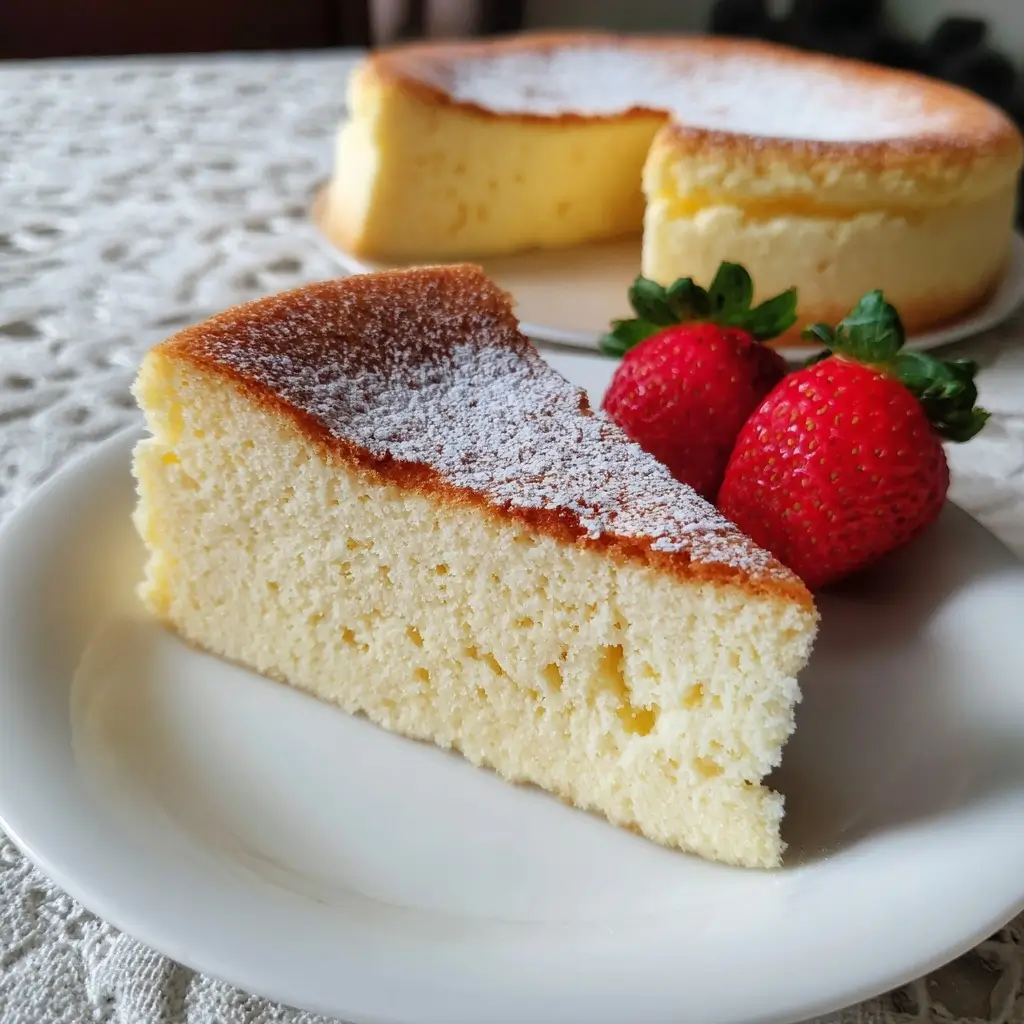
The final cake should have a gentle dome, a caramelized golden top, and a custardy, quivering center. When sliced, it should yield softly, almost like tofu in texture—but with a rich, creamy flavor.
Tips for Success: Mastering the Jiggle
Even experienced bakers can struggle with Japanese cotton cheesecake. Here are expert tips to avoid common pitfalls:
- Room Temperature Ingredients: Ensure cream cheese and eggs are at room temperature before starting. Cold ingredients don’t blend smoothly and can lead to lumps or curdling.
- No Grease in Meringue Bowl: Even a trace of fat (from yolk or oil) can prevent egg whites from whipping properly. Use a glass or metal bowl, and wipe it with vinegar or lemon juice before starting.
- Fold, Don’t Stir: Use a gentle folding motion to preserve air. Stirring or overmixing collapses the meringue, resulting in a flat, dense cake.
- Water Bath is Non-Negotiable: Steam from the water bath keeps the oven humid, allowing the cake to rise slowly without drying or cracking. Never skip this step.
- Don’t Open the Oven Door: During the first 45 minutes, opening the door can cause sudden temperature drops, leading to collapse. Trust the process.
- Check Doneness Properly: The center should jiggle like jelly when nudged—not liquid sloshing, but a gentle wave. Inserting a toothpick isn’t reliable due to the custard-like texture.
- Cool Gradually: Leaving the cake in the turned-off oven with the door ajar prevents thermal shock. Skipping this step increases the risk of sinking.
- Chill Before Serving: Refrigeration firms up the structure and enhances flavor. A warm slice may be too soft to hold its shape.
- Use an Oven Thermometer: Many ovens run hot or cold. An accurate thermometer ensures you’re baking at the correct temperature.
- Don’t Overbake: Overbaking dries out the cake and reduces the jiggly effect. When in doubt, underbake slightly.
Variations and Customizations: Make It Your Own
While traditional Japanese cotton cheesecake is a study in simplicity, there’s plenty of room for creative expression. Try these variations to personalize your dessert:
Flavor Infusions
- Matcha Cotton Cheesecake: Sift 1–2 teaspoons of high-quality matcha powder into the flour mixture for a vibrant green tea flavor and earthy bitterness that balances the sweetness.
- Chocolate Swirl: Melt 1 oz of dark chocolate and swirl into the batter before baking for a marbled effect.
- Earl Grey or Jasmine: Infuse the milk with tea leaves (steep 5 minutes, strain) for a floral note.
- Citrus Zest: Add finely grated orange, yuzu, or lime zest to the cream cheese mixture for brightness.
Dietary Adaptations
- Gluten-Free: Substitute cake flour with a 1:1 gluten-free flour blend containing xanthan gum, or use cornstarch alone (30g).
- Lower Sugar: Replace granulated sugar with erythritol or monk fruit blend in both batter and meringue. Note: sugar-free meringues may be less stable.
- Dairy-Free: Use plant-based cream cheese (e.g., Miyoko’s), vegan butter, and almond milk. Results vary by brand—some may be tangier or softer.
- Egg-Free Attempts: Not recommended—eggs are structural. However, aquafaba (chickpea brine) whipped with sugar may partially replace whites, though texture will differ significantly.
Shape and Presentation Ideas
- Mini Cheesecakes: Bake in ramekins using the same water bath method. Reduce baking time to 25–30 minutes.
- Layered Desserts: Slice horizontally and layer with fresh berries and whipped cream for a deconstructed cheesecake parfait.
- Top with Fruit Compote: Serve with warm blueberry, mango, or strawberry sauce for contrast.
- Dusting: Finish with powdered sugar, cocoa, or matcha for visual appeal.
- Flambé: For drama, lightly torch the top with a kitchen blowtorch for extra caramelization.
International Twists
- Tiramisu Style: Soak a cooled slice with coffee and dust with cocoa.
- Chai-Spiced: Add ground cardamom, cinnamon, and ginger to the batter.
- Cheese Blend: Mix in a small amount of ricotta or mascarpone for nuanced texture.
Health Considerations and Nutritional Value
While undeniably delicious, Japanese cotton cheesecake is a treat best enjoyed in moderation. Let’s examine its nutritional profile and health implications:
Nutritional Breakdown (Per Slice, 1/8 of Cake)
| Nutrient | Amount |
|---|---|
| Calories | ~220 kcal |
| Total Fat | 16g |
| Saturated Fat | 9g |
| Cholesterol | 105mg |
| Carbohydrates | 14g |
| Sugars | 11g |
| Protein | 6g |
| Sodium | 180mg |
Key Points:
- High in Saturated Fat: Due to cream cheese and butter. Those monitoring heart health should consume sparingly.
- Rich in Cholesterol: Each serving contains over 30% of the daily recommended intake. Individuals with hypercholesterolemia should be cautious.
- Low in Fiber: Made with refined flour and no whole grains, so it lacks dietary fiber.
- Contains Eggs: A complete protein source, but a concern for those with egg allergies.
- Calcium Source: Provides about 10% of daily calcium needs from dairy ingredients.
For Health-Conscious Bakers:
- Use reduced-fat cream cheese (though texture may suffer).
- Replace half the butter with unsweetened applesauce (not recommended for beginners).
- Reduce sugar by 1–2 tablespoons; enhance flavor with vanilla or citrus.
- Pair with fresh fruit to add fiber and nutrients.
This dessert is not inherently unhealthy, but portion control is key. Enjoy one small slice as part of a balanced diet, rather than multiple servings.
Ingredients
- 8 oz (225g) full-fat cream cheese, room temperature
- 3 tbsp (45g) unsalted butter
- 1/4 cup (60ml) whole milk
- 1/4 cup (30g) cake flour, sifted
- 4 large egg yolks
- 5 large egg whites
- 1/2 cup (100g) granulated sugar
- 1 tsp lemon juice (divided)
- 1/2 tsp vanilla extract (optional)
- Pinch of salt
Directions
- Preheat oven to 320°F (160°C). Wrap a greased 8-inch springform pan with 2–3 layers of heavy-duty foil. Line bottom with parchment.
- Prepare a roasting pan with 1 inch of hot water; place on middle rack.
- In a double boiler, melt cream cheese, butter, and milk until smooth. Remove from heat.
- Sift in cake flour and salt. Whisk until smooth. Cool slightly, then add egg yolks one at a time, mixing well. Stir in vanilla and 1/2 tsp lemon juice.
- In a clean bowl, beat egg whites and remaining 1/2 tsp lemon juice until foamy. Gradually add sugar and beat to stiff, glossy peaks.
- Fold 1/3 of meringue into batter to lighten. Add remaining meringue in two batches, folding gently until just combined.
- Pour batter into pan. Tap gently to remove bubbles. Place in water bath.
- Bake at 320°F for 15 minutes. Reduce to 300°F and bake 40–50 minutes until golden and center jiggles slightly.
- Turn off oven, crack door open, and cool inside for 1 hour.
- Remove, cool completely, then refrigerate at least 4 hours before serving.
FAQ
Why did my cheesecake collapse?
Common causes include underbaking, opening the oven too early, rapid cooling, or overmixing the batter. Always cool gradually in the oven with the door ajar.
Can I make it without a water bath?
You can, but results will be drier and more likely to crack. The water bath is essential for humidity and even heat.
Why use 5 egg whites instead of 4?
The extra white adds volume and stability, helping the cake rise higher and stay fluffy.
Can I freeze Japanese cotton cheesecake?
Yes, but texture may change slightly. Wrap tightly and freeze for up to 1 month. Thaw in the refrigerator overnight.
How long does it last in the fridge?
Up to 5 days when stored covered in the refrigerator. Flavor often improves on day 2.
Why is my cake dense?
Possible reasons: overmixed batter, old baking powder (not used here), cold ingredients, or under-whipped egg whites.
Can I use a different size pan?
Yes, but adjust baking time. A 6-inch pan will take longer; a 9-inch will be flatter and cook faster.
What causes cracks on top?
Overbaking, temperature fluctuations, or too much direct heat. A convection setting may increase cracking risk.
Is it safe to eat raw eggs?
The eggs are fully cooked during baking. However, if concerned, use pasteurized eggs.
Can I add sour cream?
Traditional recipes don’t include it, as it adds moisture and weight. Stick to the classic formula for best results.
Summary
Japanese cotton cheesecake is a masterful blend of creamy richness and featherlight texture, achieved through careful technique and balanced ingredients. With its golden crust, custardy center, and iconic wobble, it’s a dessert that delights both the eyes and the palate.