Honey Lemon Ricotta Cake: A Moist, Zesty Delight
Introduction
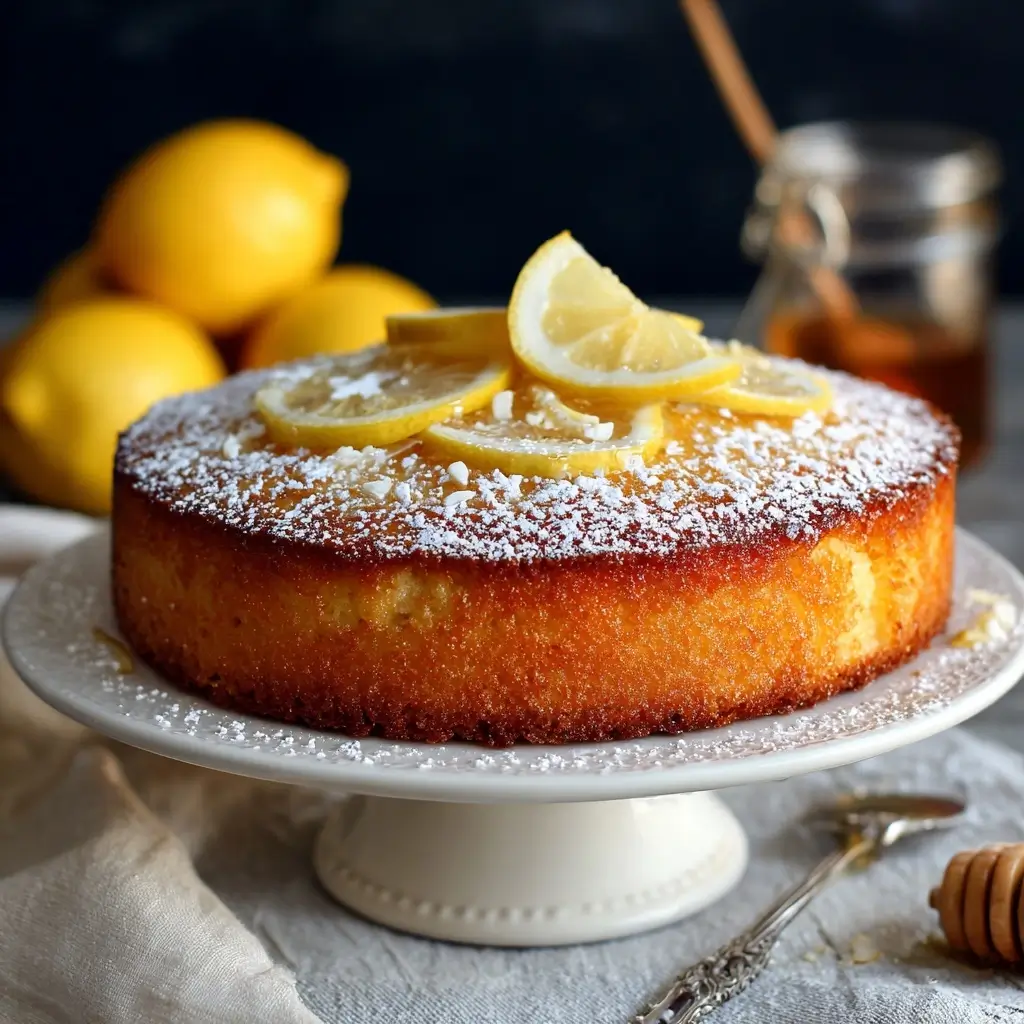
The Honey Lemon Ricotta Cake is a harmonious blend of sweet honey, bright citrus, and creamy ricotta that results in a dessert that’s both light and indulgent. With its tender crumb, subtle tang, and delicate aroma, this cake has become a favorite for brunches, afternoon tea, and family gatherings. It’s not just delicious—it’s also surprisingly simple to make, requiring only a few core ingredients and minimal equipment. Whether you’re an experienced baker or just starting out, this cake promises a rewarding experience and an unforgettable flavor profile.
The History
Ricotta-based desserts have deep roots in Italian culinary tradition, particularly in the southern regions like Sicily and Campania. Ricotta, which means “recooked” in Italian, was originally made from the leftover whey after cheese production—nothing went to waste in traditional Italian kitchens. Over centuries, bakers began incorporating ricotta into cakes, tarts, and pastries, valuing its smooth texture and mild sweetness.
The combination of lemon and honey with ricotta likely emerged as a way to enhance the naturally subtle flavor of the cheese. Lemons, abundant in the Mediterranean, provided a refreshing zing, while honey—used since ancient Roman times—offered natural sweetness and depth. While there isn’t one definitive origin story for the Honey Lemon Ricotta Cake, it embodies the spirit of rustic Italian dolci: humble ingredients transformed into something luxurious through care and balance.
In modern times, this cake has gained popularity beyond Italy, especially in American homes where bakers appreciate its moist texture and versatility. It’s often served during spring and summer months, though its comforting qualities make it a year-round favorite.
Ingredients Breakdown
To truly understand the magic of this cake, let’s explore each ingredient and its role:
- Ricotta Cheese (whole milk): The star of the show. Whole milk ricotta provides richness, moisture, and a slightly grainy texture that gives the cake its characteristic soft crumb. Avoid low-fat versions, as they can make the cake dry.
- Honey: Adds floral sweetness and enhances the cake’s moisture. Its natural viscosity helps bind ingredients and contributes to a golden-brown crust. Opt for raw, unfiltered honey for the most complex flavor.
- Lemons: Two components are used—zest and juice. The zest contains aromatic oils that infuse the batter with intense citrus fragrance, while the juice adds acidity, balancing the sweetness and activating leaveners.
- Large Eggs: Provide structure and help emulsify the wet ingredients. They also contribute to the cake’s rise and golden color.
- All-Purpose Flour: Offers the necessary gluten structure without making the cake too dense. Cake flour can be substituted for a lighter texture, but all-purpose works perfectly here.
- Baking Powder & Baking Soda: Leavening agents that ensure the cake rises properly. Baking powder provides most of the lift, while baking soda reacts with the acid from lemon juice for extra fluffiness.
- Salt: Enhances all the other flavors, preventing the cake from tasting flat.
- Vanilla Extract: Complements the honey and lemon with warm, sweet notes. Use pure extract for best results.
- Butter (unsalted): Adds richness and tenderness. Melted butter blends smoothly into the batter, contributing to a velvety texture.
- Optional Glaze: A simple mix of powdered sugar, lemon juice, and honey drizzled on top for extra shine and tartness.
Step-by-Step Recipe
- Preheat and Prepare: Preheat your oven to 350°F (175°C). Grease a 9-inch round cake pan or springform pan and line the bottom with parchment paper for easy release.
- Whisk Dry Ingredients: In a medium bowl, whisk together 1¾ cups (220g) all-purpose flour, 1½ teaspoons baking powder, ¼ teaspoon baking soda, and ½ teaspoon salt. Set aside.
- Cream Wet Base: In a large mixing bowl, combine 1½ cups (400g) whole-milk ricotta, ¾ cup (250g) honey, ⅓ cup (80ml) fresh lemon juice, 2 tablespoons finely grated lemon zest, 2 large eggs, 1 teaspoon vanilla extract, and ¼ cup (60g) melted unsalted butter. Use a hand mixer or whisk until smooth and well blended—about 2 minutes.
- Combine Wet and Dry: Gradually add the dry ingredients to the wet mixture, folding gently with a spatula until just combined. Do not overmix; a few small lumps are okay. Overmixing can lead to a tough cake.
- Pour and Smooth: Pour the batter into the prepared pan and smooth the top with a spatula. Tap the pan gently on the counter to release air bubbles.
- Bake: Place in the center of the preheated oven and bake for 45–55 minutes, or until a toothpick inserted into the center comes out clean or with a few moist crumbs. The top should be golden brown and spring back when lightly pressed.
- Cool: Let the cake cool in the pan for 15 minutes, then run a knife around the edges and transfer to a wire rack to cool completely. If using a springform pan, remove the sides carefully once cooled.
- Glaze (Optional): Whisk together 1 cup (120g) powdered sugar, 2 tablespoons lemon juice, 1 tablespoon honey, and ½ teaspoon lemon zest until smooth. Drizzle over the cooled cake.
- Serve: Slice and serve at room temperature. Pairs beautifully with whipped cream, Greek yogurt, or fresh berries.
Tips
- Room Temperature Ingredients: Ensure ricotta, eggs, and butter are at room temperature for a smoother, more uniform batter.
- Drain Excess Ricotta Liquid: If your ricotta looks watery, place it in a fine-mesh strainer lined with cheesecloth for 15–30 minutes to remove excess whey.
- Zest First, Then Juice: Always zest the lemon before juicing—it’s much easier when the fruit is whole.
- Avoid Overbaking: Check the cake at the 45-minute mark. Because ovens vary, it may finish earlier. Overbaking leads to dryness.
- Use Quality Honey: The honey flavor shines through, so choose a variety you enjoy eating on its own—such as orange blossom, wildflower, or acacia.
- Let it Rest: For even better texture, let the cake sit covered at room temperature overnight. The flavors deepen and the crumb becomes more cohesive.
- Storage: Store leftovers in an airtight container at room temperature for up to 2 days or in the refrigerator for up to 5 days. Bring to room temperature before serving.
- Freezing: Wrap the unglazed cake tightly in plastic wrap and foil, then freeze for up to 3 months. Thaw in the fridge overnight and bring to room temperature before glazing and serving.
Variations and Customizations
This versatile cake welcomes creativity. Here are some delicious twists:
- Orange Ricotta Cake: Swap lemon for orange zest and juice. Use orange blossom honey for a fragrant twist.
- Lavender Honey Ricotta Cake: Add 1 teaspoon culinary lavender buds to the dry ingredients for a floral note. Pair with lavender-infused honey.
- Almond Ricotta Cake: Replace ¼ cup of flour with almond flour and add ½ teaspoon almond extract for nutty warmth.
- Berry Swirl: Fold in 1 cup of fresh blueberries or raspberries gently into the batter. Dust with powdered sugar instead of glazing.
- Limoncello Cake: Add 2 tablespoons limoncello to the batter and replace 1 tablespoon of lemon juice with the liqueur for an adult version.
- Gluten-Free Option: Substitute all-purpose flour with a 1:1 gluten-free baking blend. Add ½ teaspoon xanthan gum if not included in the mix.
- Dairy-Free Version: Use dairy-free ricotta alternative (like cashew-based), vegan butter, and flax eggs (2 tbsp ground flax + 5 tbsp water).
- Spiced Version: Add ½ teaspoon ground cinnamon, ¼ teaspoon cardamom, or a pinch of nutmeg for a warm, autumnal spin.
- Layered Cake: Double the recipe and bake in two 8-inch pans for a layered dessert. Fill with lemon curd and ricotta frosting.
- Citrus Medley: Combine lemon, lime, and grapefruit zest and juice for a vibrant, tangy explosion.
Health Considerations and Nutritional Value
While undeniably a treat, the Honey Lemon Ricotta Cake does offer some nutritional benefits compared to other desserts:
- Protein-Rich: Ricotta is high in protein—about 11g per ½ cup—making this cake more satiating than many flour-and-sugar-based desserts.
- Calcium Source: Ricotta contributes calcium, supporting bone health.
- Natural Sweetener: Honey has antioxidants and trace minerals. Though still high in sugar, it has a lower glycemic index than refined white sugar and offers antimicrobial properties.
- Vitamin C: Fresh lemon juice provides a boost of vitamin C, which supports immune function and skin health.
- No Refined Sugar (in base recipe): The cake relies on honey instead of granulated sugar, avoiding processed sweeteners.
Nutritional Estimate (per slice, 1/10 of cake):
- Calories: ~320
- Total Fat: 12g
- Saturated Fat: 7g
- Cholesterol: 75mg
- Carbohydrates: 45g
- Fiber: 1g
- Sugars: 32g (mostly from honey and ricotta lactose)
- Protein: 9g
- Sodium: 220mg
Note: Values may vary based on specific ingredients and portion size. To reduce calories, consider using reduced-fat ricotta (though texture will suffer slightly), decreasing honey by ¼ cup, or serving smaller slices with fresh fruit.
Ingredients
- 1¾ cups (220g) all-purpose flour
- 1½ tsp baking powder
- ¼ tsp baking soda
- ½ tsp salt
- 1½ cups (400g) whole-milk ricotta cheese
- ¾ cup (250g) honey (preferably raw and unfiltered)
- ⅓ cup (80ml) fresh lemon juice (from about 2 large lemons)
- 2 tbsp finely grated lemon zest (from about 2 lemons)
- 2 large eggs
- 1 tsp pure vanilla extract
- ¼ cup (60g) unsalted butter, melted and cooled
- For the glaze (optional):
- 1 cup (120g) powdered sugar
- 2 tbsp lemon juice
- 1 tbsp honey
- ½ tsp lemon zest
Directions
- Preheat oven to 350°F (175°C). Grease a 9-inch round or springform pan and line the bottom with parchment paper.
- In a medium bowl, whisk together flour, baking powder, baking soda, and salt. Set aside.
- In a large bowl, combine ricotta, honey, lemon juice, lemon zest, eggs, vanilla, and melted butter. Mix until smooth and creamy, about 2 minutes.
- Gradually fold in the dry ingredients until just combined. Do not overmix.
- Pour batter into the prepared pan and smooth the top.
- Bake for 45–55 minutes, until golden and a toothpick comes out clean.
- Cool in pan for 15 minutes, then transfer to a wire rack.
- Prepare glaze (if using): whisk powdered sugar, lemon juice, honey, and zest until smooth. Drizzle over cooled cake.
- Slice and serve at room temperature.
FAQ
Q: Can I make this cake ahead of time?
A: Absolutely! This cake tastes even better the next day. Store it covered at room temperature and glaze just before serving.
Q: Why is my cake dense?
A: Overmixing the batter or using cold ricotta can cause density. Also, expired baking powder can prevent proper rising.
Q: Can I use low-fat ricotta?
A: You can, but the cake will be less rich and may turn out drier. Whole-milk ricotta is highly recommended.
Q: Can I substitute honey with maple syrup?
A: Yes, pure maple syrup works well as a 1:1 substitute, though the flavor will be less floral and more earthy.
Q: How do I prevent the cake from sticking?
A: Always grease the pan well and use parchment paper. Cool for 15 minutes before removing.
Q: Can I add poppy seeds?
A: Yes! Stir in 2 tablespoons of poppy seeds with the dry ingredients for a delightful crunch.
Q: Is this cake suitable for Passover?
A: If you substitute the flour with matzo cake meal or potato starch, yes. Make sure all other ingredients are kosher for Passover.
Q: Can I bake this in a bundt pan?
A: Yes. Use a greased and floured 10-cup bundt pan and increase baking time to 55–65 minutes. Check with a toothpick.
Summary
The Honey Lemon Ricotta Cake is a luscious, moist dessert that balances the floral sweetness of honey with the bright tang of lemon, all elevated by creamy ricotta. Easy to make and endlessly customizable, it’s a timeless treat perfect for any occasion.