Introduction
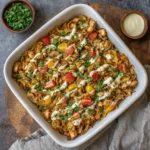
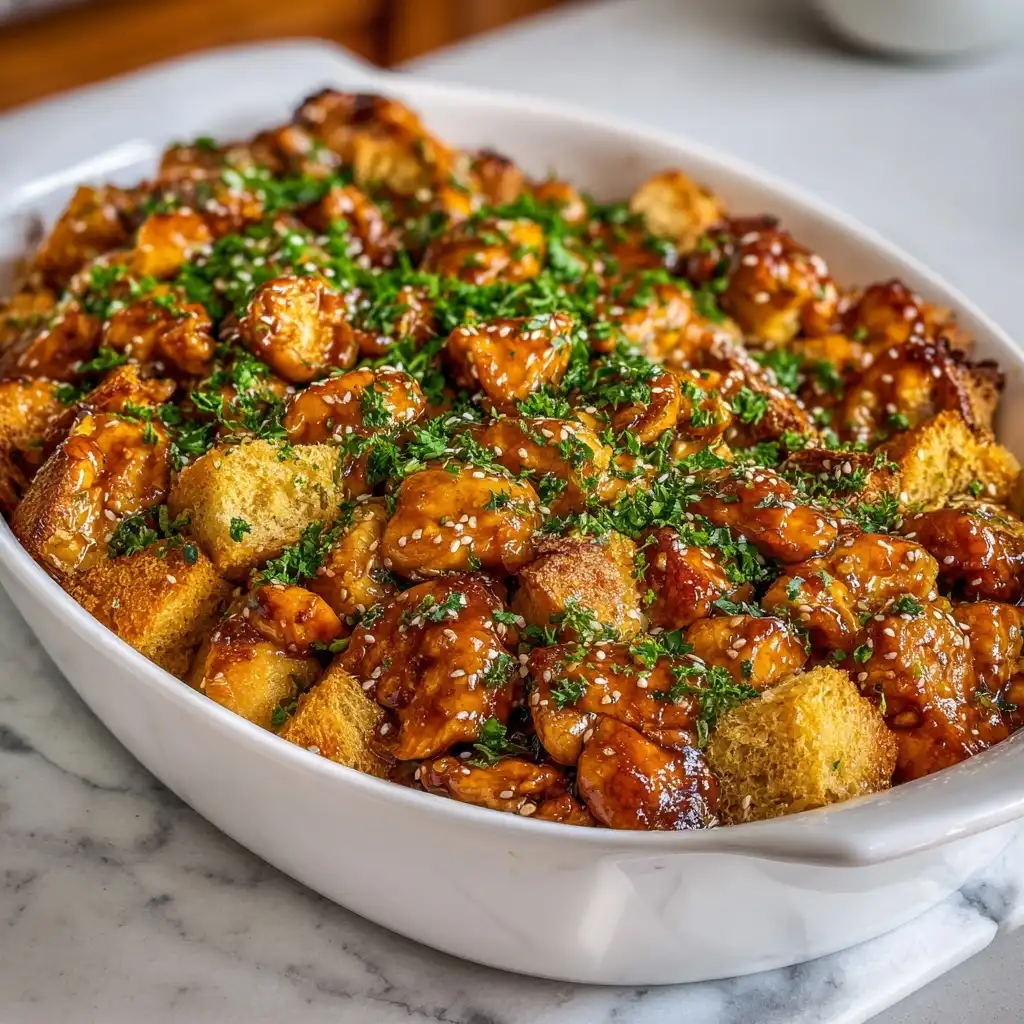
Welcome to a rich, comforting, and deeply flavorful culinary experience—Honey Garlic Chicken Casserole. This beloved one-dish wonder marries the sweet warmth of honey, the pungent depth of fresh garlic, the savory umami of soy sauce, and tender, juicy chicken baked to golden perfection in a creamy, herb-kissed base. Designed for both weeknight practicality and weekend indulgence, it delivers restaurant-quality taste with home-kitchen simplicity. Whether you’re feeding a bustling family, hosting casual guests, or meal-prepping for busy days ahead, this casserole checks every box: hearty yet balanced, aromatic yet approachable, nostalgic yet refreshingly modern. Its velvety texture, caramelized edges, and harmonious sweet-savory profile make it a perennial favorite—and once you taste the sticky-glossy chicken nestled in a bed of tender vegetables and soft, absorbent rice or pasta, you’ll understand why it consistently earns rave reviews, second helpings, and repeat requests.
The History
While no single documented “origin date” exists for Honey Garlic Chicken Casserole, its roots trace back to the mid-20th-century American casserole boom—a cultural phenomenon fueled by postwar convenience, evolving kitchen technology (like the rise of the electric oven and aluminum baking dishes), and the growing popularity of pantry-friendly, crowd-pleasing meals. The iconic honey-garlic-soy flavor triad, however, has deeper global lineage: it echoes centuries-old East Asian glazing techniques—particularly Chinese *jiang you* (soy-based) marinades and Korean *yangnyeom* (seasoned) sauces—where honey (or traditionally, malt syrup or brown sugar) was used to balance salt and add lacquered sheen. As Asian-American chefs and home cooks adapted these flavors using accessible American ingredients in the 1950s–70s, honey garlic emerged as a standout fusion profile—showcased in stir-fries, wings, and eventually, slow-baked casseroles. The casserole format itself reflects a distinctly North American innovation: transforming a stovetop or grill-centric dish into an oven-baked, set-it-and-forget-it centerpiece. Magazines like Good Housekeeping and community cookbooks from church groups and PTA chapters helped popularize early versions in the 1980s, often featuring canned cream of mushroom soup and frozen peas—a testament to era-appropriate ingenuity. Today’s elevated iterations honor that legacy while embracing whole-food integrity, bold aromatics, and customizable textures—making Honey Garlic Chicken Casserole not just a dish, but a delicious bridge between tradition, adaptation, and everyday joy.
Ingredients Breakdown
Understanding each ingredient’s role is key to mastering this casserole—not only for flavor but for texture, structure, and balance. Below is a detailed functional breakdown:
- Chicken Breast or Thighs (1.5–2 lbs): Boneless, skinless breasts offer lean tenderness; thighs provide richer flavor and superior moisture retention during baking. Uniform dicing (¾-inch cubes) ensures even cooking and optimal sauce adhesion.
- Fresh Garlic (6–8 cloves, finely minced): Raw garlic contributes sharp, spicy top notes; roasting or sautéing first mellows its bite and unlocks sweet, nutty complexity. Never substitute pre-minced jarred garlic—it lacks enzymatic freshness and can turn bitter when baked.
- Raw Honey (⅔–¾ cup): Not just sweetness—honey adds viscosity, glossy sheen, and subtle floral or earthy undertones depending on varietal (e.g., orange blossom = light & citrusy; buckwheat = robust & molasses-like). Its natural acidity also helps tenderize proteins slightly. Avoid ultra-processed “honey blends”—they contain corn syrup and lack enzymatic activity.
- Low-Sodium Soy Sauce (⅓ cup): Provides essential umami depth and salt balance without overwhelming sodium. Tamari or coconut aminos are excellent gluten-free or soy-free alternatives—just adjust salt at the end, as their sodium levels vary.
- Rice Vinegar or Apple Cider Vinegar (1½ tbsp): Adds bright, clean acidity to cut through richness and prevent cloying sweetness. It also enhances garlic’s aromatic volatility and stabilizes the sauce’s emulsion.
- Grated Fresh Ginger (1 tbsp, peeled & finely grated): A non-negotiable layer of warm, zesty brightness that lifts the entire profile and complements both honey and garlic. Dried ginger lacks volatile oils and cannot replicate this effect.
- Unsalted Butter (3 tbsp) + Olive Oil (1 tbsp): Butter contributes luxurious mouthfeel and nutty notes when browned; olive oil raises the smoke point and adds fruity complexity. Together, they build a rich, stable sautéing medium.
- All-Purpose Flour (¼ cup): Used as a gentle thickener for the sauce—cooking it into a roux with butter prevents graininess and adds subtle toasty depth. For gluten-free, use a 1:1 certified GF flour blend (not almond or coconut flour, which behave differently).
- Whole Milk or Half-and-Half (1¼ cups): Creates the creamy, velvety base that binds the casserole. Whole milk yields ideal richness without heaviness; half-and-half adds extra silkiness. Avoid skim—it separates under heat and yields a thin, watery texture.
- Sharp Cheddar or Gruyère Cheese (1½ cups, freshly shredded): Melts into gooey, savory ribbons that enrich the sauce and form a delicate, golden crust. Pre-shredded cheese contains anti-caking agents that hinder melting—always shred yourself.
- Aromatics & Vegetables: Yellow onion (1 medium, diced), bell peppers (1 red + 1 yellow, diced), and cremini mushrooms (8 oz, sliced) build foundational sweetness, color, and umami. Sautéing them until deeply softened (not just translucent) concentrates flavor and eliminates excess water that could dilute the sauce.
- Long-Grain White Rice or Egg Noodles (3 cups cooked): Acts as the hearty, neutral canvas that soaks up the luscious sauce. Day-old rice works best—freshly cooked rice can become mushy. For noodles, use al dente egg noodles (wide or extra-wide) tossed in a touch of oil to prevent clumping.
- Fresh Herbs (¼ cup chopped parsley or cilantro): Stirred in at the end for vibrant color, herbal freshness, and a clean finish that balances the dish’s richness.
- Optional Umami Boosters: 1 tsp toasted sesame oil (added at the end), 1 tbsp nutritional yeast (for vegan depth), or 2 tsp fish sauce (for complex savoriness—use sparingly; it disappears into the background).
Step-by-Step Recipe
- Prep & Marinate (15 min, plus optional 30-min rest): Dice chicken into uniform ¾-inch pieces. In a large bowl, whisk together honey, soy sauce, vinegar, grated ginger, 2 minced garlic cloves, 1 tsp black pepper, and ½ tsp red pepper flakes (if using). Add chicken, toss thoroughly, and refrigerate for at least 15 minutes—or up to 2 hours for deeper flavor penetration. This step seasons the meat internally and jumpstarts tenderization.
- Preheat & Prep Pan (5 min): Position oven rack in the center. Preheat oven to 375°F (190°C). Lightly grease a deep 9×13-inch ceramic or metal casserole dish (at least 3-inch depth) with butter or non-stick spray.
- Sauté Aromatics (8–10 min): Heat olive oil and 1 tbsp butter in a large, heavy-bottomed skillet (12-inch preferred) over medium heat. Add diced onion; cook 3 minutes until softened. Add bell peppers and mushrooms; season with ½ tsp salt. Cook 5–6 more minutes, stirring occasionally, until vegetables are deeply softened, edges begin to caramelize, and liquid has mostly evaporated. Transfer to a large mixing bowl and set aside.
- Brown the Chicken (6–8 min): In the same skillet, melt remaining 2 tbsp butter over medium-high heat. Remove chicken from marinade (reserve marinade!), pat *very dry* with paper towels (critical for browning, not steaming). Working in batches if needed, sear chicken until golden brown on all sides—about 2–3 minutes per batch. Do not overcrowd the pan. Transfer browned chicken to the bowl with vegetables.
- Build the Roux & Sauce Base (4 min): Reduce heat to medium. Pour reserved marinade into the hot skillet—scrape up all browned bits (fond) with a wooden spoon; let bubble 30 seconds. Whisk in flour; cook, stirring constantly, for 1½–2 minutes until mixture turns light golden and smells nutty (this cooks out raw flour taste). Gradually whisk in milk, ½ cup at a time, ensuring no lumps form. Bring to a gentle simmer; cook 2–3 minutes until thickened to a creamy, coat-the-back-of-a-spoon consistency.
- Infuse Garlic & Combine (3 min): Reduce heat to low. Stir in remaining 4–6 minced garlic cloves and cook 1 minute—just until fragrant (do not let garlic burn). Remove from heat. Stir in shredded cheese until fully melted and smooth. Fold in the sautéed vegetable and browned chicken mixture. Gently stir in cooked rice or noodles until evenly distributed and coated. Taste and adjust seasoning: add salt only if needed (soy sauce is salty), a squeeze of lime for brightness, or extra honey for balance.
- Transfer & Bake (30–35 min): Pour mixture into prepared casserole dish. Smooth the top. Optional: sprinkle with extra ¼ cup cheese or panko breadcrumbs mixed with 1 tsp melted butter for crunch. Bake uncovered for 30 minutes. Rotate dish front-to-back at 15 minutes for even baking. Casserole is done when bubbly around edges, internal temperature reaches 165°F (74°C) in thickest chicken piece, and top is lightly golden.
- Rest & Finish (10 min): Remove from oven and let rest for 10 minutes—this allows sauce to reabsorb, flavors to meld, and texture to set (prevents runny servings). Just before serving, sprinkle generously with fresh parsley or cilantro and a final drizzle of honey or toasted sesame oil for aroma and visual appeal.
Tips
- Dry Chicken is Key: Patting chicken *thoroughly* before searing ensures Maillard reaction—not steam. Wet chicken steams, becomes gray, and won’t develop fond for your sauce.
- Garlic Timing Matters: Adding half the garlic to the marinade infuses flavor deep into the meat; adding the rest *after* the roux prevents burning and preserves its bright, aromatic punch.
- Thickening Wisdom: If sauce seems too thin after adding milk, simmer 1–2 extra minutes. If too thick, whisk in warm milk, 1 tbsp at a time. Never add cold milk to hot roux—it can cause lumps.
- Rice Texture Control: Use day-old rice chilled in the fridge. If using fresh rice, spread it on a sheet tray and cool completely before folding in—warm rice releases steam and makes the casserole gummy.
- Prevent Overbaking: Casseroles continue cooking from residual heat. Pull it out when the center is *just* bubbling—not violently boiling. Overbaking dries out chicken and breaks the sauce emulsion.
- Cheese Melting Tip: Shred cheese while cold, then let sit at room temp 5 minutes before stirring in. Cold cheese can seize the sauce; room-temp melts smoothly.
- Make-Ahead Magic: Assemble entirely (through step 7) up to 24 hours ahead. Cover tightly and refrigerate. Add 5–10 extra minutes to bake time straight from the fridge—no need to bring to room temp.
- Freezer-Friendly: Cool completely, portion into airtight containers, and freeze for up to 3 months. Thaw overnight in fridge; reheat covered at 350°F until 165°F internally, then uncover for final 5 minutes to crisp top.
- Leftover Reinvention: Transform leftovers into honey garlic chicken lettuce wraps (butter lettuce cups), stuffed sweet potatoes, or fried rice—just add peas, carrots, and a fried egg.
- Oven Thermometer Check: Many ovens run hot or cold. Use an inexpensive oven thermometer to verify accuracy—especially critical for consistent casserole results.
Variations and Customizations
This casserole is a brilliant canvas—adaptable to dietary needs, seasonal produce, pantry limitations, and global inspirations. Explore these thoughtfully tested variations:
- Gluten-Free Version: Swap all-purpose flour for ¼ cup certified GF 1:1 flour blend. Use tamari instead of soy sauce and ensure rice/noodles are GF-certified. Add 1 tsp xanthan gum to the roux if sauce seems fragile.
- Low-Carb/Keto Adaptation: Replace rice/noodles with 4 cups roasted cauliflower rice (squeezed dry) or shirataki noodles (rinsed, boiled 3 min, patted dry). Increase cheese to 2 cups and add ¼ cup heavy cream to maintain richness. Reduce honey to 2 tbsp and add 1 tsp monk fruit blend for subtle sweetness.
- Vegan Honey Garlic “Chicken”: Use 16 oz extra-firm tofu (pressed, cubed, and pan-seared) or 12 oz soy curls (rehydrated in veg broth). Replace honey with maple syrup or date syrup. Use coconut aminos instead of soy sauce and vegan butter/milk/cheese. Add 1 tbsp nutritional yeast to sauce for umami lift.
- Spicy Sriracha-Ginger Twist: Add 1–2 tbsp sriracha to marinade + 1 tsp gochujang to sauce. Top with pickled jalapeños and scallions. Garnish with crushed peanuts.
- Mediterranean-Inspired: Swap soy sauce for 2 tbsp lemon juice + 1 tbsp capers + 1 tsp dried oregano. Use feta instead of cheddar, add kalamata olives and cherry tomatoes, and finish with fresh mint.
- Thai Coconut Curry Fusion: Replace milk with 1 can (13.5 oz) full-fat coconut milk. Add 1 tbsp red curry paste to roux, 1 tsp lime zest to sauce, and top with crushed cashews and Thai basil.
- Breakfast Casserole Spin-off: Use cooked breakfast sausage or turkey bacon instead of chicken. Replace rice with cubed day-old sourdough or hash browns. Add 6 whisked eggs + ½ cup milk to sauce before combining. Bake at 350°F for 45–50 min until set.
- Sheet Pan Simplified: Skip stovetop steps. Toss marinated chicken and veggies with 2 tbsp oil, roast at 425°F for 20–25 min. Whisk sauce separately, combine in dish, top with cheese, broil 3–4 min until golden.
- Kid-Friendly Mild Version: Omit red pepper flakes and raw garlic in sauce. Double the honey (to 1 cup) and add 1 tsp apple butter for extra sweetness and smoothness. Stir in ½ cup shredded mozzarella for milder melt.
- Gourmet Mushroom Medley: Upgrade mushrooms to a mix: cremini, shiitake, oyster, and dried porcini (soaked & chopped, liquid reserved for sauce). Sauté in duck fat for decadence.
Health Considerations and Nutritional Value
A single 1¼-cup serving (approx. 1/6 of recipe) provides a well-rounded nutrient profile—when prepared with mindful ingredient choices. Based on standard preparation (chicken thighs, whole milk, cheddar, white rice):
- Calories: ~480–520 kcal — substantial enough to satisfy, but easily adjustable (e.g., swap rice for cauliflower lowers by ~120 kcal).
- Protein: ~32–36g — high-quality complete protein from chicken and dairy supports muscle maintenance, satiety, and metabolic health.
- Carbohydrates: ~42–46g — primarily from honey (natural sugars with antioxidants), rice (complex carbs), and vegetables (fiber-rich). Net carbs drop significantly with low-carb swaps.
- Fat: ~20–24g — predominantly unsaturated (olive oil, nuts in variations) and saturated (cheese, butter). Moderate saturated fat is acceptable within balanced diets; swapping butter for avocado oil reduces sat fat by ~3g/serving.
- Fiber: ~3–4g — from vegetables (peppers, onions, mushrooms) and optional additions like broccoli or spinach. Boost to 6g+ by adding 1 cup chopped kale or ½ cup lentils.
- Vitamins & Minerals: Excellent source of B6 (chicken), vitamin C (bell peppers), selenium (mushrooms), calcium (dairy), and manganese (garlic, ginger). Garlic and ginger contribute potent anti-inflammatory and immune-supportive phytochemicals (allicin, gingerol).
- Sodium Consideration: ~680–750mg per serving — largely from soy sauce. Reduce by 30% using low-sodium soy/tamari, omitting added salt, and rinsing canned ingredients (if used). Ideal for most adults (<2,300 mg/day), but consult a provider for hypertension or kidney concerns.
- Glycemic Impact: Moderate (estimated GI ~55–60). Honey has a lower glycemic index than table sugar, and fiber/protein/fat content slows glucose absorption. Pairing with leafy greens or apple slices further lowers overall meal GI.
- Allergen Notes: Contains dairy, gluten (if using regular flour/rice noodles), soy (soy sauce), and optionally tree nuts (in garnishes). Easily adaptable for common allergens with substitutions listed above.
- Dietitian Tip: For blood sugar stability, serve with a side of non-starchy vegetables (steamed bok choy, roasted asparagus) and consider using brown rice or quinoa for added fiber and slower digestion.
Ingredients
- 1.5 lbs boneless, skinless chicken thighs or breasts, cut into ¾-inch cubes
- 6–8 cloves garlic, minced (divided)
- ⅔ cup raw, unfiltered honey (e.g., local wildflower or orange blossom)
- ⅓ cup low-sodium soy sauce (or tamari for GF)
- 1½ tbsp rice vinegar or apple cider vinegar
- 1 tbsp fresh ginger, peeled and finely grated
- 1 tsp freshly ground black pepper
- ½ tsp red pepper flakes (optional)
- 3 tbsp unsalted butter, divided
- 1 tbsp extra-virgin olive oil
- 1 medium yellow onion, finely diced
- 1 red bell pepper, diced
- 1 yellow bell pepper, diced
- 8 oz cremini mushrooms, sliced
- ½ tsp kosher salt (plus more to taste)
- ¼ cup all-purpose flour (or GF 1:1 blend)
- 1¼ cups whole milk or half-and-half
- 1½ cups sharp cheddar or Gruyère cheese, freshly shredded
- 3 cups cooked long-grain white rice or al dente wide egg noodles (cooled)
- ¼ cup fresh flat-leaf parsley or cilantro, finely chopped
- Optional finishing touches: 1 tsp toasted sesame oil, extra honey drizzle, toasted sesame seeds, sliced green onions
Directions
- In a large bowl, whisk together honey, soy sauce, vinegar, grated ginger, 2 cloves minced garlic, black pepper, and red pepper flakes (if using). Add chicken, tossing to coat evenly. Cover and refrigerate for 15 minutes (or up to 2 hours).
- Preheat oven to 375°F (190°C). Grease a 9×13-inch casserole dish.
- Heat olive oil and 1 tbsp butter in a large skillet over medium heat. Add onion; cook 3 minutes. Add bell peppers and mushrooms; season with ½ tsp salt. Cook 5–6 minutes until softened and lightly caramelized. Transfer to a large bowl.
- In same skillet, melt remaining 2 tbsp butter over medium-high heat. Remove chicken from marinade (reserve liquid!), pat *very dry*. Sear chicken in batches until golden brown (2–3 min per batch). Transfer to bowl with vegetables.
- Reduce heat to medium. Pour reserved marinade into skillet; scrape up browned bits. Bubble 30 seconds. Whisk in flour; cook 1½–2 minutes until golden. Gradually whisk in milk, ½ cup at a time, until smooth. Simmer 2–3 minutes until thickened.
- Reduce heat to low. Stir in remaining 4–6 cloves garlic; cook 1 minute. Remove from heat. Stir in cheese until melted and smooth. Fold in vegetable-chicken mixture and cooled rice or noodles. Taste and adjust seasoning.
- Pour into prepared dish. Smooth top. Optional: sprinkle with extra cheese or buttered panko. Bake uncovered for 30 minutes, rotating at 15 minutes, until bubbly and 165°F internally.
- Let rest 10 minutes. Garnish generously with fresh herbs, sesame oil, or honey. Serve warm.
FAQ
- Can I use frozen chicken?
- Yes—but thaw *completely* in the refrigerator first. Never marinate or bake from frozen, as uneven thawing leads to soggy texture and potential food safety risk. Pat extra-dry before searing.
- Why does my sauce break or look greasy?
- Most commonly caused by overheating the cheese sauce (curdling), adding cold dairy to hot roux (lumps), or using pre-shredded cheese (anti-caking starch interferes with emulsion). Solution: Remove roux from heat before adding cheese; let cheese come to room temp; whisk constantly over low heat.
- Can I make this dairy-free?
- Absolutely. Substitute butter with refined coconut oil or vegan butter, milk with unsweetened oat or cashew milk (higher fat = creamier), and cheese with a high-melt vegan cheddar (e.g., Daiya Cutting Board or Violife). Add 1 tsp nutritional yeast for umami depth.
- How do I keep the casserole from getting watery?
- Three keys: (1) Sauté veggies until *all* moisture evaporates, (2) Pat chicken bone-dry before searing, (3) Use day-old, cooled rice/noodles—not hot or moist. Excess water is the #1 cause of separation.
- Can I skip the rice or noodles?
- Yes—you’ll have a rich, saucy honey garlic chicken bake. Serve over mashed potatoes, polenta, quinoa, or even buttered eggplant slices for a grain-free option. Reduce sauce volume by ¼ cup if skipping starchy base.
- What sides pair best?
- Keep it balanced: Steamed broccoli or snap peas (crunch + freshness), miso-glazed carrots (sweet-savory echo), simple cucumber-dill salad (cool contrast), or jasmine rice pilaf (for extra comfort). Avoid overly heavy or cheesy sides—they compete.
- My garlic tastes bitter—what went wrong?
- Bitterness means garlic was burned. Always add raw garlic *off-heat* or at the very end of cooking—never fry it alone in hot oil. Reserve half for the marinade (gentle infusion) and add the rest to the warm (not boiling) sauce.
- Can I air-fry this?
- Not as a full casserole—but you *can* air-fry the chicken first! Toss marinated chicken in 1 tsp oil, air-fry at 400°F for 12–14 min, shaking halfway, until golden and 165°F. Then proceed with sauce and bake as directed.
- Is honey safe to bake at high temps?
- Yes—honey is stable up to 350°F for typical baking times. While prolonged high-heat exposure (>300°F for >20 min) can reduce some enzymes, the flavor, texture, and antioxidant benefits remain significant. Its role here is structural and sensory—not medicinal.
- How do I reheat leftovers without drying them out?
- For best results: Place in oven-safe dish, cover with foil, add 1–2 tbsp broth or water, heat at 325°F for 20–25 min until steaming hot (165°F). Microwave? Use 50% power in 90-sec intervals, stirring gently, covered with damp paper towel.
Summary
Honey Garlic Chicken Casserole is a masterclass in balanced comfort food—where sweet, savory, tangy, and umami converge in a single, soul-warming dish that’s equally suited for hectic Tuesday nights and