Introduction
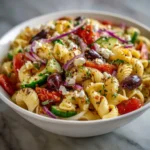
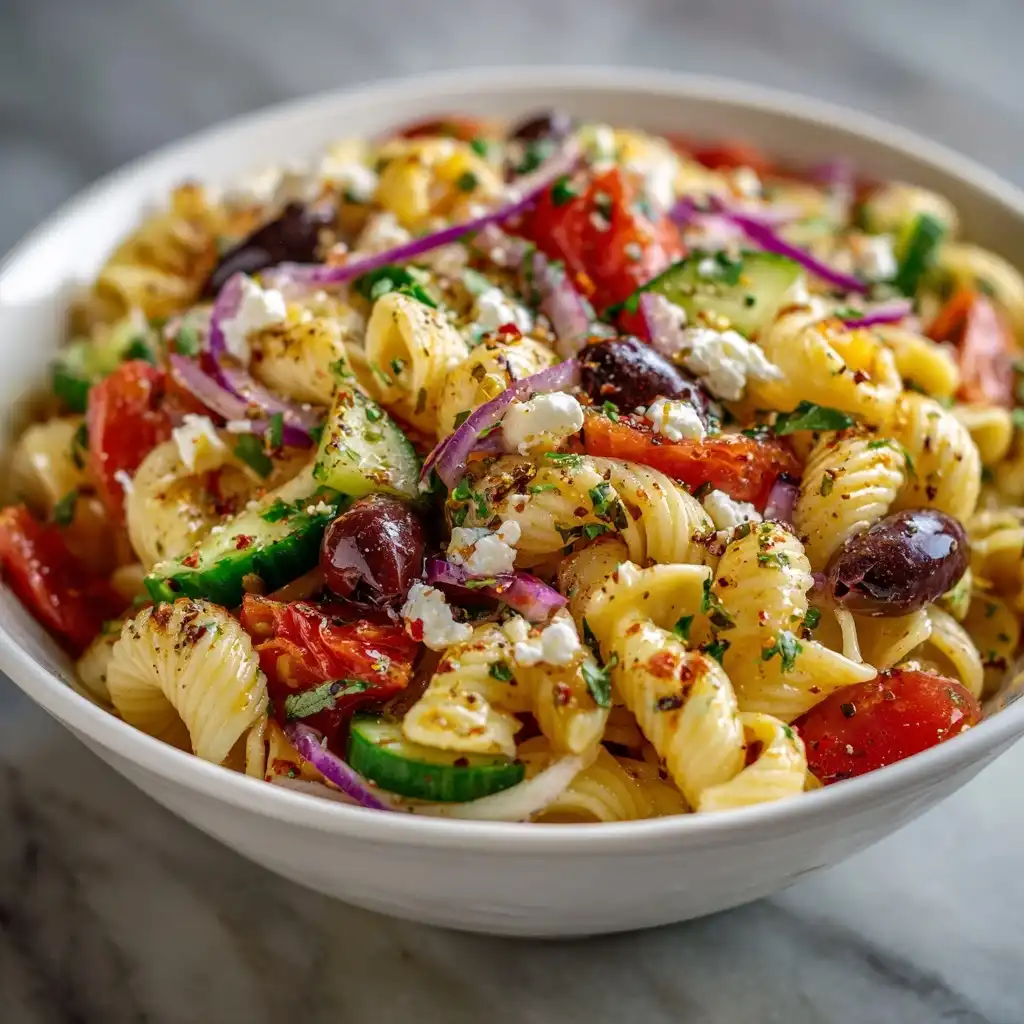
Greek Pasta Salad is a vibrant, refreshing, and deeply satisfying Mediterranean-inspired dish that brings together the bold flavors of the Aegean with the comforting familiarity of pasta. More than just a side dish, it’s a celebration of sun-ripened vegetables, briny olives, creamy feta, and zesty herbs—tossed in a bright, herb-infused lemon-olive oil dressing that sings with authenticity. Whether served poolside at a summer barbecue, packed for a picnic, or enjoyed as a hearty vegetarian main course, Greek Pasta Salad bridges tradition and convenience without sacrificing depth or freshness. Its versatility, make-ahead appeal, and crowd-pleasing profile have cemented its status as a modern pantry staple—not just in Greek households, but across kitchens from Athens to Austin.
The History
While “Greek Pasta Salad” as we know it today is a relatively recent culinary hybrid—emerging prominently in the late 20th century—it draws rich lineage from centuries-old Greek foodways. Traditional Greek cuisine historically emphasized seasonal produce, dairy (especially sheep’s and goat’s milk feta), cured olives, olive oil, lemon, oregano, and rustic grains—not pasta. Pasta itself entered Greece through Italian influence (notably during periods of Venetian rule in parts of the Ionian Islands and Crete), but it was never central to the mainland’s culinary identity like it is in Italy. Instead, Greeks favored hand-rolled hilopites (egg noodles) or trachanas (fermented grain-and-yogurt porridge), often used in soups.
The fusion began in earnest post-WWII, as global travel, tourism, and ingredient accessibility increased. American and Canadian home cooks—inspired by Greek taverna fare encountered on vacation—sought to recreate the essence of horiatiki (village salad) and tzatziki-adjacent freshness using pantry-friendly staples: rotini or fusilli instead of barley, pre-crumbled feta instead of block-cut, and jarred kalamatas instead of freshly cured olives from backyard trees. By the 1980s and ’90s, food magazines, cooking shows, and early internet recipe archives helped standardize the format—pasta + cucumber + tomato + red onion + feta + olives + lemon-oregano vinaigrette—and branded it definitively as “Greek Pasta Salad.” Today, chefs and home cooks alike honor its roots by returning to heirloom ingredients—Cretan thyme honey in dressings, Mytilene-grown capers, PDO-protected Lesvos or Dodoni feta—and even reviving ancient grains like spelt or kamut for gluten-conscious versions—proving that tradition evolves not by erasure, but by thoughtful reinterpretation.
Ingredients Breakdown
Every exceptional Greek Pasta Salad begins with intentionality—not just in selection, but in understanding *why* each component matters:
- Pasta: Short, ridged shapes like fusilli, penne rigate, or orecchiette are ideal—they cradle dressing, grip herbs, and hold up to vigorous tossing without turning mushy. Whole wheat or legume-based pastas (lentil, chickpea) add fiber and earthy depth while remaining authentically aligned with Greek dietary patterns emphasizing plant-based nutrition.
- Cucumbers: English or Persian cucumbers are preferred for their thin, unwaxed skins and minimal seeds—no peeling or deseeding required. Their crisp sweetness balances salt and acidity. For true regional fidelity, seek out Greek cucumbers (agourelaki), smaller and more intensely flavored, often sold at Mediterranean grocers.
- Tomatoes: Vine-ripened Roma or plum tomatoes offer lower water content and richer lycopene concentration; heirloom varieties like Sun Gold or Early Girl bring bursts of acidity and sugar. Never use refrigerated tomatoes—the cold degrades volatile aromatic compounds essential to freshness.
- Red Onion: Soaked briefly in ice water or red wine vinegar to mellow pungency while preserving crunch and vivid color—a technique rooted in Greek meze preparation where raw alliums are always tempered.
- Kalamata Olives: Protected Designation of Origin (PDO) certified olives from Messenia, Greece—brined in red wine vinegar and olive oil, with a plump, meaty texture and complex fruity-bitter finish. Avoid “Kalamata-style” imitations; true Kalamatas are oval, purple-black, and have a distinctive almond shape.
- Feta Cheese: Authentic Greek feta (PDO-certified) made from at least 70% sheep’s milk (often blended with goat’s milk) aged in brine for minimum 2 months. It should be tangy, salty, creamy yet crumbly—not chalky or overly dry. Block feta is always superior to pre-crumbled (which contains anti-caking starches and oxidizes faster).
- Herbs: Fresh dill and flat-leaf parsley are non-negotiable—dill adds anise-tinged brightness reminiscent of Greek coastal gardens; parsley lends clean, grassy bitterness. Mint is optional but traditional in some island variations (e.g., Rhodes), especially when paired with watermelon or grilled halloumi additions.
- Dressing Base: Extra virgin olive oil (ideally early-harvest Koroneiki varietal from Peloponnese—peppery, green, with artichoke and green apple notes) + freshly squeezed lemon juice (not bottled—citric acid lacks volatile citrus oils). The ratio is critical: 3 parts oil to 1 part acid, emulsified with a touch of Dijon mustard or mashed garlic for stability.
- Aromatics & Seasonings: Crushed garlic (raw, not roasted—heat dulls its pungent allicin), dried oregano (preferably Greek mountain-grown Origanum vulgare subsp. hirtum, with higher carvacrol content), flaky sea salt (like Cretan or Evia salt), and freshly cracked black pepper. A whisper of orange zest (from untreated organic fruit) can elevate complexity without straying from authenticity.
Step-by-Step Recipe
- Prepare the Pasta: Bring a large pot of heavily salted water (at least 2 tbsp kosher salt per gallon) to a rolling boil. Add 12 oz (340g) short-cut pasta (e.g., fusilli) and cook until *al dente*—1 minute less than package instructions. Reserve ½ cup starchy pasta water before draining. Immediately rinse under cold running water for 30 seconds to halt cooking and remove excess surface starch—this prevents clumping and ensures optimal dressing absorption later. Spread pasta evenly on a clean kitchen towel or parchment-lined sheet pan to air-dry for 10 minutes. This step is crucial: wet pasta dilutes dressing and becomes gummy.
- Prep Vegetables & Aromatics: While pasta cools, finely dice 1 medium English cucumber (¼-inch pieces), 2 medium Roma tomatoes (seeds gently scooped out with a spoon to reduce excess moisture), and ½ medium red onion. Place onion in a small bowl with 2 tbsp ice water and 1 tsp red wine vinegar; let sit 10 minutes, then drain and pat dry. Roughly chop ½ cup pitted Kalamata olives. Crumble 1 cup (150g) cold, high-quality feta by hand—avoid over-handling to preserve creamy texture.
- Make the Dressing: In a large mixing bowl, whisk together ⅔ cup (160ml) extra virgin olive oil, ¼ cup (60ml) fresh lemon juice, 2 minced garlic cloves, 1½ tsp dried Greek oregano, 1 tsp flaky sea salt, ½ tsp freshly ground black pepper, and optional ½ tsp orange zest. Whisk vigorously for 60 seconds until emulsified and slightly thickened. Taste and adjust: more lemon for brightness, more salt for balance, more oregano for earthiness.
- Combine & Marinate: Add cooled pasta, cucumber, tomatoes, drained red onion, olives, ¼ cup chopped fresh dill, and ¼ cup chopped flat-leaf parsley to the bowl with dressing. Gently fold with a silicone spatula or large spoon—never stir aggressively—to coat evenly without crushing ingredients. Cover bowl tightly with plastic wrap and refrigerate for *minimum 1 hour*, ideally 2–4 hours. This marination allows pasta to absorb flavor, vegetables to soften slightly, and dressing to mellow.
- Finish & Serve: Remove salad from refrigerator 15 minutes before serving. Add crumbled feta and gently fold once more—just enough to distribute, not break down. If salad appears dry, drizzle with 1–2 tbsp reserved pasta water or additional olive oil. Taste again and adjust seasoning. Garnish generously with extra dill, parsley, a final crack of black pepper, and a light dusting of oregano. Serve chilled or at cool room temperature—not icy cold, which masks flavor.
Tips
- Salting Matters: Salt pasta water like the sea—not just for flavor, but to season the pasta internally. Under-salted water yields bland results no amount of post-cook seasoning can fix.
- Chill Before Combining: Never mix warm pasta with fresh herbs or feta—the heat wilts delicate greens and partially melts cheese, causing greasiness. Patience = texture integrity.
- Resist Overmixing: After adding feta, fold only 3–4 times. Overworking causes feta to smear and herbs to bruise, releasing bitter compounds.
- Dressing First, Then Dry Ingredients: Always dress the pasta and sturdy vegetables *before* adding feta and herbs. This ensures even coating without compromising fragile elements.
- Acid Timing: Lemon juice should be added to dressing *just before* combining with pasta—not hours in advance. Prolonged exposure to acid can make cucumbers weep and tomatoes break down.
- Storage Smarts: Store undressed components separately if preparing >1 day ahead: cooked pasta (tossed lightly with 1 tsp olive oil), chopped veggies (in airtight container with paper towel), dressing (in jar), feta (in brine), herbs (stem-end in water, covered loosely with bag). Assemble within 2 hours of serving.
- Texture Contrast: For elevated mouthfeel, toast ¼ cup pine nuts or slivered almonds in olive oil until golden, then cool completely before folding in at the end.
- Brine Bonus: When crumbling feta, reserve 1 tbsp of its brine and stir into dressing—it deepens savoriness (umami) and enhances salt balance without added sodium.
Variations and Customizations
Greek Pasta Salad is inherently adaptable—rooted in regional diversity and seasonal improvisation. Here are thoughtfully curated variations, each honoring Greek culinary logic while expanding versatility:
- Island-Inspired Seafood Version: Fold in 1 cup chilled, flaked grilled octopus or shrimp (marinated in lemon, oregano, and olive oil), plus 2 tbsp chopped preserved lemon rind. Omit olives if using seafood to avoid overwhelming brininess; substitute with capers for salinity.
- Grilled Vegetable Edition: Replace raw cucumber and tomato with 1½ cups charred vegetables—zucchini ribbons, bell peppers, red onions, and eggplant—cooled completely. Add 2 tbsp crumbled grilled halloumi for textural contrast and subtle smokiness.
- Green Goddess Twist: Swap half the parsley for fresh tarragon and add ¼ cup blanched, chopped green beans and 2 tbsp shelled edamame. Use a dressing enriched with 1 tbsp chopped fresh mint and 1 tsp white balsamic vinegar for herbal lift.
- Gluten-Free & Grain-Based: Substitute pasta with 2 cups cooked freekeh (smoky, nutty ancient wheat), farro (chewy, hearty), or tri-color quinoa (light, protein-rich). Toast grains lightly before cooking for deeper flavor. Adjust dressing quantity—grains absorb more than pasta.
- Vegan Adaptation: Replace feta with house-made almond-feta (blanched almonds + lemon + nutritional yeast + miso + caper brine) or high-quality store-bought tofu feta. Add ½ cup marinated artichoke hearts and 1 tbsp chopped sun-dried tomatoes for umami depth. Ensure olives are vegan-certified (some brands use animal-derived processing aids).
- Breakfast or Brunch Style: Reduce pasta to 6 oz, add 2 hard-boiled eggs (quartered), ¼ cup crumbled lamb bacon (or smoked paprika–roasted chickpeas), and top with a soft-poached egg just before serving. Drizzle with lemon-tahini sauce instead of classic vinaigrette.
- Winter Root Variation: Swap summer produce for roasted golden beets, diced roasted parsnips, shaved raw fennel, and pomegranate arils. Use aged sheep’s milk feta and finish with toasted walnuts and a drizzle of pomegranate molasses-thinned dressing.
- Spice-Forward “Nikis” Style: Inspired by Northern Greek tavernas, add 1 tsp ground cumin, ½ tsp smoked paprika, and a pinch of cinnamon to dressing. Include grilled halloumi cubes, roasted red peppers, and a handful of baby spinach massaged with lemon juice.
Health Considerations and Nutritional Value
A well-constructed Greek Pasta Salad is a nutrient-dense, balanced meal aligned with the evidence-based principles of the Mediterranean Diet—consistently ranked #1 by U.S. News & World Report for overall health, heart wellness, diabetes prevention, and longevity. Per standard serving (1½ cups / ~280g), this recipe delivers approximately:
- Calories: 380–420 kcal (moderate energy density, ideal for sustained satiety)
- Protein: 12–15g (from feta, olives, and pasta—complete with all essential amino acids when combined with legume-based pasta or added beans)
- Fiber: 6–8g (25–30% DV)—primarily from whole grain pasta, vegetables, and olives—supports gut microbiota diversity and glycemic control
- Healthy Fats: 22–26g total fat, >85% monounsaturated (MUFA) and polyunsaturated (PUFA) from EVOO, olives, and feta—clinically shown to reduce LDL cholesterol, improve endothelial function, and lower systemic inflammation
- Vitamins & Minerals: Exceptionally high in Vitamin K (from parsley, cucumber, olive oil), Vitamin C (lemon, tomatoes), Calcium & Phosphorus (feta), Iron (olives, spinach additions), and Polyphenols (oleocanthal in EVOO—natural COX inhibitor with ibuprofen-like anti-inflammatory activity)
Dietary Accommodations: Naturally vegetarian and pescatarian-friendly. Easily adapted for vegan, gluten-free, low-FODMAP (swap onion for chives, limit garlic to infused oil), and diabetic diets (focus on low-GI pasta, increase non-starchy veg ratio). Note: Sodium content (~580mg/serving) is moderate—mostly from feta and olives—but significantly lower than processed deli salads. To reduce further, rinse olives, use low-sodium feta, or increase herb volume to enhance flavor perception without added salt.
Cautions & Mindful Choices: Pre-crumbled feta often contains cellulose (to prevent clumping) and may be lower in calcium due to processing. Opt for block feta. Some commercial dressings use refined seed oils—always choose cold-pressed, certified organic EVOO. For those with histamine sensitivity, limit fermented components (olives, aged feta) and consume within 24 hours of preparation.
Ingredients
- 12 oz (340g) short-cut pasta (fusilli, penne rigate, or orecchiette)
- 1 medium English cucumber (about 1 cup, ¼-inch dice)
- 2 medium Roma tomatoes (about 1 cup, seeded and ¼-inch dice)
- ½ medium red onion (about ½ cup, finely diced)
- ½ cup (75g) pitted Kalamata olives, halved
- 1 cup (150g) high-quality Greek feta cheese, cold and crumbled by hand
- ¼ cup (15g) fresh dill, finely chopped
- ¼ cup (15g) fresh flat-leaf parsley, finely chopped
- ⅔ cup (160ml) premium extra virgin olive oil (PDO Koroneiki preferred)
- ¼ cup (60ml) freshly squeezed lemon juice (from ~2 large lemons)
- 2 garlic cloves, finely minced or crushed
- 1½ tsp dried Greek oregano (Origanum vulgare subsp. hirtum)
- 1 tsp flaky sea salt (e.g., Maldon or Cretan)
- ½ tsp freshly ground black pepper
- Optional: ½ tsp finely grated organic orange zest
- Optional garnish: extra dill, parsley, oregano, lemon wedges, cracked pepper
Directions
- Bring 5 quarts water to a rolling boil in a large stockpot. Add 2 tablespoons kosher salt. Add pasta and cook, stirring occasionally, until al dente—typically 1 minute less than package time. Reserve ½ cup starchy cooking water, then drain pasta in a colander. Rinse under cold running water for 30 seconds, shake well, and spread on a clean kitchen towel or parchment-lined baking sheet. Let air-dry 10 minutes.
- While pasta cools, prepare vegetables: Dice cucumber and tomatoes. Place diced red onion in a small bowl with 2 tbsp ice water and 1 tsp red wine vinegar; soak 10 minutes, then drain and pat dry thoroughly with paper towels.
- In a large non-reactive mixing bowl (glass or stainless steel), whisk together olive oil, lemon juice, minced garlic, oregano, salt, pepper, and orange zest (if using) until fully emulsified—about 60 seconds of vigorous whisking.
- Add cooled pasta, cucumber, tomatoes, drained red onion, olives, dill, and parsley to the bowl with dressing. Using a silicone spatula or large spoon, gently fold from bottom up for 90 seconds until evenly coated. Cover tightly with plastic wrap.
- Refrigerate for minimum 1 hour, up to 4 hours. Do not exceed 4 hours for optimal texture and freshness.
- Remove from refrigerator 15 minutes before serving. Add crumbled feta and gently fold 3–4 times—just enough to distribute. If needed, add 1–2 tbsp reserved pasta water or olive oil to refresh moisture.
- Taste and adjust seasoning. Transfer to a serving platter or individual bowls. Garnish generously with extra herbs, a final crack of black pepper, and lemon wedges on the side. Serve cool—not cold—for fullest flavor expression.
FAQ
- Can I make Greek Pasta Salad ahead of time?
- Yes—this salad actually improves after 1–2 hours of chilling, allowing flavors to harmonize. For best results, prepare up to 24 hours ahead *without* adding feta or fresh herbs. Store dressed pasta and vegetables separately from cheese and greens, then combine 1–2 hours before serving. Fully assembled salad keeps 2 days refrigerated, though cucumbers soften and herbs lose vibrancy beyond 24 hours.
- Why does my Greek Pasta Salad get watery?
- Excess moisture typically comes from three sources: unseeded tomatoes, unrinsed cucumbers (especially if waxed), or adding feta too early (its brine releases liquid). Always seed tomatoes, pat all vegetables bone-dry, and add feta last. Rinsing pasta thoroughly and air-drying prevents starchy water release. If salad becomes watery, drain gently in a colander and refresh with a drizzle of fresh olive oil and lemon.
- What pasta is most authentic?
- No single pasta is “authentic” in historical terms—but fusilli and penne are widely embraced in modern Greek homes and tavernas for their ability to hold dressing and complement chunky ingredients. Traditional Greek pasta alternatives include hilopites (egg noodles) or trachanas (fermented grain), though these are rarely used in salad applications outside of regional soups.
- Can I freeze Greek Pasta Salad?
- Freezing is not recommended. Pasta becomes gummy and waterlogged upon thawing, cucumbers turn rubbery, feta separates and crumbles excessively, and fresh herbs lose all aroma and color. Instead, freeze components individually: cooked pasta (tossed with oil), roasted vegetables, or homemade dressing (up to 3 months). Assemble fresh.
- Is Greek Pasta Salad healthy?
- Yes—when prepared with whole ingredients and mindful proportions. It delivers heart-healthy fats, plant-based protein, fiber, antioxidants, and anti-inflammatory compounds. To maximize benefits: choose whole grain or legume pasta, load up on vegetables (aim for 2:1 veg-to-pasta ratio), use full-fat feta (fat carries fat-soluble vitamins), and limit added sugars or preservatives found in bottled dressings.
- What can I serve with Greek Pasta Salad?
- It’s a complete meal on its own, but pairs beautifully with grilled proteins: lemon-herb chicken skewers, garlicky lamb burgers, baked falafel, or grilled shrimp. As a side, complement with warm pita bread, dolmades (stuffed grape leaves), or a simple lentil soup (fakes). For dessert, opt for fresh watermelon with mint and crumbled feta—or baklava with Greek yogurt.
- How do I keep feta from getting rubbery or grainy?
- Use cold, high-moisture feta straight from brine—not room-temperature or pre-crumbled. Crumble gently with fingers or a fork just before adding. Never mix feta into warm pasta. If salad sits too long, feta may firm up slightly—but this is natural and doesn’t affect safety or taste. Soaking feta in milk for 10 minutes before crumbling can restore creaminess if it feels overly dry.
- Can I use other cheeses instead of feta?
- Traditionally, no—feta’s unique tang, salt, and texture are irreplaceable. However, for substitutions: Bulgarian sirene (closest match), French brousse (softer, milder), or Spanish requesón (fresh, mild) work in a pinch. Avoid ricotta (too wet), mozzarella (too mild), or cotija (too sharp and dry). Vegan options include almond- or tofu-based feta blends with lemon, miso, and caper brine.
- My dressing separated—what went wrong?
- Emulsification fails when oil and acid aren’t whisked long enough, when ingredients are at vastly different temperatures (e.g., cold lemon juice + room-temp oil), or when insufficient emulsifier is present. Fix it by adding ½ tsp Dijon mustard or 1 tsp mashed garlic to the bowl, then slowly whisk in the broken dressing drop by drop—like making mayonnaise. Always whisk dressing *just before* using.
- How do I make it spicy?
- Add heat authentically: a pinch of crushed dried Greek chili flakes (florina peppers), ½ tsp harissa paste whisked into dressing, or 1 finely minced pickled jalapeño (rinsed). Avoid generic red pepper flakes—they lack regional nuance. For smoky heat, finish with a dusting of smoked paprika or a few drops of chipotle adobo.
Summary
Greek Pasta Salad is a vibrant, nutrient-rich embodiment of the Mediterranean Diet—uniting al dente pasta, crisp seasonal vegetables, briny Kalamata olives, creamy PDO feta, and a zesty lemon-oregano olive oil dressing in perfect harmony.
Rooted in Greek culinary tradition yet endlessly customizable, it’s a make-ahead marvel that delights as a light lunch, hearty side, or crowd-pleasing centerpiece—celebrating simplicity, freshness, and the profound joy of shared, soul-nourishing food.