Introduction
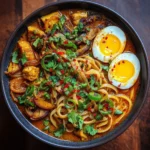
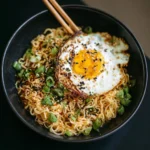
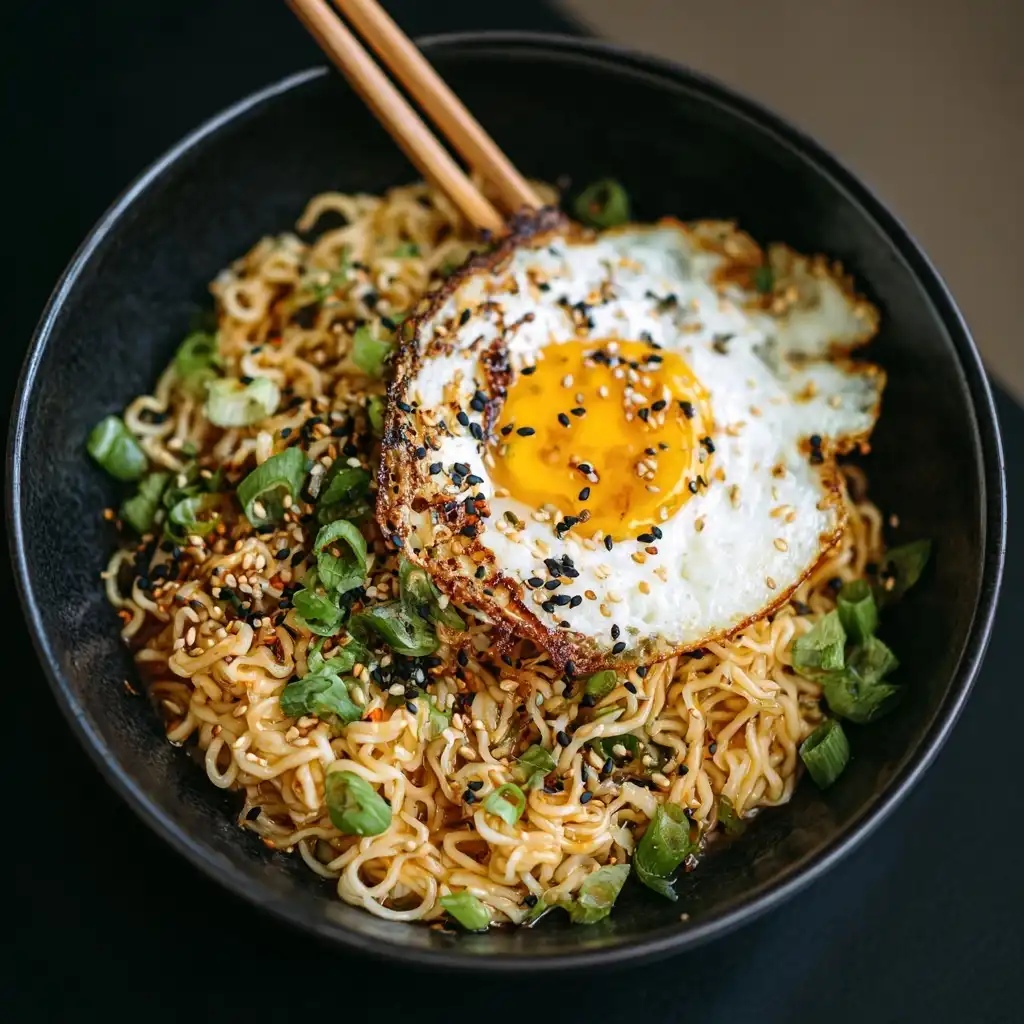
Garlic Sesame Ramen Noodles are a bold, umami-rich, and deeply aromatic fusion dish that bridges the comforting soul of Japanese ramen with the vibrant, nutty intensity of Korean and Chinese pantry staples. Unlike traditional tonkotsu or shoyu ramen, this modern interpretation centers on a luxuriously fragrant oil-based tare (seasoning base) infused with slow-toasted sesame oil, caramelized garlic, and fermented depth—served over springy, alkaline-rich ramen noodles and topped with textural contrasts like crisp scallions, toasted sesame seeds, and chili threads. It’s a weeknight-ready yet restaurant-worthy bowl that delivers complex layers in under 30 minutes—savory, sweet, spicy, nutty, and pungent—all harmonized by the unmistakable warmth of roasted garlic and the toasty resonance of hulled and unhulled sesame.
The History
The origins of Garlic Sesame Ramen Noodles lie not in a single culinary canon, but in the dynamic cross-pollination of East Asian noodle traditions during the late 20th and early 21st centuries. While classic ramen evolved from Chinese wheat noodles introduced to Japan in the late 19th century—refined through regional iterations like Sapporo miso, Hakata tonkotsu, and Tokyo shoyu—the “garlic sesame” variation emerged more recently as part of the global ramen renaissance. Chefs and home cooks alike began experimenting with richer, oil-forward broths inspired by Korean jjajangmyeon’s sesame-laden sauces and Chinese dan dan mian’s chili-garlic oil infusions. The pivotal moment came with the popularization of “miso-garlic” and “sesame-chili” ramen bowls in Tokyo’s Shibuya and Shinjuku ramen alleys in the mid-2000s, where small-batch roasters began supplying cold-pressed, double-toasted sesame oil to specialty ramen shops. Simultaneously, Korean-American food media spotlighted maeuntang-inspired spice profiles and chunjang-adjacent fermented bean pastes, further enriching the flavor lexicon. By the 2010s, viral social media recipes—particularly those featuring “garlic confit ramen” and “black sesame ramen”—catalyzed widespread home adaptation, transforming what was once a niche shop-exclusive into a beloved pantry-driven staple across North America, Europe, and Southeast Asia. Today, Garlic Sesame Ramen embodies culinary globalization at its most delicious: a respectful homage rooted in technique, elevated by innovation, and endlessly adaptable to personal taste.
Ingredients Breakdown
Every element in Garlic Sesame Ramen serves a precise sensory and functional purpose—no ingredient is arbitrary. Below is an in-depth analysis of each component’s role, sourcing guidance, and artisanal alternatives:
- Ramen Noodles (Fresh or Dried): Alkaline-treated (with kansui) wheat noodles provide the signature chewy-yet-resilient texture essential for holding up to rich, viscous sauces without becoming gummy. Fresh noodles offer superior elasticity and subtle eggy aroma; high-quality dried versions (like Sun Noodle, Myojo, or Toyo Soba) retain excellent spring when cooked precisely. Avoid egg-free instant ramen blocks—they lack structural integrity and introduce unwanted sodium and preservatives.
- Toasted Sesame Oil (Premium Cold-Pressed): Not just “sesame oil”—this is the cornerstone. Authentic Korean or Japanese cold-pressed, double-toasted sesame oil delivers deep, nutty, almost smoky complexity. Lighter “roasted” or “pure” sesame oils sold in Western supermarkets often lack intensity and can taste flat or rancid. Look for opaque black glass bottles labeled “100% toasted sesame oil,” preferably from brands like Chung Jung One, Tae Won, or Maruhon. Store refrigerated after opening to preserve volatile aromatics.
- Fresh Garlic (Cloves, Minced & Sliced): Provides both immediate pungency (raw minced) and deep, sweet umami (slow-simmered slices). Use plump, firm, un-sprouted garlic—preferably heirloom varieties like Polish White or Music for higher allicin content. For maximum depth, reserve 2–3 cloves for raw mincing (added at the end), while thinly slicing the rest for gentle infusion.
- Neutral High-Smoke-Point Oil (for Infusion): Peanut, grapeseed, or refined avocado oil ensures garlic slices sizzle without burning during the critical 15–20 minute low-heat infusion. Never substitute extra virgin olive oil—it will smoke and taste bitter.
- Miso Paste (White/Shinshu or Mixed Red-White Blend): Adds fermented savoriness, body, and natural sweetness. White (shiro) miso contributes mild, buttery notes; red (aka) miso brings earthy depth and saltiness. A 2:1 blend offers ideal balance. Opt for unpasteurized, traditionally fermented miso (e.g., Eden Foods, Cold Mountain, or Yamasa) for live cultures and nuanced flavor. Avoid “miso soup base” powders—they contain MSG, sugar, and thickeners.
- Low-Sodium Soy Sauce or Tamari: Supplies clean, salty-umami backbone without overpowering. Use naturally brewed, wheat-free tamari for gluten-free needs (San-J or Kikkoman Gluten-Free). Regular soy sauce works, but reduce added salt later—many conventional brands are extremely high in sodium.
- Rice Vinegar (Unseasoned): Brightens the richness with gentle acidity, cutting through fat and enhancing garlic’s aromatic lift. Do not use seasoned rice vinegar—it contains sugar and salt that throw off seasoning balance.
- Maple Syrup or Brown Rice Syrup: A touch of unrefined sweetness rounds out sharpness and helps emulsify the oil-based tare. Maple syrup adds subtle woody notes; brown rice syrup offers neutral, sticky viscosity ideal for clinging to noodles. Avoid corn syrup or white sugar—they lack complexity and can crystallize.
- Chili Crisp or Chili Oil (Homemade Preferred): Adds aromatic heat and crunchy texture. Traditional Sichuan chili crisp includes fried shallots, garlic, and Sichuan peppercorns—providing numbing ma la complexity. Brands like Fly by Jing or Lao Gan Ma are reliable; for full control, make your own using gochugaru, toasted sesame seeds, and aged ginger.
- Scallions (Green Onions), Thinly Sliced: Used twice—white parts briefly sautéed for savory base notes, green tops added raw for fresh, grassy brightness and visual contrast.
- Toasted Sesame Seeds (White & Black): Offer crunch, visual appeal, and intensified nuttiness. Toast in a dry pan until golden and fragrant—never skip this step, as raw seeds taste bland and mealy.
- Optional Umami Boosters: Dried shiitake soaking liquid (instead of water), a splash of bonito flakes steeped broth, or a teaspoon of nutritional yeast for vegan depth. These are not garnishes—they’re foundational flavor amplifiers.
Step-by-Step Recipe
- Prepare the Garlic-Sesame Infusion Oil (Start 20 Minutes Before Cooking): In a small, heavy-bottomed saucepan, combine ¼ cup neutral oil (peanut or grapeseed) and 8–10 thin garlic slices (reserve 2–3 whole cloves). Warm over the lowest possible heat—do not let oil shimmer or bubble. Gently cook for 15–18 minutes, stirring every 2–3 minutes, until garlic turns pale gold and edges curl slightly. Remove from heat and immediately stir in 3 tbsp premium toasted sesame oil. Let cool 5 minutes, then strain through a fine-mesh sieve into a heatproof bowl, pressing solids to extract all oil. Discard solids or save roasted garlic for spreads. Set infused oil aside.
- Make the Tare (Seasoning Base): In a small mixing bowl, whisk together 3 tbsp white miso paste, 2 tbsp low-sodium soy sauce/tamari, 1 tbsp rice vinegar, 1 tsp maple syrup, and 1 tsp grated fresh ginger (optional but recommended). Gradually whisk in 2 tbsp of the warm garlic-sesame infusion oil until fully emulsified and glossy—no separation. Taste and adjust: more miso for depth, vinegar for brightness, syrup for balance. Set aside.
- Cook the Noodles with Precision: Bring a large pot of generously salted water to a rolling boil (1 tbsp kosher salt per quart). Add noodles and stir immediately to prevent clumping. Cook according to package time minus 30 seconds—ramen noodles should be *al dente*, with slight resistance. Drain thoroughly in a colander, then rinse under cold water for 5 seconds to halt cooking and remove surface starch (critical for sauce adhesion). Shake well—excess water dilutes the tare. Return noodles to the hot pot (off heat).
- Build the Bowl Foundation: Pour the prepared tare over the drained noodles. Using tongs or chopsticks, gently fold and toss for 45–60 seconds until every strand is evenly coated and glossy. The noodles will absorb the tare and begin to steam slightly—this step “marinates” them and builds cohesive flavor.
- Layer the Aromatics & Heat: Heat a small skillet over medium-low. Add 1 tsp neutral oil, then 2–3 thinly sliced scallion whites and the reserved 2–3 raw garlic cloves (minced). Sauté 60–90 seconds until fragrant but not browned. Immediately pour this sizzling mixture over the tare-coated noodles—this “blooms” the raw garlic and unlocks volatile compounds.
- Add Texture & Finish: Top generously with: 1 tbsp toasted white sesame seeds, 1 tsp toasted black sesame seeds, 1–2 tsp chili crisp (including oil), and 2–3 tbsp thinly sliced scallion greens. Optional luxury additions: pickled ginger ribbons, nori strips, soft-boiled marinated egg (ajitsuke tamago), or blanched bok choy.
- Serve Immediately: Garlic Sesame Ramen is best enjoyed within 3 minutes of assembly—heat, aroma, and texture peak early. Serve in pre-warmed ceramic or lacquered bowls to maintain temperature and enhance sensory experience.
Tips
- Garlic Timing is Everything: Raw minced garlic added at the very end (step 5) provides bright, sharp top notes, while the slow-infused slices lend deep, caramelized backbone. Never add all garlic at once—layering creates dimension.
- Noodle Temperature Matters: Noodles must be hot but not steaming wet when tossed with tare. If rinsing cools them too much, briefly steam in a colander over boiling water for 10 seconds before tossing.
- Emulsify Like a Pro: Whisk tare ingredients in order—liquid first (soy, vinegar, syrup), then miso, then oil in a slow, steady stream while whisking constantly. This prevents separation and ensures velvety mouthfeel.
- Toast Sesame Seeds in Batches: White and black sesame seeds toast at different rates. Toast white seeds first (1–2 minutes), remove, then toast black seeds (2–3 minutes) separately—then combine.
- Scale Heat Thoughtfully: Chili crisp varies widely in Scoville units. Start with ½ tsp, taste the tare, then increase. Remember: heat intensifies as the bowl sits.
- Reserve Infusion Oil: You’ll have ~1–2 tbsp leftover garlic-sesame oil—store refrigerated for up to 2 weeks. Use it to finish salads, drizzle over grilled tofu, or stir into mayo for sandwiches.
- Prevent Clumping During Cooking: Stir noodles vigorously the first 15 seconds after adding to boiling water. Add 1 tsp oil to the pot only *after* they’re submerged—this coats strands without inhibiting starch release needed for tare adhesion.
- Taste Tare, Not Just the Bowl: Always taste your tare mixture *before* adding to noodles. Adjust seasoning here—once mixed, correction is difficult.
- Use a Chopstick “Lift Test”: To check doneness, lift a strand with chopsticks—if it springs back slightly and has no chalky core, it’s perfect.
- Double-Duty Garlic: Save the strained, infused garlic slices—they’re tender, sweet, and deeply flavorful. Mash into compound butter, mix into mashed potatoes, or blend into aioli.
Variations and Customizations
This recipe is a master framework—designed for endless creativity without sacrificing authenticity. Here are 12 thoughtfully developed variations, each with distinct cultural roots and functional adaptations:
- Vegan Umami Bomb: Replace miso with 1 tbsp red miso + 1 tsp nutritional yeast + ½ tsp liquid smoke. Use tamari and top with marinated king oyster mushrooms sautéed in garlic-sesame oil and shiitake “bacon” (thinly sliced shiitakes baked with tamari and maple).
- Korean-Inspired Gochujang Swirl: Whisk 1 tbsp gochujang and ½ tsp gochugaru into the tare. Garnish with quick-pickled radish (mu), kimchi slaw, and toasted pine nuts instead of sesame seeds.
- Breakfast Ramen: Top with a jammy 6½-minute soft-boiled egg, furikake, nori, and a sprinkle of everything bagel seasoning. Add a splash of dashi to the tare for morning-friendly savoriness.
- Seafood Luxe: Sauté 4 oz chopped squid and 6–8 shucked clams in garlic-sesame oil until just cooked. Fold into noodles with tare. Finish with yuzu zest and micro-cilantro.
- Winter Root Vegetable: Roast diced parsnips, carrots, and turnips with garlic-sesame oil until caramelized. Fold into warm noodles with extra black sesame and orange zest.
- Green Goddess: Blend ½ cup blanched spinach, 2 tbsp basil, 1 tbsp parsley, 1 tsp lemon juice, and 1 tbsp garlic-sesame oil into a vibrant green swirl. Drizzle over assembled bowl.
- Smoky Shichimi Togarashi: Replace chili crisp with 1 tsp authentic shichimi togarashi (Japanese seven-spice). Garnish with toasted hemp seeds and yuzu kosho.
- Coconut-Miso Fusion: Substitute 1 tbsp coconut aminos for half the soy sauce and add 1 tbsp unsweetened coconut cream to tare. Top with crispy coconut flakes and lime wedges.
- Charred Broccolini: Toss broccolini in garlic-sesame oil, grill or roast until charred at edges, then pile high over noodles. Add lemon-thyme vinaigrette drizzle.
- Dessert Ramen (Yes, Really): Use black sesame soba noodles, swap tare for black sesame paste + maple + matcha-infused soy milk reduction. Top with mochi cubes, black sesame ice cream, and candied ginger.
- Low-Carb Shirataki Version: Rinse and dry-fry shirataki noodles 5 minutes to remove excess water. Toss with tare as directed—add extra toasted sesame and chili crisp to compensate for reduced starch absorption.
- Meal-Prep Friendly “Dry Pack”: Prepare tare and infusion oil separately. Portion noodles (cooked and chilled), then assemble cold—add hot tare and sizzle aromatics just before eating. Keeps 4 days refrigerated.
Health Considerations and Nutritional Value
Garlic Sesame Ramen Noodles, when prepared mindfully, offers surprising nutritional merit beyond its indulgent profile. A standard serving (one 3.5-oz dried noodle portion + full tare + toppings) provides approximately 480–520 kcal, with balanced macronutrients and potent phytonutrient benefits:
- Heart-Healthy Fats: Premium toasted sesame oil is rich in monounsaturated fats (oleic acid) and polyphenolic lignans (sesamin, sesamolin) clinically shown to support healthy blood pressure and LDL cholesterol metabolism. Paired with garlic’s allicin (activated upon crushing/mincing), this combination exhibits synergistic cardiovascular protection.
- Probiotic & Enzyme Support: Traditionally fermented white miso contains live Bacillus subtilis cultures, beneficial enzymes (proteases, amylases), and bioactive peptides that aid digestion and gut barrier integrity—especially valuable when paired with fiber-rich scallions and optional fermented toppings like kimchi.
- Antioxidant Density: Garlic delivers organosulfur compounds (diallyl sulfide, ajoene) with demonstrated anti-inflammatory and cellular detoxification properties. Sesame seeds contribute vitamin E (gamma-tocopherol), copper, and zinc—critical cofactors for superoxide dismutase (SOD), the body’s primary antioxidant enzyme.
- Lower Sodium Strategy: By building flavor via fermentation (miso), aromatics (garlic, ginger), and umami (toasted sesame), total sodium stays at ~780 mg per serving—well below restaurant ramen (often 1,800–2,500 mg). Using low-sodium tamari and omitting added salt keeps it hypertension-friendly.
- Glycemic Considerations: Alkaline ramen noodles have a moderate glycemic index (~55–60) due to their dense gluten network and lower starch gelatinization vs. regular pasta. Adding vinegar (rice vinegar) further lowers glycemic response by up to 30% via delayed gastric emptying.
- Allergen Notes: Naturally gluten-free if using certified GF tamari and 100% buckwheat or rice-based ramen (note: most “ramen” contains wheat). Sesame is a top-9 allergen—clear labeling is essential. Vegan versions omit eggs and dairy effortlessly.
- Portion Guidance: For weight management, serve in a 16-oz wide-rimmed bowl to encourage mindful eating. Increase volume with non-starchy veggies (bok choy, spinach, bean sprouts) without significantly increasing calories.
- Contraindications: Those on anticoagulant therapy should consult a physician before consuming large amounts of raw garlic daily. Individuals with IBS may prefer roasted (not raw) garlic to minimize FODMAP load.
Overall, this dish exemplifies “nutrient synergy”—where whole-food ingredients interact to amplify health benefits far beyond isolated nutrients. It’s comfort food with clinical credibility.
Ingredients
- 3.5 oz (100 g) high-quality fresh or dried alkaline ramen noodles (egg-free if desired)
- ¼ cup neutral high-smoke-point oil (peanut, grapeseed, or refined avocado)
- 10–12 garlic cloves, peeled — 8–10 thinly sliced for infusion, 2–3 minced raw
- 3 tbsp premium cold-pressed toasted sesame oil (Korean or Japanese origin)
- 3 tbsp white (shiro) miso paste, unpasteurized
- 2 tbsp low-sodium soy sauce or tamari (gluten-free if needed)
- 1 tbsp unseasoned rice vinegar
- 1 tsp pure maple syrup or brown rice syrup
- 1 tsp freshly grated ginger (optional but recommended)
- 2–3 scallions, whites and greens separated and thinly sliced
- 1–2 tsp chili crisp (with oil), to taste
- 1 tbsp toasted white sesame seeds
- 1 tsp toasted black sesame seeds
- Kosher salt, to taste (only if needed—taste tare first)
Directions
- In a small heavy-bottomed saucepan, combine neutral oil and 8–10 thin garlic slices. Warm over the lowest possible heat (do not let oil shimmer). Cook gently for 15–18 minutes, stirring every 2–3 minutes, until garlic is pale gold and slightly curled. Remove from heat and immediately stir in toasted sesame oil. Cool 5 minutes, then strain through a fine-mesh sieve into a bowl, pressing solids. Discard solids or reserve. Set infused oil aside.
- In a small bowl, whisk together miso, soy sauce/tamari, rice vinegar, maple syrup, and grated ginger (if using). Gradually whisk in 2 tbsp of the warm garlic-sesame infusion oil until smooth, glossy, and fully emulsified. Set tare aside.
- Bring a large pot of water to a vigorous boil. Add 1 tbsp kosher salt. Add noodles and stir immediately. Cook per package directions minus 30 seconds (usually 1:30–2:00 mins for dried, 45–60 secs for fresh). Drain thoroughly in a colander.
- Rinse noodles under cold water for exactly 5 seconds to stop cooking and remove excess starch. Shake vigorously to remove all water. Return to hot, empty pot (off heat).
- Pour tare over noodles. Using tongs or chopsticks, fold and toss continuously for 45–60 seconds until noodles are uniformly coated and glossy.
- In a small skillet over medium-low heat, warm 1 tsp neutral oil. Add scallion whites and raw minced garlic. Sauté 60–90 seconds until fragrant but not browned. Immediately pour sizzling mixture over tare-coated noodles.
- Top generously with chili crisp (including oil), toasted white and black sesame seeds, and scallion greens.
- Serve immediately in pre-warmed bowls. Enjoy within 3 minutes for optimal aroma, texture, and heat balance.
FAQ
- Can I make this gluten-free?
- Yes—use certified gluten-free tamari and 100% buckwheat or rice-based ramen noodles (check labels carefully, as many “buckwheat” noodles contain wheat). Ensure chili crisp and miso are GF-certified (some miso contains barley).
- Why do I rinse the noodles?
- Rinsing removes surface starch that would otherwise cause the tare to slide off rather than cling. Cold rinse also halts cooking, preserving perfect al dente texture. Skip only if using ultra-high-quality fresh noodles with minimal starch leaching.
- My tare separated—can I fix it?
- Yes! Place the tare in a small blender or use an immersion blender with 1 tsp warm water or dashi. Blend 15 seconds until re-emulsified. Or whisk vigorously while slowly drizzling in ½ tsp neutral oil.
- Can I prep components ahead?
- Absolutely. Infusion oil keeps refrigerated 2 weeks. Tare keeps 5 days refrigerated (stir before use). Cooked noodles can be chilled 2 days—refresh under hot water 10 seconds before tossing with tare.
- What if I don’t have miso?
- Substitute 1 tbsp soy sauce + ½ tsp nutritional yeast + ¼ tsp white miso powder (if available). Avoid skipping miso entirely—it’s irreplaceable for fermented depth and body.
- Is there a low-oil version?
- You can reduce neutral oil to 2 tbsp and sesame oil to 2 tbsp—but expect less richness and aroma. Compensate with extra toasted sesame seeds, roasted garlic paste, and a splash of dashi in the tare.
- Can I freeze this?
- Not recommended—the texture of noodles degrades, and infused oil may separate or develop off-flavors. However, tare and infusion oil freeze beautifully for up to 3 months in ice cube trays.
- What’s the best chili crisp brand?
- For authenticity: Fly by Jing Sichuan Chili Crisp (balanced heat, numbing) or Lee Kum Kee Spicy Chili Oil (milder, garlic-forward). For accessibility: Trader Joe’s Chili Onion Crunch (vegan, no peanuts).
- Why use two types of sesame seeds?
- White sesame seeds offer sweet, nutty fragrance; black sesame seeds deliver deeper, earthier tones and antioxidants (anthocyanins). Together, they create visual drama and layered flavor—never substitute one for both.
- Can I add protein?
- Yes—ideal options include: marinated and pan-seared tofu, shredded rotisserie chicken, teriyaki-glazed salmon, or ground pork simmered in tare. Add proteins *after* tossing noodles to preserve texture.
Summary
Garlic Sesame Ramen Noodles is a masterclass in umami layering—where slow-infused garlic, double-toasted sesame oil, fermented miso, and bright rice vinegar converge to transform humble wheat noodles into a deeply aromatic, nutritionally resonant, and endlessly customizable bowl.
It honors tradition through technique—kansui noodles, proper infusion, balanced tare—while inviting bold innovation, whether vegan, spicy, seafood-laced, or dessert-inspired, making it as suited to a quiet Tuesday night as it is to impressing guests at a dinner party.