Introduction
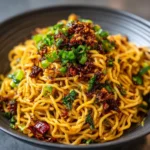
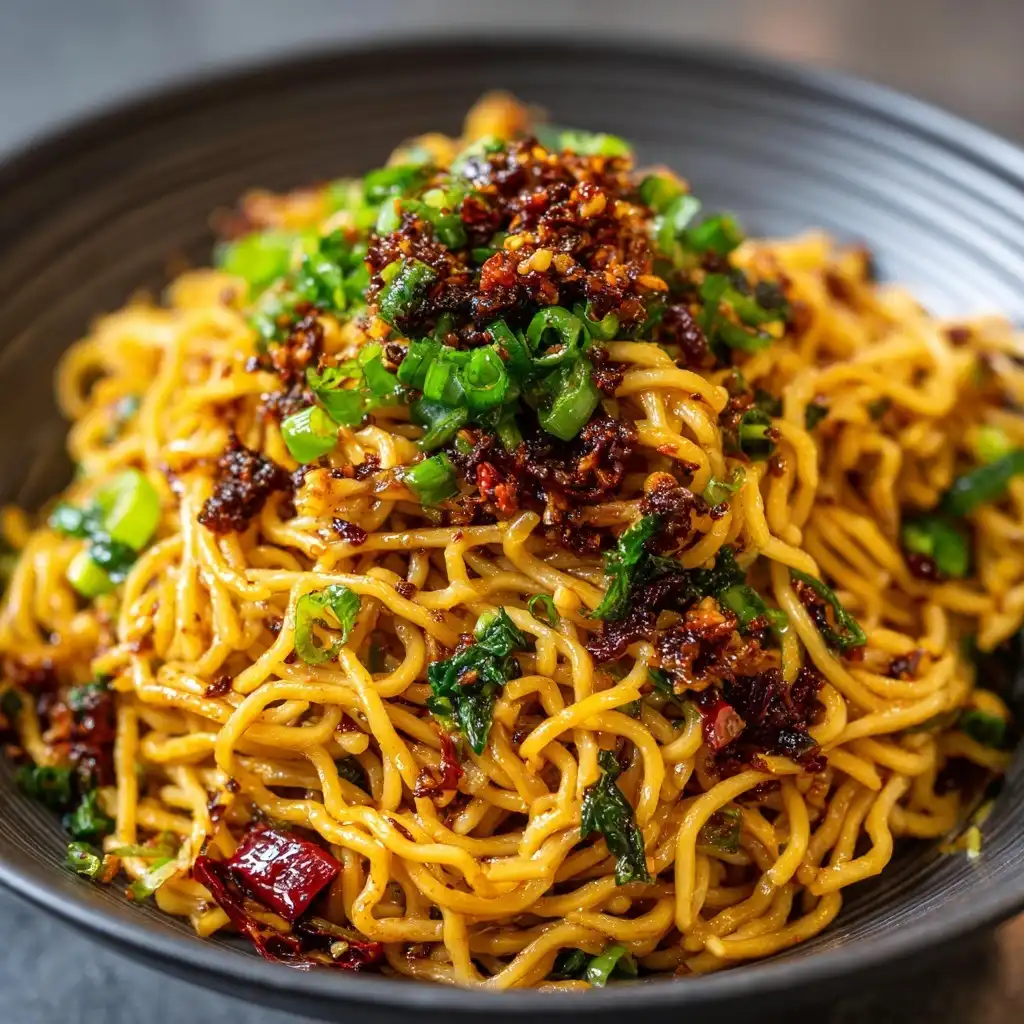
Garlic Chili Oil Noodles—often affectionately dubbed “Chili Crisp Noodles” or “Sichuan-Style Dan Dan Noodles’ minimalist cousin”—are a vibrant, soul-satisfying dish that marries fiery heat, pungent garlic, aromatic toasted oil, and springy noodles into one irresistible bowl. Originating from the bold culinary traditions of Southwest China but reimagined globally through home kitchens, food blogs, and viral social media reels, this dish is far more than just a quick meal—it’s an experience in layered umami, textural contrast, and customizable spice. Whether served cold as a refreshing summer salad, warm as a comforting weeknight staple, or elevated with premium toppings for dinner guests, Garlic Chili Oil Noodles embody the essence of modern Chinese-inspired cooking: deeply rooted in tradition, yet endlessly adaptable, deeply flavorful, and astonishingly simple to execute—even for novice cooks.
The History
The genesis of Garlic Chili Oil Noodles lies not in a single documented recipe, but in the centuries-old evolution of Sichuan and Hunan condiment culture—particularly the art of you la jiao (oil-infused chili) and la you (chili oil). Long before bottled chili crisp hit Western supermarket shelves, households across central and southwestern China preserved chilies in hot oil, often enriched with roasted Sichuan peppercorns, ginger, star anise, and—critically—copious amounts of minced or fried garlic. This technique served both preservative and flavor-enhancing functions, transforming humble pantry staples into complex, shelf-stable seasonings.
In the 20th century, regional variations proliferated: Chengdu’s hong you chao shou (red-oil wontons) showcased chili oil over delicate dumplings; Chongqing’s street vendors tossed hand-pulled noodles with chili oil, pickled mustard greens, and minced pork—laying groundwork for dan dan–style preparations. The garlic-forward iteration gained traction in the late 1990s and early 2000s among urban Chinese millennials seeking fast, flavorful meals without meat-heavy components. Its global breakout began around 2015–2016, accelerated by the rise of Lao Gan Ma (founded 1996), whose iconic chili crisp inspired countless homemade versions—and eventually, the minimalist, garlic-centric noodle bowl now beloved from Seoul cafes to Brooklyn supper clubs. Today, Garlic Chili Oil Noodles represent a cross-cultural dialogue: honoring wok hei and regional spice philosophy while embracing global accessibility, plant-forward preferences, and the digital-age love of shareable, photogenic, deeply savory comfort food.
Ingredients Breakdown
Every exceptional bowl begins with intentionality—not just in selection, but in understanding *why* each component matters:
- Noodles: Traditionally, thin to medium-width alkaline wheat noodles (like lamian or Japanese ramen-style noodles) are preferred for their chewy resilience and ability to cling to oily dressings. Udon offers satisfying heft; rice vermicelli delivers gluten-free lightness; soba adds nutty depth and antioxidants. Fresh noodles absorb sauce better than dried, but high-quality dried varieties (e.g., Sun Noodle or Myojo) work beautifully when cooked al dente.
- Chili Oil Base: Not mere “spicy oil,” but a layered infusion. Start with neutral, high-smoke-point oil (peanut, soybean, or refined avocado) heated to 320–350°F—hot enough to bloom dried chilies without scorching. Key chili components include coarse-ground er jing tiao (for fruity heat), fine guo qiao flakes (for deep red color and lingering burn), and optional toasted white sesame seeds for nuttiness.
- Fresh Garlic: The namesake star. Use 4–6 cloves per serving, finely minced or grated on a microplane for maximum pungent volatility. Raw garlic provides sharp, bright heat; briefly blanching or soaking in cold water tempers harshness while preserving aroma.
- Aromatics & Umami Anchors: Toasted Sichuan peppercorns (hua jiao) deliver citrusy numbing ma la; fermented black beans (dou chi) add saline funk; light soy sauce contributes amino-rich savoriness; Chinkiang vinegar (or Zhenjiang) lends malty tang; and a whisper of sugar balances acidity and heat.
- Toppings & Textural Elements: Crispy fried shallots or garlic chips provide golden crunch; blanched bok choy or napa cabbage adds freshness; roasted peanuts or crushed cashews contribute richness; nori strips or toasted sesame offer oceanic or nutty finish. Optional proteins like marinated tofu, shredded chicken, or ground pork transform it into a full meal.
Step-by-Step Recipe
- Prepare the Chili-Garlic Oil (can be made ahead): Heat 1 cup neutral oil in a heavy-bottomed wok or saucepan over medium-low heat. Add 2 tbsp whole Sichuan peppercorns and gently toast for 2–3 minutes until fragrant but not smoking. Remove from heat, wait 1 minute, then carefully pour hot oil over ¼ cup coarse chili flakes, 2 tbsp fine chili powder, 1 tbsp toasted sesame seeds, and 6–8 thinly sliced garlic cloves in a heatproof bowl. Let steep 15 minutes. Strain if desired (for smooth oil) or keep sediment for rustic texture.
- Cook the Noodles: Bring a large pot of salted water to rolling boil. Add 8–10 oz dried noodles (or equivalent fresh) and cook according to package—typically 2–4 minutes for dried, 30–60 seconds for fresh. Reserve ½ cup starchy cooking water, then drain thoroughly. Rinse under cold water *only* if serving chilled; for warm service, skip rinsing to retain starch for sauce adhesion.
- Build the Sauce: In a large mixing bowl, combine 3–4 tbsp chili-garlic oil (with or without sediment), 1½ tbsp light soy sauce, 1 tbsp Chinkiang vinegar, 1 tsp sugar, 1 tsp fermented black bean paste (mashed), and ½ tsp toasted white sesame oil. Whisk vigorously until emulsified.
- Combine & Toss: Add drained noodles to sauce. Using chopsticks or tongs, lift and fold repeatedly for 60–90 seconds—this coats every strand evenly and warms noodles slightly via friction. If too dry, add reserved starchy water 1 tbsp at a time. Taste and adjust: more vinegar for brightness, more sugar for balance, more chili oil for fire.
- Finish & Garnish: Transfer to serving bowls. Top generously with crispy fried garlic, sliced scallions (white and green parts), blanched spinach or bok choy ribbons, crushed roasted peanuts, and a final drizzle of unheated chili oil or sesame oil. Serve immediately.
Tips
- Control the Heat Gradually: Chili oil intensity varies wildly by brand and batch. Start with 1 tbsp per serving and add incrementally. Remember: heat builds over 30–60 seconds after eating.
- Never Skip the Starch Water: That cloudy, glutinous liquid is your secret weapon—it binds oil and soy sauce into a glossy, clingy emulsion instead of a greasy puddle.
- Garlic Timing Matters: For raw, punchy heat: add minced garlic directly to the finished sauce. For mellow sweetness: sauté minced garlic in 1 tsp oil until golden (not brown!) before mixing into sauce.
- Wok hei Without a Wok: Achieve subtle smokiness by quickly flash-heating drained noodles in a dry nonstick pan over high heat for 30 seconds before saucing.
- Texture Contrast Is Non-Negotiable: A bowl lives or dies by its crunch. Always include at least two contrasting textures—e.g., crispy garlic + soft bok choy, or peanuts + silky noodles.
- Acid Is the Balancer: If the dish tastes flat or overly oily, add vinegar—not more soy. Chinkiang’s molasses-like depth outperforms rice vinegar here. A splash of yuzu or calamansi juice adds intriguing citrus lift.
- Make It Ahead (Smartly): Chili oil keeps refrigerated for 1 month; sauce base (without noodles) lasts 5 days. Cook noodles fresh—but pre-chop aromatics and portion toppings for lightning-fast assembly.
Variations and Customizations
This dish thrives on personalization. Here’s how to tailor it across dietary needs, seasons, and cravings:
- Vegan/Vegetarian: Ensure chili oil contains no shrimp paste (some traditional versions do); substitute oyster sauce with mushroom-based “vegetarian oyster sauce”; use tamari instead of soy for gluten-free needs.
- Low-Carb/Keto: Swap wheat noodles for shirataki (miracle) noodles or spiralized zucchini/konjac. Boost fat with extra chili oil, toasted sesame, and avocado slices.
- Protein-Packed: Top with mapo-style crumbled tofu (stir-fried with doubanjiang and Sichuan peppercorns); shredded Kung Pao chicken; or cold-smoked salmon for a luxe twist.
- Regional Twists:
- Chengdu Style: Add pickled mustard tubers (su cai) and a spoonful of spicy broad bean paste (doubanjiang).
- Shanghai Style: Incorporate sweet soy glaze (hong shao), braised soy eggs, and blanched Shanghai bok choy.
- Korean-Inspired: Swap Chinkiang for gochujang-thinned rice vinegar, add kimchi slaw and toasted perilla leaves.
- Italian Fusion: Use spaghetti, finish with Calabrian chili oil, lemon zest, and ricotta salata.
- Seasonal Adaptations:
- Spring: Toss with fresh pea shoots, fava beans, and edible flowers.
- Summer: Serve chilled with cucumber ribbons, mint, and lime juice; replace wheat noodles with cold rice noodles.
- Fall: Add roasted kabocha squash cubes, caramelized onions, and toasted walnuts.
- Winter: Warm noodles in broth-based “soup noodles” style—top with nori, scallions, and a soft-boiled egg.
- Heat-Level Tiers:
- Mild: Use only paprika-based chili flakes; omit Sichuan peppercorns; add roasted red pepper purée.
- Medium: Standard recipe with balanced er jing tiao and guo qiao.
- Fire-Breather: Add ½ tsp ground ghost pepper or Carolina Reaper powder *to the oil infusion* (use gloves!); finish with fresh Thai bird’s eye chilies.
Health Considerations and Nutritional Value
When prepared mindfully, Garlic Chili Oil Noodles can be a nutritionally robust, gut-friendly, and anti-inflammatory meal—far beyond its reputation as “just spicy carbs.” Let’s break down the science-backed benefits and mindful modifications:
- Garlic’s Powerhouse Profile: Raw garlic contains allicin—a compound with well-documented antimicrobial, antihypertensive, and cholesterol-lowering effects. Crushing or mincing garlic and letting it sit for 10 minutes before use maximizes allicin synthesis.
- Chili Peppers & Metabolism: Capsaicin—the active compound in chilies—increases thermogenesis and may modestly support fat oxidation. Studies suggest regular capsaicin intake correlates with lower BMI and reduced visceral fat accumulation.
- Sichuan Peppercorns’ Neurological Role: Hydroxy-alpha-sanshool induces gentle tingling that stimulates TRPV1 receptors—linked to improved circulation and potential pain modulation. Emerging research explores its role in neuroprotection.
- Oil Selection Matters: Peanut and avocado oils are rich in monounsaturated fats (heart-healthy) and vitamin E (antioxidant). Avoid refined corn or cottonseed oils high in omega-6s, which may promote inflammation in excess.
- Gut Health Synergy: Fermented black beans contain beneficial microbes and bioactive peptides; vinegar supports gastric acid production and nutrient absorption; fiber-rich toppings (bok choy, spinach) feed beneficial gut bacteria.
- Mindful Modifications:
- Sodium Watch: Use low-sodium soy sauce or coconut aminos; rinse fermented beans briefly; skip added salt.
- Sugar Conscious: Replace granulated sugar with date paste or monk fruit extract; rely on natural sweetness from carrots or roasted onions.
- Digestive Sensitivity: For IBS or GERD, reduce garlic quantity, use roasted (not raw) garlic, omit Sichuan peppercorns, and choose easily digestible rice noodles.
- Gluten-Free Integrity: Verify all sauces (soy, black bean paste) are certified GF; use tamari or liquid aminos; opt for 100% rice or buckwheat soba.
- Nutrition Snapshot (Per Serving, Approx.): Calories: 480–620 | Carbs: 75–85g (fiber 4–6g) | Protein: 12–18g | Fat: 18–26g (MUFA dominant) | Sodium: 750–1100mg | Vitamin A: 120% DV | Vitamin C: 65% DV | Iron: 18% DV | Calcium: 10% DV
Ingredients
- 8–10 oz (225–280g) dried alkaline wheat noodles (or fresh ramen, udon, or rice noodles)
- 1 cup neutral oil (peanut, soybean, or refined avocado)
- 2 tbsp whole Sichuan peppercorns
- ¼ cup coarse-ground er jing tiao chili flakes
- 2 tbsp fine guo qiao chili powder
- 1 tbsp toasted white sesame seeds
- 8–10 garlic cloves, very thinly sliced or minced (about 3 tbsp)
- 1½ tbsp light soy sauce (low-sodium preferred)
- 1 tbsp Chinkiang (Zhenjiang) black vinegar
- 1 tsp unrefined cane sugar or coconut sugar
- 1 tsp fermented black bean paste (dou chi), mashed
- ½ tsp toasted sesame oil (cold-pressed, unheated)
- ½ tsp flaky sea salt (optional, adjust to taste)
- For Garnish (choose 3–5):
- 2 tbsp crispy fried garlic
- 2 scallions, finely sliced (green and white)
- 1 cup blanched baby bok choy or spinach ribbons
- 2 tbsp crushed roasted peanuts or cashews
- 1 tsp toasted black or white sesame seeds
- ¼ cup quick-pickled cucumbers or mustard greens
- 1 soft-boiled or jammy egg (optional protein boost)
- Small nori sheet, torn (for umami depth)
Directions
- Infuse the Chili-Garlic Oil: In a heavy-bottomed wok or Dutch oven, combine 1 cup neutral oil and 2 tbsp Sichuan peppercorns. Heat over medium-low (300°F) for 3–4 minutes, swirling occasionally, until peppercorns shimmer and release a citrusy, floral fragrance. Do not let smoke. Remove from heat. Wait exactly 60 seconds—this allows residual heat to bloom without burning. Carefully pour hot oil over ¼ cup coarse chili flakes, 2 tbsp fine chili powder, 1 tbsp toasted sesame seeds, and 8–10 thinly sliced garlic cloves in a deep, heatproof ceramic or glass bowl. Stir once, cover loosely with foil, and steep 15 minutes. For smoother oil, strain through a fine-mesh sieve lined with cheesecloth into a clean jar; for rustic texture, leave sediment intact. Cool to room temperature before using. (Yields ~1¼ cups oil.)
- Cook the Noodles: Fill a large stockpot ¾ full with water; add 1½ tbsp kosher salt. Bring to vigorous boil. Add noodles and stir immediately to prevent clumping. Cook precisely per package instructions—usually 2–3 minutes for dried thin noodles, 4–5 minutes for thicker udon. Before draining, scoop out ½ cup starchy cooking water and set aside. Drain noodles in a colander; shake well to remove excess water. For warm service: skip rinsing. For cold service: rinse under cold running water until cool, then drain thoroughly and pat dry with clean kitchen towels.
- Prepare the Sauce Base: In a large, wide mixing bowl (preferably stainless steel or ceramic), whisk together 3–4 tbsp infused chili-garlic oil (including sediment if desired), 1½ tbsp light soy sauce, 1 tbsp Chinkiang vinegar, 1 tsp sugar, 1 tsp mashed fermented black bean paste, ½ tsp cold-pressed sesame oil, and a pinch of flaky salt. Whisk 30 seconds until fully emulsified and glossy—no separation should remain.
- Toss with Precision: Add drained noodles to sauce. Using long-handled tongs or wooden chopsticks, lift noodles high and fold over themselves continuously for 75–90 seconds. This aerates, warms slightly (if noodles were hot), and ensures even, clingy coating. If mixture appears dry or stiff, add reserved starchy water 1 tbsp at a time, continuing to toss until noodles glisten and move freely.
- Final Assembly & Garnish: Divide noodles among warmed shallow bowls. Immediately top with crispy fried garlic, scallions, bok choy ribbons, peanuts, and sesame seeds. Drizzle with an additional ½ tsp unheated chili oil or sesame oil for aromatic finish. Serve within 2 minutes for optimal texture and heat distribution.
FAQ
- Can I make this entirely vegetarian/vegan?
- Absolutely. Ensure your chili oil contains no shrimp paste (check labels or make your own). Substitute fish sauce or oyster sauce with mushroom-based vegetarian oyster sauce or coconut aminos. All core ingredients are naturally plant-based.
- Why does my chili oil separate or taste bitter?
- Bitterness arises from overheating oil or chilies—always infuse below smoke point (350°F max). Separation occurs if sauce isn’t whisked thoroughly or lacks emulsifiers (soy sauce and vinegar help bind oil). Adding a teaspoon of honey or miso paste stabilizes emulsions.
- Can I prep this for meal prep?
- Yes—with caveats. Chili oil lasts 4 weeks refrigerated. Sauce base (oil + soy + vinegar) keeps 5 days. Cook noodles fresh daily—or par-cook, chill in oil-coated strands, and reheat in boiling water for 30 seconds before saucing.
- What’s the difference between chili oil and chili crisp?
- Chili oil is infused oil with sediment; chili crisp includes crunchy bits (garlic, shallots, peanuts) suspended in oil. For this recipe, either works—but chili crisp adds built-in texture. If using store-bought crisp, reduce added garlic and nuts accordingly.
- My throat burns hours later—how do I tone it down?
- That delayed burn signals capsaicin binding to pain receptors. Next time: use less chili powder, add dairy (a spoonful of yogurt in sauce tames heat), or serve with cooling sides like cucumber salad or silken tofu.
- Can I use regular olive oil?
- Not recommended. Extra virgin olive oil has low smoke point (~320°F) and strong flavor that clashes with Sichuan aromatics. Use refined olive oil only if necessary—but peanut, avocado, or grapeseed are superior.
- Is there gluten in chili oil or black bean paste?
- Traditional Chinese black bean paste is wheat-fermented and contains gluten. Look for certified gluten-free brands (e.g., Pearl River Bridge GF line) or substitute with tamari-based fermented soybean paste.
- How do I store leftovers?
- Store sauced noodles in airtight container up to 2 days refrigerated. Reheat gently in wok with 1 tsp oil over medium heat—do not microwave (makes noodles rubbery). Add fresh garnishes before serving.
Summary
Garlic Chili Oil Noodles are a masterclass in minimalist complexity—where humble ingredients transform through technique, balance, and respect for regional wisdom into a deeply nourishing, endlessly expressive, and globally resonant dish.
With roots in Sichuan preservation traditions and wings in modern food culture, this bowl invites creativity, celebrates bold flavor, and proves that extraordinary taste requires neither extravagance nor expertise—just intention, quality components, and the courage to embrace heat, garlic, and joy.