Introduction
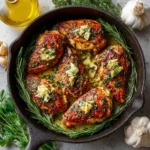
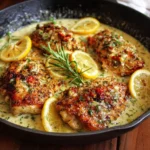
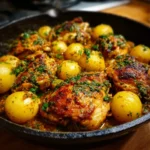
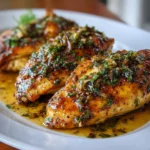
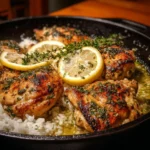
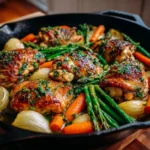
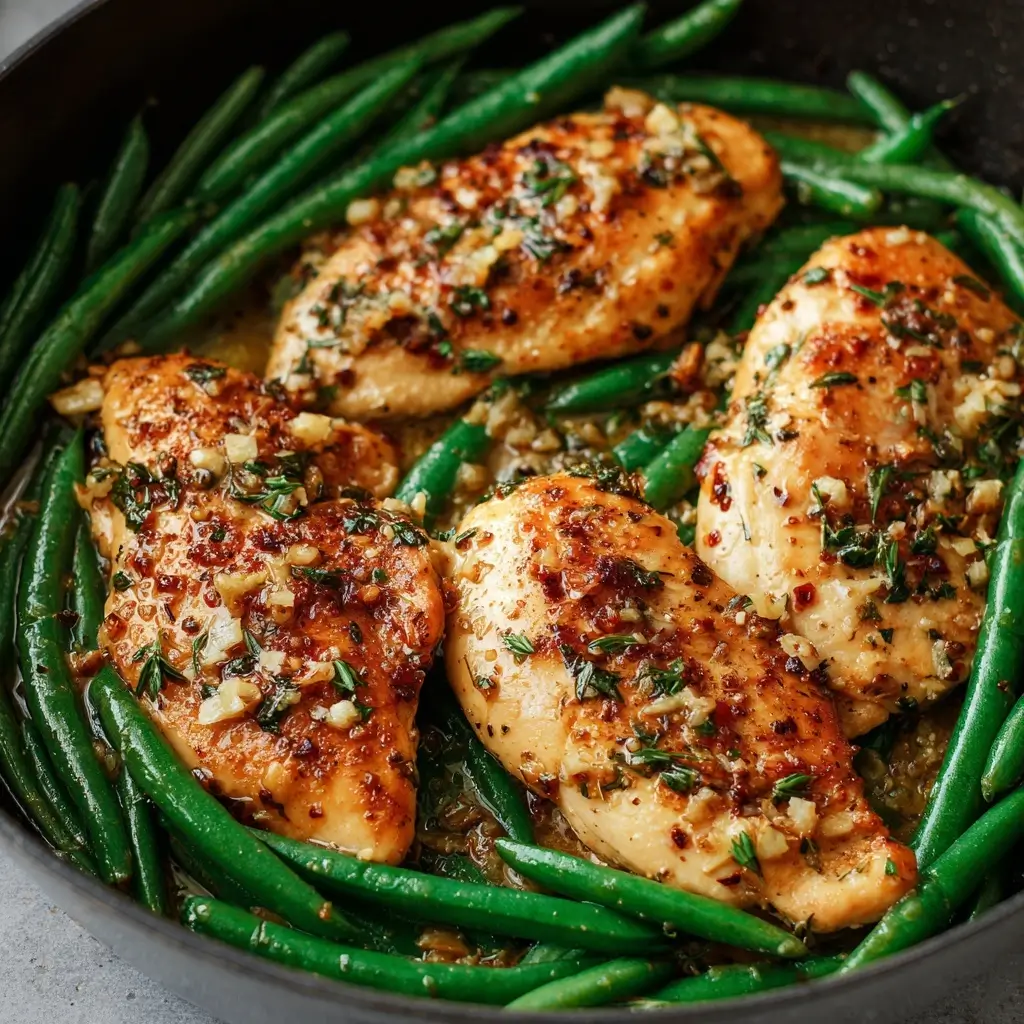
Garlic Butter Chicken and Green Beans is a beloved, restaurant-quality weeknight dinner that effortlessly balances rich, savory depth with fresh, crisp brightness. This harmonious one-pan (or two-pan) dish features tender, golden-brown chicken breasts or thighs enveloped in a luxuriously aromatic garlic butter sauce—infused with herbs, lemon zest, and just the right amount of umami—and paired with vibrant, al dente green beans that soak up every drop of that golden, garlicky goodness. It’s a dish that feels indulgent yet approachable, elegant yet deeply comforting—equally at home on a casual Tuesday table as it is served for guests at a relaxed Sunday supper. Its enduring popularity stems from its simplicity, versatility, and profound flavor payoff: minimal prep, straightforward techniques, and ingredients you likely already have in your pantry and fridge.
The History
While no single documented “invention” marks the birth of Garlic Butter Chicken and Green Beans, its roots lie in the broader culinary traditions of European and American home cooking, where butter, garlic, and seasonal vegetables have long formed the backbone of rustic elegance. Garlic butter itself traces back centuries—medieval European apothecaries used garlic-infused fats for medicinal purposes, while French cuisine elevated beurre composé (compound butter) into an art form by the 18th century. The classic pairing of chicken and green beans appears in mid-20th-century American cookbooks, notably gaining traction post-WWII as frozen green beans became widely available and home cooks sought quick, nutritious, and flavorful meals. The modern version—featuring pan-seared chicken finished in a sizzling garlic butter sauce with sautéed or roasted green beans—rose to prominence in the 1990s and early 2000s through food magazines like Bon Appétit and television chefs such as Emeril Lagasse, who championed bold, butter-laden flavors. Today, it thrives across digital platforms—from Pinterest to TikTok—as a cornerstone “meal prep hero” and a go-to template for healthy, satisfying, and photogenic home cooking.
Ingredients Breakdown
Understanding each ingredient’s role transforms this recipe from mechanical steps into intuitive cooking:
- Chicken Breast or Thighs: Boneless, skinless chicken breasts offer lean tenderness, while boneless, skinless thighs provide richer flavor, higher fat content (for extra juiciness), and greater forgiveness against overcooking. Both benefit from proper pounding to even thickness.
- Unsalted Butter: The soul of the sauce—provides luxurious mouthfeel, nutty depth when browned, and emulsifies the pan drippings. Unsalted allows precise sodium control; clarified butter can be used for higher smoke point if browning aggressively.
- Fresh Garlic: Non-negotiable. Minced or finely grated (microplane), it releases allicin—the compound responsible for pungent aroma and health benefits—only when crushed or cut. Avoid jarred garlic, which tastes flat and metallic.
- Green Beans: Fresh, slender “French” or “haricots verts” are ideal—tender, sweet, and quick-cooking. Their natural sugars caramelize beautifully when sautéed or roasted. Frozen green beans (thawed and patted dry) are a perfectly acceptable, time-saving alternative—but avoid canned, which turn mushy and briny.
- Dry White Wine (optional but highly recommended): Adds acidity, complexity, and deglazing power. Sauvignon Blanc, Pinot Grigio, or unoaked Chardonnay work best—avoid “cooking wine” due to added salt and preservatives.
- Lemon Juice & Zest: Brightens the richness of butter and cuts through the savory weight. Zest contributes volatile citrus oils for intense fragrance; juice adds balancing acidity at the end.
- Fresh Herbs: Parsley (flat-leaf/Italian) is classic for freshness and color; thyme or rosemary add earthy nuance. Dried herbs can substitute in a pinch (use ⅓ the amount), but fresh elevates the dish significantly.
- High-Heat Oil (Avocado, Grapeseed, or Light Olive Oil): Essential for initial searing—butter alone would burn. These oils have high smoke points and neutral flavors that won’t compete with garlic or herbs.
- Seasonings: Kosher salt enhances all flavors and aids in moisture retention; freshly ground black pepper adds warmth and spice. A pinch of red pepper flakes introduces subtle heat—a nod to Provençal and Mediterranean influences.
Step-by-Step Recipe
- Prep the Chicken: Place chicken breasts between two sheets of parchment paper or plastic wrap. Using a meat mallet or heavy skillet, pound gently to an even ½-inch thickness—this ensures uniform cooking and prevents dry edges with raw centers. Pat *very* dry with paper towels—moisture is the enemy of a golden sear.
- Season Generously: Sprinkle both sides with kosher salt and black pepper. Let sit at room temperature for 10–15 minutes while you prep other ingredients (mise en place).
- Prep the Aromatics & Vegetables: Trim stem ends from green beans; if using thicker beans, snap off tough tips or slice diagonally for faster, more even cooking. Mince 4–5 garlic cloves (about 1 tbsp). Finely chop ¼ cup fresh parsley. Zest and juice 1 lemon. Measure wine (½ cup) and have it ready.
- Sear the Chicken: Heat 1 tbsp high-heat oil in a large, heavy-bottomed skillet (stainless steel or cast iron preferred) over medium-high heat until shimmering. Add chicken without crowding—work in batches if needed. Cook undisturbed for 5–6 minutes until deeply golden and easily releases from the pan. Flip and cook 4–5 more minutes until internal temperature reaches 160°F (it will rise to 165°F while resting). Transfer to a clean plate, tent loosely with foil, and rest for 5 minutes.
- Cook the Green Beans: In the same skillet (no need to wipe—those browned bits are flavor gold), reduce heat to medium. Add 1 tbsp butter and 1 tsp oil. Once butter melts, add green beans. Sauté 6–8 minutes, stirring occasionally, until bright green and crisp-tender. Season lightly with salt and pepper. Remove beans and set aside with chicken.
- Build the Garlic Butter Sauce: Reduce heat to low-medium. Add remaining 3 tbsp butter to the skillet. Once melted and foaming subsides, add minced garlic and red pepper flakes (if using). Stir constantly for 30–60 seconds—just until fragrant and softened, *not* browned (burnt garlic turns bitter). Immediately pour in white wine to deglaze, scraping vigorously with a wooden spoon to lift all browned bits (fond). Simmer 2–3 minutes until reduced by half and slightly syrupy.
- Finish & Combine: Return rested chicken and green beans to the skillet. Spoon sauce over everything. Add lemon zest, lemon juice, and most of the parsley. Gently toss or spoon sauce over to coat evenly. Cook 1–2 minutes more to warm through. Taste and adjust seasoning—more salt? A squeeze of lemon? A final knob of cold butter stirred in off-heat adds silkiness.
- Serve Immediately: Garnish with remaining parsley, extra lemon zest, and a light grind of black pepper. Optional: a flaky sea salt finish (like Maldon) for textural contrast and brightness.
Tips
- Pound with Purpose: Uneven thickness is the #1 cause of unevenly cooked chicken. Always pound—especially thicker-cut breasts—to ½-inch. Use a rolling pin if you don’t own a mallet.
- Dry = Golden: Excess moisture steams instead of sears. Pat chicken *and* green beans dry before cooking.
- Don’t Crowd the Pan: Overcrowding drops the pan temperature, causing chicken to steam and stick. If necessary, sear in two batches—and don’t wash the pan in between!
- Garlic Timing is Critical: Garlic burns in under a minute over medium heat. Add it *after* the butter has melted and foam begins to subside—and stir constantly. When it smells sweet and fragrant (not sharp or acrid), it’s perfect.
- Rest the Chicken: Skipping the 5-minute rest causes juices to flood out onto the plate instead of staying in the meat. Resting equals juiciness.
- Acid at the End: Lemon juice and vinegar-based elements should always be added *off-heat* or in the last minute of cooking to preserve their bright, fresh character. Boiling them dulls the flavor.
- Sauce Consistency Control: If sauce seems too thin, let it simmer 1–2 minutes longer. Too thick? Splash in 1 tsp warm water or broth and whisk. For extra body, whisk in 1 tsp Dijon mustard—it also helps emulsify.
- Use the Fond: That dark, crusty layer stuck to the bottom after searing? That’s concentrated flavor—called “fond.” Deglazing with wine, broth, or even water unlocks it completely. Don’t skip scraping!
- Herb Timing Matters: Heartier herbs like thyme or rosemary can go in with the garlic. Delicate herbs like parsley, chives, or basil must be stirred in at the very end to retain color, texture, and volatile oils.
- Batch Cooking Friendly: Double the recipe—but cook chicken and beans in separate batches. Overloading leads to steaming, not searing. Keep finished components warm in a 200°F oven while finishing the sauce.
Variations and Customizations
This recipe is a brilliant canvas—here’s how to make it your own:
- Protein Swaps: Try boneless pork chops (pounded thin), firm white fish fillets (cod or halibut—reduce cooking time to 2–3 min per side), or even large shrimp (add in last 2 minutes of sauce). For plant-based, use extra-firm marinated tofu or tempeh “steaks” (pressed, marinated in soy-ginger-garlic, then pan-fried).
- Vegetable Rotations: Swap green beans for asparagus (snap woody ends, sauté 4–5 min), broccoli florets (blanch first, then sauté 3–4 min), sugar snap peas (add in last 2 min), zucchini ribbons (sauté 2–3 min), or cherry tomatoes (add whole in last minute to burst).
- Sauce Twists:
- Lemon-Herb: Add 1 tsp lemon zest + 2 tbsp lemon juice + 2 tbsp chopped dill or tarragon.
- Mustardy Garlic Butter: Whisk in 1 tsp Dijon mustard + 1 tsp honey for sweet-heat balance.
- Umami Bomb: Stir in 1 tsp soy sauce or tamari + ½ tsp toasted sesame oil + 1 tsp grated ginger with the garlic.
- Creamy Version: After deglazing, stir in 2–3 tbsp heavy cream or full-fat coconut milk and simmer 1 minute until velvety.
- Global Inspirations:
- Mediterranean: Add kalamata olives, crumbled feta, and oregano.
- Asian-Inspired: Replace wine with dry sherry; add 1 tbsp rice vinegar, 1 tsp grated ginger, and top with scallions and sesame seeds.
- Italian Rustica: Stir in ¼ cup sun-dried tomatoes (oil-packed, chopped) and 2 tbsp capers at the end; garnish with basil.
- Spicy Cajun: Season chicken with Cajun spice blend; finish with hot sauce and pickled jalapeños.
- Low-Carb/Keto-Friendly: Already naturally low-carb! Just ensure any added sauces (soy, mustard) are sugar-free. Serve over cauliflower rice or zoodles.
- Meal Prep Ready: Cook components separately: sear chicken (cool completely), blanch green beans (shock in ice water), make sauce base (without lemon/herbs). Store chilled up to 4 days. Reheat chicken and beans in skillet, then add sauce, lemon, and herbs—freshness is key.
- Sheet Pan Version: Toss green beans with oil, salt, pepper, and garlic powder; spread on sheet pan. Nestle pounded chicken beside them. Roast at 425°F for 18–22 min. Meanwhile, make garlic butter sauce on stovetop. Drizzle over roasted components before serving.
Health Considerations and Nutritional Value
When prepared mindfully, Garlic Butter Chicken and Green Beans offers a nutrient-dense, balanced meal aligned with modern wellness principles:
- Lean Protein Powerhouse: Chicken breast provides ~31g high-quality protein per 4-oz serving—essential for muscle maintenance, satiety, and metabolic function. Thighs offer more monounsaturated fats (heart-healthy) and iron (heme-iron, highly bioavailable).
- Green Bean Goodness: Rich in vitamins K (bone health), C (immunity, collagen synthesis), A (vision, skin), and folate (cell repair). High in dietary fiber (3g per cup cooked) supporting gut microbiome diversity and stable blood sugar. Contains lutein and zeaxanthin—antioxidants vital for eye health.
- Garlic Benefits: Contains allicin, linked to reduced blood pressure, improved cholesterol profiles, and antimicrobial activity. Raw garlic is most potent—but cooked garlic retains significant antioxidant and anti-inflammatory properties.
- Butter Realities: While high in saturated fat, recent research shows context matters. Moderate butter intake within a whole-foods diet doesn’t appear harmful for most people—and its fat-soluble vitamins (A, D, E, K) aid nutrient absorption from vegetables. For lower saturated fat, substitute half the butter with olive oil—or use grass-fed butter, higher in omega-3s and CLA (conjugated linoleic acid).
- Lemon & Herbs: Lemon juice boosts non-heme iron absorption from plant foods (like green beans). Parsley is exceptionally high in vitamin K and contains apigenin, a flavonoid with studied anti-inflammatory effects.
- Considerations:
- Sodium: Control salt by using low-sodium broth (if substituting wine) and omitting added salt in sauce until tasting. Rely on herbs, citrus, and garlic for flavor.
- Calorie Density: Butter and oil contribute calories—measure them. For lighter versions, use 1.5 tbsp total butter + 1 tbsp oil, and increase lemon/herbs for volume and flavor.
- Allergies: Naturally gluten-free and nut-free. Ensure wine is certified GF if needed (most are). Substitute dairy-free butter (like Miyoko’s) for vegan or lactose-intolerant diners.
- Heart Health: Pair with a side of leafy greens or quinoa to increase fiber and phytonutrient diversity—supporting endothelial function and arterial health.
- Nutrition Snapshot (Per Serving, approx. 1 chicken breast + 1 cup beans + sauce): Calories: 420–480 | Protein: 32–36g | Fat: 24–28g (Saturated: 12–14g) | Carbs: 8–10g | Fiber: 3–4g | Sugar: 2g (naturally occurring) | Sodium: 380–450mg (varies with salt added)
Ingredients
- 2 (6–8 oz) boneless, skinless chicken breasts OR 4 (4–5 oz) boneless, skinless chicken thighs
- ½ tsp kosher salt (plus more to taste)
- ½ tsp freshly ground black pepper (plus more to taste)
- 2 tbsp high-heat cooking oil (avocado, grapeseed, or light olive oil), divided
- 1 lb fresh green beans, trimmed (or 16 oz frozen, thawed & patted dry)
- 4 tbsp unsalted butter, divided
- 4–5 garlic cloves, finely minced or grated (about 1 tbsp)
- ½ cup dry white wine (Sauvignon Blanc or Pinot Grigio)
- Zest of 1 lemon
- 2 tbsp fresh lemon juice (about ½ lemon)
- ¼ cup fresh flat-leaf parsley, finely chopped (plus extra for garnish)
- ¼ tsp red pepper flakes (optional)
- Flaky sea salt (e.g., Maldon), for finishing (optional)
Directions
- Place chicken between two sheets of parchment or plastic wrap. Pound gently with a meat mallet or heavy skillet to an even ½-inch thickness. Pat *extremely* dry with paper towels. Season both sides generously with ½ tsp kosher salt and ½ tsp black pepper. Let sit at room temperature 10–15 minutes.
- Trim stem ends from green beans. If using thicker beans, slice diagonally into 2-inch pieces for faster cooking.
- Heat 1 tbsp oil in a large stainless steel or cast iron skillet over medium-high heat until shimmering. Add chicken without crowding (cook in batches if needed). Sear undisturbed 5–6 minutes until deeply golden and releasing easily. Flip and cook 4–5 more minutes until internal temperature reaches 160°F. Transfer to a clean plate, tent with foil, and rest 5 minutes.
- In the same skillet, reduce heat to medium. Add remaining 1 tbsp oil and 1 tbsp butter. Once butter melts, add green beans. Sauté 6–8 minutes, stirring occasionally, until bright green and crisp-tender. Season lightly with salt and pepper. Remove beans and set aside with chicken.
- Reduce heat to medium-low. Add remaining 3 tbsp butter to skillet. Once melted and foam subsides (about 1 minute), add minced garlic and red pepper flakes (if using). Stir constantly 30–60 seconds until fragrant and softened—but not browned.
- Pour in white wine. Scrape vigorously with a wooden spoon to lift all browned bits (fond). Simmer 2–3 minutes until reduced by half and slightly syrupy.
- Return rested chicken and green beans to skillet. Spoon sauce over everything. Add lemon zest, lemon juice, and 3 tbsp parsley. Gently toss or spoon sauce to coat evenly. Cook 1–2 minutes to warm through.
- Taste and adjust seasoning—add more salt, pepper, or lemon juice as desired. For extra richness, stir in 1 tsp cold butter off-heat.
- Transfer to serving plates or a platter. Garnish with remaining parsley, extra lemon zest, and a light grind of black pepper. Finish with flaky sea salt if desired. Serve immediately.
FAQ
- Can I use frozen green beans?
- Yes! Thaw completely, then pat *very* dry with paper towels to prevent steaming. They’ll cook in about 5–6 minutes—watch closely, as they soften faster than fresh.
- Why does my chicken stick to the pan?
- Three main reasons: 1) Pan wasn’t hot enough before adding chicken, 2) Chicken wasn’t dry enough (water causes steaming), or 3) You tried to flip too soon. Wait until it releases easily—golden crust forms a natural barrier.
- Can I make this ahead of time?
- Absolutely—ideal for meal prep. Cook chicken and beans separately, cool completely, and store in airtight containers for up to 4 days. Reheat gently in a skillet with a splash of broth or water, then stir in freshly made garlic butter sauce (with lemon and herbs added at the end).
- What’s the best substitute for white wine?
- For alcohol-free: Use low-sodium chicken or vegetable broth + 1 tsp lemon juice or apple cider vinegar. For depth: 1 tbsp dry vermouth (still contains alcohol) or 1 tsp white wine vinegar + ¼ cup broth.
- My sauce broke/separated—how do I fix it?
- A broken butter sauce is common! Whisk in 1 tsp warm water or broth, a teaspoon at a time, off heat. Or, remove from heat, let cool 30 seconds, then slowly whisk in 1 tsp cold butter. Emulsifiers like Dijon mustard (½ tsp) added during deglazing help prevent breaking.
- How do I get perfectly crispy green beans?
- High-heat sautéing in oil/butter is key—but avoid overcrowding. For extra crispness, blanch beans in salted boiling water for 2 minutes, then shock in ice water. Pat *completely* dry before sautéing.
- Is this dish gluten-free?
- Yes—naturally gluten-free, provided you use certified gluten-free wine or broth (most wines are GF, but verify if sensitive). Double-check labels on any pre-made seasonings or sauces.
- Can I air fry the chicken and green beans?
- Yes! Air fry chicken at 375°F for 12–14 minutes (flip halfway), until 165°F. Toss beans with oil, salt, pepper, and garlic powder; air fry at 400°F for 10–12 minutes, shaking basket halfway. Finish by tossing both with warm garlic butter sauce.
- How do I store leftovers?
- Store in separate airtight containers: chicken, beans, and sauce (if made ahead) for up to 4 days refrigerated. Freeze sauce separately for up to 3 months. Reheat gently on stove—microwaving can make chicken rubbery and sauce oily.
- What sides pair well with this dish?
- It’s complete on its own—but lovely with: fluffy mashed potatoes (to soak up sauce), herbed quinoa or farro, crusty whole-grain bread, simple arugula salad with lemon vinaigrette, or roasted baby potatoes.
Summary
Garlic Butter Chicken and Green Beans is a masterclass in simple, soul-satisfying cooking—where golden, juicy chicken meets vibrant, crisp-tender beans in a luxurious, herb-flecked sauce that balances richness, brightness, and deep savory notes. With flexible ingredients, adaptable techniques, and nutritionally thoughtful foundations, it’s a timeless, weeknight-defining dish that delivers restaurant-worthy results without the fuss.