Introduction
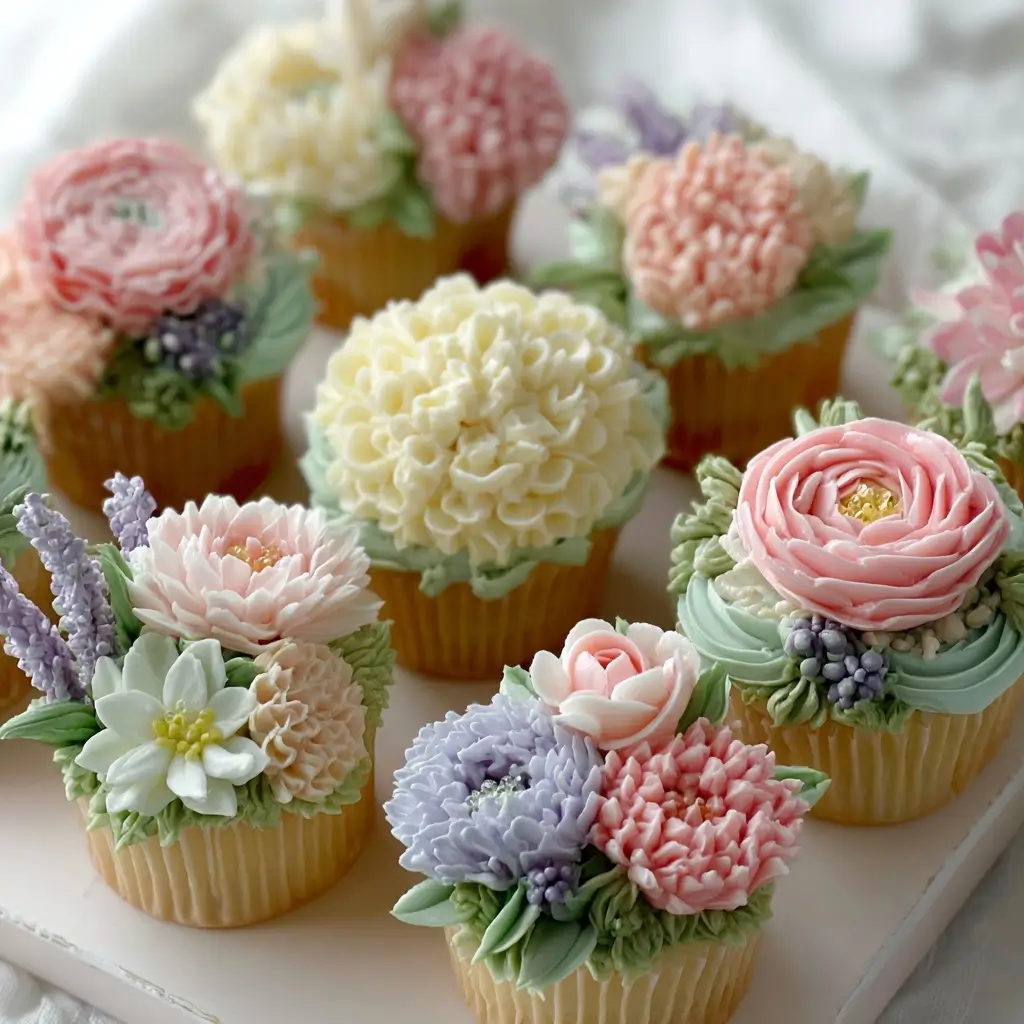
Floral Buttercream Garden Cupcakes are a breathtaking fusion of patisserie artistry and botanical elegance—designed to transport your senses straight into a sun-dappled English cottage garden. More than just a dessert, these cupcakes are edible poetry: delicate vanilla bean cupcakes crowned with luxuriously smooth, floral-infused buttercream, adorned with hand-piped blossoms, edible flowers, fresh herb sprigs, and whimsical garden-inspired garnishes. Whether gracing a spring bridal shower, a Mother’s Day tea party, a garden wedding dessert table, or simply elevating an ordinary Tuesday, Floral Buttercream Garden Cupcakes celebrate nature’s beauty through flavor, texture, and visual storytelling. Each bite offers a harmonious balance—sweet yet nuanced, rich yet refreshing—with floral notes that whisper rather than shout, ensuring sophistication without overwhelming delicacy.
The History
The origins of floral desserts trace back centuries across diverse culinary traditions—from Persian rosewater sherbets and Turkish loukoum scented with orange blossom water, to Victorian-era English confections where violets, primroses, and borage were candied and used to decorate “garden cakes.” In the 19th century, British horticulturist and cookbook author Eliza Acton wrote extensively about the safe culinary use of fragrant blossoms in *Modern Cookery for Private Families* (1845), emphasizing proper identification, seasonal harvesting, and gentle infusion techniques. The modern resurgence of floral baking gained momentum in the early 2000s alongside the farm-to-table movement and renewed interest in heirloom botanicals. Pioneering pastry chefs like Dominique Ansel and Rose Levy Beranbaum began experimenting with lavender, elderflower, and chamomile in buttercreams and sponges—not as novelty gimmicks, but as intentional flavor enhancers rooted in terroir and tradition. Floral Buttercream Garden Cupcakes, as we know them today, crystallized in the late 2010s within the “cake art” renaissance, where Instagram-driven visual culture met artisanal technique—transforming the humble cupcake into a canvas for edible floristry. Today, they represent a conscious return to slow baking: seasonal, mindful, botanically informed, and deeply connected to both horticulture and heritage confectionery.
Ingredients Breakdown
Every element in Floral Buttercream Garden Cupcakes is chosen for purpose, purity, and synergy. Below is a meticulous breakdown of each component—including why it matters, what to look for, and what to avoid:
- Vanilla Bean Cake Base: Pure Madagascar bourbon vanilla beans (not extract alone) provide deep, creamy, caramel-tinged warmth; organic unbleached all-purpose flour ensures tender crumb structure without chemical aftertaste; grass-fed European-style cultured butter (82–84% fat) yields superior richness and melt-in-the-mouth texture; cage-free large eggs add binding power and natural emulsification; raw cane sugar contributes subtle molasses nuance and better moisture retention than refined white sugar.
- Floral Buttercream: A Swiss meringue buttercream (SMB) forms the foundation—lighter, more stable, and less sweet than American buttercream. Key floral agents include culinary-grade dried lavender buds (cold-infused into warm cream to avoid bitterness), organic rose water distilled from Rosa damascena petals (not synthetic “rose flavor”), and a whisper of orange blossom water for citrusy lift. Unsalted grass-fed butter ensures clean floral expression without sodium interference.
- Garden Garnishes: Only certified food-safe, pesticide-free, organically grown edible flowers are acceptable: pansies, violets, calendula petals, borage blossoms, lemon verbena leaves, and fresh mint or lemon thyme sprigs. Never use florist-supplied blooms—they are treated with non-edible preservatives and systemic pesticides. For structural integrity and food safety, all flowers must be gently rinsed in ice-cold water, air-dried on parchment-lined racks, and inspected petal-by-petal for insects or debris.
- Supportive Elements: A light brush of organic apricot glaze (simmered and strained) seals the cupcake tops before piping—creating a moisture barrier and glossy finish. Optional “garden soil” crumble (made from crushed amaretti cookies, toasted almond slivers, and freeze-dried raspberry powder) adds textural contrast and earthy sweetness. Edible gold luster dust (FDA-approved, alcohol-soluble) may be delicately dry-brushed onto piped buttercream blossoms for ethereal shimmer.
Step-by-Step Recipe
- Prepare the Vanilla Bean Sponge (Yield: 24 standard cupcakes): Preheat oven to 350°F (175°C). Line two 12-cup muffin tins with premium unbleached paper liners. Split two plump Madagascar vanilla beans lengthwise; scrape seeds into a small bowl. In a stand mixer fitted with paddle attachment, beat 1 cup (227g) softened grass-fed butter and 1¾ cups (350g) raw cane sugar on medium-high for 5 minutes until pale, fluffy, and ribbon-like. Add 4 large cage-free eggs one at a time, beating fully after each addition. Stir in scraped vanilla seeds + 1 tsp pure vanilla extract. In another bowl, whisk together 3 cups (360g) organic unbleached all-purpose flour, 2 tsp aluminum-free baking powder, and ½ tsp fine sea salt. Alternate adding dry ingredients and 1¼ cups (300ml) whole organic milk (room temperature) in three additions, beginning and ending with dry mix. Mix only until just combined—do not overmix. Fold in 2 tbsp (28g) sour cream for extra tenderness. Divide batter evenly among lined cups (about ¼ cup per liner). Bake 18–22 minutes, rotating tins halfway, until a toothpick inserted comes out clean and edges spring back lightly. Cool in pans 10 minutes, then transfer to wire racks to cool completely—minimum 2 hours, preferably overnight wrapped in parchment—to prevent buttercream melting.
- Infuse Floral Cream for Buttercream: In a small saucepan, heat ½ cup (120ml) heavy cream just until steaming (do not boil). Remove from heat, stir in 1 tbsp culinary lavender buds and 1 tsp dried rose petals (food-grade). Cover and steep 30 minutes at room temperature. Strain through a fine-mesh sieve lined with cheesecloth, pressing solids gently. Chill infused cream thoroughly (at least 2 hours).
- Make Swiss Meringue Buttercream: Combine 1 cup (200g) granulated sugar and 4 large egg whites in a heatproof bowl set over a simmering water bath (double boiler). Whisk constantly until sugar dissolves and mixture reaches 160°F (71°C) on an instant-read thermometer—approx. 5–7 minutes. Transfer bowl to stand mixer fitted with whisk attachment. Whip on high speed until stiff, glossy, and cooled to room temperature—approx. 10–12 minutes. Switch to paddle attachment. Add 1½ cups (340g) softened unsalted grass-fed butter, 2 tbsp at a time, waiting until fully incorporated before adding more. Once all butter is added, beat on medium for 3–4 minutes until smooth and creamy. With mixer on low, slowly drizzle in 3 tbsp chilled floral-infused cream, 1 tsp organic rose water, and ½ tsp orange blossom water. Increase speed to medium-high and whip 2 more minutes until airy and spreadable. If too soft, chill bowl 10 minutes; if too stiff, add ½ tsp warm cream and re-whip.
- Assemble & Decorate: Level cooled cupcakes with a serrated knife if domed. Brush tops lightly with warm, strained apricot glaze using a food-safe silicone brush. Fit a large star tip (Wilton 1M or Ateco 844) into a piping bag filled with buttercream. Pipe a generous swirl starting at the outer edge and spiraling inward to center. For layered dimension, pipe a second, smaller rosette directly atop the first using a closed-star tip (Wilton 2D). Chill piped cupcakes 15 minutes to set buttercream. While chilled, prepare garnishes: arrange edible flowers on a clean plate, pat dry, and refrigerate. Just before serving, place 1–2 pansy or violet blossoms atop each cupcake, tuck in a tiny mint or lemon thyme sprig beside the bloom, and dust sparingly with edible gold luster using a soft artist’s brush.
Tips
- Floral Balance is Everything: Over-infusing causes soapy, medicinal off-notes. Always start with half the recommended floral quantity, taste the infused cream, then adjust incrementally. Lavender is especially potent—never exceed 1 tbsp per ½ cup cream.
- Temperature Control Is Non-Negotiable: Buttercream breaks if butter is too cold (<65°F) or too warm (>72°F). Butter must be cool to the touch but yield slightly under fingertip pressure. If mixing on a hot day, chill bowl and whisk/paddle attachments beforehand.
- Buttercream Stability Hack: For outdoor events or warm environments, replace ¼ cup (57g) of butter with refined coconut oil (solid at room temp, neutral flavor)—it raises the melting point without compromising texture.
- Piping Precision: Practice rosettes on parchment first. Hold piping bag vertically, apply steady pressure while slowly pulling upward—don’t twist wrist. Release pressure before lifting away. Chill practice swirls before final piping to build muscle memory.
- Flower Safety First: Only use flowers grown specifically for culinary use—never roadside, park, or florist blooms. When in doubt, consult the USDA’s Edible Flower Guide or work with certified suppliers like Gourmet Sweet Botanicals or Marx Foods.
- Cupcake Freshness Secret: Store unfrosted cupcakes airtight at room temp up to 48 hours—or freeze, double-wrapped in parchment + freezer bag, up to 3 months. Thaw overnight in fridge, then bring to room temp before glazing and decorating.
- Color Without Compromise: Avoid artificial dyes. Achieve soft pastels naturally: beetroot powder (blush pink), spirulina (mint green), purple carrot powder (lavender grey), or butterfly pea flower tea (sky blue)—all added in ⅛ tsp increments to buttercream.
Variations and Customizations
Floral Buttercream Garden Cupcakes invite infinite creative expression—tailored to season, occasion, palate, and aesthetic. Explore these thoughtfully curated adaptations:
- Seasonal Shifts: Spring: Lilac + lemon verbena buttercream, topped with candy-striped tulip petals and edible daisies. Summer: Hibiscus-rose geranium buttercream with fresh strawberry slices and edible nasturtiums. Fall: Chamomile-apple cider buttercream garnished with candied apple chips and marigold petals. Winter: Cardamom-orange blossom buttercream with crystallized violets and silver-dusted pine needles (non-toxic, decorative only).
- Dietary Adaptations: Gluten-Free: Substitute cake base with 1:1 GF flour blend containing xanthan gum; add 1 tsp psyllium husk powder for elasticity. Vegan: Use flax eggs, oat milk + 1 tbsp vinegar, vegan European-style butter (like Miyoko’s), and aquafaba-based Swiss meringue (3 tbsp aquafaba = 1 egg white). Refined Sugar-Free: Replace cane sugar with coconut sugar in cake; use monk fruit–erythritol blend in buttercream (add 1 tsp xanthan gum to stabilize).
- Flavor Pairing Matrix: Match florals to complementary botanicals: Rose + black pepper + dark chocolate ganache drip; Lavender + honey + toasted pistachios; Elderflower + prosecco + poached pear; Jasmine + matcha + yuzu curd filling.
- Structural Innovations: Insert a hidden “garden surprise”—a spoonful of lemon curd, lavender-honey compote, or mascarpone-rose petal filling—before piping buttercream. Or create a “terrarium cupcake”: pipe buttercream to resemble moss, embed miniature fondant mushrooms, and nestle a single orchid bloom inside a clear edible sugar dome.
- Event-Specific Themes: Bridal: White-on-white palette—vanilla cake, ivory buttercream, piped jasmine blossoms, and pearlized sugar pearls. Children’s Garden Party: Pastel rainbow buttercream swirls, fondant ladybugs, and chocolate “soil” crumb. Botanical Workshop: Serve with mini herb pots (basil, thyme) as favors—each cupcake tagged with a seed paper label embedded with wildflower seeds.
Health Considerations and Nutritional Value
While undeniably indulgent, Floral Buttercream Garden Cupcakes can be approached with intentionality, transparency, and nutritional mindfulness. Per standard cupcake (cake + ¼ cup buttercream + garnish, approx. 185g):
- Caloric Profile: ~320–360 kcal—moderate for a specialty dessert, especially when compared to dense layer cakes or cream-filled pastries. The inclusion of whole-food ingredients (grass-fed butter, raw cane sugar, real dairy) provides more bioavailable nutrients than highly processed alternatives.
- Macronutrient Breakdown: ~22g total carbohydrates (14g sugars, including naturally occurring lactose and fructose from floral waters), ~20g total fat (12g saturated, primarily from butter’s CLA and butyric acid—both studied for anti-inflammatory potential), ~3g protein (from eggs, dairy, and flour).
- Phytonutrient Benefits: Culinary lavender contains linalool and linalyl acetate—compounds linked to mild anxiolytic and antioxidant effects in clinical food-based studies. Rose water delivers polyphenols like quercetin and kaempferol, associated with vascular support. Edible flowers like pansies and violets offer anthocyanins, vitamin C, and rutin—supporting capillary integrity and collagen synthesis.
- Allergen Awareness: Contains dairy, eggs, wheat/gluten, and tree nuts (if using almond crumble). Lavender and rose are rare allergens—but individuals with sensitivities to Lamiaceae (mint family) or Rosaceae (rose family) plants should exercise caution. Always disclose floral ingredients to guests with known botanical allergies.
- Sugar Contextualization: Raw cane sugar retains trace minerals (iron, calcium, potassium) and has a lower glycemic index (~55) than refined white sugar (~65). Paired with fiber-rich garnishes (mint, thyme) and healthy fats, the overall glycemic load is moderated—especially when enjoyed mindfully, not on an empty stomach.
- Food Safety Notes: Floral waters must be alcohol-based distillates (not glycerin or propylene glycol bases) to ensure microbial stability. Homemade infusions should be refrigerated and used within 5 days. Never consume wilted or discolored edible flowers—they may harbor histamine-producing bacteria.
Ingredients
For the Vanilla Bean Cupcakes (Makes 24)
- 2 large Madagascar bourbon vanilla beans, split and seeds scraped
- 1 cup (227g) unsalted grass-fed European-style butter, softened to 68°F (20°C)
- 1¾ cups (350g) organic raw cane sugar
- 4 large cage-free eggs, room temperature
- 1 teaspoon pure Madagascar vanilla extract
- 3 cups (360g) organic unbleached all-purpose flour
- 2 teaspoons aluminum-free baking powder
- ½ teaspoon fine sea salt
- 1¼ cups (300ml) organic whole milk, room temperature
- 2 tablespoons (28g) full-fat organic sour cream
For the Floral Swiss Meringue Buttercream (Enough for 24 cupcakes)
- ½ cup (120ml) heavy cream
- 1 tablespoon culinary-grade dried lavender buds
- 1 teaspoon food-grade dried rose petals
- 1 cup (200g) granulated sugar
- 4 large egg whites, room temperature
- 1½ cups (340g) unsalted grass-fed butter, softened to 68°F (20°C)
- 1 teaspoon organic rose water (distilled, alcohol-based)
- ½ teaspoon organic orange blossom water (distilled, alcohol-based)
For Assembly & Garnish
- ½ cup (120g) organic apricot preserves, strained
- 24–36 certified edible flowers (e.g., pansies, violets, calendula, borage)
- Fresh lemon thyme or mint sprigs (1 per cupcake)
- Optional: Edible gold luster dust + food-grade alcohol (vodka or lemon extract) for painting
- Optional: “Garden soil” crumble (¼ cup crushed amaretti, 2 tbsp toasted sliced almonds, 1 tsp freeze-dried raspberry powder)
Directions
- Make the cupcakes: Preheat oven to 350°F (175°C). Line two 12-cup muffin tins with unbleached paper liners. In stand mixer with paddle, beat butter and sugar 5 min until pale and fluffy. Add eggs one at a time, beating 1 min after each. Stir in vanilla seeds and extract. In separate bowl, whisk flour, baking powder, and salt. Alternate adding dry mix and milk in three parts, beginning and ending with dry. Fold in sour cream. Divide evenly into liners (¼ cup each). Bake 18–22 min until golden and springy. Cool in pan 10 min, then on rack 2+ hours.
- Infuse cream: Heat cream until steaming. Remove from heat; stir in lavender and rose petals. Cover, steep 30 min. Strain through cheesecloth-lined sieve; chill 2+ hours.
- Make buttercream: Combine sugar and egg whites in heatproof bowl over simmering water. Whisk constantly to 160°F (71°C). Transfer to mixer; whip with whisk until cool, stiff, and glossy (~12 min). Switch to paddle. Add butter 2 tbsp at a time, fully incorporating each. Whip 3–4 min. On low, drizzle in chilled infused cream, rose water, and orange blossom water. Whip 2 min more until airy.
- Assemble: Level cupcakes. Brush tops with warm strained apricot glaze. Fit large star tip into piping bag with buttercream. Pipe generous swirls. Chill 15 min. Garnish with flowers, herbs, and optional gold dust or crumble immediately before serving.
FAQ
- Can I make these cupcakes ahead of time?
- Yes! Bake cupcakes up to 2 days ahead—store airtight at room temperature. Buttercream can be made up to 5 days ahead—refrigerate in airtight container, then rewhip 3–5 min with paddle to restore texture. Assemble no more than 4 hours before serving for optimal freshness and flower vibrancy.
- What if I can’t find culinary lavender?
- Do not substitute with essential oil—it is toxic when ingested. Instead, omit lavender and amplify rose/orange blossom notes by increasing each by ¼ tsp. Alternatively, use 1 tsp finely ground culinary chamomile (milder, apple-like) or ½ tsp crystallized violets folded in at the end.
- Why Swiss meringue instead of American buttercream?
- Swiss meringue is safer (egg whites cooked to 160°F), less cloyingly sweet, silkier in mouthfeel, and far more stable in humidity—critical for intricate piping and floral adhesion. Its neutral base allows floral nuances to shine without competing with powdered sugar’s chalkiness.
- Can I use dried edible flowers in the buttercream itself?
- No—dried flowers become gritty and bitter when whipped into buttercream. They’re best used whole as garnish. For infused flavor, always use cold infusion (as directed) or high-quality, alcohol-based floral distillates.
- How do I prevent buttercream from melting during outdoor service?
- Chill cupcakes for 30 minutes pre-service. Keep under shaded canopy with portable cool packs placed around (not touching) the display tier. Use the coconut oil substitution tip above. Avoid direct sunlight—even 10 minutes of UV exposure degrades floral volatile compounds and softens butter.
- Are all purple or yellow flowers safe to eat?
- No. Color does not indicate edibility. Only consume flowers verified by a botanist or certified supplier. Common look-alikes: foxgloves (deadly) vs. digitalis; lily-of-the-valley (toxic) vs. sweet woodruff. When in doubt, leave it out—and educate guests with elegant botanical callouts on your menu card.
- Can I freeze decorated cupcakes?
- Not recommended. Freezing causes condensation that wilts flowers, dulls buttercream sheen, and separates emulsions. Freeze only unfrosted cupcakes—wrap individually in parchment + foil, then place in freezer bag. Thaw overnight in fridge, then bring to room temp before glazing and decorating.
Summary
Floral Buttercream Garden Cupcakes are a masterclass in sensory harmony—where heirloom baking techniques meet mindful botany, yielding desserts that delight the eye, soothe the spirit, and nourish with intention. Every element, from pasture-raised butter to pesticide-free violets, reflects reverence for craft, seasonality, and edible beauty.
They are not merely baked goods, but edible gardens: fragile, fleeting, profoundly alive—and a gentle reminder that sweetness, when rooted in respect and care, becomes something sacred.