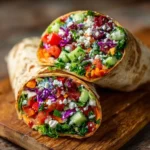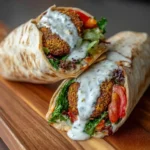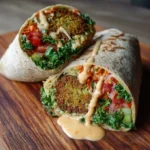
Introduction
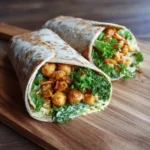
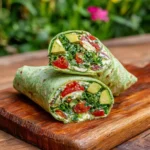
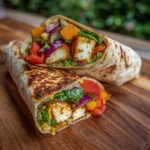
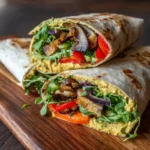
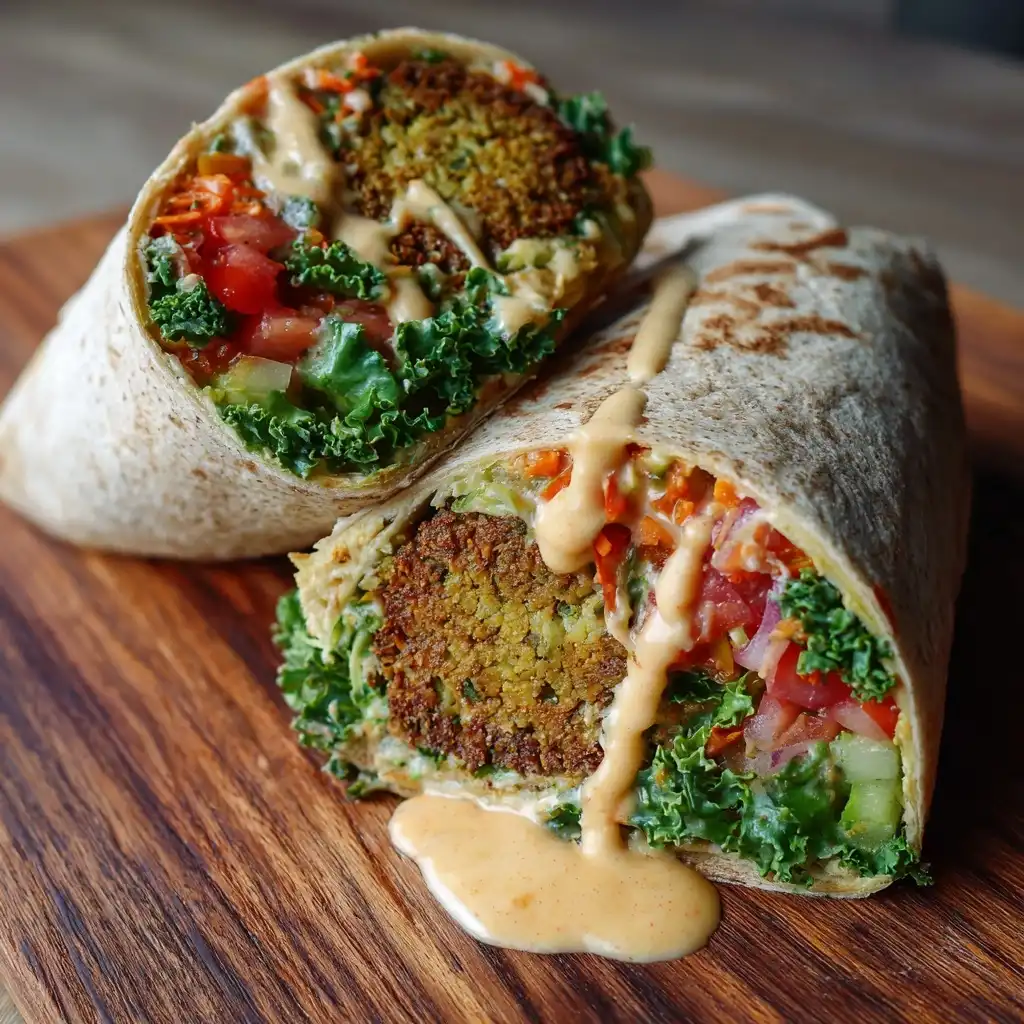
The Falafel Hummus Wrap is a vibrant, nutrient-dense, and globally beloved Middle Eastern-inspired handheld meal that seamlessly merges the bold, herbaceous crunch of falafel with the creamy, tangy richness of homemade hummus—all nestled in a soft, pliable wrap. More than just a quick lunch or satisfying snack, this dish represents a beautiful fusion of tradition and modern culinary adaptability: it honors centuries-old Levantine foodways while effortlessly accommodating contemporary dietary preferences—from vegan and gluten-free lifestyles to high-protein, plant-forward eating patterns. Whether served at bustling street stalls in Tel Aviv, artisanal food trucks in Portland, or as a weekend kitchen project in your own home, the Falafel Hummus Wrap delivers layered textures, complex savory notes, and deeply satisfying satiety—all without compromising on flavor, integrity, or nourishment.
The History
Tracing the roots of the Falafel Hummus Wrap requires unpacking two iconic components—falafel and hummus—each with rich, contested, and culturally layered histories. Hummus, derived from the Arabic word for “chickpea,” has origins stretching back over a thousand years; early references appear in 13th-century Egyptian and Syrian cookbooks, where chickpeas were mashed with tahini, lemon, and garlic—often served as a dip or spread with flatbread. Falafel’s lineage is equally ancient but more geographically debated: some scholars trace its emergence to ancient Egypt, where fava beans were formed into fried patties as a protein-rich alternative during Lenten fasts; others point to Yemeni or Levantine innovations in the 19th century, where ground chickpeas (and sometimes a fava-chickpea blend) were seasoned with coriander, cumin, and parsley, then deep-fried into golden orbs. The *wrap* format itself is a relatively modern evolution—gaining momentum in the mid-to-late 20th century as Middle Eastern immigrants adapted traditional dishes for Western palates and portable eating habits. In cities like New York, London, and Toronto, falafel platters began transforming into handheld wraps—first wrapped in pita, later in lavash, spinach tortillas, or gluten-free flatbreads—making them ideal for on-the-go consumption. The deliberate pairing of falafel *with* hummus inside a wrap—not merely alongside it—emerged organically from both practicality (reducing mess, enhancing moisture) and gustatory synergy (the cool creaminess balancing the warm, spiced crunch), culminating in what is now a globally recognized, endlessly customizable staple of plant-based cuisine.
Ingredients Breakdown
Every exceptional Falafel Hummus Wrap begins with intentionality—not just in selection, but in understanding the functional and flavor role each ingredient plays. Below is a comprehensive, chef-level breakdown:
- Chickpeas (dried, soaked): The non-negotiable foundation of authentic falafel. Canned chickpeas are too soft and waterlogged, resulting in mushy, disintegrating patties. Dried chickpeas, soaked overnight (or up to 24 hours), retain structural integrity when ground, yielding a light, airy, and crisp exterior with a tender, herbaceous interior. Their natural starch acts as a binder, while their mild nuttiness absorbs spices without overpowering.
- Fresh Herbs (parsley & cilantro): Not mere garnish—these are aromatic powerhouses. Flat-leaf parsley contributes bright, grassy notes and structural fiber; cilantro adds citrusy depth and complexity. Together, they infuse the falafel with freshness that cuts through richness and prevents heaviness. Stems (not just leaves) are essential—they add moisture, chlorophyll, and binding strength.
- Aromatics (onion, garlic, green onion): Finely grated yellow onion delivers sweetness and subtle bite; raw garlic offers pungent warmth (mellowed slightly by frying); green onions contribute a delicate allium finish and visual appeal. All are finely minced—not pulsed—to avoid excess liquid release.
- Spices (ground cumin, coriander, smoked paprika, cayenne): A warm, earthy, slightly sweet-savory backbone. Cumin lends smokiness and depth; coriander adds citrusy floral nuance; smoked paprika contributes gentle char and complexity (not heat); cayenne provides adjustable brightness—not burn. Toasting whole seeds before grinding maximizes volatile oil release.
- Binders & Texture Enhancers (flaxseed meal + water “egg,” oat flour, baking powder): A trio of plant-powered binders ensures cohesion without eggs or gluten. Flax “egg” (1 tbsp flax + 2.5 tbsp water, rested 10 min) adds mucilage and omega-3s; oat flour (gluten-free certified if needed) absorbs excess moisture and improves chew; a pinch of aluminum-free baking powder creates micro-aeration for lift and tenderness—critical for achieving that coveted crisp-yet-fluffy texture.
- Tahini (well-stirred, untoasted sesame paste): The soul of hummus. Authentic tahini is made from hulled, lightly toasted sesame seeds, yielding a pourable, nutty, slightly bitter base. Its emulsifying properties bind lemon juice, garlic, and aquafaba into a luxuriously smooth, velvety sauce. Low-quality or overly thick tahini results in grainy, separated, or chalky hummus.
- Aquafaba (chickpea brine): A revolutionary, zero-waste hummus enhancer. This viscous liquid replaces some or all of the traditional ice water, lending natural starch, creaminess, and stability—no need for excessive oil. It also boosts fiber and protein content subtly.
- Acid (fresh lemon juice, sumac-infused vinegar): Brightness is non-negotiable. Lemon juice provides clean, zesty acidity; a splash of sumac vinegar (or sumac sprinkled on top) adds tart, fruity, wine-like dimension—a signature Levantine touch often overlooked in Western versions.
- Wraps (whole wheat lavash, sprouted grain tortilla, gluten-free buckwheat crepe, or warmed pita): Structural integrity meets nutrition. Lavash offers delicate crispness and ancient-grain benefits; sprouted tortillas deliver enhanced digestibility and B-vitamins; buckwheat crepes provide earthy flavor and complete protein. All should be gently warmed to increase pliability and prevent tearing.
- Accompaniments (pickled turnips, quick-pickled red onion, chopped cucumber-tomato-mint salad, amba sauce, toasted pine nuts): These aren’t optional extras—they’re flavor architects. Pickled turnips lend vibrant magenta color and sharp, fermented tang; quick-pickled red onion adds sweetness and acidity; the cucumber-tomato-mint salad brings hydration and freshness; amba (mango pickle sauce) introduces sweet-heat-umami; toasted pine nuts offer buttery crunch and magnesium.
Step-by-Step Recipe
- Soak & Prep Chickpeas (Night Before): Place 1 cup dried, unsalted chickpeas in a large bowl. Cover with 3 inches cold water + 1 tsp apple cider vinegar (aids digestion and softens skins). Soak 12–24 hours at room temperature. Drain, rinse thoroughly, and pat *very* dry with clean towels—excess moisture is the #1 cause of falafel failure.
- Make Falafel Batter (20 min, plus chilling): In a food processor fitted with steel blade, pulse dried chickpeas in 3 batches until coarsely ground (like coarse cornmeal—*do not overprocess into paste*). Add parsley, cilantro, onion, garlic, green onion, cumin, coriander, smoked paprika, cayenne, salt, and black pepper. Pulse 8–10 times until just combined—texture should resemble damp gravel with visible flecks of herb. Transfer to bowl. Whisk flaxseed meal + water; let thicken 10 min. Stir in flax egg, oat flour, and baking powder. Gently fold with spatula until uniform. Cover and refrigerate *minimum 1 hour*, ideally 3 hours—this firms texture, hydrates oats, and melds flavors.
- Shape & Chill Patties (10 min): Line a tray with parchment. Scoop 2 tbsp batter per patty. Roll into balls, then flatten gently to ¾-inch thick, 2½-inch diameter discs. Place on tray, cover loosely, and refrigerate 30 min—this prevents spreading during cooking.
- Cook Falafel (15 min): For best results: Air Fryer—preheat to 375°F (190°C). Lightly spray basket and patties with avocado oil. Cook 10–12 min, flipping halfway, until deep golden and crisp. Stovetop Pan-Fry—heat ¼ inch neutral oil (avocado or grapeseed) in heavy skillet over medium heat (350°F). Fry 4–5 patties at a time 3–4 min per side until deeply bronzed and crusty. Drain on wire rack over paper towels—not plates—to preserve crispness.
- Prepare Hummus (12 min): In high-speed blender or food processor, combine 1 cup well-stirred tahini, ¼ cup fresh lemon juice, 2 small garlic cloves (grated), ½ tsp salt, and 3 tbsp aquafaba. Blend 1 minute until thick and creamy. With motor running, slowly drizzle in 2–3 tbsp ice-cold water until ultra-smooth and pourable (about 2 min total). Taste and adjust: more lemon for brightness, salt for balance, tahini for richness. Refrigerate 30 min to deepen flavor.
- Warm Wraps & Prep Toppings (10 min): Heat wraps individually in dry skillet 20 sec/side or microwave 10 sec wrapped in damp towel. Meanwhile, prepare pickled onions (thinly slice 1 red onion, submerge in ½ cup apple cider vinegar + 1 tsp sugar + ½ tsp salt, rest 15 min), chop cucumber-tomato-mint salad, and toast pine nuts in dry pan until golden.
- Assemble Wraps (5 min): Lay wrap flat. Spread 3 tbsp hummus in center, leaving 1.5-inch border. Arrange 3–4 warm falafel patties slightly overlapping. Top generously with pickled onions, cucumber-tomato-mint salad, pickled turnips, a sprinkle of sumac, a drizzle of extra virgin olive oil, and toasted pine nuts. Optional: add 1 tsp amba sauce or harissa for heat. Fold bottom edge up over filling, then fold left/right sides inward, rolling tightly from bottom to seal. Wrap snugly in parchment paper or foil for easy handling.
Tips
- Dry Chickpeas Are Non-Negotiable: Canned chickpeas contain excess sodium and water—leading to dense, greasy, crumbling falafel. If short on time, use *quick-soak method*: cover dried chickpeas with boiling water, soak 1 hour, then drain and proceed.
- Chill Everything: Cold batter = crispier falafel. Chill shaped patties *and* cooked falafel before assembling (if prepping ahead). Warm falafel melts hummus and sogs the wrap.
- Tahini Quality Dictates Hummus Success: Stir tahini jar vigorously for 60 seconds before measuring—even “stirred” brands separate. If too thick, whisk in 1 tsp warm water at a time until fluid.
- Don’t Skip the Aquafaba: It’s the secret to restaurant-quality hummus—creamy without excess oil, stable for days, and naturally high in soluble fiber.
- Wrap Warmth = Flexibility: Cold wraps tear. Always warm—never microwave uncovered (dries out). Use damp towel trick for perfect pliability.
- Layer Smartly: Hummus first creates a moisture barrier. Falafel next anchors structure. Wet ingredients (salads, pickles) go *on top* of falafel—not underneath—to prevent sogginess.
- Press, Don’t Squeeze: When rolling, apply even pressure—not force. Too-tight rolls burst seams. Let parchment paper do the holding.
- Make-Ahead Friendly: Cooked falafel freeze beautifully for 3 months (cool completely, layer with parchment, freeze flat). Hummus lasts 10 days refrigerated. Assemble only when serving.
- Oil Temperature Matters: For pan-frying, test with a breadcrumb—if it sizzles gently and floats, oil is ready (~350°F). Too hot = burnt outside/raw inside; too cool = greasy, pale falafel.
- Taste Batter (Safely): Raw chickpea batter is safe to taste—just ensure no raw egg is used. Adjust salt/spice *before* chilling.
Variations and Customizations
The Falafel Hummus Wrap thrives on creativity—here’s how to honor tradition while personalizing every element:
- Dietary Adaptations: Gluten-Free: Use certified GF oat flour and 100% buckwheat or almond-flour wraps. Vegan: Already 100% plant-based—ensure tahini and wraps are vegan-certified (some wraps contain honey or dairy derivatives). Low-FODMAP: Swap onion/garlic for garlic-infused oil and chives; use canned, drained, rinsed chickpeas (limit to ¼ cup per serving); omit legume-based toppings.
- Protein Twists: Add 2 tbsp crumbled marinated tofu or tempeh bacon to batter for umami depth. Or fold in ¼ cup finely chopped roasted beets for earthy sweetness and vibrant color (beet falafel).
- Hummus Reinventions: Roasted Red Pepper Hummus: Blend in ½ cup roasted peppers + ¼ tsp smoked paprika. Avocado-Lime Hummus: Add ½ ripe avocado + zest of 1 lime + pinch of cumin. Black Garlic Hummus: Replace raw garlic with 2 cloves black garlic for balsamic-sweet complexity.
- Wrap Innovations: Try collard green “wraps” (blanched 30 sec for flexibility), coconut-alamode rice paper (soaked 10 sec), or savory chickpea flour socca (baked thin crepe). For keto, use large butter lettuce leaves or grilled portobello “buns.”
- Global Flavor Fusions: Mexican-Inspired: Swap cumin/coriander for chipotle + oregano; add crumbled cotija, pickled jalapeños, and lime crema. Indian-Inspired: Add garam masala + ginger + mint chutney; top with mango salsa and toasted cashews. Mediterranean-Inspired: Use za’atar-spiced falafel, lemon-oregano hummus, kalamata olives, and roasted eggplant ribbons.
- Texture & Crunch Upgrades: Add crushed roasted chickpeas, pomegranate arils, crispy shallots, or dukkah (toasted nut-spice blend) for multi-dimensional mouthfeel.
- Sauce Swaps: Beyond hummus: silken tofu “tzatziki,” turmeric-tahini, sun-dried tomato pesto, or date-walnut “barbecue” drizzle.
- Meal Prep Hack: Bake falafel instead of frying (400°F, 20 min, flip once) for lower-oil, batch-friendly version—slightly less crisp but excellent for weekday lunches.
Health Considerations and Nutritional Value
A thoughtfully crafted Falafel Hummus Wrap is a nutritional powerhouse—packed with synergistic plant compounds, slow-digesting fiber, and bioavailable micronutrients. One standard wrap (3 falafel patties, ⅓ cup hummus, 1 whole wheat lavash, ½ cup veggie toppings) delivers approximately:
- Calories: 520–640 kcal (varies by oil use and wrap choice)
- Protein: 22–28 g — complete amino acid profile from chickpeas + tahini + whole grains
- Fiber: 18–24 g (nearly 80% of daily needs) — supports gut microbiome diversity, stabilizes blood sugar, and enhances satiety
- Healthy Fats: 24–32 g — predominantly monounsaturated (oleic acid from tahini/olive oil) and omega-3s (from flax), reducing inflammation and supporting cardiovascular health
- Vitamins & Minerals: Exceptionally rich in folate (B9), iron (non-heme—enhanced by vitamin C from lemon/parsley), magnesium (muscle/nerve function), zinc (immune support), and antioxidants (lutein, beta-carotene, polyphenols from herbs/veggies)
Key Health Notes:
- Anti-Inflammatory Profile: Parsley and cilantro contain apigenin and luteolin; tahini provides sesamin; lemon delivers hesperidin—collectively modulating NF-kB and COX-2 pathways.
- Blood Sugar Friendly: Low glycemic load (<15) due to high fiber, healthy fats, and protein—ideal for insulin resistance or prediabetes management.
- Digestive Support: Soaked chickpeas reduce oligosaccharides (gas-causing sugars); flax and aquafaba feed beneficial bifidobacteria; fermented pickles introduce probiotics.
- Allergen Awareness: Naturally free of dairy, eggs, soy, and tree nuts (unless added)—but always verify wrap/tahini labels for cross-contamination if severe allergy exists.
- Sodium Consideration: Homemade versions contain ~420–580 mg sodium (vs. 900–1400 mg in restaurant wraps). Control salt by using low-sodium chickpeas and limiting added salt in batter/hummus.
- Iron Absorption Tip: Pair with vitamin C-rich ingredients (lemon, tomatoes, bell peppers) to boost non-heme iron bioavailability by up to 300%.
This wrap aligns seamlessly with Mediterranean, DASH, and planetary health diet principles—emphasizing plants, whole foods, minimal processing, and sustainability (chickpeas fix nitrogen in soil, requiring far less water than animal proteins).
Ingredients
For the Falafel (Makes ~16 patties):
- 1 cup dried chickpeas, soaked overnight (12–24 hrs), drained and patted *very* dry
- 1 cup packed flat-leaf parsley, stems included
- ½ cup packed fresh cilantro, stems included
- ½ medium yellow onion, roughly chopped
- 2 garlic cloves, peeled
- 2 green onions, chopped (green + white parts)
- 1½ tsp ground cumin
- 1½ tsp ground coriander
- ½ tsp smoked paprika
- ¼ tsp cayenne pepper (adjust to taste)
- 1½ tsp fine sea salt
- ¼ tsp freshly ground black pepper
- 1 tbsp ground flaxseed + 2½ tbsp water (flax “egg”)
- 3 tbsp certified gluten-free oat flour
- ¼ tsp aluminum-free baking powder
- Avocado or grapeseed oil for cooking (air fryer or pan)
For the Hummus (Makes ~1.5 cups):
- 1 cup well-stirred, high-quality tahini (preferably Lebanese or Israeli style)
- ¼ cup fresh lemon juice (about 1½ large lemons)
- 2 small garlic cloves, finely grated or pressed
- ½ tsp fine sea salt
- 3 tbsp aquafaba (liquid from canned chickpeas or reserved soaking liquid, strained)
- 2–4 tbsp ice-cold water (as needed for consistency)
- Extra virgin olive oil and smoked paprika for garnish (optional)
For Assembly & Toppings:
- 4 large whole wheat lavash wraps, sprouted grain tortillas, or gluten-free buckwheat crepes (approx. 10-inch)
- 1 cup quick-pickled red onion (see Tips)
- 1 cup chopped cucumber-tomato-mint salad (½ cucumber, 1 Roma tomato, 2 tbsp chopped mint, pinch salt)
- ½ cup vibrant pink pickled turnips (store-bought or homemade)
- 2 tbsp toasted pine nuts or slivered almonds
- ½ tsp sumac
- 2 tbsp extra virgin olive oil
- Optional: 2 tbsp amba sauce, harissa, or tahini drizzle
Directions
- Soak Chickpeas: Place dried chickpeas in large bowl. Cover with 3 inches cold water + 1 tsp apple cider vinegar. Soak 12–24 hours at room temperature. Drain, rinse well, and spread on clean towels. Pat *extremely* dry—no surface moisture should remain.
- Make Falafel Batter: In food processor, pulse dried chickpeas in 3 batches until coarsely ground (like coarse sand—do *not* puree). Add parsley, cilantro, onion, garlic, green onions, cumin, coriander, smoked paprika, cayenne, salt, and pepper. Pulse 8–10 times until just combined—texture should be pebbly with visible herbs. Transfer to bowl. Whisk flaxseed + water; let sit 10 min until gelatinous. Stir flax egg, oat flour, and baking powder into herb-chickpea mixture. Fold gently with spatula until evenly moistened. Cover and refrigerate minimum 1 hour (up to 2 days).
- Shape Patties: Line baking sheet with parchment. Scoop 2 tbsp chilled batter per patty. Roll into ball, then flatten gently to ¾-inch thick, 2½-inch wide disc. Place on tray, cover loosely with parchment, and refrigerate 30 minutes.
- Cook Falafel: Air Fryer: Preheat to 375°F (190°C). Lightly spray basket and patties with oil. Cook 10–12 min, flipping carefully at 6 min, until deep golden and crisp. Stovetop: Heat ¼ inch oil in heavy skillet over medium heat (350°F). Fry 4–5 patties 3–4 min per side until bronzed and crusty. Drain on wire rack.
- Make Hummus: In high-speed blender, combine tahini, lemon juice, grated garlic, salt, and aquafaba. Blend 1 minute until thick. With blender running, slowly drizzle in 2 tbsp ice water. Continue blending 1–2 minutes until ultra-smooth and glossy. Add more water 1 tsp at a time if too thick. Taste and adjust seasoning. Refrigerate 30 min.
- Prep Toppings: While falafel chills/cooks, make quick-pickled onions (submerge thin red onion slices in ½ cup apple cider vinegar + 1 tsp sugar + ½ tsp salt, stir, rest 15 min). Chop cucumber-tomato-mint salad. Toast pine nuts in dry pan over medium-low heat 3–4 min until fragrant and golden.
- Warm Wraps: Heat each wrap in dry skillet 20 sec per side, or wrap in damp towel and microwave 10 sec. Keep covered to retain warmth and pliability.
- Assemble: Lay wrap flat. Spread 3 tbsp hummus across center. Place 3–4 warm falafel slightly overlapping. Top with pickled onions, cucumber-tomato-mint salad, pickled turnips, sumac, pine nuts, and a generous drizzle of olive oil. Optional: add amba or harissa. Fold bottom edge up over filling, fold left and right sides inward, then roll tightly from bottom to enclose. Wrap snugly in parchment paper.
- Serve Immediately: Best enjoyed within 1 hour of assembly. For meal prep: store components separately—falafel and hummus refrigerated up to 5 days; wraps at room temp; veggies prepped 2 days ahead.
FAQ
- Can I bake falafel instead of frying?
- Yes! Preheat oven to 400°F (200°C). Place chilled patties on parchment-lined sheet. Lightly brush tops with oil. Bake 20 minutes, flip, bake 15–20 more minutes until deeply golden and firm. Slightly less crisp but lower in fat and excellent for batch cooking.
- Why did my falafel fall apart?
- Most common causes: 1) Used canned chickpeas (too wet), 2) Overprocessed batter into paste (loses texture), 3) Skipped chilling step (batter too soft), 4) Didn’t pat chickpeas dry enough, 5) Added too much liquid (e.g., extra lemon or water). Ensure