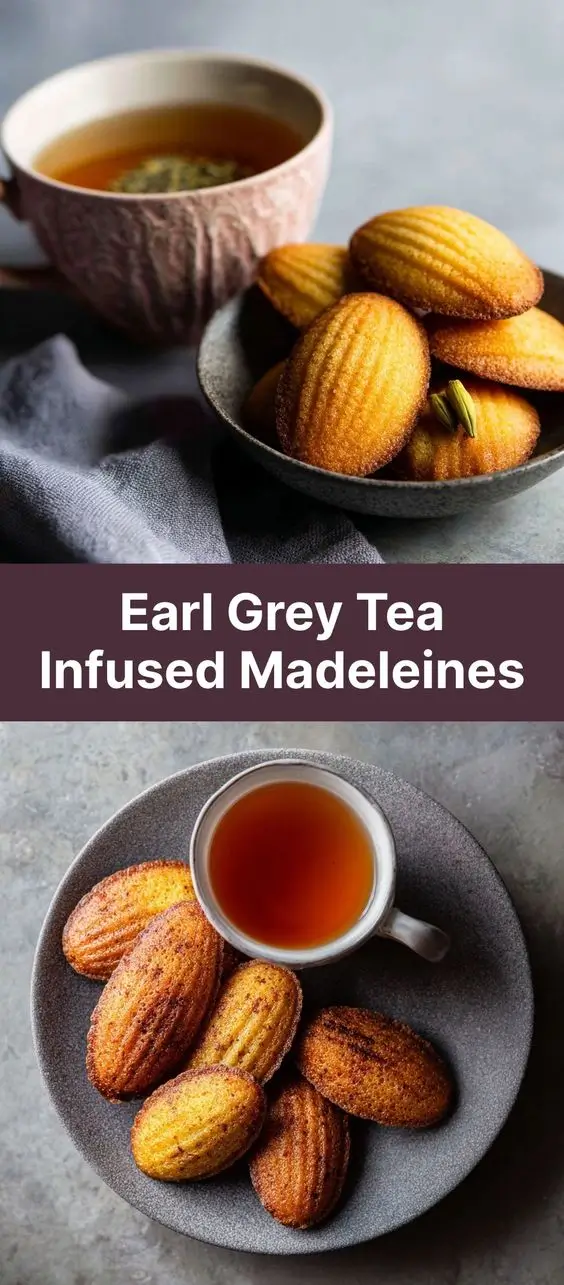
Earl Grey Tea Infused Madeleines: A Fragrant Delight from France with a Citrusy Twist
The History of the Humble Madeleine and Its Elegant Transformation
The madeleine, a delicate French sponge cake known for its distinctive shell-like shape, traces its origins back to the 18th century in the Lorraine region of northeastern France. While there are numerous legends surrounding its creation—one involving a cook named Madeleine Paulmier serving them to King Stanisław I—the most enduring tale attributes their fame to Marcel Proust’s literary masterpiece In Search of Lost Time, where the taste of a madeleine dipped in tea triggers a flood of childhood memories. This poignant moment immortalized the madeleine not just as a pastry, but as a symbol of nostalgia and sensory evocation.
Over time, bakers around the world have experimented with the classic recipe, infusing it with new flavors while preserving its tender crumb and signature hump. One such elegant evolution is the Earl Grey Tea Infused Madeleine—a harmonious marriage between British tea culture and French patisserie finesse. The addition of fragrant Earl Grey tea, with its bold bergamot citrus notes, transforms the traditionally buttery, vanilla-scented madeleine into something more aromatic, sophisticated, and globally resonant. Today, this variation stands as a testament to culinary cross-pollination, blending centuries-old traditions with modern flavor palettes.
Ingredients Breakdown: Crafting Flavor with Precision
Every great pastry begins with an understanding of its components. The Earl Grey Tea Infused Madeleine relies on a careful balance of ingredients that work together to create its light, airy texture and complex flavor profile. Here’s a detailed breakdown:
- All-Purpose Flour: Provides the structural foundation. It contains gluten-forming proteins that give the madeleines their slight chew and help them rise properly when combined with leavening agents.
- Baking Powder: Acts as the primary leavener, creating the iconic “hump” in the center of each madeleine. Freshness is key—expired baking powder can lead to flat results.
- Salt: Enhances all other flavors and balances the sweetness without being overtly salty.
- Granulated Sugar: Sweetens the batter and contributes to browning during baking. It also helps aerate the eggs during whisking, improving volume and texture.
- Eggs (Large, Room Temperature): The backbone of the batter. When whipped with sugar, they trap air, resulting in a fluffy, sponge-like consistency. Room temperature eggs whip better than cold ones.
- Unsalted Butter: Adds richness, moisture, and that unmistakable golden crust. Melted and cooled slightly before use to prevent cooking the eggs. Using high-quality European-style butter enhances flavor due to its higher fat content.
- Earl Grey Tea Leaves (Finely Ground): The star ingredient. Authentic Earl Grey is black tea scented with oil of bergamot, a citrus fruit from southern Italy. For maximum infusion, whole leaf tea should be finely ground using a spice grinder or mortar and pestle. Avoid flavored tea blends with artificial oils if possible.
- Whole Milk or Cream (Optional): Some recipes include a splash to enhance tenderness, though traditional versions rely solely on butter and eggs. If used, it should be warmed gently.
- Zest of One Lemon or Orange (Optional): Complements the bergamot notes naturally and adds brightness to the finished product.
- Vanilla Extract (Pure, Not Imitation): A small amount deepens the overall aroma and rounds out the citrus-tea profile.
Each ingredient plays a role not only in taste but in chemistry—temperature, timing, and technique matter just as much as measurements.
Step-by-Step Recipe: How to Make Perfect Earl Grey Tea Infused Madeleines
Follow these meticulous steps to achieve bakery-quality madeleines with a perfect dome, soft interior, and crisp edges.
- Prepare the Tea: Grind 2 tablespoons of loose-leaf Earl Grey tea in a spice grinder until fine, almost powdery. Set aside. Be sure not to use tea bags unless you empty and grind them first, as paper won’t blend into the batter.
- Preheat Oven & Prepare Pan: Preheat your oven to 350°F (175°C). Generously butter a madeleine mold (silicone or metal), making sure to get into every crevice. Dust lightly with flour, tapping out excess. Alternatively, use non-stick spray with flour, though hand-buttering yields superior browning.
- Sift Dry Ingredients: In a medium bowl, sift together ¾ cup (95g) all-purpose flour, ½ teaspoon baking powder, a pinch of salt, and the ground Earl Grey tea. Sifting ensures even distribution of tea particles and prevents lumps. Repeat sifting once more for extra fineness.
- Whip Eggs and Sugar: In a large heatproof bowl, combine 3 large eggs and ½ cup (100g) granulated sugar. Place the bowl over a pot of simmering water (double boiler method), whisking constantly for 4–5 minutes until the mixture reaches about 110°F (warm to touch) and doubles in volume. Remove from heat and continue whisking by hand or with an electric mixer on high speed for 5–7 minutes until thick, pale, and ribbon-like—when the whisk is lifted, the trail should linger briefly on the surface.
- Fold in Dry Ingredients: Gently fold the sifted dry ingredients into the egg mixture using a silicone spatula. Use a figure-eight motion to preserve air. Do not overmix; stop as soon as no streaks remain.
- Incorporate Butter: Warm ½ cup (115g) unsalted butter until fully melted and slightly cooled (about 100–110°F). Slowly drizzle it into the batter in a thin stream while gently folding. Again, avoid deflating the batter. At this stage, you may also add 1 teaspoon pure vanilla extract and 1 teaspoon lemon zest for enhanced complexity.
- Chill the Batter: Cover the bowl with plastic wrap and refrigerate for at least 1 hour, preferably 2 hours or up to overnight. Chilling firms the butter, which helps create steam during baking—this is essential for forming the signature hump.
- Fill the Mold: Remove batter from fridge. Give it a gentle stir to loosen. Spoon or pipe the batter into each madeleine cavity, filling about ¾ full. Smooth tops lightly with the back of a spoon.
- Bake: Place in the preheated oven and bake for 10–13 minutes. The madeleines are done when puffed, golden brown, and spring back lightly when touched. Do not open the oven door during the first 9 minutes to prevent collapse.
- Cool: Immediately remove from oven and let sit in pan for 1 minute. Then invert onto a wire rack to cool completely. The shells should release easily if the pan was well-greased. Serve warm or at room temperature.
Tips for Success: Mastering the Art of the Madeleine
Madeleines may look simple, but achieving perfection requires attention to detail. Here are expert tips to ensure success every time:
- Use Real Loose-Leaf Earl Grey Tea: Avoid cheap tea bags with artificial bergamot flavor. Opt for high-quality brands like Fortnum & Mason, Harney & Sons, or Mariage Frères for authentic taste and aroma.
- Grind Tea Finely: Coarse tea leaves will result in gritty textures and uneven flavor. A coffee or spice grinder works best. Sieve the ground tea if necessary to remove larger bits.
- Room Temperature Eggs Are Crucial: Cold eggs won’t whip properly. Take them out an hour before starting, or place them in warm water for 5–10 minutes.
- Don’t Skip the Chilling Step: This isn’t optional. The cold batter hitting the hot oven creates thermal shock, causing rapid expansion and the characteristic hump.
- Butter the Pan Like a Pro: Use a pastry brush to apply softened butter into every curve. For extra insurance, line with parchment inserts or use silicone molds.
- Avoid Overmixing: Once you start folding, do so gently. Overworking the batter develops gluten and leads to dense cakes.
- Watch Baking Time Closely: Madeleines bake quickly. Overbaking dries them out. Start checking at 10 minutes.
- Serve Fresh: These are best eaten within 6–12 hours of baking. However, they can be frozen for later enjoyment (see variations).
- Invest in a Quality Madeleine Pan: Heavy-duty aluminized steel pans conduct heat evenly and promote browning. Silicone pans are convenient but produce softer edges.
- Practice Patience: If your first batch doesn’t have a pronounced hump, don’t despair. Factors like oven temperature accuracy, batter consistency, and chilling duration affect results. Keep refining.
Variations and Customizations: Elevate Your Earl Grey Madeleines
While the classic version is divine on its own, there are countless ways to personalize your Earl Grey Tea Infused Madeleines:
- Lemon Glaze Drizzle: Mix ½ cup powdered sugar with 1–2 tablespoons fresh lemon juice and a splash of brewed Earl Grey tea (cooled). Drizzle over cooled madeleines for a tart-sweet finish.
- Chocolate-Dipped: Melt dark, milk, or white chocolate and dip the rounded side of each madeleine halfway. Sprinkle with crushed tea leaves or edible gold dust for elegance.
- With Honey Butter Infusion: Replace part of the granulated sugar with 2 tablespoons of honey in the egg mixture for deeper sweetness and floral notes that complement bergamot.
- Orange Zest Variation: Swap lemon zest for orange to intensify the citrus profile already present in Earl Grey.
- Vegan Version: Substitute eggs with flax eggs (1 tbsp ground flax + 3 tbsp water per egg), use plant-based butter and milk, and ensure the tea is vegan-certified. Texture will be denser but still enjoyable.
- Gluten-Free Option: Replace all-purpose flour with a 1:1 gluten-free baking blend containing xanthan gum. Results vary by brand—Bob’s Red Mill or King Arthur perform well.
- Tea-Stone Swirl: Add a swirl of raspberry or apricot jam before baking for a fruity contrast.
- Savory-Sweet Herb Twist: Add a tiny pinch of finely chopped lavender or rosemary to echo the floral tones in bergamot—use sparingly!
- Espresso-Infused Blend: Combine Earl Grey with finely ground dark roast coffee for a bold, aromatic twist perfect with afternoon tea.
- Freeze for Future Enjoyment: Cool madeleines completely, then freeze in airtight containers for up to 3 months. Reheat in a 300°F oven for 5 minutes to restore freshness.
Health Considerations and Nutritional Value
While Earl Grey Tea Infused Madeleines are undeniably indulgent, they do offer subtle health benefits thanks to their namesake ingredient—Earl Grey tea.
Nutritional Profile (Per Madeleine, Approximate):
- Calories: ~90–110 kcal
- Total Fat: 6g (mostly from butter)
- Saturated Fat: 3.5g
- Carbohydrates: 10g
- Sugars: 7g
- Protein: 2g
- Fiber: 0.5g
- Sodium: 50mg
Health Benefits of Earl Grey Tea Components:
- Bergamot Oil: Contains flavonoids like naringenin and neoeriocitrin, which have antioxidant and anti-inflammatory properties. Some studies suggest bergamot may support heart health by helping regulate cholesterol levels.
- Black Tea Base: Rich in polyphenols and catechins, which may improve gut health, reduce oxidative stress, and support cognitive function.
- Digestive Aid: Bergamot has traditionally been used to soothe digestive discomfort—making these madeleines a fitting post-meal treat when enjoyed in moderation.
Considerations:
- High in saturated fat and refined sugar, so best enjoyed occasionally, especially for those managing weight, diabetes, or cardiovascular conditions.
- Caffeine content from tea is low per madeleine, but cumulative intake matters for sensitive individuals. Each contains roughly 5–10mg caffeine (vs. 40–70mg in a cup of tea).
- For lower sugar options, reduce sugar by 20% or substitute with coconut sugar or monk fruit blend (note: affects texture and browning).
- Those on certain medications (e.g., statins or anticoagulants) should consult a physician before consuming large amounts of bergamot, as interactions are possible.
Ingredients
- 2 tablespoons loose-leaf Earl Grey tea, finely ground
- ¾ cup (95g) all-purpose flour
- ½ teaspoon baking powder
- Pinch of salt
- 3 large eggs, room temperature
- ½ cup (100g) granulated sugar
- ½ cup (115g) unsalted butter, melted and cooled
- 1 teaspoon pure vanilla extract
- 1 teaspoon lemon or orange zest (optional)
Directions
- Grind Earl Grey tea leaves into a fine powder using a spice grinder. Set aside.
- Sift together flour, baking powder, salt, and ground tea. Twice for smoothness.
- Preheat oven to 350°F (175°C). Butter and flour a madeleine pan thoroughly.
- Whisk eggs and sugar over a double boiler until warm and frothy, then whip until thick, pale, and ribbony.
- Fold dry ingredients into egg mixture in two additions, mixing gently.
- Slowly pour in melted butter while folding. Add vanilla and citrus zest.
- Cover and chill batter for 1–2 hours (or overnight).
- Fill prepared molds ¾ full. Bake 10–13 minutes until golden and domed.
- Cool in pan 1 minute, then transfer to wire rack.
- Serve plain, glazed, or dipped. Best fresh but freezes well.
FAQ
Why didn’t my madeleines form a hump?
The hump forms due to rapid rising from chilled batter meeting hot oven. Common causes of flat madeleines include skipping the chilling step, expired baking powder, overmixed batter, or opening the oven too early.
Can I use tea bags instead of loose leaf?
Yes, but empty the contents of 3–4 high-quality tea bags into a grinder and process finely. Avoid bags with synthetic flavors.
How long do they stay fresh?
Best within 12 hours, but keep in an airtight container at room temperature for up to 2 days. Reheat briefly to refresh.
Can I make them ahead of time?
Absolutely. Prepare and chill the batter up to 24 hours in advance. You can also freeze baked madeleines for up to 3 months.
Is there caffeine in these madeleines?
Yes, trace amounts from the tea—much less than a cup, but present. Decaf Earl Grey can be used for a caffeine-free version.
Can I double the recipe?
Yes, but whip eggs in batches if your mixer bowl is small. Divide batter evenly and bake in shifts to maintain oven temperature.
Why use a double boiler for the eggs?
Warming the eggs and sugar helps them whip faster and achieve greater volume, leading to a lighter texture.
What if I don’t have a madeleine pan?
You can use mini muffin tins, though the shape and baking time will differ. Expect flatter results without the classic curve.
Can I add liquid tea instead of ground leaves?
Not recommended. Liquid dilutes the batter and disrupts structure. Always use ground tea for concentrated flavor without altering ratios.
Are these suitable for vegetarians?
Yes, all standard ingredients are vegetarian-friendly.
Summary
Earl Grey Tea Infused Madeleines blend the nostalgic charm of French patisserie with the aromatic allure of bergamot-scented black tea, creating a delicate, hump-topped cake that delights the senses. With precise technique and quality ingredients, these golden treats offer a moment of elegance in every bite.