Creamy Mushroom Risotto
Creamy Mushroom Risotto: A Luxurious Italian Classic
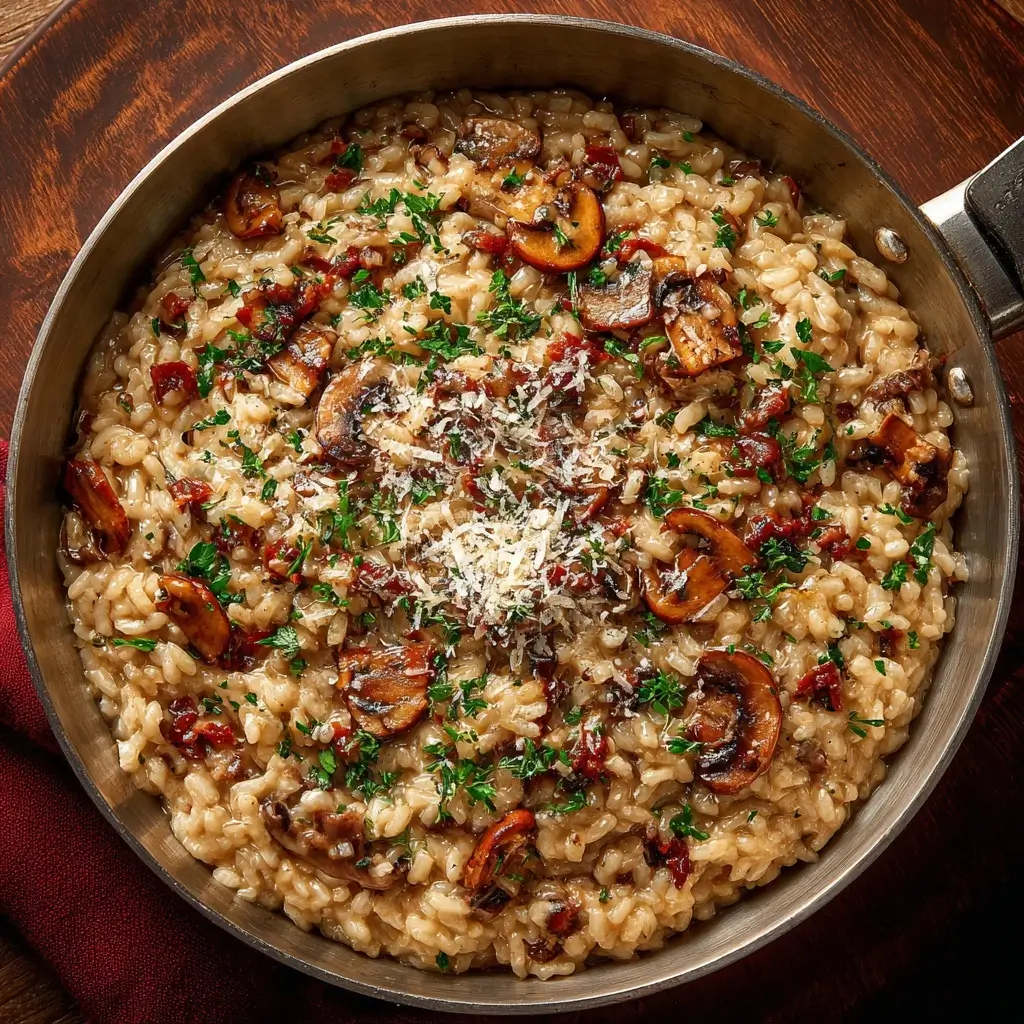
Creamy Mushroom Risotto is a beloved Italian dish that marries the earthy richness of mushrooms with the velvety texture of slow-cooked Arborio rice. Known for its luxurious mouthfeel and deep umami flavor, this dish has become a staple in both home kitchens and fine dining establishments around the world. Originating from Northern Italy, risotto allows for endless creativity while maintaining its core technique—patient stirring and gradual absorption of liquid to coax out the starches that give it its signature creaminess. This version highlights wild or cultivated mushrooms, making it ideal for cozy dinners, romantic evenings, or impressing guests at dinner parties.
The History of Risotto
Risotto traces its roots back to Northern Italy, particularly the regions of Lombardy, Piedmont, and Veneto, where rice cultivation flourished due to the fertile Po Valley. While rice was introduced to Italy through Arab traders during the Middle Ages, it wasn’t until the 14th and 15th centuries that risotto began to emerge as a culinary tradition. The first documented recipe resembling modern risotto appeared in the early 19th century, but it was the Milanese who popularized risotto alla milanese, colored with saffron. Over time, regional variations developed, incorporating local ingredients such as seafood in Venice, pumpkin in Mantua, and mushrooms throughout the alpine foothills.
Mushroom risotto likely gained popularity in the 20th century as foraged fungi like porcini became celebrated in Italian gastronomy. Traditionally made with wild mushrooms gathered in forests during autumn, this dish showcases the harmony between seasonal ingredients and refined cooking techniques. Today, Creamy Mushroom Risotto stands as a testament to Italian culinary philosophy: simple, high-quality ingredients transformed into something profoundly satisfying through care and attention.
Ingredients Breakdown
The magic of a perfect mushroom risotto lies not just in technique but in the quality and balance of its ingredients. Each component plays a crucial role in building layers of flavor and texture:
- Arborio Rice: This short-grain rice is essential for risotto because of its high starch content, which breaks down during slow cooking to create a creamy consistency without becoming mushy.
- Fresh Mushrooms: A mix of cremini, shiitake, oyster, and porcini (fresh or rehydrated dried) provides a complex, woodsy depth. Wild mushrooms are prized for their intense flavor, but cultivated varieties work beautifully too.
- Onion and Garlic: Finely diced yellow onion and minced garlic form the aromatic base, sautéed gently to release sweetness without browning.
- Dry White Wine: Adds acidity and brightness, helping deglaze the pan and enhance the overall flavor profile. Choose a crisp, unoaked variety like Pinot Grigio or Sauvignon Blanc.
- Vegetable or Chicken Stock: Warm stock is added gradually to cook the rice. Homemade stock is ideal for richer flavor, but good-quality store-bought works well.
- Butter and Olive Oil: Butter adds silkiness and richness; olive oil prevents burning and contributes a subtle fruitiness.
- Parmesan Cheese: Freshly grated Parmigiano-Reggiano melts into the rice, adding saltiness, nuttiness, and extra creaminess.
- Fresh Herbs: Thyme complements mushrooms perfectly, while parsley adds a fresh finish at the end.
- Salt and Pepper: Essential for seasoning throughout the cooking process.
- Optional Enhancements: Truffle oil, lemon zest, or a splash of cream can elevate the dish further, though purists may prefer to keep it traditional.
Step-by-Step Recipe
Ingredients
- 1½ cups (300g) Arborio rice
- 8 oz (225g) mixed fresh mushrooms (cremini, shiitake, oyster), sliced
- ½ cup (12g) dried porcini mushrooms (optional, for deeper flavor)
- 4 cups (950ml) low-sodium vegetable or chicken stock, warmed
- ½ cup (120ml) dry white wine
- 1 small yellow onion, finely diced
- 3 cloves garlic, minced
- 3 tbsp unsalted butter, divided
- 2 tbsp olive oil
- ½ cup (50g) freshly grated Parmesan cheese
- 1 tsp fresh thyme leaves (or ½ tsp dried)
- Salt and freshly ground black pepper, to taste
- 2 tbsp chopped fresh parsley
- Truffle oil (optional, for garnish)
Directions
- Rehydrate Dried Mushrooms (if using): Place dried porcini in a bowl and cover with 1 cup of hot water. Let soak for 20 minutes. Strain through a coffee filter or cheesecloth to remove grit, reserving the liquid. Chop mushrooms finely and set aside. Add the strained soaking liquid to the warm stock for extra flavor.
- Prepare Stock: In a saucepan, heat the stock (including porcini soaking liquid) over medium-low heat. Keep it warm throughout the cooking process—this ensures even absorption by the rice.
- Sauté Mushrooms: In a large, heavy-bottomed skillet or Dutch oven, heat 1 tablespoon olive oil and 1 tablespoon butter over medium-high heat. Add the fresh mushrooms in a single layer and cook undisturbed for 2–3 minutes until golden brown. Stir and continue cooking until tender and deeply caramelized, about 6–8 minutes total. Season lightly with salt and pepper. Remove half the mushrooms and reserve for garnish. Keep the rest in the pan.
- Soffritto Base: Reduce heat to medium. Add another tablespoon of olive oil to the pan. Add diced onion and cook gently for 4–5 minutes until soft and translucent. Add garlic and thyme, stirring for 30 seconds until fragrant.
- Toast the Rice: Add the Arborio rice to the pot, stirring constantly for 2–3 minutes until each grain becomes slightly translucent around the edges. This step helps seal the rice, ensuring a creamy interior and firm exterior.
- Deglaze with Wine: Pour in the white wine. Stir continuously as the alcohol evaporates and the wine reduces, about 1–2 minutes. The aroma should be sweet and slightly sharp.
- Add Stock Gradually: Begin adding warm stock one ladleful (about ½ cup) at a time. Stir frequently and allow each addition to be mostly absorbed before adding the next. This process should take 18–22 minutes. The rice should remain slightly al dente when done—taste often.
- Incorporate Rehydrated Porcini: After about 12 minutes of cooking, stir in the chopped rehydrated porcini mushrooms along with any residual juice (strained).
- Finish the Risotto: Once the rice is creamy and tender, remove from heat. Stir in the remaining 1 tablespoon butter, the reserved sautéed mushrooms (except garnish portion), and grated Parmesan cheese. This step, called mantecatura, gives the risotto its luxurious silkiness.
- Season and Rest: Taste and adjust seasoning with salt and pepper. Cover and let rest for 2 minutes to allow flavors to meld.
- Serve Immediately: Spoon into warm shallow bowls. Top with additional sautéed mushrooms, a sprinkle of fresh parsley, an extra pinch of Parmesan, and a drizzle of truffle oil if desired.
Tips for Perfect Creamy Mushroom Risotto
- Use Warm Stock: Cold stock slows down cooking and disrupts the starch release, leading to uneven texture.
- Stir Often, But Not Constantly: Frequent stirring encourages starch release, but you don’t need to stir nonstop. Just ensure the rice doesn’t stick or burn.
- Careful with Salt: Stock, Parmesan, and mushrooms all contain salt. Season gradually and taste before adding more.
- Don’t Rush: True risotto takes time. Rushing leads to undercooked rice or a gluey mess. Allow 25–30 minutes for best results.
- Choose the Right Pan: A wide, straight-sided skillet or Dutch oven offers maximum surface area for evaporation and even cooking.
- Finish Off Heat: Adding butter and cheese off the burner prevents the dairy from breaking and ensures a smooth emulsion.
- Serve Immediately: Risotto waits for no one. It continues to absorb liquid and thickens quickly once plated.
- Rescue Overcooked Risotto: If too thick, stir in a splash of hot stock or milk to loosen before serving.
Variations and Customizations
Creamy Mushroom Risotto is incredibly versatile. Consider these creative twists to suit different tastes and dietary needs:
- Vegan Version: Substitute butter with vegan margarine or olive oil, omit Parmesan or use nutritional yeast or plant-based cheese alternatives. Use mushroom or vegetable stock.
- Seafood Twist: Add seared scallops or shrimp at the end for a luxurious surf-and-turf effect.
- Herb Infusion: Rosemary, sage, or tarragon can replace thyme for a different aromatic profile.
- Lemon Zest: Brighten the dish with a teaspoon of lemon zest added at the end for a citrusy contrast.
- Wild Rice Blend: Mix in a small amount of cooked wild rice for added chew and visual interest.
- Truffle Everything: Use fresh truffle shavings, truffle butter, or a few drops of white truffle oil for an indulgent upgrade.
- Gluten-Free Friendly: Naturally gluten-free, just verify your stock and cheese are certified GF if needed.
- Cream-Enriched: For an even richer texture, stir in 2–3 tablespoons of heavy cream at the end.
- Protein Boost: Add cooked lentils, chickpeas, or shredded rotisserie chicken for heartier meals.
- Spring Variation: Swap mushrooms for asparagus, peas, and fava beans in warmer months.
Health Considerations and Nutritional Value
While Creamy Mushroom Risotto is rich and comforting, it can be adapted to support various health goals:
- Mushrooms: Low in calories and fat, mushrooms are rich in B vitamins, selenium, potassium, and antioxidants like ergothioneine, which supports cellular health.
- Arborio Rice: A refined grain, so lower in fiber than whole grains. For increased fiber and nutrients, consider substituting part of the rice with pearled barley or farro (though texture will vary).
- Fat Content: Butter and cheese contribute saturated fats. Use moderate amounts or opt for lighter versions if monitoring intake.
- Sodium: Control sodium by using low-sodium stock and adjusting added salt. Parmesan is naturally salty, so a little goes a long way.
- Portion Size: Risotto is dense and satisfying. A ¾-cup serving makes a great side; 1–1.5 cups works as a main.
- Caloric Estimate (per serving, approx. 1.5 cups): 450–550 kcal, 15g protein, 60g carbohydrates, 18g fat, 3g fiber. Values vary based on ingredients and substitutions.
- Digestibility: The starch in risotto is generally easy to digest, making it suitable for sensitive stomachs when prepared plainly.
Frequently Asked Questions (FAQ)
Can I make mushroom risotto ahead of time?
Risotto is best served immediately, but you can prepare it partially in advance. Cook the rice to just before the final stage, then cool quickly and refrigerate. Reheat gently with extra hot stock to restore creaminess.
Why is my risotto gummy or mushy?
Over-stirring, too much liquid, or overcooking can cause mushiness. Ensure you add stock gradually and stop when the rice is al dente with a slight bite.
Can I use instant rice or other grains?
No. Instant rice lacks the necessary starch. Other grains like jasmine or basmati won’t produce the same creamy result. Stick to high-starch varieties like Arborio, Carnaroli, or Vialone Nano.
What kind of mushrooms are best?
A combination works best: cremini for earthiness, shiitake for meatiness, and dried porcini for depth. Avoid button mushrooms alone—they’re too mild and watery.
Can I freeze leftover risotto?
Freezing changes the texture, making it dry or rubbery upon reheating. It’s better to refrigerate and consume within 2 days. Reheat gently on the stove with broth.
Is risotto gluten-free?
Yes, provided all ingredients—including stock and cheese—are certified gluten-free. Always double-check labels if allergies are a concern.
Can I use red wine instead of white?
Red wine is stronger and more tannic, which can overpower delicate mushroom flavors and discolor the dish. Stick to dry white wine for optimal balance.
How do I know when risotto is done?
The rice should be tender with a slight resistance (al dente), and the mixture should flow slowly when spooned—a texture known as all’onda (“wavy”).
Summary
Creamy Mushroom Risotto is a soul-warming Italian masterpiece that balances earthy mushrooms with luxuriously soft, flavorful rice. Made with patience and premium ingredients, it’s a dish that transforms simple components into an elegant, restaurant-worthy meal.