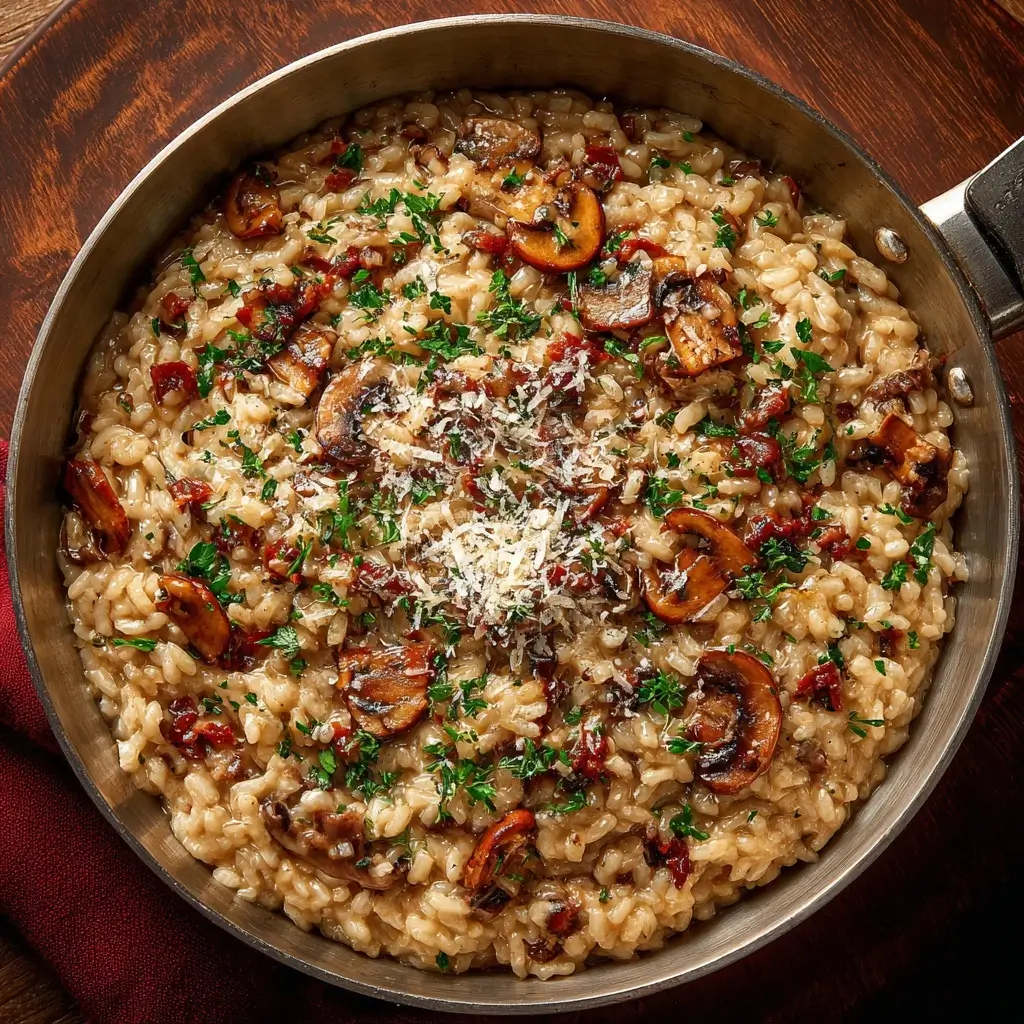
Creamy Mushroom Risotto: A Luxurious Italian Classic
Creamy mushroom risotto is a beloved Italian dish that combines the earthy richness of mushrooms with the velvety texture of perfectly cooked Arborio rice. Known for its luxurious mouthfeel and deep umami flavor, this dish has earned a permanent place in both home kitchens and fine dining restaurants around the world. Whether you’re preparing a romantic dinner or simply indulging in comfort food, creamy mushroom risotto delivers an unforgettable culinary experience.
The History of Risotto
Risotto traces its roots back to northern Italy, particularly the regions of Lombardy, Piedmont, and Veneto, where rice cultivation thrived due to the fertile Po Valley. While rice was introduced to Italy by the Moors during the Middle Ages, it wasn’t until the 14th century that it became a staple in the northern part of the country. The first documented mention of risotto-like dishes appeared in the 19th century, though earlier forms likely existed under different names.
The technique of making risotto—slowly adding warm broth to rice and stirring continuously—evolved as a way to extract the starch from short-grain rice, creating a naturally creamy consistency without dairy. Over time, variations emerged based on regional ingredients. In Milan, saffron gave rise to risotto alla Milanese, while coastal areas incorporated seafood into their versions.
Mushroom risotto, specifically, gained popularity with the widespread use of wild and cultivated mushrooms in Italian cooking. Porcini, cremini, and shiitake mushrooms brought intense savoriness that complemented the delicate nature of risotto. Today, mushroom risotto stands as one of the most cherished expressions of Italian cuisine, celebrated not only in Italy but across continents.
Ingredients Breakdown: Why Each One Matters
The magic of creamy mushroom risotto lies in the quality and harmony of its ingredients. Here’s a detailed breakdown of each component and its role in building flavor and texture:
- Arborio Rice: This short-grain Italian rice is high in amylopectin, a type of starch that breaks down during slow cooking, giving risotto its signature creaminess. Unlike long-grain rices like basmati or jasmine, Arborio absorbs liquid gradually while maintaining a slight bite (al dente).
- Fresh Mushrooms: A blend of mushrooms adds depth. Cremini and white button mushrooms are mild and accessible, while porcini, shiitake, or oyster mushrooms contribute woodsy, umami-rich notes. Dried porcini, when rehydrated, infuse the dish with an intense aroma.
- Onion and Garlic: These aromatics form the flavor base. Finely diced yellow onion provides sweetness when sautéed, while garlic adds pungency and complexity.
- Dry White Wine: Adds acidity and brightness, balancing the richness of the dish. It also helps deglaze the pan, lifting flavorful browned bits (fond) from the bottom.
- Vegetable or Chicken Broth: Warm, seasoned broth is added gradually to cook the rice. Homemade broth offers superior flavor, but high-quality store-bought works well too. Using mushroom soaking liquid (from dried mushrooms) boosts earthiness.
- Butter and Parmesan Cheese: Added at the end (a step called mantecatura), they enrich the risotto, enhancing creaminess and adding a nutty, salty finish.
- Olive Oil: Used for sautéing, it adds fruitiness and helps prevent butter from burning.
- Salt and Freshly Ground Black Pepper: Essential seasonings that elevate all other flavors.
- Fresh Herbs (Optional): Parsley or thyme can be stirred in at the end for freshness and fragrance.
Step-by-Step Recipe: How to Make Perfect Creamy Mushroom Risotto
Follow these detailed steps to master this elegant dish. Patience and attention are key—this isn’t a quick weeknight meal, but the results are worth every minute.
Ingredients
- 1 ½ cups (300g) Arborio rice
- 8 oz (225g) mixed fresh mushrooms (cremini, shiitake, button), sliced
- ½ oz (15g) dried porcini mushrooms (optional, for deeper flavor)
- 4 cups (950ml) low-sodium vegetable or chicken broth
- 1 cup (240ml) dry white wine (e.g., Pinot Grigio or Sauvignon Blanc)
- 1 small yellow onion, finely diced
- 2 cloves garlic, minced
- 3 tablespoons unsalted butter, divided
- 2 tablespoons olive oil
- ½ cup (50g) freshly grated Parmesan cheese
- Salt and freshly ground black pepper, to taste
- 2 tablespoons chopped fresh parsley (optional)
- 1 teaspoon fresh thyme leaves (optional)
Directions
- Rehydrate Dried Mushrooms (if using): Place dried porcini in a heatproof bowl and cover with 1 cup of hot water. Let steep for 20 minutes. Strain through a fine-mesh sieve lined with a paper towel or cheesecloth to remove grit. Reserve the liquid and chop the softened mushrooms.
- Prepare the Broth: In a medium saucepan, combine the vegetable or chicken broth with the strained porcini soaking liquid (if used). Heat over medium-low until simmering, then reduce to low to keep warm throughout cooking.
- Sauté the Mushrooms: In a large, heavy-bottomed skillet or Dutch oven, heat 1 tablespoon of olive oil over medium-high heat. Add the fresh and rehydrated mushrooms in batches if needed to avoid overcrowding. Cook until golden brown and moisture has evaporated, about 6–8 minutes. Season lightly with salt and pepper. Remove mushrooms and set aside.
- Start the Risotto Base: In the same pot, heat 1 tablespoon olive oil and 1 tablespoon butter over medium heat. Add the diced onion and cook until translucent and soft, about 5 minutes. Add the garlic and cook for another 30 seconds until fragrant.
- Toast the Rice: Add the Arborio rice to the pot. Stir constantly for 2–3 minutes until the rice becomes slightly translucent around the edges and emits a nutty aroma. This step helps seal the grains, ensuring even absorption of liquid later.
- Deglaze with Wine: Pour in the white wine. Stir continuously as the wine bubbles and is absorbed into the rice, about 2 minutes. This adds acidity and enhances the overall flavor profile.
- Add Broth Gradually: Begin adding the warm broth one ladleful (about ½ cup) at a time. Stir frequently and allow each addition to be mostly absorbed before adding the next. This process should take 18–22 minutes. Maintain a gentle simmer throughout.
- Test for Doneness: After about 18 minutes, start testing the rice. It should be tender with a slight firmness at the center (al dente). If needed, add more broth. You may not use all the broth, or you might need a bit more—adjust accordingly.
- Incorporate Mushrooms: When the rice is nearly done, stir in the sautéed mushrooms and cook for another 2–3 minutes to heat through.
- Finish with Butter and Cheese (Mantecatura): Remove the pot from heat. Stir in the remaining 2 tablespoons of butter and the grated Parmesan cheese. This crucial step creates a glossy, creamy texture. Add a splash of warm broth if the risotto feels too thick.
- Season and Garnish: Taste and adjust seasoning with salt and pepper. Stir in fresh herbs like parsley or thyme if desired.
- Serve Immediately: Risotto waits for no one! Plate immediately in warmed bowls. Optionally, top with extra Parmesan, a drizzle of truffle oil, or a sprinkle of cracked black pepper.
Tips for the Best Creamy Mushroom Risotto
- Use Warm Broth: Adding cold broth slows cooking and disrupts the starch release. Always keep your broth hot in a separate pot.
- Stir Frequently, But Not Constantly: Stirring helps release starch, but you don’t need to stir nonstop. Aim for every 30 seconds to encourage even cooking and creaminess.
- Don’t Rush the Process: Risotto takes time. Rushing by adding too much broth at once will result in mushy rice or uneven texture.
- Choose the Right Pan: A wide, shallow pan gives more surface area, promoting evaporation and better control over consistency.
- Taste as You Go: Adjust seasoning throughout, especially toward the end. Underseasoned risotto tastes flat.
- Resist Overcooking: The rice should be al dente—soft with a slight bite. It continues to absorb liquid off the heat.
- Leftovers? Reheat Gently: Leftover risotto firms up. Revive it with a splash of broth or water and warm slowly on the stove.
Variations and Customizations
Creamy mushroom risotto is incredibly versatile. Here are some delicious twists to try:
- Truffle Mushroom Risotto: Drizzle with truffle oil or shave fresh black truffle on top for an opulent upgrade.
- Creamy Wild Mushroom Risotto: Use a mix of wild mushrooms like chanterelles, morels, or hen-of-the-woods for gourmet flair.
- Vegan Mushroom Risotto: Substitute butter with vegan butter or olive oil, and use nutritional yeast or vegan Parmesan instead of dairy cheese.
- Herb-Infused Risotto: Add rosemary, sage, or tarragon during cooking for aromatic complexity.
- Protein Boost: Stir in grilled chicken, seared scallops, or crispy pancetta for a heartier meal.
- Lemon Zest Twist: Add a teaspoon of lemon zest at the end for a bright, citrusy contrast to the earthy mushrooms.
- Asparagus & Mushroom Risotto: Fold in blanched asparagus pieces during the last few minutes for color and freshness.
- Wine-Free Version: Replace wine with extra broth and a splash of lemon juice for acidity.
Health Considerations and Nutritional Value
While creamy mushroom risotto is undeniably rich, it can still be part of a balanced diet when enjoyed in moderation. Here’s a nutritional overview per serving (based on 4 servings):
| Nutrient | Amount (Approx.) |
|---|---|
| Calories | 420 kcal |
| Total Fat | 16g |
| Saturated Fat | 8g |
| Cholesterol | 30mg |
| Sodium | 700mg (varies with broth and seasoning) |
| Total Carbohydrates | 55g |
| Dietary Fiber | 3g |
| Sugars | 4g |
| Protein | 10g |
Health Notes:
- Mushrooms are low in calories and rich in B vitamins, selenium, and antioxidants. They also contain natural glutamates, contributing to umami flavor without added sodium.
- Arborio rice is a refined grain, so it lacks the fiber of whole grains. For a healthier version, consider substituting half the rice with carnaroli or using a portion of barley (though texture will vary).
- To reduce fat, decrease butter and cheese slightly and increase broth or add a splash of plant-based milk for creaminess.
- Using homemade low-sodium broth allows control over salt content, which is important for those managing blood pressure.
- This dish is naturally gluten-free, provided all ingredients (especially broth and wine) are certified gluten-free.
FAQ: Common Questions About Creamy Mushroom Risotto
Q: Can I make risotto ahead of time?
A: Risotto is best served immediately. However, you can par-cook it (cook for 15 minutes), cool quickly, and refrigerate. Finish cooking later by reheating with warm broth.
Q: Why is my risotto gummy or mushy?
A: This usually happens when too much broth is added too quickly or the rice is overcooked. Always add broth gradually and taste often.
Q: Can I use a different type of rice?
A: Stick to high-starch, short-grain rices like Arborio, Carnaroli, or Vialone Nano. Long-grain rice won’t achieve the creamy texture.
Q: Is stirring really necessary?
A: Yes—stirring helps release starch and ensures even cooking. Skipping it results in uneven texture and less creaminess.
Q: Can I freeze mushroom risotto?
A: Freezing affects texture significantly. It’s not recommended, though leftovers can be refrigerated for up to 3 days.
Q: What wine should I use?
A: Choose a dry, crisp white wine you’d enjoy drinking—avoid “cooking wine,” which contains added salt and preservatives.
Q: Can I make this in a rice cooker or Instant Pot?
A: Yes, but the traditional stovetop method yields superior control and texture. For Instant Pot, use the “Risotto” setting or manual high pressure for 7 minutes with all ingredients except cheese and butter.
Summary
Creamy mushroom risotto is a decadent, comforting dish that showcases the elegance of simple ingredients transformed through careful technique. With its rich umami flavor and luxuriously smooth texture, it’s a timeless favorite that never fails to impress.