Introduction
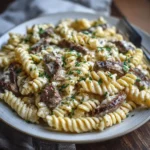
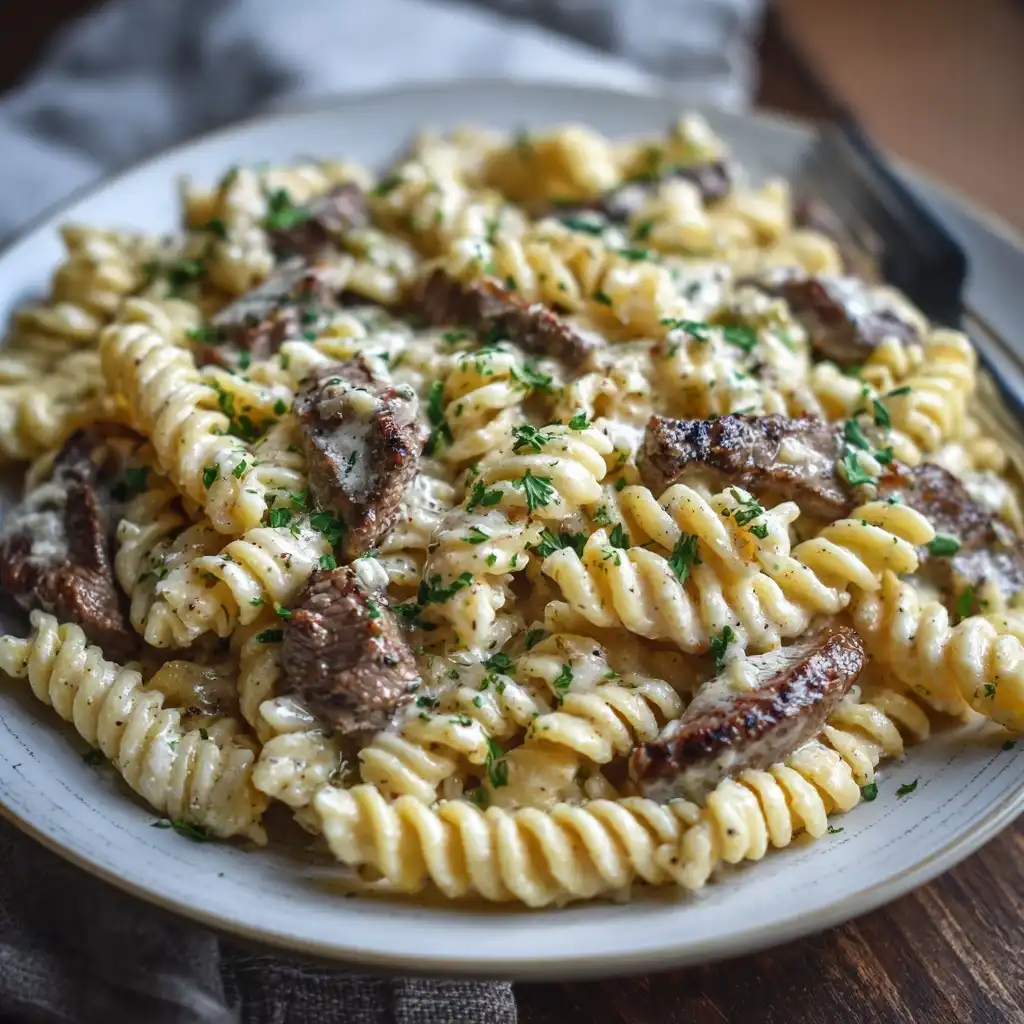
Creamy Garlic Butter Steak Pasta is the ultimate comfort dish that marries the rich, savory depth of seared steak with the luxurious silkiness of a garlicky, herb-infused butter cream sauce—all tossed with perfectly al dente pasta. It’s an elegant yet approachable weeknight dinner that feels restaurant-worthy but comes together in under 40 minutes. Whether you’re cooking for a special date night, impressing guests, or simply treating yourself after a long day, this dish delivers bold flavor, textural contrast, and soul-satisfying richness in every bite. Its magic lies not just in the quality of ingredients—think grass-fed ribeye or well-marbled sirloin—but in the layered technique: properly resting and slicing the steak, building a pan sauce from fond, emulsifying cold butter for velvety texture, and finishing with fresh aromatics for brightness. This isn’t just pasta—it’s a harmonious symphony of protein, dairy, starch, and herbaceous freshness, crafted to satisfy on every level.
The History
While no single chef or region can claim sole authorship of Creamy Garlic Butter Steak Pasta, its roots trace back to a confluence of culinary traditions spanning continents and centuries. The concept of pairing tender beef with butter-based sauces echoes classic French beurre blanc and beurre noir preparations dating to the 19th century—where chefs mastered the art of emulsifying butter into acidic, aromatic reductions. Simultaneously, Italian pasta culture provided the foundational starch element, with dishes like spaghetti alla carbonara and linguine al limone proving how seamlessly proteins and dairy could elevate simple noodles. In mid-20th-century America, the rise of the “surf-and-turf” trend normalized the union of premium meat and refined starches, while post-war home cooking embraced convenience without sacrificing indulgence—hence the emergence of creamy, one-pan pasta meals in cookbooks like those by James Beard and later, Food Network personalities. By the 2010s, social media platforms amplified visually stunning, high-fat, high-flavor recipes—giving rise to viral iterations of “butter-bomb” pastas, including the now-iconic creamy garlic butter steak version. Today, it stands as a modern fusion staple: French technique meets Italian heartiness, American boldness, and global pantry staples (like roasted garlic, shallots, and fresh thyme), continually reinvented across food blogs, TikTok kitchens, and fine-dining tasting menus alike.
Ingredients Breakdown
Every component in Creamy Garlic Butter Steak Pasta plays a distinct and indispensable role—no ingredient is filler; each contributes texture, aroma, umami, acidity, or mouthfeel. Let’s explore them in detail:
- Steak (12–16 oz): Ribeye, New York strip, or flat iron are ideal—well-marbled cuts render fat that enriches the sauce and stays juicy when sliced thin against the grain. Avoid lean cuts like eye of round, which dry out quickly. Dry-brining with kosher salt 1–2 hours ahead enhances seasoning penetration and surface dehydration for superior sear.
- Pasta (12 oz dried or 16 oz fresh): Linguine, pappardelle, or tagliatelle offer optimal surface area to cling to creamy sauce. Their slight chew balances the tenderness of the steak. Gluten-free options like brown rice or lentil pasta work beautifully when cooked *al dente*—just be sure to reserve extra starchy water for emulsification.
- Unsalted Butter (1 cup / 2 sticks, cold & cubed): Cold butter is non-negotiable for proper emulsification. When whisked into warm (not boiling) liquid, it forms a stable, glossy, velvety suspension—not a greasy separation. Unsalted allows full control over sodium levels, especially important given the salty depth of Parmesan and soy sauce (if used).
- Fresh Garlic (6–8 cloves, finely minced or pressed): Raw garlic burns easily, so it’s added late—after deglazing—to preserve its pungent sweetness and avoid bitterness. Roasted garlic (3–4 cloves, mashed) can be folded in at the end for deeper, caramelized nuance.
- Shallots (1 large, finely diced): More delicate than onions but richer than scallions, shallots provide allium complexity without overpowering. They caramelize gently in butter, releasing natural sugars that balance the sauce’s richness.
- Dry White Wine (½ cup): A crisp, high-acid wine like Sauvignon Blanc or Pinot Grigio lifts heaviness and deglazes the pan with elegance. Alcohol cooks off, leaving only bright fruit and mineral notes. Substitute with dry vermouth or a splash of apple cider vinegar + ¼ cup broth if avoiding alcohol.
- Beef Broth (¾ cup, low-sodium): Adds deep savory backbone (umami) without overwhelming salt. Homemade bone broth intensifies collagen-rich body; store-bought should be reduced by ⅓ first to concentrate flavor and remove excess water.
- Heavy Cream (⅓ cup): Not for “creaminess” alone—its milk fat and casein proteins help stabilize the emulsion. Light cream or half-and-half will break more easily; coconut cream (full-fat, chilled) works for dairy-free versions when paired with cashew butter for thickness.
- Fresh Herbs (¼ cup chopped parsley + 1 tbsp thyme leaves): Parsley adds grassy, clean finish; thyme contributes earthy, floral notes that complement beef. Add parsley at the very end to retain vibrancy; thyme can go in earlier to infuse.
- Parmigiano-Reggiano (½ cup, freshly grated): Real Parmesan contains natural enzymes and crystalline tyrosine that melt smoothly and add nutty, salty complexity. Pre-grated cheese contains anti-caking agents that cause graininess and oil separation.
- Seasonings: Freshly cracked black pepper (coarsely ground), flaky sea salt (Maldon or Fleur de Sel for finishing), and optional touches like a pinch of red pepper flakes, 1 tsp Dijon mustard (for tangy binding), or 1 tbsp soy sauce (for fermented umami depth) round out the flavor architecture.
Step-by-Step Recipe
- Prep & Dry-Brine the Steak (15–120 minutes ahead): Pat steak *extremely* dry with paper towels. Rub generously with 1 tsp kosher salt and ½ tsp black pepper. Let rest uncovered on a wire rack over a plate in the fridge for at least 15 minutes (up to 2 hours) to further dry the surface—critical for crust formation.
- Cook the Pasta: Bring 5 quarts well-salted water (2 tbsp Diamond Crystal or 1 tbsp Morton) to a rolling boil. Add pasta and stir immediately. Cook 1–2 minutes shy of package’s “al dente” time. Reserve 1½ cups starchy pasta water before draining. Do *not* rinse.
- Sear the Steak: Heat a heavy-bottomed stainless steel or cast-iron skillet over medium-high until shimmering hot (a drop of water should skitter and vanish instantly). Add 1 tbsp high-smoke-point oil (avocado or grapeseed). Place steak in pan—do not move for 2½–3 minutes until deep mahogany crust forms. Flip and cook 2–2½ minutes for medium-rare (130°F internal). Transfer to a cutting board, tent loosely with foil, and rest 8–10 minutes.
- Build the Sauce Base: Reduce heat to medium. In same skillet (do not wipe out browned bits—this is *fond*, your flavor gold), add 2 tbsp butter. Once melted, add shallots; sauté 2 minutes until translucent. Add garlic; stir 30 seconds until fragrant—do not brown. Pour in white wine, scraping vigorously with a wooden spoon to lift all fond. Simmer 2 minutes until reduced by half.
- Enrich & Emulsify: Stir in beef broth and simmer 3–4 minutes until slightly thickened. Reduce heat to low. Whisk in heavy cream and simmer gently 1 minute. Remove from heat. Gradually whisk in cold cubed butter, 1–2 cubes at a time, waiting for each to fully incorporate before adding the next. Sauce should turn glossy, thick, and coat the back of a spoon.
- Combine & Finish: Return drained pasta to pot. Pour in warm sauce and toss over low heat 1 minute. Add ½ cup reserved pasta water and toss vigorously—the starch helps bind everything. Slice rested steak thinly *against the grain*. Gently fold in steak, ⅓ of Parmesan, parsley, thyme, and remaining salt/pepper to taste. Add more pasta water (1 tbsp at a time) if too thick. Finish with remaining Parmesan, extra parsley, flaky salt, and a final grind of black pepper.
Tips
- Temperature Control Is Everything: Never add cold butter to boiling liquid—it will separate instantly. Keep sauce warm (140–160°F), not hot, during emulsification. Use an instant-read thermometer if unsure.
- Reserve Pasta Water Like Gold: That starchy, salty liquid is your secret weapon for adjusting consistency *and* enhancing flavor integration. Always reserve *before* draining—and keep it warm in a small saucepan.
- Slice Against the Grain—Always: Look for the direction of muscle fibers and cut perpendicularly. This shortens tough connective tissue, making even modest cuts luxuriously tender.
- Don’t Crowd the Pan: Searing two steaks? Use two skillets or sear sequentially. Overcrowding drops temperature, steams instead of sears, and creates gray, soggy meat.
- Use Freshly Grated Cheese Only: Pre-shredded Parmesan contains cellulose and potato starch—these inhibit melting and create grittiness. A microplane yields the finest, most soluble texture.
- Add Acid at the End: A final ½ tsp lemon juice or white wine vinegar right before serving lifts the entire dish, cutting richness and amplifying other flavors without tasting sour.
- Rest the Steak—No Exceptions: Resting allows juices to redistribute. Cutting too soon releases up to 40% of flavorful moisture onto the board—not the plate.
- Toast Your Herbs Briefly: For deeper aroma, warm thyme and parsley in 1 tsp butter in a small pan over low heat for 20 seconds before folding in—this releases essential oils without wilting.
- Make It Ahead-Friendly: Cook steak and sauce separately up to 1 day ahead. Store chilled. Reheat sauce gently (don’t boil); warm steak slices in sauce just before serving to prevent overcooking.
- Skillet Choice Matters: Stainless steel gives best fond development; cast iron holds heat evenly; nonstick prevents sticking but yields less fond—so deglaze with extra broth and add ½ tsp tomato paste for umami depth.
Variations and Customizations
This recipe is gloriously adaptable—whether accommodating dietary needs, seasonal produce, or global pantry inspirations. Here are 12 thoughtfully developed variations:
- Spicy Korean-Inspired: Marinate steak 30 minutes in 2 tbsp gochujang, 1 tbsp soy sauce, 1 tsp sesame oil, 1 tsp grated ginger, and 1 minced garlic clove. Replace parsley with scallions and cilantro; finish with toasted sesame seeds and kimchi brine (1 tbsp) instead of wine.
- Mushroom Umami Bomb: Sauté 8 oz sliced cremini or oyster mushrooms in 1 tbsp butter until deeply browned *before* adding shallots. Deglaze with ¼ cup sherry instead of wine. Add 1 tsp truffle oil at the end.
- Dairy-Free Luxe: Swap butter for refined coconut oil + 2 tbsp cashew butter (blended smooth); use full-fat coconut milk instead of cream; replace Parmesan with nutritional yeast + white miso (1 tsp) for cheesiness and depth.
- Herb Garden Delight: Infuse melted butter with 2 sprigs rosemary and 1 bay leaf (simmer 5 min, strain). Stir in 2 tbsp chopped chives, 1 tbsp tarragon, and 1 tsp lemon zest at the end. Omit thyme.
- Smoky Chipotle Steak: Rub steak with 1 tsp chipotle powder + ½ tsp smoked paprika before searing. Add 1 tsp adobo sauce (from canned chipotles) to sauce base. Garnish with crumbled cotija and pickled red onions.
- Lighter Lemon-Herb: Replace half the butter with olive oil. Use ¼ cup Greek yogurt (tempered with warm sauce) instead of cream. Boost lemon: 1 tbsp zest + 2 tbsp juice at the end. Add dill and mint alongside parsley.
- Vegan “Steak” Version: Use marinated, pan-seared king oyster mushroom “scallops” or seitan strips. Build sauce with mushroom broth, cashew cream, garlic, white wine, and vegan butter. Finish with capers and fresh basil.
- Seafood Fusion: Replace steak with 12 oz seared scallops or shrimp. Deglaze with dry vermouth + 1 tsp Pernod. Add 2 tbsp chopped fennel bulb with shallots. Finish with dill and lemon.
- Breakfast-for-Dinner: Top finished pasta with 2 poached eggs. Sprinkle with crispy pancetta (cooked separately) and chives. Serve with hot sauce on the side.
- Winter Root Vegetable: Roast 1 cup diced parsnips and carrots with olive oil and thyme until caramelized. Fold in with steak. Add 1 tbsp maple syrup to sauce for subtle sweetness.
- Green Goddess Twist: Blend ½ cup basil, ¼ cup spinach, 2 tbsp avocado, 1 tbsp lemon juice, and 2 tbsp olive oil into a vibrant pesto. Swirl in at the end instead of plain parsley.
- Truffle Elegance: Drizzle finished dish with white truffle oil and shave fresh black truffle over top. Use porcini-infused broth and finish with aged pecorino instead of Parmesan.
Health Considerations and Nutritional Value
A single generous serving (about 1¾ cups) of Creamy Garlic Butter Steak Pasta—prepared with ribeye, whole wheat linguine, full-fat dairy, and standard seasoning—contains approximately 720–850 calories, with the following macro and micronutrient profile (values approximate and vary by specific brands and portion sizes):
- Protein: 42–50g — primarily from high-quality complete animal protein (steak), supporting muscle synthesis, satiety, and metabolic health. Ribeye provides heme iron (highly bioavailable), zinc, B12, and creatine.
- Fat: 42–52g — predominantly monounsaturated (from olive oil/butter) and saturated (from dairy/beef fat). While saturated fat has been historically maligned, current evidence supports moderate intake (<10% total calories) as part of a balanced diet rich in fiber and antioxidants. Omega-3s are minimal unless grass-fed beef is used (which contains ~2–3x more ALA and CLA).
- Carbohydrates: 48–58g — mostly complex carbs from pasta, providing sustained energy. Whole grain or legume-based pastas increase fiber to 6–9g/serving, aiding digestion and glycemic control.
- Fiber: 2–9g — highly dependent on pasta choice. Adding sautéed spinach, kale, or zucchini ribbons boosts fiber, vitamins A/C/K, and antioxidants without significantly increasing calories.
- Sodium: 680–950mg — largely from salt, Parmesan, and broth. Using low-sodium broth and limiting added salt keeps this within AHA guidelines (<2,300 mg/day). Rinsing canned beans (if added) or choosing no-salt-added tomatoes further reduces sodium.
- Vitamins & Minerals: Rich in B-complex (especially B12, niacin, B6), selenium, phosphorus, and choline (from egg-enriched pasta or liver-friendly fats). Garlic contributes allicin (anti-inflammatory), while parsley delivers vitamin K (bone health) and apigenin (a flavonoid linked to cellular protection).
Dietary Adaptations:
- Low-Carb/Keto: Substitute pasta with spiralized zucchini (“zoodles”), shirataki noodles, or roasted spaghetti squash. Increase healthy fats (avocado slices, pine nuts) and reduce wine/cream volume slightly.
- Gluten-Free: Use certified GF pasta (brown rice, quinoa, or chickpea). Ensure broth and soy sauce (if used) are GF-certified. Xanthan gum in some GF pastas may require slightly less reserved water.
- Heart-Healthy: Choose leaner cuts (top sirloin), substitute half the butter with extra-virgin olive oil, use low-fat Greek yogurt instead of cream, and load up on vegetables (spinach, cherry tomatoes, roasted bell peppers).
- Higher-Protein/Lower-Fat: Double the steak portion, use nonfat Greek yogurt + cornstarch slurry instead of cream, and opt for 93% lean ground beef formed into small medallions (seared then sliced) for cost-conscious protein density.
- Anti-Inflammatory Focus: Incorporate turmeric (¼ tsp toasted in butter before shallots), extra garlic (10+ cloves), ginger, walnuts, and leafy greens. Prioritize organic, grass-finished beef for optimal omega-3:6 ratio.
Note: While indulgent, this dish is nutrient-dense—not “empty calories.” Its combination of high-quality protein, healthy fats, and phytonutrient-rich aromatics makes it far more nourishing than many ultra-processed convenience meals. Moderation, variety, and mindful preparation matter more than rigid labeling.
Ingredients
- 12–16 oz ribeye, New York strip, or flat iron steak, ¾-inch thick
- 12 oz linguine, pappardelle, or tagliatelle (or gluten-free equivalent)
- 1 cup (2 sticks) unsalted butter, cold and cubed
- 6–8 garlic cloves, finely minced or pressed
- 1 large shallot (about ½ cup), finely diced
- ½ cup dry white wine (Sauvignon Blanc or Pinot Grigio)
- ¾ cup low-sodium beef broth (preferably homemade or reduced)
- ⅓ cup heavy cream (36–40% fat)
- ½ cup freshly grated Parmigiano-Reggiano cheese, plus extra for garnish
- ¼ cup fresh flat-leaf parsley, finely chopped
- 1 tbsp fresh thyme leaves (or 1 tsp dried, added earlier)
- 2 tbsp high-smoke-point oil (avocado, grapeseed, or refined coconut)
- Kosher salt and freshly ground black pepper, to taste
- Flaky sea salt (Maldon or Fleur de Sel), for finishing
- Optional: 1 tsp Dijon mustard, 1 tbsp soy sauce (low-sodium), ½ tsp red pepper flakes, or zest of 1 lemon
Directions
- Prepare the Steak: At least 15 minutes before cooking, pat steak completely dry with paper towels. Season generously on both sides with 1 tsp kosher salt and ½ tsp black pepper. Place on a wire rack over a plate and refrigerate uncovered.
- Boil the Pasta: Fill a large pot with 5 quarts water. Add 2 tbsp kosher salt (Diamond Crystal) and bring to a vigorous boil. Add pasta and stir well. Cook, stirring occasionally, until 1–2 minutes shy of al dente (check package timing). Before draining, reserve 1½ cups starchy pasta water. Drain pasta—do not rinse—and return to pot.
- Sear the Steak: Heat a 12-inch stainless steel or cast-iron skillet over medium-high heat until a drop of water sizzles and vanishes instantly (~2 minutes). Add 1 tbsp high-smoke-point oil. Once oil shimmers, place steak in center of pan. Press gently with spatula. Do not move for 2½–3 minutes until deep brown crust forms. Flip and cook 2–2½ minutes for medium-rare (130°F internal). Transfer to cutting board, tent loosely with foil, and rest 8–10 minutes.
- Build the Aromatic Base: Reduce heat to medium. Add 2 tbsp butter to same hot skillet. Once melted and foaming subsides, add shallots. Sauté 1½–2 minutes until soft and translucent. Add garlic and stir constantly for 30 seconds until fragrant—do not let brown.
- Deepen Flavor with Deglazing: Pour in white wine, immediately scraping bottom of pan with a wooden spoon to release all browned bits (fond). Simmer 2–3 minutes until wine reduces by half and alcohol evaporates.
- Enrich the Sauce: Stir in beef broth. Simmer gently 3–4 minutes until slightly thickened and reduced by about ¼. Reduce heat to low. Whisk in heavy cream and simmer 1 minute until warmed through—do not boil.
- Emulsify the Butter: Remove skillet from heat. Begin whisking in cold cubed butter, 1–2 cubes at a time, waiting until each is fully melted and incorporated before adding the next. Continue until all butter is added and sauce is thick, glossy, and coats the back of a spoon (about 2–3 minutes of constant whisking).
- Combine Pasta & Sauce: Pour warm sauce over drained pasta in pot. Toss over low heat for 1 minute. Add ½ cup reserved pasta water and toss vigorously for 30–45 seconds until creamy and cohesive. Add more pasta water (1 tbsp at a time) if too thick.
- Incorporate Steak & Finish: Thinly slice rested steak against the grain. Gently fold steak slices into pasta along with ⅓ cup Parmesan, parsley, thyme, and optional Dijon or soy sauce. Taste and adjust seasoning with additional salt, pepper, or a squeeze of lemon juice. Serve immediately.
- Garnish & Serve: Divide among warm bowls. Top with remaining Parmesan, extra parsley, flaky sea salt, and freshly cracked black pepper. Optional: drizzle with truffle oil or top with microgreens.
FAQ
- Can I use frozen steak?
- Yes—but thaw completely in the refrigerator overnight. Pat *extremely* dry before seasoning and searing. Frozen-thawed steak may have slightly more moisture loss, so reduce initial sear time by 30 seconds per side and rest 10+ minutes.
- Why does my sauce break or look greasy?
- Most commonly due to overheating (boiling the sauce after adding butter) or adding butter too quickly while it’s still too hot. Always remove from heat before emulsifying, and add butter slowly while whisking constantly. If broken, whisk in 1–2 tbsp cold pasta water or a teaspoon of Dijon mustard to re-emulsify.
- Can I make this dairy-free?
- Absolutely. Use refined coconut oil + cashew butter for richness, full-fat coconut milk instead of cream, and nutritional yeast/miso for “cheesy” depth. For butter replacement, choose a high-quality, cultured vegan butter that melts cleanly (e.g., Miyoko’s or Forager).
- What’s the best pasta to use?
- Linguine and pappardelle are top choices—their long, flat surfaces grip creamy sauces best. For gluten-free, brown rice linguine or chickpea penne hold up well. Avoid delicate pastas like angel hair, which become mushy when tossed with heavy sauce.
- Can I prep this ahead for meal prep?
- Yes—with smart layering. Cook pasta and chill in single portions. Sear and slice steak; store separately with a little sauce. Make sauce base (without cream/butter) up to 3 days ahead. Reheat sauce base gently, whisk in cream and cold butter, then combine with pasta and steak just before eating. Best consumed within 3 days.
- Is there a shortcut for garlic?
- Rather than mincing, roast whole garlic heads (drizzled in oil, wrapped in foil) at 400°F for 40 minutes until soft and sweet. Squeeze out cloves and mash into sauce at the end—adds mellow depth without raw sharpness.
- Can I use chicken or pork instead of steak?
- Yes! Boneless, skinless chicken breasts or thighs work well—pound to even thickness and sear 5–6 minutes total. For pork, try tenderloin medallions or thin-cut chops. Adjust cooking time to ensure safe internal temps (165°F for poultry, 145°F for pork).
- How do I store and reheat leftovers?
- Store in airtight containers in the fridge up to 3 days. To re