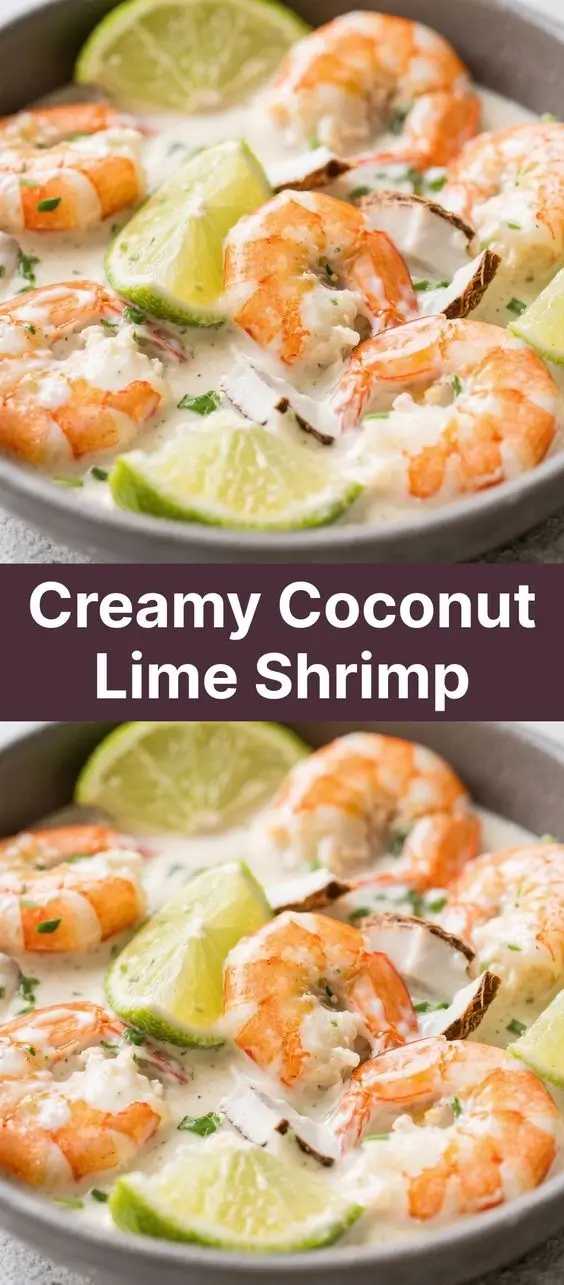
Creamy Coconut Lime Shrimp: A Tropical Delight
Introduction
If you’re craving a dish that transports your taste buds to a sun-kissed beach with every bite, look no further than Creamy Coconut Lime Shrimp. This luscious and aromatic recipe blends the rich creaminess of coconut milk with the bright tang of fresh lime, creating a harmonious balance that complements tender, juicy shrimp perfectly. Whether you’re preparing a romantic dinner for two, hosting a summer gathering, or simply treating yourself to something special, this dish delivers bold tropical flavors in an elegant yet easy-to-make format. Light enough for warm evenings but satisfying enough to be a centerpiece, Creamy Coconut Lime Shrimp is quickly becoming a favorite among seafood lovers and adventurous home cooks alike.
The History
The roots of Creamy Coconut Lime Shrimp can be traced back to coastal cuisines across Southeast Asia, the Caribbean, and parts of Central and South America—regions where coconut palms flourish and seafood is abundant. Dishes combining coconut milk and citrus are staples in Thai curries, Filipino ginataan, and Caribbean stews, where the fat content of coconut milk helps mellow the heat of chilies while adding depth and silkiness to sauces. The addition of lime not only enhances flavor but also reflects traditional methods of using acidity to preserve and brighten dishes in tropical climates without refrigeration.
Over time, as global culinary influences merged, Western chefs began adapting these vibrant recipes, incorporating local ingredients and techniques. The modern version of Creamy Coconut Lime Shrimp emerged as a fusion dish—retaining its exotic essence while being streamlined for home kitchens. Today, it’s celebrated not just for its deliciousness but also for its versatility, appearing on restaurant menus from Miami to Los Angeles and even in gourmet meal kits. It represents a perfect marriage of comfort and adventure, bringing the spirit of island living straight to your dining table.
Ingredients Breakdown
The magic of Creamy Coconut Lime Shrimp lies in the synergy of its components. Each ingredient plays a crucial role in building layers of flavor, texture, and aroma:
- Shrimp: Large, peeled, and deveined shrimp (preferably wild-caught) are ideal. They cook quickly and absorb the sauce beautifully. You can use fresh or thawed frozen shrimp, but ensure they’re patted dry before cooking to prevent steaming.
- Coconut Milk: Full-fat canned coconut milk is essential for a creamy, luxurious sauce. Avoid “light” versions, which lack the richness needed to carry the flavors. Shake the can well before opening to blend the cream and liquid.
- Lime: Freshly squeezed lime juice provides a zesty brightness that cuts through the richness of the coconut. Don’t skip the zest—it adds an intense citrus fragrance that elevates the entire dish.
- Garlic: Minced fresh garlic brings a pungent warmth that forms the flavor foundation. Sautéing it gently prevents bitterness.
- Shallot or Onion: Finely chopped shallots add subtle sweetness and complexity. Red onion can be used for a sharper edge, while yellow onion offers a more neutral base.
- Fresh Ginger: Grated ginger adds a spicy-sweet warmth that complements both the coconut and lime. Use sparingly if sensitive to heat.
- Olive Oil or Coconut Oil: For sautéing. Coconut oil enhances the tropical theme, while olive oil adds fruitiness.
- Chicken or Vegetable Broth: A small amount thins the sauce slightly and adds savory depth. Use low-sodium to control salt levels.
- Fish Sauce (optional): A dash adds umami and authenticity, especially inspired by Southeast Asian cuisine. Substitute with soy sauce for a vegetarian option.
- Red Pepper Flakes or Fresh Chili: For a touch of heat. Adjust to taste—this dish should be flavorful, not overpoweringly spicy.
- Heavy Cream or Greek Yogurt (optional): For extra creaminess or tang. Some variations include a splash to enrich the sauce further.
- Fresh Herbs: Cilantro or Thai basil are classic garnishes, offering freshness and color contrast.
- Salt and Black Pepper: To season and round out the flavors.
Step-by-Step Recipe
- Prepare Ingredients: Pat the shrimp dry with paper towels and season lightly with salt and pepper. Zest one lime and set aside. Juice two limes (about 1/3 cup). Mince garlic, grate ginger, chop shallot, and measure all other ingredients. Having everything ready ensures smooth cooking.
- Sauté Aromatics: Heat 2 tablespoons of coconut oil in a large skillet over medium heat. Add the chopped shallot and sauté for 2–3 minutes until softened. Add minced garlic and grated ginger; cook for another 30 seconds until fragrant—do not let garlic brown.
- Bloom Spices (Optional): If using red pepper flakes or ground turmeric for color, add them now and stir for 10 seconds to release their essential oils.
- Add Liquids: Pour in 1 can (13.5 oz) of full-fat coconut milk and 1/4 cup of chicken or vegetable broth. Stir well to combine. Bring to a gentle simmer, then reduce heat to maintain a low bubble.
- Infuse Citrus: Stir in the lime juice and about half of the reserved lime zest. Let the sauce simmer for 5–7 minutes to allow flavors to meld and slightly reduce. Taste and adjust seasoning—add fish sauce if using, and a pinch of salt if needed.
- Cook the Shrimp: Increase heat slightly to medium-high. Add the shrimp in a single layer and cook for 2–3 minutes per side, flipping once, until opaque and pink. Do not overcook, or shrimp will become rubbery.
- Final Touches: Once shrimp are cooked, remove from heat immediately. Stir in a tablespoon of cold butter (optional) for added gloss and richness. Fold in fresh cilantro or Thai basil.
- Serve: Spoon the shrimp and sauce over steamed jasmine rice, quinoa, or cauliflower rice. Garnish with remaining lime zest, extra herbs, and a lime wedge on the side.
Tips
- Use High-Quality Coconut Milk: Cheaper brands may contain stabilizers or have a watery consistency. Opt for reputable brands like Chaokoh, Aroy-D, or Native Forest.
- Don’t Overcook the Shrimp: Shrimp cook fast—overcooking leads to toughness. Remove them from heat as soon as they turn opaque with a slight curl.
- Bloom the Garlic and Ginger: Cooking aromatics gently in oil maximizes flavor without burning. Keep the heat moderate.
- Balancing Acidity: If the lime makes the dish too tart, balance it with a tiny pinch of sugar or honey. Conversely, if it’s too rich, add more lime juice.
- Thicken the Sauce: If the sauce is too thin, simmer longer to reduce. For a thicker consistency, mix 1 tsp cornstarch with 1 tbsp cold water and stir in at the end, heating for 1 minute.
- Rest Before Serving: Let the dish sit off heat for 5 minutes before serving—this allows flavors to deepen and shrimp to absorb more sauce.
- Prevent Curdling: Avoid boiling the sauce vigorously after adding coconut milk. Gentle simmering prevents separation.
Variations and Customizations
Creamy Coconut Lime Shrimp is wonderfully adaptable. Here are some creative twists:
- Vegetarian Version: Replace shrimp with cubed tofu, chickpeas, or sautéed mushrooms. Use vegetable broth and omit fish sauce.
- Spicy Kick: Add diced serrano or jalapeño with the shallots, or stir in a spoonful of sambal oelek or harissa paste.
- Curried Twist: Add 1–2 teaspoons of red or yellow curry powder during the sauté step for a deeper, spiced profile.
- Dairy-Free Creaminess: Skip heavy cream and rely solely on coconut milk. For extra body, blend in 1/4 cup unsweetened cashew butter.
- Pineapple Addition: Toss in fresh or drained canned pineapple chunks during the last 2 minutes of cooking for a sweet-tart tropical flair.
- Herb Swaps: Try mint or parsley instead of cilantro for a different herbal note.
- Noodle Bowl Style: Serve over rice noodles or udon for an Asian-inspired twist.
- Grilled Option: Marinate shrimp in lime juice, coconut milk, and spices, then grill and serve over the warm sauce.
- Make it Ahead: Prepare the sauce base up to a day in advance. Reheat gently and add raw shrimp when ready to serve.
Health Considerations and Nutritional Value
Creamy Coconut Lime Shrimp can be part of a balanced diet when enjoyed in moderation. Here’s a breakdown of its nutritional profile (per serving, approx. 4 oz shrimp + 1/2 cup sauce over 1/2 cup rice):
- Calories: ~400–450 kcal
- Protein: 25–30g – Shrimp are high in lean protein and contain essential amino acids.
- Fat: 20–25g – Mostly from coconut milk, which contains saturated fats. However, much of this is medium-chain triglycerides (MCTs), which are metabolized differently and may offer energy benefits.
- Carbohydrates: 25–30g – Primarily from rice and natural sugars in coconut milk.
- Vitamins & Minerals: Rich in selenium, vitamin B12, phosphorus, and iodine from shrimp. Lime adds vitamin C, supporting immunity and iron absorption.
Dietary Notes:
- Gluten-Free: Naturally gluten-free if using tamari instead of soy sauce and ensuring broth is GF-certified.
- Keto-Friendly Option: Serve over cauliflower rice and reduce or omit broth/sugar. Monitor coconut milk carbs (some brands have higher sugar).
- Low-Sodium Adaptation: Use low-sodium broth, limit added salt, and rinse shrimp if previously brined.
- Allergens: Contains shellfish and coconut (a tree nut allergen for some). Not suitable for those with these allergies.
- Cholesterol: Shrimp are higher in dietary cholesterol, though recent research suggests they have a minimal impact on blood cholesterol for most people.
Ingredients
- 1.5 lbs (680g) large shrimp, peeled and deveined
- 1 can (13.5 oz) full-fat coconut milk
- 1/4 cup fresh lime juice (about 2 limes)
- 1 tbsp lime zest (from 1 lime)
- 2 tbsp coconut oil or olive oil
- 1 medium shallot, finely chopped (or 1/2 small onion)
- 3 cloves garlic, minced
- 1 tbsp fresh ginger, grated
- 1/4 tsp red pepper flakes (adjust to taste)
- 1/4 cup low-sodium chicken or vegetable broth
- 1 tsp fish sauce (optional)
- Salt and freshly ground black pepper to taste
- 2 tbsp fresh cilantro or Thai basil, chopped
- 1 tbsp unsalted butter (optional, for finish)
- For serving: cooked jasmine rice, quinoa, or cauliflower rice
- Lime wedges for garnish
Directions
- Pat shrimp dry and season lightly with salt and pepper. Set aside.
- Zest and juice the limes. Measure all other ingredients.
- In a large skillet over medium heat, warm the coconut oil. Add the shallot and sauté for 2–3 minutes until soft.
- Add garlic, ginger, and red pepper flakes. Cook for 30 seconds, stirring constantly.
- Pour in the coconut milk and broth. Stir well and bring to a gentle simmer.
- Add lime juice, lime zest, and fish sauce (if using). Simmer uncovered for 5–7 minutes to reduce slightly and blend flavors.
- Increase heat to medium-high. Add shrimp in a single layer. Cook for 2–3 minutes per side until pink and opaque.
- Remove from heat. Stir in fresh herbs and optional butter for a glossy finish.
- Let rest for 5 minutes. Serve immediately over rice, garnished with extra herbs and lime wedges.
FAQ
Can I use frozen shrimp?
Yes, but thaw them properly in the refrigerator overnight or under cold running water. Pat dry before cooking to ensure proper searing.
Can I make this ahead of time?
The sauce can be made 1–2 days in advance and refrigerated. Reheat gently and add raw shrimp just before serving to avoid overcooking.
Why did my sauce separate?
Coconut milk can split if boiled too hard or exposed to high acidity. Always simmer gently and add lime juice after the milk is warm, not boiling.
Is canned coconut milk healthy?
High-quality canned coconut milk without additives is a nutritious fat source. Look for BPA-free cans and products with just coconut and water listed.
Can I freeze leftovers?
While possible, the texture of shrimp may degrade upon freezing and reheating. The sauce freezes better on its own—store separately if planning to reheat later.
What can I substitute for fish sauce?
Soy sauce, tamari, or Worcestershire sauce (check for anchovies if strict vegetarian) can mimic umami. Alternatively, use a pinch of mushroom powder.
How do I know when shrimp are done?
They should be opaque, firm, and curled into a loose “C” shape. Overcooked shrimp form a tight “O” and become chewy.
Summary
Creamy Coconut Lime Shrimp is a vibrant, restaurant-quality dish that combines succulent shrimp in a luxuriously smooth coconut-lime sauce infused with garlic, ginger, and aromatic spices. Easy to prepare and endlessly customizable, it brings the taste of the tropics to your kitchen in under 30 minutes.