Creamy Cajun Shrimp Pasta: A Flavorful Southern Delight
Introduction
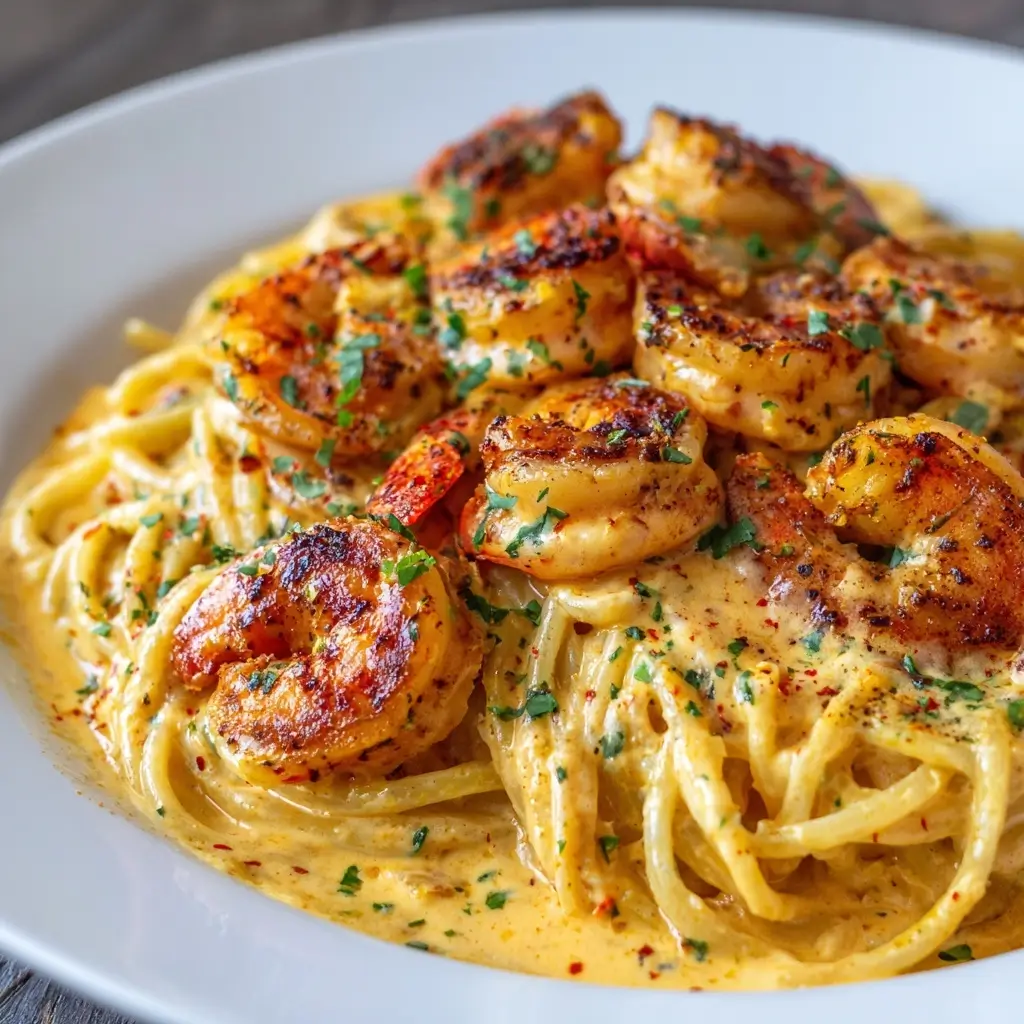
Creamy Cajun Shrimp Pasta is a rich, bold, and satisfying dish that brings together the spicy, smoky flavors of Louisiana with the luxurious creaminess of Italian pasta. This fusion recipe has become a favorite in homes across America—and for good reason. With succulent shrimp, perfectly cooked pasta, and a creamy Cajun-spiced sauce, it’s comfort food elevated to gourmet status. Whether you’re cooking for a weeknight dinner or impressing guests at a weekend gathering, this dish delivers on flavor, texture, and presentation. In this comprehensive guide, we’ll dive deep into everything you need to know about making the perfect Creamy Cajun Shrimp Pasta—right down to its history, ingredients, techniques, health benefits, and creative variations.
The History
The roots of Creamy Cajun Shrimp Pasta trace back to the culinary traditions of southern Louisiana, particularly among the Cajun people—descendants of French-speaking Acadians exiled from Canada in the 18th century. Over time, their cuisine evolved by blending French cooking techniques with local ingredients such as crawfish, rice, bell peppers, onions, and celery—the “holy trinity” of Cajun cooking. While traditional Cajun dishes like jambalaya, gumbo, and étouffée are typically stew-like and served over rice, modern interpretations have embraced global influences.
The incorporation of pasta into Cajun cuisine is a more recent innovation, likely influenced by Italian immigrants who settled in New Orleans and surrounding areas. The union of al dente pasta with spicy, creamy sauces creates a harmonious blend of cultures. Creamy Cajun Shrimp Pasta, though not an original historic dish, pays homage to authentic Cajun seasoning while adapting to contemporary tastes and convenience. Today, it’s a staple in many American kitchens—a delicious example of how regional cuisines continue to evolve and inspire new generations of cooks.
Ingredients Breakdown
To create an authentic and flavorful Creamy Cajun Shrimp Pasta, selecting high-quality ingredients is essential. Each component plays a crucial role in building layers of taste and texture. Here’s a detailed breakdown:
- Shrimp: Use large, peeled, and deveined raw shrimp (16/20 or 21/25 count). Fresh is ideal, but frozen and thawed works well too. Wild-caught Gulf shrimp offer superior flavor, but sustainable farmed options are acceptable.
- Pasta: Fettuccine is classic due to its ability to hold creamy sauces, but penne, linguine, or even gluten-free pasta can be used based on preference.
- Cajun Seasoning: This is the soul of the dish. A homemade blend typically includes paprika, garlic powder, onion powder, cayenne pepper, black pepper, white pepper, dried oregano, thyme, and salt. Store-bought blends vary in heat and sodium content, so adjust accordingly.
- Heavy Cream: Provides the rich, velvety base for the sauce. For a lighter version, half-and-half or full-fat coconut milk can substitute, though the texture will differ slightly.
- Butter and Olive Oil: Butter adds richness and depth, while olive oil prevents burning during searing. Using both gives optimal flavor and browning.
- Garlic: Freshly minced garlic enhances aroma and complements the spice profile without overpowering it.
- Vegetables: Bell peppers (red and green), onions, and celery form the holy trinity. Diced tomatoes (canned or fresh) add brightness and acidity.
- Chicken or Vegetable Broth: Adds liquid depth and helps deglaze the pan, incorporating fond (browned bits) into the sauce.
- Cheese (Optional): Parmesan or cream cheese can be stirred in for extra creaminess and umami. Avoid pre-grated cheese, which often contains anti-caking agents that affect meltability.
- Lemon Juice: A splash at the end brightens the dish and balances the richness.
- Green Onions or Parsley: For garnish—adds freshness and color contrast.
Step-by-Step Recipe
- Prepare Ingredients: Peel and devein shrimp, pat dry with paper towels. Mince garlic, dice bell peppers, onions, and celery. Measure out Cajun seasoning, broth, and cream. Cook pasta according to package directions, reserving ½ cup of pasta water before draining.
- Season the Shrimp: Toss shrimp with 1–2 tablespoons of Cajun seasoning, ensuring each piece is evenly coated. Let sit for 5–10 minutes to absorb flavors.
- Cook the Pasta: Boil fettuccine in salted water until al dente. Drain, toss with a little olive oil to prevent sticking, and set aside.
- Sear the Shrimp: Heat 1 tablespoon olive oil and 1 tablespoon butter in a large skillet over medium-high heat. Add shrimp in a single layer and cook 1–2 minutes per side until pink and slightly caramelized. Do not overcrowd—cook in batches if necessary. Remove shrimp and set aside.
- Sauté the Vegetables: In the same skillet, add another tablespoon of butter. Sauté onions, bell peppers, and celery for 4–5 minutes until softened. Add garlic and cook for 30 seconds until fragrant.
- Build the Sauce: Sprinkle in additional Cajun seasoning (1–2 tsp), stir for 10 seconds to toast the spices. Pour in chicken broth to deglaze, scraping up any browned bits. Simmer for 2 minutes.
- Add Cream: Reduce heat to medium-low. Slowly pour in heavy cream, stirring constantly. Bring to a gentle simmer (do not boil vigorously, or it may curdle).
- Incorporate Cheese (Optional): Stir in grated Parmesan or a few cubes of cream cheese until fully melted and smooth.
- Combine Everything: Return cooked shrimp to the skillet. Add drained pasta and toss gently to coat. If the sauce is too thick, add reserved pasta water ¼ cup at a time until desired consistency is reached.
- Finish and Serve: Squeeze fresh lemon juice over the top, garnish with chopped parsley or green onions, and serve immediately.
Tips
- Don’t Overcook the Shrimp: Shrimp cook quickly and become rubbery if left too long. Remove them from heat as soon as they turn opaque.
- Toast the Spices: Cooking the Cajun seasoning briefly in fat unlocks deeper flavor and reduces raw spice notes.
- Reserve Pasta Water: The starchy liquid helps emulsify the sauce and improves cling to the pasta.
- Brown the Shrimp Well: A good sear adds Maillard reaction flavors—don’t stir too much once they hit the pan.
- Taste and Adjust: After combining all ingredients, taste for seasoning. You may need extra salt, lemon, or heat depending on your Cajun blend.
- Use Fresh Garlic: Pre-minced garlic from a jar lacks the punch and freshness needed for balance.
- Let It Rest: Allow the finished dish to sit for 2–3 minutes before serving—this lets the sauce thicken slightly and flavors meld.
Variations and Customizations
Creamy Cajun Shrimp Pasta is incredibly versatile. Try these creative twists to suit different diets, preferences, or pantry limitations:
- Spice Level Control: Reduce or omit cayenne pepper for mild versions. Add sliced jalapeños or hot sauce (like Crystal or Tabasco) for extra kick.
- Protein Swaps: Replace shrimp with chicken breast, andouille sausage, scallops, or even tofu for vegetarian versions.
- Dairy-Free Option: Use coconut cream instead of heavy cream and vegan butter. Nutritional yeast can mimic cheesy flavor.
- Gluten-Free: Choose gluten-free pasta and ensure your Cajun seasoning is certified GF (some blends contain fillers).
- Low-Carb/Keto: Substitute pasta with spiralized zucchini (zoodles), shirataki noodles, or spaghetti squash.
- Extra Veggies: Add spinach, mushrooms, cherry tomatoes, or roasted red peppers for added nutrition and color.
- Seafood Medley: Combine shrimp with crab meat, mussels, or lobster for a luxurious surf-and-turf feel.
- Smoky Twist: Add a pinch of smoked paprika or chipotle powder for deeper smokiness.
- Wine-Infused Sauce: Deglaze with a splash of dry white wine before adding broth for enhanced complexity.
- Creamier Texture: Blend part of the sauce with an immersion blender for a silkier mouthfeel.
Health Considerations and Nutritional Value
While Creamy Cajun Shrimp Pasta is indulgent, it can still fit into a balanced diet when enjoyed in moderation and with mindful modifications. Here’s a nutritional overview (approximate per 1.5-cup serving):
- Calories: ~600–750 (depending on cream, cheese, and portion size)
- Protein: ~30–35g (shrimp is a lean protein source rich in selenium, iodine, and omega-3s)
- Fat: ~25–35g (mostly from cream and butter; saturated fat content is moderate to high)
- Carbohydrates: ~50–60g (primarily from pasta; can be reduced with low-carb alternatives)
- Sodium: ~800–1200mg (high due to seasoning and broth—use low-sodium versions where possible)
Health Benefits:
- Shrimp provides high-quality protein with low saturated fat and is rich in antioxidants like astaxanthin, which supports skin and eye health.
- Garlic and onions offer anti-inflammatory and immune-boosting properties.
- Spices like cayenne and paprika contain capsaicin, known to boost metabolism and circulation.
Considerations:
- High saturated fat and sodium levels mean this dish should be limited for those with heart disease or hypertension.
- Lactose-intolerant individuals should opt for dairy-free substitutes.
- Shellfish allergies require complete avoidance of shrimp—substitute with plant-based proteins.
- Balancing the meal with a side salad or steamed greens improves overall nutrient density.
Ingredients
- 1 lb (450g) large raw shrimp, peeled and deveined
- 12 oz (340g) fettuccine or preferred pasta
- 3 tbsp Cajun seasoning (homemade or store-bought), divided
- 2 tbsp olive oil, divided
- 3 tbsp unsalted butter, divided
- 1 medium yellow onion, diced
- 1 red bell pepper, diced
- 1 green bell pepper, diced
- 1 celery stalk, diced
- 4 cloves garlic, minced
- 1 cup (240ml) heavy cream
- ½ cup (120ml) chicken or vegetable broth
- ½ cup (50g) grated Parmesan cheese (optional)
- 1 tbsp fresh lemon juice
- Salt and black pepper to taste
- Chopped parsley or green onions, for garnish
Directions
- Pat shrimp dry and toss with 1 tablespoon Cajun seasoning. Set aside to marinate.
- Bring a large pot of salted water to a boil. Cook pasta according to package instructions until al dente. Drain, reserve ½ cup pasta water, and set aside.
- Heat 1 tablespoon olive oil and 1 tablespoon butter in a large skillet over medium-high heat. Add shrimp in a single layer and cook 1–2 minutes per side until pink and just cooked through. Transfer to a plate.
- In the same skillet, add remaining 1 tablespoon olive oil and 1 tablespoon butter. Add onion, bell peppers, and celery. Sauté for 4–5 minutes until softened.
- Add garlic and cook for 30 seconds until fragrant. Stir in 1–2 teaspoons Cajun seasoning and toast for 10 seconds.
- Pour in chicken broth, scrape the bottom of the pan, and simmer for 2 minutes.
- Reduce heat to medium-low. Stir in heavy cream and bring to a gentle simmer. Do not boil rapidly.
- If using, stir in Parmesan cheese until melted and smooth.
- Return shrimp to the skillet. Add cooked pasta and toss to combine. Add reserved pasta water as needed to loosen the sauce.
- Season with salt, pepper, and lemon juice. Garnish with parsley or green onions.
- Serve immediately with crusty bread or a side salad.
FAQ
Can I make this ahead of time?
Yes, but it’s best served fresh. Reheat gently on the stove with a splash of broth or cream to revive the sauce. Avoid microwaving, which can overcook the shrimp.
Can I freeze Creamy Cajun Shrimp Pasta?
Not recommended. Dairy-based sauces tend to separate when frozen and thawed. The shrimp also becomes tough. Enjoy within 2–3 days refrigerated.
Is Cajun seasoning the same as Creole seasoning?
They’re similar but not identical. Cajun seasoning is spicier and typically contains no herbs, while Creole seasoning includes oregano and basil, reflecting French and Spanish influences.
Why did my sauce break or curdle?
This can happen if the cream is boiled too hard or if there’s a sudden temperature change. Always simmer gently and avoid overheating.
Can I use cooked shrimp?
Yes, but add them at the very end just to warm through. Overcooking leads to rubbery texture.
What wine pairs well with this dish?
A crisp, acidic white like Sauvignon Blanc or unoaked Chardonnay complements the richness and spice. For beer lovers, a pale ale or lager works well.
How can I make it spicier?
Add extra cayenne, a dash of hot sauce, or include diced jalapeños. You can also sprinkle red pepper flakes on top before serving.
Summary
Creamy Cajun Shrimp Pasta combines the bold, spicy essence of Louisiana cooking with the luxurious texture of a European cream sauce, creating a restaurant-worthy dish that’s surprisingly simple to make at home. Packed with tender shrimp, aromatic vegetables, and a perfectly balanced Cajun-infused cream sauce, it’s comfort food with a kick—ideal for any occasion.