Introduction
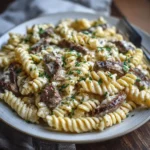
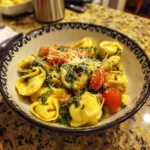
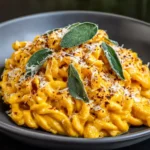
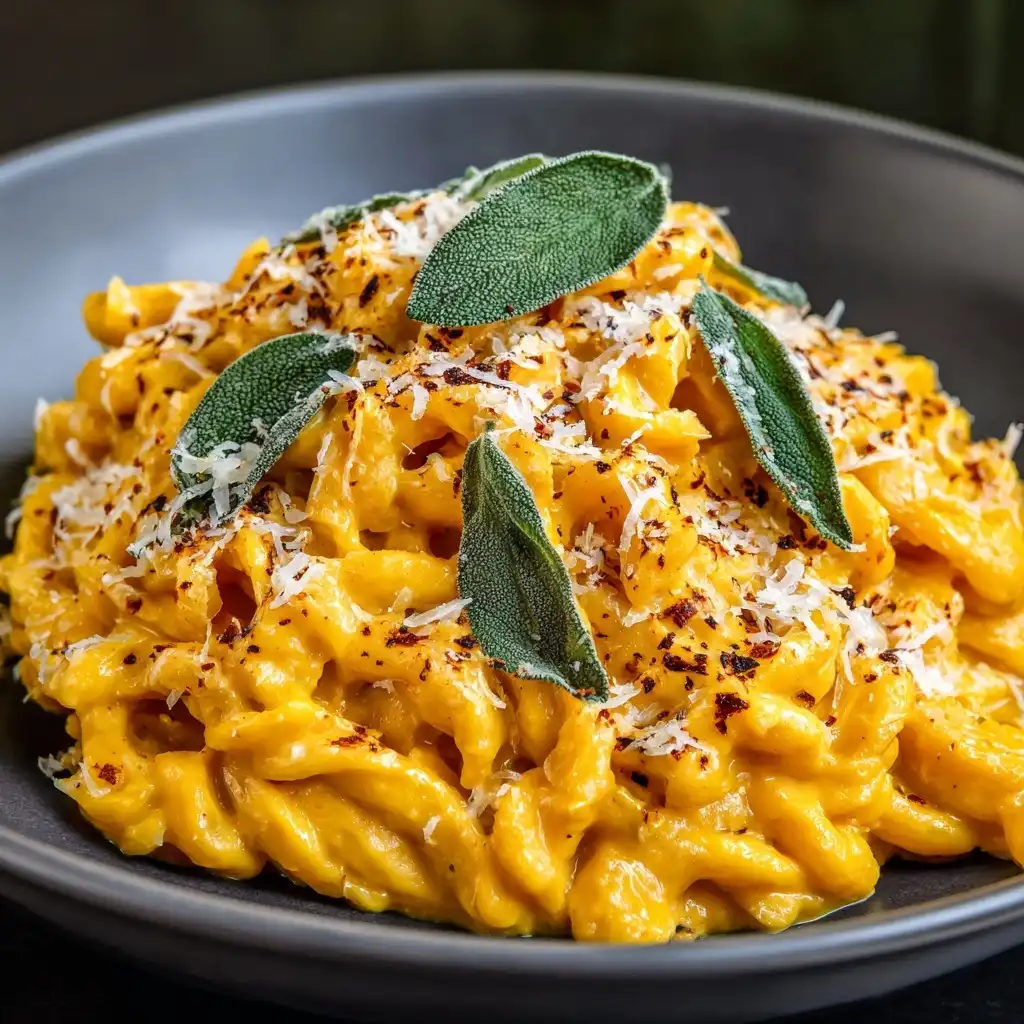
Creamy Butternut Squash Pasta is a soul-warming, restaurant-worthy dish that effortlessly bridges the gap between rustic comfort food and refined elegance. With its velvety orange-hued sauce, tender-crisp pasta, and layers of earthy-sweet depth, this recipe has become a beloved staple across seasons—especially cherished during crisp autumn evenings and cozy winter gatherings. Unlike heavy cream-based pastas that rely solely on dairy for richness, this version harnesses the natural starches and sugars of roasted butternut squash to build a luxuriously smooth, nutrient-dense sauce that clings beautifully to every noodle. Whether you’re feeding a family of four, hosting guests with dietary considerations, or simply treating yourself to a nourishing weeknight dinner, Creamy Butternut Squash Pasta delivers exceptional flavor, vibrant color, and satisfying texture—all while remaining surprisingly approachable for home cooks of all skill levels.
The History
While pasta itself traces its roots to ancient China and later flourished in Italy, the fusion of squash and pasta is a relatively modern evolution rooted in both culinary innovation and seasonal necessity. Butternut squash—botanically a winter squash native to North America—was developed in the 1940s by U.S. agriculturalist Charles Leggett as a sweeter, more uniform alternative to other squashes. Its dense, nutty flesh and high beta-carotene content quickly earned it favor among home cooks and chefs alike. In the 1980s and ’90s, as farm-to-table movements gained traction and chefs began reimagining classic dishes with local, seasonal produce, roasted squash purées found their way into sauces—from risottos to soups to, eventually, pasta. Early iterations appeared in California and New England kitchens where butternut squash was abundant and chefs sought dairy-light alternatives to Alfredo. By the early 2000s, food magazines like Bon Appétit and Food & Wine featured variations using roasted squash blended with garlic, sage, and Parmesan—marking the birth of what we now recognize as Creamy Butternut Squash Pasta. Its rise paralleled growing interest in plant-forward, vegetable-centric mains, and today, it stands as a hallmark of mindful indulgence: rich without excess, hearty without heaviness, and deeply flavorful without artificial enhancers.
Ingredients Breakdown
Every element in this recipe serves a distinct sensory and functional purpose—no ingredient is arbitrary. Let’s explore them in detail:
- Butternut Squash (2 lbs, peeled, seeded, and cubed): The star. High in natural pectin and soluble fiber, it breaks down into an ultra-smooth, thick purée when roasted. Roasting caramelizes its natural sugars (fructose and sucrose), intensifying sweetness and adding subtle notes of butterscotch and toasted almond. Opt for medium-sized squash with matte, tan skin and heavy weight for their size—they tend to be denser and less watery.
- Olive Oil (3 tbsp, divided): Used for roasting and sautéing. Extra-virgin olive oil contributes grassy, peppery top notes and antioxidants (polyphenols) that remain stable at moderate roasting temps. Reserve 1 tbsp for finishing—it adds brightness and sheen to the final dish.
- Yellow Onion (1 medium, finely diced): Provides aromatic base depth. Slowly cooked until translucent, it releases natural fructose and glutamates, building savory-sweet umami complexity that anchors the squash’s sweetness.
- Garlic (4 cloves, minced): Adds pungent warmth and antimicrobial allicin. Added late in the sauté process to prevent bitterness—garlic’s volatile compounds peak at low-medium heat and degrade rapidly at high temps.
- Fresh Sage (10–12 leaves, chopped + 4 whole leaves for garnish): A quintessential pairing with squash. Its camphoraceous, eucalyptus-like terpenes (thujone and cineole) cut through richness and echo the squash’s earthy backbone. Pan-frying whole leaves in olive oil creates crisp “sage croutons” that add textural contrast and intensified aroma.
- Dry White Wine (½ cup, e.g., Sauvignon Blanc or Pinot Grigio): Deglazes the pan, lifts browned fond (Maillard reaction residues), and introduces bright acidity and fruity esters that balance sweetness. Alcohol fully evaporates during simmering, leaving only nuanced complexity.
- Vegetable Broth (1 cup, low-sodium): Adds body and savoriness without overpowering. Homemade broth enhances depth; if using store-bought, choose one with clean labeling—avoid MSG or excessive sodium, which can mute squash’s delicate flavor.
- Heavy Cream (¼ cup) OR Full-Fat Coconut Milk (for dairy-free): Not essential—but transformative. Cream contributes lactose-derived sweetness, casein proteins for silkiness, and fat-soluble mouthfeel. Coconut milk offers lauric acid richness and tropical nuance; ensure it’s canned, full-fat, and well-stirred.
- Grated Parmigiano-Reggiano (¾ cup, freshly grated): Adds salty, nutty, umami-rich depth from aged whey proteins and calcium lactate crystals. Pre-grated versions contain anti-caking agents (e.g., cellulose) that inhibit melting and create graininess—always grate fresh.
- Freshly Ground Black Pepper (1 tsp, plus more to taste): Piperine enhances bioavailability of squash’s beta-carotene. Toasted black pepper also contributes warm, resinous spice that complements sage.
- Kosher Salt (1½ tsp, plus more for pasta water): Critical for seasoning layers—not just the sauce, but the squash before roasting and the pasta water (2 tbsp per quart). Salt penetrates ingredients, amplifies natural flavors, and balances sweetness without tasting “salty.”
- Pasta (12 oz, short shape like orecchiette, fusilli, or campanelle): Shape matters. Ridges and cups trap sauce; shorter cuts ensure even coating. Avoid long noodles like spaghetti unless cut—squash sauce is thick and benefits from structural engagement. Bronze-die extruded pasta (e.g., De Cecco, Rustichella d’Abruzzo) offers superior sauce adhesion due to its porous, rough surface.
- Optional Garnishes: Toasted pumpkin seeds (pepitas), crispy pancetta or prosciutto, microgreens (arugula or radish), lemon zest, or a drizzle of truffle oil—each adds contrasting texture, salt, acid, or luxury.
Step-by-Step Recipe
- Prep & Roast the Squash: Preheat oven to 400°F (200°C). Peel butternut squash using a sturdy Y-peeler; halve lengthwise, scoop out seeds with a spoon, and cut into 1-inch cubes. Toss with 2 tbsp olive oil, 1 tsp kosher salt, and ½ tsp black pepper on a parchment-lined baking sheet. Spread in a single layer—crowding causes steaming, not caramelization. Roast 35–45 minutes, flipping halfway, until fork-tender and deeply golden at edges. Cool 10 minutes.
- Make the Aromatic Base: While squash roasts, heat remaining 1 tbsp olive oil in a large Dutch oven or heavy-bottomed skillet over medium-low heat. Add diced onion and ¼ tsp salt. Cook gently 8–10 minutes, stirring occasionally, until soft and translucent—do not brown. Add minced garlic and chopped sage; stir 1 minute until fragrant (do not let garlic color).
- Build Flavor with Deglazing: Pour in white wine, scraping bottom with a wooden spoon to lift any caramelized bits. Simmer 2–3 minutes until alcohol evaporates and liquid reduces by half. Add vegetable broth and bring to a gentle simmer.
- Purée the Sauce: Transfer roasted squash to a high-speed blender (or use an immersion blender directly in the pot). Add warm broth mixture, ½ cup grated Parmigiano, and 2 tbsp cream (or coconut milk). Blend on high for 60–90 seconds until completely smooth—no lumps, no grit. For ultra-luxury, strain through a fine-mesh sieve into the Dutch oven, pressing solids with a spatula. Discard fibrous residue.
- Simmer & Emulsify: Return purée to low heat. Stir constantly with a heat-resistant spatula for 5 minutes to thicken slightly and develop flavor. Gradually whisk in remaining cream and ¼ cup cheese. Simmer 3–4 minutes more—do not boil vigorously, or sauce may separate. Adjust consistency with splashes of reserved pasta water (see next step) as needed.
- Cook the Pasta Perfectly: Bring 5 quarts water to rolling boil. Add 2 tbsp kosher salt. Cook pasta 1 minute less than package’s “al dente” time (e.g., if box says 11 minutes, cook 10). Reserve 1½ cups starchy pasta water before draining.
- Combine & Finish: Add hot, drained pasta directly to sauce. Over low heat, toss continuously 2–3 minutes, adding reserved pasta water ¼ cup at a time until sauce coats noodles luxuriously—like wet silk. It should shimmer, not pool. Stir in remaining ¼ cup cheese and finish with final tbsp olive oil, lemon juice (optional, ½ tsp), and extra black pepper.
- Garnish & Serve Immediately: Divide among warmed bowls. Top with crispy fried sage leaves, extra grated Parmigiano, toasted pepitas, and a twist of black pepper. Serve within 5 minutes—the sauce thickens rapidly as it cools.
Tips
- Roast Smart, Not Hard: Cube squash uniformly—too small burns, too large stays raw. Use a sharp chef’s knife and stable cutting board. If peeling feels daunting, microwave whole squash 2–3 minutes to soften skin first.
- Blending Safety First: Never fill blender more than halfway with hot liquids. Vent lid and cover with folded kitchen towel. Start on lowest speed, then gradually increase.
- Starch Is Your Secret Weapon: That reserved pasta water isn’t optional—it’s liquid gold. The starch (amylose and amylopectin) acts as an emulsifier, binding fat and water molecules for seamless, glossy cohesion. Always reserve before draining.
- Low Heat, High Patience: Never rush the sauce reduction. Gentle heat preserves squash’s delicate flavor and prevents curdling. If sauce separates, remove from heat, whisk in 1 tbsp cold cream, then slowly re-warm.
- Taste Like a Chef: Season in layers: salt squash before roasting, onion while sweating, sauce mid-simmer, and pasta water at finish. Taste after each addition—and adjust acid (lemon juice or vinegar) if sauce tastes flat or cloying.
- Texture Contrast Matters: Creamy sauce begs for crunch. Make crispy sage (fry leaves 15–20 sec in 1 tsp oil until curled and crisp), toast pepitas in dry skillet 3–4 minutes, or crumble cooked pancetta.
- Leftovers? Repurpose Brilliantly: Thin with broth for soup (add apple and ginger), swirl into morning scrambled eggs, use as pizza base instead of tomato sauce, or freeze in portioned containers for up to 3 months.
Variations and Customizations
This recipe is a canvas—adaptable to preferences, seasons, pantries, and dietary needs:
- Vegan Version: Swap heavy cream for full-fat coconut milk or raw cashew cream (soak 1 cup raw cashews in hot water 15 min, drain, blend with ¾ cup water until silky). Use nutritional yeast (3 tbsp) + white miso (1 tsp) instead of Parmesan for umami. Ensure broth is certified vegan.
- Protein-Packed: Add pan-seared chicken breast strips (marinated in lemon-thyme), crispy chickpeas (tossed in smoked paprika and air-fried), or flaked wild-caught salmon (folded in at the end).
- Herb Forward: Replace sage with fresh rosemary (½ tsp minced—use sparingly, it’s potent), tarragon (adds licorice note), or a basil-parsley gremolata stirred in post-cooking.
- Spiced & Global: Warm with ¼ tsp ground cinnamon + pinch of cayenne (Moroccan-inspired); stir in harissa paste (1 tsp) for North African heat; or finish with gochujang (½ tsp) and sesame oil for Korean flair.
- Gluten-Free: Use certified GF pasta (brown rice, lentil, or chickpea-based). Note: GF pasta releases more starch—reduce reserved water by ⅓ and add gradually.
- Low-Carb/Keto: Substitute spiralized zucchini (“zoodles”), roasted cauliflower florets, or shirataki noodles. Increase healthy fats—add 2 tbsp pine nuts, 1 sliced avocado, or drizzle of walnut oil.
- Autumn Harvest Twist: Fold in ½ cup roasted apples or pears, 2 tbsp dried cranberries (plumped in warm orange juice), and 1 tsp maple syrup.
- Restaurant-Style Elegance: Plate on wide-rimmed bowls. Garnish with edible flowers (nasturtiums), microplaned lemon zest, truffle shavings, and a quenelle of ricotta.
Health Considerations and Nutritional Value
Creamy Butternut Squash Pasta is nutritionally robust—not despite its indulgence, but because of how thoughtfully its components synergize. A standard serving (1⅔ cups cooked pasta + sauce) provides approximately:
- Calories: ~520 kcal (moderate for a main course; balanced by high satiety nutrients)
- Fiber: 8–10 g (from squash, whole-grain pasta option, and onions)—supports gut microbiota diversity and slows glucose absorption.
- Vitamin A (as beta-carotene): >400% DV—critical for immune function, vision, and skin health. Fat (olive oil, cheese, cream) enhances carotenoid absorption by 3–5x.
- Vitamin C: ~35 mg (from squash and optional lemon)—boosts iron absorption from plant-based ingredients and supports collagen synthesis.
- Potassium: ~780 mg—helps regulate blood pressure and counterbalances sodium.
- Calcium & Phosphorus: From Parmigiano—bioavailable forms support bone mineral density.
- Healthy Fats: Monounsaturated (olive oil) and saturated (cheese, cream) fats provide sustained energy and hormone precursor support.
Dietary Notes:
- Lower-Sodium Option: Omit added salt in squash prep, use no-salt-added broth, and rely on herbs, lemon, and aged cheese for flavor. Sodium drops from ~620mg to ~310mg/serving.
- Lactose Sensitivity: Heavy cream contains minimal lactose (<1g per tbsp); aged Parmigiano is naturally lactose-free. For strict avoidance, use coconut milk + nutritional yeast blend.
- Weight Management: Prioritize volume with extra roasted squash or spinach stirred in at the end—adds bulk, nutrients, and negligible calories.
- Anti-Inflammatory Focus: Boost with turmeric (¼ tsp toasted in oil before onions), walnuts (rich in ALA omega-3), and dark leafy greens (kale or chard, sautéed into sauce).
- Notable Absences: No refined sugar, no artificial thickeners (like cornstarch or roux), no processed cheese products—flavor comes from technique and integrity of ingredients.
Ingredients
- 2 lbs butternut squash, peeled, seeded, and cut into 1-inch cubes
- 3 tbsp extra-virgin olive oil, divided
- 1 medium yellow onion, finely diced
- 4 garlic cloves, minced
- 10–12 fresh sage leaves, chopped (plus 4 whole for frying)
- ½ cup dry white wine (e.g., Sauvignon Blanc)
- 1 cup low-sodium vegetable broth
- ¼ cup heavy cream (or full-fat coconut milk for dairy-free)
- ¾ cup freshly grated Parmigiano-Reggiano cheese, divided
- 1½ tsp kosher salt, plus more for pasta water
- 1 tsp freshly ground black pepper, plus more for finishing
- 12 oz short-cut pasta (orecchiette, fusilli, campanelle, or similar)
- Optional: 2 tbsp pepitas, lemon zest, microgreens
Directions
- Preheat oven to 400°F (200°C). Toss squash cubes with 2 tbsp olive oil, 1 tsp salt, and ½ tsp pepper. Spread on parchment-lined baking sheet. Roast 35–45 minutes, flipping halfway, until tender and caramelized. Cool 10 minutes.
- In large Dutch oven, heat remaining 1 tbsp olive oil over medium-low. Sauté onion with ¼ tsp salt 8–10 min until soft. Add garlic and chopped sage; cook 1 min until fragrant.
- Pour in wine; scrape pan, simmer 2–3 min until reduced by half. Add broth; simmer gently.
- In blender, combine roasted squash, warm broth mixture, ½ cup cheese, and 2 tbsp cream. Blend 60–90 sec until ultra-smooth. Strain through fine-mesh sieve into pot.
- Return purée to low heat. Simmer 5 min, stirring. Whisk in remaining cream and ¼ cup cheese. Simmer 3–4 min more.
- Bring 5 quarts water to boil; add 2 tbsp salt. Cook pasta 1 minute shy of al dente. Reserve 1½ cups starchy water; drain pasta.
- Add hot pasta to sauce. Toss over low heat 2–3 min, adding pasta water as needed for glossy, clingy texture.
- Stir in remaining ¼ cup cheese, finish with final tbsp olive oil, lemon juice (optional), and pepper. Garnish and serve immediately.
FAQ
- Can I make this ahead of time?
- Absolutely. Roast squash and prepare sauce up to 3 days ahead—store cooled sauce in airtight container refrigerated. Reheat gently with splash of broth or cream before tossing with freshly cooked pasta.
- Why does my sauce look grainy or separated?
- Graininess usually means under-blending or undissolved cheese—always grate Parmigiano fresh, and blend sauce while warm. Separation occurs from overheating or adding cold dairy to hot sauce. Fix by removing from heat, whisking in 1 tsp cold cream, then slowly reheating.
- Can I use frozen butternut squash?
- Yes—but thaw completely and pat *very* dry. Frozen squash holds more water, so reduce broth by ¼ cup and extend simmer time by 2–3 minutes to evaporate excess moisture.
- What’s the best pasta water temperature for emulsification?
- It must be hot—ideally straight from the pot. Cold water shocks the sauce and prevents starch from activating its binding properties.
- Is there a nut-free version?
- Yes—this recipe is naturally nut-free. Just verify your broth and cheese are processed in nut-free facilities if allergies are severe.
- Can I freeze the sauce?
- Yes! Cool completely, portion into freezer-safe containers with ½-inch headspace. Freeze up to 3 months. Thaw overnight in fridge, then reheat gently on stove—stir in extra cream or broth to restore silkiness.
- My squash isn’t sweet enough—what went wrong?
- Squash sweetness depends on maturity and roasting. Choose heavy, matte-skinned squash (not shiny/green-tinged). Roast until edges are deeply golden—not just soft—to caramelize sugars. A pinch of maple syrup (½ tsp) stirred in at the end rescues it.
- Can I make this in an Instant Pot?
- You can roast squash using “Broil” or air fryer lid function, then use sauté mode for aromatics and blending—but traditional oven roasting yields superior depth and texture. Avoid pressure-cooking squash—it becomes waterlogged.
Summary
Creamy Butternut Squash Pasta is a masterclass in vegetable-driven luxury—transforming humble, nutrient-dense squash into a sumptuous, velvety sauce that rivals traditional cream-based classics without compromise.
With layered seasoning, smart technique, and endless customization, it’s equally at home on a weeknight table, a holiday menu, or a wellness-focused meal plan—proving that comfort, sophistication, and nourishment can live deliciously in the same bowl.