Introduction
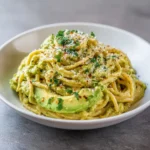
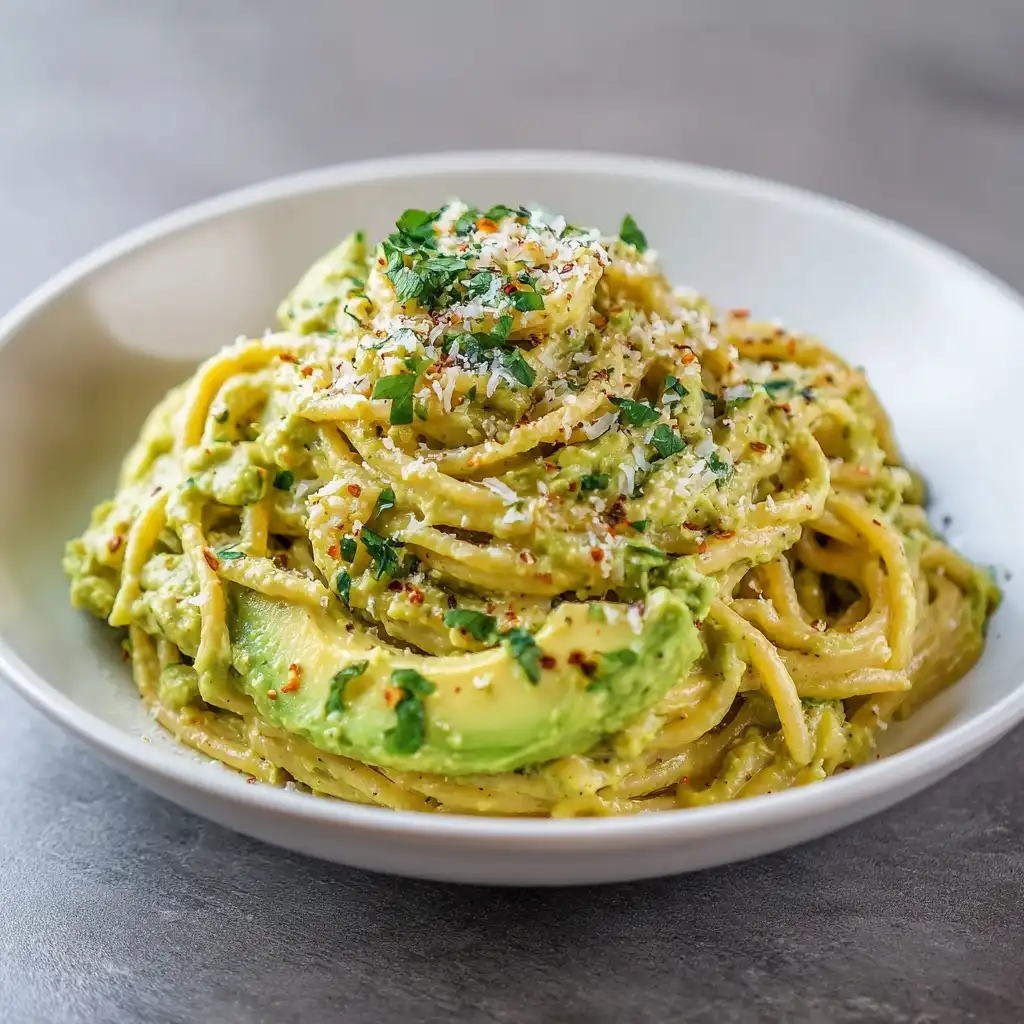
Creamy Avocado Pasta is a vibrant, nutrient-dense, and luxuriously smooth plant-based pasta dish that has surged in popularity across health-conscious kitchens, vegan food blogs, and gourmet home cooking circles. Unlike traditional dairy-heavy pastas, this recipe harnesses the natural richness of ripe avocados to create a velvety, emerald-hued sauce that clings beautifully to every strand of pasta—no cream, no cheese, no cooking required for the sauce itself. It’s a celebration of simplicity, freshness, and bold flavor: bright with lemon, herbaceous with fresh basil or cilantro, subtly garlicky, and deeply satisfying without heaviness. Whether you’re seeking a 15-minute weeknight dinner, a stunning potluck centerpiece, a post-workout recovery meal, or a dairy-free alternative for guests with sensitivities, Creamy Avocado Pasta delivers elegance, nourishment, and unmistakable freshness in every bite.
The History
While avocado-based sauces have ancient roots in Mesoamerican cuisine—most notably in early iterations of guacamole—the modern concept of avocado as a pasta sauce emerged organically from the convergence of several culinary and cultural movements beginning in the late 20th century. As avocado gained global traction beyond its Mexican and Central American origins—bolstered by California’s booming avocado industry and USDA dietary guidelines emphasizing heart-healthy monounsaturated fats—home cooks began experimenting with its creamy texture in novel applications. The earliest documented “avocado pasta” recipes appeared in vegetarian and macrobiotic cookbooks of the 1980s and 1990s, often as cold noodle salads or chilled soba variations. However, it wasn’t until the rise of Instagram food culture in the mid-2010s—where visually striking, green-hued, “clean-eating” dishes went viral—that Creamy Avocado Pasta exploded onto the mainstream scene. Influencers showcased its photogenic swirls, effortless prep, and adaptability; nutritionists praised its synergy of healthy fats, fiber, and phytonutrients; and busy professionals embraced its no-cook-sauce convenience. Today, it stands as a hallmark of contemporary plant-forward cuisine—a dish equally at home in a Brooklyn loft kitchen, a Tokyo vegan bistro, or a Mediterranean seaside villa—and continues to evolve with regional infusions, fermentation accents (like miso or nutritional yeast), and even sous-vide avocado techniques among professional chefs.
Ingredients Breakdown
Every element in Creamy Avocado Pasta plays a deliberate role—not just in flavor, but in texture, stability, balance, and nutrition. Let’s explore each component in detail:
- Avocados (2 large, Hass variety preferred): The star ingredient and functional base. Hass avocados offer the ideal fat-to-fiber ratio, buttery density, and deep green hue. Their high monounsaturated fat content provides mouth-coating richness, while natural enzymes and fiber contribute to satiety and gut-friendly digestion. For optimal creaminess, choose avocados that yield gently to palm pressure—not mushy, not rock-hard. Overripe fruit introduces stringiness; underripe yields chalkiness.
- Fresh Lemon Juice (¼–⅓ cup, ~2–3 medium lemons): Critical for both flavor and function. Citric acid prevents enzymatic browning (oxidation), preserves the vibrant green color for up to 4–6 hours, and cuts through the avocado’s richness with bright acidity. Freshly squeezed is non-negotiable—bottled juice lacks volatile aromatic compounds and contains preservatives that dull flavor and destabilize emulsion.
- Garlic (1–2 cloves, finely minced or microplaned): Adds pungent depth and antimicrobial benefits. Raw garlic delivers maximum allicin (a potent bioactive compound), but its sharpness must be balanced. Microplaning ensures even dispersion without gritty chunks; soaking minced garlic in lemon juice for 5 minutes mellows heat while preserving complexity.
- Extra-Virgin Olive Oil (2–3 tbsp, high-quality, fruity, low-acid): Not merely fat—it’s an emulsifier and flavor amplifier. A premium EVOO contributes polyphenols, vitamin E, and peppery or grassy top notes that elevate the sauce beyond mere creaminess. Avoid refined or light olive oils, which lack antioxidants and introduce neutral or rancid undertones.
- Red Onion or Shallot (2 tbsp finely diced, optional but recommended): Provides subtle allium sweetness and textural contrast. Soaking in cold water for 5 minutes removes harsh sulfurous bite while retaining crispness and mild onion essence—ideal for raw applications.
- Fresh Herbs (½ cup packed basil, cilantro, or a blend): More than garnish—they’re aromatic anchors. Basil adds sweet-anise lift; cilantro brings citrusy-coriander brightness (ideal for Tex-Mex or Asian-inspired variations); parsley offers clean, chlorophyll-rich earthiness. Stems included when blending add fiber and nuanced green flavor.
- Vegetable Broth or Pasta Cooking Water (¼–½ cup, reserved, warm): The secret to silky, restaurant-grade consistency. Starchy, saline-rich pasta water acts as a natural thickener and binder—its sodium enhances flavor perception, while starch molecules suspend fat droplets to prevent separation. Use within 10 minutes of draining pasta for best emulsification.
- Sea Salt (¾–1 tsp, flaky or fine, to taste): Enhances all other flavors and modulates bitterness. Kosher or Himalayan pink salt adds trace minerals; avoid iodized table salt, which can lend metallic notes.
- Black Pepper (freshly cracked, ½ tsp): Piperine in black pepper increases bioavailability of avocado’s fat-soluble nutrients (like lutein and beta-carotene) and adds gentle warmth.
- Optional Enhancements: Nutritional yeast (1–2 tbsp) for umami and B12; capers or chopped green olives (1 tbsp) for briny pop; roasted cherry tomatoes (¼ cup) for sweetness and acidity; toasted pine nuts or hemp seeds (1 tbsp) for crunch and omega-3s; a pinch of cayenne or smoked paprika for complexity.
Step-by-Step Recipe
- Select & Prep Your Avocados: Choose two plump, dark-green Hass avocados with slight neck softness. Cut lengthwise around the pit, twist to separate, and carefully tap the pit with a chef’s knife to embed it—then twist and lift out. Scoop flesh into a large bowl using a spoon, ensuring no brown or fibrous bits remain. Discard skins and pits.
- Acidulate Immediately: While scooping, drizzle 1 tbsp lemon juice over exposed avocado flesh to slow oxidation. This step is essential for maintaining color and preventing bitterness.
- Prep Aromatics: Finely microplane 1–2 garlic cloves (or mince and soak in 1 tsp lemon juice). Dice red onion or shallot and soak in ice water for 5 minutes; drain well. Roughly chop herbs—stems included for extra body and nutrition.
- Blend the Base Sauce: In a high-speed blender or food processor, combine avocado flesh, remaining lemon juice (3–4 tbsp), garlic, soaked onion, herbs, olive oil, salt, and pepper. Blend on low for 15 seconds, then increase to high for 30–45 seconds until completely smooth and glossy—scraping down sides once. Avoid over-blending, which can aerate and thin the sauce excessively.
- Adjust Consistency & Seasoning: With machine running on low, slowly stream in ¼ cup warm, starchy pasta water. Blend 10 more seconds. Taste and adjust: more lemon for brightness, salt for depth, olive oil for silkiness, or a splash of water if too thick. Ideal texture should coat the back of a spoon and ribbon smoothly.
- Cook Pasta Al Dente: Bring 4–5 quarts well-salted water (2 tbsp kosher salt) to a rolling boil. Add 12 oz dried pasta (spaghetti, linguine, fusilli, or gluten-free brown rice/corn blend). Stir immediately and cook 1–2 minutes less than package instructions—pasta will finish cooking in the sauce. Reserve ½ cup pasta water before draining.
- Combine Hot Pasta & Cool Sauce: Return drained pasta to the warm pot (off heat). Pour in the avocado sauce. Using tongs or a silicone spatula, gently fold and toss for 60–90 seconds—just until every strand is evenly coated and sauce begins to warm slightly (but never heats above 115°F/46°C, or avocado will turn bitter and separate). Add additional reserved pasta water, 1 tbsp at a time, if needed for fluidity.
- Rest & Serve: Let pasta rest, covered, for 2 minutes—this allows flavors to marry and sauce to gently cling. Do not refrigerate at this stage. Serve immediately in warmed bowls, garnished generously with extra herbs, lemon zest, cracked pepper, and optional toppings (e.g., cherry tomatoes, microgreens, toasted seeds).
Tips
- Temperature Matters: Never heat the avocado sauce directly—its delicate fats oxidize and curdle above 120°F (49°C). Always toss hot (not boiling-hot) pasta with cool sauce to preserve integrity and color.
- Pasta Water Is Non-Negotiable: Its starch and salt are irreplaceable emulsifiers. Skip broth or plain water—they won’t bind the sauce or enhance flavor the same way.
- Use a Blender, Not Just a Fork: While a mortar and pestle or immersion blender works in a pinch, only a high-speed blender achieves true emulsion—breaking avocado cells into microscopic droplets suspended in liquid for unmatched creaminess.
- Prevent Browning Proactively: Beyond lemon juice, press plastic wrap directly onto the sauce surface before short-term storage (up to 4 hours). For longer holds, add ¼ tsp ascorbic acid (vitamin C powder) during blending—it’s flavorless and highly effective.
- Choose the Right Pasta Shape: Long strands (linguine, spaghetti) showcase the sauce elegantly; short twists (fusilli, casarecce) trap sauce in grooves; ribbons (pappardelle) provide luxurious heft. Avoid overly porous pastas like whole-wheat penne unless cooked perfectly—excess surface starch can make sauce gummy.
- Don’t Skip the Rest: That 2-minute covered rest lets residual heat gently meld ingredients without cooking the avocado—enhancing flavor cohesion and mouthfeel.
- Season in Layers: Salt the pasta water aggressively (it should taste like seawater), season the sauce mid-blend, and finish with flaky salt on top. This builds dimension far beyond one-time seasoning.
- Chill Your Serving Bowls: Especially in summer—cold bowls keep the sauce lush and prevent premature warming that leads to separation.
- Make-Ahead Strategy: Prep all components separately up to 1 day ahead: portion avocado (with lemon), pre-chop aromatics/herbs, measure liquids, and cook pasta only when ready to serve. Assemble last-minute for peak freshness.
- Rescue a Broken Sauce: If sauce separates or looks grainy, blend again with 1 tsp cold water + ½ tsp Dijon mustard (a natural emulsifier) for 20 seconds—it’ll rebind instantly.
Variations and Customizations
Creamy Avocado Pasta is a masterclass in culinary flexibility—its neutral, verdant canvas welcomes global influences, dietary adaptations, and seasonal whims. Here are 12 thoughtfully developed variations, each with distinct flavor profiles, textures, and functional enhancements:
- Mediterranean Avocado Pasta: Swap basil for ¼ cup chopped mint and 2 tbsp flat-leaf parsley; add 2 tbsp crumbled feta (or vegan feta), ¼ cup kalamata olives, 1 tbsp capers, and 1 tsp lemon zest. Finish with sumac and toasted pine nuts.
- Spicy Chipotle-Lime Avocado Pasta: Blend in 1–2 tsp adobo sauce from canned chipotles + 1 tsp ground cumin + ½ tsp smoked paprika. Top with pickled red onions, avocado slices, and cilantro. Serve with lime wedges.
- Asian-Inspired Miso-Ginger Avocado Noodles: Replace lemon with rice vinegar (2 tbsp) + tamari (1 tbsp) + 1 tbsp white miso paste + 1 tsp grated fresh ginger + 1 tsp toasted sesame oil. Garnish with scallions, nori strips, and sesame seeds.
- Herb-Forward Spring Avocado Pasta: Use equal parts dill, chives, tarragon, and parsley. Fold in blanched asparagus tips, sugar snap peas, and edible flowers (nasturtiums, pansies). Lighten with 1 tsp apple cider vinegar.
- Smoky Roasted Red Pepper Avocado Pasta: Blend in ½ cup roasted red peppers (jarred or homemade) + ½ tsp smoked paprika + 1 tsp balsamic glaze. Top with crumbled goat cheese and arugula.
- Protein-Packed Avocado Chickpea Pasta: Stir in 1 cup rinsed, roasted chickpeas (tossed in olive oil, cumin, and sea salt) after saucing. Add 2 tbsp tahini to the base sauce for extra creaminess and protein.
- Breakfast Avocado Pasta: Use whole-grain spaghetti, blend in 1 ripe banana + ½ tsp cinnamon + pinch of nutmeg, and top with poached eggs, everything bagel seasoning, and microgreens.
- Vegan “Carbonara” Avocado Pasta: Sauté ½ cup diced tempeh bacon in olive oil until crisp; stir into finished pasta. Add 2 tbsp nutritional yeast + 1 tsp black salt (kala namak) for eggy aroma.
- Low-Carb Zoodle Avocado Pasta: Substitute spiralized zucchini, yellow squash, or kohlrabi for pasta. Sauté zoodles 90 seconds in olive oil first to remove excess water, then toss with room-temp sauce.
- Dessert-Style Chocolate Avocado Pasta: Blend avocado with ¼ cup unsweetened cocoa powder, ⅓ cup maple syrup, 1 tsp vanilla, pinch of sea salt, and almond milk to thin. Serve chilled over chilled buckwheat soba—top with raspberries and cacao nibs.
- Umami Bomb Avocado Pasta: Add 1 tbsp tomato paste (sautéed until brick-red), 1 tsp mushroom powder, ½ tsp soy sauce, and 1 tbsp toasted walnuts. Garnish with fried shallots.
- Winter Root Vegetable Avocado Pasta: Roast diced parsnips, carrots, and golden beets; fold into warm pasta before saucing. Finish with orange zest, thyme, and crumbled blue cheese (or cashew-based alternative).
Each variation maintains the core principles—creamy avocado base, acid balance, emulsified texture, and fresh finishing—but expands its identity through thoughtful layering of global pantry staples, seasonal produce, and textural contrasts.
Health Considerations and Nutritional Value
A single serving (12 oz cooked pasta + full sauce) of Classic Creamy Avocado Pasta delivers a remarkably balanced, phytonutrient-dense nutritional profile—without relying on processed substitutes or fortified additives. Below is a detailed analysis based on USDA FoodData Central and peer-reviewed clinical nutrition research:
- Macronutrient Profile (approx. per serving): 580–640 kcal | 28–32g total fat (20g monounsaturated, 3g polyunsaturated, <2g saturated) | 78–85g carbohydrates (8–10g dietary fiber, 4–6g natural sugars) | 14–18g plant-based protein. The high MUFA (monounsaturated fatty acid) content supports LDL cholesterol reduction and endothelial function—validated in the landmark PREDIMED study.
- Vitamin & Mineral Density: Provides >100% DV of Vitamin K (critical for bone metabolism and blood clotting), >85% DV of Folate (essential for DNA synthesis and neural tube development), >75% DV of Vitamin C (immune support and collagen formation), plus significant potassium (regulates blood pressure), magnesium (muscle/nerve function), and copper (antioxidant enzyme co-factor).
- Phytochemical Powerhouse: Contains lutein and zeaxanthin (macular health), beta-sitosterol (cholesterol modulation), glutathione precursors (liver detox support), and apigenin (anti-inflammatory flavonoid found in parsley/basil). Avocado’s fat content significantly enhances absorption of fat-soluble carotenoids from accompanying vegetables—studies show up to 15-fold increase in bioavailability.
- Gut Microbiome Benefits: The combination of soluble fiber (from avocado and whole-grain pasta options), prebiotic compounds (garlic, onion, lemon), and polyphenols fosters growth of beneficial Bifidobacterium and Lactobacillus strains—linked to improved digestion, reduced systemic inflammation, and even mood regulation via the gut-brain axis.
- Dietary Adaptability: Naturally gluten-free (when using GF pasta), dairy-free, egg-free, soy-free, and nut-free (unless topped). Easily modified for keto (reduce pasta, increase avocado/olive oil), low-FODMAP (swap garlic/onion for infused oil, use chives), or renal diets (low-sodium broth, limit potassium-rich additions).
- Cautions & Considerations: Those on blood-thinning medications (warfarin) should monitor Vitamin K intake consistently—not avoid it—due to avocado’s high content. Individuals with latex-fruit syndrome may react to raw avocado (though cooking pasta water contact doesn’t eliminate risk). High-fat content may trigger reflux in sensitive individuals—serve at room temperature, not chilled, and avoid lying down for 90 minutes post-meal.
- Compared to Traditional Alfredo: This version contains ~65% less saturated fat, zero cholesterol, 5x more fiber, and 3x more antioxidants—while delivering comparable satiety due to avocado’s oleic acid triggering CCK (cholecystokinin) release, a key satiety hormone.
Ingredients
- 2 large ripe Hass avocados (about 12 oz total)
- ¼–⅓ cup freshly squeezed lemon juice (2–3 medium lemons)
- 1–2 garlic cloves, microplaned or finely minced
- 2 tablespoons extra-virgin olive oil (fruity, cold-pressed)
- 2 tablespoons finely diced red onion or shallot, soaked in ice water and drained
- ½ cup packed fresh basil leaves (stems okay), or cilantro, parsley, or mixed herbs
- ¾–1 teaspoon fine sea salt, plus more for pasta water
- ½ teaspoon freshly cracked black pepper
- 12 ounces dried pasta (spaghetti, linguine, fusilli, or gluten-free alternative)
- 4–5 quarts water for boiling pasta
- 2 tablespoons kosher salt for pasta water
- ¼–½ cup reserved warm starchy pasta water
- Optional garnishes: lemon zest, extra herbs, cherry tomatoes, toasted seeds, microgreens, flaky sea salt
Directions
- Bring 4–5 quarts of water to a rolling boil in a large Dutch oven or stockpot. Add 2 tablespoons kosher salt.
- Prepare avocados: Cut in half, remove pits, scoop flesh into a medium mixing bowl. Immediately drizzle with 1 tablespoon lemon juice and mash lightly with a fork to break up large pieces.
- In a high-speed blender or food processor, combine avocado mixture, remaining lemon juice (3–4 tablespoons), microplaned garlic, drained red onion, herbs, olive oil, salt, and pepper. Blend on low for 15 seconds, then increase to high speed for 30–45 seconds until completely smooth and emulsified. Scrape down sides as needed.
- Add pasta to boiling water and cook according to package directions, reducing time by 1–2 minutes for al dente texture. Reserve ½ cup starchy pasta water just before draining.
- Drain pasta thoroughly, return to warm pot (off heat). Pour in avocado sauce. Using tongs or a silicone spatula, gently fold and toss for 60–90 seconds until evenly coated.
- With tongs still moving, gradually add reserved pasta water, 1 tablespoon at a time, until sauce reaches desired silky, clinging consistency (usually ¼–⅓ cup total). Do not over-toss—just enough to coat.
- Cover pot with lid and let rest for 2 minutes—this allows flavors to harmonize without overheating the avocado.
- Serve immediately in warmed bowls. Garnish generously with lemon zest, extra herbs, cracked pepper, and any optional toppings of choice.
- For best quality, consume within 2 hours of preparation. Do not reheat.
FAQ
- Can I make this ahead of time?
- Yes—with caveats. The sauce alone (avocado + lemon + aromatics) can be prepared up to 4 hours ahead and stored under plastic wrap pressed directly onto the surface, refrigerated. Do not mix with hot pasta until ready to serve—combining causes rapid oxidation and texture breakdown. Cook pasta fresh each time.
- Why does my avocado sauce turn brown?
- Oxidation occurs when avocado’s polyphenol oxidase enzyme reacts with oxygen. Lemon/lime juice slows it via citric acid, but exposure to air, metal utensils (use wood or silicone), warm temperatures, or over-processing accelerates browning. To minimize: blend quickly, cover tightly, chill briefly before serving, and avoid stainless steel blades if possible.
- Can I freeze Creamy Avocado Pasta?
- Not recommended. Freezing irreversibly damages avocado’s cell structure, resulting in watery, grainy, and off-flavored thawed sauce. Instead, freeze ripe avocados whole (wrapped tightly) or puréed with lemon juice for future smoothies or dips.
- Is this pasta suitable for weight loss?
- Yes—when portioned mindfully. Avocado provides satiating healthy fats that reduce cravings and stabilize blood sugar. Paired with whole-grain pasta and veggies, it’s nutrient-dense and calorie-appropriate (~580 kcal/serving). Studies link regular avocado consumption to lower BMI and reduced abdominal fat—likely due to fiber + MUFA synergy.
- What if I don’t have a blender?
- You can achieve decent creaminess with a mortar and pestle (time-intensive but authentic) or a fine-mesh sieve (press sauce through for ultra-smooth texture). An immersion blender works well if used directly in the bowl—but avoid over-blending, which incorporates air and creates foam.
- Can I use lime instead of lemon?
- Absolutely—and deliciously! Lime offers a brighter, more tropical acidity and pairs especially well with cilantro, chili, and corn-based pastas. Use equal volume, but note lime juice is slightly more acidic, so taste and adjust salt accordingly.
- Why does my sauce taste bitter?
- Bitterness usually stems from over-blending (releasing tannins from avocado skins or herb stems), using underripe avocados (which contain higher persin levels), or overheating the sauce (above 120°F). Ensure avocados are perfectly ripe, omit dark green skin remnants, and never warm the sauce on the stove.
- Can I add cheese?
- Yes—though it changes the profile. A modest 2–3 tbsp grated Parmigiano-Reggiano or Pecorino adds savory depth and umami without overwhelming. For vegans, try fermented cashew “Parm” or nutritional yeast-based blends. Avoid melty cheeses—they separate and create greasiness.
- Is avocado pasta safe for babies or toddlers?
- Yes—with modifications. Omit garlic/onion for infants under 12 months; reduce lemon to 1 tsp; use smooth whole-grain pasta cut into small pieces. Avocado is a top pediatrician-recommended first food—rich in brain-building fats and easy to digest. Always supervise for choking hazards.
- How do I scale this for a crowd?
- Double or triple all ingredients—but blend sauce in batches to maintain emulsion quality. Keep pasta water warm in a thermos. Toss pasta in large stainless steel bowls (pre-warmed) in stages, adding sauce and water incrementally. Serve family-style with abundant garnishes for customization.
Summary
Creamy Avocado Pasta is a revolutionary fusion of ancient superfood wisdom and modern culinary ingenuity—transforming the humble avocado into a luxuriously smooth, nutritionally profound, and endlessly adaptable pasta sauce that requires no cooking, no dairy, and no compromise on flavor or texture.
From its roots in Mesoamerican tradition to its viral ascent in today’s wellness kitchens, it stands as a testament to how simplicity, seasonality, and science-backed ingredients can create meals that delight the palate, nourish the body at a cellular level, and inspire joyful, sustainable eating every single day.