Introduction
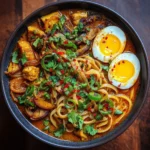
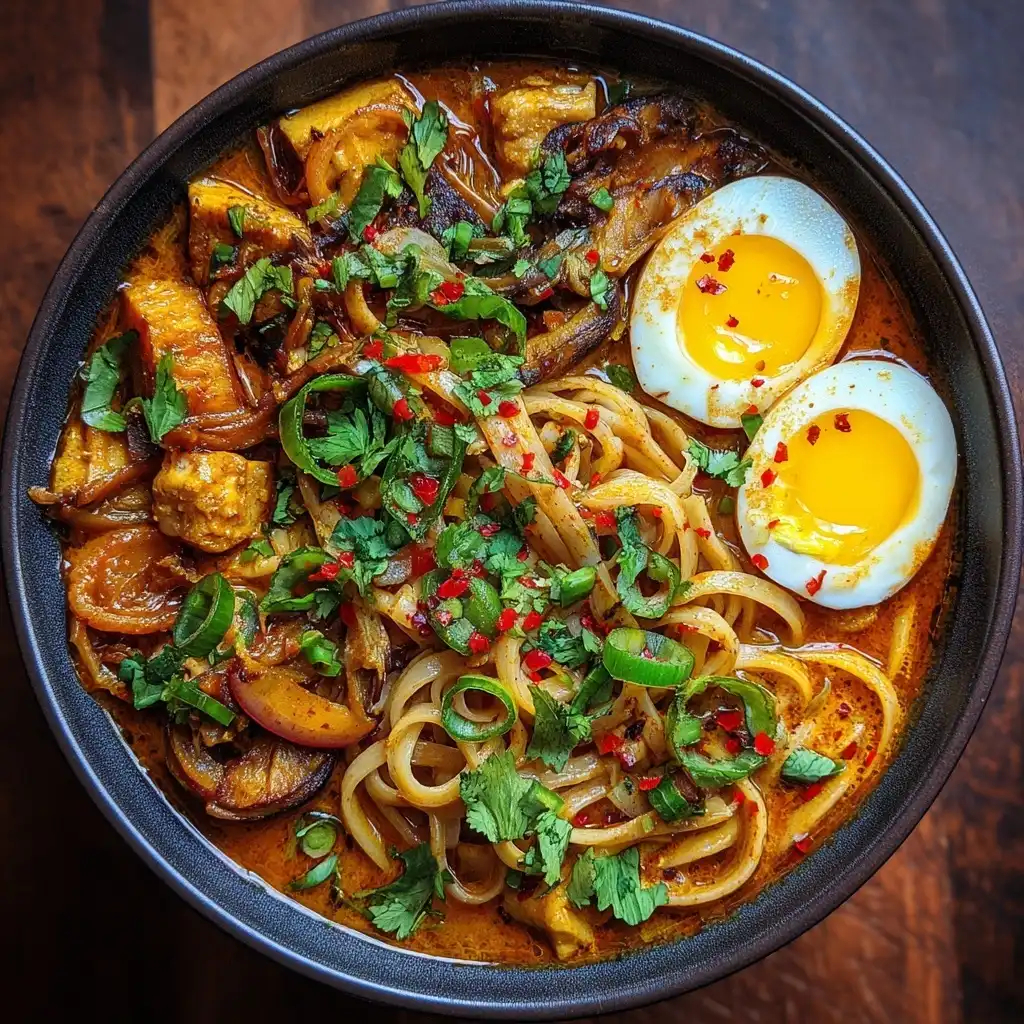
Coconut Curry Noodles are a vibrant, aromatic, and deeply comforting fusion dish that bridges the rich culinary traditions of Southeast Asia with modern global palates. Combining the creamy lushness of coconut milk, the warm complexity of curry spices, the satisfying chew of noodles, and the bright freshness of herbs and vegetables, this dish delivers layers of flavor and texture in every bite. Whether served as a quick weeknight dinner, a nourishing lunch, or an elegant yet approachable centerpiece for gatherings, Coconut Curry Noodles embody balance—creamy yet light, spicy yet soothing, hearty yet refreshingly herbaceous. Its adaptability makes it endlessly customizable, catering to vegans, vegetarians, pescatarians, and omnivores alike—truly a pantry-friendly, soul-warming staple ready to become your new go-to bowl.
The History
While no single “origin point” exists for Coconut Curry Noodles—as it is a contemporary interpretation rather than a centuries-old regional classic—it draws deep inspiration from multiple interwoven culinary lineages. Coconut-based curries have long been foundational across Thailand, Malaysia, Indonesia, Sri Lanka, and Southern India, where coconut milk serves as both a thickener and a tempering agent for fiery chilies and pungent aromatics like galangal, lemongrass, and shrimp paste. Meanwhile, noodle soups and stir-fried noodle dishes (like Thai *kuay teow nam*, Malaysian *kuay teow goreng*, or Vietnamese *hu tieu*) reflect centuries of Chinese migration and adaptation across maritime Southeast Asia. The modern “Coconut Curry Noodle” concept emerged in the late 20th and early 21st centuries through food globalization: chefs and home cooks began merging these traditions—swapping traditional broth bases for simmered coconut-curry broths, using rice or egg noodles as neutral canvases, and layering in globally accessible ingredients like bell peppers, spinach, lime, and cilantro. It gained traction in health-conscious cafes, vegan restaurants, and cooking blogs around 2010–2015, praised for its plant-forward profile, bold umami depth (often enhanced by tamari, miso, or fermented tofu), and Instagram-worthy vibrancy. Today, it stands as a delicious testament to culinary hybridity—a dish born not from rigid tradition, but from curiosity, cross-cultural exchange, and the universal desire for warmth on a bowl.
Ingredients Breakdown
Understanding each component’s role unlocks mastery of this dish. Below is a detailed functional breakdown—not just what goes in, but *why*:
- Coconut Milk (full-fat, canned): The luxurious foundation. High-fat content (≥65% extract) ensures creaminess, emulsifies spices, and carries fat-soluble flavors (like turmeric and cumin). Light coconut milk yields a thin, watery broth—avoid unless diluting for soup-style versions.
- Aromatics (shallots, garlic, ginger, lemongrass, galangal): The flavor bedrock. Shallots add sweetness and depth; garlic contributes pungency and umami; fresh ginger brings citrusy heat; lemongrass imparts floral-citrus brightness; galangal (not ginger!) offers sharp, piney, peppery notes essential to authentic Thai/Malay curries. Bruising lemongrass stalks and slicing galangal thinly maximizes infusion.
- Curry Paste (homemade or high-quality store-bought): The soul of the dish. Red, yellow, or green curry paste determines heat level and nuance—red is earthy and moderately hot; yellow is mellow, turmeric-forward, and subtly sweet; green is intensely herbal and fiery. Look for pastes with real chilies, shrimp paste (for non-vegan versions), and minimal fillers or preservatives. For vegan integrity, verify no fish sauce or shrimp paste—or substitute with fermented soybean paste or a blend of miso + nori.
- Proteins (tofu, tempeh, chicken, shrimp, chickpeas, edamame): Adds substance and satiety. Pressed & pan-seared extra-firm tofu absorbs curry beautifully; marinated tempeh adds nutty chew; chicken thighs stay tender during simmering; shrimp cooks quickly and lends sweetness; legumes offer fiber and plant protein. Marinating proteins in curry paste + coconut milk for 15–30 minutes before cooking significantly boosts flavor penetration.
- Noodles (rice vermicelli, flat rice noodles, udon, soba, or shirataki): The textural anchor. Rice noodles (like sen lek or banh pho) are traditional—gluten-free and delicate. Udon provides chewy heartiness; soba adds earthy buckwheat notes and nutrients; shirataki suits low-carb needs. Always cook noodles *al dente*, rinse in cold water to stop cooking and prevent clumping, and toss lightly with oil to avoid sticking.
- Vegetables (bell peppers, broccoli, snap peas, baby corn, bok choy, carrots, zucchini): Provide color, crunch, vitamins, and textural contrast. Add sturdy veggies (carrots, broccoli stems) early; delicate greens (spinach, bok choy leaves, bean sprouts) at the very end to retain vibrancy and nutrients.
- Acids (lime juice, tamarind paste, rice vinegar): Critical for balancing richness. Lime juice added *off-heat* preserves volatile citrus oils and brightens the entire bowl. Tamarind adds complex sour-sweet depth—ideal for richer curries. A splash of rice vinegar can lift without overpowering.
- Umami Boosters (soy sauce/tamari, fish sauce, mushroom powder, nutritional yeast, white miso): Deepen savoriness without salt overload. Tamari (gluten-free soy sauce) adds clean saltiness; fish sauce (for non-vegan versions) contributes fermented depth; dried shiitake powder or nutritional yeast enhances earthiness and B-vitamins.
- Garnishes (fresh cilantro, Thai basil, scallions, roasted peanuts, crushed cashews, lime wedges, chili oil, pickled shallots): Not optional—they transform the dish. Cilantro adds citrusy freshness; Thai basil contributes anise-like perfume; scallions bring mild onion sharpness; nuts add crunch and healthy fats; lime wedges allow diners to adjust acidity; chili oil offers controllable heat; pickled shallots lend sweet-tart brightness and acidity.
Step-by-Step Recipe
- Prep All Ingredients (Mise en Place): Slice aromatics (shallots, garlic, ginger, lemongrass, galangal); prepare curry paste; press and cube tofu (if using); slice proteins; cut vegetables into uniform, bite-sized pieces; cook and rinse noodles; gather garnishes. This ensures seamless, stress-free cooking—curry broths evolve rapidly and shouldn’t be left unattended.
- Bloom the Curry Paste: Heat 1–2 tbsp neutral oil (like peanut or avocado) in a wide, heavy-bottomed pot or wok over medium heat. Add curry paste and stir constantly for 2–4 minutes until fragrant, oil begins to separate, and paste darkens slightly. This step—toasting the spices—unlocks essential oils and eliminates raw, harsh notes.
- Sauté Aromatics: Add sliced shallots, garlic, ginger, lemongrass, and galangal. Stir-fry 3–4 minutes until softened and highly aromatic—but do not brown excessively, or bitterness may develop.
- Incorporate Liquids: Gradually whisk in 1 can (13.5 oz) full-fat coconut milk, scraping the bottom to deglaze. Add ½–1 cup vegetable or chicken broth (low-sodium preferred) to reach desired consistency—start with less; you can always thin later. Bring to a gentle simmer—not a rolling boil—to preserve coconut’s delicate flavor and prevent curdling.
- Add Protein & Sturdy Veggies: Gently fold in marinated protein and dense vegetables (e.g., carrots, broccoli florets, bell pepper strips). Simmer uncovered for 8–12 minutes, stirring occasionally, until proteins are cooked through and vegetables are tender-crisp.
- Season Thoughtfully: Stir in 1–2 tbsp tamari or soy sauce, 1 tsp palm sugar or brown sugar (optional, for balance), and a ½-inch knob of grated fresh turmeric (or ½ tsp ground, added now to bloom). Taste and adjust: more salt? More acid? More heat? Remember—flavors will mellow slightly once noodles and garnishes are added.
- Finish with Delicate Elements: Reduce heat to low. Stir in leafy greens (spinach, bok choy leaves), bean sprouts, and any quick-cooking veggies (zucchini ribbons, snow peas). Cook just 1–2 minutes until wilted but still vibrant. Remove from heat.
- Enrich & Brighten: Off heat, stir in 2–3 tbsp freshly squeezed lime juice and 1 tsp tamarind concentrate (if using). This final acidulation lifts the entire profile. Optional: swirl in 1 tsp toasted sesame oil for nutty depth.
- Assemble Bowls: Divide cooked, drained noodles among warmed bowls. Ladle hot curry broth generously over top—ensure each serving has balanced protein, veggies, and broth. Do not drown noodles; aim for broth-to-noodle ratio of ~1:1 by volume.
- Garnish Generously: Top each bowl with a generous handful of fresh herbs (cilantro + Thai basil), sliced scallions, a sprinkle of roasted peanuts or cashews, a wedge of lime, and a drizzle of chili oil or sriracha. Offer additional lime wedges and fish sauce/tamari on the side for customization.
Tips
- Coconut Milk Separation Is Your Friend: Don’t shake the can! Scoop out the thick, creamy “coconut cream” from the top first and bloom it with the curry paste—it fries better and creates a richer base. Then stir in the thinner liquid below.
- Low and Slow Simmering Prevents Curdling: Never boil coconut milk vigorously. Maintain a gentle bubble—just a few surface ripples—and stir frequently during initial heating to prevent scorching on the bottom.
- Toast Your Spices (Even Pre-Made Paste): Blooming curry paste isn’t optional—it’s transformative. If using store-bought paste, extend blooming time by 30–60 seconds to deepen flavor and reduce any tinny aftertaste.
- Marinate Proteins Overnight (If Possible): Especially tofu and tempeh benefit immensely from 4–12 hours in a mixture of 2 tbsp curry paste + ¼ cup coconut milk + 1 tbsp tamari. This yields profoundly flavorful, tender results.
- Reserve Broth When Cooking Noodles: Save ¼ cup starchy noodle water before draining. If your curry thickens too much upon standing, stir in a spoonful to loosen while adding silkiness.
- Layer Acids Strategically: Add lime juice *only at the end*, off heat. Boiling destroys its volatile citrus compounds, leaving flat, bitter notes. Tamarind or vinegar can withstand gentle simmering—lime cannot.
- Texture Contrast Is Key: Always include at least one crunchy element—roasted peanuts, crushed cashews, fried shallots, or even crispy fried tofu bits. It prevents sensory fatigue and elevates mouthfeel.
- Taste With a Clean Spoon Each Time: As you season, use a fresh utensil to avoid contaminating your palate with residual spice or salt—this ensures accurate, balanced adjustments.
- Make-Ahead Friendly: Curry broth (without noodles or delicate garnishes) keeps refrigerated for 4 days or frozen for 3 months. Reheat gently, then finish with fresh noodles, greens, lime, and herbs for optimal texture and vibrancy.
- Wok hei Matters—When Possible: If using a carbon steel wok and high-BTU stove, sear proteins and stir-fry aromatics over maximum heat for that elusive smoky, caramelized “breath of the wok” that adds profound depth.
Variations and Customizations
This recipe is gloriously modular—here’s how to make it uniquely yours:
- Dietary Adaptations: Vegan: Use tofu/tempeh/chickpeas, tamari, and skip fish sauce (sub mushroom powder + miso). Gluten-Free: Choose rice noodles + tamari or coconut aminos. Keto/Low-Carb: Swap noodles for spiralized zucchini (“zoodles”), shirataki, or kelp noodles; boost healthy fats with extra coconut cream and avocado slices. Paleo: Use cassava flour noodles or sweet potato noodles; omit sugar and soy-based sauces—use coconut aminos and date paste for sweetness.
- Regional Twists: Thai-Inspired: Use red curry paste, add kaffir lime leaves (torn, simmered 5 min, then removed), and top with pickled mustard greens. Malaysian-Inspired: Use laksa paste, add shredded chicken and bean sprouts, garnish with sambal oelek and cucumber ribbons. Indian-Inspired: Swap curry paste for garam masala + turmeric + ginger-garlic paste; use chickpeas and spinach; finish with ghee-fried curry leaves and mango chutney. Japanese-Inspired: Use yellow curry paste + white miso + dashi broth; add shiitake mushrooms and scallions; top with nori strips and furikake.
- Protein Swaps: Try smoked tofu for depth, flaked cod or salmon for oceanic richness, pulled jackfruit for BBQ-like texture, lentils for earthy heartiness, or even finely chopped seitan for chewy, meaty satisfaction.
- Noodle Alternatives: Soba (buckwheat) for nutty, high-protein appeal; somen (thin wheat) for delicate slurpability; glass noodles (mung bean) for translucent, chewy elegance; gluten-free ramen (brown rice or quinoa-based) for familiar comfort.
- Heat Control: Mild: Use yellow curry paste + remove chili seeds. Medium: Red paste + 1 minced serrano. Fiery: Green paste + bird’s eye chilies + chili oil. For cooling contrast, serve with coconut yogurt or cucumber raita on the side.
- Umami Upgrades: Stir in 1 tsp nutritional yeast for cheesy depth; add ½ tsp dried porcini powder; finish with a drizzle of black garlic oil; or infuse broth with rehydrated dried shiitakes.
- Herb & Citrus Variations: Swap cilantro for culantro (recao) for stronger flavor; use makrut lime leaves instead of bay leaves; add orange zest for a surprising floral twist; top with yuzu kosho for Japanese citrus-chili complexity.
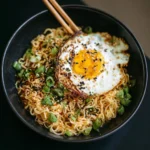
- Breakfast Version: Add soft-poached or jammy eggs; top with furikake and nori; use soba or udon; finish with shichimi togarashi.
- Deconstructed Salad Style: Serve chilled noodles tossed in curry-lime vinaigrette with marinated tofu, julienned veggies, and herbs—no broth needed.
- Meal Prep Hack: Portion broth + protein + veggies into jars. Store noodles separately. To serve: microwave broth mix, pour over room-temp noodles, stir in lime and herbs. Ready in 90 seconds.
Health Considerations and Nutritional Value
Coconut Curry Noodles can be a nutritionally robust, well-rounded meal—when thoughtfully composed. Here’s a balanced perspective:
- Coconut Milk: Fat Facts & Benefits: While high in saturated fat (mostly lauric acid), emerging research suggests moderate intake supports immune function and may improve HDL cholesterol. Opt for BPA-free cans and unsweetened varieties. For lower-calorie versions, use “lite” coconut milk *only* in broth-heavy iterations—and compensate with extra umami (miso, mushrooms) and texture (nuts, seeds) to maintain satisfaction.
- Protein Power: Tofu and tempeh provide complete plant-based protein, calcium, iron, and probiotics (tempeh). Chicken thighs offer bioavailable heme iron and B12; shrimp delivers selenium and iodine. Legumes like chickpeas add fiber (7g per ½ cup) and resistant starch for gut health.
- Fiber & Phytonutrients: Colorful vegetables contribute diverse antioxidants—beta-carotene (carrots, bell peppers), lutein (spinach, broccoli), anthocyanins (purple cabbage, if added). Aim for ≥5 colors per bowl to maximize phytochemical diversity.
- Spice Superpowers: Turmeric contains curcumin (anti-inflammatory, enhanced with black pepper); ginger aids digestion and reduces nausea; chilies boost metabolism via capsaicin; garlic supports cardiovascular health.
- Sodium Savvy: Store-bought curry pastes and sauces can be sodium-dense. Counteract by using low-sodium broth, limiting added tamari/fish sauce, and relying on herbs, citrus, and aromatics for flavor instead of salt. Rinsing canned chickpeas reduces sodium by up to 40%.
- Glycemic Balance: Pair refined rice noodles with ample protein, healthy fats (coconut cream, nuts), and fiber-rich veggies to slow glucose absorption. For lower-GI impact, choose brown rice noodles or legume-based noodles (black bean, lentil).
- Allergen Awareness: Naturally nut-free (unless garnished), soy-free (if using coconut aminos and chickpeas), and dairy-free. Always check curry paste labels for shrimp paste, fish sauce, or wheat—many contain hidden allergens.
- Portion Guidance: A balanced bowl includes ~1 cup cooked noodles (35–45g carbs), ½–¾ cup protein, 1.5 cups mixed vegetables, ¾–1 cup broth, and 1 tbsp healthy fat (coconut cream/nuts). Total calories range from 450–750 depending on additions.
- Supportive Additions: Top with avocado for monounsaturated fats; add pumpkin seeds for zinc and magnesium; stir in flax or chia seeds for omega-3s; use apple cider vinegar for digestive enzymes.
- Mindful Enjoyment: This dish shines when eaten slowly—savoring aroma, texture, temperature, and layers of flavor. That mindful engagement supports satiety signaling and digestive ease, making it as nourishing for the nervous system as it is for the body.
Ingredients
Makes 4 generous servings
- 2 tbsp neutral cooking oil (avocado, peanut, or refined coconut)
- ⅓ cup Thai red curry paste (look for brands with chilies, lemongrass, galangal, shrimp paste—or vegan version)
- 1 large shallot, finely diced
- 4 cloves garlic, minced
- 1½-inch piece fresh ginger, peeled and grated
- 1 stalk lemongrass, outer layer removed, tender inner core finely sliced
- 1-inch piece galangal, peeled and finely grated (substitute ½ tsp ground galangal if unavailable)
- 2 (13.5 oz) cans full-fat coconut milk, *not shaken*
- 1 cup low-sodium vegetable or chicken broth
- 1 lb protein of choice (extra-firm tofu, tempeh, chicken thighs, shrimp, or cooked chickpeas)
- 2 cups hearty vegetables (broccoli florets, sliced carrots, bell peppers, snap peas)
- 1 cup delicate greens (baby spinach, bok choy leaves, or Swiss chard)
- 2 tbsp tamari or soy sauce (use tamari for GF)
- 1 tbsp palm sugar or light brown sugar (optional, for balance)
- 3 tbsp freshly squeezed lime juice (plus extra wedges for serving)
- 1 tsp tamarind concentrate or paste (optional, for tangy depth)
- 12 oz rice noodles (sen lek, banh pho, or flat rice sticks) or noodles of choice
- Garnishes: Fresh cilantro leaves, Thai basil leaves, sliced scallions, roasted unsalted peanuts or cashews, lime wedges, chili oil or sriracha
Directions
- Prepare all ingredients as listed above. Press tofu for 20 minutes if using; marinate in 1 tbsp curry paste + 1 tbsp tamari + 1 tbsp coconut milk for at least 15 minutes (or overnight for best results). Cook noodles according to package directions until al dente; drain, rinse under cold water, toss with 1 tsp oil, and set aside.
- Heat oil in a large Dutch oven or deep skillet over medium heat. Add curry paste and stir constantly for 3 minutes until fragrant, bubbling, and oil begins to separate around edges.
- Add shallots, garlic, ginger, lemongrass, and galangal. Sauté 4 minutes, stirring often, until softened and highly aromatic.
- Whisk in the thick coconut cream from the top of *one* can of coconut milk. Stir vigorously for 1 minute to fully incorporate and bloom spices. Gradually whisk in remaining coconut milk (including thinner liquid) and broth. Bring to a gentle simmer—small bubbles only—over medium-low heat. Simmer uncovered for 5 minutes, stirring occasionally.
- Add marinated protein and hearty vegetables. Simmer gently for 8–10 minutes, until protein is cooked through (tofu golden and firm, chicken no longer pink, shrimp opaque) and vegetables are tender-crisp.
- Stir in tamari, palm sugar (if using), and tamarind. Taste and adjust seasoning—add more tamari for saltiness, lime for brightness, or a pinch of cayenne for heat.
- Reduce heat to low. Stir in delicate greens and cook just until wilted—about 90 seconds. Remove from heat immediately.
- Off heat, stir in lime juice. Taste again—adjust with more lime, tamari, or a pinch of sugar if needed. The broth should taste vibrant, balanced, and deeply savory.
- To serve, divide noodles among four deep bowls. Ladle hot curry broth evenly over noodles, ensuring each portion has ample protein and vegetables. Garnish lavishly with cilantro, Thai basil, scallions, peanuts, and lime wedges. Drizzle with chili oil to taste.
- Serve immediately, encouraging diners to squeeze fresh lime over their bowls and stir before eating.
FAQ
- Can I make this entirely ahead of time?
- Yes—the curry broth (without noodles, greens, or lime) can be made up to 4 days ahead and refrigerated, or frozen for up to 3 months. Reheat gently, then finish with freshly cooked noodles, wilted greens, lime juice, and garnishes for optimal texture and flavor.
- What’s the best noodle to use for authenticity and texture?
- Traditional Thai-style uses thin rice vermicelli (sen lek) or flat rice noodles (sen yai). They’re gluten-free, absorb broth beautifully, and offer delicate chew. For heartier meals, try wide rice noodles or udon. Avoid overcooking—always rinse after boiling to prevent mushiness.
- My curry tastes bland—even though I used good paste. What went wrong?
- Blandness usually stems from skipping the blooming step (curry paste must be fried in oil to release oils) or underseasoning at the end. Coconut milk is naturally mild—tamari, lime, and sugar are non-negotiable for balance. Also, ensure your curry paste isn’t expired; flavor degrades after 6 months.
- How do I prevent coconut milk from separating or curdling?
- Never boil it vigorously. Keep heat at a gentle simmer, stir frequently during initial heating, and avoid adding cold ingredients to hot broth. If separation occurs, an immersion blender on low speed for 10 seconds will re-emulsify it seamlessly.
- Is this dish spicy? Can I control the heat?
- Heat depends entirely on your curry paste and added chilies. Most store-bought red pastes are medium-hot. For mild: use yellow paste + omit chilies. For extra heat: add minced bird’s eye chilies with aromatics or finish with chili oil. Serve with cooling garnishes like cucumber or coconut yogurt.
- Can I use light coconut milk?
- You can—but expect a thinner, less rich, less flavorful result. Compensate with extra curry paste, umami boosters (miso, mushroom powder), and garnishes (nuts, seeds, avocado) to restore depth and mouthfeel. Not recommended for first-time cooks.
- What can I use instead of lemongrass or galangal?
- Lemongrass is hard to replicate—substitute 1 tsp lemon zest + ½ tsp lemon verbena or lemongrass tea (steeped and cooled). Galangal has no true substitute, but young ginger + a pinch of white pepper approximates its sharpness. For authenticity, order dried galangal online—it rehydrates well.
- Why do recipes say “don’t boil coconut milk”—is it really that sensitive?
- Yes. Boiling causes proteins to coagulate and fats to separate irreversibly,