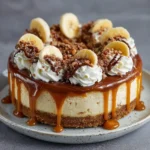
Introduction
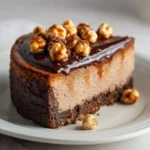
Indulge in the luxurious marriage of rich, velvety chocolate and earthy-sweet roasted hazelnuts—elevated to decadent perfection in a luscious, no-bake (or baked, depending on your preference) Chocolate Hazelnut Cheesecake. This isn’t just dessert—it’s an experience: creamy yet structured, deeply chocolaty without cloying sweetness, and punctuated with the unmistakable aromatic crunch and nutty depth of premium roasted hazelnuts. Whether served at an elegant dinner party, gifted as a homemade treat, or savored solo with a cup of espresso, this cheesecake delivers sophistication, nostalgia, and sheer sensory delight in every forkful. Inspired by the iconic flavor profile of European gianduja and artisanal Nutella®-adjacent confections—but infinitely more refined, balanced, and made-from-scratch—it bridges tradition and innovation with every layer.
The History
The origins of cheesecake trace back over 2,000 years to ancient Greece, where simple versions made with honey-sweetened cheese and flour were served to athletes during the first Olympic Games in 776 BCE. The Romans later adopted and adapted the recipe, spreading it across their empire. Fast forward to the 18th and 19th centuries, when American bakers began experimenting with cream cheese—first mass-produced by William Lawrence in Chester, New York, in 1872—and transformed cheesecake into the dense, tangy, oven-baked staple we know today.
Meanwhile, hazelnuts have been cultivated since at least 10,000 BCE in Asia Minor and were revered in Roman and Byzantine cuisines for their richness and shelf stability. Their modern culinary renaissance began in 19th-century Piedmont, Italy, where chocolatiers like Caffarel pioneered gianduja—a silky paste blending melted chocolate with finely ground roasted hazelnuts—to stretch scarce cocoa supplies during Napoleonic trade embargoes. This innovation laid the foundation for Ferrero’s iconic Nutella® in 1946, which further popularized the chocolate-hazelnut union worldwide.
The Chocolate Hazelnut Cheesecake, as we celebrate it today, is a relatively recent evolution—emerging prominently in high-end patisseries and food blogs of the early 2010s. It reflects a broader culinary trend toward “gourmet reinterpretation”: taking beloved global flavors and reimagining them through the lens of artisanal technique, whole-food integrity, and textural contrast. Its rise also coincides with increased consumer demand for premium, minimally processed ingredients—and a renewed appreciation for the nuanced terroir of single-origin hazelnuts from Oregon, Turkey, and Italy’s Langhe region.
Ingredients Breakdown
Every element in this recipe has been carefully selected—not only for flavor synergy but for functional performance, mouthfeel, and nutritional harmony:
- Graham Cracker Crust Base: Whole-grain graham crackers provide subtle molasses notes and structural integrity; organic coconut oil (instead of butter) adds clean richness and ensures vegan adaptability while enhancing crispness.
- Hazelnut Component: Toasted, skinless hazelnuts are blended into a smooth, house-made roasted hazelnut butter—not store-bought spreads laden with palm oil and emulsifiers. This yields superior depth, freshness, and control over fat content and salt levels. A portion is also coarsely chopped for garnish, adding essential textural counterpoint.
- Chocolate Element: 70% single-origin dark chocolate (preferably Venezuelan or Ecuadorian) delivers complex fruity-acidic notes and balanced bitterness that cuts through creaminess. A small amount of high-cocoa Dutch-processed cocoa powder deepens color and intensifies aroma without adding excess sugar.
- Cheesecake Filling: Full-fat, cultured cream cheese provides tang and body; full-fat Greek yogurt (strained overnight) introduces bright acidity and protein-rich thickness—reducing reliance on heavy cream while boosting stability and probiotic benefits. Sour cream adds extra silkiness and moisture retention.
- Sweetener System: A dual-phase blend of raw organic maple syrup (for mineral-rich, caramel-toned sweetness and humectant properties) and a touch of pure organic vanilla bean paste (not extract) ensures layered sweetness without crystallization or artificial aftertaste.
- Stabilizers & Enhancers: Unflavored grass-fed gelatin (for traditional baked versions) or agar-agar (for vegan variants) ensures clean set and sliceability. A pinch of flaky sea salt heightens all other flavors and balances sweetness. Freshly grated orange zest (optional but highly recommended) introduces a bright, citrusy lift that harmonizes chocolate and nuts without overpowering.
Step-by-Step Recipe
- Toast & Skin the Hazelnuts (Day Before or Morning Of): Preheat oven to 350°F (175°C). Spread 1 ½ cups raw, unsalted hazelnuts evenly on a parchment-lined baking sheet. Roast for 12–15 minutes until fragrant and skins blister. Transfer to a clean kitchen towel, fold towel over nuts, and rub vigorously to remove loose skins (don’t worry about stubborn bits—they’ll strain out later). Cool completely.
- Prepare the Crust: In a food processor, pulse 1 ½ cups graham cracker crumbs (about 12 full sheets), 3 tbsp melted coconut oil, 2 tbsp maple syrup, and ¼ tsp flaky sea salt until mixture resembles wet sand. Press firmly and evenly into the bottom and 1.5 inches up the sides of a 9-inch springform pan lined with parchment. Chill for at least 1 hour—or freeze for 20 minutes for maximum firmness.
- Make the Hazelnut Butter: In a high-speed blender or food processor, combine cooled, skinned hazelnuts with 1 tbsp neutral oil (e.g., grapeseed or avocado) and process on high for 8–12 minutes, scraping down sides every 2 minutes, until ultra-smooth, glossy, and pourable. Let cool slightly.
- Melt & Temper Chocolate: Chop 8 oz dark chocolate. Melt gently using a double boiler or microwave (30-sec bursts, stirring between), ensuring temperature stays below 115°F (46°C) to preserve cocoa butter crystals. Cool to 90°F (32°C) before incorporating.
- Whip the Cream Cheese Base: In a stand mixer fitted with paddle attachment, beat 24 oz full-fat cream cheese (room temperature) on medium until creamy and lump-free (~2 min). Add ¾ cup full-fat Greek yogurt, ½ cup sour cream, ½ cup maple syrup, 2 tsp vanilla bean paste, 1 tsp orange zest (if using), and ½ tsp flaky salt. Beat until fully incorporated and airy (~3 min). Scrape bowl thoroughly.
- Incorporate Hazelnut Butter & Chocolate: With mixer on low, slowly drizzle in warm hazelnut butter until fully emulsified. Then, gradually add tempered chocolate in 3 additions, mixing just until each is incorporated—do not overmix. Batter should be thick, glossy, and homogeneous.
- Set & Chill: Pour filling into chilled crust. Tap pan sharply on counter 3x to release air bubbles. Smooth top with offset spatula. Refrigerate uncovered for minimum 8 hours—or ideally 12–16 hours—for optimal texture and flavor melding. For baked version: bake at 325°F (163°C) in water bath for 65–75 minutes until edges are set and center jiggles slightly; cool in oven with door ajar for 1 hour, then chill overnight.
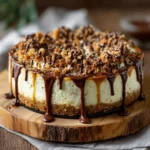
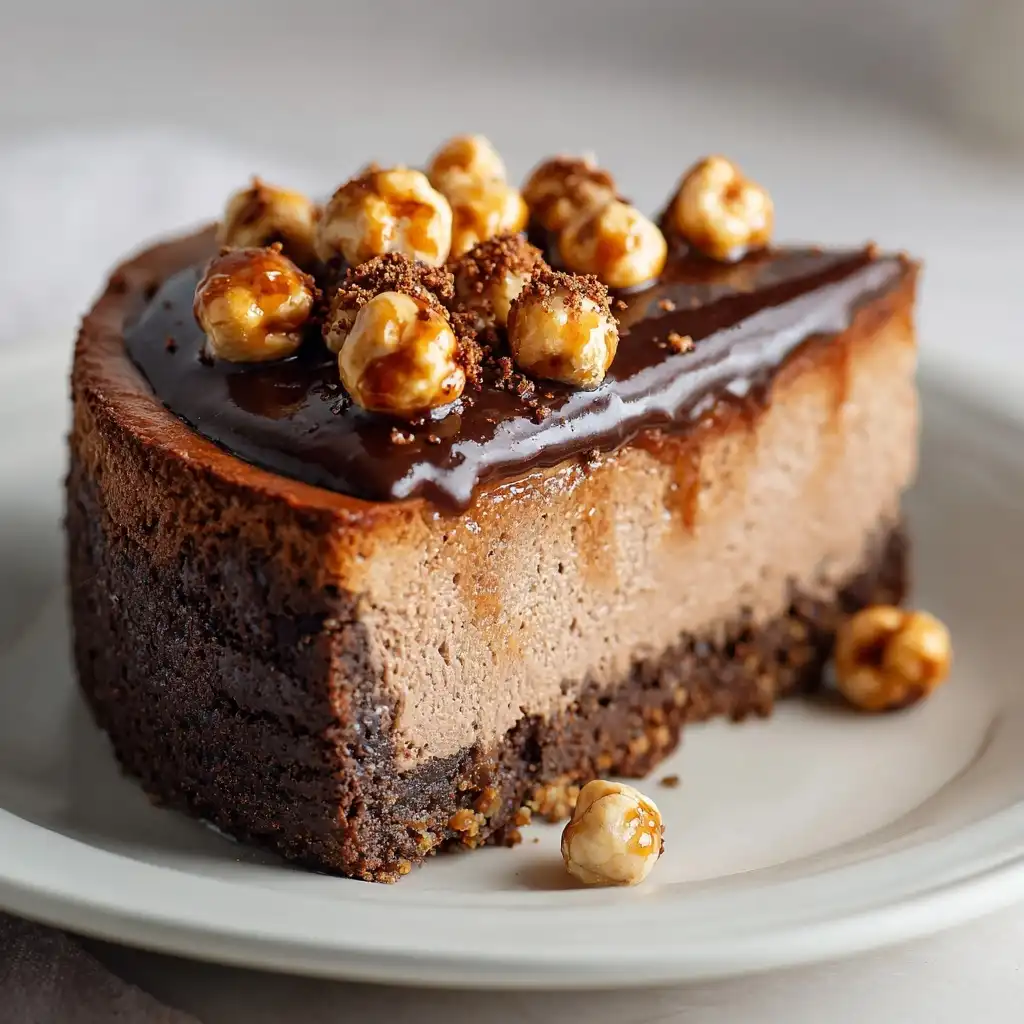
- Finish & Serve: Run thin knife around edge before releasing springform. Garnish with reserved coarsely chopped toasted hazelnuts, delicate chocolate curls (made with vegetable peeler), edible gold leaf (optional), and a light dusting of cocoa or crushed praline. Slice with hot, dry knife wiped between cuts.
Tips
- Room Temperature Is Non-Negotiable: Cold cream cheese leads to lumps; cold yogurt causes splitting. Allow all dairy to sit at room temp for 1.5–2 hours before starting.
- Toasting Nuance: Hazelnuts continue cooking off-heat—remove them 1–2 minutes before they *look* done to avoid bitterness. Under-toasting yields muted flavor; over-toasting creates acrid, burnt notes.
- Texture Control: For ultra-smooth filling, pass batter through a fine-mesh sieve after mixing—this removes any undissolved chocolate specks or nut fibers.
- Chill Discipline: Do not rush chilling. Under-chilled cheesecake will weep, slide, or crumble when sliced. Overnight is ideal; 24 hours is extraordinary.
- Knife Mastery: Dip knife in hot water, wipe dry, and cut with gentle downward pressure—no sawing. Reheat and dry between every slice for pristine edges.
- Crust Reinforcement: For extra crunch and moisture barrier, brush chilled crust with a thin layer of melted dark chocolate and chill 10 minutes before adding filling.
- Flavor Layering Tip: Steep 1 split vanilla bean pod in warm cream cheese mixture for 10 minutes before mixing in other ingredients—then scrape seeds in and discard pod for intensified aroma.
- Freezer-Friendly: Fully set cheesecake (without garnish) freezes beautifully for up to 3 months. Thaw overnight in fridge—not at room temperature—to preserve texture.
Variations and Customizations
Dietary Adaptations
- Vegan Version: Substitute cashew cream (soaked + blended raw cashews), coconut cream, silken tofu, and agar-agar. Use date-sweetened hazelnut butter and dairy-free dark chocolate (check for lecithin source).
- Gluten-Free: Replace graham crackers with GF almond flour shortbread crust or certified GF gingersnaps. Ensure all extracts and cocoa are GF-certified.
- Lower-Sugar/Keto: Use erythritol + monk fruit blend, full-fat mascarpone, and unsweetened cocoa. Add 1 tsp xanthan gum to stabilize. Garnish with cacao nibs instead of chocolate curls.
Flavor & Texture Twists
- Espresso-Hazelnut: Add 1 tbsp instant espresso powder to melted chocolate; infuse orange zest into hazelnut butter.
- Smoked Salt & Caramel Swirl: Drizzle salted caramel sauce (homemade, not store-bought) in concentric circles before chilling; finish with flaky smoked sea salt.
- Spiced Chai Infusion: Steep 2 chai tea bags in warm cream cheese mixture for 8 minutes; remove bags and proceed. Garnish with candied ginger.
- White Chocolate Gianduja Layer: Create a second, thinner layer using white chocolate, hazelnut butter, and a hint of cardamom—set separately, then stack.
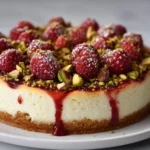
- Berry-Compote Accent: Top individual slices with a vibrant blackberry-port reduction or tart raspberry coulis—adds acidity and visual drama.
Presentation & Occasion Variants
- Mini Mason Jar Cheesecakes: Portion into 4-oz sterilized jars; layer crust, filling, and garnish. Perfect for bridal showers or picnics.
- Tower Style: Bake three 6-inch layers, stack with chocolate ganache “glue,” and coat entire cake in tempered chocolate glaze with hand-placed hazelnuts.
- Deconstructed Plating: Serve crumbled crust, quenelle of cheesecake mousse, hazelnut praline crumble, chocolate soil, and micro mint on slate board.
- Seasonal Editions: Autumn: add roasted pear purée swirl; Winter: incorporate star anise-infused syrup; Spring: lemon-hazelnut variation with violet sugar garnish; Summer: serve with grilled peach compote.
Health Considerations and Nutritional Value
This Chocolate Hazelnut Cheesecake is intentionally crafted to honor indulgence *without* compromise—balancing pleasure with mindful nutrition. Per standard slice (1/12 of 9-inch cake, approx. 220g), the estimated macro and micronutrient profile is as follows:
- Calories: ~420 kcal (moderate for a premium dessert—comparable to a gourmet cupcake but with higher satiety factor)
- Fat: 31g (75% unsaturated: rich in heart-healthy monounsaturated fats from hazelnuts and coconut oil; zero trans fat)
- Protein: 9g (boosted by Greek yogurt and cream cheese—supports muscle maintenance and prolonged fullness)
- Carbs: 28g total / 22g net (primarily from low-glycemic maple syrup; high fiber from whole-grain crust and hazelnuts helps blunt glucose response)
- Fiber: 6g (25% DV—supports gut microbiome diversity and digestive regularity)
- Key Micronutrients: Vitamin E (35% DV—powerful antioxidant from hazelnuts); Magnesium (20% DV—supports nerve function and relaxation); Calcium (18% DV—bone health); Zinc (15% DV—immune resilience); Polyphenols (from dark chocolate & hazelnuts—anti-inflammatory, endothelial support)
Functional Benefits: The combination of prebiotic fiber (from hazelnuts and whole grains), probiotics (from cultured yogurt), and polyphenols creates a synergistic gut-brain axis boost. Dark chocolate’s theobromine offers gentle mood elevation without caffeine jitters. Hazelnuts’ arginine content supports healthy circulation. Maple syrup’s zinc and manganese aid enzymatic function far beyond basic sweetening.
Considerations: While nutrient-dense, this remains a dessert—not a meal replacement. Those with tree nut allergies must avoid entirely. Individuals managing insulin resistance may prefer the lower-sugar variation. Always consult a registered dietitian for personalized guidance.
Ingredients
For the Crust:
- 1 ½ cups (150g) whole-grain graham cracker crumbs (about 12 rectangles)
- 3 tablespoons (42g) unrefined virgin coconut oil, melted
- 2 tablespoons (30ml) pure organic maple syrup
- ¼ teaspoon flaky sea salt
For the Toasted Hazelnut Butter:
- 1 ½ cups (180g) raw, unsalted hazelnuts
- 1 tablespoon (15ml) neutral, high-smoke-point oil (e.g., grapeseed or avocado)
For the Chocolate Hazelnut Cheesecake Filling:
- 24 ounces (680g) full-fat, brick-style cream cheese, room temperature
- ¾ cup (180g) full-fat plain Greek yogurt, strained overnight in cheesecloth
- ½ cup (120g) full-fat sour cream, room temperature
- ½ cup (120ml) pure organic maple syrup
- 2 teaspoons pure vanilla bean paste (or 1 scraped vanilla bean + 1 tsp extract)
- 1 teaspoon finely grated orange zest (organic, unwaxed)
- ½ teaspoon flaky sea salt
- 8 ounces (225g) high-quality 70% dark chocolate, finely chopped
- ¼ cup (20g) unsweetened Dutch-processed cocoa powder
- Optional: 1 teaspoon unflavored grass-fed gelatin (bloomed in 1 tbsp cold water) for enhanced structure
For Garnish (Optional but Recommended):
- ½ cup (60g) coarsely chopped, toasted, skinless hazelnuts
- Chocolate curls (using vegetable peeler on tempered chocolate bar)
- Light dusting of cocoa powder or crushed hazelnut praline
- Fresh edible flowers or mint leaves (for color contrast)
Directions
- Prep Hazelnuts: Preheat oven to 350°F (175°C). Spread hazelnuts on parchment-lined baking sheet. Roast 12–15 minutes until deeply fragrant and skins blister. Transfer to clean kitchen towel; fold towel over and rub vigorously to remove skins. Cool completely (≈30 min).
- Make Hazelnut Butter: Place cooled hazelnuts and 1 tbsp oil in high-speed blender. Blend on high 8–12 minutes, stopping to scrape sides every 2 minutes, until glossy and pourable. Cool to lukewarm (~90°F/32°C).
- Prepare Crust: Pulse graham crumbs, melted coconut oil, maple syrup, and salt in food processor until cohesive. Press firmly into 9-inch springform pan (bottom + 1.5″ up sides). Chill 60+ minutes.
- Melt Chocolate: Finely chop chocolate. Melt gently using double boiler (or microwave in 30-sec bursts), stirring between. Cool to 90°F (32°C)—use candy thermometer for accuracy.
- Cream Base: Using stand mixer with paddle, beat cream cheese on medium 2 min until smooth. Add yogurt, sour cream, maple syrup, vanilla, orange zest, and salt. Beat 3 min until light and fluffy. Scrape bowl.
- Emulsify: With mixer on low, slowly drizzle in warm hazelnut butter until fully incorporated. Add cooled chocolate in 3 batches, mixing only until blended—do not overwork.
- Fill & Set: Pour into chilled crust. Tap pan sharply. Smooth top. Refrigerate uncovered 12–16 hours (minimum 8).
- Unmold & Garnish: Run thin knife around edge. Release springform. Garnish with hazelnuts, chocolate curls, and optional accents. Serve chilled.
FAQ
- Can I make this ahead?
- Absolutely—this cake improves with time. Prepare up to 3 days in advance. Store covered in fridge. Bring to cool room temperature 15 minutes before serving for optimal creaminess.
- Why strain the batter?
- Straining through a fine-mesh sieve eliminates any residual graininess from chocolate or nut particles—ensuring glassy-smooth texture critical for luxury presentation.
- My crust is soggy—what went wrong?
- Sogginess usually results from insufficient chilling before filling, warm filling poured onto unchilled crust, or lack of moisture barrier (try brushing crust with melted chocolate first).
- Can I use store-bought hazelnut spread?
- We strongly advise against it. Most commercial spreads contain palm oil, sugar, and emulsifiers that destabilize the delicate emulsion and mute flavor. Homemade butter guarantees freshness, purity, and control.
- What if I don’t have a springform pan?
- You can use a regular 9-inch cake pan lined with *overhanging* parchment (create a sling). Lift out after chilling. Or make bars in an 8×8 pan—cut into squares.
- Is there a way to reduce fat without sacrificing texture?
- Reduce coconut oil in crust to 2 tbsp and add 1 tbsp aquafaba (chickpea brine) for binding. In filling, replace ¼ cup sour cream with additional Greek yogurt—but do not omit all fat; it’s essential for mouthfeel and structure.
- How do I fix a cracked surface?
- Minor cracks are normal. Hide them with generous garnish! For future batches: avoid opening oven door during baking (if using baked method); ensure water bath is hot but not boiling; cool gradually.
- Can I add alcohol?
- Yes—add 1–2 tbsp Frangelico, Amaretto, or orange liqueur to the filling after vanilla. Reduce maple syrup by 1 tbsp to maintain balance.
- Why orange zest? Doesn’t it clash?
- Not at all—citrus oils are natural flavor amplifiers. Orange’s bright top notes cut through chocolate’s density and lift hazelnut’s earthiness, creating aromatic complexity—not competition.
- How long does it last?
- Refrigerated: 5 days. Frozen (un-garnished): 3 months. Thaw overnight in fridge. Do not refreeze once thawed.
Summary
This Chocolate Hazelnut Cheesecake is a masterclass in layered luxury—where ancient nut traditions meet modern pastry science, and every ingredient serves both flavor and function.
With its velvety-smooth, deeply nuanced filling, crisp-spiced crust, and textural symphony of roasted hazelnuts and tempered chocolate, it transforms any occasion into a moment of unforgettable, soul-nourishing indulgence.