Chocolate Chip Skillet Cookie
Chocolate Chip Skillet Cookie: The Ultimate Comfort Dessert
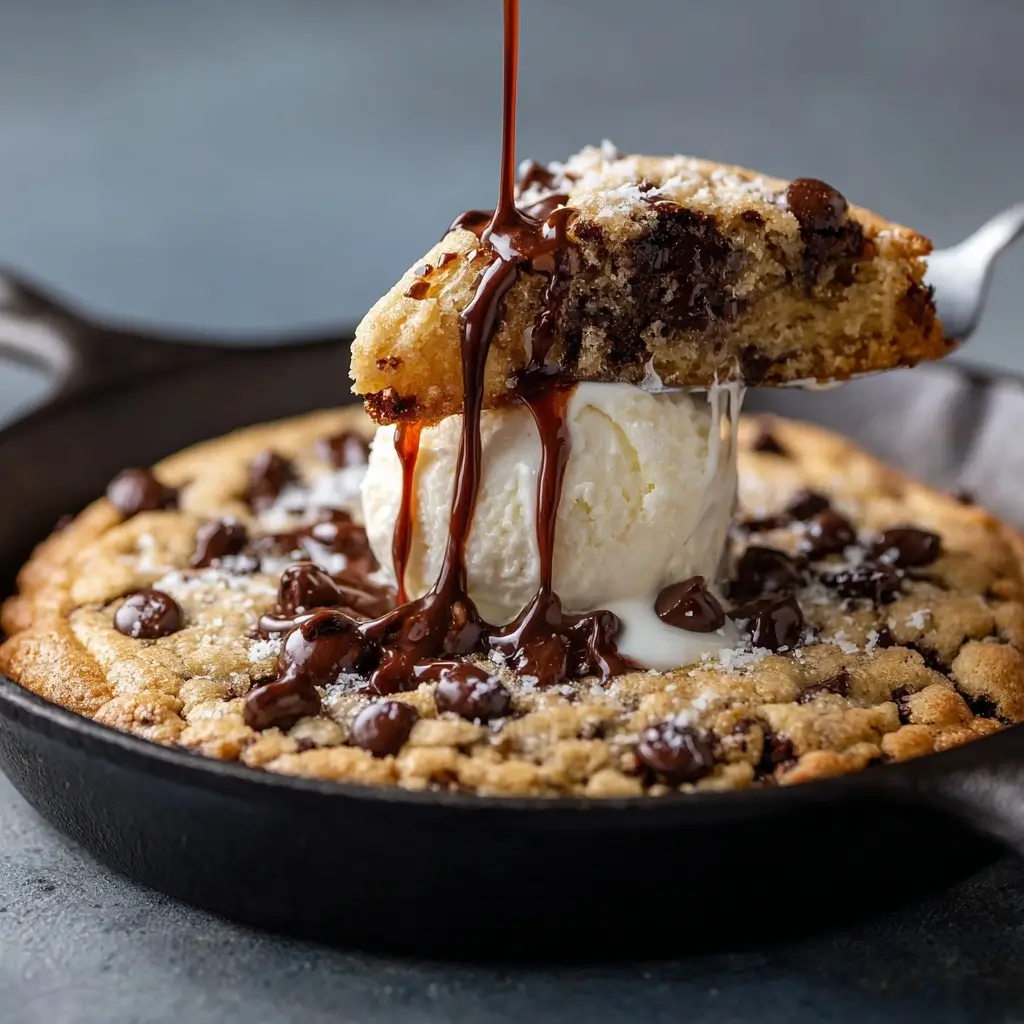
The Chocolate Chip Skillet Cookie is more than just a dessert—it’s a warm, gooey, buttery experience that brings people together. Imagine a giant, soft-centered cookie with crispy edges, baked right in a cast-iron skillet and served hot with a scoop of vanilla ice cream melting over the top. This indulgent treat has become a staple on dessert menus across America, celebrated for its simplicity, shareability, and nostalgic charm. Whether you’re serving it at a family dinner, a dinner party, or enjoying it solo late at night, this cookie delivers comfort in every bite.
The History of the Chocolate Chip Skillet Cookie
The story begins long before the skillet version emerged. The original chocolate chip cookie was invented in the 1930s by Ruth Wakefield at the Toll House Inn in Whitman, Massachusetts. Legend has it that she ran out of baker’s chocolate while making cookies and substituted broken pieces of a Nestlé semi-sweet chocolate bar, expecting them to melt into the dough. Instead, the chips held their shape, creating the now-iconic chocolate chip cookie.
Nestlé eventually struck a deal with Wakefield, printing her recipe on their chocolate bars and launching one of the most beloved cookies in history. Fast forward to the 2000s, when chefs and home bakers began experimenting with presentation and portion size. The idea of baking a large, single-serving cookie in a cast-iron skillet gained popularity in diners and upscale restaurants alike. Its theatrical presentation—bubbly, golden-brown, and often served straight from the oven—captured hearts and social media feeds. The Chocolate Chip Skillet Cookie wasn’t just food; it became an event.
Ingredients Breakdown: What Makes It Irresistible?
The magic of the Chocolate Chip Skillet Cookie lies in the perfect balance of ingredients. Each component plays a crucial role in texture, flavor, and structure:
- Butter: Unsalted butter provides richness and moisture. When creamed with sugar, it creates air pockets that help the cookie rise slightly and develop a tender crumb.
- Sugars (Brown and White): A combination of brown and granulated sugar adds depth of flavor. Brown sugar contributes moisture and chewiness due to its molasses content, while white sugar helps create crisp edges.
- Egg: Acts as a binder and adds structure, ensuring the cookie holds together without becoming dry.
- Vanilla Extract: Enhances sweetness and rounds out the flavor profile with its warm, aromatic notes.
- Flour (All-Purpose): Provides the necessary gluten structure. Too little, and the cookie falls apart; too much, and it becomes tough.
- Baking Soda: A leavening agent that helps the cookie puff slightly during baking, giving it lift without turning it cakey.
- Salt: Balances sweetness and enhances all other flavors—don’t skip it!
- Chocolate Chips: Semi-sweet is classic, but dark, milk, or even white chocolate can be used. High-quality chocolate makes a noticeable difference in taste and melt-in-the-mouth texture.
- Optional Add-Ins: Chopped nuts (like walnuts or pecans), sea salt flakes, caramel swirls, or even potato chips for crunch can elevate the cookie to gourmet status.
Using room-temperature ingredients ensures even mixing and a smoother batter, which leads to consistent texture throughout the cookie.
Step-by-Step Recipe: How to Make the Perfect Chocolate Chip Skillet Cookie
Follow these detailed steps to achieve a perfectly balanced skillet cookie with a soft center, crisp edges, and melty chocolate in every bite.
Ingredients
- ½ cup (1 stick / 113g) unsalted butter, softened
- ½ cup (100g) granulated sugar
- ½ cup (110g) packed light brown sugar
- 1 large egg, room temperature
- 1 teaspoon pure vanilla extract
- 1 ¼ cups (150g) all-purpose flour
- ½ teaspoon baking soda
- ¼ teaspoon salt (plus extra for finishing)
- 1 cup (175g) semi-sweet chocolate chips (plus extra for topping)
- Optional: ½ cup chopped walnuts or pecans
Directions
- Preheat Oven: Set your oven to 350°F (175°C). Make sure your cast-iron skillet is clean and lightly greased if not well-seasoned.
- Cream Butter and Sugars: In a large mixing bowl, beat the softened butter, granulated sugar, and brown sugar together until light and fluffy (about 2–3 minutes with a hand mixer or stand mixer).
- Add Wet Ingredients: Beat in the egg and vanilla extract until fully incorporated and smooth.
- Mix Dry Ingredients: In a separate bowl, whisk together the flour, baking soda, and salt.
- Combine: Gradually add the dry ingredients to the wet mixture, mixing on low speed until just combined. Do not overmix.
- Fold in Chocolate: Stir in the chocolate chips (and nuts, if using) with a spatula or wooden spoon until evenly distributed.
- Transfer to Skillet: Scoop the dough into a 9- or 10-inch cast-iron skillet. Press it out evenly to the edges, making sure there are no gaps. Sprinkle a few extra chocolate chips on top for a bakery-style finish.
- Bake: Place the skillet in the preheated oven and bake for 20–25 minutes. The cookie is done when the edges are golden brown, the center appears set but still slightly soft, and a toothpick inserted near the middle comes out with moist crumbs (not wet batter).
- Cool Slightly: Remove from the oven and let rest for 5–10 minutes. This allows the cookie to set slightly for easier serving.
- Serve Warm: Serve directly from the skillet, ideally topped with a scoop of vanilla ice cream and a drizzle of chocolate or caramel sauce. Sprinkle a pinch of flaky sea salt on top for a sweet-salty contrast.
Tips for Success
- Use Room-Temperature Ingredients: Cold butter or egg can lead to uneven mixing and a dense texture.
- Don’t Overbake: The cookie will continue to cook slightly as it cools. Pull it out when the center still looks a bit underdone for that soft, gooey interior.
- Skillet Size Matters: A 9-inch skillet yields a thicker cookie; a 10-inch gives a slightly thinner one. Adjust baking time accordingly.
- Chill the Dough (Optional): For a richer flavor and chewier texture, chill the dough for 30 minutes before baking. You can also refrigerate it overnight—just let it sit at room temperature for 15 minutes before baking.
- Grease the Skillet: Even seasoned cast iron should be lightly greased to prevent sticking, especially if baking a sweet dish.
- Serve Immediately: This cookie is best enjoyed fresh and warm. Reheating leftovers in the oven or microwave restores some of the magic.
- Double the Batch: You can make two skillet cookies at once if you have multiple skillets. Just ensure even oven spacing for consistent heat distribution.
Variations and Customizations
One of the best things about the Chocolate Chip Skillet Cookie is how easily it can be customized. Here are some creative twists to try:
- Double Chocolate: Add ¼ cup cocoa powder to the dry ingredients and use dark chocolate chips for a rich, fudgy version.
- Peanut Butter Swirl: Swirl ⅓ cup of peanut butter into the dough before baking, or mix it directly for a peanut butter chocolate chip version.
- S’mores Style: Add graham cracker pieces and mini marshmallows in the last 5 minutes of baking, then broil for 1–2 minutes to toast the marshmallows.
- Cookie Dough Center: Place a small ball of edible cookie dough in the center before baking for an ultra-gooey surprise.
- Oreo Lover’s: Crush 6–8 Oreo cookies and fold them into the dough along with the chocolate chips.
- Sea Salt Caramel: Drizzle homemade or store-bought caramel sauce into the dough before baking, then sprinkle with flaky sea salt after.
- Gluten-Free: Substitute the all-purpose flour with a 1:1 gluten-free baking blend. Ensure your chocolate chips are certified gluten-free.
- Vegan Option: Use plant-based butter, a flax egg (1 tbsp ground flax + 3 tbsp water), and vegan chocolate chips.
- Fruity Twist: Add dried cranberries and white chocolate chips for a festive holiday variation.
- Breakfast Skillet Cookie: Reduce sugar slightly, add oats and banana, and serve with yogurt instead of ice cream.
Health Considerations and Nutritional Value
While undeniably delicious, the Chocolate Chip Skillet Cookie is a high-calorie, high-sugar dessert best enjoyed in moderation. Here’s a general nutritional estimate per serving (assuming 6 servings):
- Calories: ~350–400
- Total Fat: ~18–22g (mostly from butter and chocolate)
- Saturated Fat: ~10–12g
- Carbohydrates: ~50g
- Sugars: ~30g
- Protein: ~4–5g
- Fiber: ~1–2g
Considerations:
- Sugar Content: The combination of brown and white sugar makes this cookie quite sweet. Those monitoring blood sugar may want to reduce sugar slightly or use natural alternatives like coconut sugar (though results may vary).
- Portion Control: Baking in a skillet naturally encourages sharing. Serve smaller portions with a generous scoop of ice cream to stretch servings.
- Allergens: Contains dairy, eggs, wheat, and potentially nuts. Always check labels on chocolate chips and substitutions if allergies are a concern.
- Balanced Indulgence: Pair with fruit like sliced strawberries or bananas to add nutrients and freshness.
- Homemade Advantage: Unlike store-bought desserts, you control the ingredients—no preservatives, artificial flavors, or hydrogenated oils.
Frequently Asked Questions (FAQ)
Can I make this without a cast-iron skillet?
Yes, though the skillet gives the best results. You can use an oven-safe ceramic pie dish or a standard 9-inch baking pan. Avoid thin metal pans, as they may cause uneven browning.
How do I reheat leftovers?
Warm individual slices in the microwave for 15–20 seconds or reheat the entire skillet in a 325°F oven for 8–10 minutes. Adding a new scoop of ice cream rejuvenates the experience.
Can I freeze the dough?
Absolutely! Portion the dough into a greased skillet, cover tightly with plastic wrap and foil, and freeze for up to 3 months. Bake from frozen, adding 5–8 minutes to the baking time.
Why did my cookie turn out too flat?
Possible reasons include melted butter (should be softened, not liquid), too much sugar, or expired baking soda. Chill the dough before baking to prevent excessive spreading.
Can I use margarine instead of butter?
It’s not recommended. Margarine contains more water and less fat, which can alter texture and cause the cookie to spread too much or become greasy.
How many people does this serve?
Typically serves 4–6, depending on appetite and whether it’s shared as a dessert. Great for small gatherings!
Can I add mix-ins after baking?
Yes! Press mini marshmallows, candies, or nuts into the top during the last 2 minutes of baking so they adhere without sinking.
Is this safe for kids to help make?
Yes! This recipe is simple and fun for children. Let them measure ingredients, stir the dough, and press in the chocolate chips. Supervise around the hot oven.
Summary
The Chocolate Chip Skillet Cookie is a decadent, crowd-pleasing dessert that combines nostalgia, simplicity, and theatrical flair. Baked to golden perfection and served warm with ice cream, it’s the ultimate comfort treat for any occasion.