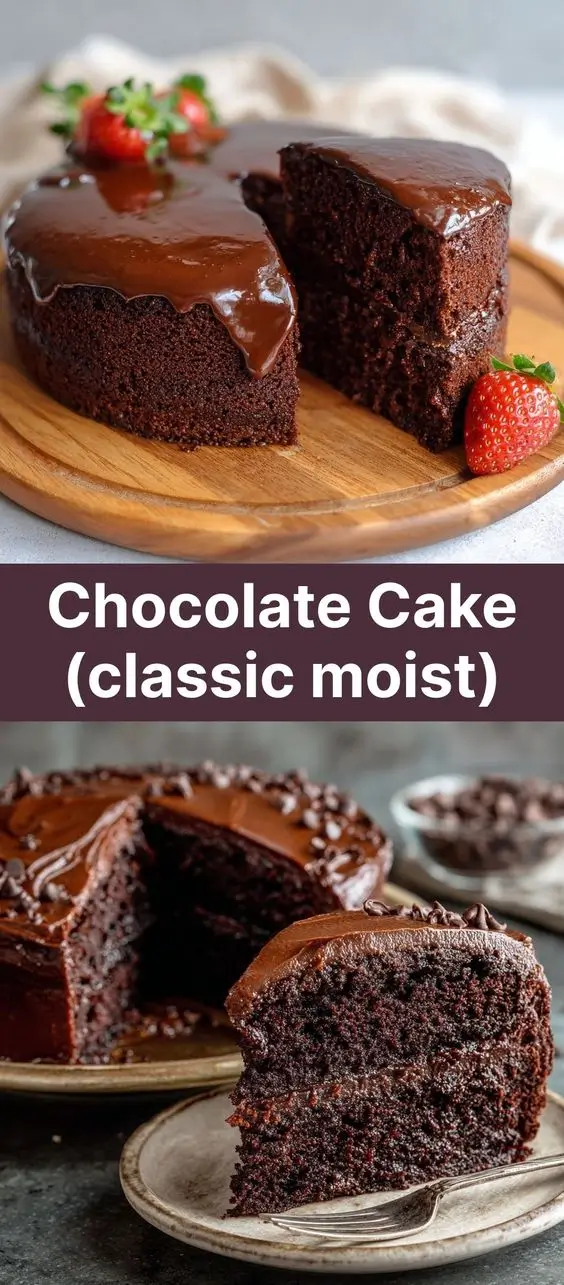
Classic Moist Chocolate Cake: A Timeless Dessert Delight
The History of the Classic Moist Chocolate Cake
The story of chocolate cake begins in the 18th century, shortly after chocolate became accessible to the general public in Europe. While cocoa was first consumed as a beverage by ancient Mesoamerican civilizations such as the Aztecs and Mayans, it wasn’t until the 1700s that European bakers began experimenting with incorporating chocolate into baked goods. The invention of cocoa powder by Dutch chemist Coenraad van Houten in 1828 revolutionized chocolate baking, making it easier to blend into batters and creating a smoother, more consistent texture.
By the late 19th century, chocolate cakes started appearing in American cookbooks. One of the earliest known recipes for “chocolate cake” was published in Boston Cooking-School Cook Book by Fannie Farmer in 1896. However, these early versions were often dry and dense. It wasn’t until the early 20th century, with the advent of modern leavening agents like baking powder and baking soda, that moist and fluffy chocolate cakes began to emerge.
The classic moist chocolate cake as we know it today truly gained popularity during the Great Depression, when home cooks sought affordable yet comforting desserts. Cakes made with simple ingredients—cocoa, sugar, butter, eggs, and buttermilk—became household staples. Over time, bakeries and home chefs refined the recipe, focusing on achieving a tender crumb, deep chocolate flavor, and rich moisture. Today, the moist chocolate cake stands as a beloved centerpiece at birthdays, weddings, anniversaries, and everyday celebrations across the globe.
Ingredients Breakdown: What Makes This Cake So Moist?
The magic behind a truly moist chocolate cake lies not just in technique, but in the careful selection and balance of ingredients. Each component plays a crucial role in texture, flavor, and structure.
- All-Purpose Flour: Provides the structural foundation. Too much can make the cake dry, so precise measuring is key. Sifting ensures even distribution and prevents lumps.
- Cocoa Powder: Use high-quality unsweetened cocoa powder (preferably Dutch-processed for a richer, smoother flavor). It delivers intense chocolate taste without adding excess fat or moisture.
- Sugar: Granulated sugar not only sweetens but also helps retain moisture and contributes to a soft crumb. It also aids in browning during baking.
- Baking Soda & Baking Powder: These leavening agents work together to give the cake its rise. Baking soda reacts with acidic ingredients (like buttermilk and coffee), while baking powder provides extra lift.
- Salt: Enhances all flavors and balances sweetness, making the chocolate taste more pronounced.
- Eggs: Act as binders and add richness. They contribute to structure while keeping the cake tender. Room-temperature eggs blend more smoothly into the batter.
- Butter: Unsalted butter adds flavor and helps create a velvety texture. Creaming it with sugar incorporates air, which leads to a lighter cake.
- Vegetable Oil: Unlike butter alone, oil remains liquid at room temperature, contributing significantly to moisture retention. A combination of butter and oil gives the best of both worlds—flavor and tenderness.
- Buttermilk: The acidity in buttermilk activates the baking soda, helping the cake rise. Its creamy consistency keeps the crumb soft and moist. If unavailable, a DIY substitute (milk + vinegar) works well.
- Hot Coffee: Though it may seem unusual, hot brewed coffee intensifies the chocolate flavor without making the cake taste like coffee. It enhances cocoa’s natural bitterness and depth. For those avoiding caffeine, decaf works just as effectively.
- Vanilla Extract: Adds a warm, aromatic background note that complements the chocolate beautifully.
Step-by-Step Recipe: How to Bake the Perfect Classic Moist Chocolate Cake
Follow this detailed guide to create a decadent, bakery-quality chocolate cake right in your kitchen.
Ingredients
- 2 cups (250g) all-purpose flour, spooned and leveled
- 2 cups (400g) granulated sugar
- ¾ cup (75g) unsweetened cocoa powder (Dutch-process recommended)
- 2 teaspoons baking powder
- 1½ teaspoons baking soda
- 1 teaspoon salt
- 2 large eggs, at room temperature
- 1 cup (240ml) whole milk, at room temperature
- ½ cup (120ml) vegetable oil (or canola oil)
- 2 teaspoons pure vanilla extract
- 1 cup (240ml) buttermilk, at room temperature
- 1 cup (240ml) hot strong brewed coffee (not boiling)
Directions
- Preheat and Prepare: Preheat your oven to 350°F (175°C). Grease and flour two 9-inch round cake pans, line the bottoms with parchment paper, then grease the paper for easy release.
- Mix Dry Ingredients: In a large mixing bowl, sift together the flour, sugar, cocoa powder, baking powder, baking soda, and salt. Sifting prevents clumps and ensures even leavening.
- Add Wet Ingredients: Add the eggs, milk, oil, and vanilla to the dry mix. Using an electric mixer on medium speed, beat for about 2 minutes until smooth and well combined.
- Incorporate Buttermilk: Reduce mixer speed to low and carefully pour in the buttermilk. Mix just until incorporated—do not overmix.
- Add Hot Coffee: Slowly add the hot coffee to the batter. At first, the mixture will look thin and soupy—this is normal! Continue mixing on low until fully blended. The batter should be smooth and glossy.
- Pour and Bake: Divide the batter evenly between the prepared pans. Tap the pans gently on the counter to release air bubbles. Bake for 30–35 minutes, or until a toothpick inserted into the center comes out clean or with a few moist crumbs.
- Cool Properly: Let the cakes cool in their pans for 10 minutes. Then run a knife around the edges, invert onto wire racks, remove the parchment paper, and allow them to cool completely before frosting (at least 1–2 hours).
Tips for Baking Success
- Use Room-Temperature Ingredients: Cold eggs or dairy can cause the batter to curdle or affect rising. Take them out 1–2 hours before baking.
- Don’t Overmix: Once you add the dry ingredients, mix only until combined. Overmixing develops gluten, leading to a tough cake.
- Sift Cocoa Powder: Cocoa tends to form lumps. Sifting with the flour ensures a smooth batter and even color.
- Check Oven Temperature: Use an oven thermometer to ensure accuracy. An oven that runs too hot or cold affects texture and doneness.
- Avoid Opening the Oven: Resist peeking during the first 25 minutes. Sudden temperature drops can cause the cake to collapse.
- Cool Completely Before Frosting: A warm cake will melt the frosting and slide apart. Chill layers briefly if needed for stability.
- Level the Layers: Use a serrated knife to trim domed tops for a flat, professional finish.
Variations and Customizations
This classic base recipe is incredibly versatile. Here are some popular twists to suit different tastes and occasions:
- Double Chocolate Cake: Fold 1 cup of chocolate chips (semi-sweet or dark) into the batter for extra richness.
- Gluten-Free Version: Substitute the all-purpose flour with a 1:1 gluten-free baking blend. Ensure cocoa powder and other ingredients are certified gluten-free.
- Dairy-Free Option: Replace buttermilk with almond milk + 1 tablespoon vinegar, use dairy-free margarine or coconut oil, and opt for non-dairy milk.
- Vegan Chocolate Cake: Replace eggs with flax eggs (2 tablespoons ground flaxseed + 5 tablespoons water per egg), use plant-based milk and butter, and ensure sugar is vegan.
- Mocha Cake: Add 1–2 teaspoons instant espresso powder to the dry ingredients for a deeper coffee-chocolate fusion.
- Orange Chocolate Cake: Add 1 tablespoon orange zest and 2 tablespoons orange juice to the batter for a citrusy twist.
- Spiced Chocolate Cake: Incorporate ½ teaspoon cinnamon, pinch of cayenne, or nutmeg for warmth and complexity.
- Mini Cakes or Cupcakes: Pour batter into lined muffin tins and bake for 18–22 minutes for perfect chocolate cupcakes.
- Sheet Cake: Bake in a 9×13-inch pan for 35–40 minutes—a great option for parties.
Health Considerations and Nutritional Value
While the classic moist chocolate cake is undeniably indulgent, understanding its nutritional profile can help with mindful enjoyment.
Nutritional Facts (per slice, based on 12 servings):
- Calories: ~380–420
- Total Fat: 16–18g (mostly from butter, oil, and eggs)
- Saturated Fat: 6–8g
- Cholesterol: 60–70mg
- Sodium: 300–350mg
- Total Carbohydrates: 60–65g
- Sugars: 45–50g
- Protein: 5–6g
- Fiber: 2–3g (from cocoa and flour)
Health Notes:
- High Sugar Content: This cake is rich in added sugars. Consider reducing sugar by ¼ cup for a less sweet version, though this may slightly affect texture.
- Heart-Healthy Modifications: Replace part of the oil with unsweetened applesauce or mashed banana to reduce fat. Use heart-healthy oils like avocado or olive oil (light flavor recommended).
- Antioxidant Benefits: Dark cocoa powder contains flavonoids—antioxidants linked to improved heart health and reduced inflammation.
- Portion Control: Enjoy smaller slices paired with fresh berries or a dollop of Greek yogurt for balance.
- Allergens: Contains eggs, dairy, wheat, and soy (depending on cocoa and vanilla). Always check labels if serving to those with allergies.
Frequently Asked Questions (FAQ)
Q: Can I make this cake ahead of time?
A: Yes! Bake and cool the layers up to 2 days in advance. Wrap tightly in plastic wrap and store at room temperature, or refrigerate for up to 5 days. Freeze unfrosted layers for up to 3 months.
Q: Why did my cake sink in the middle?
A: Common causes include underbaking, opening the oven too early, using expired leavening agents, or overmixing the batter. Always test with a toothpick and avoid sudden temperature changes.
Q: Can I use water instead of coffee?
A: Yes, but the chocolate flavor will be less intense. Coffee enhances cocoa without adding its own taste. Warm water is a neutral alternative.
Q: My cake turned out dry. What went wrong?
A: Overbaking, too much flour (if scooped directly from the bag), or insufficient fat/liquid can dry out the cake. Measure flour correctly using the spoon-and-level method.
Q: Can I frost the cake with something other than buttercream?
A: Absolutely! Try chocolate ganache, cream cheese frosting, whipped chocolate mousse, or a light mascarpone glaze for variety.
Q: How do I store a frosted chocolate cake?
A: Keep it covered at room temperature for up to 2 days. Refrigerate for longer storage (up to 5 days), but bring to room temperature before serving for best texture.
Q: Can I bake this in a bundt pan?
A: Yes. Use a greased and floured bundt pan and bake for 45–55 minutes, checking for doneness with a skewer.
Summary
The classic moist chocolate cake is a timeless dessert celebrated for its rich flavor, tender crumb, and irresistible softness—perfect for any occasion. With quality ingredients, careful technique, and a few expert tips, you can bake a show-stopping cake that delights every chocolate lover.