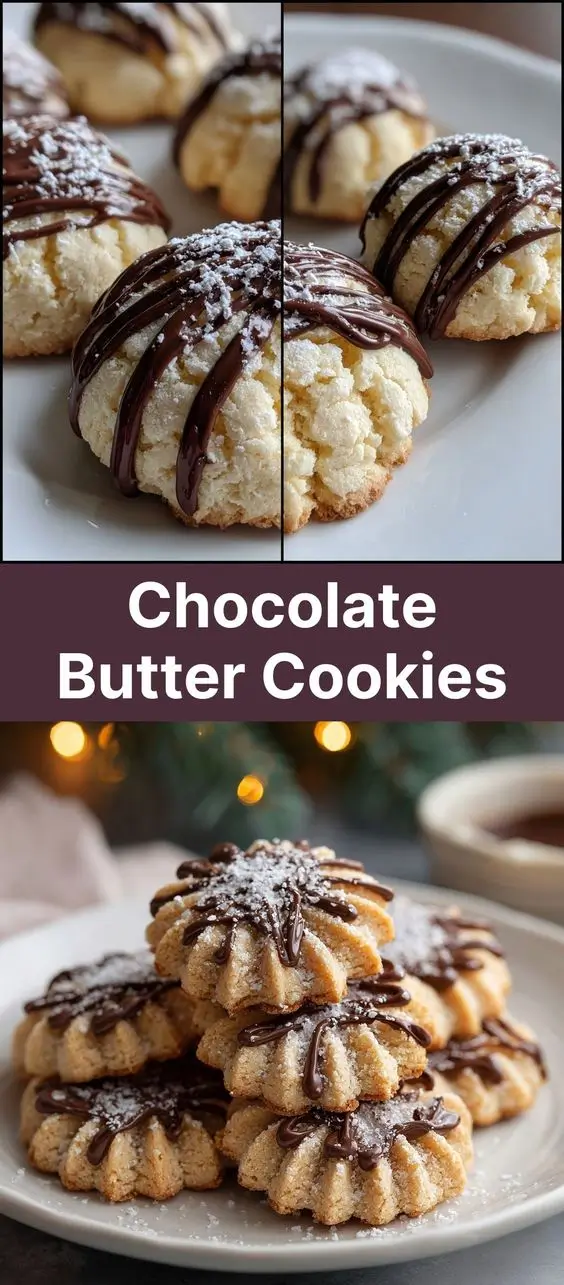
Chocolate Butter Cookies: A Rich, Decadent Delight for Every Occasion
The History of Chocolate Butter Cookies
The origin of chocolate butter cookies can be traced back to European baking traditions, where butter-rich confections have long been a hallmark of culinary excellence. While classic butter cookies originated in Denmark and other parts of Northern Europe—famous for their delicate texture and rich flavor—the incorporation of chocolate into these treats emerged during the 19th and early 20th centuries as cocoa became more accessible across Europe. The union of creamy butter and luxurious chocolate created a new category of cookie that combined melt-in-your-mouth tenderness with deep, satisfying cocoa notes. Over time, bakers around the world began experimenting with variations, adjusting ratios of butter, flour, sugar, and chocolate to achieve the perfect balance between crispness and chewiness. Today, chocolate butter cookies are beloved globally, appearing in holiday tins, afternoon tea spreads, and gourmet dessert platters. Their timeless appeal lies in their simplicity, elegance, and the indulgent pleasure they offer with every bite.
Ingredients Breakdown: What Makes These Cookies So Irresistible?
The magic of chocolate butter cookies lies in the quality and harmony of their ingredients. Each component plays a vital role in creating a cookie that’s rich, tender, and deeply flavorful:
- Unsalted Butter (1 cup, softened): The foundation of any great butter cookie. Using unsalted butter allows you to control the salt level while ensuring freshness and a clean, creamy taste. Softened butter blends smoothly with sugar, creating an airy dough essential for a light texture.
- Granulated Sugar (3/4 cup): Provides sweetness and helps create a slight crispness on the edges while maintaining a soft interior. It also aids in the creaming process, incorporating air for a delicate crumb.
- Brown Sugar (1/4 cup, packed): Adds moisture, a hint of molasses depth, and enhances chewiness. The combination of white and brown sugar ensures a perfectly balanced texture.
- Large Egg Yolk (1): Adds richness and helps bind the dough without making it cakey. Egg yolks contain fat and emulsifiers that contribute to a tender, velvety mouthfeel.
- Pure Vanilla Extract (2 teaspoons): Enhances flavor complexity and adds a warm, aromatic note that complements both butter and chocolate.
- All-Purpose Flour (2 1/4 cups): Provides structure. Sifted to prevent overmixing and ensure a light texture. Too much flour can make cookies dry, so precise measuring is key.
- Cocoa Powder (1/2 cup, unsweetened natural or Dutch-processed): The heart of the chocolate flavor. Natural cocoa offers a bright, slightly acidic note, while Dutch-processed is milder and darker—ideal for deeper color and smooth taste.
- Salt (1/2 teaspoon): Balances sweetness and amplifies all other flavors. Even in sweet recipes, salt is crucial for depth.
- Semi-Sweet Chocolate Chips or Chopped Chocolate (1 cup): For melty pockets of chocolate in every bite. High-quality chocolate with at least 55% cocoa content delivers superior flavor and texture.
- Optional Add-ins: Chopped nuts (like walnuts or pecans), espresso powder (to intensify chocolate flavor), or a pinch of cinnamon for warmth.
Step-by-Step Recipe: How to Make Perfect Chocolate Butter Cookies
- Preheat Oven & Prepare Baking Sheets: Preheat your oven to 350°F (175°C). Line two large baking sheets with parchment paper or silicone baking mats to prevent sticking and ensure even baking.
- Cream Butter and Sugars: In a large mixing bowl, using a hand mixer or stand mixer fitted with the paddle attachment, beat the softened unsalted butter, granulated sugar, and brown sugar together on medium speed for 3–4 minutes until light, fluffy, and pale in color. Scrape down the sides of the bowl as needed.
- Add Egg Yolk and Vanilla: Beat in the egg yolk and vanilla extract until fully incorporated, about 1 minute. The mixture should look smooth and creamy.
- Combine Dry Ingredients: In a separate bowl, whisk together the sifted all-purpose flour, cocoa powder, and salt until evenly blended. This prevents pockets of cocoa or flour in the dough.
- Incorporate Dry into Wet: Gradually add the dry ingredients to the butter mixture on low speed, mixing just until the dough comes together. Do not overmix—this can develop gluten and lead to tough cookies.
- Fold in Chocolate: Using a spatula, gently fold in the semi-sweet chocolate chips or chopped chocolate until evenly distributed throughout the dough.
- Chill the Dough (Optional but Recommended): Cover the dough and refrigerate for at least 30 minutes (or up to 48 hours). Chilling firms the butter, prevents excessive spreading, and deepens the flavor profile.
- Shape the Cookies: Scoop tablespoon-sized portions of dough (about 1.5 tablespoons each) and roll them into smooth balls. Place them on the prepared baking sheets, spacing them at least 2 inches apart to allow for spreading.
- Bake: Bake one sheet at a time in the center rack of the oven for 10–12 minutes, or until the edges are set and the tops are slightly cracked. The centers will still look soft—that’s okay! They’ll firm up as they cool.
- Cool: Allow the cookies to cool on the baking sheet for 5 minutes before transferring them to a wire rack to cool completely. This prevents breakage and helps them set properly.
Tips for Baking the Best Chocolate Butter Cookies
- Use Room-Temperature Butter: Butter should be soft enough to press easily with a finger but not melted. Cold butter won’t cream well; melted butter causes greasy, flat cookies.
- Don’t Skip the Chill: Refrigerating the dough improves texture and flavor. It also gives you flexibility—dough can be made ahead and baked fresh when desired.
- Measure Flour Accurately: Spoon flour into your measuring cup and level it off with a knife. Scooping directly from the bag compacts the flour, leading to dry cookies.
- Rotate the Pan: Ovens have hot spots. Halfway through baking, rotate the pan for even browning.
- Avoid Overbaking: Remove cookies when they look slightly underdone—they continue cooking on the hot tray. Overbaked cookies lose their soft, buttery texture.
- Invest in Quality Chocolate: Since chocolate is a star ingredient, choose a brand you’d enjoy eating on its own. Dark, milk, or even white chocolate can be used based on preference.
- Uniform Sizing = Even Baking: Use a cookie scoop to ensure all cookies are the same size for consistent results.
Variations and Customizations
While classic chocolate butter cookies are heavenly on their own, feel free to get creative:
- Double Chocolate Butter Cookies: Add 1/4 cup more cocoa powder and include chocolate chunks in the batter for an ultra-rich version.
- White Chocolate & Macadamia: Swap semi-sweet chips for white chocolate and fold in chopped macadamia nuts for a tropical twist.
- Mint Chocolate: Add 1/4 teaspoon peppermint extract along with the vanilla for a refreshing after-dinner treat.
- Gluten-Free Version: Substitute all-purpose flour with a 1:1 gluten-free baking blend. Ensure cocoa powder and chocolate are certified gluten-free.
- Vegan Option: Replace butter with vegan margarine, use a flax yolk (1 tbsp ground flax + 2.5 tbsp water), and choose dairy-free chocolate.
- Stuffed Cookies: Place a small piece of chocolate bar, caramel, or peanut butter cup in the center of each dough ball before baking.
- Espresso-Chocolate Fusion: Add 1–2 teaspoons of instant espresso powder to the dry ingredients to enhance the chocolate flavor without making the cookies taste like coffee.
- Holiday Themes: Press crushed peppermints on top before baking for Christmas, or use pink and white chocolate for Valentine’s Day.
Health Considerations and Nutritional Value
While chocolate butter cookies are undeniably indulgent, understanding their nutritional content can help you enjoy them mindfully:
- Calories: One average-sized cookie (approx. 30g) contains about 120–150 calories, depending on size and ingredients.
- Fat Content: Primarily from butter and chocolate, with 7–9 grams of fat per cookie. About half is saturated fat, so moderation is advised, especially for those monitoring heart health.
- Sugar: Contains 10–14 grams of sugar per cookie. Reducing sugar slightly is possible, but may affect texture and spread.
- Carbohydrates: Around 15–18 grams per cookie, mostly from refined flour and sugar. Whole wheat pastry flour can be substituted for some fiber.
- Protein: Minimal (1–2 grams), mainly from egg yolk and small amounts in flour and chocolate.
- Antioxidants: Dark chocolate and cocoa powder contain flavonoids, which have antioxidant properties linked to heart health—though benefits depend on cocoa content and processing.
- Dietary Notes: Naturally low in sodium, but not suitable for low-fat, low-sugar, or dairy-free diets unless modified. Can be adapted for various dietary needs with substitutions.
To enjoy these cookies as part of a balanced diet, serve in moderation—perhaps one or two with a cup of tea or alongside fresh fruit. They’re best saved for special occasions or as an occasional treat rather than everyday consumption.
Ingredients
- 1 cup (2 sticks / 226g) unsalted butter, softened
- 3/4 cup (150g) granulated sugar
- 1/4 cup (50g) packed brown sugar
- 1 large egg yolk
- 2 teaspoons pure vanilla extract
- 2 1/4 cups (280g) all-purpose flour
- 1/2 cup (45g) unsweetened cocoa powder (natural or Dutch-processed)
- 1/2 teaspoon salt
- 1 cup (175g) semi-sweet chocolate chips or chopped chocolate
Directions
- Preheat oven to 350°F (175°C). Line baking sheets with parchment paper.
- In a large bowl, cream together butter, granulated sugar, and brown sugar until light and fluffy (3–4 minutes).
- Beat in egg yolk and vanilla extract until smooth.
- In another bowl, whisk together flour, cocoa powder, and salt.
- Gradually add dry ingredients to wet mixture on low speed until just combined.
- Fold in chocolate chips with a spatula.
- Refrigerate dough for 30 minutes to 1 hour.
- Scoop dough into 1.5-tablespoon balls and place on baking sheets, 2 inches apart.
- Bake for 10–12 minutes until edges are set and centers appear slightly soft.
- Cool on baking sheet for 5 minutes, then transfer to wire rack to cool completely.
FAQ
Q: Can I freeze the cookie dough?
A: Absolutely! Portion the dough into balls, place on a tray, freeze until solid, then transfer to a freezer bag. Bake straight from frozen—add 1–2 minutes to baking time.
Q: Why are my cookies spreading too much?
A: Likely causes: butter was too soft, dough wasn’t chilled, or too little flour. Always measure flour correctly and chill the dough before baking.
Q: Can I use oil instead of butter?
A: Not recommended. Butter provides flavor, texture, and structure that oil cannot replicate in this recipe.
Q: How long do these cookies stay fresh?
A: Store in an airtight container at room temperature for up to 5 days. For longer storage, freeze baked cookies for up to 3 months.
Q: Can I make these without egg?
A: Yes, substitute the egg yolk with 1 tablespoon of applesauce, mashed banana, or a flax egg (1 tbsp ground flax + 2.5 tbsp water, let sit 5 mins). Texture may be slightly denser.
Q: Can I double the recipe?
A: Yes, this recipe scales well. Just ensure your mixer can handle the volume and mix in batches if necessary.
Summary
Indulge in rich, buttery chocolate cookies that melt in your mouth with every bite—perfectly balanced with deep cocoa flavor and a tender, crumbly texture. Easy to make, endlessly customizable, and ideal for sharing or savoring solo with a glass of cold milk.