Introduction
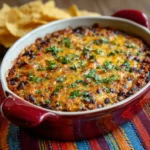
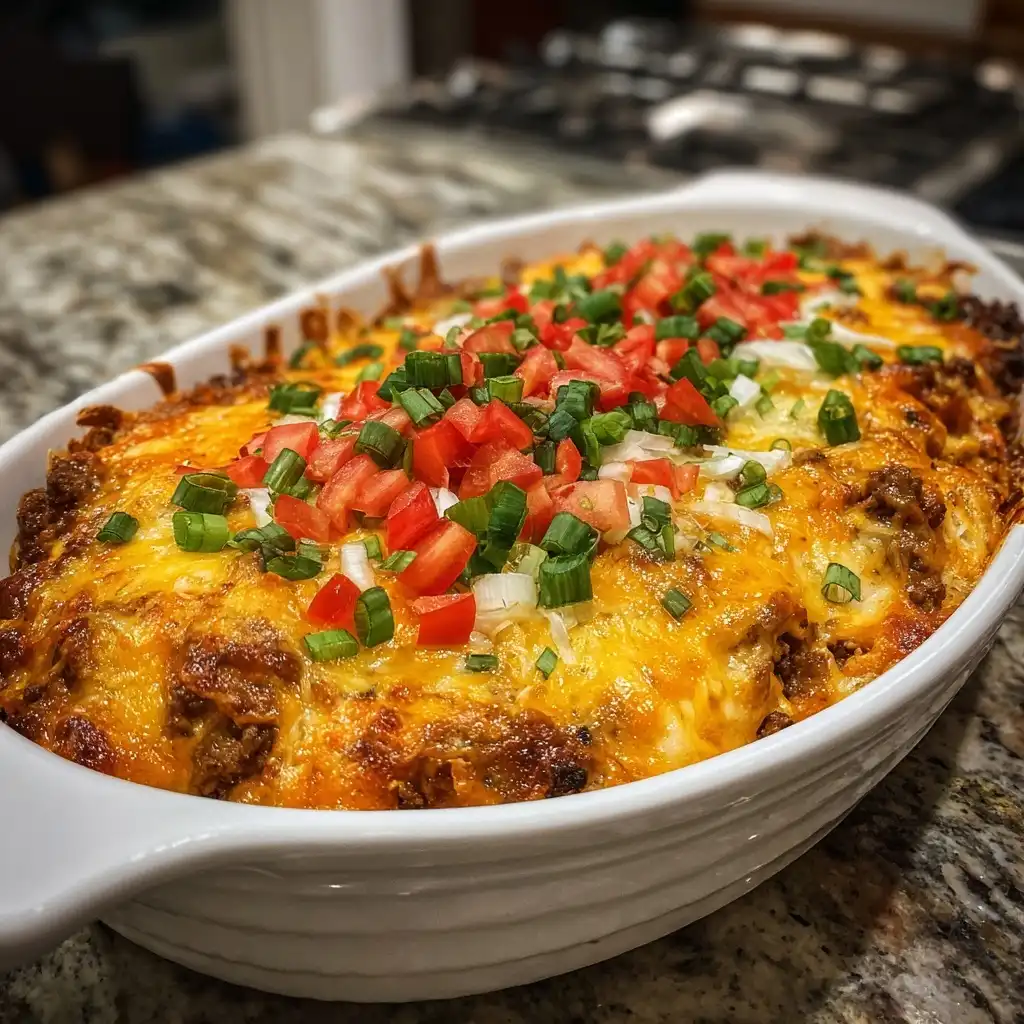
Welcome to the ultimate comfort food experience—Cheesy Taco Casserole! This beloved, family-friendly dish is a harmonious fusion of classic Tex-Mex flavors and hearty American casserole tradition. Imagine layers of seasoned ground beef, vibrant vegetables, warm tortillas or crispy corn chips, and an indulgent blanket of melted cheese—all baked to golden perfection in one easy-to-prepare, one-dish meal. Whether you’re feeding a crowd at game day, prepping freezer-friendly dinners for busy weeknights, or simply craving something rich, satisfying, and deeply flavorful, Cheesy Taco Casserole delivers every time. It’s more than just dinner—it’s nostalgia, convenience, and crowd-pleasing deliciousness baked into one irresistible pan.
The History
Cheesy Taco Casserole didn’t emerge from a single chef’s kitchen or a specific region—it’s a quintessential product of mid-20th-century American culinary evolution. Its roots trace back to the post-WWII era, when convenience foods like canned tomatoes, packaged taco seasoning, shredded cheese, and processed tortillas entered mainstream pantries. As families sought faster, fuss-free meals amid rising suburban lifestyles, home cooks began adapting traditional Mexican-inspired dishes—like tacos, enchiladas, and tostadas—into layered, oven-baked casseroles that minimized cleanup and maximized flavor. The term “taco casserole” first appeared in community cookbooks and newspaper recipe columns in the 1950s and ’60s, often under names like “Taco Pie,” “Mexican Layered Bake,” or “Southwest Casserole.” By the 1970s and ’80s, it became a staple at potlucks, church suppers, and PTA meetings across the U.S., evolving with each generation: some added sour cream or refried beans; others swapped ground turkey or black beans for vegetarian appeal; many embraced Fritos or Doritos as crunchy, salty bases. Today, Cheesy Taco Casserole stands as a proudly adaptable, culturally hybrid dish—a testament to American ingenuity, immigrant influence, and the universal love of cheese, spice, and simplicity.
Ingredients Breakdown
Understanding each ingredient’s role elevates your casserole from good to extraordinary. Let’s explore them in depth:
- Ground Beef (or Protein Alternative): Traditionally 1–1.5 lbs of 80/20 lean-to-fat ground beef provides richness and moisture. The fat renders during browning, carrying flavor throughout the dish. For lighter versions, 93% lean ground turkey or chicken works—but add 1 tbsp olive oil or a splash of broth to prevent dryness. Plant-based options like crumbled lentils, textured vegetable protein (TVP), or seasoned soy crumbles offer excellent texture and absorb spices beautifully.
- Taco Seasoning: A 1-oz packet (about 2 tbsp) delivers instant depth—but homemade seasoning gives full control over sodium, heat, and authenticity. A robust blend typically includes chili powder, ground cumin, smoked paprika, garlic powder, onion powder, oregano, crushed red pepper flakes, and a pinch of cocoa or chipotle for complexity.
- Aromatics & Vegetables: Onion (yellow or white) and garlic form the foundational flavor base. Bell peppers (green, red, or a mix) add sweetness and crunch. Optional additions include jalapeños (for heat), corn kernels (fresh, frozen, or roasted), black beans or pinto beans (rinsed and drained), and fire-roasted diced tomatoes for tangy brightness and moisture balance.
- Binders & Moisture Agents: Tomato sauce or crushed tomatoes provide acidity and body. Sour cream or plain Greek yogurt adds creaminess, tang, and tenderness—especially important if using leaner proteins. Some recipes include a beaten egg or two for structural integrity, while others rely on cheese melt and starch from tortillas or chips to hold layers together.
- Carbohydrate Base: This is where creativity shines. Traditional versions use soft flour or corn tortillas (cut into strips or layered whole), but modern twists favor crushed tortilla chips (Fritos, Tostitos Scoops, or even Doritos for bold flavor), stale cornbread cubes, or even cooked rice or quinoa for heartier texture and fiber. Each choice affects crispness, chew, and absorption.
- Cheese—The Crown Jewel: A multi-cheese blend ensures optimal melt, stretch, and flavor. Sharp cheddar brings tang and structure; Monterey Jack adds buttery creaminess; Pepper Jack introduces gentle heat; Oaxaca or Asadero lend authentic stringy melt; and a sprinkle of cotija or queso fresco on top adds salty, crumbly contrast. Avoid pre-shredded cheeses with anti-caking agents—they resist melting smoothly.
- Finishing Touches: Fresh cilantro, lime wedges, diced avocado or guacamole, pickled red onions, sliced radishes, and a drizzle of crema or chipotle aioli aren’t just garnishes—they’re essential flavor and textural counterpoints that cut through richness and brighten every bite.
Step-by-Step Recipe
Follow this meticulously tested, foolproof method for consistent, restaurant-quality results—every single time.
- Preheat & Prep: Position oven rack in the center and preheat to 375°F (190°C). Lightly grease a 9×13-inch baking dish (glass or ceramic preferred for even heating) with cooking spray or a thin layer of oil or softened butter.
- Brown the Protein: In a large skillet over medium-high heat, cook ground beef (or alternative) until no pink remains and edges begin to crisp, breaking it apart with a wooden spoon. Drain excess fat thoroughly—this prevents greasiness and helps seasonings adhere. Return to low heat.
- Sauté Aromatics: Add finely diced onion and minced garlic; cook 2–3 minutes until fragrant and translucent. Stir in chopped bell pepper and jalapeño (if using); cook another 3 minutes until softened but still vibrant.
- Season & Simmer: Sprinkle in taco seasoning (store-bought or homemade), stirring constantly for 1 minute to toast the spices. Pour in tomato sauce (½ cup) and optional fire-roasted tomatoes (¼ cup), along with ¼ cup water or broth. Bring to a gentle simmer and cook 5 minutes, stirring occasionally, allowing flavors to meld and sauce to thicken slightly. Remove from heat and stir in sour cream or Greek yogurt until fully incorporated. Let cool 5 minutes.
- Prepare the Base Layer: Spread half the crushed tortilla chips (about 3 cups) evenly across the bottom of the prepared baking dish. Press gently to create a compact, even layer. For tortilla-based versions, lightly toast whole tortillas in a dry skillet first, then layer overlapping like shingles.
- Add Filling & Beans: Spoon the warm meat mixture evenly over the chip layer. If using beans or corn, scatter them now—not before, to avoid excess moisture pooling. Distribute evenly without pressing down.
- Cheese Layering Technique: Sprinkle ¾ of your cheese blend (about 2 cups) over the filling—reserving ¼ for the top. Gently pat or press to encourage adhesion.
- Top Layer & Final Crust: Cover with remaining crushed chips (or tortilla strips). Drizzle very lightly with olive oil or melted butter (½ tsp) to promote golden browning. Scatter reserved cheese evenly across the top.
- Bake to Perfection: Place dish on a foil-lined or parchment-lined baking sheet (to catch any potential bubbling over). Bake uncovered for 22–25 minutes, rotating halfway through, until cheese is fully melted, bubbly at the edges, and lightly golden on top. For extra crispness, broil on low for 1–2 minutes—watch closely!
- Rest Before Serving: Remove from oven and let stand undisturbed for 10–15 minutes. This critical step allows the layers to set, prevents spillage, and lets residual heat finish cooking the center while enhancing flavor integration. Cutting too soon causes structural collapse and runny cheese.
Tips
- Drain, Drain, Drain: Never skip draining browned meat—or rinsing canned beans and corn. Excess liquid is the #1 cause of soggy, separated casseroles.
- Cool Fillings Slightly: Adding piping-hot meat mixture directly onto chips or tortillas can make them mushy. Let fillings cool 3–5 minutes before layering.
- Crush Chips Strategically: Use a rolling pin inside a zip-top bag for uniform, coarse crumbs—not dust. Too fine = paste; too chunky = uneven coverage.
- Layer Like a Pro: Think in terms of “moisture barriers”: chips/tortillas → thick filling → cheese → chips/tortillas → cheese. Cheese acts as both binder and sealant.
- Season Every Layer: Lightly salt the chip layer, pepper the cheese, and finish with flaky sea salt. Building seasoning in stages creates dimensional taste.
- Acid Is Your Ally: A tablespoon of lime juice stirred into the sour cream mixture—or a splash of apple cider vinegar in the tomato base—brightens heaviness and balances fat.
- Double Batch Smart: Make two casseroles at once—one for tonight, one unbaked and tightly wrapped for the freezer (up to 3 months). Thaw overnight in fridge before baking.
- Reheat Without Ruin: Leftovers reheat best covered with foil at 325°F for 20–25 minutes. Avoid microwaving unless in single portions—cover with damp paper towel and heat in 30-second bursts.
- Texture Contrast Matters: Serve with cool, crunchy elements—shredded iceberg lettuce, jicama sticks, or cucumber ribbons—to offset the casserole’s warmth and richness.
- Make-Ahead Magic: Assemble up to 1 day ahead (without baking), cover tightly, and refrigerate. Add 5–7 minutes to bake time if going straight from fridge to oven.
Variations and Customizations
This casserole is gloriously versatile—here are 12 inspired riffs to keep it exciting year after year:
- Breakfast Taco Casserole: Swap ground beef for crumbled cooked breakfast sausage or chorizo; replace tomato sauce with salsa verde; layer in scrambled eggs or a custard base (milk + eggs); top with sharp cheddar and crumbled bacon.
- Vegetarian Power Bowl: Use sautéed mushrooms, zucchini, sweet potato cubes, and black beans; boost umami with nutritional yeast and soy sauce; add spinach or kale at the last minute; top with vegan cheddar and pepitas.
- Green Chile Chicken: Shred rotisserie chicken; use roasted green chiles and tomatillo salsa instead of tomato sauce; add corn and cotija; finish with cilantro-lime crema.
- Tex-Mex Mac & Cheese Fusion: Stir in cooked elbow macaroni with the meat mixture; add a roux-thickened cheese sauce (cheddar + Gouda + a touch of mustard); bake with panko-cheddar crust.
- Dorito Lasagna Style: Alternate layers of crushed Cool Ranch Doritos, seasoned ground beef, ricotta–cilantro mixture, and three-cheese blend—bake until golden and bubbling.
- Low-Carb/Keto Version: Replace chips with crushed pork rinds or almond flour crackers; use cauliflower rice instead of beans; load up on cheese, avocado, and full-fat dairy; sweeten with erythritol-free taco seasoning.
- Smoky Chipotle Black Bean: Skip meat entirely; use black beans, chipotle in adobo (minced), smoked paprika, and liquid smoke; add roasted poblano strips and crumbled queso añejo.
- Breakfast-for-Dinner Brunch Casserole: Add hash browns as base layer; mix in diced ham and green onions; pour over cheese-and-egg custard; bake until puffed and set.
- Seafood Fiesta: Substitute cooked shrimp and white fish; use citrus-infused tomato broth and saffron; fold in diced mango and avocado after baking; garnish with microgreens.
- Global Twist – Korean Taco Casserole: Marinate ground beef in gochujang, ginger, garlic, and soy; swap cheddar for mozzarella–Gouda blend; top with kimchi slaw and sesame seeds.
- Breakfast Burrito Casserole: Layer scrambled eggs, potatoes, pepper jack, and breakfast sausage; use flour tortillas; drizzle with green chile gravy before baking.
- Mini-Muffin Tin Individual Servings: Grease a standard muffin tin; press a small tortilla chip “cup” into each well; fill with meat mixture and cheese; bake 12–15 minutes for fun, portion-controlled appetizers or kids’ meals.
Health Considerations and Nutritional Value
A standard 12-serving Cheesy Taco Casserole (made with 80/20 beef, full-fat cheese, sour cream, and regular tortilla chips) averages approximately 420–480 calories per serving, with 24–28g protein, 22–26g total fat (11–14g saturated), 32–38g carbohydrates, and 4–6g dietary fiber. Sodium ranges widely—from 580mg (low-sodium seasoning, no added salt) to over 1,100mg (standard packets + salty chips)—so label reading and customization are key. To enhance nutrition without sacrificing satisfaction:
- Boost Fiber & Micronutrients: Add 1 cup finely grated carrots or zucchini to the meat mixture; stir in ½ cup cooked quinoa or farro; double the beans and corn.
- Reduce Saturated Fat: Choose lean ground turkey or chicken breast; use part-skim ricotta or reduced-fat cheddar; substitute Greek yogurt for sour cream (same tang, higher protein, lower fat).
- Lower Sodium Smartly: Make your own taco seasoning (no MSG or hidden sodium); rinse all canned goods thoroughly; opt for low-sodium tomato products and unsalted chips or tortillas.
- Increase Omega-3s: Top servings with crushed walnuts or flaxseed; use grass-fed beef (naturally higher in omega-3s); add chia seeds to the sour cream mixture.
- Gluten-Free Friendly: Ensure taco seasoning and chips are certified GF; use certified GF corn tortillas or gluten-free crackers; verify cheese labels (some blue or aged cheeses contain trace gluten).
- Diabetic-Friendly Adjustments: Focus on high-fiber, low-glycemic carbs (black beans, lentils, cauliflower rice); monitor portion size (¾ cup per serving); pair with non-starchy veggie side (roasted broccoli or jicama slaw).
- Allergen Notes: Dairy-free? Use cashew-based “cheese” sauce and coconut yogurt. Nut-free? Skip nut-based toppings and verify chip ingredients. Egg-free? Omit binders—the cheese and starch will hold fine.
Remember: Nutrition is not about restriction—it’s about intelligent enhancement. Even small tweaks compound into meaningful health benefits over time, especially when this dish becomes a regular part of balanced, joyful eating.
Ingredients
- 1½ lbs (680g) 80/20 ground beef (or ground turkey/chicken for lighter version)
- 1 medium yellow onion, finely diced (about 1 cup)
- 3 cloves garlic, minced
- 1 large green bell pepper, finely diced
- 1 jalapeño, seeded and minced (optional, for heat)
- 2 tbsp olive oil or avocado oil
- 2 tbsp homemade taco seasoning (see note below) OR one 1-oz packet store-bought (low-sodium preferred)
- 1 (15 oz / 425g) can tomato sauce (no sugar added)
- 1 (14.5 oz / 411g) can fire-roasted diced tomatoes, drained
- ¼ cup water or low-sodium beef broth
- 1 cup full-fat sour cream or plain whole-milk Greek yogurt
- 1 (15 oz / 425g) can black beans, rinsed and drained
- 1 (15 oz / 425g) can whole-kernel corn, rinsed and drained (or 1 cup fresh/frozen)
- 6 cups crushed sturdy tortilla chips (Fritos Scoops, Tostitos Restaurant Style, or homemade corn tortilla chips)
- 3 cups shredded cheese blend (1½ cups sharp cheddar, 1 cup Monterey Jack, ½ cup Pepper Jack)
- ¼ cup fresh cilantro, chopped (for garnish)
- Lime wedges, avocado slices, and additional sour cream for serving
Homemade Taco Seasoning (makes ~¼ cup): 2 tbsp chili powder, 1½ tsp ground cumin, 1 tsp smoked paprika, 1 tsp garlic powder, 1 tsp onion powder, ½ tsp dried oregano, ½ tsp crushed red pepper flakes, ¼ tsp chipotle powder (optional), ¼ tsp black pepper, and ½ tsp fine sea salt.
Directions
- Preheat oven to 375°F (190°C). Lightly grease a 9×13-inch baking dish.
- In a large skillet over medium-high heat, add oil. Brown ground beef, breaking apart with a spoon, until no pink remains (~6–8 min). Drain thoroughly in a colander; return to skillet over low heat.
- Add onion, garlic, bell pepper, and jalapeño. Sauté 4–5 minutes until softened and fragrant.
- Stir in taco seasoning and cook 1 minute, stirring constantly. Add tomato sauce, fire-roasted tomatoes, and water/broth. Simmer uncovered 5 minutes, stirring occasionally. Remove from heat; stir in sour cream until smooth. Let cool 5 minutes.
- Stir in black beans and corn. Taste and adjust salt or spice as needed.
- Sprinkle 3 cups crushed chips evenly into prepared baking dish. Press gently.
- Pour meat-bean mixture over chips. Spread evenly with a spatula.
- Sprinkle 2¼ cups cheese evenly over filling.
- Top with remaining 3 cups crushed chips. Drizzle lightly with ½ tsp oil.
- Sprinkle remaining ¾ cup cheese over top.
- Bake uncovered for 22–25 minutes, until cheese is melted, bubbling, and golden at edges. For extra crispness, broil 1–2 minutes—watch closely.
- Let rest 15 minutes before slicing. Garnish generously with cilantro and serve with lime wedges, avocado, and extra sour cream.
FAQ
- Can I make this casserole ahead of time?
- Absolutely! Assemble completely (through step 10), cover tightly with plastic wrap and foil, and refrigerate up to 24 hours. When ready to bake, remove plastic wrap, loosely cover with foil, and bake at 375°F for 30 minutes. Remove foil and bake 10–15 more minutes until golden and bubbly. Add 5–7 minutes total if baking cold from fridge.
- Can I freeze Cheesy Taco Casserole?
- Yes—two ways! Unbaked: Assemble fully, wrap *extremely* tightly in plastic wrap + heavy-duty foil, label, and freeze up to 3 months. Thaw overnight in fridge before baking (add 10–15 min to bake time). Baked: Cool completely, slice, wrap individual portions in parchment + foil, and freeze up to 2 months. Reheat covered at 325°F for 25–30 min.
- What can I use instead of tortilla chips?
- Excellent alternatives include: torn or cut soft corn or flour tortillas (lightly toasted first), crushed cornbread squares, cooked brown rice or quinoa (for heartier texture), baked sweet potato rounds (layered like lasagna), or even crispy wonton wrappers for an Asian-Mexican twist.
- Why did my casserole turn out soggy?
- Sogginess almost always stems from excess moisture. Common culprits: skipping the drain step on meat/beans/corn, using un-drained tomatoes, adding cold sour cream to hot filling (causes separation), or over-layering wet ingredients. Always drain thoroughly—and consider blotting chips with paper towels if they seem oily.
- Can I make it vegetarian without losing texture?
- Yes! Replace meat with 2 cups cooked lentils + 1 cup crumbled tempeh or TVP, sautéed with onions and spices until browned. Add 1 tbsp tamari and 1 tsp liquid smoke for umami depth. Include roasted sweet potatoes, zucchini, and extra black beans. Toasted pepitas or sunflower seeds add crunch.
- Is this dish gluten-free?
- It can be—just verify every component: choose certified GF taco seasoning, GF-certified chips or corn tortillas, and check cheese labels (some processed cheeses contain wheat-derived enzymes). Avoid soy sauce-based marinades unless GF-labeled.
- How do I reheat leftovers without drying them out?
- Best method: Place portion in oven-safe dish, cover tightly with foil, add 1 tsp water or broth, and bake at 325°F for 20–25 minutes. For microwave: cover with damp paper towel, heat in 30-sec intervals, stirring filling gently between bursts. Always top with fresh avocado or lime juice after reheating.
- My cheese didn’t melt smoothly—what went wrong?
- Pre-shredded cheeses contain cellulose or potato starch to prevent clumping—these inhibit melting. Always shred your own cheese from a block. Also, avoid overheating: high oven temps or long broiling can cause oil separation. Let cheese rest 2–3 minutes after baking before serving—it continues melting off residual heat.
- Can I use ground chicken or turkey without it drying out?
- Yes—with precautions: Use dark-meat ground turkey/chicken (higher fat), add 1 tbsp olive oil or 2 tbsp broth while browning, and never overcook. Mix in 2 tbsp tomato paste while sautéing aromatics for added moisture and richness.
- What sides pair best with Cheesy Taco Casserole?
- Keep balance in mind: light, acidic, and crunchy complements work best. Try: lime-cilantro cabbage slaw, roasted Mexican street corn (elote), chilled jicama-apple-radish salad, black bean & mango salsa, or a simple arugula-lime vinaigrette salad. Avoid heavy sides like mashed potatoes or mac & cheese—they compete texturally.
Summary
Cheesy Taco Casserole is the ultimate expression of adaptable, soul-warming comfort food—blending Tex-Mex boldness with American casserole ease in a single, shareable, endlessly customizable dish that satisfies picky eaters, feeds crowds, and freezes beautifully.
From its mid-century origins in bustling American kitchens to today’s gourmet, health-conscious, and globally inspired iterations, this casserole endures because it’s not just a recipe—it’s a canvas for creativity, connection, and culinary joy baked to golden, cheesy perfection.