Introduction
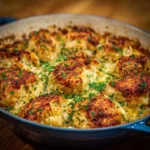
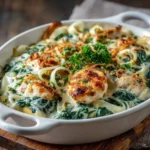
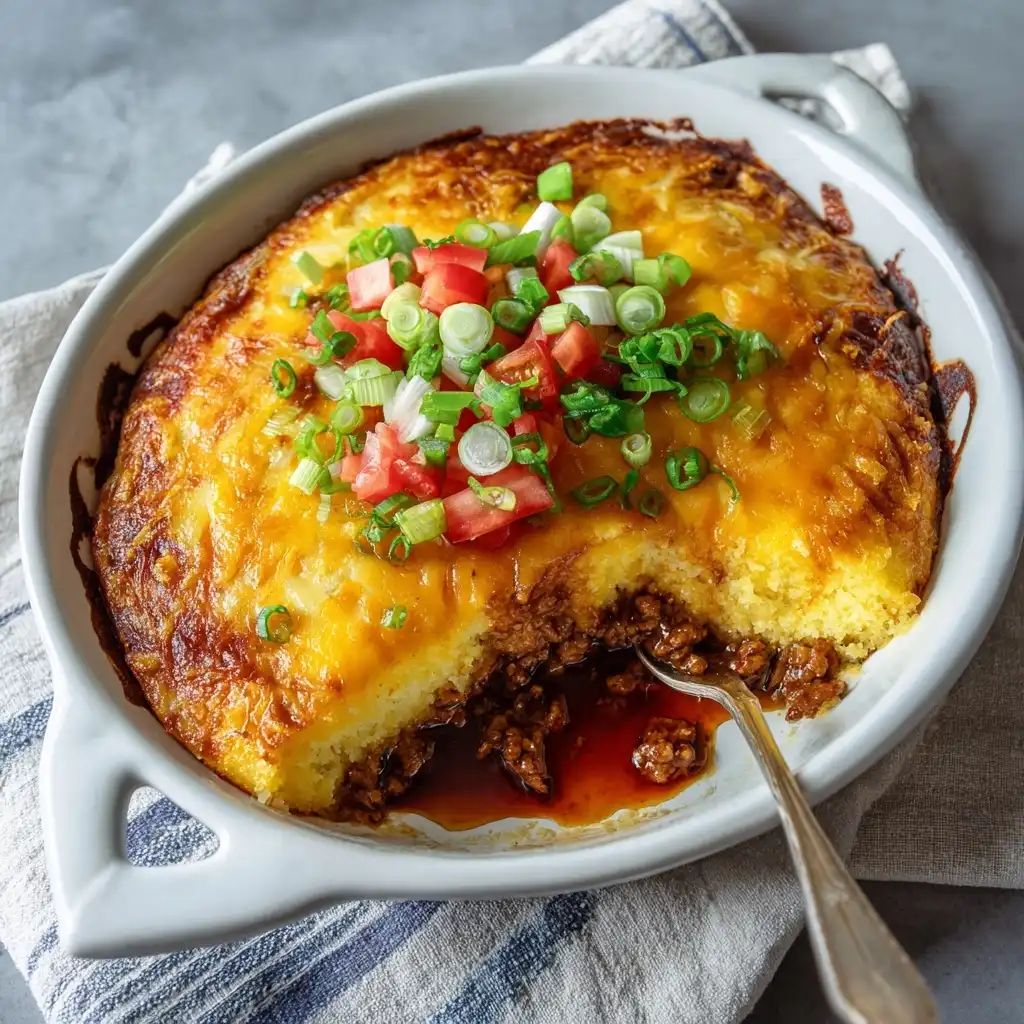
Cheesy Polenta Casserole is a soul-warming, deeply comforting dish that marries the creamy richness of slow-simmered polenta with the melty, savory depth of premium cheeses—often layered with roasted vegetables, caramelized onions, herbs, and sometimes even protein like sautéed mushrooms, spinach, or grilled chicken. Unlike traditional baked pastas or grain-based casseroles, this Italian-inspired creation stands out for its luxurious mouthfeel, subtle cornmeal nuttiness, and remarkable versatility. It’s equally at home as a hearty weeknight dinner, an elegant vegetarian centerpiece for holiday gatherings, or a make-ahead crowd-pleaser that reheats beautifully without losing its velvety integrity. Whether you’re seeking a gluten-free alternative to lasagna, a cozy cold-weather staple, or a canvas for seasonal produce, Cheesy Polenta Casserole delivers unmatched satisfaction with surprisingly humble origins and accessible techniques.
The History
Polenta’s roots stretch back over two millennia—to ancient Roman times—when it began as *puls*, a simple porridge made from spelt or farro. With the introduction of maize (corn) to Europe from the Americas in the 16th century, Italian peasants in northern regions like Lombardy, Veneto, and Piedmont gradually adopted yellow cornmeal as a more affordable, shelf-stable, and calorie-dense staple—replacing costly wheat and chestnut flours during periods of famine and economic hardship. By the 18th and 19th centuries, polenta had become synonymous with rural Italian sustenance: cooked slowly in copper kettles over open hearths, stirred tirelessly with long wooden spoons (*tarello*), then poured onto wooden boards to cool and set before being sliced and grilled, fried, or served soft. The “casserole” evolution is far more modern—emerging mid-20th century in American and Canadian home kitchens, where immigrant families adapted Old World techniques to new appliances (like electric ovens and nonstick bakeware) and pantry staples (such as pre-grated cheese, canned tomatoes, and jarred roasted red peppers). Cheesy Polenta Casserole, as we know it today, reflects a beautiful fusion: honoring polenta’s rustic heritage while embracing contemporary culinary flexibility—layering, baking, and enriching with dairy, herbs, and global flavors. Its rise in popularity parallels the broader resurgence of whole-grain, plant-forward comfort foods, championed by chefs like Mario Batali, Lidia Bastianich, and food writers such as Deborah Madison and Mark Bittman who spotlighted polenta’s potential beyond its peasant past.
Ingredients Breakdown
Every exceptional Cheesy Polenta Casserole begins with intentionality—not just in selection, but in understanding how each component functions chemically and sensorially:
- Stone-Ground Yellow Cornmeal: The irreplaceable foundation. Unlike instant or degerminated varieties, stone-ground retains the germ and bran, offering superior flavor, texture, and nutritional density. Its coarse grind creates gentle resistance when cooked, yielding a creamy-yet-toothy polenta that holds structure in the casserole without collapsing. Fine-grind works in a pinch—but expect silkier, more delicate layers that may require extra cheese or egg binding.
- Liquid Base (Water, Broth & Milk): A strategic triad. Water provides neutral hydration; low-sodium vegetable or chicken broth contributes umami depth and savory backbone; whole milk (or half-and-half) adds fat-soluble richness, improves emulsification, and enhances browning. Some recipes use all broth for intensity; others opt for 50% milk for decadence—never skip the dairy entirely unless substituting fortified plant milk with high fat content (e.g., cashew or oat).
- Aromatics (Onion, Garlic, Fresh Herbs): Sautéed until translucent and fragrant, they build foundational flavor. Yellow onions offer sweetness; shallots add finesse; garlic must be gently cooked—not browned—to avoid bitterness. Fresh rosemary, thyme, and sage infuse earthy complexity, while parsley or chives contribute brightness post-bake.
- Cheeses (The Holy Trinity & Beyond): A layered approach ensures both meltability and flavor dimension:
- Base Melt (Fontina, Gruyère, or Mild Provolone): High moisture, low acidity cheeses that liquefy evenly and create structural cohesion.
- Flavor Anchor (Sharp White Cheddar, Asiago, or Pecorino Romano): Adds salt, tang, and crystalline bite—grated fresh for optimal melting and distribution.
- Finishing Touch (Fresh Mozzarella di Bufala, Burrata, or Ricotta Salata): Added in dollops or crumbles just before baking for textural contrast, creaminess, or briny finish.
- Binders & Enrichers (Eggs, Ricotta, Greek Yogurt): Critical for custard-like stability—especially in deep-dish or layered versions. Eggs (usually 2–3 large) act as thermal binders, setting the casserole during baking. Whole-milk ricotta adds protein and subtle sweetness; full-fat Greek yogurt contributes acidity and tenderness. Vegan alternatives include silken tofu blended with nutritional yeast and lemon juice.
- Vegetables & Proteins: Roasted seasonal vegetables (zucchini, eggplant, bell peppers, cherry tomatoes, caramelized fennel) contribute sweetness, color, and moisture control. Sautéed wild mushrooms (cremini, oyster, shiitake) lend meaty umami; wilted spinach or Swiss chard add iron and vibrancy. For omnivores, shredded rotisserie chicken, crumbled Italian sausage (pre-cooked), or pancetta lend heartiness—always pre-cooked and well-drained to prevent sogginess.
- Seasonings & Umami Boosters: Beyond salt and black pepper: white miso paste (½ tsp), tomato paste (cooked until brick-red), nutritional yeast, dried porcini powder, or a splash of dry white wine deglazed into the aromatics—each deepens savoriness without overpowering the corn’s natural sweetness.
Step-by-Step Recipe
- Prep & Preheat: Position oven rack in center position. Preheat oven to 375°F (190°C). Lightly grease a 9×13-inch ceramic or glass baking dish (or 3-quart oval gratin dish) with olive oil or butter. Set aside. Bring a large pot of water to boil for parboiling greens or blanching veggies if using.
- Sauté Aromatics: In a large, heavy-bottomed Dutch oven or saucepan, heat 2 tbsp extra-virgin olive oil over medium-low heat. Add 1 finely diced yellow onion and 3 minced garlic cloves. Cook gently—stirring frequently—for 6–8 minutes until soft and golden but not browned. Stir in 1 tbsp tomato paste and cook 2 minutes more until fragrant and darkened slightly. Optional: add ¼ tsp red pepper flakes or 1 tsp fresh thyme leaves here.
- Toast Cornmeal (Optional but Recommended): Whisk 1 cup stone-ground yellow cornmeal into the warm aromatics. Toast 2–3 minutes, stirring constantly, until nutty aroma emerges and mixture turns pale gold. This step removes raw corn taste and enhances depth.
- Simmer Polenta Base: Gradually whisk in 4 cups hot liquid—ideally 2 cups low-sodium vegetable broth, 1 cup whole milk, and 1 cup filtered water—ensuring no lumps form. Bring to a gentle simmer. Reduce heat to low. Cook uncovered, stirring every 2–3 minutes with a long-handled wooden spoon, for 35–45 minutes. Polenta is ready when thick, glossy, and pulls away cleanly from the sides of the pan, leaving a thin film behind. If too stiff, whisk in warm milk, 1 tbsp at a time. If too loose, continue cooking 3–5 minutes longer. Remove from heat.
- Enrich & Temper: Off heat, stir in 4 oz (1 cup grated) Fontina cheese, ½ cup freshly grated sharp white cheddar, ¼ cup grated Parmigiano-Reggiano, and 4 tbsp unsalted butter, one piece at a time, until fully melted and emulsified. Season generously with kosher salt (start with 1½ tsp), freshly ground black pepper (½ tsp), and a pinch of freshly grated nutmeg. Let cool slightly (5 minutes) to avoid scrambling eggs later.
- Incorporate Binders & Mix-Ins: In a separate bowl, whisk 3 large eggs with 1 cup whole-milk ricotta and ½ cup plain full-fat Greek yogurt until smooth. Gently fold this mixture into the warm polenta. Then, fold in 2 cups of your chosen cooked vegetables/protein (e.g., roasted zucchini + caramelized onions + sautéed cremini mushrooms) and ½ cup chopped fresh parsley. Avoid overmixing—just combine until uniform.
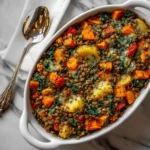
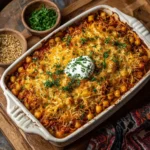
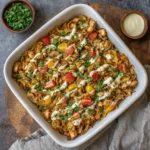
- Layer & Assemble: Pour mixture into prepared baking dish. Smooth top with an offset spatula. Scatter remaining ½ cup sharp cheddar and ¼ cup grated Pecorino Romano evenly across surface. Dot with 6–8 small mozzarella pearls or torn burrata pieces. For extra indulgence, drizzle with 1 tbsp truffle oil or herb-infused olive oil.
- Bake to Golden Perfection: Place dish on a parchment-lined baking sheet (to catch spills). Bake 45–55 minutes—until edges are deeply golden, center is puffed and set (a toothpick inserted 1 inch from edge should come out clean), and surface is delicately blistered. Rotate dish halfway through for even browning.
- Rest & Set: Remove from oven and let rest undisturbed for a full 20 minutes. This critical step allows residual heat to finish cooking the center and lets starches and proteins fully coagulate—ensuring clean, sliceable portions instead of a runny mess.
- Finish & Serve: Garnish with flaky sea salt (Maldon), extra chopped parsley or chives, microgreens, or a lemon-zest oil drizzle. Serve warm—not piping hot—with a side of arugula salad dressed in lemon vinaigrette or crusty sourdough for scooping.
Tips
- Stirring Discipline: Use a long-handled wooden spoon—and commit to stirring every 2–3 minutes during cooking. Skipping intervals leads to scorching on the bottom and uneven gelatinization of starches. Set a timer if needed.
- Temperature Control: Never rush polenta with high heat. A true low simmer (barely bubbling) yields creamier, more cohesive results than aggressive boiling, which can cause separation or graininess.
- Cheese Grating Rule: Always grate cheese yourself—pre-shredded contains anti-caking agents (like cellulose) that inhibit melting and create greasy pools instead of smooth integration.
- Moisture Management: Squeeze excess water from thawed frozen spinach, roasted peppers, or zucchini using a clean kitchen towel or cheesecloth. Wet ingredients = watery casserole.
- Make-Ahead Magic: Prepare polenta base and mix-ins up to 2 days ahead. Store separately in airtight containers in the fridge. Assemble cold and bake straight from refrigerator—add 10–15 minutes to total bake time.
- Freezer-Friendly Framework: Fully baked and cooled casserole slices freeze exceptionally well for up to 3 months. Wrap tightly in parchment + foil. Reheat covered in a 325°F oven for 45 minutes, then uncover for final 10 minutes to re-crisp top.
- Texture Troubleshooting: If polenta seems gummy after baking, it likely wasn’t cooked long enough initially—or was under-seasoned. Salt enhances starch structure. If too dry, next time add 2 tbsp cream or mascarpone before baking.
- Nonstick Hack: For effortless release, line your baking dish with parchment paper—overhanging the long sides—before greasing. Lift out entire casserole block for clean slicing.
- Broiler Finish (Optional): For extra browning and blistering, switch oven to broil for last 2–3 minutes—watch closely! Ideal for achieving that coveted golden crust.
- Leftover Reinvention: Cold slices pan-fry in olive oil until crisp-edged—then top with poached egg and salsa verde for next-day brunch.
Variations and Customizations
Cheesy Polenta Casserole is inherently adaptable—ideal for dietary needs, seasonal abundance, cultural inspiration, or pantry improvisation:
- Gluten-Free Verified: Naturally GF—just verify broth, cheese, and any add-ins (e.g., soy sauce or Worcestershire) are certified gluten-free. Add 1 tsp xanthan gum to polenta base if using GF-certified cornmeal for improved binding.
- Vegan Version: Replace dairy with 1 cup raw cashew cream (soaked + blended), ½ cup coconut milk, and ¼ cup nutritional yeast. Use vegan “cheese” shreds with tapioca starch for meltability (e.g., Miyoko’s or Violife). Swap eggs for 3 tbsp ground flaxseed + 9 tbsp water (let sit 5 min). Roast veggies with tamari and smoked paprika for umami depth.
- Mediterranean Twist: Fold in kalamata olives, sun-dried tomatoes (oil-packed, chopped), crumbled feta, artichoke hearts, and fresh oregano. Top with lemon zest and dill.
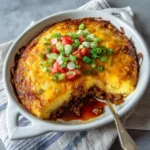
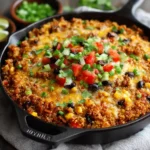
- Smoky Southwest Style: Add 1 tsp chipotle powder + ½ tsp cumin to polenta base. Mix in black beans (rinsed), roasted corn, pickled red onions, jalapeños, and pepper jack cheese. Garnish with avocado crema and cilantro.
- Truffle & Mushroom Luxe: Sauté mixed wild mushrooms in butter + thyme until deeply caramelized. Deglaze with ¼ cup dry sherry. Stir in 1 tbsp white truffle oil at the end. Top with shaved black truffle (optional) before serving.
- Breakfast Polenta Bake: Omit savory cheeses; use mild provolone + Monterey Jack. Fold in scrambled eggs, crumbled cooked bacon or turkey sausage, chives, and diced potatoes. Top with maple-glazed pecans.
- Kid-Friendly Crowd-Pleaser: Skip strong cheeses and herbs. Add pureed butternut squash to polenta base for sweetness and orange hue. Mix in mild cheddar, diced apple, and cinnamon. Top with granola crumble.
- Low-Carb/Keto Adaptation: Replace half the cornmeal with almond flour or psyllium husk (1:1 ratio by weight) to reduce net carbs. Increase cheese and egg ratio for structure. Use heavy cream instead of milk. Net carb count drops to ~8g per serving.
- Instant Pot Shortcut: Combine liquids, cornmeal, salt, and aromatics in Instant Pot. Seal lid, set to Manual/High Pressure for 8 minutes. Natural release 10 minutes. Stir in cheese, butter, and binders. Transfer to dish and bake as directed (reduces stovetop time by 30+ minutes).
- Individual Ramekin Version: Portion into six 6-oz oven-safe ramekins. Reduce bake time to 30–35 minutes. Perfect for dinner parties or portion-controlled meals.
Health Considerations and Nutritional Value
A single 1-cup serving (approx. 280g) of a balanced Cheesy Polenta Casserole—made with whole-milk ricotta, moderate cheese, roasted vegetables, and stone-ground cornmeal—offers a nutritionally synergistic profile:
- Macronutrient Balance: ~380–420 kcal, 18–22g protein (from dairy, eggs, and optional legumes/meat), 20–24g complex carbohydrates (primarily resistant starch from properly cooked polenta), and 22–26g total fat (mostly unsaturated from olive oil and dairy fats). The combination promotes satiety and steady blood sugar response—especially when paired with fiber-rich veggies.
- Fiber & Digestive Health: Stone-ground cornmeal provides ~3–4g dietary fiber per serving—more than refined grains—and contains arabinoxylans, prebiotic fibers shown to support beneficial gut microbiota. Adding spinach, kale, or beans pushes fiber to 6–8g/serving.
- Vitamins & Minerals: Rich in B vitamins (especially niacin/B3 and folate/B9) crucial for energy metabolism and neural health; magnesium and phosphorus for bone integrity; zinc and selenium for immune function; and bioavailable calcium (especially when using aged cheeses like Parmigiano-Reggiano).
- Antioxidant Powerhouse: Roasted vegetables contribute lycopene (tomatoes), beta-carotene (sweet peppers, squash), quercetin (onions), and polyphenols (garlic, herbs)—all linked to reduced inflammation and cellular protection.
- Dietary Flexibility Notes:
- Lower-Sodium Option: Use no-salt-added broth, omit added salt in polenta, rely on herbs, citrus zest, and umami boosters (miso, tomato paste) for flavor. Saves ~400mg sodium per serving.
- Lactose Sensitivity: Aged cheeses (Parmigiano, Pecorino, Gruyère) contain minimal lactose (<0.1g/serving). Lactase enzyme supplements taken before eating further improve tolerance.
- Heart-Healthy Swaps: Substitute half the butter with avocado oil; use part-skim ricotta and reduced-fat mozzarella; increase leafy greens to 1.5 cups per batch to boost potassium and nitrates for vascular support.
- Mindful Indulgence Guidelines: While rich, this dish aligns with Mediterranean and DASH diet principles when portioned intentionally (1 cup max), paired with a large green salad, and enjoyed 2–3x weekly—not nightly. Its absence of refined flour, added sugars, and ultra-processed ingredients makes it a nutrient-dense choice among comfort foods.
Ingredients
- 2 tablespoons extra-virgin olive oil
- 1 medium yellow onion, finely diced
- 3 garlic cloves, minced
- 1 tablespoon tomato paste
- 1 cup stone-ground yellow cornmeal (not instant or fine-grind)
- 2 cups low-sodium vegetable or chicken broth
- 1 cup whole milk
- 1 cup filtered water
- 4 ounces Fontina cheese, grated (about 1 cup)
- ½ cup sharp white cheddar, freshly grated
- ¼ cup Parmigiano-Reggiano, freshly grated
- 4 tablespoons unsalted butter, cubed
- 1½ teaspoons kosher salt (plus more to taste)
- ½ teaspoon freshly ground black pepper
- Pinch of freshly grated nutmeg
- 3 large eggs
- 1 cup whole-milk ricotta
- ½ cup plain full-fat Greek yogurt
- 2 cups cooked & well-drained mix-ins (e.g., roasted zucchini, caramelized onions, sautéed cremini mushrooms)
- ½ cup chopped fresh flat-leaf parsley
- ¼ cup additional grated Pecorino Romano (for topping)
- 6–8 fresh mozzarella pearls or torn burrata (for topping)
- Flaky sea salt and extra parsley for garnish
Directions
- Preheat oven to 375°F (190°C). Lightly grease a 9×13-inch baking dish.
- In a large Dutch oven, heat olive oil over medium-low heat. Add onion and garlic; cook 6–8 minutes until soft and golden.
- Stir in tomato paste; cook 2 minutes until deepened in color.
- Add cornmeal; toast 2–3 minutes, stirring constantly.
- Gradually whisk in hot broth, milk, and water. Bring to a gentle simmer.
- Reduce heat to low. Cook uncovered, stirring every 2–3 minutes, for 35–45 minutes until thick, glossy, and pulling away from pan sides.
- Remove from heat. Stir in Fontina, cheddar, Parmigiano, butter, salt, pepper, and nutmeg until smooth.
- Let cool 5 minutes. Whisk eggs, ricotta, and yogurt in separate bowl; fold into warm polenta.
- Gently fold in cooked vegetables and parsley.
- Pour into prepared dish. Smooth top. Sprinkle with Pecorino and dot with mozzarella/burrata.
- Bake 45–55 minutes until golden, puffed, and set at center.
- Rest 20 minutes before slicing. Garnish and serve.
FAQ
- Can I use instant polenta?
- Technically yes—but it lacks the nuanced flavor, texture, and nutritional benefits of stone-ground. Instant polenta often contains additives and cooks in under 5 minutes, resulting in a gluey, one-dimensional base that doesn’t hold up well in layered casseroles. If using, reduce liquid by 25% and add 1 extra egg + 2 tbsp cheese for binding.
- Why did my casserole turn out watery?
- Most commonly due to undercooked polenta (starch didn’t fully gelatinize), excess moisture from un-drained vegetables, or using low-fat dairy that separates when baked. Always squeeze roasted veggies, cook polenta until it forms a film on the pan, and stick to full-fat dairy for emulsion stability.
- Can I prepare this entirely ahead of time?
- Absolutely. Assemble unbaked casserole up to 24 hours ahead; cover tightly and refrigerate. Bake straight from cold—add 10–15 minutes to bake time and tent loosely with foil first 30 minutes to prevent over-browning.
- What’s the best cheese substitute for someone with a dairy allergy?
- For true dairy-free melt, try a blend of soaked cashews + white miso + lemon juice + tapioca starch, blended until ultra-smooth and heated gently to thicken. Nutritional yeast adds cheesy depth. Avoid most store-bought vegan shreds—they often burn or fail to bind.
- Is polenta gluten-free?
- Yes—100% cornmeal is naturally gluten-free. However, cross-contamination is common in facilities processing wheat. For celiac safety, choose brands certified gluten-free (e.g., Bob’s Red Mill, Arrowhead Mills).
- Can I cook this on the stovetop only—no oven?
- You can make stovetop “polenta pie”: pour enriched polenta into a well-greased skillet, top with cheese, and cook covered over low heat 15–20 minutes until set. Flip carefully and brown second side. Less layered, but deliciously rustic.
- How do I reheat leftovers without drying them out?
- Place slices in an oven-safe dish, cover with foil, add 1 tsp broth or milk per slice, and warm at 325°F for 20 minutes. Alternatively, steam in a bamboo basket over simmering water for 10–12 minutes—preserves moisture best.
- Can I double this recipe?
- Yes—but use two 9×13 dishes or one 12×17-inch roasting pan. Do not double in a single deeper dish—the center won’t cook evenly. Adjust bake time by +5–8 minutes and check with a thermometer (center should reach 165°F).
- What wine pairs beautifully with this dish?
- A medium-bodied Italian red like Barbera d’Alba or Valpolicella Ripasso complements the richness and acidity. For white lovers, try a barrel-aged Pinot Grigio from Friuli or an off-dry Riesling to balance the cheese’s saltiness.
- My polenta seized up when I added cheese—what went wrong?
- Adding cold cheese to hot polenta causes rapid fat separation. Always let polenta cool slightly (to ~160°F), grate cheese finely, and add in stages—stirring vigorously until each addition melts before adding more. A splash of warm milk helps rescue seized batches.
Summary
Cheesy Polenta Casserole is a masterclass in humble luxury—transforming ancient cornmeal into a velvety, layered, oven-baked triumph that honors tradition while inviting endless creativity. With its gluten-free foundation, customizable nutrition profile, make-ahead ease, and soul-soothing depth, it’s far more than comfort food—it’s culinary resilience, reimagined.
Whether you’re feeding a family on a Tuesday, impressing guests on Sunday, or nourishing yourself after a long day, this casserole delivers profound satisfaction with grace, versatility, and timeless flavor—proving that the simplest grains, treated with patience and care, can become extraordinary.