Introduction
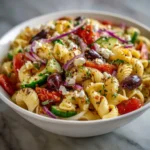
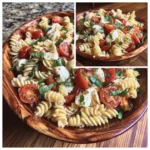
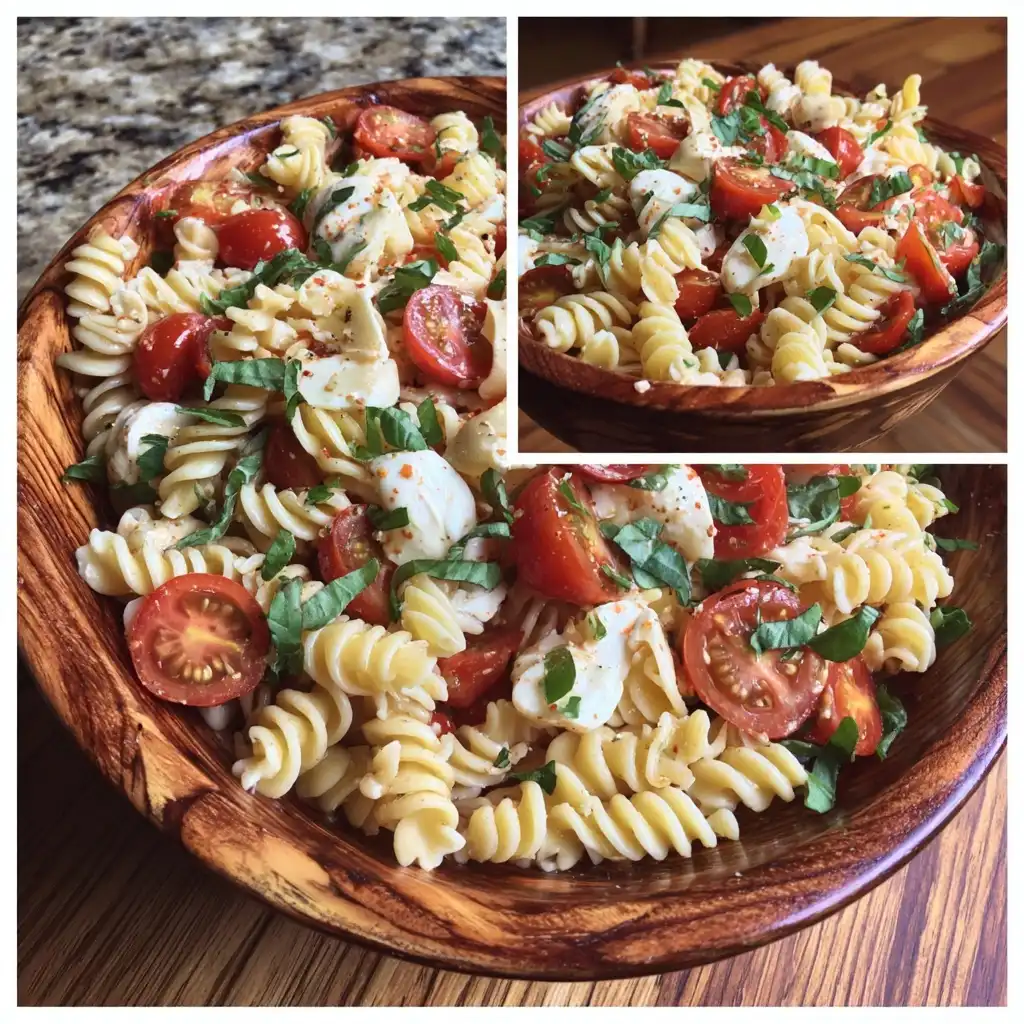
Caprese Pasta Salad is a vibrant, refreshing, and effortlessly elegant dish that marries the timeless flavors of Italy’s iconic Caprese salad—ripe tomatoes, fresh mozzarella, and fragrant basil—with the satisfying heartiness of pasta. Born from the desire to transform a classic appetizer into a versatile, make-ahead meal, this salad bridges the gap between light summer fare and substantial side or main course. Whether served poolside at a backyard barbecue, packed for a picnic, or presented as a centerpiece at an Italian-themed dinner party, Caprese Pasta Salad delivers bold color, balanced acidity, creamy richness, and herbaceous brightness in every forkful. Its simplicity belies its sophistication: no heavy sauces, no complicated techniques—just peak-season ingredients thoughtfully combined with intention and care.
The History
The origins of Caprese Pasta Salad are rooted not in ancient tradition but in modern culinary evolution. The original Caprese salad (insalata caprese) hails from the island of Capri in the Campania region of southern Italy, where it emerged in the early-to-mid 20th century—some sources cite the 1920s—as a patriotic tribute to the colors of the Italian flag: red (tomatoes), white (mozzarella di bufala), and green (basil). It was traditionally served as a simple, room-temperature antipasto, dressed minimally with extra virgin olive oil, sea salt, and sometimes a splash of aged balsamic vinegar.
As Italian-American cuisine evolved—and home cooks sought adaptable, crowd-pleasing dishes—the concept began to expand. In the 1980s and 1990s, food magazines and television chefs popularized “pasta salad” as a staple of potlucks and summer gatherings. Chefs and home cooks alike started reimagining classic salads by incorporating cooked pasta as a neutral, textural canvas. The Caprese variation gained traction thanks to its visual appeal, ease of preparation, and built-in flavor harmony. Unlike mayonnaise-based pasta salads, Caprese Pasta Salad honored the integrity of its namesake—preserving freshness, acidity, and quality ingredients—while offering greater satiety and portability. Today, it stands as a beloved fusion dish: authentically Italian in spirit, pragmatically American in execution, and universally adored for its seasonal versatility and rustic-chic charm.
Ingredients Breakdown
Every exceptional Caprese Pasta Salad begins with mindful ingredient selection. Each component plays a distinct role—not just in flavor, but in texture, aroma, temperature contrast, and visual impact:
- Pasta: Short, sturdy shapes with ridges or hollow centers—such as fusilli, rotini, orecchiette, campanelle, or even gemelli—hold dressings and capture tiny bursts of tomato and cheese. Whole wheat, chickpea, or lentil pasta add fiber and protein while maintaining structural integrity. Avoid overcooked or overly delicate pastas like angel hair or fresh tagliatelle, which turn mushy when chilled and tossed.
- Fresh Mozzarella: Opt for high-quality, water-packed fresh mozzarella (fior di latte) or, for elevated luxury, mozzarella di bufala. Small ciliegine (cherry-sized) or bocconcini (bite-sized) pearls offer uniform distribution and minimal prep. Avoid low-moisture, shredded, or “pizza-style” mozzarella—they lack creaminess, melt unpredictably, and introduce unwanted gumminess or salt overload.
- Tomatoes: Heirloom varieties (Brandywine, Cherokee Purple, Green Zebra) provide nuanced sweetness and acidity; vine-ripened Roma or beefsteak tomatoes deliver meaty texture and deep red color. Cherry or grape tomatoes offer convenience, consistent size, and concentrated flavor—especially when halved or quartered. Always use tomatoes at peak ripeness: firm-yet-yielding, deeply aromatic, and cool to the touch—not refrigerated (cold dulls flavor and causes graininess).
- Fresh Basil: Genovese basil is non-negotiable—its sweet, peppery, anise-tinged aroma is irreplaceable. Avoid Thai or purple basil unless intentionally pursuing a variation. Leaves should be large, unblemished, and vibrant green. Tear—not chop—to prevent bruising and oxidation, which leads to blackening and bitterness.
- Extra Virgin Olive Oil: A true cornerstone. Use a robust, fruit-forward, cold-pressed EVOO with notes of green olive, artichoke, or grass. It carries flavor, emulsifies the dressing, coats each pasta coil, and prevents sticking. Never substitute with “light” olive oil, vegetable oil, or blended oils—they lack polyphenols and complexity.
- Balsamic Vinegar: While traditional Caprese uses only olive oil and salt, most modern Caprese Pasta Salads incorporate balsamic for depth and balance. Opt for authentic Aceto Balsamico Tradizionale di Modena (aged ≥12 years) for luxurious intensity—or a high-quality, aged (invecchiato) commercial balsamic glaze (reduced, syrupy, with natural sweetness and tang). Avoid cheap, corn-syrup-laden “balsamic dressings.”
- Garlic: Raw, finely minced or microplaned garlic adds aromatic pungency without overpowering. For gentler heat, lightly crush and infuse in warm olive oil before cooling and emulsifying. Roasted garlic offers mellow, caramelized nuance in cooler-weather variations.
- Red Onion or Shallots: Thinly sliced red onion contributes sharpness and vivid magenta streaks; quick-pickle it in lemon juice or vinegar to temper bite and enhance brightness. Shallots offer subtler allium depth and a silken texture when finely diced.
- Salt & Freshly Cracked Black Pepper: Use flaky sea salt (like Maldon or fleur de sel) for finishing—it dissolves slowly, delivering bursts of salinity and delicate crunch. Coarsely ground Tellicherry or Lampong black pepper adds floral, citrusy warmth that complements basil and tomato.
- Optional Enhancements: Toasted pine nuts or slivered almonds for nutty crunch; Kalamata or Castelvetrano olives for briny contrast; roasted red peppers for smoky sweetness; lemon zest for aromatic lift; microgreens or edible flowers for haute presentation.
Step-by-Step Recipe
- Cook the Pasta Al Dente: Bring a large pot of well-salted water (2 tbsp kosher salt per gallon) to a vigorous rolling boil. Add pasta and stir immediately to prevent clumping. Cook 1–2 minutes *less* than package instructions for al dente—pasta will continue to absorb liquid and soften as it chills and marinates. Reserve ½ cup starchy pasta water before draining.
- Shock & Cool Thoroughly: Immediately drain pasta into a fine-mesh colander, then rinse under cold running water for 60–90 seconds until completely cool. Shake vigorously to remove excess moisture—wet pasta dilutes dressing and encourages sogginess. Spread in a single layer on clean kitchen towels or parchment-lined baking sheets; let air-dry 10–15 minutes, gently tossing halfway. This critical step ensures each noodle remains distinct and receptive to coating.
- Prepare the Aromatics: Finely mince 2–3 garlic cloves. Thinly slice ½ small red onion or 2–3 shallots. If pickling, combine slices with 2 tbsp fresh lemon juice, 1 tsp honey, and pinch of salt; let sit 10 minutes. Pat dry before adding.
- Assemble the Base: In a large, wide mixing bowl (preferably non-reactive stainless steel or glass), whisk together ⅓ cup high-quality extra virgin olive oil, 2 tbsp aged balsamic glaze or reduction, 1 tsp fresh lemon juice (optional, for extra brightness), minced garlic, and a generous pinch of freshly cracked black pepper. Whisk until emulsified—smooth, slightly thickened, and glossy.
- Add Pasta & Toss Gently: Add cooled, dried pasta to the dressing. Using two large silicone spatulas or clean hands, fold and lift—not stir—to evenly coat every strand without breaking. Let rest 5 minutes to allow absorption.
- Incorporate Fresh Components: Gently fold in halved cherry tomatoes (or 1½ cups diced ripe tomatoes, seeds and excess juice gently squeezed out), 1½ cups fresh mozzarella pearls (drained well), torn basil leaves (reserve a few whole leaves for garnish), pickled red onion, and any optional add-ins (e.g., ¼ cup toasted pine nuts). Fold just until distributed—overmixing bruises basil and smashes tomatoes.
- Season & Rest: Taste and adjust: add flaky sea salt (start with ½ tsp), more balsamic (½ tsp at a time), lemon juice (for acidity), or olive oil (for richness). Cover tightly with plastic wrap or airtight lid and refrigerate for *minimum* 30 minutes—but ideally 1.5 to 3 hours. This chill time allows flavors to marry, starches to settle, and textures to harmonize. Do not exceed 24 hours—tomatoes will weep and basil will darken.
- Final Refresh & Serve: Remove from fridge 15 minutes before serving. Give one final gentle fold. Taste again—season with additional salt, pepper, or a drizzle of fresh olive oil if needed. Garnish generously with whole basil leaves, extra mozzarella pearls, a crack of black pepper, and a final flourish of flaky salt. Optional: drizzle with extra balsamic glaze in a zigzag pattern for visual drama.
Tips
- Temperature Matters: Serve chilled—but not ice-cold. Over-chilling numbs flavors and firms up mozzarella into rubbery beads. Let salad sit at room temperature for 10–15 minutes before serving for optimal taste and texture.
- Tomato Prep Is Key: For diced tomatoes, scoop out seeds and gel with a spoon before dicing—this prevents watery dressing and soggy pasta. Pat dry with paper towels. If using heirlooms, choose firmer, less juicy varieties (e.g., Mortgage Lifter over Cherokee Purple) for better structure.
- Dressing First, Then Delicates: Always dress pasta *before* adding tomatoes and mozzarella. This prevents the acid in tomatoes from “cooking” the cheese and turning it chalky, and keeps basil from wilting prematurely.
- Starchy Water Magic: If salad seems dry after chilling, loosen with 1–2 tsp reserved starchy pasta water—not plain water. Its starch content helps re-emulsify the dressing and cling to pasta.
- Layering for Meal Prep: When prepping ahead, store components separately: cooled pasta (dressed lightly with 1 tbsp olive oil), tomatoes, mozzarella, and basil in separate airtight containers. Assemble no more than 2 hours before serving for maximum freshness.
- Acid Balance: Balsamic provides sweetness and depth, but too much overwhelms. If your tomatoes are especially sweet, lean on lemon juice instead. If they’re tart, a touch more balsamic rounds them beautifully.
- Garlic Timing: Raw garlic mellows significantly after 30+ minutes in olive oil. For immediate serving, mince finely. For make-ahead, infuse whole peeled cloves in warm oil for 5 minutes, cool completely, then strain—adds aroma without harsh bite.
- Basil Preservation: To keep basil vibrant, tear leaves *only* after chilling pasta and just before final assembly. Store whole sprigs stem-down in a glass of water (like cut flowers) covered loosely with a plastic bag in the fridge—lasts up to 1 week.
- Salad Bowl Choice: Use a wide, shallow bowl—not a deep pot. Maximizes surface area for even chilling, prevents steam buildup, and makes tossing effortless without crushing ingredients.
- Taste, Then Retaste: Season in stages: once after dressing pasta, again after adding tomatoes/mozzarella, and finally before serving. Flavors evolve as ingredients release moisture and meld.
Variations and Customizations
Caprese Pasta Salad is inherently adaptable—ideal for dietary preferences, seasonal shifts, pantry limitations, or creative expression. Here are thoughtfully curated variations, each preserving the spirit of Caprese while expanding its boundaries:
- Protein-Powered Caprese: Add grilled chicken breast (sliced thin), pan-seared shrimp, flaked grilled salmon, or marinated white beans (cannellini or Great Northern) for a complete, protein-rich main dish. Toss proteins in a bit of the dressing first to ensure flavor integration.
- Vegan Caprese-Style: Swap mozzarella for creamy, house-made cashew mozzarella (blended with lemon juice, nutritional yeast, and agar), marinated tofu cubes, or tender young coconut “pearls.” Use sun-dried tomato paste thinned with olive oil for umami depth, and double the basil. Ensure balsamic is vegan-certified (no animal-derived clarifiers).
- Grain-Based “Pasta” Version: Replace traditional pasta with cooked farro, freekeh, quinoa, or tri-color Israeli couscous for added chew, nuttiness, and whole-grain nutrition. Adjust chilling time—grains absorb dressing differently and may need only 30–60 minutes.
- Roasted Vegetable Caprese: Elevate depth with roasted cherry tomatoes (tossed in olive oil, salt, and thyme, roasted at 425°F for 15–20 minutes until blistered), caramelized shallots, or charred zucchini ribbons. Roasting concentrates sweetness and adds smoky complexity without sacrificing freshness.
- Herb-Forward Garden Variation: Amplify green notes with equal parts torn basil, mint, and flat-leaf parsley. Add lemon zest, cucumber ribbons, and fava beans for springtime brightness. Omit balsamic; use lemon vinaigrette instead.
- Winter Caprese (Off-Season Adaptation): Substitute roasted golden beets (for sweetness and color), persimmons (Fuyu, diced), and burrata (for ultra-creamy contrast). Use toasted walnuts and a pomegranate molasses–infused dressing for festive richness.
- Spicy Arrabbiata-Infused: Stir in 1–2 tsp Calabrian chili paste or crushed red pepper flakes with the dressing. Top with fresh oregano and a grating of pecorino romano for salty, herbal heat.
- Breakfast Caprese Pasta: Serve warm (not chilled) with soft-scrambled eggs folded in, crumbled feta, avocado slices, and everything bagel seasoning. A brunch revelation.
- Deconstructed Caprese Pasta Jar: Layer ingredients in mason jars for portable lunches: dressing on bottom, then pasta, tomatoes, mozzarella, basil, and seasonings on top. Shake to combine at lunchtime—no mess, no spoilage.
- Caprese Pasta Soup (Insalata in Brodo): Transform leftovers by warming gently in rich vegetable or chicken broth with a splash of cream. Finish with extra basil and a swirl of pesto—a comforting, brothy take on the classic.
Health Considerations and Nutritional Value
Caprese Pasta Salad can be a nutrient-dense, balanced dish when prepared mindfully—offering complex carbohydrates, high-quality protein, heart-healthy fats, antioxidants, and phytonutrients. Below is a detailed nutritional profile and wellness-focused guidance based on a standard 1¾-cup serving (using 8 oz cooked whole wheat fusilli, 1 cup cherry tomatoes, 1 cup mozzarella pearls, ¼ cup fresh basil, 3 tbsp EVOO, 1 tbsp balsamic glaze, and seasonings):
- Calories: ~480–520 kcal — moderate energy density ideal for active individuals or as a satisfying side (250–300 kcal) or light main (450–550 kcal).
- Macronutrients:
- Carbohydrates: 52–58g (primarily complex from whole grain pasta + natural sugars from tomatoes/balsamic; fiber ~7–9g)
- Protein: 22–26g (complete protein from dairy; enhanced with legume pasta or added beans/chicken)
- Fat: 24–28g (predominantly monounsaturated from EVOO + saturated from mozzarella; zero trans fat)
- Vitamins & Minerals: Exceptionally rich in lycopene (bioavailable when paired with fat—enhanced by olive oil), vitamin C (tomatoes, basil), vitamin K (basil, tomatoes), calcium (mozzarella), and potassium (tomatoes, basil). Also provides B vitamins (pasta), magnesium (EVOO, basil), and zinc (mozzarella).
- Antioxidants & Phytochemicals: Lycopene (anti-inflammatory, supports cardiovascular and prostate health), beta-carotene (immune support), apigenin (basil—neuroprotective), oleocanthal (EVOO—natural COX inhibitor, similar to ibuprofen), and anthocyanins (in purple tomatoes or red onions).
- Dietary Considerations:
- Gluten-Free: Easily achieved with certified GF pasta (brown rice, quinoa, or corn-based). Verify mozzarella is GF (most are, but check for anti-caking starches).
- Lactose Sensitivity: Fresh mozzarella contains minimal lactose (<1g per 1-oz serving); many tolerate it well. For strict avoidance, use lactose-free mozzarella or vegan alternatives.
- Low-Sodium: Naturally moderate in sodium (~380mg/serving), but easily reduced by omitting added salt, using low-sodium mozzarella, and skipping pre-salted olives/onions. Rely on herbs, citrus, and balsamic for flavor.
- Keto/Low-Carb: Not inherently keto-friendly due to pasta, but can be adapted with spiralized zucchini (“zoodles”), shirataki noodles, or hearts of palm noodles—reduce carbs to ~8–12g per serving.
- Diabetic-Friendly: Low glycemic impact when made with whole grain or legume pasta; fiber and fat slow glucose absorption. Pair with lean protein for optimal blood sugar stability.
- Portion Awareness: While nutrient-rich, the olive oil and cheese contribute significant calories. Stick to recommended serving sizes—especially when served alongside other rich dishes. Use measuring cups for pasta (2 oz dry = ~1 cup cooked) and oil (tablespoon measures matter!).
- Food Safety Note: Due to fresh dairy and tomatoes, consume within 24–48 hours when refrigerated. Never leave unrefrigerated >2 hours (1 hour if above 90°F). Discard if mozzarella develops off odor, slimy texture, or pink discoloration.
Ingredients
- 12 oz (340g) short-cut pasta (fusilli, rotini, orecchiette, or campanelle—whole wheat, legume-based, or gluten-free as desired)
- 1½ cups (225g) fresh mozzarella pearls (ciliegine or bocconcini), drained well
- 1½ cups (225g) cherry or grape tomatoes, halved (or 1 large vine-ripened tomato, seeded and finely diced)
- 1 cup (20–25 large leaves) fresh Genovese basil, torn (plus extra for garnish)
- ½ small red onion (about ½ cup), very thinly sliced (or 3 shallots, finely minced)
- ⅓ cup (80ml) premium extra virgin olive oil
- 2 tbsp (30ml) aged balsamic glaze or reduction (not “dressing”)
- 1 tsp (5ml) fresh lemon juice (optional, for brightness)
- 2–3 garlic cloves, finely minced or microplaned
- 1 tsp flaky sea salt (e.g., Maldon), plus more to finish
- 1½ tsp freshly cracked black pepper (Tellicherry preferred)
- Optional additions: ¼ cup toasted pine nuts or slivered almonds; 10–12 pitted Castelvetrano olives; ½ cup roasted red peppers, chopped; lemon zest from ½ lemon
Directions
- Bring 5–6 quarts of water to a rapid boil in a large Dutch oven or stockpot. Add 2 tablespoons kosher salt. Add pasta and cook, stirring frequently, until al dente—typically 1–2 minutes less than package directions.
- Reserve ½ cup starchy pasta water, then drain pasta in a fine-mesh colander. Immediately rinse under cold running water for 60–90 seconds until fully cooled. Shake vigorously to remove excess water. Spread pasta on clean kitchen towels or parchment-lined trays; air-dry for 10–15 minutes, tossing gently halfway through.
- While pasta cools, prepare aromatics: thinly slice red onion and quick-pickle in 2 tbsp lemon juice + 1 tsp honey + pinch salt for 10 minutes. Drain and pat dry. Mince garlic. Tear basil leaves (do not chop).
- In a large non-reactive mixing bowl, whisk together olive oil, balsamic glaze, lemon juice (if using), minced garlic, 1 tsp flaky salt, and 1 tsp black pepper until smooth and emulsified.
- Add cooled, dried pasta to the dressing. Using two large silicone spatulas, gently fold and lift until every piece is evenly coated. Let rest 5 minutes.
- Gently fold in tomatoes, mozzarella pearls, drained pickled red onion, torn basil, and any optional add-ins (pine nuts, olives, roasted peppers). Fold just until incorporated—avoid overmixing.
- Taste and adjust seasoning: add more flaky salt (¼ tsp at a time), black pepper, balsamic (½ tsp), or lemon juice as needed. Cover tightly and refrigerate for 1.5 to 3 hours (minimum 30 minutes, maximum 24 hours).
- Remove from refrigerator 15 minutes before serving. Give one final gentle fold. Garnish generously with whole basil leaves, extra mozzarella pearls, a final crack of black pepper, flaky sea salt, and a delicate drizzle of balsamic glaze.
FAQ
- Can I make Caprese Pasta Salad ahead of time?
- Yes—but with nuance. Fully assembled salad holds best for 3–4 hours refrigerated. For longer prep (up to 24 hours), store components separately: dressed pasta (with 1 tbsp extra olive oil), tomatoes, mozzarella, and basil in individual airtight containers. Combine 1–2 hours before serving for optimal texture and vibrancy.
- Why does my Caprese Pasta Salad get watery?
- Excess moisture usually comes from un-drained tomatoes (especially heirlooms), wet pasta, or undrained mozzarella. Always seed and pat tomatoes dry; shock and thoroughly dry pasta; and drain mozzarella well. Quick-pickling onions also helps control liquid.
- Can I freeze Caprese Pasta Salad?
- No—freezing destroys texture. Tomatoes become mushy, mozzarella turns rubbery and separates, and basil blackens and loses aroma. This is a fresh, refrigerated dish only.
- What pasta shape works best—and why?
- Short, textured shapes (fusilli, rotini, campanelle) hold onto dressing and trap tiny pockets of tomato and cheese. Their nooks prevent sliding and ensure even flavor distribution. Long pastas tangle and don’t showcase ingredients as effectively.
- My basil turned black—is it still safe to eat?
- Darkened basil is oxidized—not spoiled—but its flavor becomes bitter and muted. To prevent this: tear basil *after* chilling pasta, add it last, and avoid acidic dressings until right before serving. Store whole sprigs properly (stem-in-water method) for longevity.
- Can I use dried basil instead of fresh?
- Not recommended. Dried basil lacks the volatile oils, bright aroma, and delicate sweetness of fresh. It introduces a hay-like, dusty note that clashes with the salad’s freshness. If absolutely necessary, use 1 tsp high-quality dried basil *in the dressing only*, but never as a garnish.
- Is balsamic vinegar necessary?
- Traditionally, no—but it’s widely embraced for balance. If omitting, boost brightness with extra lemon juice (1–2 tsp) and a touch more flaky salt. You’ll lose the caramelized depth, but retain purity.
- How do I prevent mozzarella from becoming rubbery?
- Use fresh, high-moisture mozzarella—not low-moisture or shredded. Drain well, add *after* pasta is dressed and slightly cooled, and avoid prolonged chilling (>4 hours). Never mix while pasta is hot or warm.
- Can I add avocado?
- Absolutely—and deliciously! Add ripe, cubed avocado just before serving (never ahead), as it browns quickly. Its creamy fat complements tomatoes and balances acidity beautifully. Sprinkle with lemon juice to delay oxidation.
- What wine pairs best with Caprese Pasta Salad?
- A crisp, high-acid white shines: Vermentino (Sardinia), Falanghina (Campania), Pinot Grigio (Alto Adige), or a dry Rosé from Provence. For