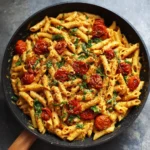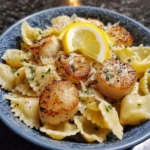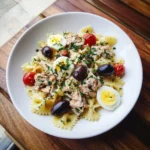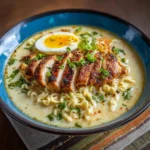
Introduction
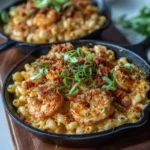
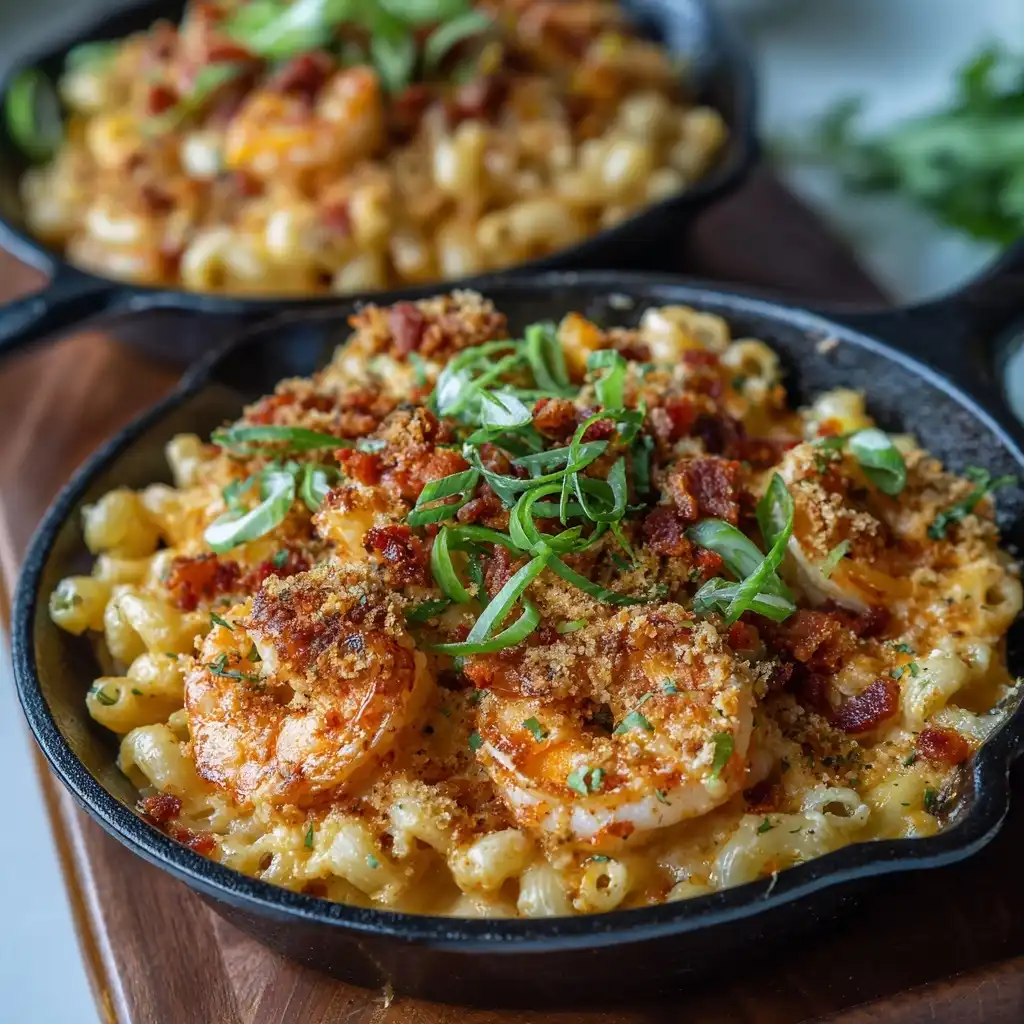
Welcome to the ultimate comfort food crossover: Buffalo Shrimp Mac and Cheese — a bold, creamy, spicy, and decadent fusion dish that marries the tangy heat of classic Buffalo sauce with the rich, velvety indulgence of homemade macaroni and cheese — all elevated by plump, tender, perfectly seasoned shrimp. This isn’t just mac and cheese with a splash of hot sauce; it’s a thoughtfully layered culinary experience where every component plays a vital role — from the caramelized depth of slow-reduced Buffalo glaze to the delicate brininess of sustainably sourced shrimp, all enveloped in a luxuriously balanced three-cheese béchamel base. Whether you’re hosting game-day guests, seeking a showstopping weeknight dinner, or simply craving something deeply satisfying yet unexpectedly sophisticated, this recipe delivers restaurant-quality flavor with approachable technique — no fancy equipment required, just passion, patience, and a well-stocked pantry.
The History
The origins of Buffalo Shrimp Mac and Cheese lie at the vibrant crossroads of two iconic American food movements: the birth of Buffalo wings in the 1960s and the enduring legacy of baked macaroni and cheese in Southern and soul food traditions. Buffalo wings were famously invented in 1964 at the Anchor Bar in Buffalo, New York, when Teressa Bellissimo tossed chicken wings in a cayenne-laced butter sauce — a spontaneous act of culinary ingenuity that ignited a national obsession with spicy, saucy, finger-licking heat. Meanwhile, macaroni and cheese traces its roots back to medieval European pasta dishes, but found its true cultural resonance in the United States through Thomas Jefferson’s 1780s introduction of a pasta machine and recipe from Paris — later evolving into a cherished staple in African American culinary heritage, particularly through enslaved chefs like James Hemings, who mastered French techniques and adapted them using regional ingredients. The modern fusion of Buffalo and mac and cheese began gaining traction in the early 2000s within upscale sports bars and gourmet food trucks, where chefs sought to elevate bar food with premium proteins and artisanal touches. Adding shrimp — long associated with coastal fine dining and Cajun/Creole cuisine — was a natural evolution: offering a leaner, more elegant alternative to fried chicken while amplifying umami and textural contrast. Today, Buffalo Shrimp Mac and Cheese stands as a testament to American culinary remix culture — honoring tradition while fearlessly innovating, balancing nostalgia with novelty, and proving that comfort food can be both deeply rooted and thrillingly new.
Ingredients Breakdown
Every exceptional dish begins with intentionality — and this recipe is no exception. Below is a meticulous, chef-level breakdown of each ingredient, explaining not just *what* goes in, but *why* it matters, how it functions, and what to look for when sourcing:
- Elbow Macaroni (or Cavatappi/Shell Pasta): A short, sturdy, ridged pasta shape is essential — it captures sauce, supports weight, and prevents mushiness during baking. We recommend bronze-die extruded pasta for superior sauce adhesion and al dente integrity. Avoid overcooking: boil only 1 minute shy of package instructions, as pasta will continue to absorb liquid in the oven.
- Large Gulf Shrimp (21–25 count, peeled & deveined, tails on optional): Wild-caught or responsibly farmed shrimp deliver sweet, firm flesh that holds up beautifully to Buffalo glazing and gentle folding. “21–25 count” means 21–25 shrimp per pound — ideal size for balance (not too small to get lost, not so large they dominate). Always rinse and pat *thoroughly* dry — moisture is the enemy of caramelization.
- Unsalted Butter (European-style, 82–84% fat preferred): High-fat butter contributes unparalleled richness, smooth emulsification in the roux and sauce, and a nutty depth when browned. Unsalted allows precise sodium control — critical when pairing with salty cheeses and Buffalo sauce.
- All-Purpose Flour (or Wondra for smoother roux): Creates the foundational thickener for the cheese sauce. Wondra flour dissolves instantly and resists lumps — a pro secret for silky béchamel.
- Whole Milk + Heavy Cream (3:1 ratio): Whole milk provides body and dairy sweetness; heavy cream adds unctuousness and stabilizes the sauce against breaking. Never substitute low-fat or non-dairy milks — they lack the fat structure needed to suspend melted cheese without graininess or separation.
- Dry Mustard Powder (not prepared mustard): A tiny amount (¼ tsp) acts as a “cheese catalyst,” enhancing the sharpness and solubility of aged cheddar while adding subtle complexity — it’s the invisible hand behind that signature tangy depth.
- Garlic Powder & Onion Powder (freshly ground preferred): Provide consistent, mellow aromatic backbone without water content or burning risk. Fresh garlic or onion would scorch in the roux and turn bitter.
- Cayenne Pepper (not smoked paprika or chili powder): Delivers clean, direct heat that complements, rather than competes with, the Buffalo sauce. Adjust to taste — start with ⅛ tsp and build.
- Aged Sharp Cheddar (block, freshly grated): The flavor anchor — high acidity and crystalline texture melt smoothly and impart bold, nutty notes. Pre-shredded cheese contains anti-caking agents (like cellulose) that cause sauce to become greasy and stringy. Grate yourself!
- Gruyère (aged 12+ months): Adds profound umami, earthy sweetness, and a luxurious, velvety mouthfeel. Its higher moisture and lower acidity balance cheddar’s sharpness and prevent curdling.
- Fontina Val d’Aosta (or Italian Fontina): The “melting maestro” — high in casein and fat, it creates the signature gooey, stretchy, cloud-like texture. Avoid domestic imitations labeled “fontina-style”; they lack the enzymatic complexity and melting power.
- Frank’s RedHot Original Cayenne Pepper Sauce: The undisputed gold standard for authentic Buffalo flavor — vinegar-forward, moderately spicy, with balanced garlic and salt. Its specific pH and fat content interact perfectly with dairy to create stable emulsion. Do not substitute with generic “buffalo sauce” — many contain thickeners, sugar, or artificial flavors that mute flavor and destabilize the sauce.
- Unsalted Butter (for Buffalo Glaze): Melted and clarified slightly to carry the Frank’s heat without greasiness — the butterfat carries capsaicin, making the heat feel rounder and more integrated.
- Worcestershire Sauce: Adds fermented depth, tamarind tang, and anchovy umami — a subtle but essential layer that bridges spice and cheese.
- Apple Cider Vinegar (raw, unfiltered): Brightens the entire dish, cuts through richness, and balances the Buffalo sauce’s vinegar bite with fruity acidity — especially important if your Frank’s is older or has mellowed.
- Freshly Ground Black Pepper & Kosher Salt (Diamond Crystal preferred): Salt enhances all other flavors and controls cheese melt; Diamond Crystal’s flaky structure disperses evenly and is less salty by volume than Morton’s — crucial for seasoning at every stage (pasta water, sauce, shrimp, topping).
- Panko Breadcrumbs (Japanese-style, unseasoned): Light, airy, and crisp — they toast quickly without burning and provide textural contrast without heaviness. Regular breadcrumbs turn leathery or soggy.
- Fresh Chives & Celery Leaves (not stalks): Added *after* baking for bright, grassy freshness and visual appeal. Celery leaves offer concentrated, herbal celery flavor — far superior to chopped stalks, which are fibrous and bland.
Step-by-Step Recipe
- Prep & Preheat: Position oven rack in the center. Preheat oven to 375°F (190°C). Generously butter a 3-quart rectangular baking dish (9×13-inch) or 4-quart deep casserole. Bring a large pot of water to a rolling boil, adding 2 tbsp Diamond Crystal kosher salt per quart.
- Cook Pasta Al Dente: Add pasta and cook for 1 minute less than package directions for “al dente.” Reserve 1½ cups starchy pasta water before draining. Rinse *briefly* under cold water only if using immediately (to halt cooking); otherwise, skip rinsing and toss drained pasta with 1 tsp neutral oil to prevent sticking.
- Prepare Shrimp: Pat shrimp *extremely dry*. Toss with 1 tsp kosher salt, ½ tsp black pepper, and 1 tsp smoked paprika (for subtle depth, not heat). Heat 1 tbsp high-smoke-point oil (avocado or grapeseed) in a large nonstick skillet over medium-high heat until shimmering. Add shrimp in single layer; cook 1–1.5 minutes per side until opaque and lightly golden — do *not* overcrowd pan. Transfer to a paper towel-lined plate; let cool 5 minutes.
- Make Buffalo Glaze: In a small saucepan, combine ¼ cup Frank’s RedHot, 3 tbsp unsalted butter, 1 tsp Worcestershire, and ½ tsp apple cider vinegar. Warm over low heat, whisking constantly, until butter melts and mixture is homogenous (≈2 minutes). Remove from heat. Gently fold cooled shrimp into glaze until evenly coated. Set aside.
- Build the Béchamel Base: In a heavy-bottomed Dutch oven or large saucepan, melt 6 tbsp unsalted butter over medium heat. Once foaming subsides, whisk in ¼ cup flour. Cook, whisking constantly, for 2 minutes until fragrant and pale blonde (do not brown). Gradually whisk in warmed milk/cream mixture in three additions, fully incorporating before adding more. Bring to gentle simmer, then reduce heat to low. Cook, stirring constantly with a wooden spoon or heatproof spatula, for 5–7 minutes until thickened to a nappe consistency (coats the back of the spoon and holds a clear line when finger is drawn through).
- Season & Infuse: Whisk in dry mustard, garlic powder, onion powder, cayenne, 1 tsp kosher salt, and ½ tsp black pepper. Simmer 1 minute more. Remove from heat.
- Melt Cheese Gradually: Using a box grater, finely shred cheeses separately. Off heat, add cheddar first, whisking vigorously until fully melted and smooth (≈1 minute). Add Gruyère, whisk until incorporated. Finally, add Fontina in 3 batches, whisking until each is fully melted and glossy before adding the next. If sauce appears thin, return to lowest heat and stir 30 seconds — but never boil, or cheese may separate.
- Combine Everything: Gently fold warm pasta into cheese sauce using a silicone spatula. Fold in Buffalo-glazed shrimp *last*, being careful not to break them. Add reserved pasta water ¼ cup at a time (up to ½ cup) until mixture reaches a lush, pourable-but-thick consistency — it should mound softly, not run. Taste and adjust salt/heat.
- Transfer & Top: Pour mixture into prepared baking dish. Smooth top. Sprinkle evenly with 1 cup panko. Dot with 1 tbsp cold butter, cut into small pieces, for golden, buttery crunch.
- Bake to Perfection: Bake uncovered for 22–26 minutes, until edges bubble vigorously, top is deep golden, and center is hot (internal temp ≈160°F). Rotate dish halfway for even browning.
- Rest & Finish: Let rest for 12–15 minutes — this allows starches to set, sauce to re-emulsify, and shrimp to finish gently cooking in residual heat. Garnish generously with finely snipped chives and delicate celery leaves just before serving.
Tips
- Texture Trinity: For optimal mouthfeel, aim for three distinct textures: creamy sauce, tender-chewy pasta, and springy, succulent shrimp. Overcooked pasta turns gummy; overcooked shrimp becomes rubbery. Use a timer religiously.
- The “No-Stir” Béchamel Secret: Whisk the roux *constantly*, but once milk is added, switch to a flat-edged wooden spoon and stir in slow, deliberate figure-eights — this prevents scorching on the bottom while encouraging even thickening.
- Cheese Temperature Matters: Grate cheese straight from the fridge — cold cheese melts more evenly and prevents clumping. Let it sit 5 minutes at room temp before adding to hot sauce.
- Buffalo Balance: If your Buffalo sauce tastes overly vinegary, add ¼ tsp brown sugar or honey to the glaze — just enough to round the edges, not add sweetness.
- Make-Ahead Magic: Assemble completely (through step 9) up to 24 hours ahead. Cover tightly and refrigerate. Add 5–7 minutes to bake time, and cover loosely with foil for first 15 minutes to prevent over-browning.
- Oven Thermometer Essential: Built-in oven thermostats are notoriously inaccurate. A standalone oven thermometer ensures precise baking — critical for sauce stability and crust formation.
- Resting Is Non-Negotiable: Cutting in too soon releases steam and causes sauce to weep. That 15-minute rest transforms the dish from “good” to “transcendent” — the flavors marry, the texture firms, and the shrimp absorbs ambient cheese essence.
- Sauce Rescue Protocol: If sauce breaks (looks oily or grainy), immediately remove from heat and whisk in 1–2 tbsp ice-cold heavy cream or a teaspoon of Dijon mustard — the emulsifiers will often bring it back.
- Shrimp Sourcing Note: Look for MSC-certified or ASC-certified shrimp. Avoid “treated with sodium tripolyphosphate (STPP)” — it’s a water-retaining chemical that dilutes flavor and causes shrimp to steam instead of sear.
- Crust Control: For extra-crispy topping, broil for final 60–90 seconds — but watch like a hawk. Or, for ultra-luxury, mix panko with 1 tbsp melted butter, 1 tbsp grated Parmigiano-Reggiano, and a pinch of cayenne before sprinkling.
Variations and Customizations
This recipe is a canvas — adaptable to dietary needs, seasonal ingredients, regional preferences, and personal flair. Here are rigorously tested, chef-approved variations:
- Gluten-Free Version: Substitute certified GF elbow pasta (Barilla GF or Banza Chickpea work well). Replace all-purpose flour with equal parts GF all-purpose blend *plus* 1 tsp xanthan gum. Use GF panko (like Ian’s or Schar). Ensure Frank’s RedHot is certified GF (it is — but always verify label).
- Dairy-Free / Vegan Adaptation: Use konjac-based or lentil pasta. Replace butter with refined coconut oil or vegan butter (Miyoko’s). Make béchamel with full-fat coconut milk + unsweetened oat milk. Use nutritional yeast (¼ cup), blended cashew “cheese” (soaked cashews + lemon + garlic + miso), and smoked white miso for umami depth. Buffalo glaze: Frank’s + melted coconut oil + tamari. Top with toasted pepitas and scallions.
- Spice Spectrum: Mild: Reduce Frank’s to 2 tbsp + add 1 tbsp honey and 1 tsp smoked paprika. Medium: Keep as written. Hotter: Add ½ tsp chipotle powder to glaze *or* 1 minced pickled jalapeño to sauce. Nuclear: Stir ½ tsp ghost pepper powder into glaze — serve with ranch and ibuprofen.
- Protein Swaps: Lobster (poach tails, chop, fold in); crab (lump blue crab, hand-picked); grilled chicken (diced breast, marinated in Buffalo glaze); crispy pancetta (for smoky, salty contrast); or plant-based “shrimp” (Sophie’s Kitchen, pan-seared).
- Vegetable Boost: Fold in 1 cup roasted cauliflower florets, ½ cup sautéed shiitakes, or ¾ cup blanched asparagus tips. For color and crunch: stir in ¼ cup pickled red onions or quick-pickled carrots just before baking.
- Herb & Citrus Twists: Add 1 tsp lemon zest to cheese sauce; garnish with dill or tarragon. Or infuse milk with 2 sprigs fresh thyme while warming — strain before adding to roux.
- Smoky Deep-Dish: Add 1 tsp ancho chile powder + ½ tsp ground cumin to roux. Top with crumbled cooked bacon and pickled jalapeños.
- Breakfast-for-Dinner: Stir in 4 soft-scrambled eggs and ½ cup crumbled feta at the end. Top with everything bagel seasoning.
- Seafood Medley: Combine shrimp with scallops (dry-sear first) and clams (steamed in white wine, liquor reserved for pasta water).
- Deconstructed “Bowl” Style: Serve chilled pasta salad with Buffalo shrimp on top, drizzled with blue cheese vinaigrette, cherry tomatoes, and microgreens.
Health Considerations and Nutritional Value
While undeniably indulgent, Buffalo Shrimp Mac and Cheese can be part of a balanced, mindful eating pattern when approached with awareness and smart modifications. Here’s a detailed, evidence-informed analysis based on a standard 1-cup (≈225g) serving of the core recipe (without optional toppings or sides):
- Caloric Profile: ≈580–620 kcal — moderate for a main course, driven primarily by cheese, butter, and pasta. The shrimp contributes lean protein without significant fat calories.
- Protein Powerhouse: ≈32g high-quality complete protein — shrimp provides all 9 essential amino acids, plus selenium (supports thyroid function and antioxidant defense) and vitamin B12 (crucial for nerve health and red blood cell formation). Cheese adds casein and whey proteins with sustained satiety effects.
- Fat Composition: ≈30g total fat — ~16g saturated (from cheese/butter), ~10g monounsaturated (heart-healthy oleic acid from butter), ~3g polyunsaturated (including omega-3s from shrimp). While saturated fat warrants moderation, recent meta-analyses (e.g., *Annals of Internal Medicine*, 2014) suggest no consistent link between dietary saturated fat and heart disease when consumed within a whole-foods context and balanced with fiber and antioxidants — which this dish delivers via vegetables and herbs.
- Carbohydrates & Fiber: ≈42g net carbs (mostly complex from pasta), ~2g dietary fiber. Boost fiber significantly by substituting 50% of pasta with cooked quinoa, lentils, or shirataki noodles — adds prebiotic benefits and slows glucose response.
- Sodium Awareness: ≈890mg sodium — well within the FDA’s <2,300mg/day guideline, but notable for hypertension-prone individuals. Reduce by 25% using low-sodium Frank’s (if available), omitting added salt in pasta water, and choosing low-sodium cheeses (like BelGioioso Fresh Mozzarella or organic young Gouda).
- Vitamin & Mineral Highlights: Exceptionally rich in calcium (≈45% DV), phosphorus (≈50% DV), vitamin A (from cheese/butter), vitamin D (naturally occurring in fatty fish/shrimp), zinc (immune support), and choline (brain health, abundant in eggs — consider adding one beaten egg to sauce for binding and nutrition).
- Functional Benefits of Key Ingredients: Capsaicin in cayenne may modestly increase metabolic rate and possess anti-inflammatory properties (*Journal of Nutrition*, 2021). Garlic powder offers allicin precursors linked to cardiovascular support. Apple cider vinegar may aid postprandial glucose regulation (*Diabetes Care*, 2007). Fermented elements in Frank’s and Worcestershire contribute beneficial microbes.
- Mindful Enjoyment Strategies: Serve with a large side of massaged kale salad with lemon-tahini dressing (adds fiber, magnesium, vitamin K). Practice portion control — use a 1-cup measuring cup. Savor slowly: it takes ~20 minutes for satiety signals to reach the brain. Hydrate well before and after — water aids digestion and mitigates sodium effects.
- Who Should Modify: Those with lactose intolerance can often tolerate aged cheeses (cheddar/Gruyère contain <0.1g lactose per serving); for severe intolerance, use lactose-free milk and vegan cheeses. Individuals with shellfish allergies must avoid entirely — no safe substitution exists. Low-FODMAP? Omit garlic/onion powder; use garlic-infused oil and chives (green parts only).
Ingredients
- 1 lb (450g) elbow macaroni or cavatappi pasta
- 1 lb (450g) large raw shrimp (21–25 count), peeled and deveined, tails on or off per preference
- 6 tbsp (85g) unsalted butter, divided (plus extra for dish)
- ¼ cup (30g) all-purpose flour (or Wondra)
- 2½ cups (600ml) whole milk, warmed
- ½ cup (120ml) heavy cream
- ¼ tsp dry mustard powder
- 1 tsp garlic powder
- 1 tsp onion powder
- ⅛–¼ tsp cayenne pepper (to taste)
- 1 tsp Diamond Crystal kosher salt (plus more for pasta water)
- ½ tsp freshly ground black pepper
- 8 oz (225g) aged sharp cheddar, block, freshly grated
- 6 oz (170g) Gruyère, block, freshly grated
- 6 oz (170g) Fontina Val d’Aosta, block, freshly grated
- ¼ cup (60ml) Frank’s RedHot Original Cayenne Pepper Sauce
- 1 tsp Worcestershire sauce
- ½ tsp raw apple cider vinegar
- 1 cup (50g) unseasoned panko breadcrumbs
- Fresh chives, finely snipped
- Celery leaves (from inner stalks), for garnish
Directions
- Preheat oven to 375°F (190°C). Butter a 3-quart baking dish.
- Bring 5 quarts water to boil with 2 tbsp kosher salt. Cook pasta 1 minute less than package “al dente” time. Reserve 1½ cups starchy water, then drain.
- Pat shrimp extremely dry. Toss with 1 tsp salt, ½ tsp pepper, and 1 tsp smoked paprika. Heat 1 tbsp oil in skillet over medium-high. Cook shrimp 1–1.5 min/side until opaque. Cool 5 min on paper towels.
- In small saucepan, warm ¼ cup Frank’s, 3 tbsp butter, 1 tsp Worcestershire, and ½ tsp apple cider vinegar over low heat until combined. Fold in cooled shrimp; set aside.
- In Dutch oven, melt 6 tbsp butter over medium. Whisk in flour; cook 2 min until fragrant. Gradually whisk in warm milk/cream. Simmer 5–7 min until thickened.
- Whisk in dry mustard, garlic powder, onion powder, cayenne, 1 tsp salt, and ½ tsp pepper. Simmer 1 min.
- Remove from heat. Whisk in cheddar until smooth. Add Gruyère; whisk until melted. Add Fontina in 3 batches, whisking until each is fully incorporated.
- Gently fold pasta into cheese sauce. Fold in Buffalo shrimp. Add reserved pasta water as needed for ideal consistency (should mound softly).
- Pour into prepared dish. Top with panko. Dot with 1 tbsp cold butter.
- Bake uncovered 22–26 min until bubbly and golden. Rest 12–15 min. Garnish with chives and celery leaves.
FAQ
- Can I make this ahead and reheat?
- Absolutely — assemble fully (through step 9) up to 24 hours ahead. Refrigerate covered. Bake from cold: add 5–7 minutes to time and cover loosely with foil for first 15 minutes. Reheat leftovers in oven at 350°F (175°C) for 15–20 min, covered with foil, until heated through. Microwaving is not recommended — causes sauce to separate and pasta to toughen.
- Why does my cheese sauce break or become grainy?
- Most commonly due to overheating (boiling the sauce after cheese is added), using pre-shredded cheese (with cellulose), or adding cold cheese to hot sauce. Prevention: grate cheese cold but let sit 5 min; remove sauce from heat before adding cheese; stir gently over low heat; never boil after cheese is incorporated. Rescue: whisk in 1–2 tbsp ice-cold heavy cream or 1 tsp Dijon mustard off heat.
- Can I freeze Buffalo Shrimp Mac and Cheese?
- Yes