Introduction
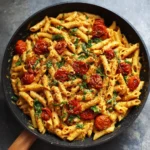
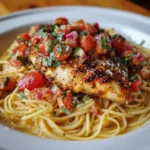
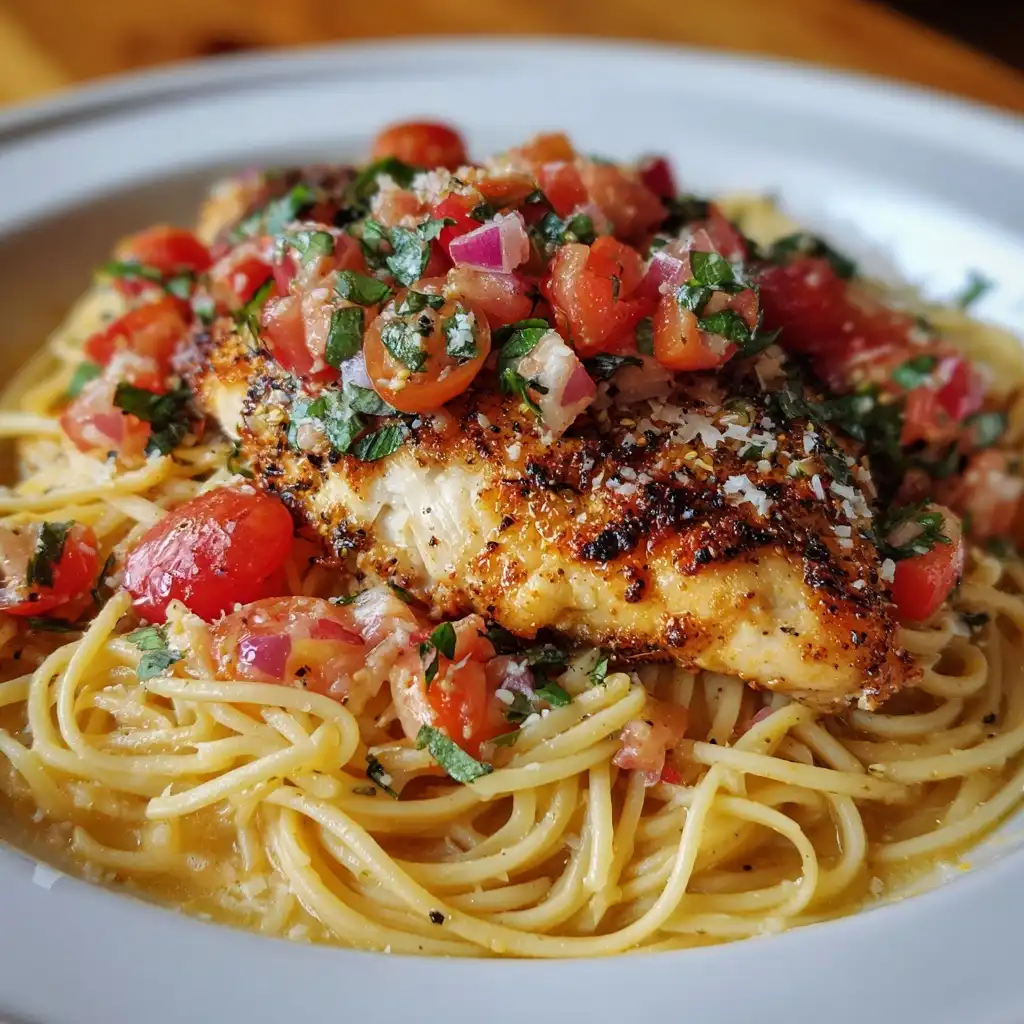
Bruschetta Chicken Pasta is a vibrant, restaurant-worthy dish that masterfully bridges rustic Italian tradition with modern weeknight practicality. At its heart lies the bold, sun-ripened essence of classic tomato bruschetta—chopped vine-ripened tomatoes, fragrant fresh basil, pungent garlic, and bright balsamic vinegar—elevated by tender, herb-marinated grilled or pan-seared chicken breast and tossed luxuriously with al dente pasta. This isn’t just pasta with toppings; it’s a harmonious, layered symphony where acidity cuts through richness, herbs lift every bite, and texture plays a starring role—from the chewy-yet-yielding pasta to the juicy chicken and the lively, chunky bruschetta relish that clings perfectly without turning soggy. Whether served warm as a comforting main course or chilled as a refreshing summer pasta salad, Bruschetta Chicken Pasta delivers unmistakable freshness, depth of flavor, and visual appeal that makes it an instant favorite for family dinners, potlucks, date nights, and meal-prep enthusiasts alike.
The History
While Bruschetta Chicken Pasta is a contemporary fusion creation with no singular documented origin, its roots run deep through centuries of Italian culinary evolution. Traditional bruschetta (from the Tuscan verb bruscare, meaning “to roast over coals”) dates back to ancient Etruscan and Roman times, when peasants would revive stale bread by toasting it over open flames and topping it with olive oil, garlic, and seasonal produce—a practice born of frugality and ingenuity. The modern tomato-laden version emerged only after tomatoes were introduced from the Americas in the 16th century and gradually gained acceptance in Italy by the late 18th century. Meanwhile, pasta has been a cornerstone of Italian cuisine since at least the Middle Ages, with regional variations flourishing across the peninsula. Chicken, though less historically dominant than pork or beef in traditional Italian cooking, became more widely incorporated into home kitchens post–World War II as refrigeration improved and protein accessibility increased. The marriage of these elements—bruschetta’s bright relish, succulent grilled poultry, and hearty pasta—gained traction in American and Canadian food media during the early 2000s, popularized by chefs and home cooks seeking healthy, flavorful, and visually dynamic meals that balanced simplicity with sophistication. Today, it stands as a beloved example of “Italian-American” innovation: respectful of tradition yet unafraid to adapt, seasonally responsive, and deeply rooted in the philosophy that great food begins with exceptional, minimally manipulated ingredients.
Ingredients Breakdown
Every component of Bruschetta Chicken Pasta serves a distinct purpose—flavor, texture, aroma, acidity, richness, or freshness—and understanding their roles helps elevate your execution:
- Pasta: Typically spaghetti, linguine, or penne—but fusilli, farfalle, or even whole-grain or legume-based pastas work beautifully. Durum wheat semolina provides ideal starch content for sauce adhesion, while shape affects mouthfeel and how well the bruschetta clings.
- Chicken Breast or Thighs: Boneless, skinless chicken breasts offer lean protein and a neutral canvas, while boneless, skinless thighs deliver superior moisture, tenderness, and richer flavor—especially when seared. Both benefit immensely from proper marinating and resting.
- Fresh Vine-Ripened Tomatoes: Roma, San Marzano, or heirloom varieties are preferred—their lower water content and higher flesh-to-juice ratio prevent sogginess. Never substitute canned or greenhouse-grown tomatoes unless absolutely necessary; their flavor and texture simply don’t translate.
- Fresh Basil: Not optional—it’s non-negotiable. Dried basil lacks the volatile oils and sweet-anise complexity essential to authentic bruschetta. Use whole leaves whenever possible, reserving a few for garnish.
- Garlic: Freshly minced (not pre-minced or jarred) delivers sharp, aromatic pungency that mellows beautifully when combined with olive oil and acid. Adjust quantity based on preference—but never omit.
- Extra-Virgin Olive Oil: A high-quality, fruity, medium-intensity EVOO adds fruitiness, viscosity, and phenolic depth—not just fat. It emulsifies the dressing, coats the pasta, and carries flavor. Reserve a drizzle for finishing.
- Balsamic Vinegar: Use authentic, aged balsamic (aceto balsamico tradizionale) if available—or a high-quality, thick, syrupy “condimento” grade. Avoid thin, overly sweet, or caramel-color-laden versions. Its tart-sweet complexity balances the tomatoes’ acidity and enriches the overall profile.
- Red Onion: Finely diced for subtle sweetness and gentle bite—soak in cold water for 5–10 minutes to mellow sharpness and add crunch without overwhelming heat.
- Seasonings: Flaky sea salt (like Maldon) enhances all other flavors and provides textural contrast; freshly cracked black pepper adds warmth and spice. Optional additions include a pinch of dried oregano or a whisper of red pepper flakes for depth and subtle heat.
Step-by-Step Recipe
- Marinate the Chicken (30 minutes–2 hours): In a non-reactive bowl, combine 2 tbsp extra-virgin olive oil, 1 minced garlic clove, 1 tsp lemon zest, 1 tbsp lemon juice, 1 tsp dried oregano, ½ tsp flaky sea salt, and ¼ tsp black pepper. Add 1 lb boneless, skinless chicken breast or thighs (cut into 1-inch strips or left whole for grilling). Toss thoroughly, cover, and refrigerate. For deeper flavor, marinate up to 2 hours—but avoid longer, as citrus can begin to “cook” the surface.
- Prepare the Bruschetta Relish (15 minutes + resting): In a large mixing bowl, gently combine 2 cups finely diced ripe tomatoes (seeds and excess juice reserved for another use), ¼ cup finely diced red onion (soaked & drained), ⅓ cup chopped fresh basil leaves, 2 tbsp extra-virgin olive oil, 1 tbsp balsamic vinegar, 1 small garlic clove (minced or pressed), ½ tsp flaky sea salt, and ¼ tsp black pepper. Fold—not stir—to preserve texture. Let rest at room temperature for 15 minutes to allow flavors to meld and juices to develop. Do not refrigerate before combining with pasta—cold temperatures dull flavor and cause condensation.
- Cook the Pasta (10–12 minutes): Bring 4–5 quarts of well-salted water (it should taste like the sea—approx. 2 tbsp kosher salt) to a rolling boil. Add 12 oz pasta and cook until al dente—typically 1 minute less than package instructions. Reserve ¾ cup starchy pasta water before draining.
- Cook the Chicken (6–8 minutes): Heat 1 tbsp olive oil in a heavy-bottomed skillet (cast iron or stainless steel preferred) over medium-high heat until shimmering. Remove chicken from marinade (shake off excess) and pat dry with paper towels. Sear undisturbed for 4–5 minutes per side until golden-brown and internal temperature reaches 165°F (74°C). Transfer to a clean cutting board, tent loosely with foil, and rest for 5 minutes to retain juices.
- Combine & Finish (3 minutes): Return drained pasta to the warm (but off-heat) pot. Add the rested, sliced chicken and the bruschetta relish. Gently fold together using tongs or a silicone spatula. Drizzle in 2–4 tbsp reserved pasta water as needed to create a light, glossy sheen and help the relish cling. Taste and adjust seasoning—more salt? A splash more balsamic? A final swirl of premium olive oil? Finish with extra torn basil and a crack of black pepper.
Tips
- Tomato Prep is Key: Always seed and deseed tomatoes by cutting them in half horizontally and gently squeezing over a bowl to remove seeds and excess gel. Then dice the firm flesh—this prevents a watery, diluted dish.
- Don’t Skip the Pasta Water: That starchy liquid is liquid gold—it emulsifies, binds, and creates silkiness without adding heaviness. Add it gradually, tossing constantly, until the pasta glistens but doesn’t pool.
- Rest the Chicken: Cutting too soon releases precious juices onto the board instead of staying in the meat. Resting ensures each slice stays moist and flavorful.
- Chill Your Serving Bowl: Especially in summer—if serving warm, let pasta cool slightly before plating. If serving chilled, refrigerate your serving bowl for 15 minutes first to keep everything refreshingly crisp.
- Toast the Garlic (Optional but Recommended): Lightly sauté minced garlic in olive oil for 30 seconds before adding to bruschetta—this mellows raw bite and adds nutty depth without losing brightness.
- Layer the Basil: Add ¾ of the basil to the relish, then reserve the rest for garnish. Torn at the last second, it retains vibrancy, color, and aroma.
- Use a Wide, Shallow Pan for Bruschetta: Prevents compaction and allows air circulation—keeping tomatoes fresh and basil perky.
- Acid Balance: Taste the bruschetta before combining—if it tastes flat, add more balsamic or a splash of fresh lemon juice. If too sharp, a tiny drizzle of honey (¼ tsp) can round it out.
- Al Dente is Non-Negotiable: Overcooked pasta turns mushy when mixed with juicy relish. Set a timer—and taste 2 minutes before the package suggests.
- Prep Components Ahead: Bruschetta relish can be made up to 4 hours ahead (cover and refrigerate—but bring to room temp before using). Chicken can be marinated overnight. Pasta water can be reserved and reheated gently.
Variations and Customizations
This recipe is inherently adaptable—celebrating seasonality, dietary needs, pantry flexibility, and personal taste. Here are thoughtfully curated variations:
- Vegetarian Version: Omit chicken entirely and boost protein with 1 cup cooked chickpeas (rinsed and patted dry), ½ cup toasted pine nuts or slivered almonds, or 1 cup crumbled feta or goat cheese added at the end. For umami depth, toss in 2 tbsp sun-dried tomatoes (oil-packed, chopped) or 1 tsp white miso paste whisked into the dressing.
- Gluten-Free: Substitute certified gluten-free pasta (brown rice, quinoa, lentil, or corn-based). Cook according to package directions—GF pastas often require closer attention to avoid mushiness. Ensure balsamic vinegar is GF-certified (some contain caramel coloring derived from barley).
- Keto/Low-Carb: Replace pasta with spiralized zucchini (“zoodles”), blanched shirataki noodles, or cauliflower rice sautéed in olive oil until tender-crisp. Increase healthy fats—add avocado slices, extra olive oil, or chopped walnuts.
- Spicy Arrabbiata Style: Stir 1–2 tsp Calabrian chiles or ½ tsp crushed red pepper flakes into the bruschetta. Garnish with pickled jalapeños or Fresno chiles.
- Mediterranean Twist: Add ½ cup halved kalamata olives, ¼ cup crumbled feta, and 2 tbsp chopped fresh oregano. Swap balsamic for lemon juice and a touch of capers for brininess.
- Creamy Bruschetta Chicken Pasta: Whisk in ¼ cup mascarpone, ricotta, or Greek yogurt at the finish for luxurious richness—balance with extra lemon or vinegar to cut through.
- Grilled Variation: Grill marinated chicken and whole Roma tomatoes over medium charcoal or gas flame until char-marked and softened. Chop grilled tomatoes and fold into bruschetta for smoky sweetness.
- Herb-Forward Garden Edition: Double the basil and add 2 tbsp chopped fresh mint and 1 tbsp chopped parsley. Excellent with cherry tomatoes and grilled corn kernels in summer.
- Winter Bruschetta (Off-Season Adaptation): Use high-quality canned San Marzano tomatoes (drained well), roasted red peppers, and sun-dried tomatoes rehydrated in warm balsamic. Add 1 tsp grated orange zest for brightness.
- Pasta Shape Swaps: Try trofie for grip, orecchiette for pocketing relish, or gigli for elegant presentation. Whole-wheat or spinach pasta adds earthy notes and fiber.
Health Considerations and Nutritional Value
Bruschetta Chicken Pasta is naturally nutrient-dense when prepared mindfully—offering a balanced trifecta of lean protein, complex carbohydrates, and phytonutrient-rich vegetables. A standard serving (1.5 cups cooked pasta + 4 oz chicken + ½ cup bruschetta) provides approximately:
- Calories: ~520–620 kcal (varies by pasta type, oil quantity, and cheese additions)
- Protein: ~38–45 g (supporting muscle maintenance, satiety, and metabolic health)
- Fiber: ~6–9 g (primarily from whole-grain pasta, tomatoes, onions, and basil—promoting digestive regularity and gut microbiome diversity)
- Healthy Fats: ~18–24 g (mostly monounsaturated from EVOO—linked to reduced LDL cholesterol and cardiovascular protection)
- Vitamins & Minerals: Exceptionally high in Vitamin C (tomatoes, basil), Vitamin K (basil, olive oil), Lycopene (bioavailable when paired with healthy fat), Potassium (tomatoes, chicken), and antioxidants like quercetin and beta-carotene.
Dietary Notes: Naturally low in added sugar (unless sweetened balsamic is used), free of artificial preservatives, and easily adaptable for common restrictions. To maximize benefits: choose organic tomatoes when possible (higher lycopene), cold-pressed extra-virgin olive oil (rich in polyphenols), and pasture-raised or air-chilled chicken (lower in saturated fat, higher in omega-3s). Limit sodium by using flaky sea salt judiciously and skipping added table salt in marinades. Those managing blood sugar will appreciate its moderate glycemic load—especially when paired with vinegar (which slows glucose absorption) and fiber-rich vegetables. As always, portion awareness matters: serve alongside a simple arugula salad dressed in lemon and olive oil for added volume, nutrients, and satiety without excess calories.
Ingredients
- 12 oz dried pasta (spaghetti, linguine, penne, or fusilli)
- 1 lb boneless, skinless chicken breast or thighs
- 2 tbsp extra-virgin olive oil (plus more for finishing)
- 2 cloves garlic, minced (1 for marinade, 1 for bruschetta)
- 1 tsp lemon zest
- 1 tbsp fresh lemon juice
- 1 tsp dried oregano
- 1 tsp flaky sea salt (plus more to taste)
- ½ tsp freshly ground black pepper
- 2 cups ripe, seeded, finely diced tomatoes (Roma or San Marzano preferred)
- ¼ cup finely diced red onion, soaked in cold water for 5 minutes and drained
- ⅓ cup fresh basil leaves, chopped (plus extra for garnish)
- 1 tbsp high-quality balsamic vinegar
- ¾ cup reserved starchy pasta water
Directions
- Place chicken in a shallow dish. In a small bowl, whisk together 2 tbsp olive oil, 1 minced garlic clove, lemon zest, lemon juice, oregano, 1 tsp salt, and ½ tsp pepper. Pour marinade over chicken, turning to coat. Cover and refrigerate 30 minutes to 2 hours.
- In a medium bowl, combine tomatoes, drained red onion, remaining garlic clove, chopped basil, 1 tbsp olive oil, balsamic vinegar, ½ tsp salt, and ¼ tsp pepper. Gently fold to combine. Let sit at room temperature for 15 minutes.
- Bring 4–5 quarts water to a rolling boil. Add 2 tbsp kosher salt. Add pasta and cook until al dente—usually 1 minute less than package directions. Reserve ¾ cup pasta water, then drain pasta in a colander.
- Heat 1 tbsp olive oil in a large skillet over medium-high heat. Remove chicken from marinade (discard marinade) and pat dry. Sear chicken 4–5 minutes per side until golden and internal temperature reaches 165°F. Transfer to a cutting board, tent with foil, and rest 5 minutes. Slice into ½-inch pieces.
- Return drained pasta to warm pot. Add sliced chicken and bruschetta mixture. Gently fold together. Gradually add reserved pasta water, 1–2 tbsp at a time, until pasta is glossy and well-coated (about 4 tbsp total). Taste and adjust seasoning.
- Transfer to serving bowls. Drizzle with additional extra-virgin olive oil, top with extra torn basil, flaky salt, and black pepper. Serve immediately—warm, at room temperature, or chilled.
FAQ
- Can I make this ahead of time?
- Yes—with caveats. The bruschetta relish can be prepped up to 4 hours ahead (refrigerated, covered). Cooked chicken keeps refrigerated for 3 days. Cooked pasta (tossed with 1 tsp olive oil to prevent sticking) lasts 2 days. For best texture and flavor, combine all components within 30 minutes of serving. Avoid assembling more than 1 hour ahead—the tomatoes will release too much liquid and soften the pasta.
- Why does my bruschetta taste watery?
- Most commonly due to unseeded tomatoes or insufficient draining. Always deseed and blot diced tomatoes on paper towels before mixing. Also, avoid refrigerating the relish before combining—it causes condensation. If already watery, drain excess liquid before folding into pasta, or add a splash of pasta water and toss vigorously to re-emulsify.
- Can I freeze Bruschetta Chicken Pasta?
- Not recommended. Freezing breaks down tomato cell structure, resulting in mushiness and separation upon thawing. Chicken may become rubbery, and basil turns black and bitter. Instead, freeze cooked chicken and bruschetta separately (without basil), then assemble fresh pasta when ready.
- What’s the best pasta to use?
- Short shapes like penne, fusilli, or orecchiette hold bruschetta best. Long pastas like spaghetti or linguine offer elegance and twirlability—just ensure even distribution. Avoid delicate pastas like angel hair, which can’t support the relish’s weight.
- My chicken turned out dry—what went wrong?
- Overcooking is the #1 culprit. Use a meat thermometer—165°F is the safe minimum, but pulling at 160°F and letting carryover heat do the rest yields juicier results. Also, marinating in citrus for too long (beyond 2 hours) can begin to denature proteins. And never skip the resting step!
- Is store-bought bruschetta topping okay?
- It’s convenient but rarely matches the brightness, texture, and depth of homemade. Most commercial versions contain added sugars, preservatives, vinegar-heavy profiles, and lack fresh basil. If you must, choose one with minimal ingredients—tomatoes, basil, olive oil, garlic, vinegar—and enhance it with fresh herbs and a drizzle of quality EVOO.
- Can I use dried basil?
- Technically yes—but flavor and aroma will be dramatically diminished. Dried basil lacks the volatile oils and sweet-anise notes critical to authenticity. If absolutely necessary, substitute 1 tsp dried basil for 1 tbsp fresh—but add it to the marinade or cooking oil, not the raw relish.
- How do I make it spicier?
- Add ¼–½ tsp crushed red pepper flakes to the marinade or bruschetta. Or stir in 1 finely minced jalapeño (seeds removed for mild heat) or a few drops of chili oil at the finish. For smoky heat, add ¼ tsp smoked paprika to the chicken rub.
- What wine pairs well with this dish?
- A crisp, medium-bodied white such as Pinot Grigio, Vermentino, or Sauvignon Blanc complements the acidity and herbs beautifully. For red lovers, opt for a lighter, low-tannin option like Chianti Classico, Barbera, or chilled Lambrusco—avoid heavy Cabernets that overwhelm the tomatoes.
- Can I add cheese?
- Absolutely! Fresh mozzarella (bocconcini or burrata) adds creaminess and mild tang. Ricotta salata offers salty, crumbly contrast. Parmigiano-Reggiano shavings lend umami and depth—add any cheese at the very end to preserve texture and prevent melting into greasiness.
Summary
Bruschetta Chicken Pasta is a celebration of simplicity, seasonality, and smart technique—where vibrant, garden-fresh tomatoes meet tender, herb-kissed chicken and perfectly textured pasta, all bound by the golden thread of premium olive oil and bright balsamic. It’s a dish that nourishes the body with lean protein, antioxidants, and heart-healthy fats—and the soul with its unmistakable aroma of basil, garlic, and toasted grain.
Effortless enough for busy weeknights yet elegant enough for entertaining, it invites customization without compromising integrity, proving that extraordinary flavor need not come at the expense of wellness, accessibility, or joy.