Introduction
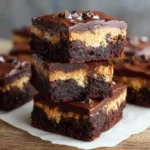
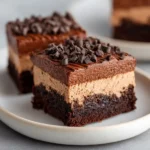
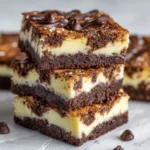
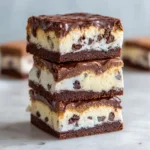
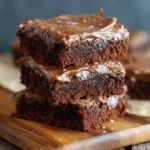
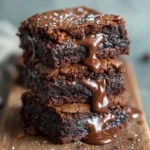
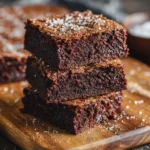
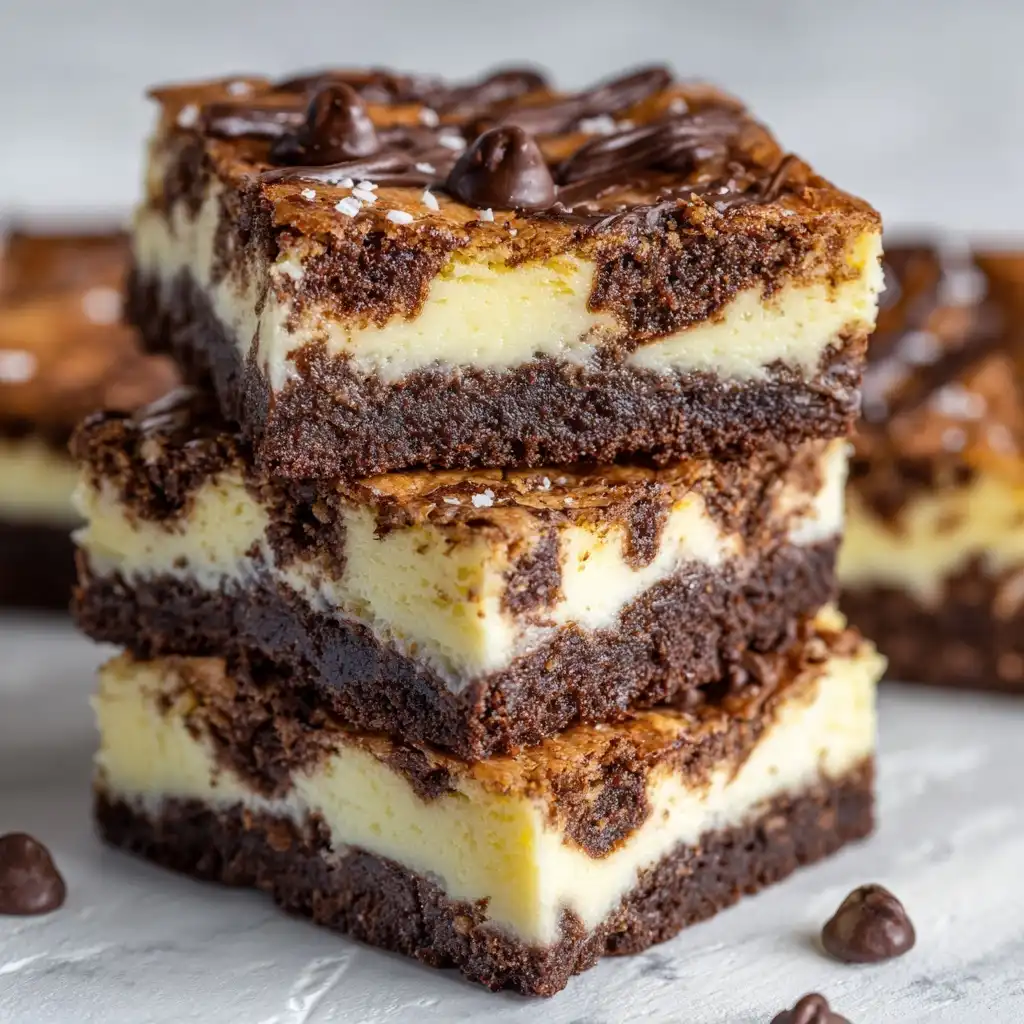
Brownie Cheesecake Bars are the ultimate dessert hybrid—a decadent, no-fuss fusion of rich, fudgy chocolate brownies and creamy, tangy New York–style cheesecake, baked together in one pan for maximum flavor, texture contrast, and crowd-pleasing appeal. These bars deliver the best of both worlds: the deep cocoa intensity and crackly top of a classic brownie layered seamlessly over a velvety, slightly tart cheesecake filling that sets with just the right amount of jiggle. Whether you’re prepping for a holiday potluck, hosting a casual backyard gathering, or simply treating yourself to an indulgent weekend bake, Brownie Cheesecake Bars offer restaurant-quality elegance with home-kitchen simplicity. Their compact, portion-controlled format makes them ideal for meal prep, gifting, or freezing—and their visual appeal (think marbled swirls, glossy surfaces, and clean slice lines) ensures they’re as photogenic as they are delicious.
The History
The origins of Brownie Cheesecake Bars trace back to the mid-to-late 20th century, emerging from the broader American baking trend of “bar desserts”—a practical, efficient evolution of layer cakes and pies designed for ease of preparation, transport, and serving. While brownies themselves were first popularized in the 1890s (with the iconic Palmer House Brownie debuting at the 1893 World’s Columbian Exposition), and cheesecake has ancient roots dating to Ancient Greece, their intentional marriage into a single bar format likely gained traction in the 1970s and 1980s. This era saw a surge in recipe sharing through women’s magazines like Betty Crocker’s Picture Cook Book, Good Housekeeping, and regional church cookbooks—where bakers began experimenting with layered, shortcut-style desserts using pantry staples and electric mixers. The rise of cream cheese as a widely available, affordable dairy product (thanks to brands like Philadelphia launching nationwide distribution in the early 1900s and scaling production post-WWII) further enabled this fusion. By the 1990s, Brownie Cheesecake Bars appeared in mainstream food media—including Martha Stewart Living and Food Network Magazine—often styled with gourmet touches like sea salt flakes, espresso powder, or bourbon-infused swirls. Today, they’ve evolved into a viral baking staple on platforms like TikTok and Pinterest, where bakers showcase ripple techniques, gluten-free adaptations, vegan swaps, and even keto-friendly versions—proving that this beloved bar dessert continues to adapt while honoring its comforting, nostalgic core.
Ingredients Breakdown
Understanding each ingredient’s functional role is key to mastering Brownie Cheesecake Bars—not just for taste, but for structure, texture, and stability:
- Unsweetened Cocoa Powder (Dutch-processed preferred): Provides deep, nuanced chocolate flavor without acidity. Dutch-processed cocoa is alkalized, yielding smoother bitterness and superior solubility—critical for a uniform brownie layer that doesn’t seize or clump when mixed with wet ingredients.
- Granulated Sugar & Brown Sugar (light or dark): Granulated sugar aids in crust formation and aeration during mixing; brown sugar contributes moisture, chewiness, and subtle molasses notes that complement the cheesecake’s tang. The dual-sugar blend prevents dryness and enhances caramelization at the edges.
- Eggs (large, room temperature): Act as emulsifiers, leavening agents, and binders. In the brownie layer, eggs provide structure and richness; in the cheesecake, they help set the custard without curdling—especially when added one at a time and not overmixed.
- Unsalted Butter (browned or melted): Browning butter before incorporating it into the brownie batter adds complex nutty, toasty notes and reduces water content—yielding denser, fudgier texture and improved shelf life. Melted (but cooled) butter also ensures smooth integration without gluten development.
- All-Purpose Flour (spooned & leveled): Offers just enough gluten for cohesion without toughness. Overmeasuring flour is the #1 cause of cakey—or worse, crumbly—brownies; always spoon flour into the measuring cup and level with a knife.
- Cream Cheese (full-fat, brick-style, room temperature): Non-negotiable for authentic cheesecake texture. Low-fat or spreadable varieties contain stabilizers and excess moisture that lead to weeping, cracking, or graininess. Room temperature ensures lump-free blending and even incorporation.
- Sour Cream or Full-Fat Greek Yogurt: Adds acidity to balance sweetness, boosts moisture retention, and contributes to a luxuriously tender, slightly airy crumb in the cheesecake layer. Its fat content also improves freeze-thaw stability.
- Vanilla Extract (pure, not imitation): Enhances aromatic depth across both layers. Alcohol-based vanilla helps carry volatile flavor compounds—especially important when competing with bold chocolate and tangy dairy.
- Pinch of Fine Sea Salt: Not merely for seasoning—it heightens all other flavors, reduces perceived bitterness in cocoa, and balances the richness of cream cheese and butter.
- Optional Flavor Enhancers: Espresso powder (amplifies chocolate without adding coffee taste), instant coffee granules (for deeper roast notes), orange zest (bright citrus lift), or a splash of bourbon (adds warmth and complexity).
Step-by-Step Recipe
- Prep & Preheat: Position oven rack in the center. Preheat oven to 325°F (163°C)—a lower temperature than standard brownies prevents the cheesecake layer from puffing, cracking, or browning too quickly. Line a 9×13-inch metal baking pan with two overlapping sheets of parchment paper, leaving generous overhang on two opposite sides for easy lifting. Lightly grease the parchment and pan edges with nonstick spray or softened butter.
- Make the Brownie Base: In a medium heatproof bowl, combine unsweetened cocoa powder, granulated sugar, brown sugar, and fine sea salt. Pour in hot (not boiling) brewed coffee or very hot water (½ cup)—this blooms the cocoa, intensifying flavor and dissolving sugars. Whisk until smooth and glossy. Stir in cooled browned butter (or melted butter) and pure vanilla extract. Add eggs one at a time, whisking vigorously for 30 seconds after each addition until fully incorporated and slightly thickened. Gently fold in flour using a silicone spatula—just until no streaks remain. Avoid overmixing to prevent gluten development and toughness.
- Prepare the Cheesecake Layer: In a large bowl, beat softened full-fat cream cheese with an electric hand mixer on medium speed for 1–2 minutes until completely smooth and creamy—scraping down sides frequently. Add granulated sugar and beat until light and fluffy (~2 minutes). Add eggs one at a time, beating on low speed for 20 seconds after each, then increasing to medium for another 10 seconds—never longer, to avoid incorporating excess air. Mix in sour cream, vanilla, and lemon juice (if using) until just combined. Do *not* overmix—this is the #1 cause of cracks.
- Layer & Swirl (Optional but Recommended): Pour the brownie batter evenly into the prepared pan and smooth with an offset spatula. Carefully spoon chilled cheesecake batter over the top. Using a butter knife or thin skewer, gently drag through both layers in a figure-eight or zigzag motion to create soft, defined marbling—avoid over-swirling, which causes muddying and loss of distinct layers.
- Bake with Precision: Place pan on a preheated baking sheet (for even bottom heat and reduced warping). Bake for 45–55 minutes. The bars are done when the edges are set and lightly pulling away from the pan, the center jiggles *just slightly* like firm Jell-O (not liquid), and a toothpick inserted 1 inch from the edge comes out with moist crumbs—not wet batter. Rotate pan halfway through for even baking.
- Cool Gradually (Critical Step): Turn off oven. Crack oven door open 1–2 inches with a wooden spoon handle and let bars cool inside for 30 minutes. This slow temperature drop prevents thermal shock and surface cracking. Remove pan to a wire rack and cool completely at room temperature (~2 hours). Then refrigerate, uncovered, for *at least 6 hours—but ideally overnight (12+ hours)*. This chilling time allows the cheesecake to fully set, the brownie to hydrate and soften, and the layers to bond cohesively for clean slicing.
- Cut & Serve: Use parchment overhang to lift entire slab onto a cutting board. With a sharp, thin-bladed knife wiped clean and dipped in hot water between cuts, slice into 12–24 uniform bars (depending on desired size). For cleanest edges, chill bars for 15 minutes before final slicing.
Tips
- Room Temperature Is Non-Negotiable: Cold cream cheese = lumps. Cold eggs = uneven emulsion. Let all dairy and eggs sit out for 60–90 minutes before starting.
- Brown Your Butter: Melt ½ cup unsalted butter in a light-colored saucepan over medium-low heat, swirling constantly until golden-brown bits form and it smells nutty (~5–7 minutes). Cool completely before adding to batter—this adds profound depth and reduces greasiness.
- Use a Water Bath? Not Required—but Helpful: For ultra-smooth, crack-free cheesecake layers, place the parchment-lined pan inside a larger roasting pan. Fill the outer pan with 1 inch of hot water before baking. This creates gentle, humid heat—ideal for delicate custards.
- Don’t Skip the Chill Time: Rushing refrigeration leads to sloppy slices, separated layers, and a “raw” cheesecake mouthfeel. Overnight chilling transforms texture and flavor harmony.
- Knife Technique Matters: Use a long, serrated knife for the brownie layer alone—or a chef’s knife for both layers. Heat the blade under hot tap water, wipe dry, cut, then repeat. Never saw—press straight down.
- Prevent Sticking: Lightly dust parchment with cocoa powder (not flour) before pouring brownie batter—this adds subtle flavor and eliminates white residue on the bottom.
- Rotate & Monitor: Ovens vary wildly. Start checking at 40 minutes—even if your recipe says 50. An instant-read thermometer inserted into the center should read 150–155°F (65–68°C) for perfectly set cheesecake.
- Freeze Like a Pro: Once fully chilled and sliced, arrange bars in a single layer on a parchment-lined tray. Freeze uncovered for 2 hours, then transfer to an airtight container with parchment between layers. Keeps for up to 3 months. Thaw overnight in fridge or 15 minutes at room temp.
Variations and Customizations
Brownie Cheesecake Bars are a canvas for creativity—elevating tradition while accommodating diverse tastes and dietary needs:
- Double Chocolate Swirl: Fold ½ cup mini chocolate chips into the brownie batter, and swirl in ¼ cup melted dark chocolate with the cheesecake layer for dramatic marbling.
- Peanut Butter Cup: Swirl ⅓ cup creamy peanut butter (warmed slightly) into the cheesecake layer. Top with chopped roasted peanuts and drizzle with melted milk chocolate before chilling.
- Espresso Fusion: Add 1 tsp instant espresso powder to brownie batter and 1 tbsp Kahlúa or cold brew concentrate to cheesecake mixture. Garnish with chocolate-covered espresso beans.
- Red Velvet Style: Replace 2 tbsp cocoa with red food gel + 1 tsp white vinegar + ½ tsp baking soda in brownie layer; use white chocolate instead of cocoa in cheesecake for pink-tinged contrast.
- Gluten-Free: Substitute all-purpose flour with ¾ cup certified GF 1:1 baking blend (like King Arthur or Bob’s Red Mill). Add ¼ tsp xanthan gum if not included. Ensure cocoa and baking powder are GF-certified.
- Vegan Version: Use flax eggs (2 tbsp ground flax + 5 tbsp water per egg), coconut oil–based “butter,” aquafaba–sweetened brownie base, and cashew-based cheesecake (soaked raw cashews, lemon juice, maple syrup, coconut cream, and apple cider vinegar).
- Keto/Low-Carb: Replace sugars with 1 cup erythritol + 2 tbsp monk fruit blend; use almond flour + cocoa in brownie layer; sweeten cheesecake with same blend + 2 tbsp powdered allulose for shine. Add 1 tsp psyllium husk to cheesecake for binding.
- Seasonal Twists: Pumpkin Spice (add ¼ cup pumpkin purée + 1 tsp pumpkin pie spice to cheesecake); Peppermint Bark (fold crushed candy canes into cheesecake, top with white chocolate drizzle); Salted Caramel (layer ⅓ cup thick homemade caramel between brownie and cheesecake, sprinkle with Maldon salt).
Health Considerations and Nutritional Value
While Brownie Cheesecake Bars are undeniably indulgent, mindful preparation and informed substitutions can align them more closely with balanced eating patterns—without sacrificing joy or satisfaction. A standard 2×2-inch bar (based on a 9×13-inch pan yielding 24 servings) contains approximately:
- Calories: 220–260 kcal
- Total Fat: 14–17g (8–10g saturated)
- Carbohydrates: 22–26g (18–22g sugars, 1g fiber)
- Protein: 3–4g
- Sodium: 110–140mg
Nutritional Highlights & Considerations:
- Cocoa Benefits: Rich in flavanols—antioxidants linked to improved endothelial function, reduced blood pressure, and enhanced cognitive blood flow. Opt for high-cacao (70%+) unsweetened cocoa for maximum polyphenol content.
- Cream Cheese Notes: Contains conjugated linoleic acid (CLA), vitamin A, and calcium—but also saturated fat. Choosing full-fat supports satiety and nutrient absorption (fat-soluble vitamins A & D), though moderation remains key for cardiovascular health.
- Sugar Awareness: Traditional recipes rely heavily on refined sugar. Consider reducing total sugar by 15–20% without compromising structure—brownies tolerate less sugar better than cheesecake, so prioritize reduction in the latter layer.
- Dietary Modifications: Gluten-free versions eliminate wheat-based gluten but may increase glycemic load if starch-heavy blends are used. Vegan versions often use nuts/seeds, boosting healthy fats and fiber—but watch added oils and sweeteners.
- Portion Control Strategy: Serving smaller bars (e.g., 12 per pan vs. 24) encourages mindful consumption. Pair with fresh berries or a dollop of unsweetened whipped cream to add volume, fiber, and antioxidants without extra sugar.
- Not Suitable For: Individuals with severe dairy allergies (unless fully veganized), uncontrolled diabetes (due to high glycemic impact), or those on strict low-FODMAP diets (cream cheese and sour cream contain lactose—though aging reduces it, some sensitivity may persist).
Remember: Dessert nutrition isn’t about “good vs. bad”—it’s about context, frequency, ingredient quality, and attunement to your body’s signals. Enjoying these bars occasionally, with intention and pleasure, supports long-term well-being far more than rigid restriction.
Ingredients
For the Brownie Layer:
- 1 cup (85g) unsweetened Dutch-process cocoa powder
- 1 ½ cups (300g) granulated sugar
- 1 cup (220g) packed light brown sugar
- 1 tsp fine sea salt
- ½ cup (120ml) hot brewed coffee or very hot water
- 1 cup (227g) unsalted butter, browned and cooled to room temperature
- 2 tsp pure vanilla extract
- 4 large eggs, room temperature
- 1 cup (125g) all-purpose flour, spooned & leveled
- ½ tsp baking powder (optional, for slight lift)
For the Cheesecake Layer:
- 24 oz (680g) full-fat brick-style cream cheese, room temperature
- 1 cup (200g) granulated sugar
- 1 tsp fine sea salt
- 1 cup (240g) full-fat sour cream, room temperature
- 2 tsp pure vanilla extract
- 2 tbsp fresh lemon juice (brightens flavor, prevents curdling)
- 4 large eggs, room temperature
For Garnish (Optional):
- Flaky sea salt
- Mini chocolate chips
- Chocolate drizzle (melted dark, milk, or white chocolate)
- Crushed toasted pecans or walnuts
Directions
- Preheat oven to 325°F (163°C). Line a 9×13-inch metal baking pan with parchment paper, allowing 2-inch overhang on two opposite sides. Lightly grease parchment and pan edges with nonstick spray.
- Make brownie batter: In a medium heatproof bowl, whisk together cocoa powder, granulated sugar, brown sugar, and salt. Pour in hot coffee/water and whisk until smooth and glossy. Stir in cooled browned butter and vanilla. Add eggs one at a time, whisking vigorously for 30 seconds after each. Gently fold in flour and baking powder (if using) until just combined—no dry streaks. Set aside.
- Make cheesecake batter: In a large bowl, beat cream cheese with electric mixer on medium for 1–2 minutes until ultra-smooth. Add sugar and salt; beat 2 minutes until fluffy. Add eggs one at a time, beating on low 20 sec + medium 10 sec each. Scrape bowl thoroughly. Mix in sour cream, vanilla, and lemon juice until *just* combined—do not overmix.
- Assemble: Pour brownie batter into prepared pan. Smooth top. Carefully spoon cheesecake batter over brownie layer. Using a knife or skewer, gently swirl to marble—4–5 figure-eights only.
- Bake: Place pan on preheated baking sheet. Bake 45–55 minutes, rotating halfway. Bars are done when edges are set, center jiggles slightly, and toothpick near edge shows moist crumbs. Internal temp should be 150–155°F.
- Cool & Chill: Turn off oven. Crack door open 1 inch; cool bars inside 30 minutes. Transfer to wire rack; cool completely (2 hrs). Refrigerate uncovered ≥12 hours (overnight strongly recommended).
- Cut & Serve: Lift slab using parchment. Slice with hot, clean knife. Wipe and reheat knife between cuts. Store covered in fridge up to 5 days or freeze up to 3 months.
FAQ
- Why did my cheesecake layer crack?
- Most commonly due to rapid temperature change (pulling from oven too fast), overmixing batter, or cooling too quickly. Always cool gradually in oven, avoid opening door early, and refrigerate slowly. Adding lemon juice and sour cream also stabilizes proteins.
- Can I make these ahead?
- Absolutely—and highly recommended! They taste even better after 24–48 hours of chilling, as flavors meld and texture matures. Fully assembled, unbaked bars can be refrigerated (covered) for up to 24 hours before baking.
- Can I use a glass or ceramic pan?
- Yes—but reduce oven temperature to 315°F and extend baking time by 5–10 minutes. Glass retains heat longer and may cause over-browning on edges. Always use parchment regardless of pan material.
- My brownie layer sank in the middle. What went wrong?
- Underbaking is the usual culprit—or opening the oven too soon during the first 30 minutes. Also ensure eggs and butter are truly room temperature; cold ingredients cause premature setting and collapse.
- How do I prevent sticking to the pan?
- Parchment + light greasing is essential. For foolproof release, dust parchment with 1 tsp cocoa powder before adding batter. Never skip the parchment overhang—it’s your lifeline for clean removal.
- Can I omit the coffee?
- Yes—substitute with very hot water. But coffee enhances chocolate flavor without tasting “coffee-like.” Even decaf works beautifully.
- Are these bars gluten-free or dairy-free?
- Not in the traditional version—but detailed gluten-free and vegan variations are provided above. Always verify labels on cocoa, baking powder, and chocolate chips for hidden gluten or dairy derivatives.
- Can I add mix-ins like nuts or chips?
- Yes! Fold ¾ cup toasted walnuts, pecans, or dark chocolate chunks into the brownie batter *after* folding in flour. Do not add to cheesecake layer unless finely chopped—large pieces sink or create weak spots.
- What’s the best way to store leftovers?
- In an airtight container with parchment between layers, refrigerated for up to 5 days. For longer storage, freeze individually wrapped bars for up to 3 months. Thaw in fridge overnight.
- Why does the recipe call for both granulated and brown sugar in the brownie?
- Granulated sugar provides structure and crisp edges; brown sugar adds moisture, tenderness, and molasses depth—creating the perfect fudgy-yet-chewy texture unique to premium brownies.
Summary
Brownie Cheesecake Bars are a masterclass in dessert synergy—melding the dense, cocoa-rich soul of a fudgy brownie with the luxuriously smooth, tangy elegance of a classic cheesecake, all in one stunning, slice-and-serve pan format.
With meticulous attention to ingredient temperature, precise baking times, and patient chilling, these bars deliver flawless texture, professional presentation, and endless customization potential—making them as rewarding to bake as they are irresistible to eat.