Introduction
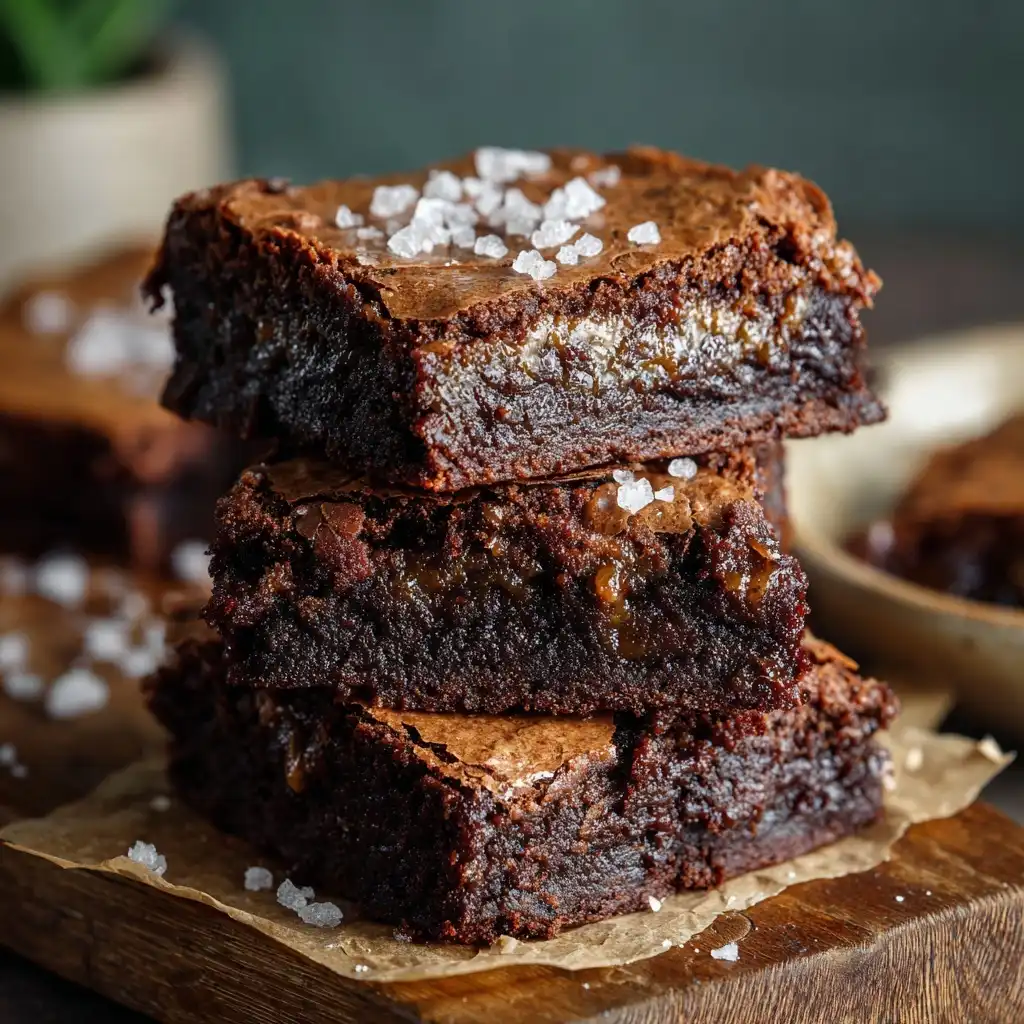
Brown butter brownies represent the luxurious, deeply flavorful evolution of a beloved classic—elevating the humble brownie from comforting dessert to an artisanal, sensory experience. Unlike standard brownies that rely on melted or softened butter for texture and moisture, brown butter brownies begin with a transformative step: gently cooking unsalted butter until its milk solids caramelize, releasing rich, nutty, toasty, and subtly butterscotch-like aromas. This simple yet profound technique infuses every bite with unparalleled depth, complexity, and warmth—making these brownies not just a treat, but a celebration of patience, precision, and pure baking alchemy. Whether served warm with a scoop of vanilla bean ice cream, dusted with flaky sea salt, or enjoyed solo with a cup of bold coffee, brown butter brownies invite slow savoring and repeated indulgence.
The History
The brownie’s origins trace back to the late 19th century in the United States, with early versions appearing as “brownie cake” in the 1896 Fannie Farmer Cookbook—a dense, molasses-laced bar with no chocolate. The modern chocolate brownie emerged around the turn of the 20th century, likely inspired by fudge and German chocolate cake, gaining national popularity after being featured at the 1893 World’s Columbian Exposition in Chicago. While traditional recipes called for creamed butter and sugar (for a cakier texture) or melted butter (for fudginess), the intentional use of *browned* butter remained rare until the mid-2000s, when chefs and food writers—including luminaries like Dorie Greenspan, Alice Medrich, and later, Bon Appétit and Food52 contributors—began championing its use in cookies, blondies, and eventually brownies. The technique gained momentum alongside the broader culinary renaissance of “brown butter” as a foundational flavor enhancer—not just in desserts, but in savory applications like pasta sauces, roasted vegetables, and compound butters. Brown butter brownies thus sit at the intersection of American baking tradition and contemporary flavor-forward craftsmanship, embodying both nostalgia and innovation.
Ingredients Breakdown
Every ingredient in this brown butter brownie recipe plays a precise functional and flavor role—no component is arbitrary. Below is a detailed, chef-level analysis:
- Unsalted Butter (1 cup / 2 sticks / 227g): Used unsalted to control sodium levels and ensure consistent browning. Browning transforms its chemical composition—lactose caramelizes, whey proteins toast, and volatile aromatic compounds (diacetyl, furans, and pyrazines) develop—yielding notes of toasted hazelnut, caramel, and warm butterscotch. The water content evaporates (~15–20%), concentrating fat and intensifying richness.
- High-Quality Bittersweet Chocolate (8 oz / 227g, 60–70% cacao): Chopped rather than chips for superior meltability and even distribution. A balanced cocoa-to-cocoa-butter ratio ensures fudgy density without greasiness. Recommended brands include Valrhona Guanaja, Ghirardelli 60%, or Callebaut 66%. Avoid chocolates with soy lecithin overload or artificial vanillin—these mute nuanced roasty-butter notes.
- Unsweetened Cocoa Powder (¼ cup / 20g, Dutch-processed preferred): Adds deep, non-acidic chocolate intensity and enhances color. Dutch-processed cocoa has been alkalized, reducing bitterness and harmonizing seamlessly with brown butter’s mellow sweetness—unlike natural cocoa, which can clash with its complex Maillard tones.
- Granulated Sugar (1¾ cups / 350g): Provides structure, tenderness, and caramelization during baking. A portion dissolves into the hot brown butter mixture, aiding emulsification; the remainder remains partially undissolved, contributing to the signature crackly top crust.
- Packed Light Brown Sugar (½ cup / 100g): Introduces molasses-derived moisture, acidity, and subtle caramel-raisin undertones that complement—and don’t compete with—the nuttiness of brown butter. Its hygroscopic nature helps retain chewiness over several days.
- Large Eggs (3, room temperature): Act as emulsifiers, binders, and leaveners. Room temperature eggs integrate more smoothly into the warm brown butter–chocolate base, preventing premature solidification of fats. The yolks contribute fat and richness; whites add slight lift without compromising fudginess.
- Pure Vanilla Extract (2 tsp): Not imitation—real Madagascar bourbon vanilla adds floral, creamy, and spicy top notes that bridge chocolate’s bitterness and brown butter’s earthiness. For extra dimension, add ¼ tsp of scraped vanilla bean seeds.
- All-Purpose Flour (⅔ cup / 90g, spooned & leveled): Provides gluten structure—but only enough to hold shape without toughness. Overmixing or excess flour leads to cakey or dry results. King Arthur or Gold Medal unbleached AP flour is ideal for consistent protein content (~11.7%).
- Pinch of Fine Sea Salt (¼ tsp, plus flaky salt for finishing): Essential for flavor balance—enhancing sweetness, suppressing bitterness, and amplifying umami depth. A tiny amount in the batter balances the richness; a sprinkle of Maldon or Fleur de Sel post-bake delivers textural contrast and bright salinity that cuts through fat.
- Optional Add-Ins (see Variations section): Toasted walnuts, pecans, or hazelnuts add textural crunch and reinforce nutty notes. Flaky sea salt, espresso powder, orange zest, or a swirl of caramel or peanut butter can deepen or diversify the profile—but never overwhelm the star: brown butter.
Step-by-Step Recipe
- Brown the Butter (10–12 minutes): Place unsalted butter in a light-colored, heavy-bottomed saucepan (stainless steel preferred for visibility). Melt over medium-low heat, swirling occasionally. As it foams, continue cooking—watch closely as foam subsides and golden droplets form. When milk solids turn amber-brown and emit a rich, nutty aroma (like toasted almonds and warm toffee), immediately remove from heat. Pour into a heatproof bowl, scraping every bit of browned sediment. Let cool 5–7 minutes until just warm to the touch (110–120°F)—too hot, and it will scramble eggs; too cool, and chocolate may seize.
- Melt Chocolate & Cocoa (5 minutes): In a microwave-safe bowl or double boiler, combine chopped chocolate and Dutch-processed cocoa. Heat in 20-second microwave bursts, stirring between each, until smooth and glossy. Alternatively, set bowl over barely simmering water (ensure bottom doesn’t touch water), stirring constantly until fully melted and homogeneous. Let cool slightly (to ~105°F) before combining with butter.
- Combine Wet Ingredients (3 minutes): Whisk warm brown butter into melted chocolate-cocoa mixture until fully emulsified. Gradually whisk in granulated and brown sugars until dissolved and silky—about 1 minute of vigorous whisking. One at a time, whisk in eggs, ensuring each is fully incorporated before adding the next. Stir in vanilla. Mixture should be thick, glossy, and uniform—no streaks or separation.
- Incorporate Dry Ingredients (2 minutes): Sift together flour and fine sea salt into a small bowl. Using a silicone spatula, gently fold dry ingredients into wet mixture in two additions—just until no dry streaks remain. Do NOT overmix; a few faint flour pockets are preferable to developing gluten. Fold in optional nuts or add-ins at this stage if using.
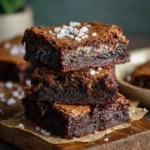
- Prepare Pan & Bake (35–40 minutes): Line an 8×8-inch metal baking pan with parchment paper, leaving 2-inch overhang on two opposite sides for easy removal. Grease lightly with butter or nonstick spray. Pour batter evenly; smooth top with offset spatula. Sprinkle generously with flaky sea salt. Bake in preheated 325°F (163°C) oven on center rack for 35–40 minutes. Rotate pan at 25 minutes. Brownies are done when edges are set and pull slightly away from sides, top forms a thin, shiny crust, and a toothpick inserted 1 inch from edge comes out with moist crumbs (not wet batter)—center should still wobble slightly.
- Cool & Cut (Minimum 2 hours, ideally overnight): Let brownies cool completely in pan on a wire rack—this is non-negotiable for clean cuts and optimal texture development. Rushing causes crumbling and loss of fudgy integrity. For best results, refrigerate uncovered for 1 hour, then chill overnight. Lift out using parchment handles, place on cutting board, and slice with a hot, sharp knife wiped clean between cuts.
Tips
- Patience is Flavor: Never rush browning butter. Low and slow is essential—high heat burns milk solids instantly, yielding bitter, acrid notes instead of nutty sweetness. If you smell burning, it’s already too late.
- Temperature Matters: Use an instant-read thermometer: ideal browning temp is 250–275°F. Cool brown butter to 110–120°F before mixing with eggs—test by dipping fingertip: warm, not hot.
- Pan Choice Impacts Outcome: Use a light-colored metal pan—not dark nonstick or glass. Dark pans absorb excess heat, overbaking edges; glass retains heat too long, leading to dry corners. An aluminum 8×8-inch pan yields perfect thickness (1¼ inches).
- Don’t Skip the Rest: Cutting before full cooling guarantees crumbly, uneven squares. Refrigeration firms up the fat matrix, allowing clean, glossy slices with defined edges and tender centers.
- Whisk, Don’t Beat: When incorporating eggs, use a whisk—not a mixer—to avoid aerating batter, which would create unwanted air pockets and a cakier crumb.
- Salt Strategically: Fine salt goes *in* the batter for structural balance; flaky salt goes *on top* after baking for aromatic impact and textural surprise.
- Storage Wisdom: Store cut brownies in an airtight container at room temperature for up to 4 days, or refrigerate for up to 10 days. To revive, warm individual squares for 8–10 seconds in microwave—melts butter back to silken perfection.
- Batch Scaling: This recipe scales reliably: double for a 9×13-inch pan (add 5–7 minutes bake time); halve for an 8×4-inch loaf pan (reduce bake time to 28–32 minutes).
Variations and Customizations
Once mastered, this brown butter brownie canvas invites endless creativity—always respecting the core principle: enhance, never mask, the brown butter’s essence.
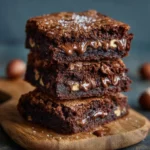
- Nutty Delights: Fold in 1 cup (120g) of *toasted* walnuts, pecans, or hazelnuts—roast separately at 350°F for 8 minutes, cool, then chop. Toasting deepens their affinity with brown butter’s nuttiness.
- Espresso-Infused: Add 1 tbsp finely ground espresso or 1½ tsp instant espresso powder to dry ingredients. Enhances chocolate’s bitterness and amplifies brown butter’s roasted notes—no coffee taste, just greater depth.
- Orange-Brown Butter: Zest 1 large organic orange (avoid pith) and whisk zest into brown butter *before* adding chocolate. Bright citrus oils cut richness and lift aroma—ideal for spring or holiday gifting.
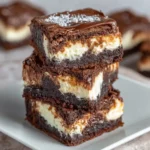
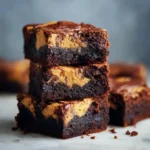
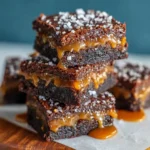
- Salted Caramel Swirl: Warm ½ cup high-quality salted caramel sauce (e.g., Smoked Sea Salt Caramel from Williams Sonoma) until fluid. Drop spoonfuls onto batter surface, then drag a skewer in figure-eights for marbling. Adds gooey contrast and sophisticated sweet-salty balance.
- Blondie Hybrid (“Brown Butter Blondies”): Omit chocolate and cocoa; increase brown sugar to 1¼ cups and add 1 tsp cinnamon. Result is a butterscotch-forward, golden-brown bar with pronounced caramelized butter character.
- Vegan Adaptation: Substitute brown butter with 1 cup browned refined coconut oil (simmered until golden, strained) + 2 tbsp neutral oil; use flax eggs (3 tbsp ground flax + 9 tbsp water, rested 10 min); swap chocolate for dairy-free 65% dark; use oat or almond milk-based buttermilk (1 tsp vinegar + ¾ cup plant milk) in place of eggs for binding.
- Gluten-Free Version: Replace AP flour with ⅔ cup (85g) 1:1 gluten-free all-purpose blend (Bob’s Red Mill or King Arthur); add ¼ tsp xanthan gum if blend doesn’t include it. Ensure cocoa and chocolate are certified GF.
- Mini-Muffin Format: Spoon batter into lined mini-muffin tins (¾ full). Bake at 325°F for 14–16 minutes. Yields ~36 petite, portable brownies—perfect for parties or lunchboxes.
Health Considerations and Nutritional Value
While brown butter brownies are unequivocally a decadent dessert—not a health food—they can be contextualized thoughtfully within a balanced diet. A standard 2×2-inch square (approximately 60g) contains roughly:
- Calories: 240–260 kcal
- Total Fat: 15–17g (9–10g saturated; 4–5g monounsaturated; 1–1.5g polyunsaturated)
- Carbohydrates: 26–28g (22–24g sugars; 1g fiber)
- Protein: 3–4g
- Sodium: 120–160mg (varies with salt type and quantity)
Nutritional Highlights & Considerations:
- Brown Butter Benefits: Though still a saturated fat source, browned butter contains increased concentrations of antioxidants (e.g., vitamin E, conjugated linoleic acid precursors) formed during Maillard reactions. Its reduced water content means slightly higher fat density—but also intensified flavor, potentially encouraging smaller, more satisfying portions.
- Chocolate’s Role: High-cocoa chocolate contributes flavanols—plant compounds linked to improved endothelial function and antioxidant activity. Opting for 60–70% dark chocolate maximizes flavanol retention while minimizing added sugar.
- No Artificial Additives: This recipe avoids preservatives, emulsifiers (like soy lecithin in excess), artificial colors, or high-fructose corn syrup—offering cleaner ingredient integrity than commercial counterparts.
- Portion Awareness: Their intense richness naturally promotes mindful eating. Savoring one square slowly delivers greater satisfaction than consuming multiple less-flavorful brownies.
- Dietary Modifications: For lower-sugar versions, replace ¼ cup granulated sugar with allulose or monk fruit blend (maintains browning and texture); for higher fiber, substitute 2 tbsp of flour with toasted oat flour or almond flour (adjust liquid if needed). Always consult a registered dietitian for personalized guidance.
Remember: Nutrition is holistic. These brownies shine brightest when enjoyed intentionally—as part of celebrations, shared moments, or quiet self-care—not as daily staples, but as meaningful, delicious punctuation in life’s rhythm.
Ingredients
- 1 cup (2 sticks / 227g) unsalted butter
- 8 oz (227g) high-quality bittersweet chocolate (60–70% cacao), finely chopped
- ¼ cup (20g) Dutch-processed cocoa powder
- 1¾ cups (350g) granulated sugar
- ½ cup (100g) packed light brown sugar
- 3 large eggs, room temperature
- 2 tsp pure vanilla extract
- ⅔ cup (90g) all-purpose flour, spooned and leveled
- ¼ tsp fine sea salt
- Flaky sea salt (Maldon or Fleur de Sel), for finishing
Directions
- Preheat oven to 325°F (163°C). Line an 8×8-inch metal baking pan with parchment paper, leaving 2-inch overhang on two opposite sides. Lightly grease parchment.
- In a light-colored, heavy-bottomed saucepan, melt butter over medium-low heat. Swirl pan frequently. Once melted, continue cooking until butter foams, then subsides, and golden-brown milk solids collect at the bottom with a rich, nutty aroma (approx. 10–12 minutes). Immediately pour into a heatproof bowl, scraping all browned bits. Cool 5–7 minutes.
- In a separate bowl, melt chocolate and cocoa together using microwave (20-sec bursts, stirring between) or double boiler until smooth. Cool slightly (to ~105°F).
- Whisk warm brown butter into melted chocolate-cocoa mixture until combined. Whisk in granulated and brown sugars until dissolved and glossy (1 min). Add eggs one at a time, whisking thoroughly after each. Stir in vanilla.
- Sift flour and fine salt over batter. Gently fold with silicone spatula until *just* combined—do not overmix. Batter will be thick and shiny.
- Pour into prepared pan. Smooth top. Sprinkle generously with flaky sea salt.
- Bake 35–40 minutes, rotating pan at 25 minutes, until edges are set and toothpick 1 inch from edge comes out with moist crumbs. Center should still wobble slightly.
- Cool completely in pan on wire rack (minimum 2 hours). For cleanest cuts, refrigerate uncovered 1 hour, then chill overnight.
- Using parchment overhang, lift brownies from pan. Peel off parchment. Slice with hot, sharp knife, wiping blade clean between cuts.
FAQ
- Can I make brown butter ahead of time?
- Yes! Brown butter can be refrigerated in an airtight container for up to 1 week or frozen for 3 months. Re-melt gently before use and cool to proper temperature.
- Why did my brownies crack on top?
- A crackly, shiny crust is intentional and desirable—it’s caused by sugar bloom and egg-white denaturation. Over-whisking eggs or using cold eggs increases cracking; ensure eggs are room temp and whisk gently.
- My brown butter tastes bitter—what went wrong?
- Bitterness indicates burnt milk solids. Next time, reduce heat further and stir more frequently near the end. Remove from heat the *instant* you smell deep nuttiness—not 10 seconds later.
- Can I use salted butter?
- Not recommended. Salted butter varies widely in sodium content and can interfere with browning consistency and final seasoning control. Stick with unsalted and adjust salt yourself.
- Why do you recommend Dutch-processed cocoa?
- Natural cocoa is acidic and can curdle brown butter’s delicate emulsion; Dutch-processed is pH-neutral, blends smoothly, and offers deeper, smoother chocolate notes that harmonize with brown butter’s richness.
- Can I bake these in a 9×13-inch pan?
- Absolutely—double the recipe and bake in a parchment-lined 9×13-inch pan at 325°F for 42–48 minutes. Check with toothpick at 40 minutes.
- How do I prevent dry or cakey brownies?
- Avoid overbaking (pull out when center still jiggles), overmixing (fold dry ingredients minimally), excess flour (spoon & level!), and using too much leavening (this recipe uses none—correct).
- Are these suitable for freezing?
- Yes! Cool completely, wrap tightly in plastic wrap, then in foil. Freeze up to 3 months. Thaw overnight in fridge or at room temp for 2 hours. Warm briefly before serving.
Summary
Brown butter brownies are a masterclass in elevated simplicity—transforming everyday ingredients through the alchemy of controlled Maillard browning to yield irresistibly rich, nutty, and deeply chocolatey squares with a crackly top and fudgy, melt-in-your-mouth center. They reward attention to detail, respect the science of temperature and emulsification, and deliver extraordinary flavor that lingers long after the last bite.
Whether baked for a holiday gathering, gifted in a festive tin, or savored as a quiet weekend ritual, these brownies are more than dessert—they’re a testament to how patience, quality ingredients, and culinary curiosity can turn tradition into transcendent delight.